How to Fix Dry Skin Under Your Beard in Winter
- ›Cold outdoor air holds almost no moisture and indoor heating removes what is left.
- ›Hot showers feel good and cause most of the winter flaking under a beard.
- ›Switch from oil alone to oil plus a butter or balm for the cold months.
- ›A humidifier at night is the highest-leverage change most men can make.
- ›Persistent greasy yellow flakes are seborrheic dermatitis, not dryness.
Every winter, men who have had no beard problems for eight months suddenly find themselves flaking. Nothing about the beard changed; the environment did, and the routine did not adjust with it.
Why winter is different
Cold air holds very little water vapour, and heating that air indoors drops the relative humidity further — often to twenty percent or below, which is drier than most deserts. Your skin loses water to that air continuously. Add wind exposure, which strips the lipid film mechanically, and hot showers, which dissolve it chemically, and the barrier does not get a chance to recover.
Fix the shower first
This is the highest-impact change and it costs nothing. Warm rather than hot, shorter, and a cool rinse at the end. Then apply product within about three minutes of getting out, while the skin is still damp — you are sealing water in rather than adding it.
Add weight to the routine
A light oil that works fine in July is not enough in January. The winter build is oil into the skin first, then a butter or balm over the top to slow evaporation. If you only make one product change, make it this one.
Run a humidifier
Bringing bedroom humidity to forty or fifty percent for the eight hours you sleep gives the barrier a long uninterrupted window to recover. Men are consistently surprised by how much difference this makes compared with anything they apply.
Do not over-exfoliate
The instinct when you see flakes is to scrub them off. Aggressive exfoliation on an already-compromised barrier makes the next round of flaking worse. Once a week with a gentle exfoliant is the ceiling in winter, and it should be followed immediately with oil.
Know when it is not dryness
Dry skin flakes are small, white, and dry. Seborrheic dermatitis produces larger, greasy, yellowish flakes on red, sometimes itchy skin, and it is driven by Malassezia yeast rather than lack of moisture. Moisturising will not clear it — an antifungal wash used two or three times a week will. Our beard dandruff guide covers the distinction in detail.
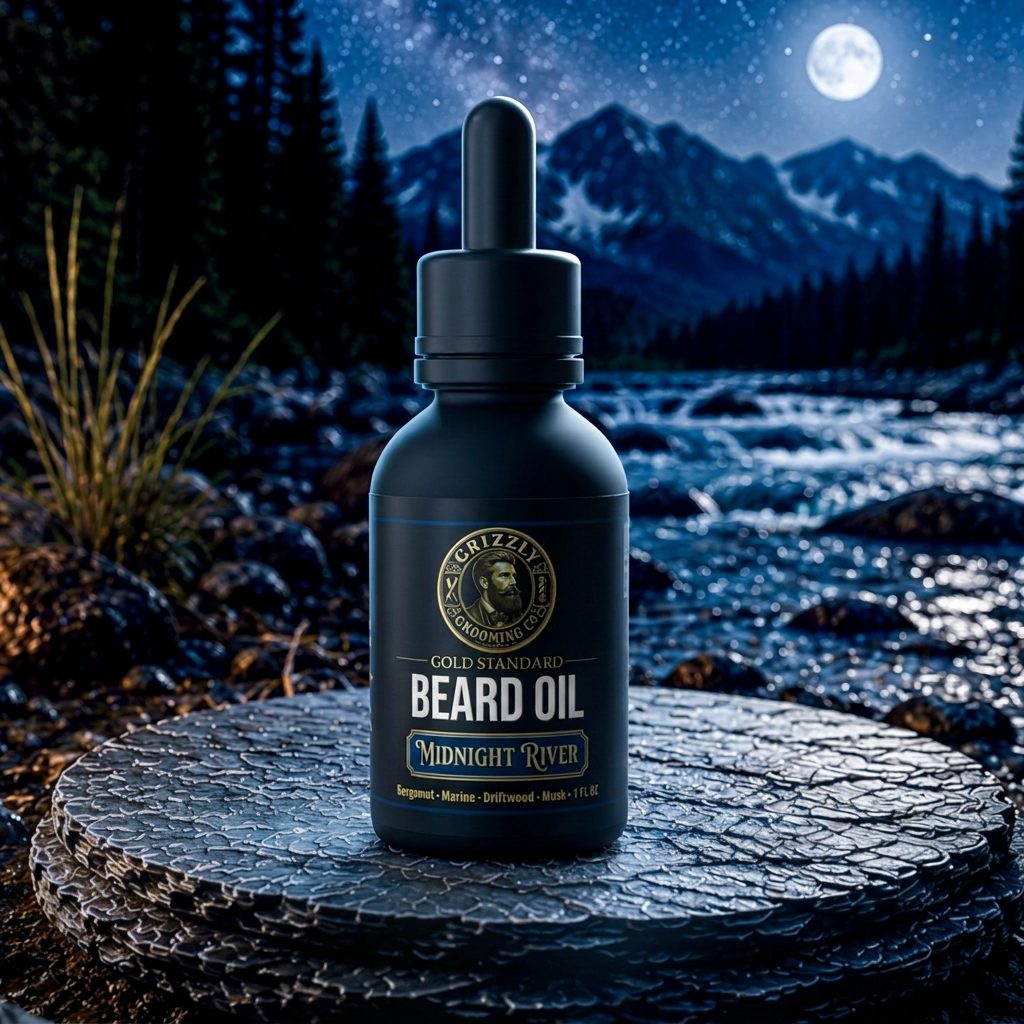
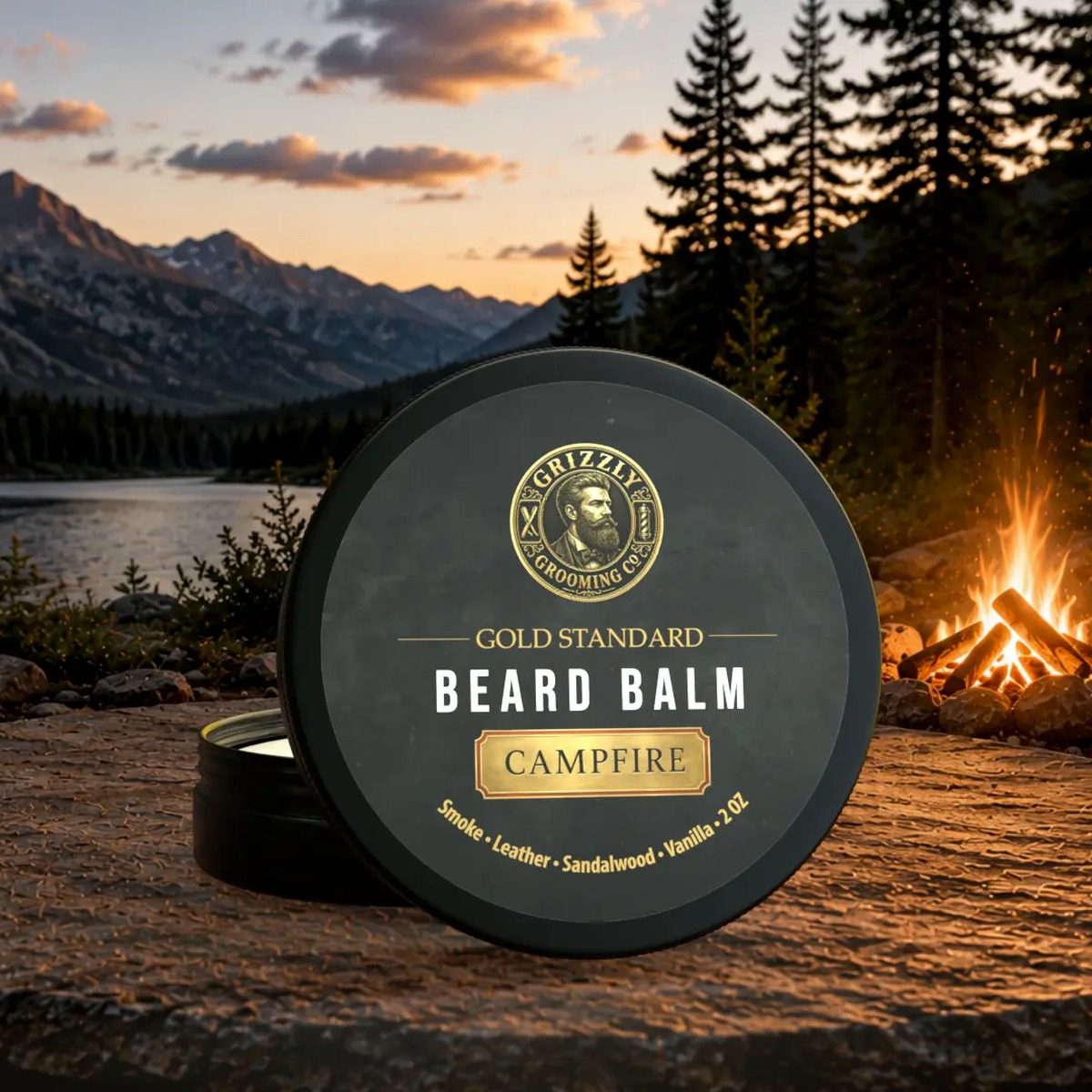
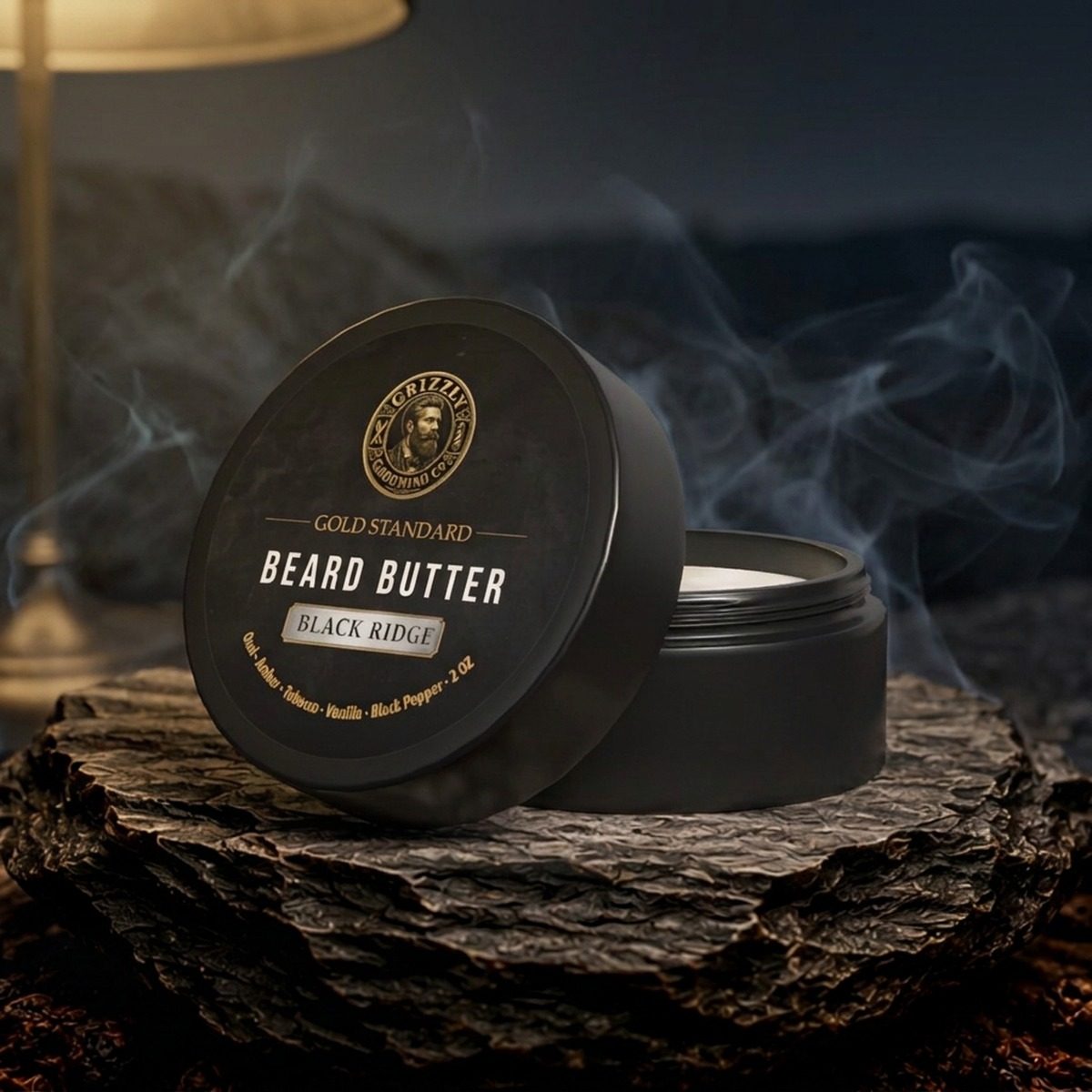
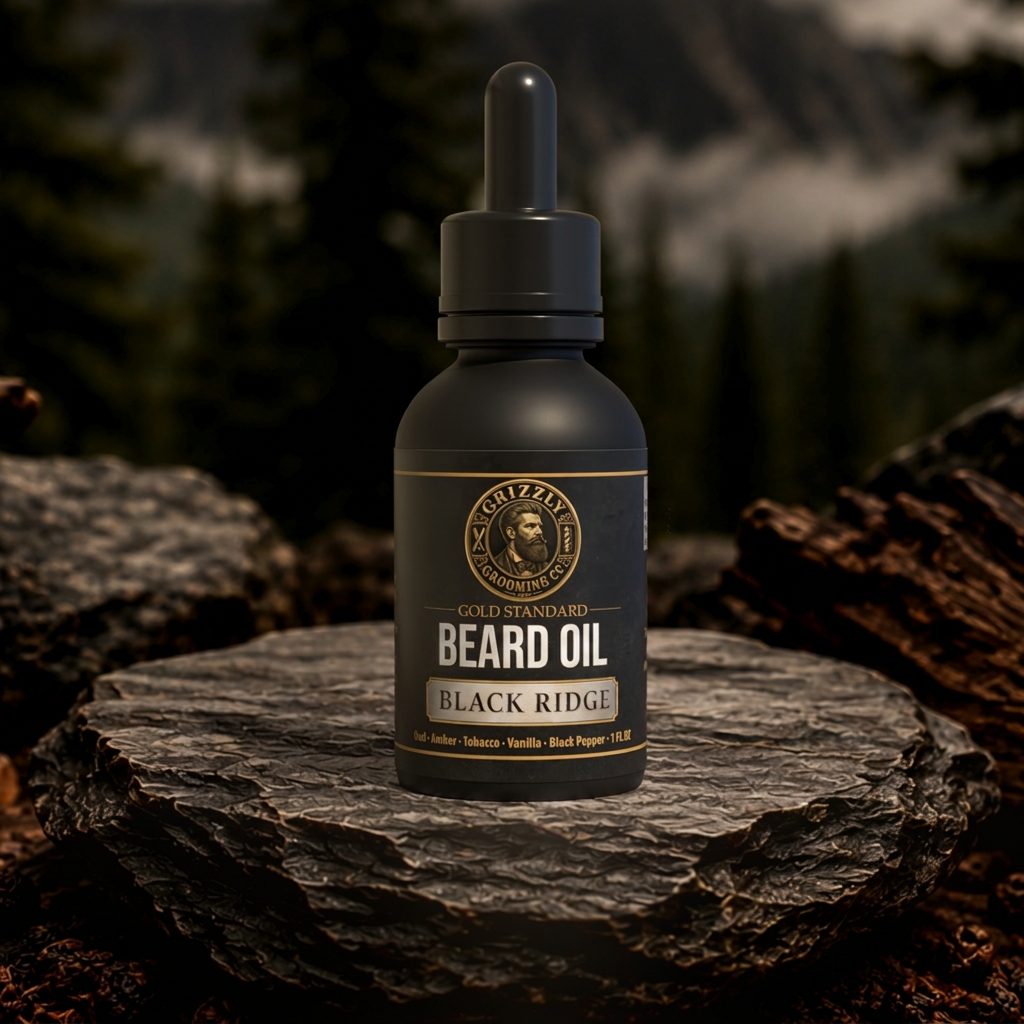
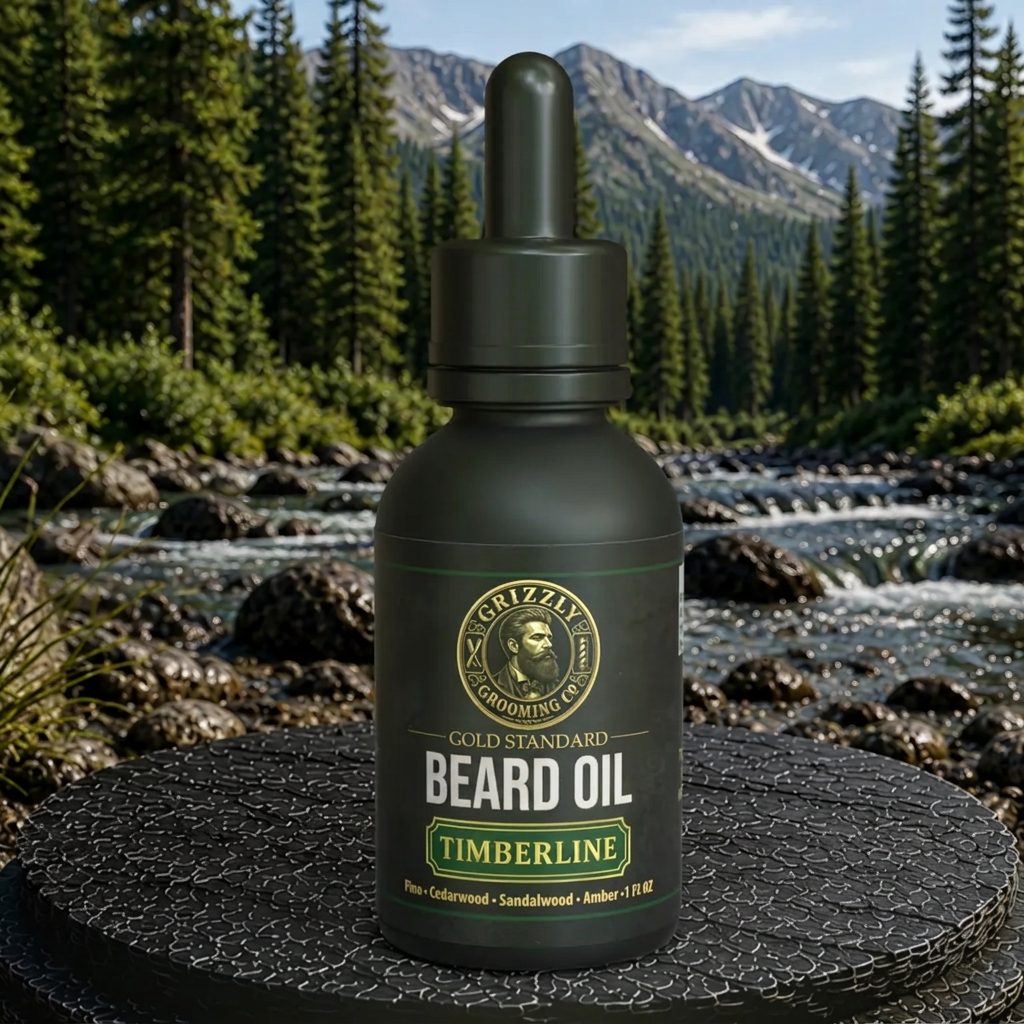
Gold Standard Beard Oil and Butter — the two-layer winter defence.
Keep reading
Frequently Asked Questions
Why is the skin under my beard dry in winter?+
Cold air holds almost no moisture, indoor heating drops humidity further, and hot showers strip the lipid film. The barrier loses water faster than it can rebuild.
How do I stop beard flakes in cold weather?+
Lower your shower temperature, apply oil to damp skin within three minutes of drying off, layer a butter or balm over the oil, and run a humidifier overnight.
Should I exfoliate a flaky beard?+
Gently and no more than once a week. Aggressive scrubbing on a compromised barrier makes the next round of flaking worse. Always follow with oil.
How do I tell dandruff from dry skin?+
Dry skin gives small white dry flakes. Seborrheic dermatitis gives larger, greasy, yellowish flakes on red skin and needs an antifungal wash rather than more moisturiser.
"Followed the ritual in this article for 6 weeks — beard is thicker, softer, and the itch is gone. My wife keeps stealing my Timberline oil for the smell."
Join The Grizzly Brotherhood
Scent guides, grooming tips, and early access to new drops. No discount bait — just the good stuff.
Unsubscribe anytime · No spam
Get Gold Standard Beard Oil
- Everything in this article, one click.
- Built for a complete daily ritual.
- 30-day money-back guarantee.
Related Guides
The wash, condition, and oil sequence that changes coarse hair.
Why regular shampoo strips a beard, and what to use instead.
What each carrier oil does once it hits skin and hair.
Cold, wind, sun, and saltwater protection.
Cadence and dose by beard length and climate.
Every oil we use, why it's in there, and how we compare.
Nine-oil breakdown, what to avoid on a label, and how to judge a formula.
Assemble a kit around your beard length and skin type.
Sources & Research
- International Journal of Molecular Sciences — Anti-Inflammatory and Skin Barrier Repair Effects of Topical Application of Some Plant Oils
- Indian Journal of Dermatology — Moisturizers: The Slippery Road
- American Academy of Dermatology — Face Washing 101
- American Academy of Dermatology — Dermatologists' Tips for Relieving Dry Skin
- Grizzly Grooming Co. formulation notes and batch testing records