Beardruff: How to Stop Beard Dandruff for Good
If you brush a dark shirt off after work and see a light dusting of white flakes, that is not a beard problem — it is a skin problem happening under a beard. The industry calls it beardruff, and it hits nearly every man who grows past the two-inch mark. The mechanism is simple: as the beard extends, it draws more sebum than the skin can replace, the skin under the beard dries out, and the dry cells shed the same way they would on a scalp with dandruff. The good news is that beardruff is one of the fastest fixes in grooming. With the right wash cadence, the right oil dose, and one honest week of consistency, most men see the flakes stop entirely. This is the exact stack we walk customers through, using our Gold Standard line as the reference formulation.
- ›Beardruff is dry skin under the beard, not a hair or a hygiene problem.
- ›Wash 2–3 times per week with a sulfate-free beard wash, not body soap or scalp shampoo.
- ›Oil daily on a damp beard — under-oiling causes far more flaking than over-oiling.
- ›Add a targeted itch-relief cream at the skin level for the first two weeks of any reset.
- ›Brush with a boar-bristle brush to lift dead skin out before it flakes onto your shirt.
Why Beardruff Happens (It's Not Hygiene)
Every square centimetre of facial skin has a fixed number of sebaceous glands. Those glands produced enough oil to keep your bare face comfortable for years. The moment you grow a beard, the same amount of oil now has to cover ten to a hundred times more surface area — each hair coated, and the skin beneath still supplied. The skin loses that math. Left alone, it dries, cracks at the microscopic level, and sheds the dead cells that make up beardruff.
This is why the men most likely to get beardruff are the men taking the best care of themselves everywhere else: they shower daily with hot water, they scrub their face with strong cleansers, and they never put anything back on. Each of those habits accelerates the drying. The fix is not more washing — it is smarter washing and consistent replacement of the oil the skin cannot make on its own.
The Wash Cadence That Actually Works
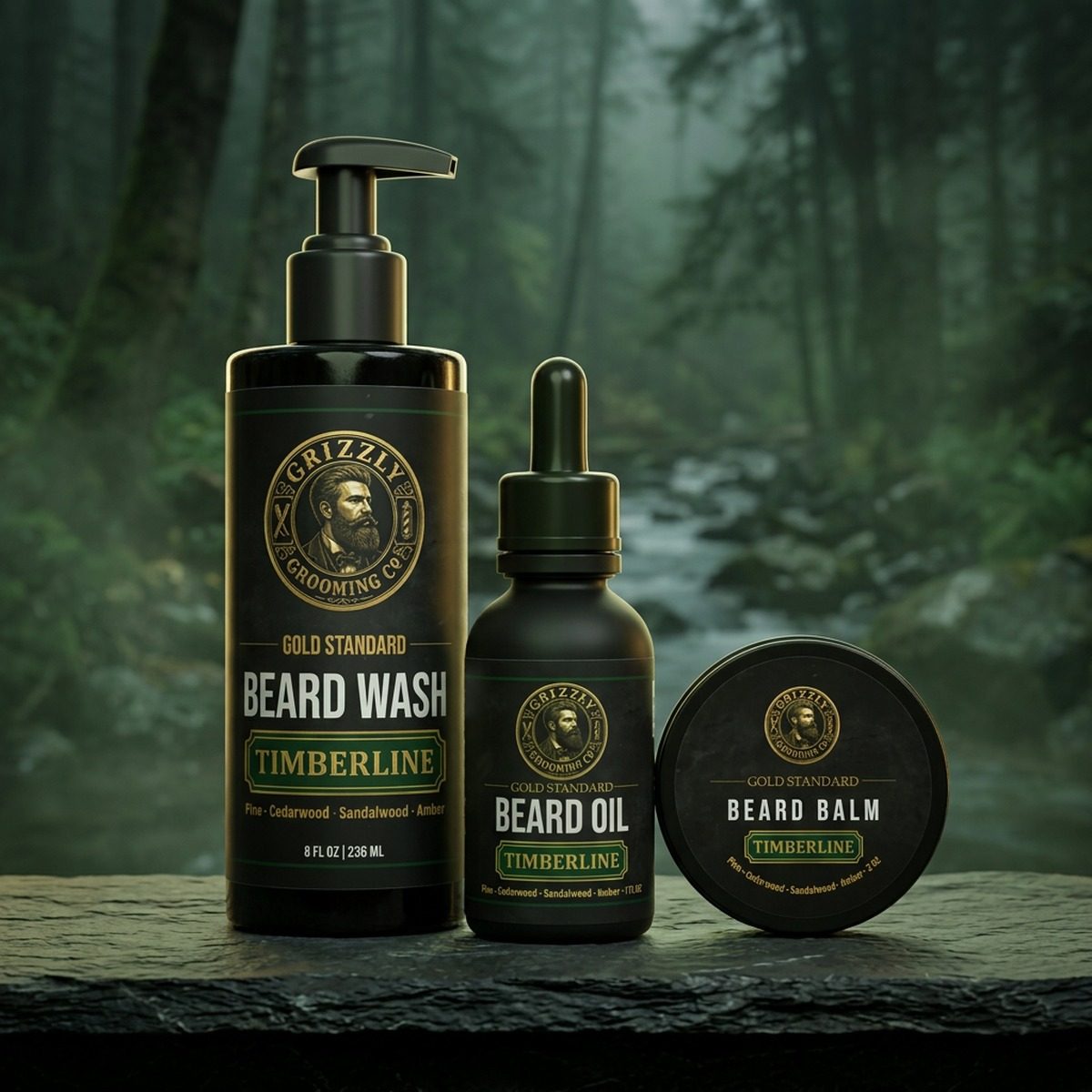
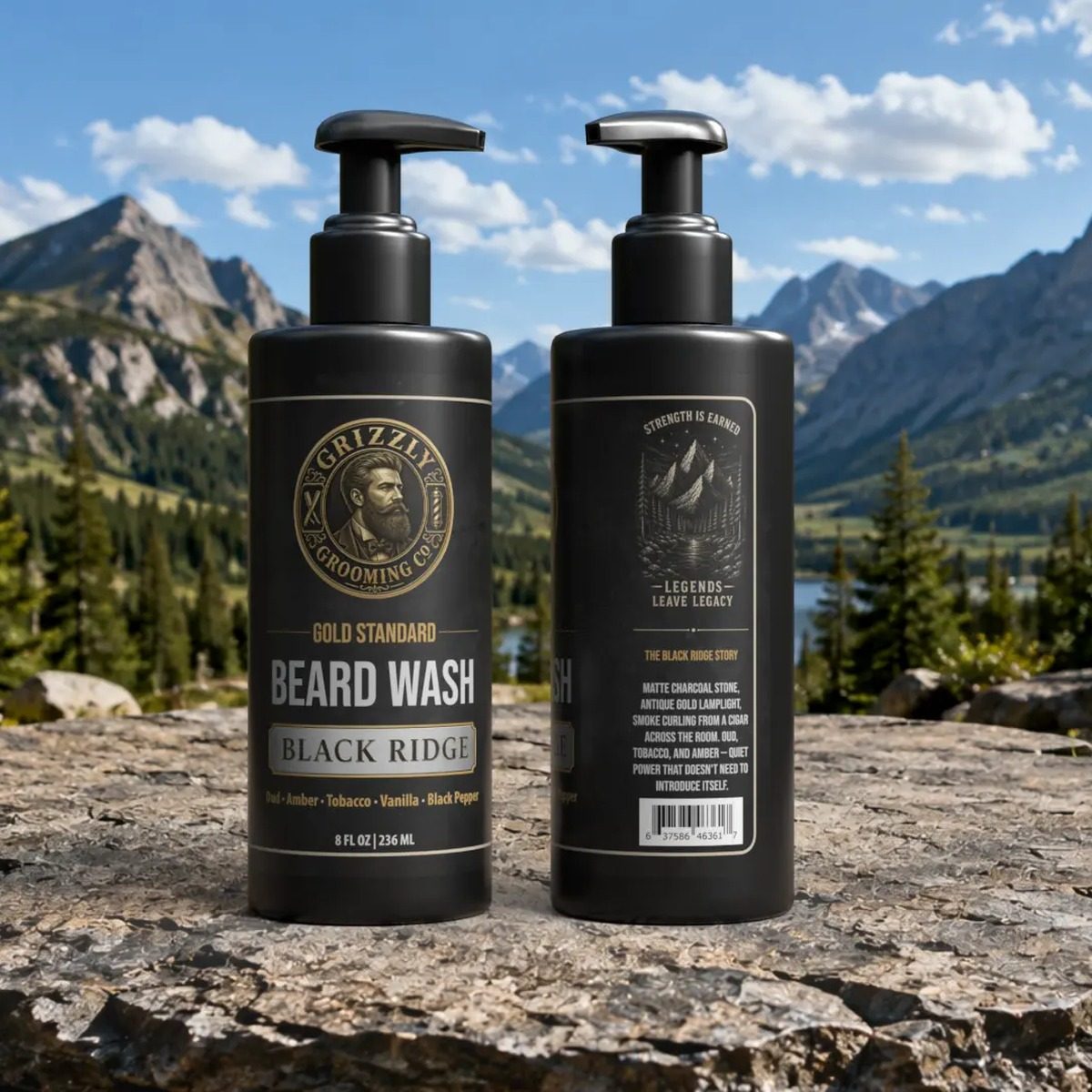
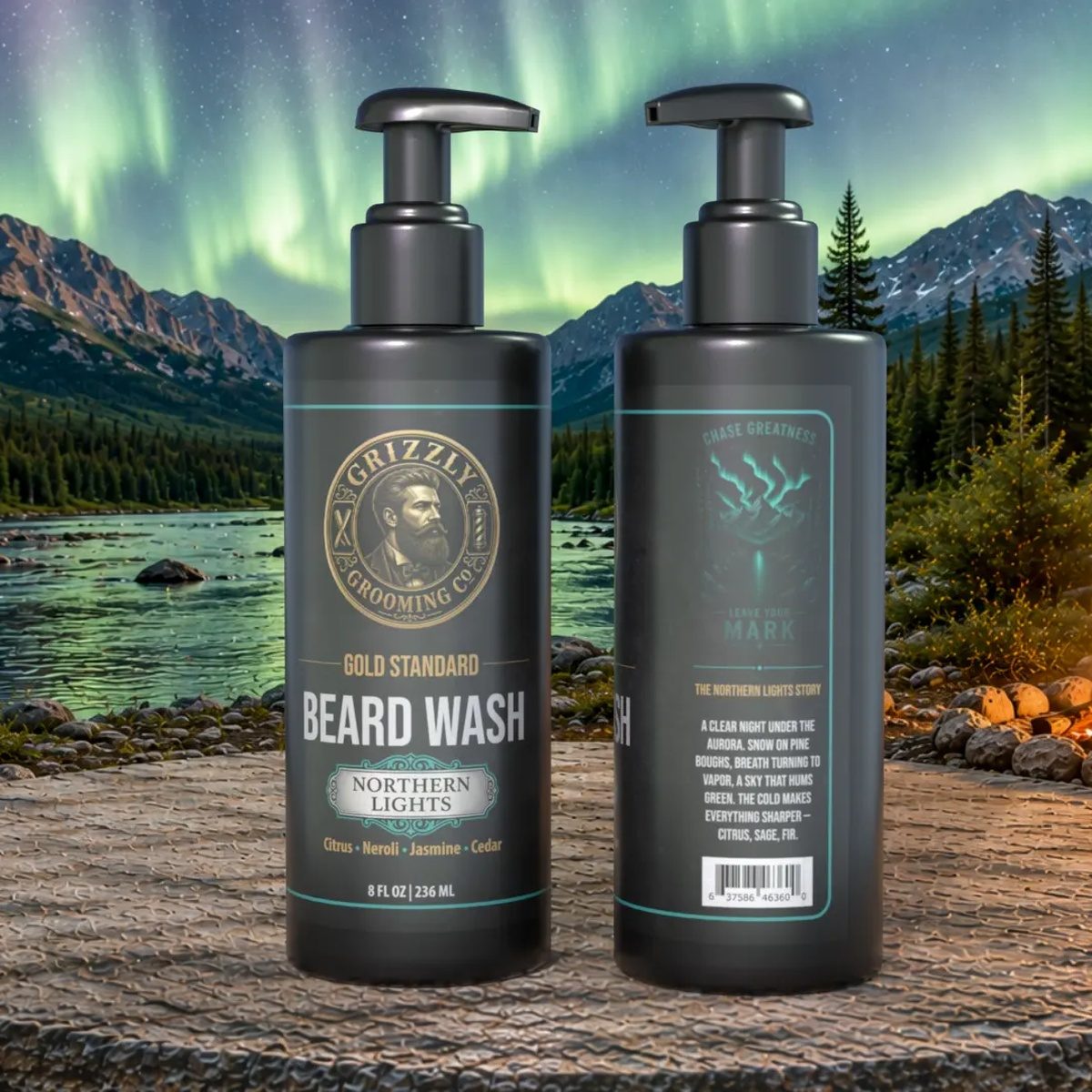
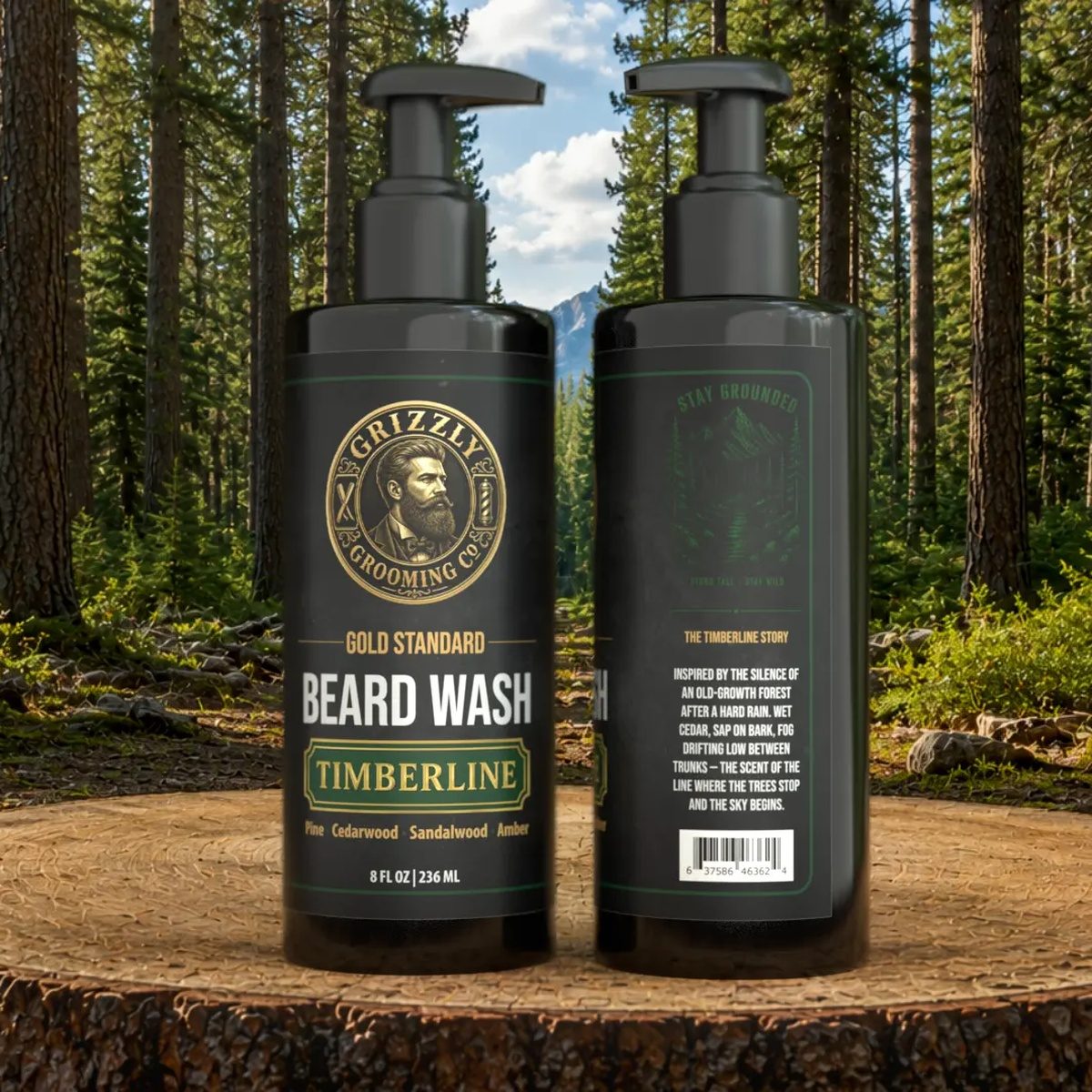
Wash the beard two to three times per week with a sulfate-free beard wash. Not daily, and not with body soap. Sulfates are the surfactants that make shampoo foam aggressively — they strip sebum efficiently, which is fine on a scalp under a hat all day, and disastrous on a beard that already has none to spare. Our Gold Standard Beard Wash uses milder coconut-derived surfactants that lift dirt and sweat without gutting the skin.
On non-wash days, rinse the beard with cool water in the shower and towel dry. That is enough to remove sweat and airborne particulates without removing the oil layer. If you work a dusty or greasy job, add one extra wash per week — never daily.
Oil Is the Cure, Not the Cause
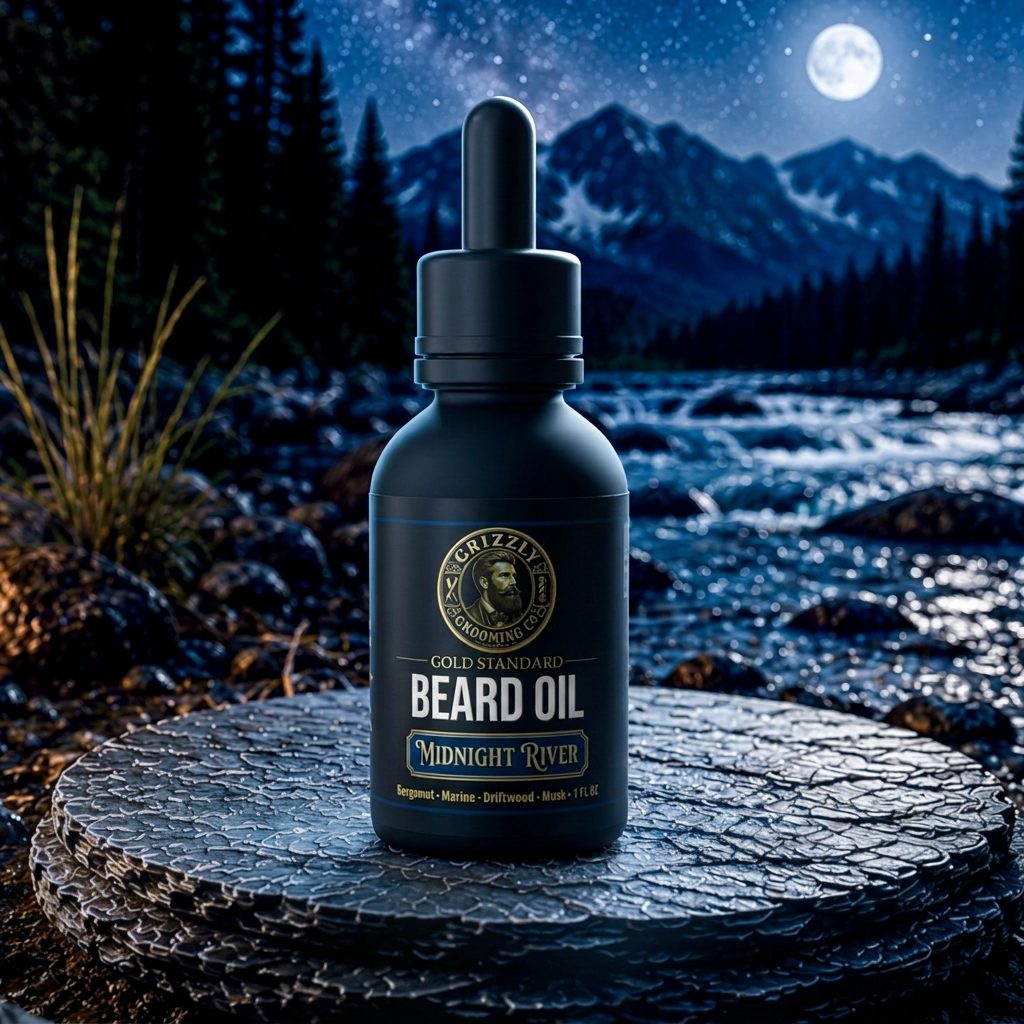
Nine out of ten men with beardruff are under-oiling. They see 'a few drops' on a bottle, use three drops on a full beard, feel the palm residue, and conclude oil made things worse. It didn't — the dose did. Correct dosing scales with beard length: 3–4 drops for a short beard, 5–7 for medium, 8–12 for a full beard, split morning and evening if needed.
Apply to a damp beard immediately after towel-drying. Warm the oil between your palms, press into the skin at the cheeks and jaw first, then rake outward through the hair. The point of the first pass is the skin under the beard — that is where beardruff lives. The hair benefit is secondary.
The Two-Week Reset Protocol
For active beardruff, run this exact protocol for fourteen days: wash Monday, Wednesday, Friday with beard wash; oil every day, twice a day, on damp skin; apply a pea-sized amount of Gold Standard Itch Relief Beard Cream at the skin line at bedtime; brush morning and night with a boar-bristle brush to lift dead skin cells out of the beard before they fall onto a collar.
Track it. Take a photo of a dark T-shirt on day one after wearing it for an hour, then again on day seven and day fourteen. Most men see a visible drop by day four and a full stop by day ten. If flakes persist past two weeks, the cause is likely seborrheic dermatitis — a medical condition that responds to ketoconazole shampoo used two nights per week; see a dermatologist before assuming a product will solve it.
Ingredients to Look For (and Avoid)
Look for: jojoba oil, argan oil, sweet almond oil, hemp seed oil, colloidal oatmeal, panthenol, allantoin. These carry moisture, calm inflammation, and repair the skin barrier without clogging pores.
Avoid: mineral oil (petroleum by-product, sits on the surface without absorbing), coconut oil as the primary carrier (comedogenic for many skin types and can worsen redness), and sulfates in any wash you plan to use on facial skin. Fragrance is fine as long as it comes from disclosed essential oils, not the catch-all word 'fragrance' on an ingredient list.
Habits That Quietly Cause Beardruff
Hot showers on the face. Water above about 40°C strips sebum in seconds. Wash the beard on the cooler end of your shower and finish with a cold rinse to close the cuticle.
Sleeping on cotton pillowcases. Cotton absorbs the oil you just applied. A silk or satin case keeps the oil on your beard where you put it.
Skipping brushing. A boar-bristle brush is not decorative — it physically lifts dead skin cells out of the beard so they cannot accumulate. Brush morning and night for thirty seconds each.
Diet extremes. Very low-fat diets deprive the skin of the omega-3s it needs to build a strong barrier. Fatty fish, walnuts, and flax two or three times per week move the needle within a month.
Seborrheic Dermatitis vs. Simple Dryness
The two look similar and need different treatment. Simple dryness produces fine, white, evenly distributed flakes that improve within days of consistent oiling. Seborrheic dermatitis produces greasy, yellowish scale on visibly red skin, usually concentrated at the nasolabial folds, mustache line, and eyebrows, and it worsens with stress and cold weather.
Oil will not resolve seborrheic dermatitis, because the driver is Malassezia yeast plus inflammation rather than a lack of moisture. An antifungal wash two or three times a week, plus a gentle unscented oil on other days, is the standard approach. If flaking persists after four weeks of a good routine, this is the diagnosis to rule out.
Exfoliation Under the Beard
Flakes are dead skin cells that have not shed cleanly, and once a beard is dense enough to trap them, they accumulate. A soft-bristle brush used dry for a minute before showering lifts them mechanically and distributes sebum at the same time.
For stubborn cases, a mild chemical exfoliant — a low-percentage salicylic acid used once or twice a week on the skin, not the hair — clears the follicle without abrasion. Do not scrub. Physical scrubs under a beard damage the barrier and produce more flaking within a week.
Preventing Beardruff Long Term
The maintenance state is unremarkable: wash two or three times a week with a mild beard wash, rinse cool, oil the damp skin daily, brush daily, and keep shower temperature down. Most recurrences trace back to hot showers, a skipped oil habit, or winter indoor heating.
Add a humidifier in cold months and reduce wash frequency when the air is dry. If flaking returns each winter at the same time, treat it as seasonal and adjust preemptively rather than waiting for the flakes.
When Beardruff Isn't Actually Dry Skin
Occasionally what looks like beardruff is a fungal condition called seborrheic dermatitis, which produces yellowish, greasy-looking flakes rather than the dry, white, powdery flakes of ordinary beardruff, and often comes with redness or a mild burning sensation at the skin level. If your flaking does not respond to two weeks of consistent washing and oiling, or if it looks oily rather than dry, that is the signal to switch strategy rather than push harder on the same routine.
An anti-fungal wash with pyrithione zinc or ketoconazole used once weekly alongside your regular beard wash routine is the standard next step, and most cases resolve within a few weeks of adding it. If flaking persists past a month of a properly adjusted routine, that is worth a conversation with a dermatologist rather than more product experimentation on your own.
Seasonal Patterns in Beardruff
Beardruff gets noticeably worse in winter for the same reason regular dandruff does — indoor heating dries the air, hot showers feel better in cold weather but strip more oil, and skin has less ambient humidity to draw from. Increase oil frequency slightly in the coldest months rather than waiting for flakes to reappear, and switch to lukewarm rather than hot water for the beard specifically, even if the rest of your shower runs hotter.
Summer brings a different trigger: sweat and sunscreen buildup at the skin level can mimic or worsen flaking, especially for men who spend time outdoors. Rinse the beard with plain water after heavy sweating in summer even on non-wash days, since sweat salt left to dry on the skin contributes to irritation and flaking just as much as dryness does.
How to Tell the Routine Is Actually Working
The first sign of progress is usually not zero flakes but fewer and smaller ones — most men see a noticeable reduction within four to five days of correcting wash frequency and adding daily oil, with flakes becoming rare by the two-week mark rather than disappearing overnight. Track it by brushing a dark shirt at the same time each day rather than judging by how the beard looks in the mirror, since flakes are easier to spot on fabric than buried in hair.
If you switch products or routines and see no change at all by day ten, the issue is likely not the oil formula but the underlying cause — check whether you are still overwashing, still using hot water, or skipped days on the itch cream if you added one. Inconsistent application is the most common reason a correct routine appears not to work.
Frequently Asked Questions
Is beard dandruff the same as scalp dandruff?
It shares the visible symptom (white flakes) but the cause is usually different. Scalp dandruff is typically driven by the yeast Malassezia; beardruff is almost always simple dry skin from insufficient sebum coverage. Beardruff responds to oil and mild washing; scalp-style dandruff on the beard responds to a ketoconazole shampoo used two nights per week.
Can I use head-and-shoulders style dandruff shampoo on my beard?
Only for true fungal beardruff, and only two nights per week. Daily use will strip the skin and make ordinary beardruff dramatically worse. Start with a proper beard wash and an oil ritual; escalate only if flakes persist past two weeks.
How long until beardruff goes away with the right ritual?
Most men see a visible drop in flakes within four days and a full stop within ten to fourteen days. If you're past two weeks with no improvement, see a dermatologist to rule out seborrheic dermatitis.
Does beard oil cause acne under the beard?
Not if the carrier oils are non-comedogenic — jojoba, argan, grapeseed, hemp, and sweet almond all rate zero to two on the comedogenic scale. Coconut oil and mineral oil are the usual culprits when a beard oil breaks skin out.
What is the difference between beard dandruff and dry skin?
Dry skin gives fine white flakes that resolve with oiling. Seborrheic dermatitis gives greasy yellowish scale on red skin and needs an antifungal wash, not just moisture.
Can beard oil cause dandruff?
A comedogenic or heavily fragranced oil can irritate skin, but a well-formulated jojoba or grapeseed oil is part of the fix rather than the cause.
How often should I exfoliate under my beard?
Once or twice a week with a soft brush or a mild chemical exfoliant. Physical scrubs damage the barrier and usually increase flaking.
Can diet affect beardruff?
There's no strong evidence linking specific foods to beardruff directly, since it's primarily a localized skin hydration issue rather than a systemic one. General hydration and a balanced diet support overall skin health, but the fastest and most reliable fixes remain wash cadence, oil frequency, and water temperature at the beard itself.
Is it okay to pick or scratch flakes off the beard?
Avoid it. Picking or scratching irritates the skin further and can create small abrasions that make the area more prone to inflammation and slower to heal. Let a boar-bristle brush lift loose flakes naturally during your normal routine instead, and let the wash-and-oil cycle handle the rest.
Does a longer beard make beardruff worse?
Longer beards do tend to trap more dead skin cells against the face simply because there's more hair to hold them close, which can make flakes more visible on dark clothing. It doesn't cause beardruff on its own, but it does mean longer beards benefit more from regular brushing to physically lift debris before it accumulates.
Build your ritual in 60 seconds.
Answer four questions and get a custom regimen built around your beard and routine.
Start The Ritual Builder