Winter Beard Care: Protect Your Beard From the Cold
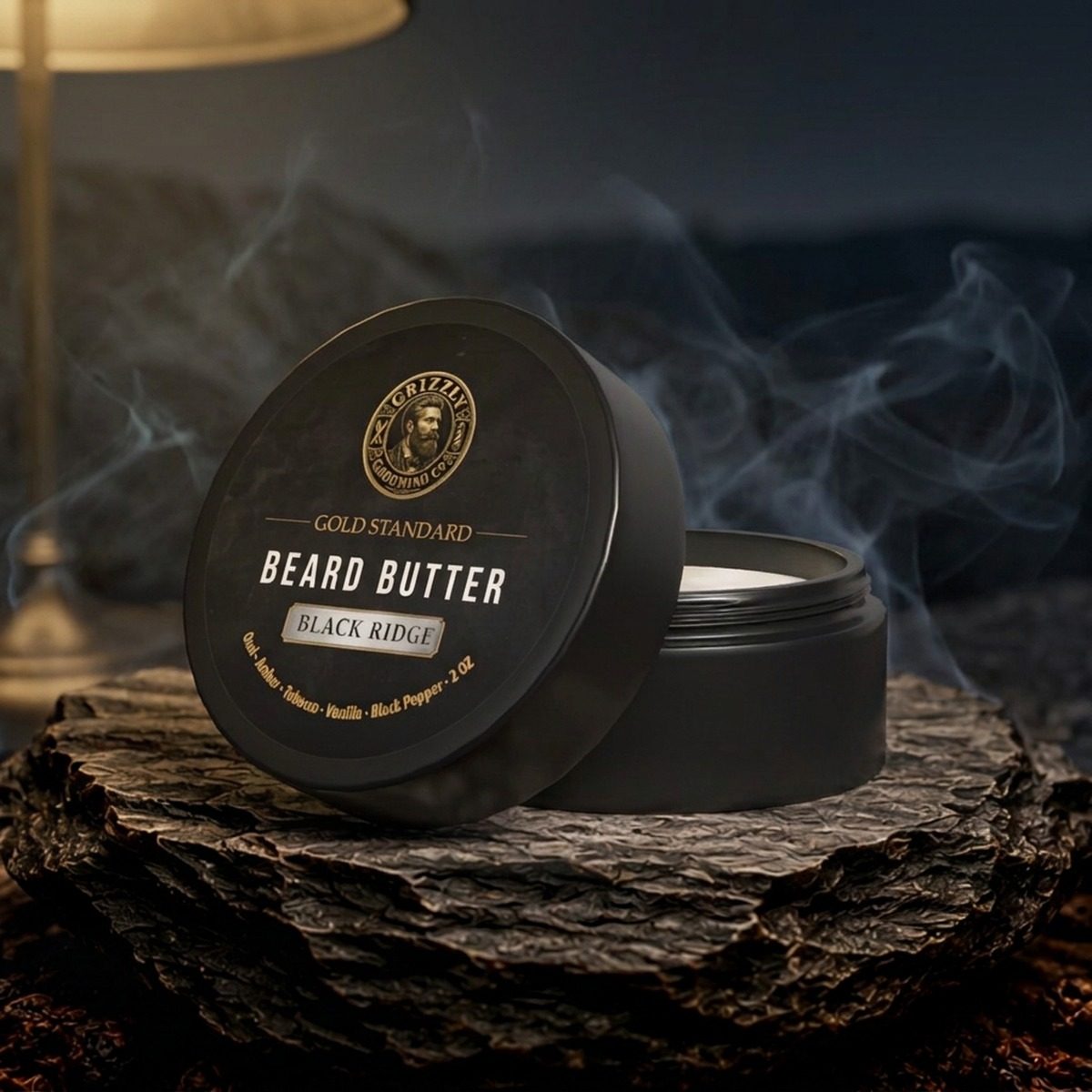
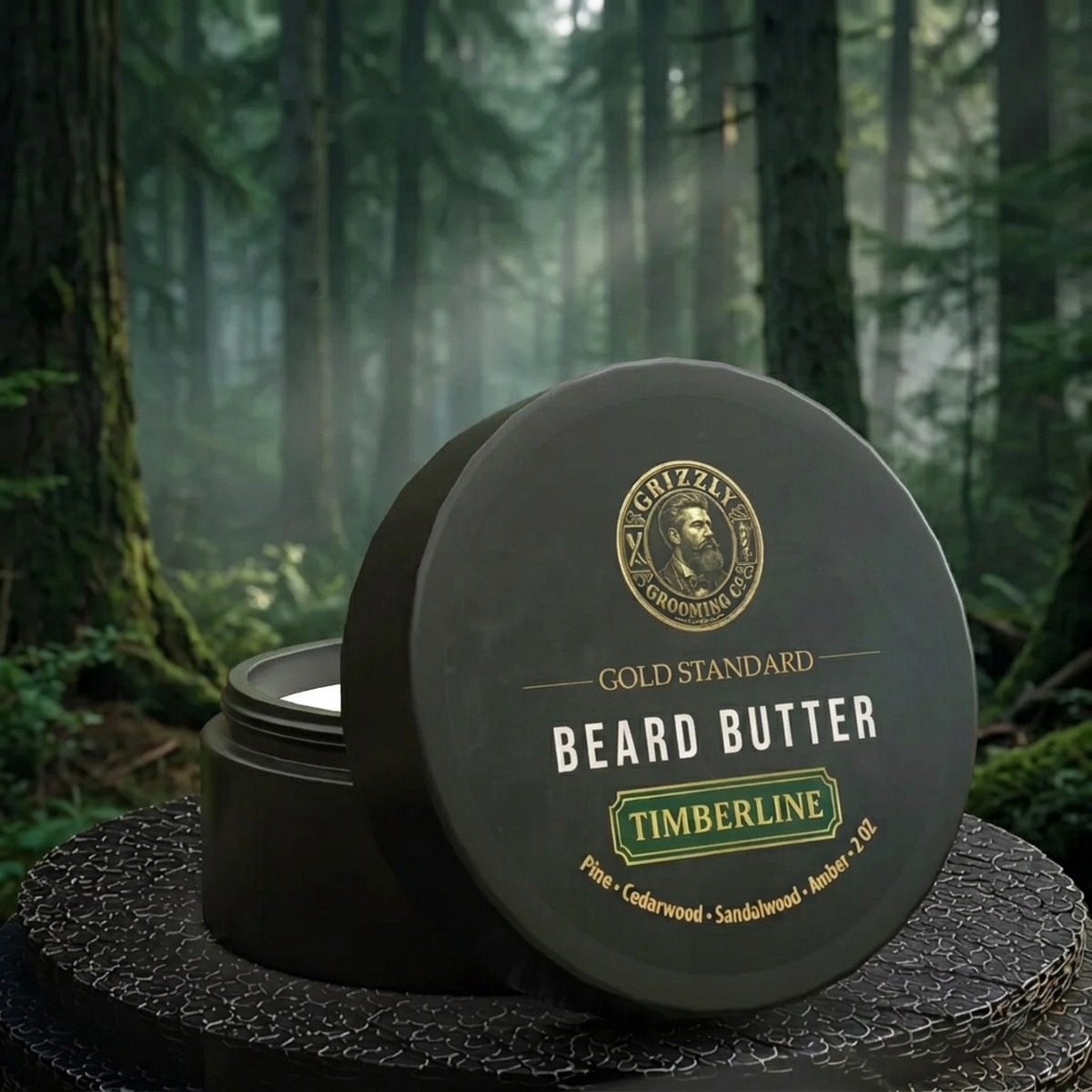
Winter is the season most beards fail. Cold outdoor air is dry. Indoor heating is drier. Wool scarves rub the hair and abrade the ends. Hot showers strip whatever sebum survived. The cumulative effect is a beard that goes from soft in October to straw by February — unless the ritual changes with the weather. This guide walks through the exact winter-specific adjustments that keep the beard soft, healthy, and looking full through the coldest months. Our reference product for this article is Gold Standard Beard Butter in Timberline, chosen because a heavy conditioning layer is what winter beards need above all else.
- ›Winter beards need more product, not less. Increase oil dose by 25–50%.
- ›Add beard butter to the ritual, not just balm. Butter is the winter workhorse.
- ›Lower your shower temperature. Hot water is winter's second biggest beard enemy.
- ›A silk-lined winter hat or scarf drastically reduces friction damage.
- ›Wash less often in winter. Twice a week is enough for most men.
Why Beards Struggle in Winter
Cold air holds less moisture. Indoor heating removes what little is left. The result is an environment that pulls water out of anything hydrated — including your skin and beard. Sebum production actually decreases in cold weather, compounding the problem.
On top of the atmospheric stress, winter fabrics abrade the hair. Wool coat collars and scarves are the two biggest offenders — the fibres are coarse and repeatedly drag against the beard ends throughout the day, causing microscopic damage that adds up to visibly dull, split ends by late winter.
Increase the Oil Dose
The correct summer dose is roughly two-thirds of the correct winter dose. If you use six drops a day in July, use eight to ten in January. Apply to a damp beard, work into the skin at the base first, then rake through the length. For a full beard, a second smaller application before bed is worth adding through the coldest months.
This is not optional. A beard that felt over-oiled in summer will feel exactly right in winter — the air is doing that much extra drying.
Add Beard Butter as a Sealer
Beard butter is the winter workhorse. Its high concentration of whipped shea and cocoa butter forms a light film that seals moisture into the hair for the whole day. In summer this can feel heavy; in winter it is exactly what the beard needs.
Apply a fingertip scoop of Gold Standard Beard Butter in Timberline through the length of the beard after oil has absorbed, once per day. Skip the base of the skin — that is where oil belongs. For a long beard, add a second application before bed.
Lower the Shower Temperature
Hot showers are the biggest single act of winter beard sabotage. Water above 40°C strips sebum far faster than any wash product. In the coldest months this compounds with the atmospheric drying and turns the beard to straw within weeks.
Bring the shower temperature down to warm (36–38°C). The last thirty seconds under a cooler stream also close the hair cuticle and lock in whatever conditioning you have layered on. This is a habit change, not a product change, and it may be the single most impactful winter adjustment.
Manage Friction from Fabrics
Wool is the primary culprit. If your winter coat collar rubs the beard all day, either switch to a smoother lining (silk, satin, or a synthetic microfibre) or add a silk-lined scarf that sits between the wool and the beard.
For a very long beard, the pillowcase matters too. Cotton pillowcases in overheated bedrooms undo everything the daily ritual achieves. A silk or satin pillowcase reduces morning breakage and flyaways dramatically.
Wash Less, Condition More
The winter wash cadence should drop to twice per week for most men. On the other days, warm-water rinses are enough — the skin is producing less sebum, so there is less to strip out and less to build up.
Add a beard conditioner on both wash days instead of just one. Leave in for two minutes, rinse, oil while damp. The extra conditioner minute is winter's cheapest upgrade.
Diet and Hydration in Winter
Water intake almost always drops in winter — most people simply do not feel as thirsty as they do in summer. Set a reminder and drink at least two litres of water a day; dehydrated skin cannot support a healthy beard no matter how much oil you apply externally.
Add omega-3 fish oil (2 g EPA/DHA daily) through the winter months for extra lipid support in the skin barrier. This is a genuine winter upgrade, not marketing.
Indoor Heating and Humidity
Forced-air heating routinely drops indoor humidity into the 20 percent range, drier than most of the outdoors you are avoiding. Since you spend far more hours inside than out, that is usually the bigger driver of a winter beard problem than the cold itself.
A bedroom humidifier held around 40 to 50 percent relative humidity does more overnight than any product does during the day. Skin loses more water at night than any other time, so this is the highest-leverage eight hours available.
Wind, Snow, and Outdoor Work
Wind is evaporative stripping plus mechanical abrasion at the same time. Before any long exposure, apply a heavier butter layer — it functions as a windbreak more than as a conditioner in that moment — and cover the beard with a neck gaiter if the wind is sustained.
Snow and freezing rain leave water in the beard that then freezes and expands, which physically damages the hair shaft. Dry the beard thoroughly when you come in: blot with a towel, low-heat dry if it is soaked, then oil. Never go back outside with a wet beard below freezing.
Holiday Season Grooming Reset
Late winter is when a beard has taken three months of abuse and shows it. Book a barber shape-up before any event stretch, dust the split ends yourself in between, and run a deep-condition the night before anything photographed.
The event-week protocol is simple: wash three days out, butter mask two days out, light wash the morning of, oil on damp hair, blow dry on low with a downward brush, and a light balm for hold. Nothing new introduced in that week — a reaction is the one thing you cannot fix on the day.
Static and flyaway hairs in dry winter air
Low humidity builds static charge in beard hair the same way it does in a wool sweater, and the result is flyaway strands that won't lie down no matter how much you comb them. A light residue of balm or a few extra seconds of oil worked through the ends specifically, rather than root to tip, neutralizes most of the charge because oil coats the hair's surface and prevents the friction that builds it up.
Synthetic-bristle combs make static noticeably worse than boar-bristle or wood, since plastic generates more charge as it passes through dry hair. If flyaways are a recurring winter problem, switching tools solves more of it than adding product does, and a wood comb is a cheap fix that also lasts years.
Beard growth patterns in colder months
Some men notice their beard seems to grow more visibly in winter, and there's a real mechanism behind the perception: less frequent trimming during cold months, combined with hair that isn't being weathered down by sun and humidity the way it is in summer, means length simply shows up more obviously. It isn't that hair grows faster in the cold — growth rate is driven by internal factors, not season.
What does change is breakage. Dry winter conditions make hair more brittle at the ends, so without consistent oiling, any apparent length gain gets undercut by split ends that need trimming anyway. The net effect for most men who skip winter conditioning is a beard that looks fuller in December and ragged by February.
Beard care during holiday travel and gatherings
Late December is a collision of dry heated homes, travel, and photos, which is exactly the wrong week for a beard to look its worst. Start a slightly heavier conditioning routine about ten days before any major event or gathering rather than the night before — hair that's been under-conditioned for weeks doesn't recover its shine and softness overnight no matter how much product you pile on.
If you're traveling to visit family in a different climate, pack a travel-size balm even if you don't use one daily at home, since an unfamiliar heating system and new water can dry a beard out faster than your usual environment does. A day-of touch-up before photos is fine, but it should top off an already-conditioned beard, not compensate for a neglected one.
Frequently Asked Questions
How much more oil should I use in winter?
Roughly 25–50% more than your summer dose, and split into a morning and evening application for long beards.
Is beard butter necessary if I already use balm?
In winter, yes. Butter conditions deeply, balm holds shape. They do different jobs.
Can hot showers really hurt my beard?
Yes — more than any product mistake. Lower the temperature.
Does cold air actually damage beard hair?
Cold air itself is neutral, but it holds almost no moisture. That dryness pulls water from the hair and skin all day.
Should I use SPF in winter?
Yes. Winter sun on snow reflects UV heavily. Sunscreen every day, year-round.
What is the best winter scent?
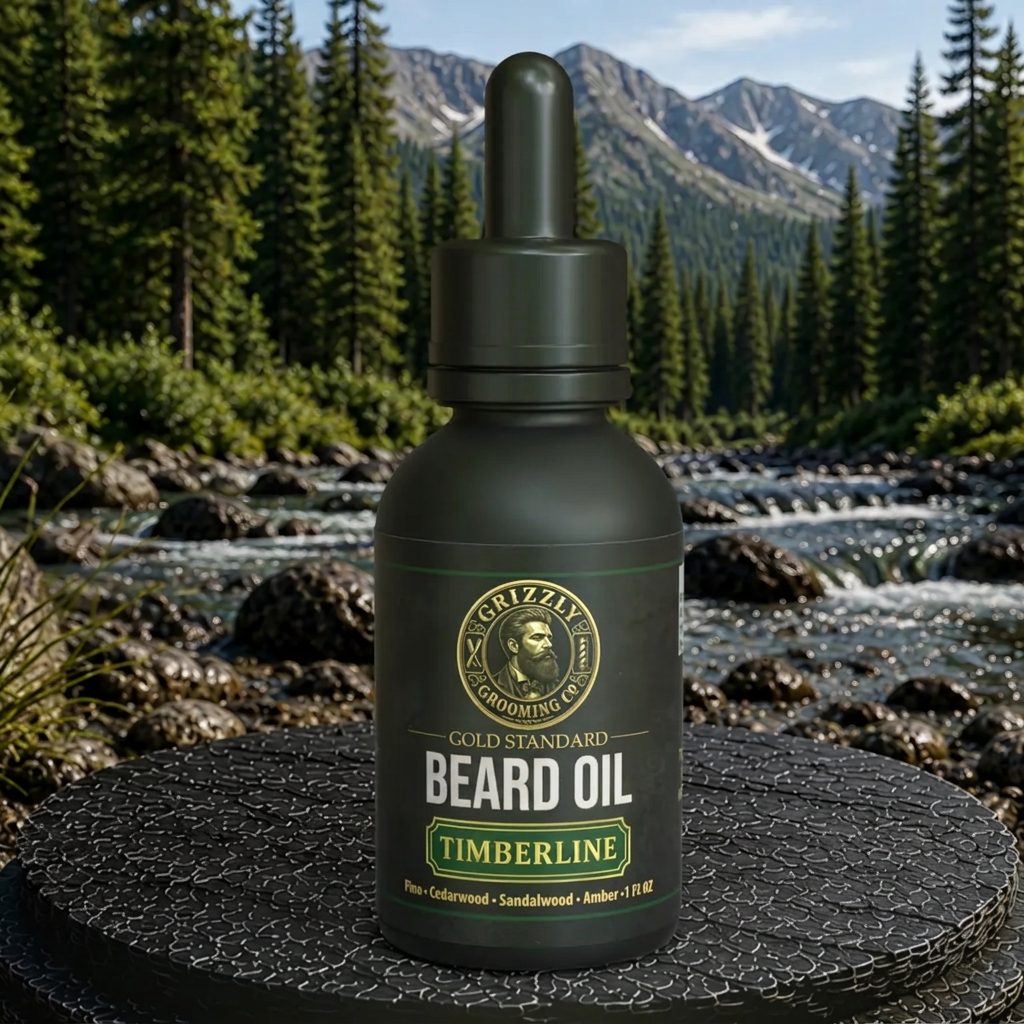
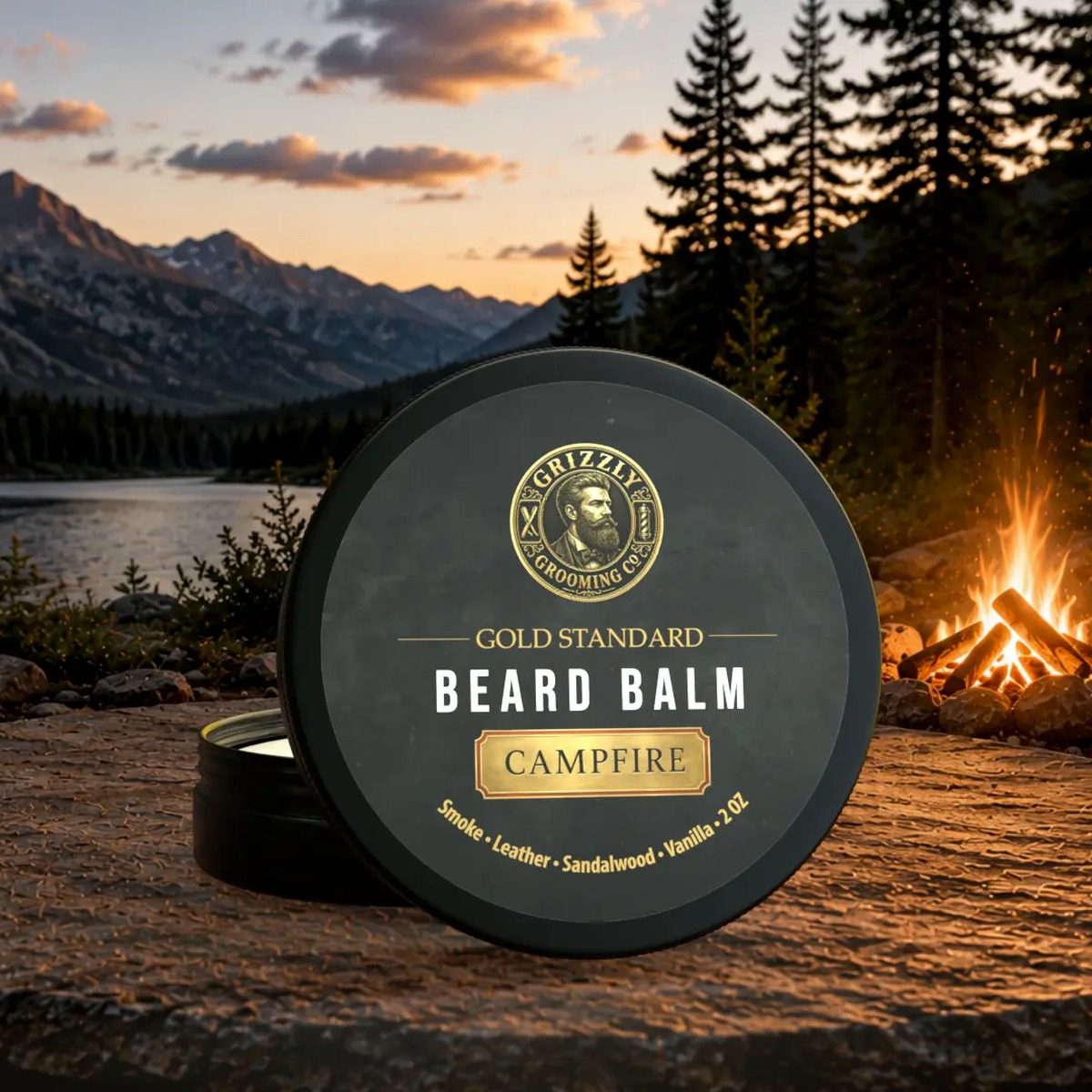
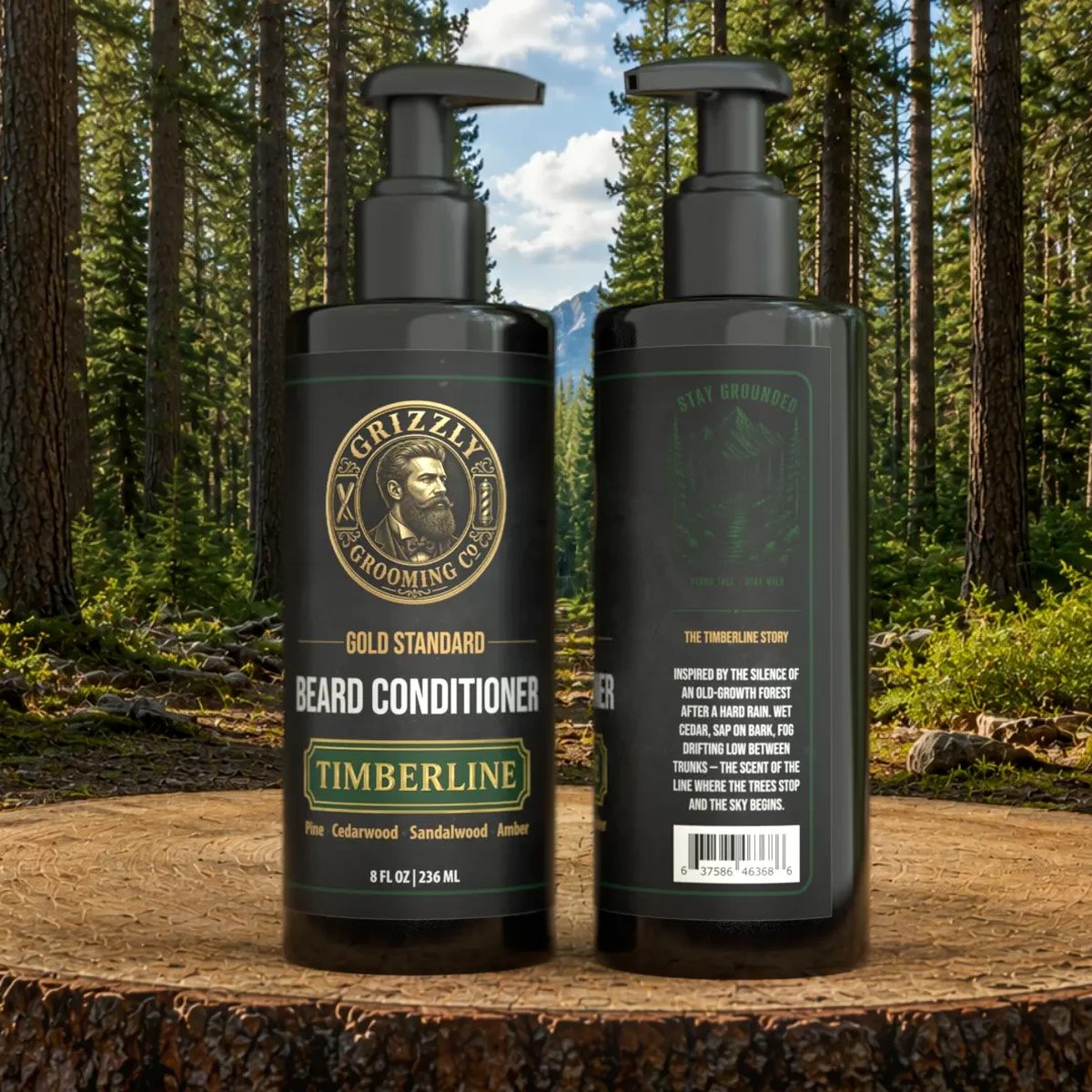
Timberline (cedar and pine) fits the season perfectly. Campfire (smoky vanilla) is the other classic winter pick.
Should I wash my beard less in winter?
Yes. Drop to once or twice a week with a mild wash, use lukewarm water, and rely on water-only rinses in between. Cold-weather skin cannot spare the sebum.
Does a humidifier help beard dryness?
Significantly. Indoor heating drops humidity well below skin's comfortable range; keeping the bedroom at 40 to 50 percent addresses the eight hours when skin loses the most water.
Is it bad to go outside with a wet beard in winter?
Yes. Water in the hair freezes and expands, damaging the shaft, and evaporative cooling irritates the skin. Dry thoroughly and oil before heading out.
Why does my beard get staticky and flyaway in winter?
Dry winter air builds static charge in hair the same way it does in wool clothing, and it's worse with plastic combs than boar-bristle or wood ones. A light pass of oil or balm through the ends coats the hair and cuts down the friction that causes it.
Does beard hair actually grow faster in winter?
No, growth rate is driven by internal factors rather than season. Winter beards often look fuller simply because men trim less often and the hair isn't being weathered by sun and humidity, but dry conditions also increase breakage if you skip conditioning.
How should I prep my beard for holiday photos or events?
Start a slightly heavier oil and balm routine about ten days ahead rather than the night before, since under-conditioned hair doesn't regain shine overnight. If traveling, pack a travel balm even if you don't normally need one, since new climates and water can dry the beard out faster than usual.
Build your ritual in 60 seconds.
Answer four questions and get a custom regimen built around your beard and routine.
Start The Ritual Builder