Beard Care in Dry Climates: The Desert and High-Altitude Playbook
A beard in Phoenix, Denver, or a heated apartment in January is fighting a different battle than a beard in Miami. In dry air, water leaves the hair shaft and the skin underneath faster than your body can replace it. The result is a beard that feels stiff by lunchtime, a cheek line that flakes, and split ends that appear months earlier than they should. None of that is a genetic problem. It is an evaporation problem, and evaporation is something you can engineer around with the right order of products and a few small habit changes.
- ›Dry air pulls water out of hair and skin faster than your body replaces it.
- ›Wash less often, and always follow water with a sealing layer within two minutes.
- ›Layer oil for the skin, then balm or butter to lock the moisture in.
- ›Humidify your bedroom — eight hours of dry air undoes a full day of care.
- ›Trim ends more often; dry climates accelerate splitting.
Why dry air damages beards faster
Hair is hygroscopic, which means it constantly exchanges moisture with the air around it. When the relative humidity outside the hair is lower than the moisture content inside it, water moves out. In a desert summer or a heated house at 15 percent humidity, that gradient is steep and constant. The cuticle — the shingled outer layer of each hair — lifts as the shaft dries and contracts, and once it lifts, the hair loses water even faster and starts to catch on itself. That is the roughness you feel.
The skin under the beard dries on the same curve. Your sebaceous glands produce a fixed amount of sebum, and in dry air a larger share of it evaporates or gets wicked away before it can spread down the hair. So you get the double problem: a hair shaft losing water and a skin surface losing its natural conditioner at the same time. Both need to be addressed, and neither is fixed by simply washing more.
Wash less, seal faster
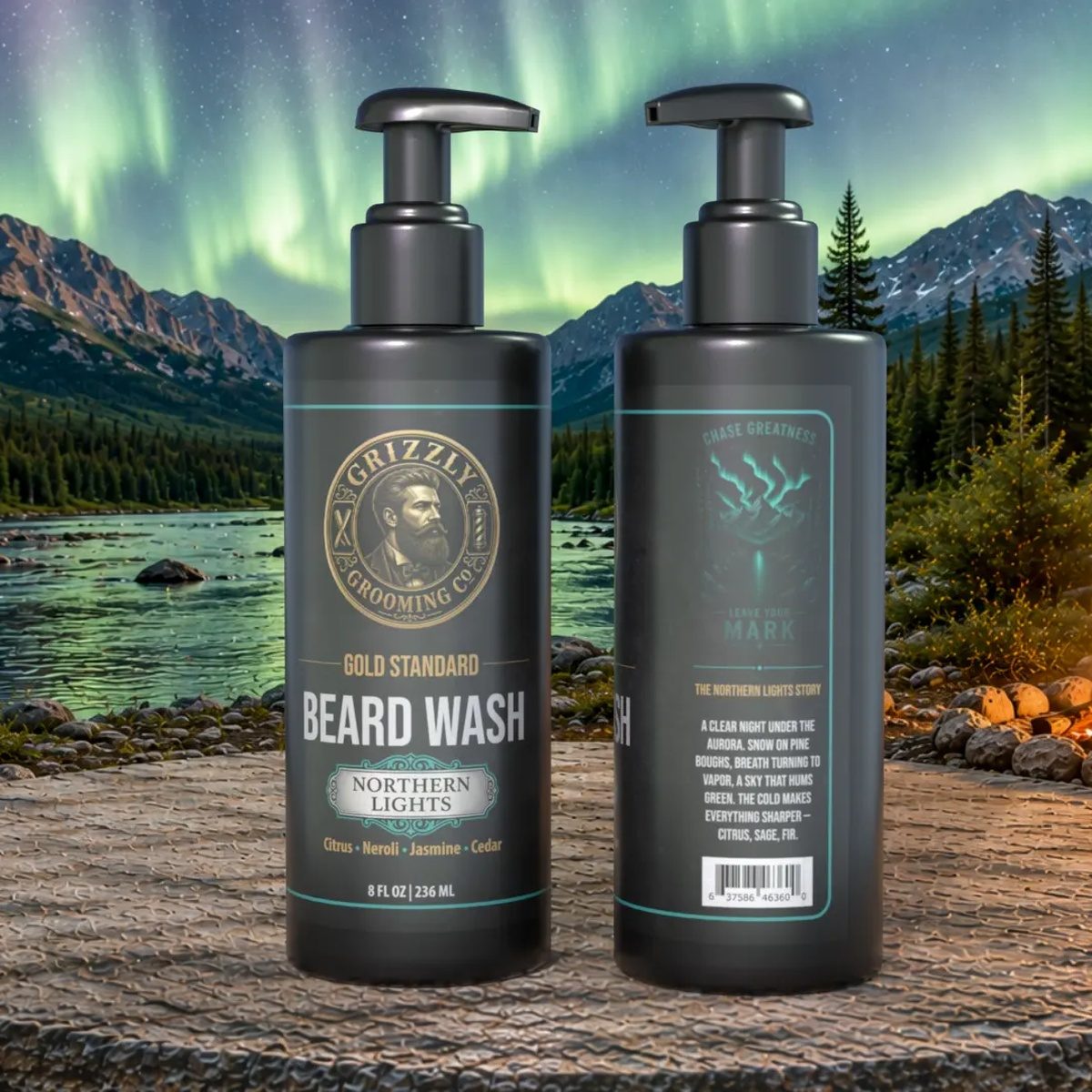
The instinct in a dry climate is to wash more because the beard feels rough. Do the opposite. Cut cleansing back to two or three times a week with a sulfate-free beard wash and rinse with warm — not hot — water. Hot water strips the lipid layer that slows evaporation, and in dry air you cannot afford to lose it.
The bigger lever is timing. There is a two-minute window after a rinse where the hair is swollen with water and the cuticle is still soft. Product applied in that window traps water inside the shaft. Product applied twenty minutes later is sealing a beard that has already dried out. Keep your oil next to the towel, not in a drawer across the room, and treat the two-minute window as the non-negotiable part of the routine.
Layer in the right order: water, oil, seal
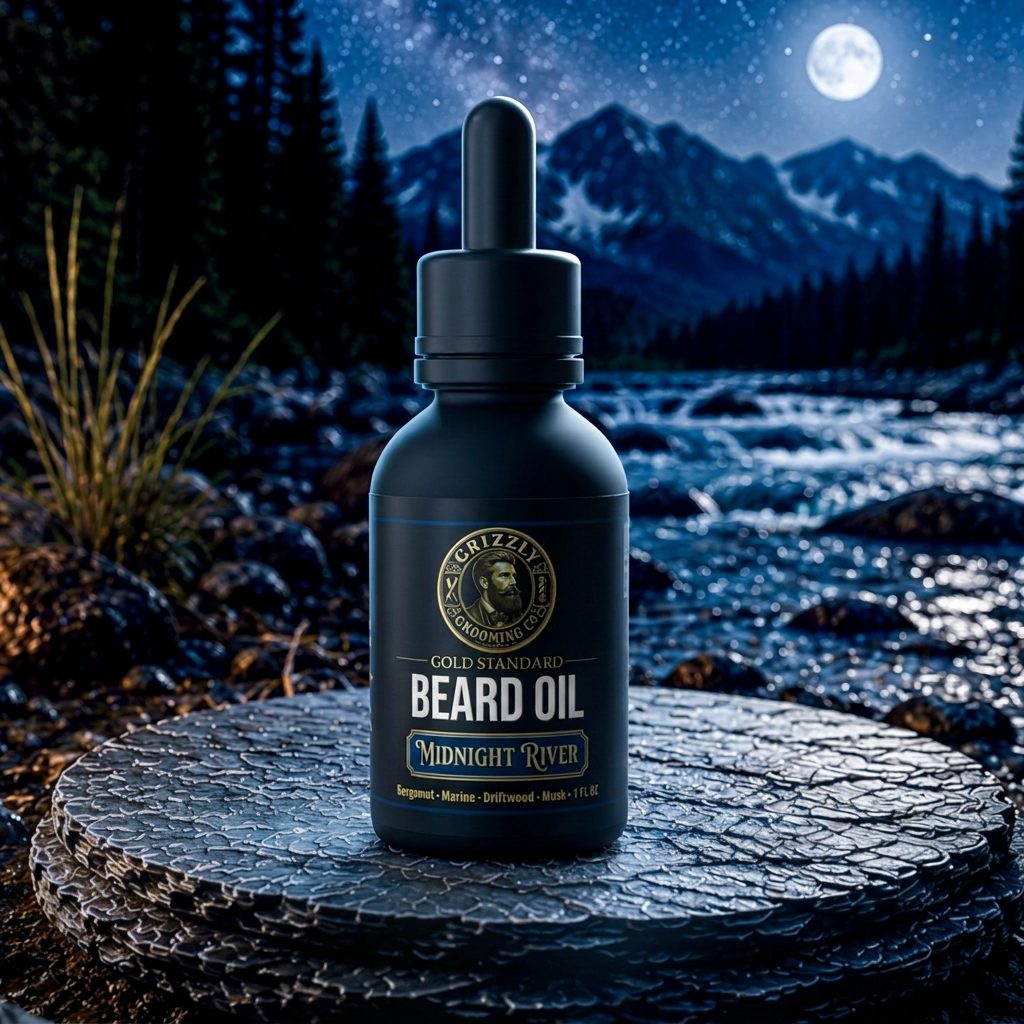
Dry-climate care follows the same logic as skincare layering: thinnest and most water-loving first, heaviest and most occlusive last. Start with a damp beard. Warm four to eight drops of beard oil between your palms and work it into the skin first, fingertips against the face, then out through the hair. Argan, jojoba, and sweet almond move into the hair shaft and the outer skin layers rather than sitting on top.
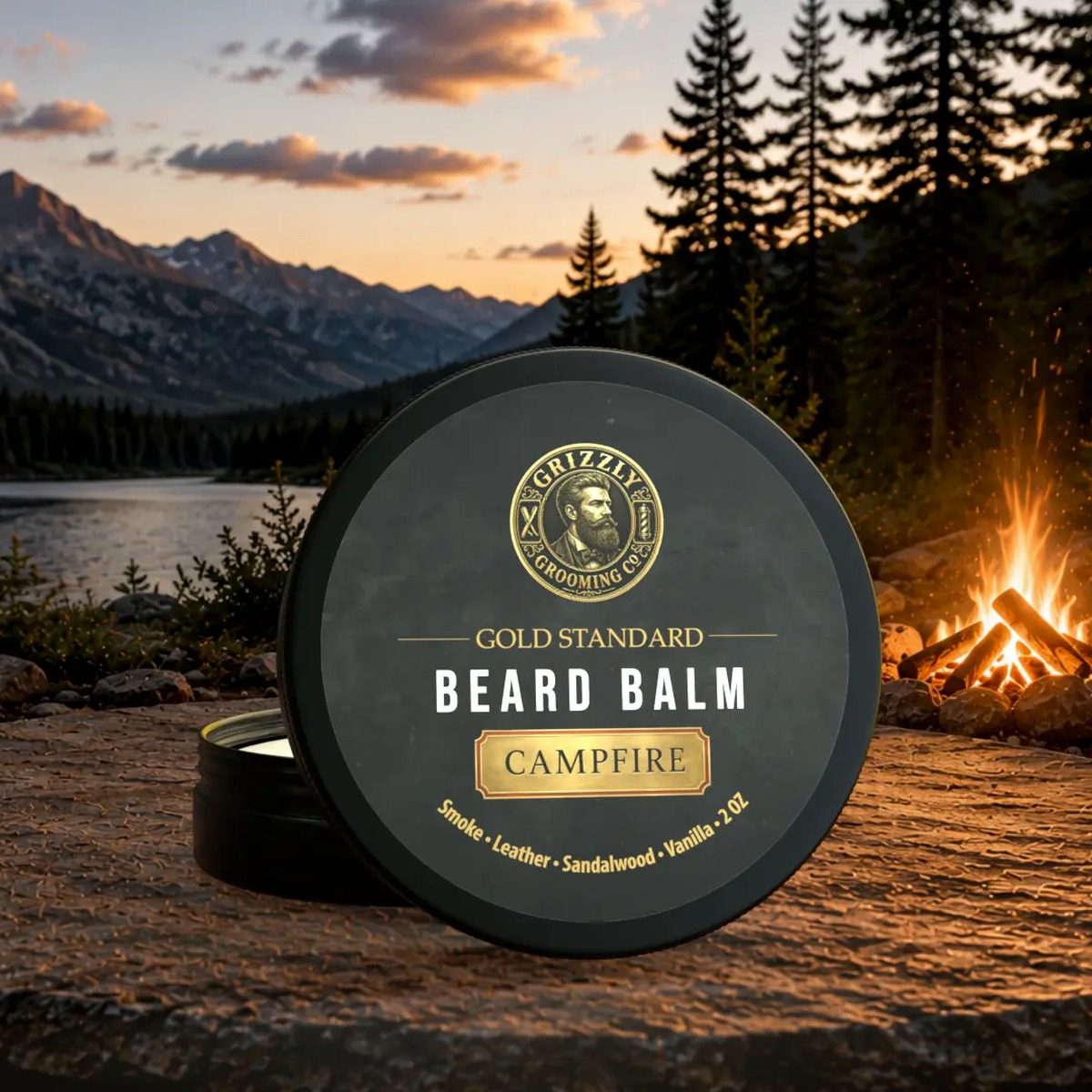
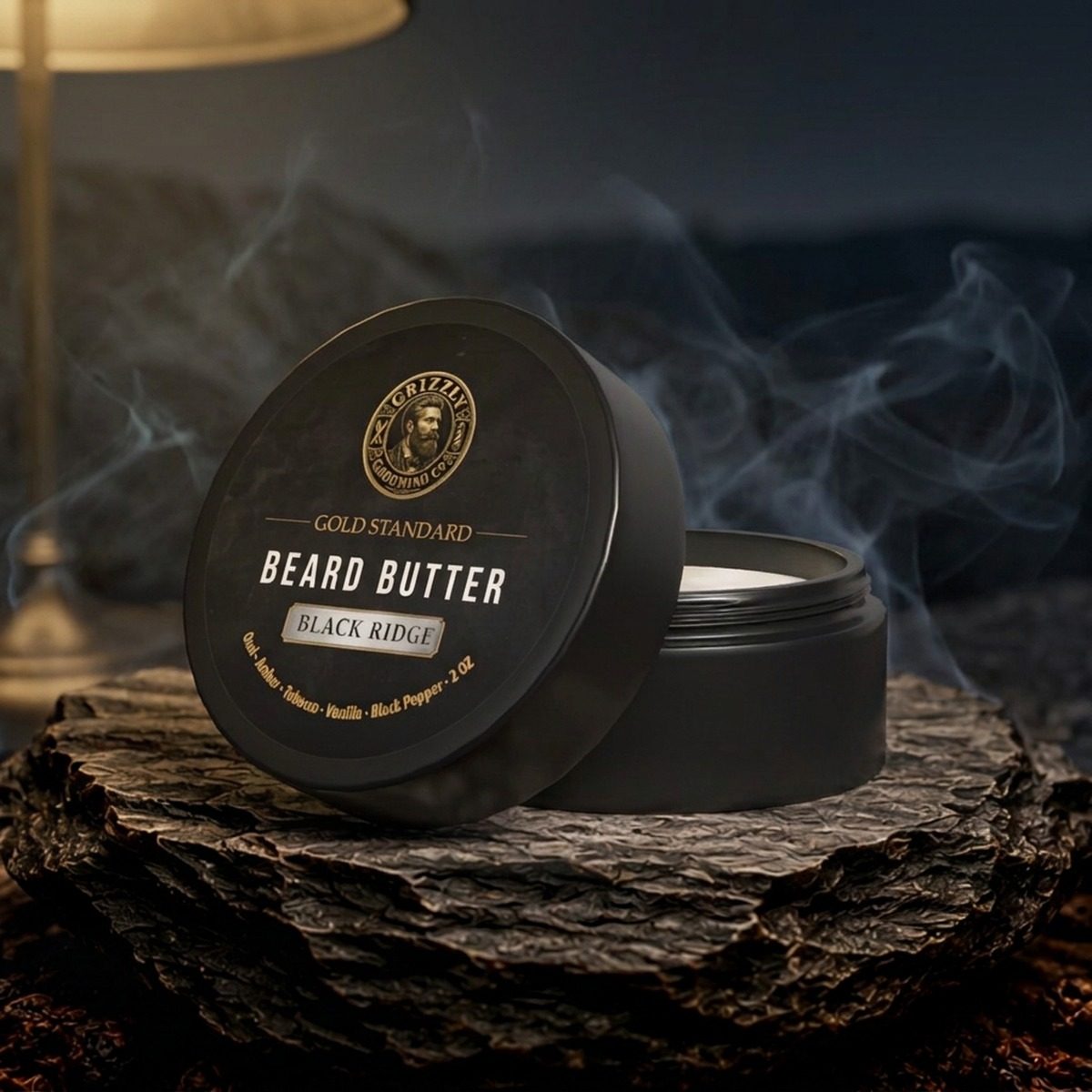
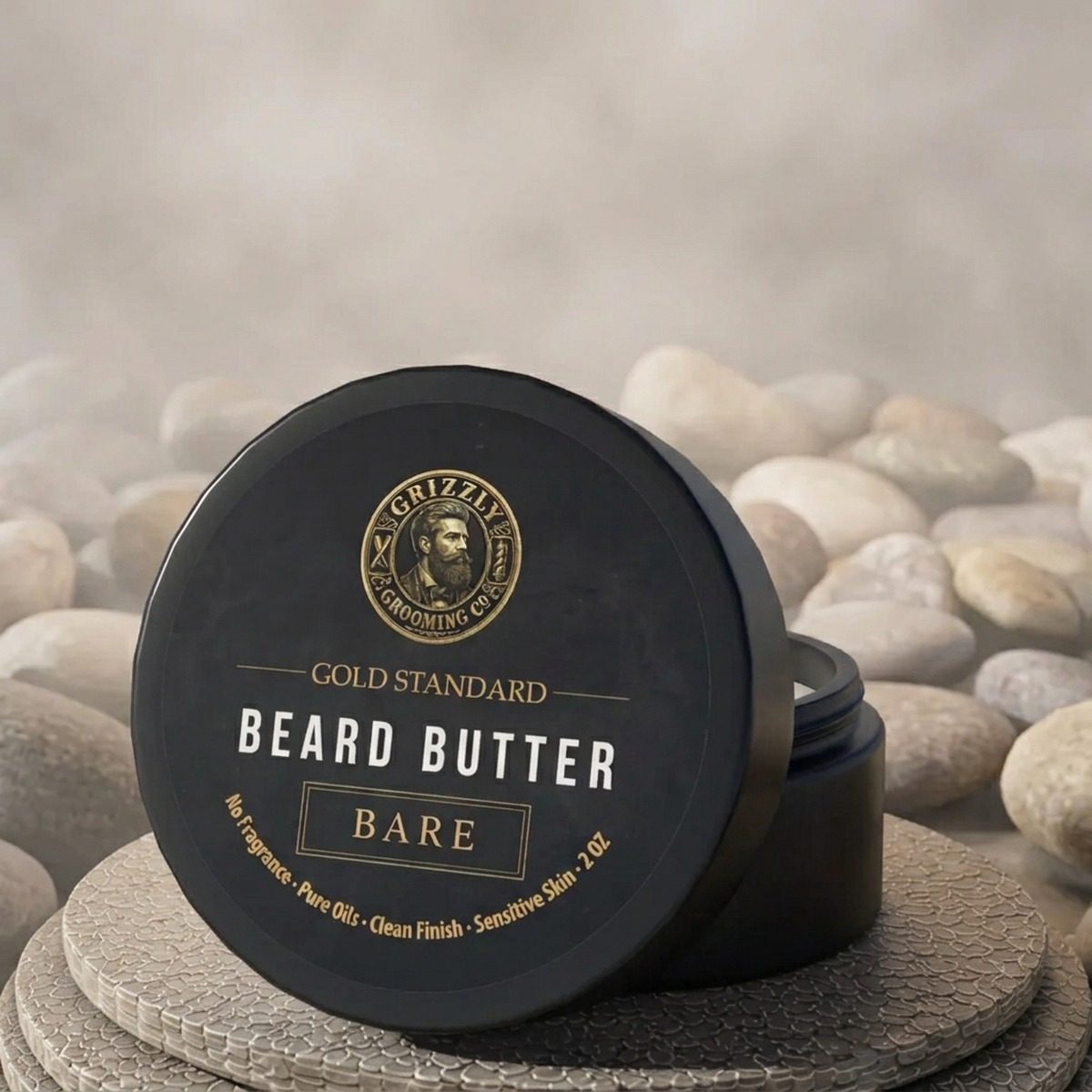
Then seal. A beard balm or butter with shea and a small amount of beeswax creates a physical barrier that slows evaporation for hours. On a genuinely brutal day — high desert wind, a ski morning, a long drive with the heat on — that top layer matters more than the amount of oil you used. Oil hydrates; the seal is what keeps the hydration where you put it.
Altitude adds UV and wind to the problem
At 5,000 feet and above you are dealing with thinner air, lower humidity, stronger UV, and usually more wind. UV oxidizes the hair's protein structure and fades color, particularly in dark and gray beards. Wind mechanically abrades the cuticle and accelerates evaporation on top of that.
Practical answers are simple. Use a balm with a visible sheen on exposed days, since that film scatters some light and blocks some wind. Wear a hat when the sun is high. On mountain days, reapply oil at midday — a beard exposed to alpine sun for eight hours needs a second application in the same way your skin needs a second round of sunscreen.
Fix the eight hours you are not thinking about
Most men in dry climates lose more moisture asleep than awake. Forced-air heating drops bedroom humidity into the teens, and a cotton pillowcase wicks oil and water out of the beard for hours while it rubs against the cuticle.
A cheap ultrasonic humidifier running in the bedroom at 40 to 50 percent humidity is the single highest-return purchase for a dry-climate beard. Add a satin or silk pillowcase, which has far less wicking action and far less friction than cotton. Some men in extremely dry regions also apply a heavier butter as an overnight treatment two nights a week and wash it out in the morning.
Hydration and diet actually show up here
In humid climates, mild dehydration hides. In dry climates it shows up in your beard and skin within a day. Sweat losses are higher at altitude and in desert heat even when you do not feel wet, because sweat evaporates instantly. Drink to the point where thirst is not a signal you notice, and add electrolytes on heavy-sweat days.
Dietary fats matter for the same reason. The lipid layer that slows water loss from skin is built from fatty acids you eat. Omega-3s from fish, walnuts, and flax, plus vitamin E from nuts and seeds, support that barrier. This is not a growth claim — it is barrier maintenance, and in dry air the barrier is what you are defending.
Trim on a tighter cycle
Split ends form when a dry cuticle finally fails and the shaft frays. In dry climates that happens weeks earlier than it does in temperate air, and a split travels upward until you cut it. Left alone, it costs you far more length than a trim would.
Move to a light tip trim every three to four weeks instead of every six to eight. Take almost nothing — a few millimetres off the very ends with sharp scissors, dry, after combing. Beard scissors matter here: dull blades crush and fray the shaft instead of cutting it cleanly, which starts the next split.
A dry-climate week that works
Daily: rinse the beard with warm water in the shower, towel gently, then oil into skin and hair within two minutes. Balm on top on wind or sun days. Comb to distribute, brush to train.
Two to three times a week: full wash with a sulfate-free beard wash, followed immediately by oil and a heavier butter. Nightly: humidifier on, satin pillowcase. Weekly: check the ends and comb through slowly for early tangles. Monthly: light tip trim. That is the entire program — the discipline is in the timing, not in the number of products.
Reading your beard: the four dry-air warning signs
Dry-climate damage announces itself before it becomes visible, and learning the signals lets you correct course in days rather than months. The first is the mid-afternoon stiffness test: run your palm against the grain around three o'clock. A hydrated beard has give; a dehydrated one feels like brush bristle. The second is static — hair that lifts toward a comb is hair with almost no moisture content left in it.
The third sign is white flaking that appears along the cheek line rather than under the chin. Under-chin flaking usually means product buildup; cheek-line flaking in dry air is nearly always barrier dehydration. The fourth is colour: dark beards go slightly grey-brown at the ends and gray beards drift toward brassy yellow as the cuticle oxidises. Two of these four appearing at once means your sealing layer is inadequate for the current humidity, not that you need a different oil.
Seasonal adjustment: the same city needs two routines
Dry regions are not uniformly dry through the year. A high-desert summer runs hot with single-digit humidity and intense UV; the same location in winter runs cold with dry indoor heating and wind. Both are dehydrating, but they call for different emphasis.
In summer, lean lighter and more frequent: a light oil twice daily, a thin balm on exposed days, and a hat rather than a heavier product for UV. Sweat means you will cleanse slightly more often, so keep the wash gentle. In winter, lean heavier and less frequent: fewer washes, a richer butter, and a genuine occlusive seal before you go outdoors. Men who run one routine all year are always over-treating in one season and under-treating in the other.
Water chemistry in arid regions
Most arid regions draw from groundwater with high mineral content, which means a dry-climate beard usually has a hard-water problem stacked on top of an evaporation problem. Calcium and magnesium bind to the hair shaft, leave a fine mineral film, and make the hair feel coarse no matter how much oil you apply. They also reduce lather, which tempts men to use more product and wash harder — the exact wrong response.
Two remedies work. A chelating or clarifying wash every one to two weeks dissolves and rinses away the deposits; use it once, then condition immediately afterwards, because clarifying strips lipids along with minerals. A shower filter is the preventive version and is worth the modest cost if you plan to stay in the region. A useful diagnostic: if your beard felt fine in one city and coarse in another with the same products, water chemistry changed, not your hair.
Travel: arriving in dry air from a humid one
The worst dryness most men experience is a sudden transition — flying from a humid coast to Denver, Salt Lake, or Phoenix, with several hours of cabin air at around ten percent humidity in between. The beard arrives already depleted and then meets a dry destination.
Pre-empt it. Apply a heavier butter or balm before boarding rather than a light oil, since the aim in cabin air is sealing rather than hydrating. Carry a decanted oil in hand luggage and reapply on landing. For the first three days at the destination, double your usual routine: oil and seal morning and evening, run a humidifier in the hotel room if one is available, and keep the shower warm rather than hot. After roughly a week the beard and skin adjust to the new baseline and normal dry-climate maintenance is enough.
Frequently Asked Questions
How much beard oil should I use in a dry climate?
Roughly one to two more drops than you would in humid air, and expect to apply twice a day rather than once. A short beard runs four to six drops per application; a long beard eight to twelve. If the beard looks glossy rather than conditioned, back off and add a balm on top instead of more oil.
Is a humidifier really necessary?
It is the highest-return single change for most men in dry regions. You spend seven or eight uninterrupted hours in bedroom air, so its humidity has more influence on your beard than any product. Aim for 40 to 50 percent.
Should I use a heavier oil like castor in dry air?
A small amount blended in helps seal, but castor is thick and can feel tacky on its own. A better approach is a standard argan and jojoba blend for hydration, with a shea-based balm on top for the occlusive layer.
Why does my beard feel fine in the morning and rough by afternoon?
That is evaporation, not product failure. You hydrated but did not seal, so the water left through the day. Add a balm over your morning oil and reapply oil at midday on the driest days.
Does hard water make dry-climate beards worse?
Yes. Many arid regions have high mineral content in the water, and calcium deposits leave the hair feeling coarse on top of the dryness. A chelating or clarifying wash once every week or two removes the buildup.
Do I need a different beard oil for dry climates?
Not necessarily a different oil — usually an extra sealing layer. A standard argan and jojoba blend hydrates well; what dry air demands is a balm or butter on top to slow evaporation, plus a second application later in the day.
Will a beard adapt to dry air over time?
Your skin partially adapts by adjusting sebum output over a few weeks, but the hair shaft does not — it exchanges moisture with the air permanently. Sealing and trimming stay necessary as long as you live there.
Build your ritual in 60 seconds.
Answer four questions and get a custom regimen built around your beard and routine.
Start The Ritual Builder