Beard Oil 101: What It Is, Why It Works, and How to Use It
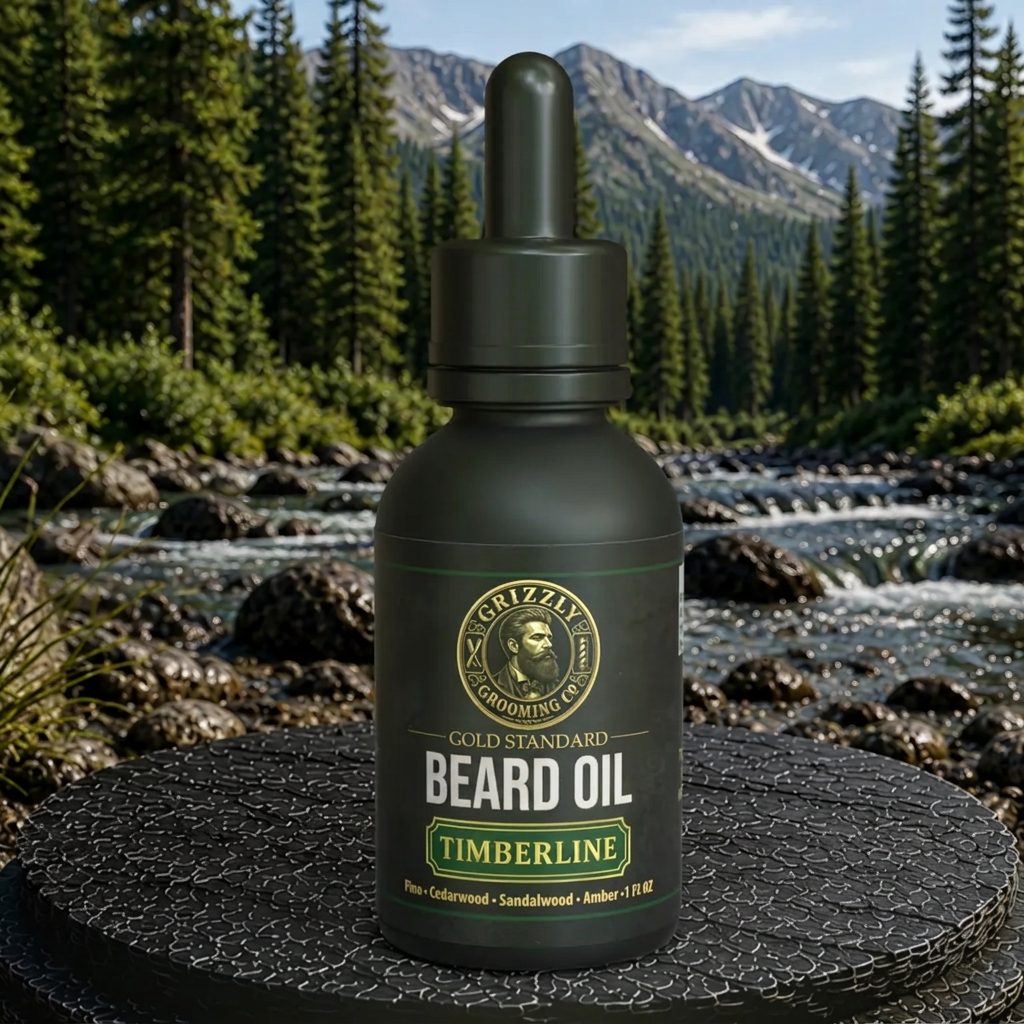
Beard oil is the single product that separates a beard that looks tolerated from a beard that looks intentional. It is a lightweight blend of carrier oils — sometimes with a whisper of essential oils for scent — engineered to mimic the sebum your skin produces naturally. The job is simple on paper: soften the hair, condition the skin beneath, and end the itch and flaking that make most men give up on a beard before it fills in. Done right, beard oil is the first ten seconds of your grooming ritual and the last thing anyone notices about you — because they notice the beard instead. Throughout this guide we'll use our Gold Standard Beard Oil in Black Ridge as the reference formulation, because it maps cleanly to every rule below.
The barbershop technique for full absorption. Wash, warm, massage, work through, finish with a comb.
- ›Beard oil is carrier oils (jojoba, argan, grapeseed) with optional essential oils. It conditions the hair and the skin under it.
- ›Apply to a damp, clean beard once a day. Long beards go up in dose, not frequency.
- ›3–4 drops for stubble, 6–8 for a medium beard, 10–12 for a full beard, split morning and evening if needed.
- ›If your beard itches, flakes, or smells musty, you're under-oiling — not the opposite.
- ›Buy on ingredients first, scent second. Cold-pressed jojoba or argan should be the first name on the label.
What Beard Oil Actually Is
Beard oil is a two-part blend: carrier oils that make up 95% or more of the bottle, and optional essential oils that add scent and secondary benefit. The carriers do the real work — they penetrate the hair shaft, coat the cuticle, and sink into the skin underneath where the hair emerges. Jojoba is the gold standard because its molecular structure is nearly identical to human sebum, so your skin recognises it and stops overproducing its own oil in response. Argan adds vitamin E and a lightweight finish. Grapeseed, sweet almond, and hemp seed fill supporting roles.
What beard oil is not: a growth serum, a styling product, or a cologne. It will not make hair sprout where follicles do not exist, it will not hold shape (that is balm's job), and it is not meant to project scent across a room. If a product promises any of those, read the ingredient list — you are probably looking at silicones and synthetic fragrance dressed up as grooming.
Why Beard Oil Works: The Skin Underneath
The most misunderstood fact in beard care: the problem is almost never the hair — it is the skin under it. As a beard grows, it absorbs the sebum your skin was already producing for your face. Past roughly the two-inch mark that supply runs out. The skin dries, gets itchy, and starts shedding the flakes men call beardruff. The hair, no longer coated, feels wiry and looks dull.
Beard oil replaces that missing sebum. Applied to a damp beard, the carrier oils travel down each strand, coat the cuticle so it lies flat (which is what shine actually means), and pool at the base where the skin needs them. Within three to five days of daily use, itch drops off. Within two weeks, flaking usually stops entirely. This is not marketing — it is what the skin does when you stop starving it.
How to Apply Beard Oil: The 60-Second Method
Timing matters more than technique. The best moment to apply beard oil is straight out of the shower, when the beard is damp — not dripping — and the hair cuticle is open. Towel-dry until no water drips, then apply.
Step one: dispense the right amount into your palm (see the dosing chart in the next section). Step two: rub your palms together to warm the oil, because cold oil beads on the hair and never absorbs. Step three: press palms flat against your cheeks and work inward toward the skin, not just across the surface. Step four: rake fingers down through the beard from the jaw to the tip. Step five: finish with a boar-bristle brush or wide-tooth comb to distribute evenly and lay the hairs in the direction they grow.
If you have time for nothing else, do this: apply the oil, then brush. The brush is what turns oil from a lotion into a finish.
How Much Beard Oil to Use (Dosing by Length)
The most common mistake in beard care is under-dosing. Men see "a few drops" on the label, use three drops on a full beard, feel greasy palms, and blame the product. The correct dose scales with length, not with the size of the bottle.
Stubble to one inch: 2–3 drops, once daily. Short beard (one to two inches): 3–4 drops, once daily. Medium (two to four inches): 5–7 drops, once daily or split morning and evening. Full beard (four inches and up): 8–12 drops daily, usually split. Yeard and beyond: 12+ drops, always split, plus a butter or balm sealing layer.
If your beard looks wet or greasy 30 minutes after application, halve the dose. If it feels dry again by evening, add drops or add a second, smaller application after work.
How to Pick a Beard Oil: Ingredient Rules
Read the ingredients list in order — the first three names account for the vast majority of the bottle. What you want at the top: jojoba oil, argan oil, sweet almond oil, grapeseed oil, or hemp seed oil. All are non-comedogenic (they will not clog pores) and light enough for daily use.
What to avoid at the top: mineral oil (a petroleum by-product that sits on the surface), coconut oil as the primary carrier (comedogenic for many skin types), and "fragrance" or "parfum" with no source disclosed (usually synthetic and a common irritant). Essential oils are fine and often beneficial, but they should appear near the bottom of the list — anything above roughly three percent concentration risks sensitising the skin.
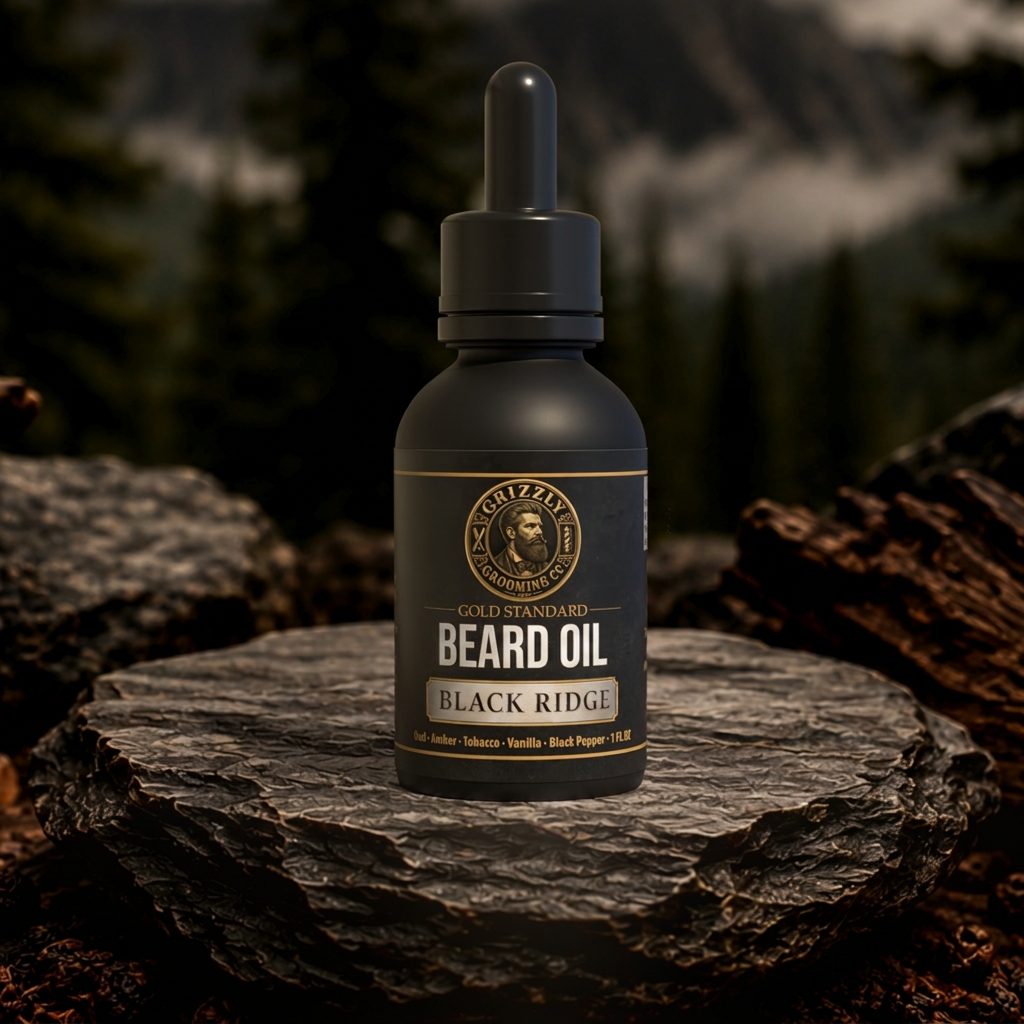
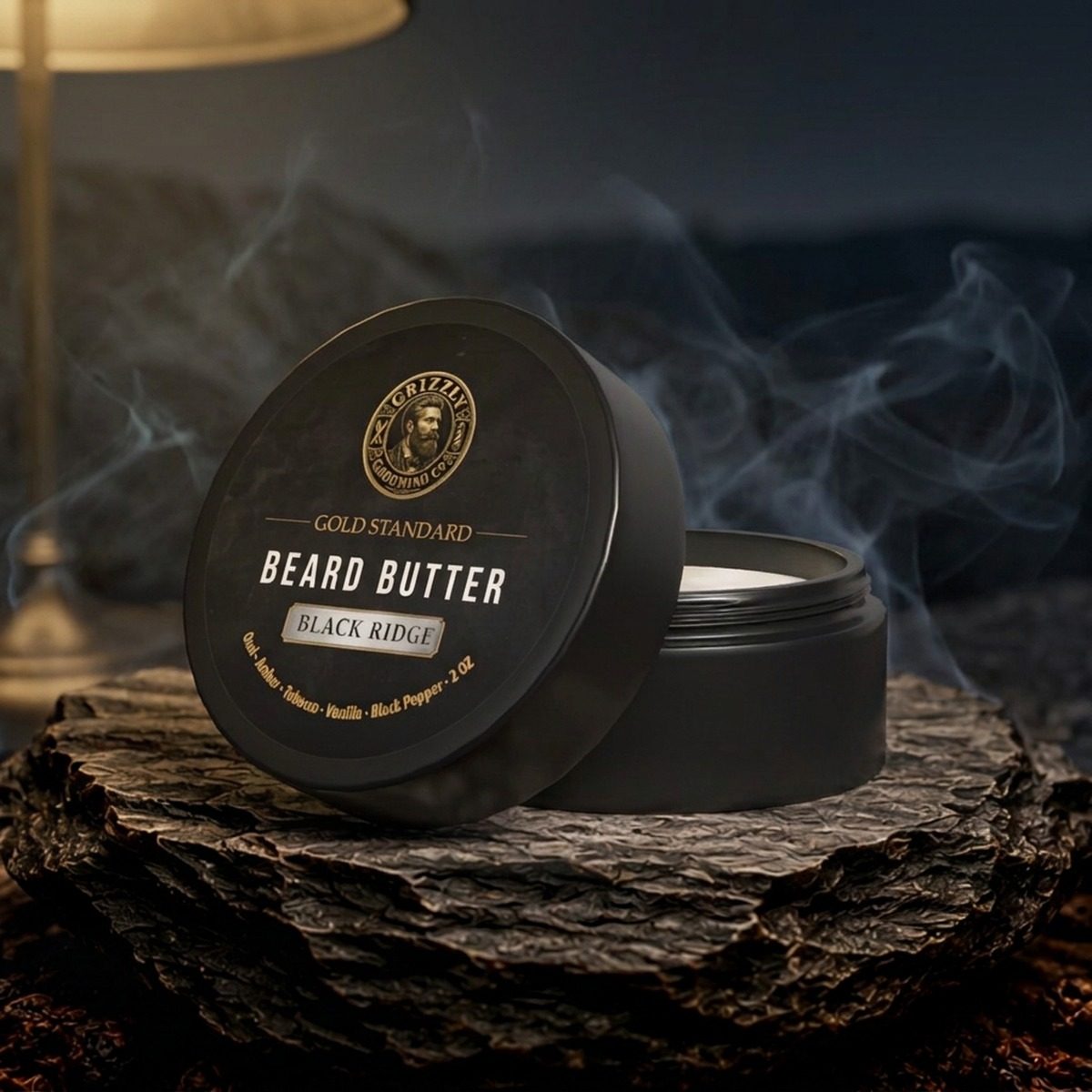
Our Gold Standard Beard Oil leads with cold-pressed jojoba, argan, and sweet almond, and every scent variant discloses its essential-oil composition. Black Ridge, pictured on this article, layers vetiver, oud, and black pepper on that base — a warm, grounded scent that reads as intentional without projecting past arm's length.
Common Beard Oil Mistakes
Applying to a dry beard. Oil on dry hair sits on the surface instead of absorbing. Apply damp, always.
Skipping days to "let the beard rest." The beard does not rest — the skin just gets drier. Use it every day and adjust the dose if it feels heavy.
Rubbing only the surface. If you do not work the oil into the skin at the base of the hair, you are conditioning the hair and starving the follicle. Press in with the palms.
Buying by scent alone. Scent is real and matters, but a great-smelling oil with mineral oil at the top will still leave your beard flat. Ingredients first, scent second.
When to Add Balm, Butter, or Both
Beard oil is the base layer, always. Balm and butter are the next tier and they solve different problems. Add balm when you need light hold and shape control — the beeswax gives structure without stiffness. Add butter when the beard is long enough that oil alone cannot keep the ends soft — the whipped shea locks moisture in for the day.
The full stack for a medium-to-long beard: shower, towel-dry, oil, brush, then a fingertip-scoop of butter or a matchhead of balm depending on the day. Never balm over unoiled hair — you will get flakes of wax without any conditioning underneath.
How to Tell Beard Oil Is Actually Working
The first change most men notice is reduced snagging on a comb, usually within three to five days of consistent daily use — hair that used to catch will start gliding smoothly as the cuticle lies flatter under the oil coating. Shine follows a few days after that, but a healthy shine looks soft and even, not glossy or wet-looking; a beard that looks slick right after application and stays that way for hours is getting too much oil, not too little.
The real proof point is at the two-week mark: if itching, flaking, and the dry, straw-like feel are gone, the dose and frequency are correct. If any of those symptoms persist past two weeks of daily use, the fix is almost always more oil, applied to the skin at the base rather than just raked through the length.
Adjusting Dose Through the Seasons
Winter heating dries indoor air significantly, and a dose that worked fine in summer often falls short once heating season starts — add one to two extra drops per application and consider a second application in the evening if the beard feels dry by afternoon. Summer humidity can make the same dose feel heavier than it should, so some men reduce slightly in the hottest, most humid months, particularly if they're noticing an oily look rather than a healthy sheen.
Beards also behave differently after time spent outdoors in wind or sun, both of which strip moisture faster than an indoor day. If you spend a weekend outdoors, apply oil that evening even if it's not your usual application time, rather than waiting for the next morning's routine.
Common Application Mistakes
The most common mistake is applying oil only to the visible, outer length of the beard and never working it into the skin underneath, which treats the symptom without addressing the actual site where itching and flaking originate. Rub oil into your palms first, then work it into the skin at the base with your fingertips before smoothing down through the length.
The second common mistake is applying oil to a completely dry beard rather than a damp one. Dry hair absorbs oil more slowly and unevenly, leaving some strands overtreated and others untouched. A beard that's just been toweled to damp-not-dripping accepts oil far more evenly across the whole length.
Frequently Asked Questions
How often should I apply beard oil?
Once a day is the baseline, right after the shower on a damp beard. Long beards (four inches and up) often benefit from a second, smaller application in the evening.
Can beard oil make my beard grow faster?
No product grows hair where the follicle does not exist. Beard oil creates the healthy skin environment growth requires, which lets existing follicles produce their full potential — but it is not a growth serum.
Will beard oil cause acne?
Not if the carrier is non-comedogenic (jojoba, argan, grapeseed, hemp). Coconut oil and mineral oil are the two most common culprits behind beard-oil breakouts — check your label.
How long does a bottle last?
A 1oz bottle at six drops per day lasts roughly 60 days. At ten drops per day (full beard, twice daily) it is closer to 30.
Do I still need beard oil in the summer?
Yes — arguably more. Sun, sweat, and sunscreen residue all strip natural oil faster. Keep the same ritual and store the bottle out of direct sunlight so the oil does not oxidize.
What scent should I pick first?
If you do not know your preference, start with Black Ridge (warm, grounded — vetiver and oud) or Timberline (fresh — cedar and pine). Both work year-round and read as intentional in professional settings.
Can I apply beard oil twice a day if my beard is very dry?
Yes, splitting a full dose into a morning and evening application is a common fix for beards that dry out faster than a single daily application can handle, especially in winter. Use slightly less per application than you would for a single daily dose, so you're not overloading the hair at either time.
Does beard oil expire, and does old oil stop working?
Carrier oils do oxidize over time, typically within twelve to eighteen months of opening, and oil that has turned should smell slightly rancid or different from when you bought it. Oxidized oil won't harm your skin, but it performs worse and won't deliver the same conditioning, so replace a bottle that smells off rather than using it up.
Should I apply beard oil before or after balm or butter?
Always oil first. Oil is the lightest, most penetrating layer and needs direct contact with damp hair and skin to absorb properly. Balm or butter applied on top then seals and adds hold or extra conditioning to hair that's already been treated at the root level by the oil underneath.
Build your ritual in 60 seconds.
Answer four questions and get a custom regimen built around your beard and routine.
Start The Ritual Builder