Men's Hair Care: The Complete Playbook
- ›Wash when your scalp is oily or your style stops holding — not on a fixed schedule.
- ›Condition mid-length to ends for a full minute, then cool rinse.
- ›Style at about 80 percent dry; fully air-dried hair sets however it fell.
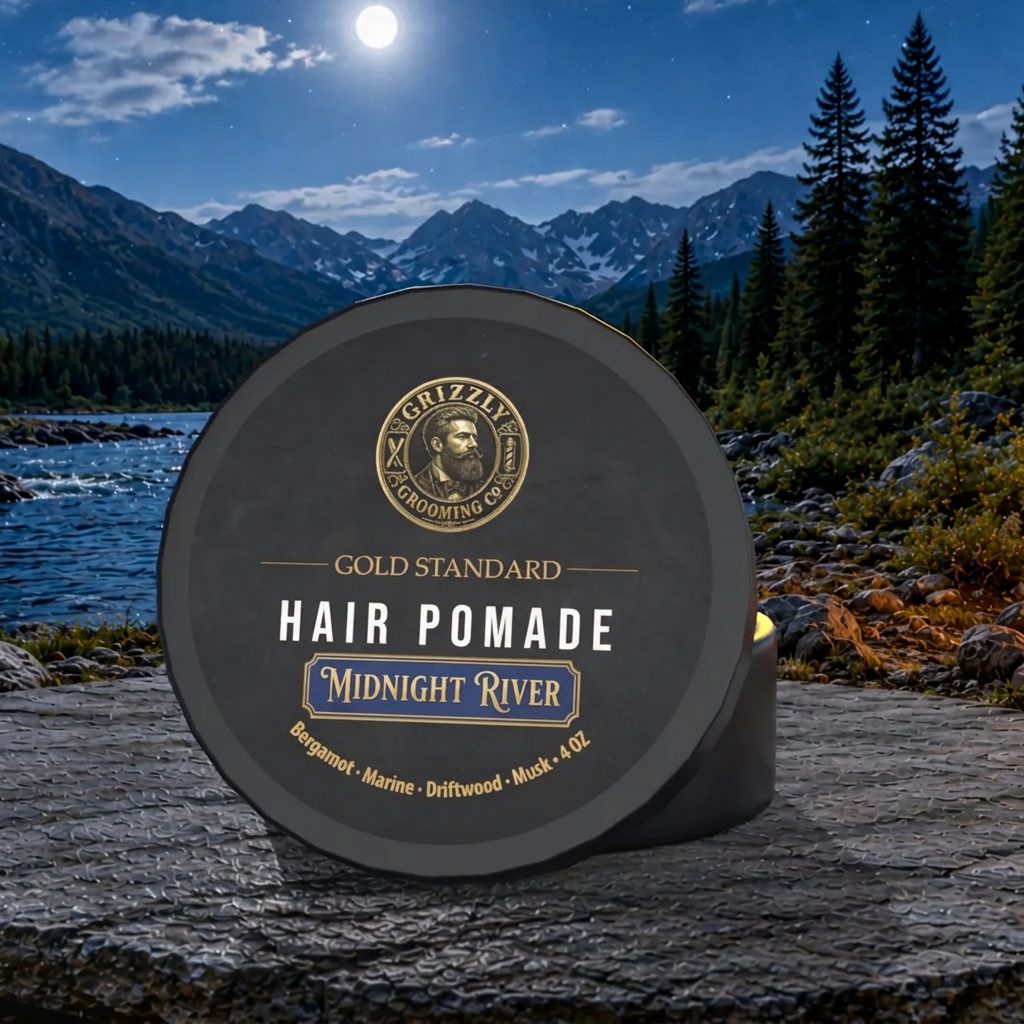
- ›Pomade is the most forgiving styler for most hair types.
- ›Styling makes thinning hair look better; only evidence-backed treatments regrow it.
Most men own three hair products and use all of them wrong. The shampoo is too harsh, the conditioner never reaches the ends, and the pomade goes into bone-dry hair where it grips nothing. This playbook is the whole thing in one place: how often to wash, how to condition properly, how to dry without wrecking texture, which styler matches your hair type, and what actually helps thinning hair versus what only sells bottles.
Work through it once, decide on your own frequencies, then stop changing the plan every few weeks. Hair responds to consistency over a month, not to a new product every Sunday.
How often should a man wash his hair?
There is no universal number, because wash frequency is a function of scalp oil production, hair texture, and how much product you use. The workable rule: wash when your scalp feels oily or your hair stops holding a style, not on a calendar.
- ›Oily scalp, fine straight hair: daily or every other day with a gentle clarifying shampoo.
- ›Normal scalp, medium hair: every two to three days.
- ›Dry scalp, coarse or curly hair: once or twice a week, with water-only rinses in between.
- ›Heavy daily styler use: wash whenever buildup makes hair feel coated, even if that means daily.
- ›Post-workout: rinse with water and skip the shampoo unless you used product that morning.
If you wash daily and your scalp is greasy by afternoon, that is often over-washing rebound — the scalp compensates for stripped sebum by producing more. Stretch your interval by one day every two weeks until the greasy rebound stops.
Conditioning: the step most men skip or botch
Shampoo cleans the scalp. Conditioner repairs the hair — mostly the last few inches, which are the oldest and most damaged. The two are not interchangeable and the technique matters:
- ›Squeeze excess water out of your hair first. Conditioner applied to soaking hair mostly runs down the drain.
- ›Apply from mid-length to ends. Keep it off the scalp unless your scalp is genuinely dry.
- ›Leave it 60 seconds minimum. Thirty seconds does close to nothing on coarse hair.
- ›Rinse with cool water at the end. It closes the cuticle, which is what makes hair look shiny instead of frizzy.
For coarse or color-treated hair, one deeper weekly condition beats a rushed daily one. If your ends stay rough no matter what, the fix is usually a trim, not more product — split ends cannot be glued back together.
Drying: air dry, towel, or blow dry
Wet hair is at its most fragile. Rubbing it dry with a terry towel is what creates that halo of frizz and breakage along the crown.
- ›Blot and squeeze with a cotton t-shirt or microfiber towel. Never scrub.
- ›Air dry to roughly 80 percent, then style. Fully air-dried hair sets in whatever direction it fell.
- ›Blow dry on medium heat, nozzle pointed down the hair shaft, moving constantly — heat held in one spot is what scorches the cuticle.
- ›Finish with a 15-second cool shot. That locks the shape in the same way cool water closes the cuticle.
Matching a styler to your hair type
| Hair type | Best styler | Finish | Notes |
|---|---|---|---|
| Thick, coarse | Pomade | Satin, controlled | Emulsify in warm palms first or it drags. |
| Fine, thin | Light pomade or paste, half the usual dose | Matte, lifted | Too much product is what makes fine hair look flat and greasy. |
| Curly, wavy | Cream or pomade on damp hair | Defined, soft hold | Apply damp; dry application fights the curl pattern. |
| Oily scalp | Matte styler, wash more often | Dry matte | Avoid heavy waxes that trap oil at the roots. |
| Straight, wants shine | Pomade on damp hair | Glossy | Comb through while damp, then leave it alone. |
Pomade versus clay versus wax, in one sentence each: pomade gives medium hold with a satin finish and restyles all day, clay gives a dry matte look with grit and volume, wax gives the stiffest hold but the least redistribution. If you own one, own a pomade — it is the most forgiving.
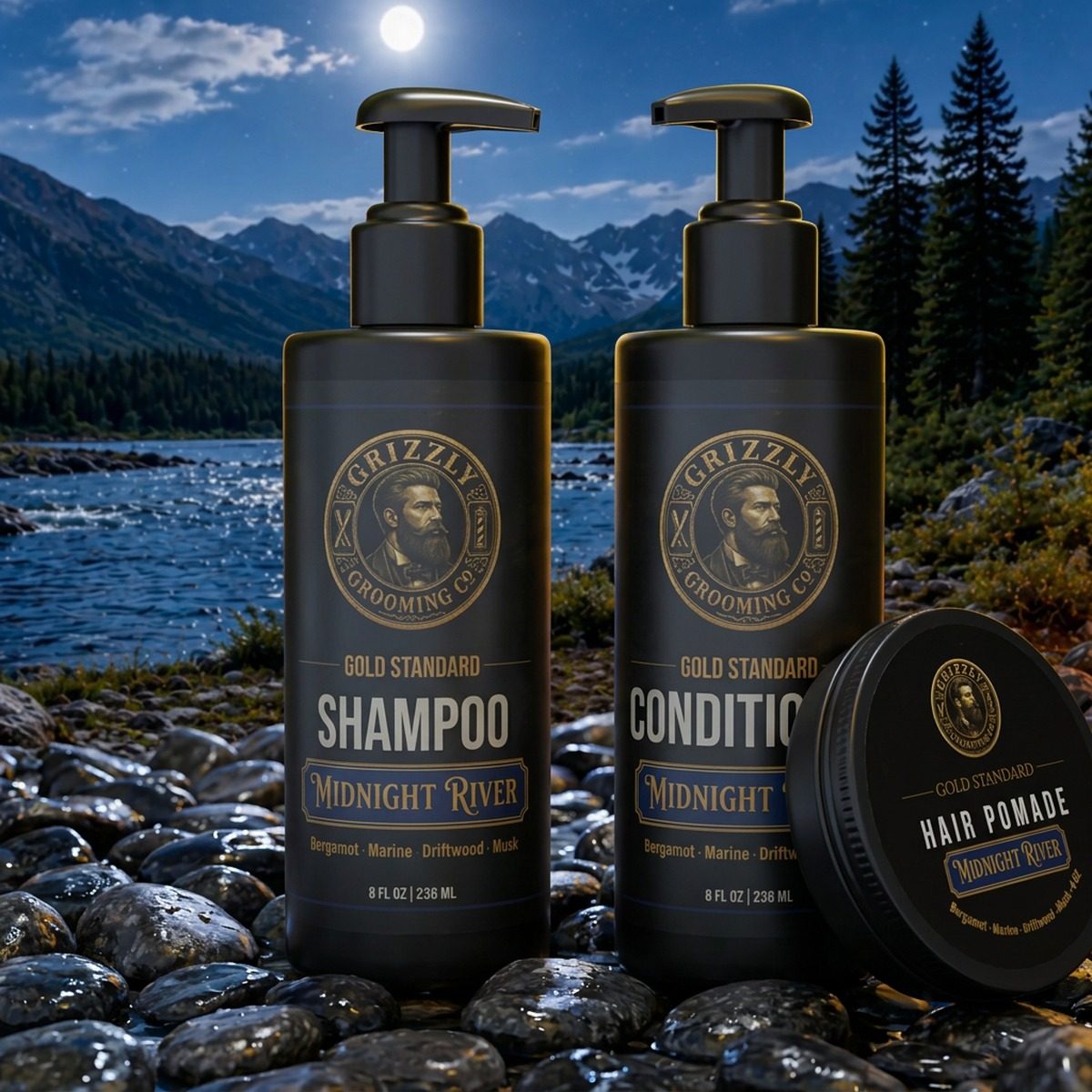
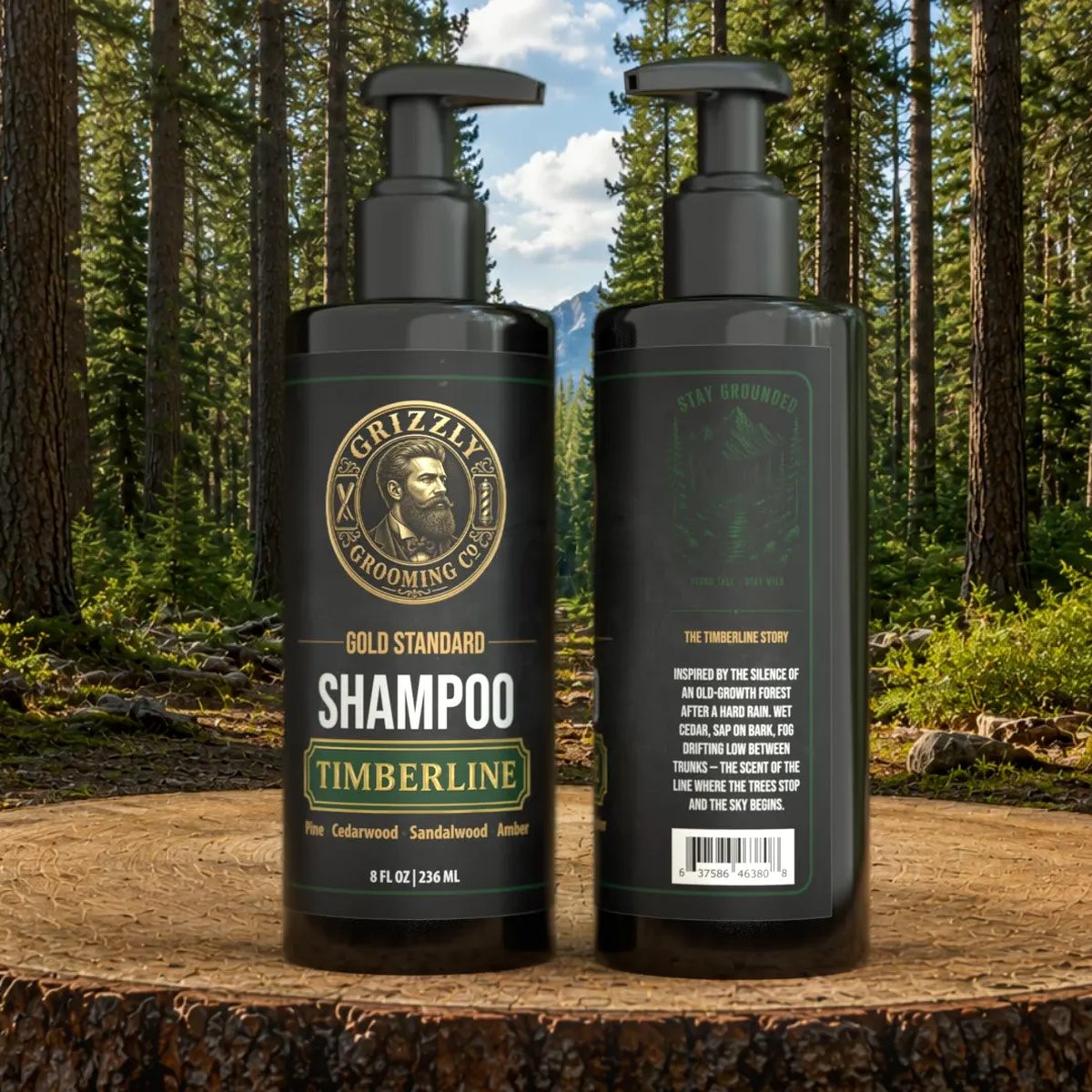
Shop the Gold Standard hair line
Thinning hair and receding hairlines: what actually works
Be honest about the category difference. Styling makes thinning hair look better today. It does not regrow anything. Those are two separate projects.
- ›Styling that helps: shorter sides, keep length on top under three inches, matte product for the illusion of volume, blow dry against the growth direction for lift.
- ›Styling that hurts: long combovers, heavy shiny product, tight pulled-back styles that stress the follicle.
- ›Evidence-backed treatments: topical minoxidil and oral finasteride, both prescription-adjacent decisions that belong with a doctor.
- ›Genuinely useful basics: enough protein, enough iron and vitamin D if you are deficient, sleep, and less white-knuckle stress.
- ›Mostly marketing: thickening sprays sold as regrowth, generic 'hair vitamins' in a person who is not deficient, scalp gadgets with no published data.
Supplements deserve a plain answer: if you are deficient in something, correcting it can help hair. If you are not deficient, extra does nothing, and megadose biotin in particular can skew lab results. Get the deficiency confirmed before you spend money on it.
Dandruff and a flaking scalp
Flakes come from two very different places. Dry-scalp flakes are small, white, and pair with tightness — they respond to less frequent washing and more conditioning. Dandruff flakes are larger, oilier, often yellowish, and come with itch and redness; they are driven by a yeast that lives on scalp oil. That kind needs an active shampoo (zinc pyrithione, selenium sulfide, or ketoconazole), used two or three times a week for several weeks — not a single wash.
If a flaking, itching scalp does not improve after a month of consistent treatment, or if there are patches, scaling, or hair loss involved, see a dermatologist. That is a medical issue, not a product issue.
A hair routine you can actually keep
- ›Wash days: shampoo scalp, condition mid-length to ends for a minute, cool rinse.
- ›Every day: blot dry, style at 80 percent dry, small dose of product warmed in the palms.
- ›Weekly: one deeper condition, and check your ends for roughness.
- ›Every 4–6 weeks: cut. A good cut does more for thinning or unruly hair than any bottle.
- ›Hard water is ruining your hair and beard
- ›Build a grooming routine that lasts
- ›How to read a grooming product label
Frequently Asked Questions
How often should men wash their hair?+
Anywhere from daily to twice a week depending on scalp oil and hair texture. Wash when the scalp feels oily or hair stops holding a style.
Pomade, clay, or wax?+
Pomade for medium hold and a satin finish that restyles all day, clay for a dry matte look with volume, wax for the stiffest hold. Start with pomade.
Do hair growth supplements work?+
Only when they correct a real deficiency such as iron or vitamin D. In a person who is not deficient, extra vitamins do nothing for hair.
Is it better to air dry or blow dry?+
Air dry to roughly 80 percent, then style — blow drying on medium heat with constant movement is fine and gives more control.
How do I treat dandruff?+
Use an active shampoo with zinc pyrithione, selenium sulfide, or ketoconazole two to three times a week for several weeks. See a dermatologist if it does not improve.
"Followed the ritual in this article for 6 weeks — beard is thicker, softer, and the itch is gone. My wife keeps stealing my Timberline oil for the smell."
Join The Grizzly Brotherhood
Scent guides, grooming tips, and early access to new drops. No discount bait — just the good stuff.
Unsubscribe anytime · No spam
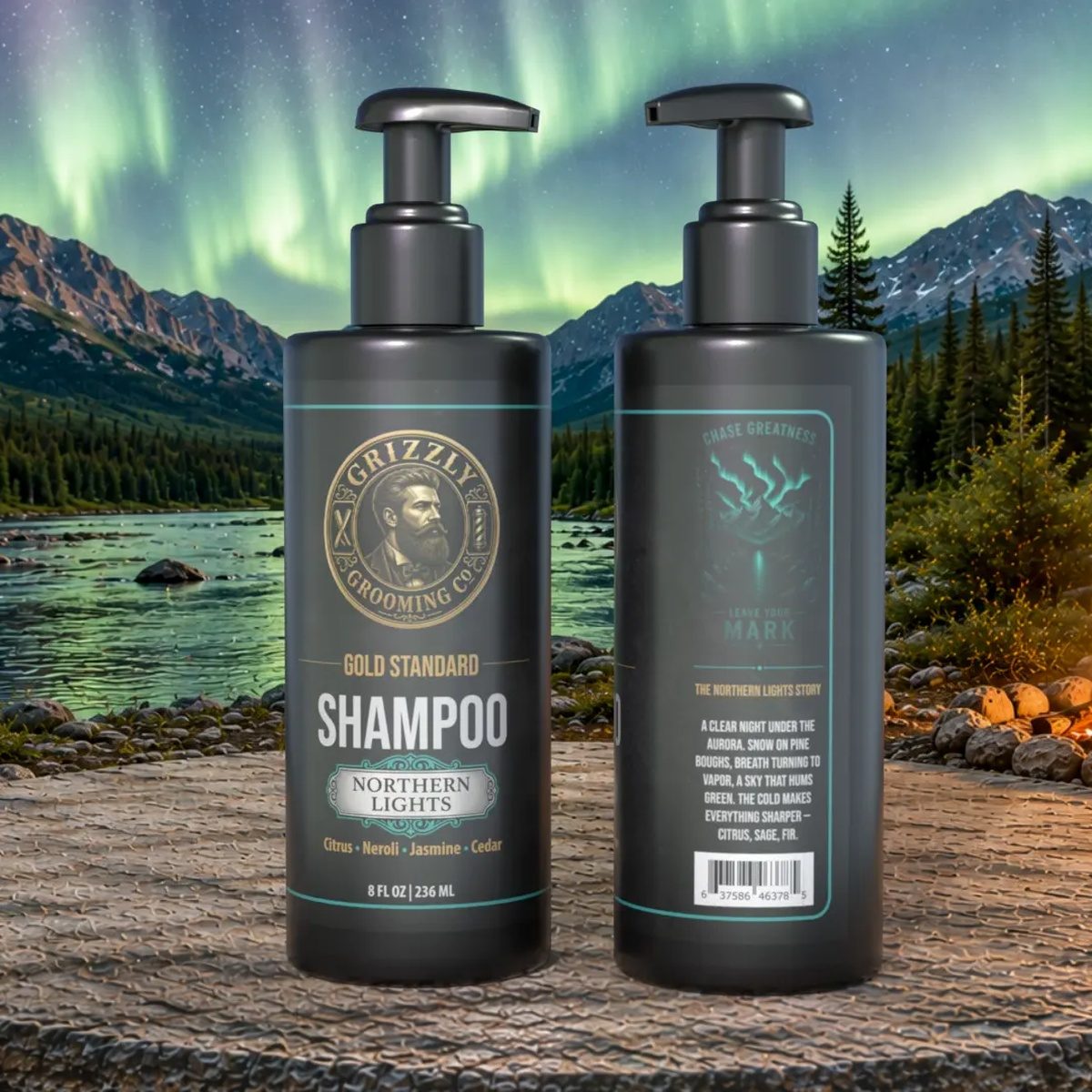
Get Gold Standard Shampoo
- Everything in this article, one click.
- Built for a complete daily ritual.
- 30-day money-back guarantee.
Related Guides
Morning, evening, and weekly — in the right order.
Nine-oil breakdown, what to avoid on a label, and how to judge a formula.
Butter-forward vs wax-forward, hold levels, and the layering test.
The wash, condition, and oil sequence that changes coarse hair.
Neckline, cheekline, and the cleanup that keeps length.
What actually moves the needle across a full growth cycle.
Every oil we use, why it's in there, and how we compare.
Assemble a kit around your beard length and skin type.
Sources & Research
- International Journal of Molecular Sciences — Anti-Inflammatory and Skin Barrier Repair Effects of Topical Application of Some Plant Oils
- Indian Journal of Dermatology — Moisturizers: The Slippery Road
- American Academy of Dermatology — Face Washing 101
- American Academy of Dermatology — Dermatologists' Tips for Relieving Dry Skin
- Grizzly Grooming Co. formulation notes and batch testing records