The Beard Fade: How To Master This Modern Beard Style
- ›A beard fade is a gradual length transition from the sideburn into the beard — no hard line, no disconnect.
- ›Four types: low, mid, high, and taper. Pick by how much jaw and cheekbone you want to show.
- ›Cut with guards in order — 1 at the sideburn, 2, 3, then full length at the jaw — and blend the seams last.
- ›The fade lives or dies on skin condition. Oil daily; faded areas expose more skin to razor burn and flaking.
- ›Expect to touch up every 7 to 10 days. A fade grows out of focus faster than a straight-line beard.
The beard fade is the detail that separates a groomed beard from a grown one. Instead of a hard line where sideburn meets beard, the length steps down gradually so the hair on your head and the hair on your face read as one continuous shape. Done right it sharpens the jaw, narrows a wide face, and makes even a two-week beard look deliberate.
What a beard fade actually is
A fade is a controlled gradient. You take the hair short at the top of the sideburn and increase the length progressively down toward the jaw, where the beard sits at full length. The eye never sees a step — it sees a blend. That's the entire craft: removing the visible seams between guard lengths.
The four beard fade styles
- ›Low fade — the blend starts just above the jawline. Subtle, conservative, and the safest first fade.
- ›Mid fade — the transition begins around the middle of the sideburn. The most common and most balanced option.
- ›High fade — the blend starts at the cheekbone. Bold, high contrast, and best on strong beard density.
- ›Taper — the mildest version: only the sideburn edges are shortened, keeping the rest of the beard uniform. Ideal for professional settings.
Which fade suits your face shape
- ›Round face — mid or high fade. Removing bulk at the cheeks lengthens the face.
- ›Long or oblong face — low fade or taper. Keep width at the sides.
- ›Square face — any fade works; a mid fade keeps the jaw visible without exaggerating it.
- ›Heart or diamond face — low fade with weight kept under the chin for balance.
How to fade your beard at home, step by step
Work on a dry, clean, fully combed beard. Wet hair sits longer than it cuts, and you will take off more than you meant to.
- ›1. Comb the beard down and out so every hair sits at its true length.
- ›2. Decide where the fade starts — jawline for low, mid-sideburn for mid, cheekbone for high.
- ›3. Set the shortest guard (a 1) and cut only the top zone of the sideburn, stopping at your start line.
- ›4. Move to a 2 and cut the band directly beneath it, overlapping the previous zone by a few millimetres.
- ›5. Move to a 3 for the next band down, then leave the jaw and chin at full length.
- ›6. Blend the seams: use the next guard up and a flicking motion — clipper-over-comb if you have the hand for it — sweeping outward at each transition line.
- ›7. Check in two mirrors under natural light, then clean the neckline and cheek line last.
The mistakes that ruin a fade
- ›Starting too short — you can always take more off; you cannot put it back.
- ›Skipping a guard number and creating a visible step instead of a blend.
- ›Fading on a wet beard.
- ›Setting the start line too high on a patchy cheek, which exposes the thin area.
- ›Ignoring the neckline — a perfect fade above a shaggy neck still looks unkempt.
Keeping a fade sharp between cuts
Faded sections are short, which means more visible skin and more visible irritation. Wash twice a week with a sulfate-free beard wash, oil daily working skin-first so the short hair does not turn to stubble-rash, and use a light balm through the mid-length to keep the gradient sitting flat. Touch up the blend every 7 to 10 days; a fade loses definition roughly twice as fast as a straight-cut beard.
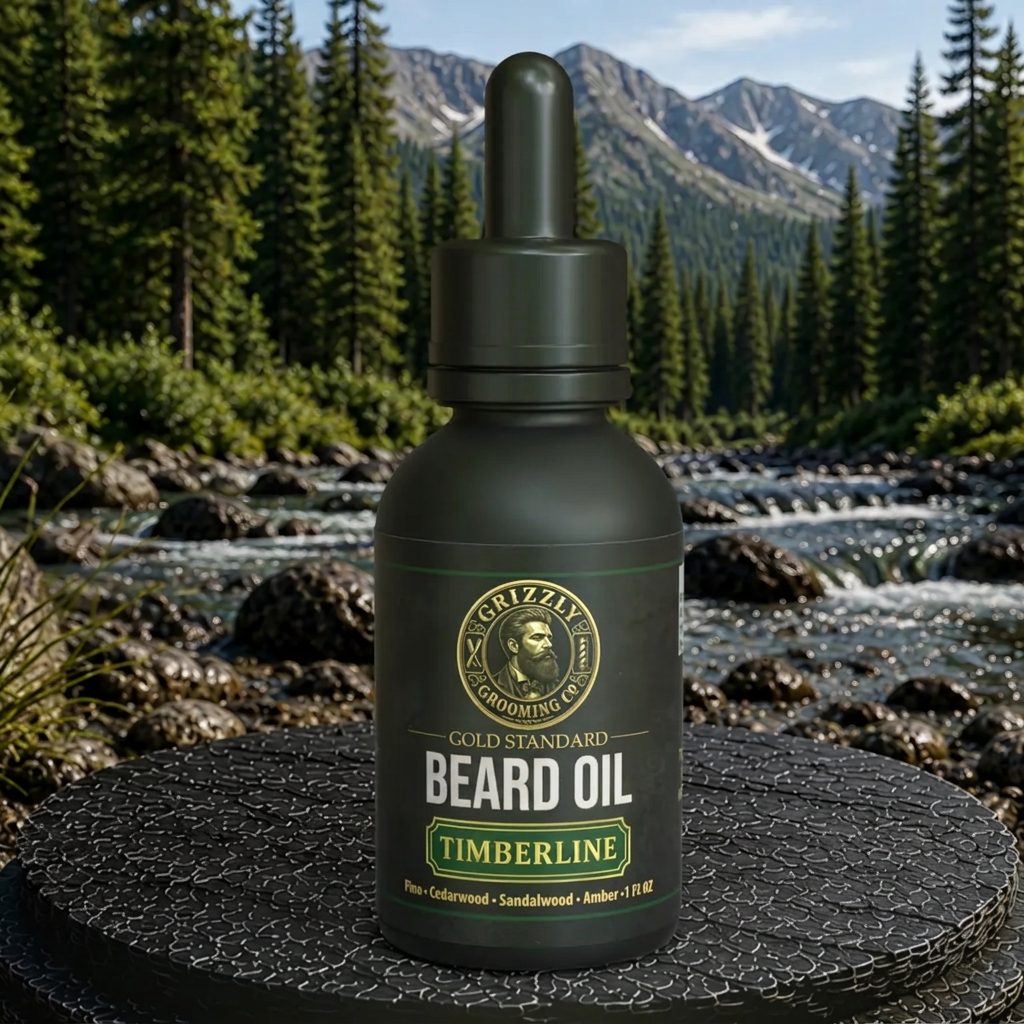
Gold Standard Beard Oil — daily skin care under a fade, where short hair leaves the skin exposed.
Keep reading
- ›How to shape your beard neckline
- ›How to trim your own beard
- ›The best beard length for your face shape
- ›How to fix a patchy beard
- ›Beard itch: causes and fixes
How often a fade needs re-cutting
A fade is the highest-maintenance beard shape there is, because the whole effect depends on a gradient that grows out unevenly. Expect a barber visit every two to three weeks; past four weeks, the transition blurs into a plain beard.
Between visits, keep the neckline clean weekly and resist trying to re-cut the gradient yourself. Touching up a fade without the right guard progression is the fastest way to create a step you then have to cut the whole beard down to fix.
Fades on coarse or curly hair
Coarse and curly hair shows a fade beautifully because the density makes the gradient readable, but it also springs back after cutting, which means the length you see wet is not the length you get dry. Cut dry, and go one guard longer than you think at each step.
Curl pattern also hides mistakes at first and reveals them a day later once the hair relaxes. Ask the barber to check the blend with the beard brushed in two different directions before finishing.
Fading a curly or textured beard
Curly and tightly coiled beard hair behaves differently under clippers than straight hair, because curls compress under a guard and spring back to a different apparent length once released. This means a fade that looks correct while you are cutting can look uneven once the hair settles, so check the result after the beard has had a few minutes to relax rather than judging it mid-cut.
Going one guard size longer than you would for straight hair at each stage compensates for this spring-back, and detangling with a wide-tooth comb before starting is more important than on straight hair, since matted curls cut unevenly under a clipper guard.
Fading around glasses and hearing aids
Glasses arms and hearing aids sit directly in the zone where most fades begin, right at the top of the sideburn, and clipper guards can catch on either if you are not paying attention. Remove glasses and any hearing aids before starting, and work slowly around that area with a smaller detail trimmer rather than the full-size clipper.
If you wear glasses daily, put them back on periodically during the cut to check how the fade looks with the arms in place, since the hair sits differently when compressed under the frame than when it is loose.
Growing out a fade without it looking like a mistake
A fade left untouched grows out unevenly because the shorter sections at the top grow into visible stubble faster than the longer sections at the jaw fill in, creating a temporary two-tone look. If you want to grow past a fade into a fuller beard, plan for an awkward two-to-three-week window where the transition is visible rather than expecting it to blend on its own.
Keeping the neckline and cheek line clean during that window makes the growing-out phase look intentional rather than neglected, even while the fade itself is losing definition. Most men who grow out of a fade successfully keep the edges sharp and let the middle section fill in without touching it.
Choosing a fade for a first-time home attempt versus a barber visit
A taper is the safest fade to attempt at home the first time, since it only shortens the sideburn edges rather than blending across the full jaw, which limits how visible any mistake becomes. A high fade, by contrast, involves the most blending work across the most visible area of the face and is the version most worth paying a barber for at least the first few times.
If you're set on doing a mid or high fade yourself, practice the blending motion on the taper version for a month first. The clipper-over-comb technique that makes a fade look seamless rather than stepped takes real repetition to get comfortable with, and a taper gives you low-stakes practice before you commit to a bolder version.
Fade maintenance between full trims
A fade's transition zone grows out of focus faster than the rest of the beard because the shorter guard lengths at the top of the blend show new growth within days, while the longer jaw length barely changes visually in the same window. This uneven growth rate is why a fade needs touch-ups more often than a straight-length beard even though the total hair removed each time is small.
A quick touch-up only needs to hit the shortest guard zone at the sideburn, not a full re-fade of the entire blend. Five minutes with the same guard you used originally, focused just on that top band, keeps the fade sharp between the full 7-to-10-day sessions.
Common face-shape mismatches that make a fade look off
Applying a high fade to a face that's already narrow and long removes width exactly where the face needs it, which can make the head look disproportionately long compared to the jaw. This mismatch is one of the more common reasons a technically well-executed fade still looks wrong in photos.
If you have a longer face shape and want a fade specifically, a low fade or taper preserves more width at the sides while still giving the sharpened, intentional look a fade provides. Save high fades for rounder or wider face shapes where removing cheek-area bulk genuinely helps the proportions.
Product needs specific to a freshly faded beard
The skin exposed by a fresh fade — particularly in the transition zone where hair is shortest — is more prone to razor burn, ingrown hairs, and general irritation than skin under a full-length beard, since it experiences more direct clipper and blade contact. This area needs more attention immediately after cutting than the rest of the beard does.
Apply a light, fragrance-free balm or oil to the faded zone specifically right after cutting, even if you don't oil the rest of the beard that day. This calms freshly cut skin and reduces the redness that otherwise makes a fresh fade look irritated rather than sharp for the first day or two.
Frequently Asked Questions
How often does a beard fade need to be re-cut?+
Every two to three weeks. The gradient grows out unevenly, and past four weeks it blurs into an ordinary beard.
Can you fade a curly beard?+
Yes, and density makes the gradient read well. Cut dry and go one guard longer at each step, because curly hair springs up shorter than it looks.
What is a beard fade?+
A beard fade is a gradual reduction in beard length from the sideburn down toward the jaw, so the hair on your head blends seamlessly into the beard with no hard line or disconnect.
Can I fade my own beard at home?+
Yes. Use clipper guards in order — 1 at the top of the sideburn, then 2, then 3, leaving the jaw at full length — and blend each seam with the next guard up. Work on a dry, combed beard and go shorter only in small steps.
How often should I touch up a beard fade?+
Every 7 to 10 days. Short faded sections grow out of proportion quickly, and the gradient stops reading as a blend after about two weeks.
Low fade or high fade — which is better?+
A low fade is subtle and works for most faces and workplaces. A high fade creates strong contrast and suits dense beards and rounder faces where removing cheek bulk helps.
Does a beard fade work with a patchy beard?+
It can help. Starting the fade below a sparse cheek patch keeps the eye on the fuller jawline. If the patch sits low, keep more length and use a taper rather than a full fade.
What products keep a fade looking sharp?+
Beard oil daily for the exposed skin in the faded zone, a light balm to keep the gradient lying flat, and a sulfate-free wash twice weekly so short hair does not dry out and flake.
Do fades work on curly beards?+
Yes, with adjustment. Curly hair compresses under a guard and springs back once released, so use one guard size longer than you would for straight hair and check the result after the beard relaxes for a few minutes.
How do I fade around glasses safely?+
Remove glasses before cutting and use a smaller detail trimmer around the sideburn area where the arms normally sit. Put your glasses back on periodically during the cut to check how the fade looks compressed under the frame.
How do I grow out a fade without it looking messy?+
Expect a two-to-three-week transitional window where the shorter and longer sections look uneven. Keep the neckline and cheek line clean during that period so the growth phase looks intentional rather than neglected.
Which beard fade is safest to try at home first?+
A taper. It only shortens the sideburn edges rather than blending across the whole jaw, which limits how visible a mistake becomes. Practice the blending motion on a taper before attempting a mid or high fade.
How often do I need to touch up a beard fade compared to a regular beard?+
More often. The shortest guard zone at the top of the fade shows new growth within days. A five-minute touch-up on just that top band keeps it sharp between full 7-to-10-day re-fades.
Can a fade make a long face look longer?+
A high fade can, since it removes width at the cheeks. Longer face shapes generally look better with a low fade or taper, which preserves side width while still giving a sharpened look.
"Bought the kit after reading this. First product line that actually did what it said. I'm on subscribe now, never going back."
Join The Grizzly Brotherhood
Scent guides, grooming tips, and early access to new drops. No discount bait — just the good stuff.
Unsubscribe anytime · No spam
Get Gold Standard Beard Oil
- Everything in this article, one click.
- Built for a complete daily ritual.
- 30-day money-back guarantee.
Related Guides
Morning, evening, and weekly — in the right order.
Nine-oil breakdown, what to avoid on a label, and how to judge a formula.
Butter-forward vs wax-forward, hold levels, and the layering test.
The wash, condition, and oil sequence that changes coarse hair.
Neckline, cheekline, and the cleanup that keeps length.
What actually moves the needle across a full growth cycle.
Every oil we use, why it's in there, and how we compare.
Assemble a kit around your beard length and skin type.
Sources & Research
- International Journal of Molecular Sciences — Anti-Inflammatory and Skin Barrier Repair Effects of Topical Application of Some Plant Oils
- Indian Journal of Dermatology — Moisturizers: The Slippery Road
- American Academy of Dermatology — Face Washing 101
- American Academy of Dermatology — Dermatologists' Tips for Relieving Dry Skin
- Grizzly Grooming Co. formulation notes and batch testing records