How to Grow a Thicker Beard: The Complete Guide
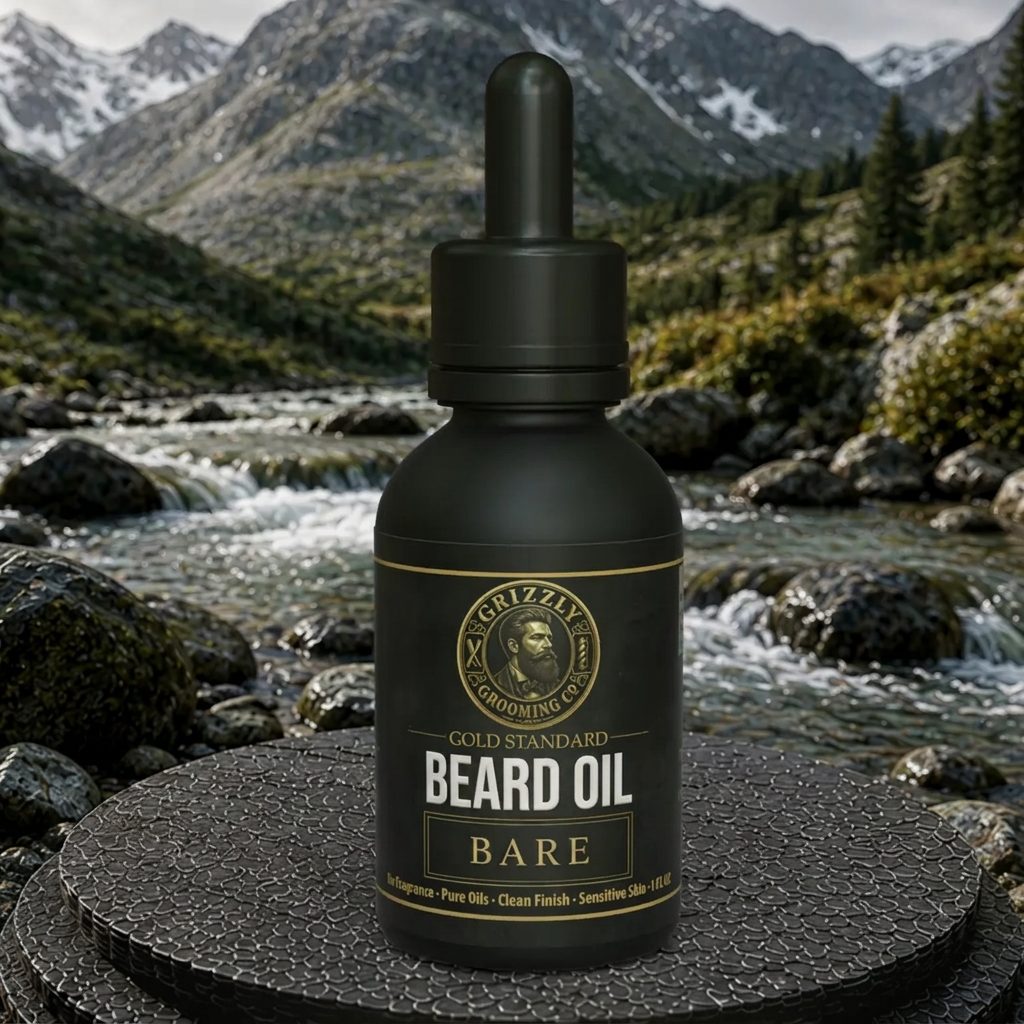
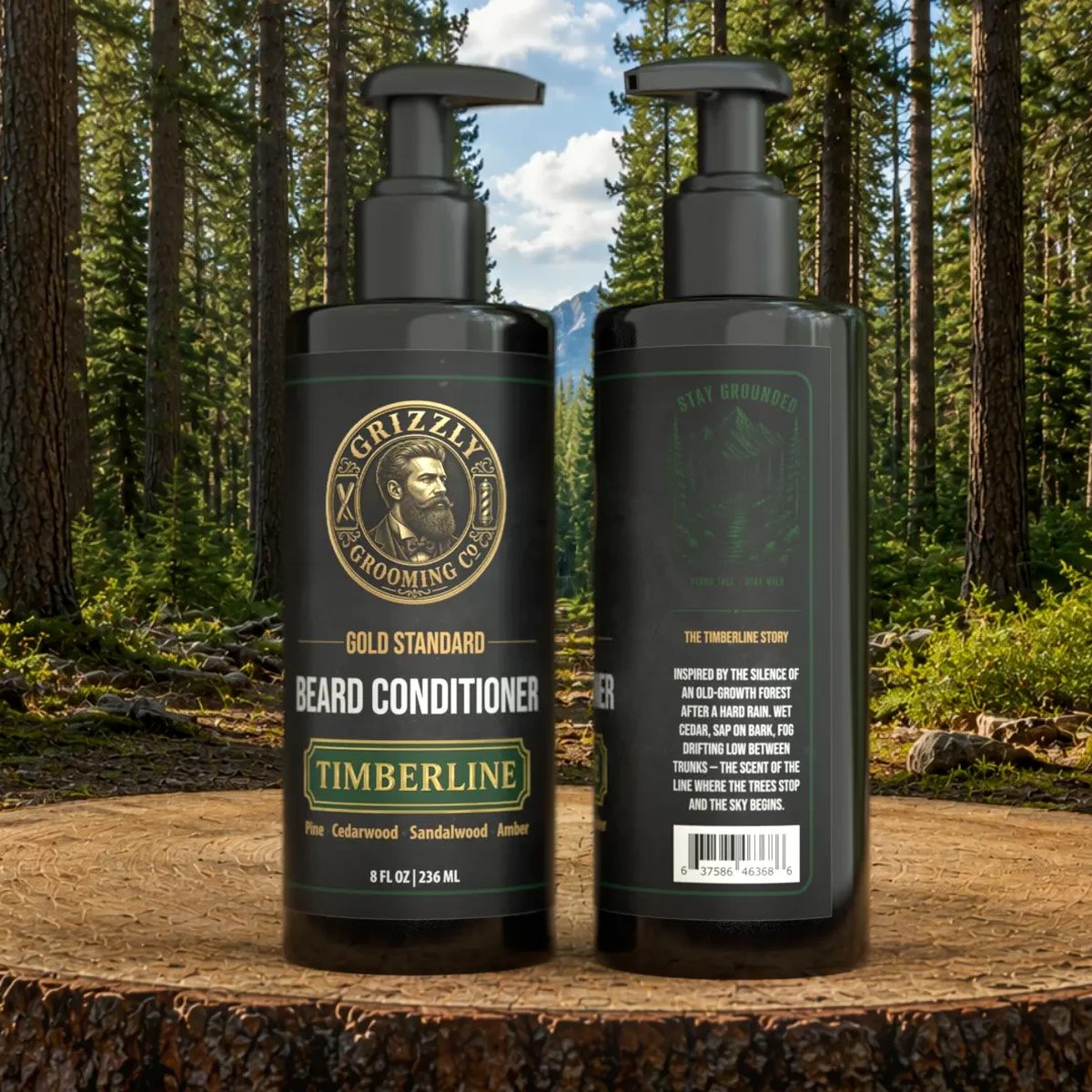
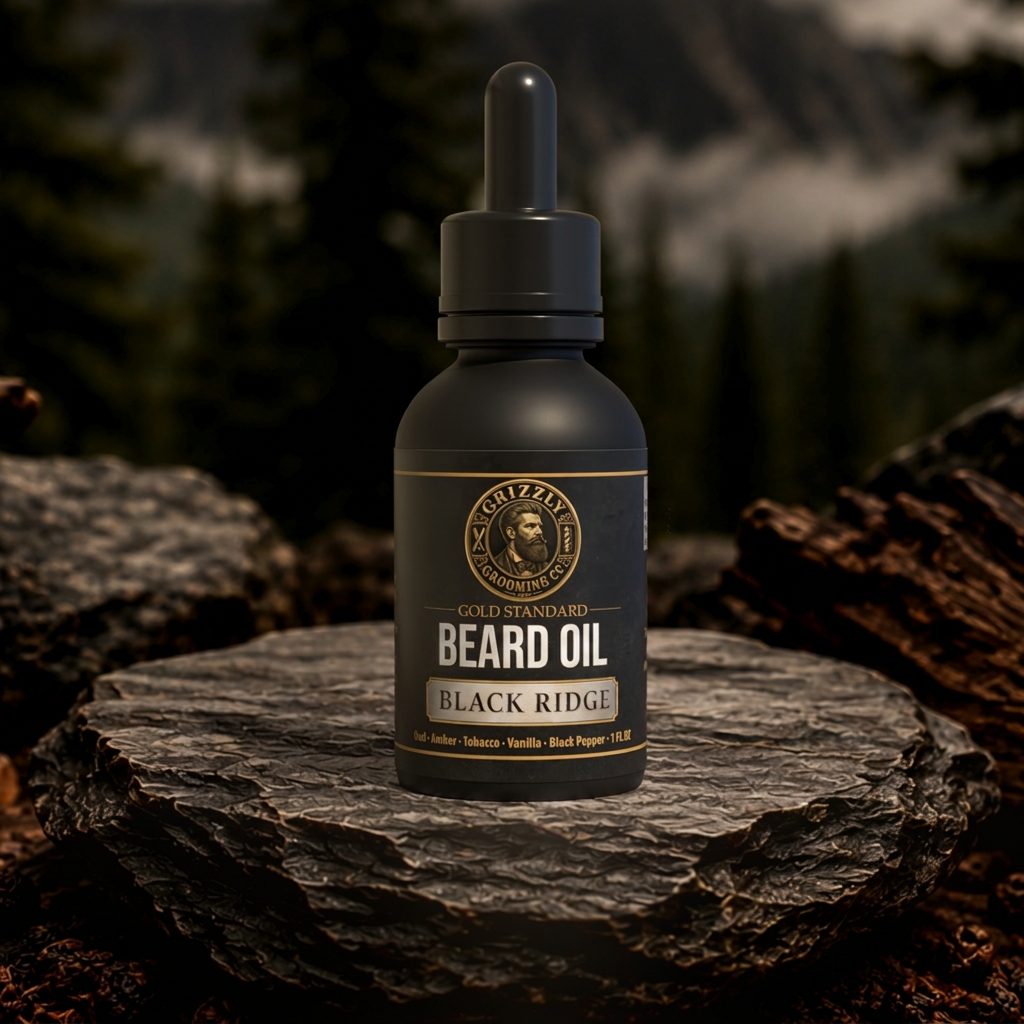
Genetics set the ceiling on how thick your beard can get. Ritual, nutrition, and the product stack decide how close you actually get to that ceiling. Most men live well below it — they shave too soon, wash too aggressively, oil too little, and sleep too little on top. The good news is that the fixes are simple, cheap, and cumulative. This guide is the plan we give friends who show us their patchy 40-day beard and ask what they are doing wrong. The product tie-in for this article is our Gold Standard Beard Oil in Timberline — a fresh cedar-and-pine formula built around cold-pressed jojoba and argan, the two carrier oils most closely associated with dense, healthy facial hair.
Genetics, nutrition, sleep, and the daily habits that actually move the needle on beard growth.
- ›Do not shave for a minimum of 8 weeks. Density fills in on a curve, not a line.
- ›Wash the beard 2–3 times a week, not daily. Overwashing strips the sebum that thickens hair.
- ›Oil every day. Damp beard, base of the skin, brush after.
- ›Sleep 7+ hours and hit 100g of protein a day. Both directly influence hair-growth cycles.
- ›Trim only stray hairs during the first 12 weeks — never the outline.
Density Is a Function of Time, Not Effort
The first mistake almost every man makes with a beard is treating it like a two-week experiment. Terminal hairs — the coarse, pigmented strands that make up an adult beard — cycle on a two-to-six-month growth phase followed by a rest phase. Different regions of your face are on different clocks. Cheek hairs typically lag the moustache and chin by four to eight weeks. What looks like a permanent patch at week six is very often a temporary lag that closes by week twelve.
The rule: do not touch the beard for a minimum of eight weeks, and preferably twelve. No shaving, no reshaping, no "cleaning up the neckline" because you are impatient. During that window, the only trimming allowed is snipping a single stray hair that is standing three centimetres longer than everything around it.
The Wash Cadence That Thickens the Hair
Facial hair is coarser than scalp hair and holds oil differently. Shampoo lifts the sebum that gives the hair body and shine. Wash the beard every day with a stripping shampoo and you will report back in a week that your beard "feels thinner" — because it is. The strands are dehydrated and lying flat against your face.
Correct cadence: rinse with warm water every shower, but only use a proper beard wash two or three times per week. On the other days the water alone lifts sweat and dust; the sebum stays. If you work in an environment where you get dirty, use the beard wash daily, but always follow with oil the moment you towel-dry.
Oil Every Day: The Non-Negotiable
There is no thicker-looking beard than a well-oiled one. The oil coats each strand so the cuticle lies flat, which is what makes light bounce back as shine and what makes the beard look full instead of wispy. It also feeds the skin so the follicle keeps producing thick terminal hair instead of short, downy vellus hair.
Apply Gold Standard Beard Oil to a damp beard once a day. Focus on the skin at the base, not just the tips. Brush through with a boar-bristle brush — brushing lifts the hair off the face, which alone can make a 60-day beard look like a 90-day beard. For men in the first three months of growth, this single habit is worth more than every supplement stack combined.
The Nutrition and Sleep Levers
Hair is roughly 88% protein by dry weight, mostly keratin. If your daily protein intake sits at 40 grams, your body will prioritise organ function over hair growth every time. Get to at least 0.7 grams of protein per pound of body weight — for a 180-pound man, that is roughly 125 grams. Include eggs, red meat, salmon, and Greek yogurt for the amino-acid profile keratin needs.
Sleep is the other lever most men waste. The bulk of growth-hormone release happens in the first three hours of deep sleep. Chronic five-hour nights depress the entire hair-cycle timeline. Seven to eight hours, dark room, cool temperature, no phone in bed — the boring answer is the correct one.
Supplements: What Actually Moves the Needle
Biotin gets marketed as a growth miracle. In reality, biotin only helps if you are deficient — and if you eat any eggs, meat, nuts, or leafy greens, you are not. Save your money.
What actually matters: vitamin D3 (aim for 2,000–4,000 IU daily if you do not get sun), zinc (15–30 mg with food), and omega-3s (2 g EPA/DHA from fish oil). All three are involved in the hormonal cascade that produces terminal facial hair. Skip anything marketed as a proprietary "beard blend" — it is the same three ingredients at three times the price.
Micro-Habits That Compound
Brush twice a day, once in the morning after oil and once at night before bed. Brushing exfoliates dead skin, distributes oil, and lifts hairs off the face so the beard looks bigger than it is.
Sleep on a silk or satin pillowcase. Cotton absorbs oil and abrades the hair. This one change eliminates most morning flyaways.
Stop touching the beard through the day. The oils on your fingers are not the same as the sebum on your face — they oxidise faster and dull the shine within hours.
When to Trim, When to Leave It
The rule for the first twelve weeks: only trim single strays. After week twelve, if you have committed to daily oil and brushing, book a barber. A shape appointment with someone who understands beards will make your existing density look 20% denser overnight — because the outline is the frame, and a frame changes the picture.
Do not trim length yourself for the first six months. You will chase symmetry, over-cut, and start the timer again.
Measuring Progress Honestly
Growth is invisible day to day, which is why men abandon routines that were working. Photograph in the same light, at the same angle and distance, on a plain background, every two weeks. Compare month three to month one — never this week to last.
Track two things beyond length: coverage in previously sparse regions, and how the ends feel by mid-afternoon. Texture responds within two to three weeks, which is your early signal the routine is working; density takes months.
What Does Not Work
Shaving does not thicken regrowth — it cuts the hair at its widest point, which feels coarser for a few days and changes nothing about the follicle. Derma-rolling has some evidence at specific needle depths but is frequently done wrong and can scar. Most 'beard growth' supplements are biotin megadoses with evidence only in genuine deficiency, which is rare.
Testosterone boosters do not help men with normal levels, because the limiting factor is androgen receptor sensitivity in the follicle, and that is genetic. Spending here is the most common wasted money in grooming.
The 90-Day Commitment
Facial hair cycles slowly, so no routine can be judged before three months. Commit to a fixed protocol — wash twice a week, oil daily on damp skin, brush twice a day, adequate protein and seven-plus hours of sleep — and change nothing for 90 days.
Resist trimming in the first eight weeks beyond the neckline. Most men cut during the awkward weeks three through six and never see what their beard would have become. Hold the edges clean, let everything else grow, and reassess with photos at day 90.
How Skin Health Under the Beard Affects Density
A follicle sitting in dry, flaky, or inflamed skin produces weaker hair than the same follicle in well-conditioned skin, which is why beardruff and chronic dryness correlate with beards that look thinner than their actual follicle count would suggest. Treating underlying skin issues, not just applying oil to hair, is part of a genuine density strategy, not a separate topic from it.
Regular brushing plays a role here too, beyond styling — a boar-bristle brush mechanically lifts dead skin cells before they can clog the follicle opening, and a clear follicle opening supports healthier hair emergence than one partially blocked by buildup. This is a slow, cumulative effect, not something that shows results in days, but it compounds over months alongside the other habits.
The Role of Testosterone and When It's Actually Worth Testing
Facial hair density is influenced by dihydrotestosterone sensitivity at the follicle level more than raw testosterone levels, which is why some men with entirely normal testosterone still have patchier beards than peers with similar levels — follicle sensitivity, largely genetic, matters more than the hormone level itself. This means most men chasing thicker beards through hormone optimization are targeting the wrong variable.
Testing is worth considering only if patchy or thin facial hair comes alongside other symptoms like low energy, reduced libido, or unexplained weight changes, which suggest a broader hormonal issue worth a doctor's attention. Testing purely because you want a thicker beard, with no other symptoms present, is unlikely to reveal anything actionable.
Realistic Timelines by Beard Region
The mustache and chin typically reach near-maximum density fastest, often by the two-to-three-month mark, since these areas usually have the highest concentration of mature terminal follicles on most men's faces. Cheeks lag significantly behind, often not reaching their fullest density until month four to six, which is exactly why cheeks are the region most men mistakenly judge as a permanent patch too early.
The neck area, just below the jawline, is often the last to visibly thicken and for many men never reaches the same density as the chin and mustache, which is one reason most style guidance recommends keeping the neck area shorter or fully outlined rather than left to grow long alongside the rest of the beard.
Frequently Asked Questions
How long until I see real thickness improvement?
Meaningful density change from a ritual kicks in around week eight and compounds through month four. Do not evaluate before week eight.
Does shaving make the beard grow back thicker?
No. This myth persists because freshly cut hair has a blunt tip that feels coarser. The follicle is unchanged.
Will beard oil grow hair where I have patches?
It cannot create follicles that do not exist. It can maximise the density of the follicles you have, which is often enough to close small patches visually.
Should I use minoxidil on my face?
Off-label minoxidil use on the beard has research support but also side-effect risk. Talk to a doctor. Get the ritual right first — most men never need it.
Does testosterone matter?
Facial hair density correlates with DHT sensitivity in the follicle, which is largely genetic. Normal testosterone plus a real ritual will get you almost all of the way there.
How often should I brush?
Twice a day for the first six months of growth — morning after oil, night before bed.
Can anything actually make a beard grow thicker?
You cannot add follicles, but you can retain more of what grows. Consistent conditioning reduces breakage, brushing improves coverage, and adequate protein and sleep support normal cycling.
Does shaving make a beard grow back thicker?
No. Shaving cuts hair at its widest point, which feels blunter for a few days but does not change follicle count, diameter, or growth rate.
How long before I can judge a beard growth routine?
Ninety days. Facial hair cycles slowly, and texture improves within weeks while density changes take months.
Does trimming the beard regularly make it grow back thicker?
No, this is a persistent myth. Trimming cuts the dead, keratinized part of the hair shaft and has no effect on the living follicle beneath the skin that determines thickness, growth rate, or density. Regular trims keep a beard looking neat and prevent split ends, but they don't influence how thick new growth comes in.
Can a poor diet actually cause a visibly thinner beard?
Chronic deficiency in protein, iron, or certain B vitamins can measurably affect hair growth broadly, including facial hair, though this typically requires a significant, sustained deficiency rather than an occasional bad week of eating. A generally balanced diet with adequate protein is a reasonable baseline; extreme supplementation beyond that rarely adds further benefit.
Is there a maximum age after which beard density stops improving?
Beard density for most men continues to fill in gradually well into their late twenties and sometimes early thirties as testosterone and follicle maturity continue developing beyond the typical growth spurts of the late teens and early twenties. A patchy beard at twenty-two is not necessarily the final result you'll see at twenty-eight.
Build your ritual in 60 seconds.
Answer four questions and get a custom regimen built around your beard and routine.
Start The Ritual Builder