9 Beard Oil Ingredients to Avoid (and What Belongs Instead)
A beard oil label is one of the more honest documents in grooming, because ingredients are listed by descending concentration. The first three entries tell you almost everything about what you are buying, and the last few tell you what the brand is hoping you will not look up. We formulate beard oil for a living, so this is not a scare list — it is the nine things we will not put in a bottle, why, and what should be in that slot instead.
- ›Mineral oil, petrolatum, and undisclosed 'fragrance' are the three biggest red flags on a beard oil label.
- ›Ingredients are listed by concentration — if a marketed hero oil appears after the fragrance, it is present in trace amounts.
- ›Coconut oil as the primary carrier is comedogenic on most facial skin and a common cause of beard acne.
- ›Undiluted or high-load essential oils above roughly 3% can sensitize skin over months of daily use.
- ›What belongs instead: cold-pressed [jojoba](/encyclopedia/jojoba-oil) and [argan](/encyclopedia/argan-oil) first, a balancing third oil, disclosed essential oils, and nothing else.
The Three Fillers: Mineral Oil, Petrolatum, and Isopropyl Myristate
Mineral oil is a petroleum distillate and it is cheap — often a tenth the cost of jojoba. It is not dangerous, and cosmetic-grade mineral oil is well purified, but it is occlusive rather than nourishing. It sits on the hair and creates a shine that reads as conditioning while delivering none of the fatty acids or tocopherols a beard actually uses. A bottle led by mineral oil is a bottle of shine.
Petrolatum is the same story with more weight, and it is the reason some cheap beard oils feel tacky an hour later. Isopropyl myristate is the third member of the family — a synthetic ester used to thin formulas and improve slip. It has a comedogenic rating near the top of the scale and is well documented as a pore-clogging agent in facial products.
What belongs there instead is a real carrier oil profile: jojoba first, because its wax-ester structure matches human sebum closely enough that the skin treats it as native, then argan for vitamin E and fatty acids, then a lighter third oil to set the finish weight.
Undisclosed 'Fragrance' and 'Parfum'
In cosmetic labeling, 'fragrance' is a legal umbrella that can cover dozens of individual compounds without naming any of them. That is fine for a room spray. It is a problem in a product you rub into facial skin every morning, because the most common contact allergens in grooming products live inside that umbrella.
The practical issue is that you cannot troubleshoot a reaction you cannot identify. If your face gets red and tight after two weeks with a new oil and the label says 'fragrance,' there is no way to know which of thirty ingredients caused it, and no way to avoid it next time.
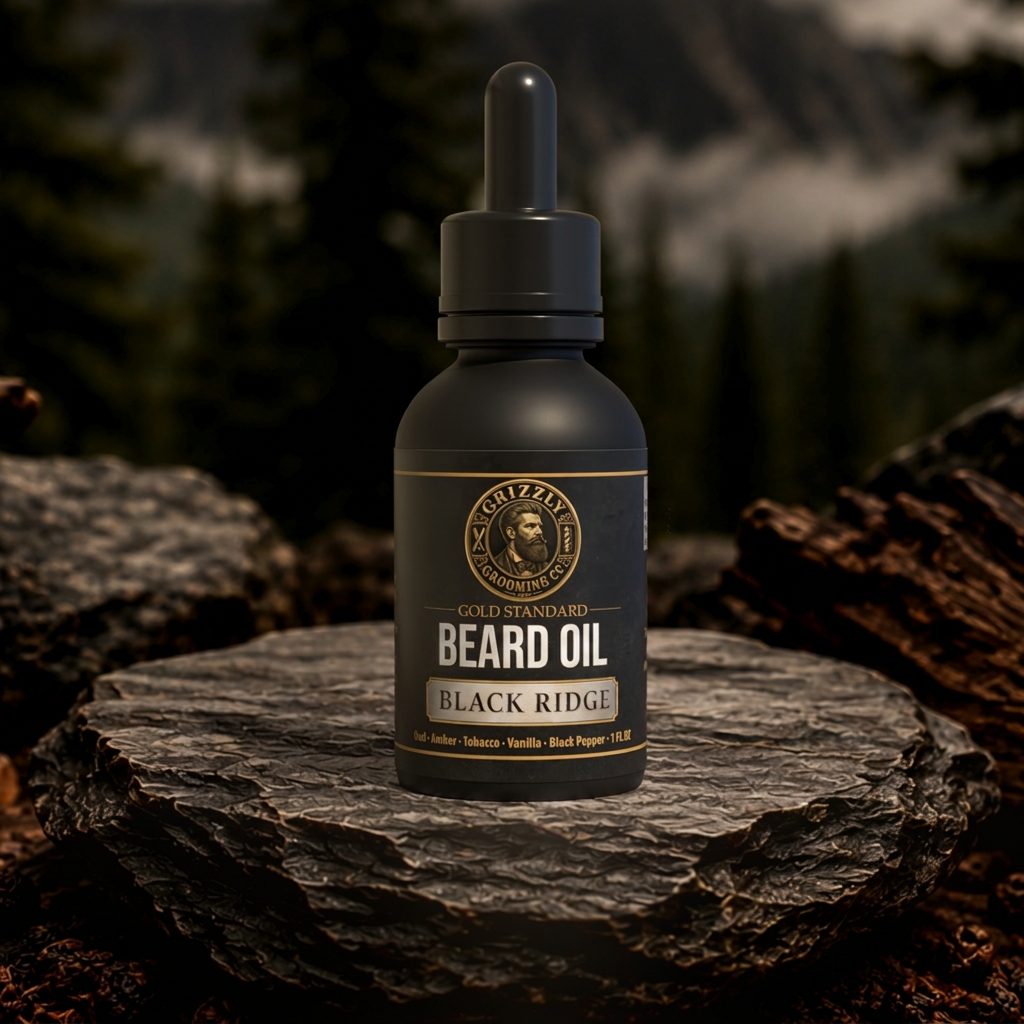
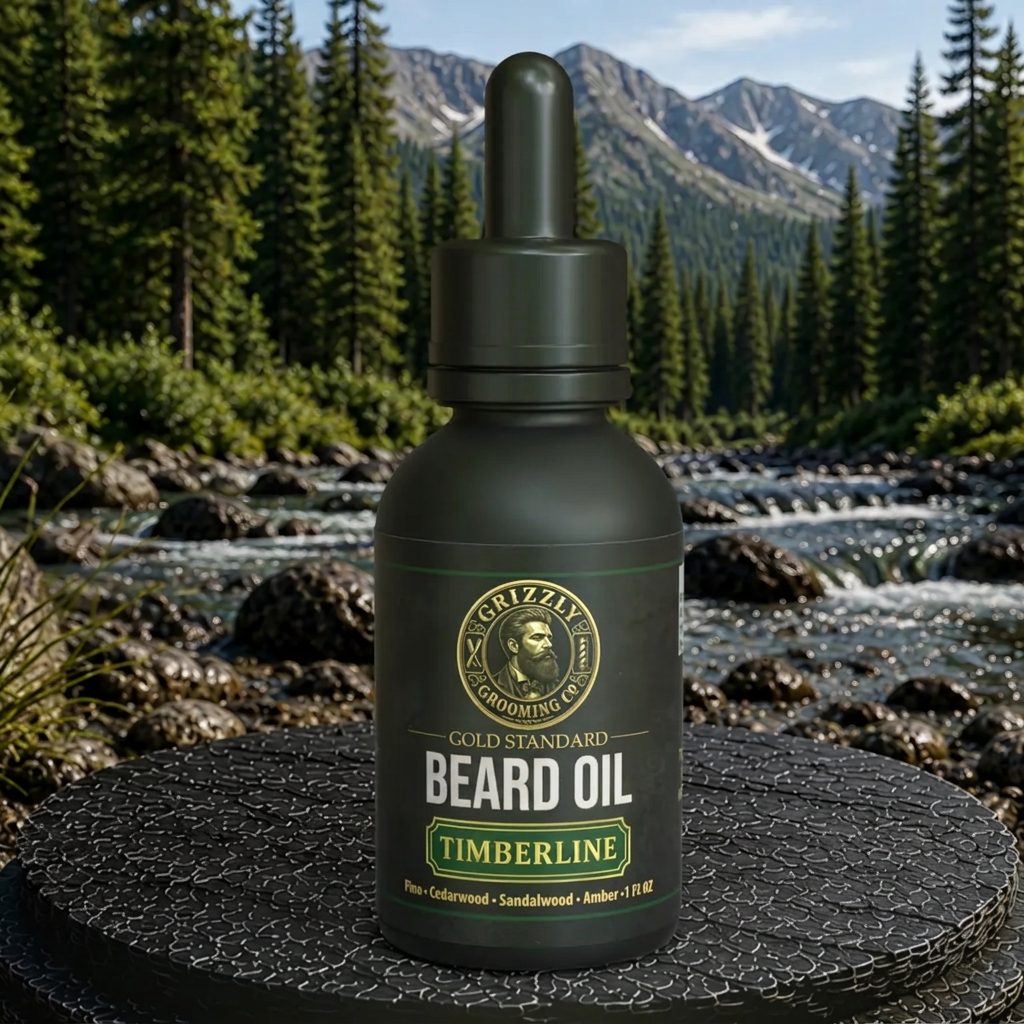
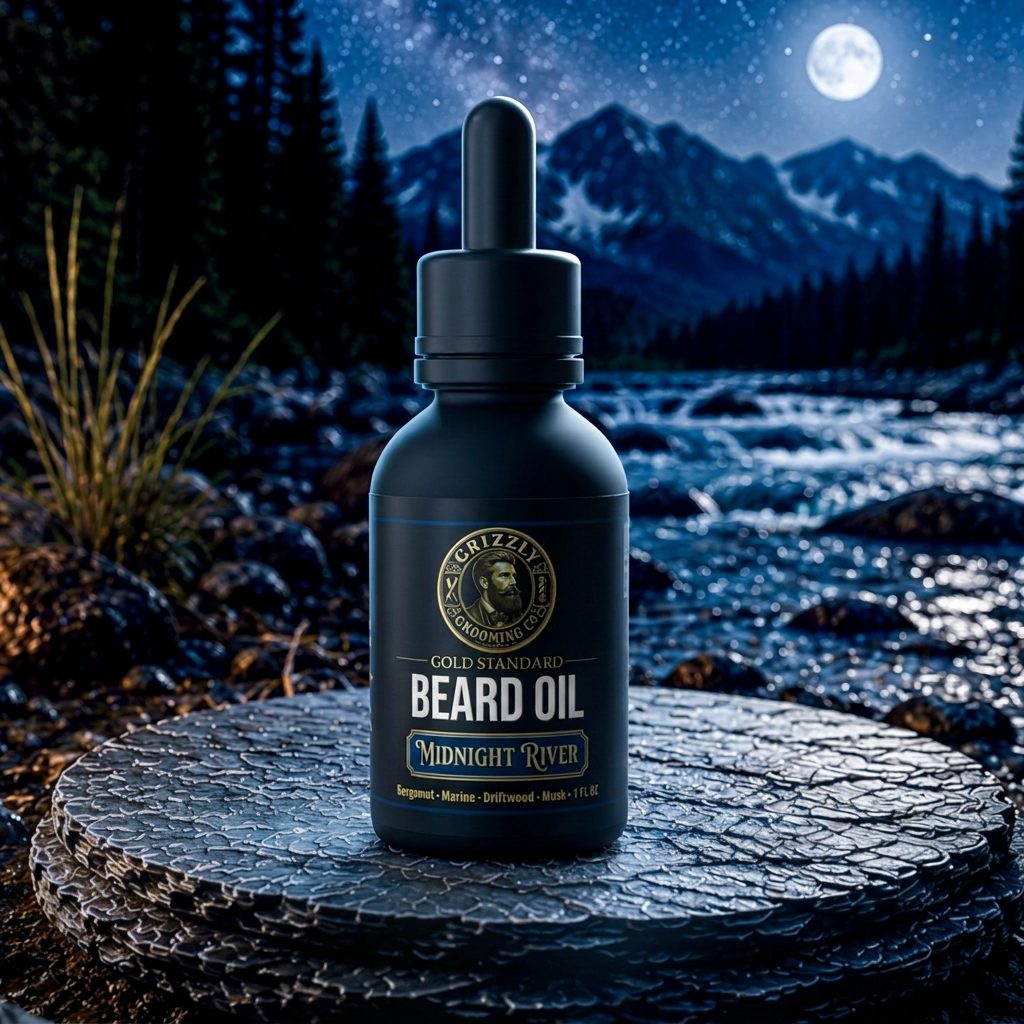
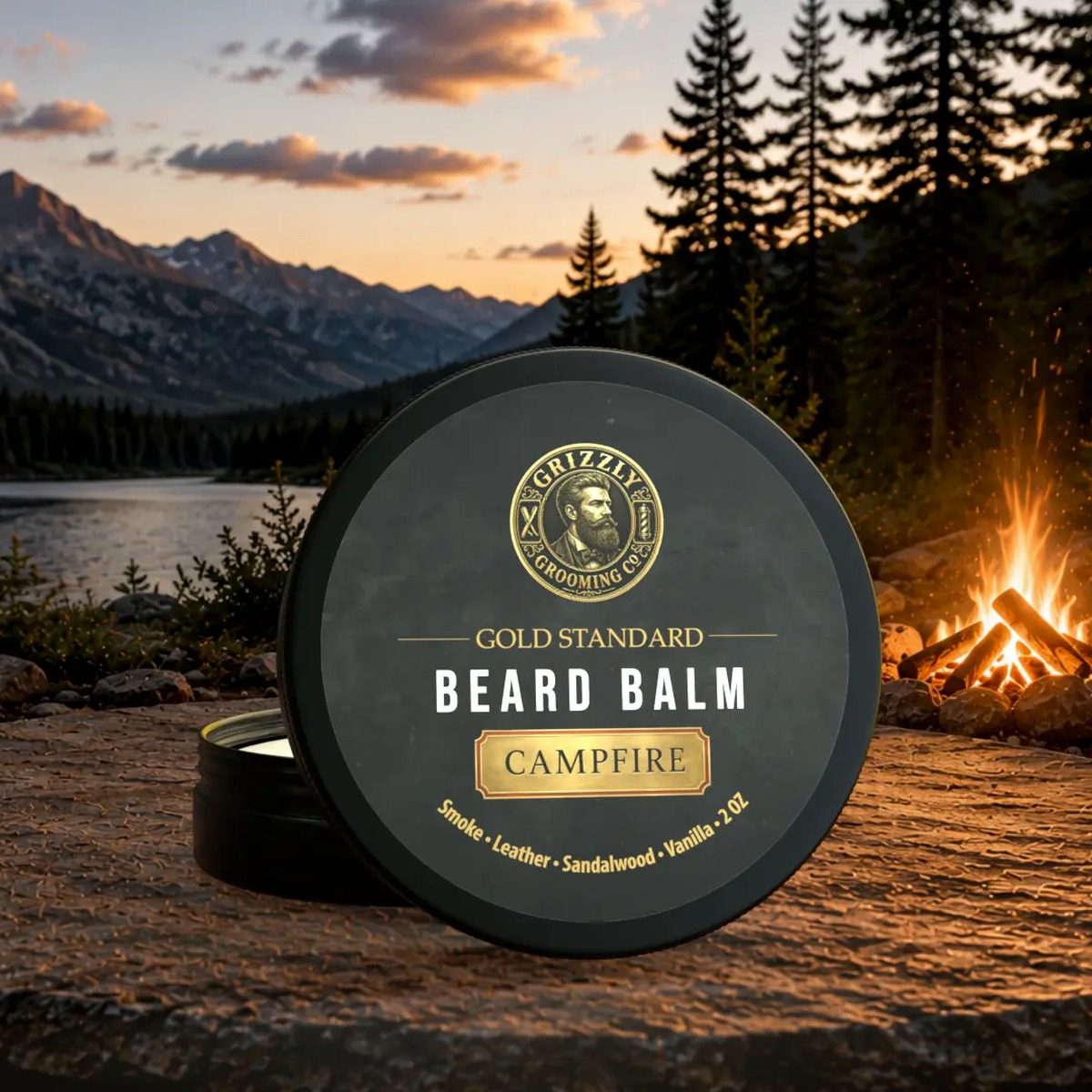
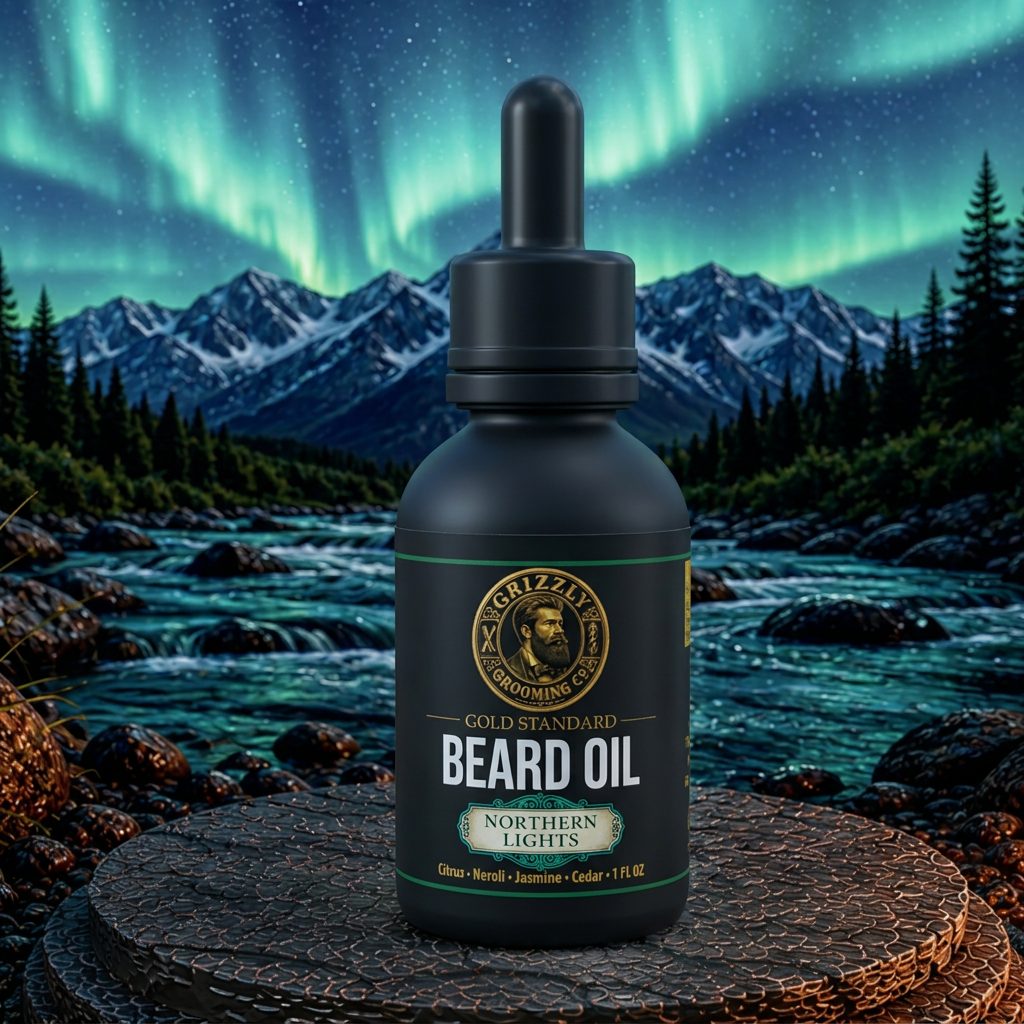
A responsible beard oil discloses its scent composition — the specific essential oils, or a fragrance disclosure listing the allergens present. Our five Gold Standard scents are built from named essential oil blends for exactly this reason, and you can read what each one contains on the scent guide.
Coconut Oil as the Primary Carrier
Coconut oil is not a bad ingredient. It is a bad primary carrier for facial skin. Its comedogenic rating is at the high end of the scale, which means it has a meaningful tendency to block follicular openings — precisely the openings your beard grows out of. On the scalp this rarely matters. On the cheeks and jaw, where sebum output is already high and pores are already occupied by hair, it is a leading cause of the small closed bumps men call beard acne.
It also solidifies below about 24°C, which is why coconut-led oils go cloudy in a cold bathroom and separate on a shelf. That is a formulation compromise you should not have to manage.
Fractionated coconut oil, listed as caprylic/capric triglyceride, is a different and much better ingredient — light, stable, non-comedogenic, and useful as a third or fourth carrier. If you see that name rather than plain coconut oil, the formulator knew what they were doing. For more on breakouts under the beard, see prevent breakouts under beard.
Essential Oil Overload and Undiluted Actives
Essential oils are the scent and part of the function of a beard oil, but they are potent plant concentrates and the dose is the whole argument. Dermatology guidance for leave-on facial products generally keeps total essential oil load at or below roughly two to three percent. Above that, daily use over months can produce sensitization — a reaction that develops in someone who tolerated the product fine at first.
The specific ones to watch are cinnamon bark, clove, oregano, and undiluted tea tree. Tea tree in particular is genuinely useful against the yeast implicated in beardruff, but it is also one of the more common contact allergens in grooming, and some brands lean on it heavily because it smells medicinal and therefore 'active'.
Citrus oils bring a second issue: several are phototoxic in high concentration, meaning they increase UV sensitivity on the skin they sit on. Properly formulated citrus scents use bergapten-free bergamot or keep the load low. Ours do both.
The Silent Tells: Vitamin E Position, Alcohol, and 'Proprietary Blend'
Tocopherol — vitamin E — is a legitimate antioxidant and a natural preservative, and it belongs near the end of the list at a fraction of a percent. What it should not be is the brand's headline. When a label markets vitamin E as the hero and lists it last, the marketing is being done by the cheapest ingredient in the bottle.
Denatured alcohol has no place in a leave-on beard oil. It thins the formula and speeds evaporation, which feels light on application and leaves the skin drier than it started. If alcohol appears in the top half of the list, put the bottle down.
Finally, 'proprietary blend' is not an ingredient. Regulators require ingredient disclosure precisely so buyers can make this call, and a brand hiding behind a blend name is choosing not to compete on the label. Our full nine-oil carrier system is published in the ingredient science guide — read it, then read the label of whatever else you are considering.
Frequently Asked Questions
Is mineral oil actually harmful in beard oil?
Not harmful — cosmetic-grade mineral oil is well purified and safe. It is simply inert. It adds shine and slip without delivering the fatty acids, tocopherols, or sebum compatibility that make a beard oil worth applying, and it is used because it is far cheaper than jojoba or argan.
Why is coconut oil bad for beards?
As a primary carrier it is highly comedogenic, meaning it tends to block the follicular openings your beard grows from, which causes the small bumps and closed comedones men call beard acne. Fractionated coconut oil (caprylic/capric triglyceride) is a different, much lighter ingredient and is fine.
What should the first three ingredients on a beard oil be?
Cold-pressed jojoba, argan, and a lighter balancing oil such as grapeseed, sweet almond, or hemp seed. Ingredients are listed by descending concentration, so those three are effectively the product.
Is 'fragrance' on a beard oil label a dealbreaker?
It is a strong warning. 'Fragrance' can legally hide dozens of unnamed compounds, including the most common contact allergens in grooming. If you react to the product you will have no way to identify the cause, so prefer oils with disclosed essential oil blends.
How much essential oil is too much in a beard oil?
Total essential oil load above roughly three percent in a leave-on facial product raises the risk of sensitization over months of daily use. Watch for cinnamon, clove, oregano, and heavy tea tree in particular.
Does a longer ingredient list mean a better beard oil?
No. Good beard oil is short: three to five carrier oils, a disclosed essential oil blend, and vitamin E as an antioxidant. Long lists usually mean cheap base oils padded with marketing ingredients present in trace amounts.
Build your ritual in 60 seconds.
Answer four questions and get a custom regimen built around your beard and routine.
Start The Ritual Builder