How to Choose Your First Beard Oil: A Buying Guide
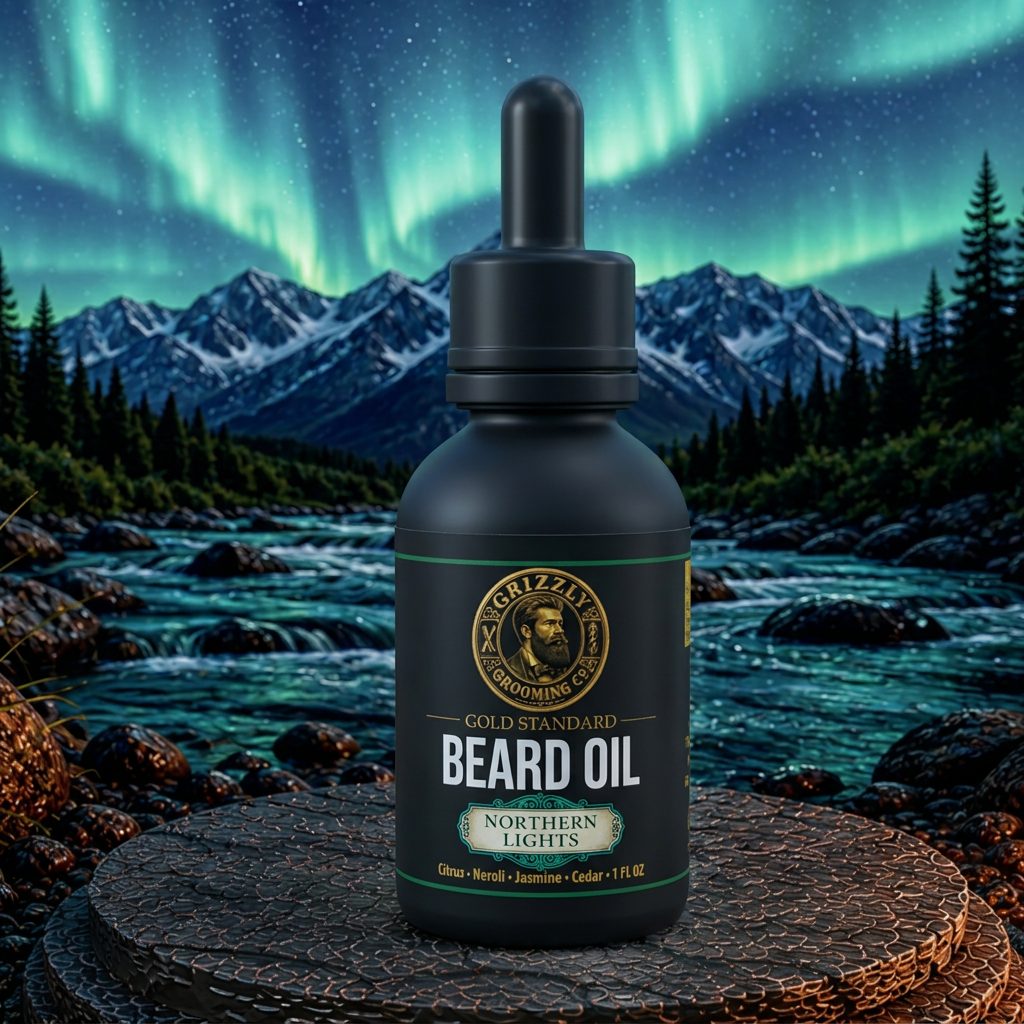
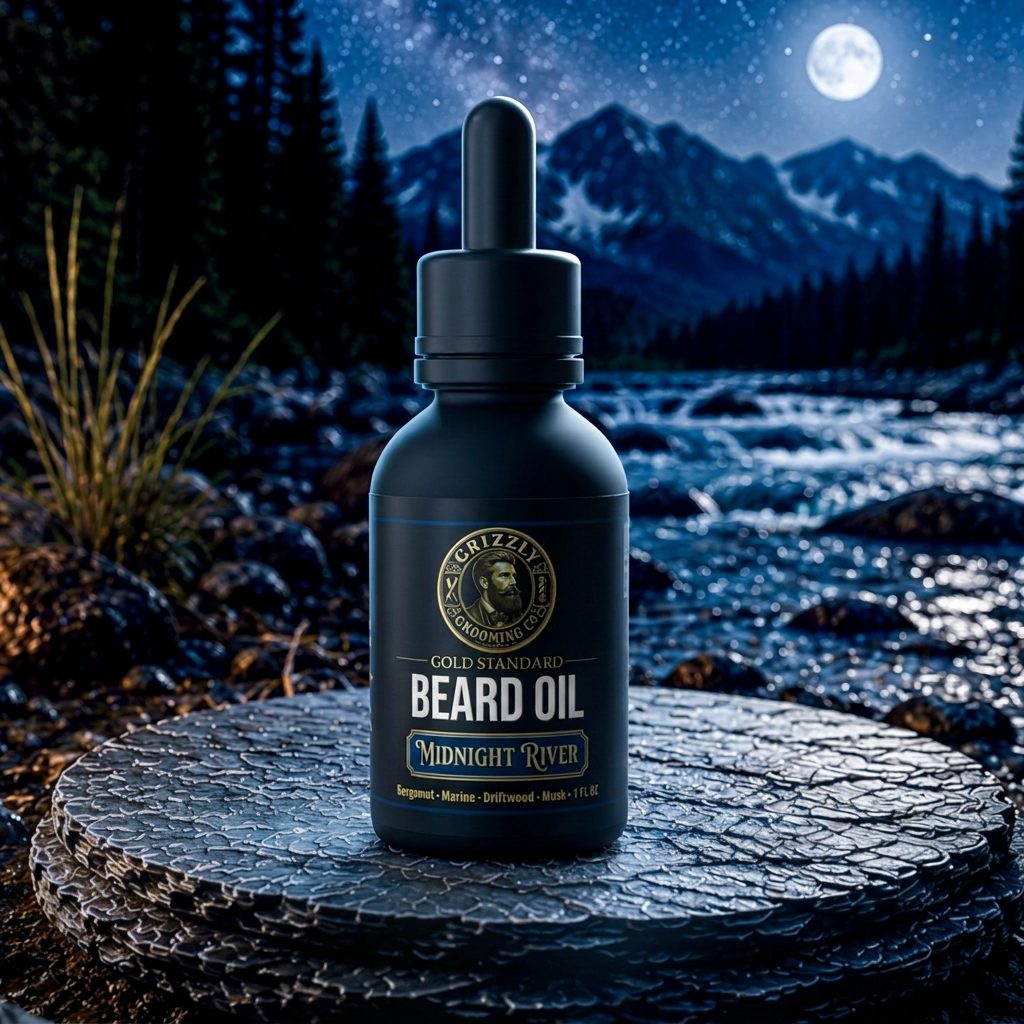
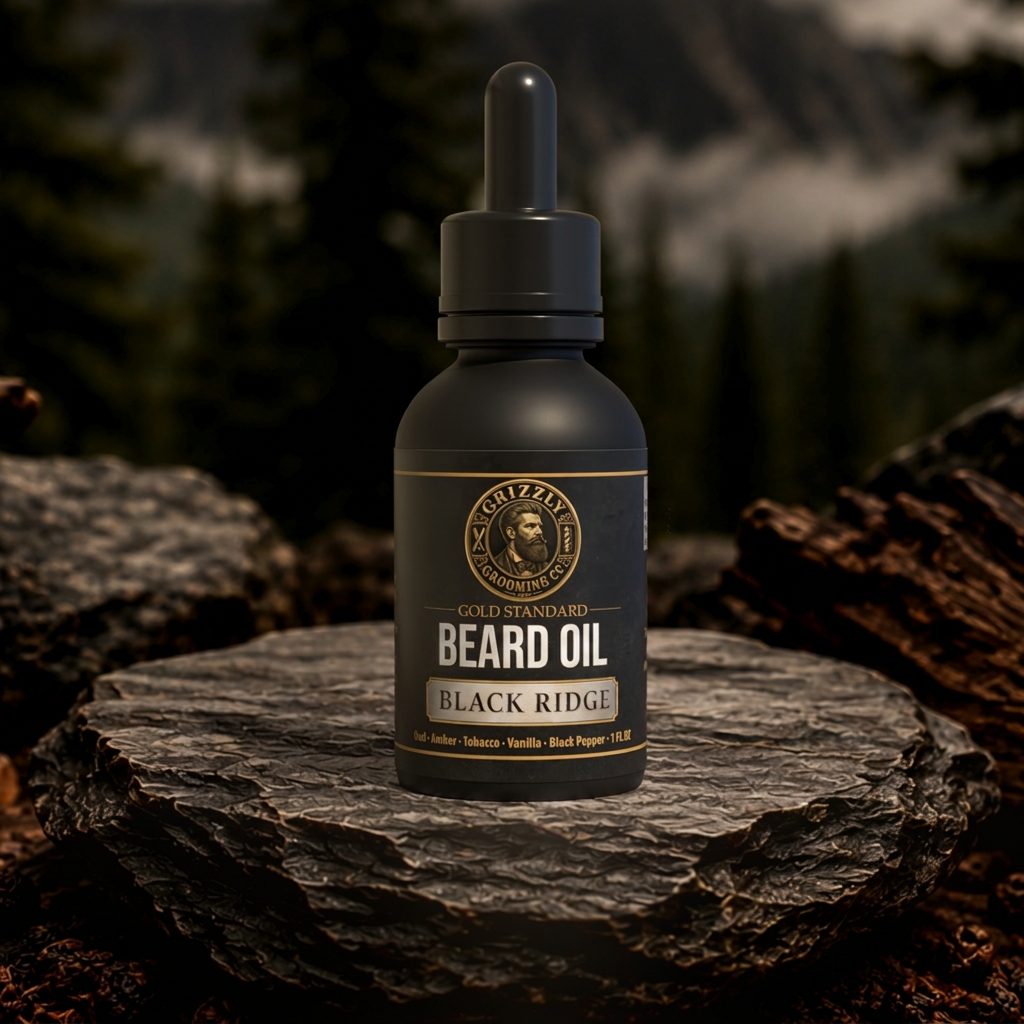
Buying your first beard oil is a small purchase with disproportionate consequences. Pick well and your beard ritual starts on the right foot and you stick with it. Pick badly and you conclude beard oil does not work, quit, and rebuild patchy beard opinions for the next six months. This guide is the framework we give friends who ask what to buy. It covers what to look for on the ingredient label, how to think about scent, and how to avoid the specific traps most brands set for beginners. Our reference product is Gold Standard Beard Oil in Midnight River — an aquatic-fresh scent built on the ingredient profile this guide recommends.
- ›Cold-pressed jojoba or argan should be the first ingredient. Non-negotiable.
- ›Avoid mineral oil and undisclosed "fragrance" as top ingredients.
- ›Start with a middle-of-the-road scent, not an extreme one — you will wear it every day.
- ›1oz is the right size for a first bottle. 2oz commits you before you know your preference.
- ›The right price band is $18–$32 for 1oz. Above and below both signal problems.
The First Ingredient Rule
Ingredients are listed by weight, top to bottom. The first ingredient is typically 40–60% of the bottle. If that first ingredient is not one of the good carrier oils (jojoba, argan, sweet almond, grapeseed, hemp seed), you are buying the wrong product.
The absolute best first ingredient is jojoba oil, because its molecular structure is nearly identical to human sebum. Argan is a close second. Sweet almond and grapeseed are excellent supporting carriers. Any of these five as the first name on the label means the formulator knew what they were doing.
What to Avoid at the Top of the List
Mineral oil (petrolatum, liquid paraffin). A petroleum by-product that sits on the surface of the hair without absorbing. Cheap to source, common in mass-market products, useless for actual conditioning.
Coconut oil as the primary carrier. Coconut oil is comedogenic for many skin types, which means it clogs pores and can cause under-beard breakouts. Fine as a minor ingredient; a red flag as the primary carrier.
"Fragrance" or "parfum" with no source disclosed. Usually a proprietary blend of synthetic aromatics, often at high concentration, and a common cause of skin irritation.
Essential Oils: What Is Actually There
Essential oils give the scent and often add secondary benefit (tea tree is antimicrobial, cedarwood is calming to the skin, peppermint improves circulation to the follicle). All of these should appear near the bottom of the ingredient list — anything above roughly three percent total concentration risks sensitising the skin.
A well-formulated beard oil discloses every essential oil in its blend. If the label says "proprietary scent complex" or "fragrance" and nothing more, you are being kept in the dark on purpose.
How to Pick Your First Scent
The mistake most beginners make: they pick the boldest, most distinctive scent in the range. Then they wear it every day, get sick of it in two weeks, and never buy that brand again.
The right first scent is middle-of-the-road for your general preference. If you gravitate toward cologne notes, pick something warm and woody. If you prefer fresh, aquatic scents, pick something clean. Midnight River is our default first-scent recommendation because it reads as fresh and clean without being aggressive — it works in any professional or personal setting.
Size and Price
Buy 1oz for your first bottle. 2oz commits you to sixty days of a scent before you know whether you like it. 0.5oz sample sizes are useful but do not last long enough to test the ingredients against your skin.
Price band for a well-formulated 1oz beard oil: $18–$32. Under $12 usually indicates mineral oil at the top of the ingredient list. Over $40 is almost always paying for marketing rather than better ingredients — the raw materials themselves are not that expensive.
How to Test a New Beard Oil
Buy 1oz. Use it exclusively for two weeks — no other beard oil, no swapping. Apply as described in Beard Oil 101 (damp beard, work into skin, brush).
After two weeks, check: does the beard feel softer than before? Has the itch dropped off? Does the scent still please you or has it become tedious? Any breakouts under the beard? Answers to those four questions tell you whether this specific product is right for you.
When to Consider a Second Bottle
Once you find a formulation that works, buying a second bottle in a different scent from the same brand is a reasonable move — the base oil is the same, so you know it works on your skin.
For most men, two scents in rotation is plenty. A daytime scent that suits work environments, and a heavier evening scent for the weekend. Beyond two, the collection starts to gather dust while one favorite gets used up.
Reading a Beard Oil Label Like a Formulator
Ingredient lists are ordered by weight, so the first two or three entries account for most of what is in the bottle. In a well-built beard oil those will be carrier oils — jojoba, grapeseed, argan, sweet almond, hemp seed. If the first ingredient is a synthetic ester or a mineral oil derivative, you are paying carrier prices for a filler.
Fragrance placement tells you concentration. Essential oils listed at the very end appear at low percentages, which is what you want. 'Parfum' or 'fragrance' as a single word means an undisclosed synthetic blend — legal, common, and a frequent irritant for reactive skin. Vitamin E (tocopherol) near the end is a preservative for the oils, not an active benefit, and its presence is a good sign the formulator cared about shelf life.
Carrier Oil Profiles Compared
Jojoba is technically a wax ester and the closest match to human sebum, which is why it absorbs cleanly and suits most skin types. Grapeseed is the lightest common carrier, high in linoleic acid, and the best pick for oily or acne-prone skin. Argan sits mid-weight with a strong vitamin E content, good for dry skin and coarse hair.
Sweet almond is affordable and mid-weight but a genuine allergen risk for tree-nut sensitivity. Hemp seed is light with a strong fatty-acid profile and a faint grassy note some men notice. Castor oil is very heavy and should be a minor component, not a base — it is often used to cheapen a blend while adding shine. A blend of two to four carriers usually outperforms any single one.
Beard Oil vs. Balm vs. Butter for a Beginner
Start with oil regardless of beard length. Oil is the conditioning layer that reaches the skin, which is where itch, flaking, and most beginner problems originate. Every other product sits on top of it.
Balm adds light hold and is only worth buying once you have a shape to hold — roughly the one-inch mark. Butter is the heavier conditioner and starts earning its place past two to three inches, when the ends are far from the sebaceous glands that feed them. A beginner buying all three at once will use the oil daily and the other two twice.
How Long a Bottle Lasts and What It Should Cost
A 1 oz bottle holds roughly 600 drops. At three to five drops per day for a short beard, that is four to six months; at eight to twelve drops for a long beard, closer to two months. Compare products by cost per month at your own dose rather than by sticker price.
Quality carriers cost real money, so extremely cheap oils are almost always mineral-oil or soybean-based. A fair market range for a genuinely well-formulated 1 oz bottle sits in the mid-teens to mid-twenties. Above that you are usually paying for packaging or brand, and below it the formula is unlikely to be carrier-dominant.
Buying Mistakes First-Timers Make Beyond the Ingredient List
Beyond checking ingredients, the most common first-purchase mistake is buying a scent because it smelled good in a store tester rather than considering how it will smell after eight hours worn against warm skin. Scents evolve significantly as they warm on skin over the course of a day, and a scent that seems appealing cold can turn overpowering or unpleasant once it's been sitting on your face since morning.
The second common mistake is buying based on a bundle deal or gift set rather than a single bottle, before knowing whether you'll actually like the scent or texture. Save the bundles for after you've settled on a scent family you're confident about; a first purchase should be small and low-commitment even if it costs slightly more per ounce.
How Beard Length at Time of Purchase Should Guide Your Choice
If you're buying your first bottle at the very start of a beard, before you have length to judge texture on, prioritize ingredient quality over scent intensity, since you won't yet know how your specific hair responds to different carrier oil ratios. A simple, lightly scented jojoba-forward oil is the safest starting point for a beard with no established length yet.
If you already have a few months of growth and are just now adding oil for the first time, you can be more specific about what you're solving for — dryness at the ends calls for a slightly richer blend with more argan or hemp seed, while itching and flaking at the skin level calls for a lighter, faster-absorbing formula applied more frequently rather than a heavier one applied less often.
Reading Reviews Without Getting Misled
Reviews mentioning growth results should be discounted heavily — no beard oil grows hair, and any review crediting a product with new growth is either describing an unrelated coincidence or a placebo effect from a improved routine overall. Focus instead on reviews describing texture, absorption speed, and scent longevity, which are the claims oil can actually deliver on.
Pay closer attention to reviews from men who mention their beard length and skin type than to star ratings alone, since a product loved by men with short stubble may perform very differently on a long, dense beard. Look for reviewers whose starting situation resembles yours before trusting their conclusions.
Frequently Asked Questions
What if I have sensitive skin?
Choose an oil with fewer essential oils and simpler carrier composition. Jojoba plus argan plus a light cedar essential oil is a low-risk start.
Are natural or premium beard oils better?
A premium label speaks to sourcing, not formulation quality. Read the full ingredient list; a pretty bottle of mineral oil is still mineral oil.
Should I test the oil on my inner arm first?
For an oil with heavy essential-oil content, yes — patch test 24 hours before applying to the face.
How do I know if the oil is expired?
Smell it. Rancid oil has a sharp, off scent that is unmistakable. Any oxidised bottle should be replaced.
Can I make my own beard oil?
Yes, and many enthusiasts do. Start with 2:1 jojoba to argan, add essential oils at under 3% total, and store in a dark bottle.
Which scent should I buy first?
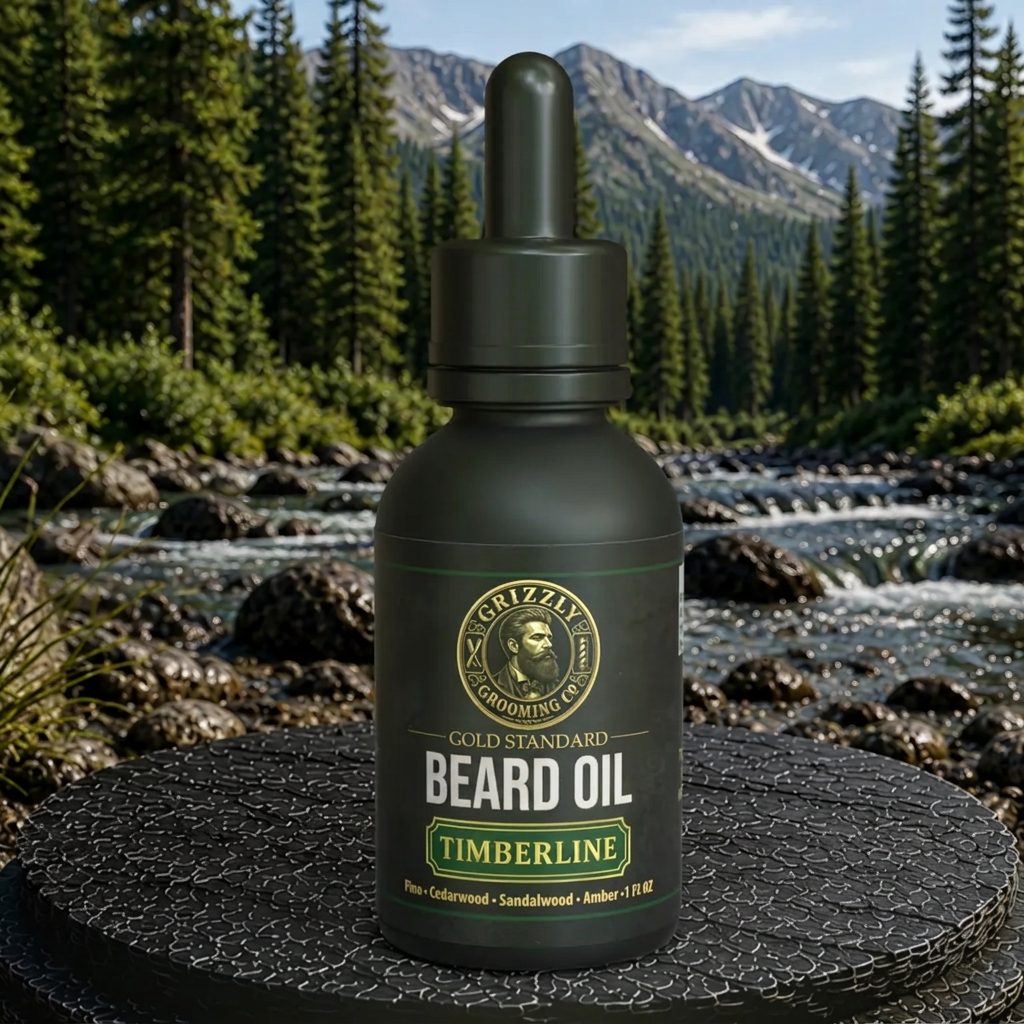
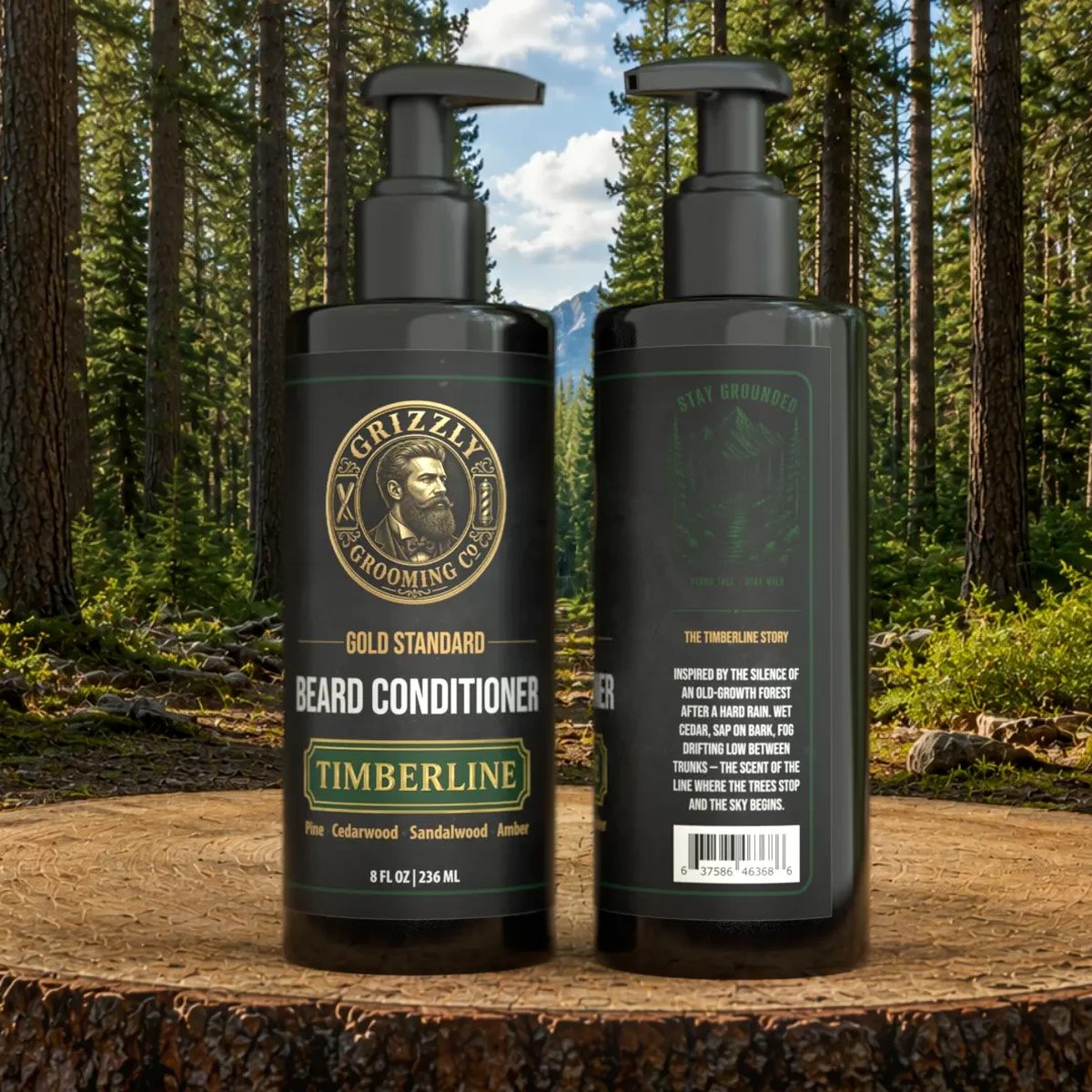
Midnight River (aquatic-fresh) is our default recommendation. Timberline (fresh cedar) is the other beginner-safe pick.
How many drops of beard oil should a beginner use?
Three to four drops for stubble to a one-inch beard, applied to damp skin after a shower. Increase by one drop at a time if the beard still feels dry by midday.
Is jojoba or argan oil better for beards?
Jojoba absorbs best because it closely mimics human sebum, making it ideal for the skin. Argan is heavier and better for conditioning coarse, dry hair. Most good formulas use both.
Can I use hair oil or body oil on my beard?
Not ideally. Hair oils are often silicone-heavy and body oils are formulated for larger surface areas with heavier occlusives, which can clog facial pores.
Should my first beard oil be scented or unscented?
If you have reactive skin, start unscented. Otherwise a lightly scented oil is fine — just choose a scent family you would wear as a fragrance, since you will smell it all day.
Is it worth buying a sample size before committing to a full bottle?
Yes, if the brand offers one. A sample lets you test both scent-on-skin performance over a full day and how your specific skin and hair respond, without the sunk cost of a full bottle you might not like. This is especially useful if you're choosing between two or three scent options.
Should my first beard oil be unscented?
Not necessarily — a lightly scented oil is fine for a first purchase and most men prefer some scent to none. Truly unscented is a reasonable choice specifically if you have sensitive skin, plan to layer a separate cologne, or simply aren't sure yet what scent family you prefer and want to remove that variable.
How do I know if a beard oil is too heavy for my skin type?
If your skin looks shiny or feels greasy more than twenty minutes after application, or if you notice small breakouts along the jawline within the first week of use, the oil blend is likely too heavy or contains a comedogenic carrier like coconut oil as a primary ingredient. Switch to a lighter, jojoba-forward formula instead.
Build your ritual in 60 seconds.
Answer four questions and get a custom regimen built around your beard and routine.
Start The Ritual Builder