How to Help Prevent Breakouts Under Your Beard
Breakouts under a beard are almost never random. They come from a warm, humid, semi-enclosed environment sitting on skin that rarely gets properly cleaned, exfoliated, or breathed on. Five habits drive nearly every case of under-beard acne. Fix those five, and the skin under your beard clears up in two to three weeks — no dermatologist, no prescription, no shave.
The five habits behind under-beard acne — and the ritual that clears the skin in two to three weeks.
- ›Wash the skin under the beard — not just the hair — with a proper beard wash daily.
- ›Choose a non-comedogenic beard oil. Coconut and mineral oil are the two biggest offenders.
- ›Exfoliate the under-beard skin once a week with a gentle chemical exfoliant.
- ›Change your pillowcase twice a week. It is the number-one hidden cause.
- ›Stop touching your beard. Hands are the fastest route from bacteria to pore.
Why Skin Under a Beard Breaks Out
The skin under a beard sits in a warmer, more humid microclimate than the rest of your face. Sweat evaporates slower. Dead skin cells collect because the hair traps them. Sebum, food particles, product residue, and airborne debris all accumulate against the pore. A follicle only needs one of those to clog before it becomes a pimple, a whitehead, or an ingrown.
The good news: this is entirely mechanical. It is not hormonal, it is not permanent, and it is not a reason to shave. It is a hygiene and product-selection problem, and both are solvable in a week.
Habit One: Actually Wash the Skin Underneath
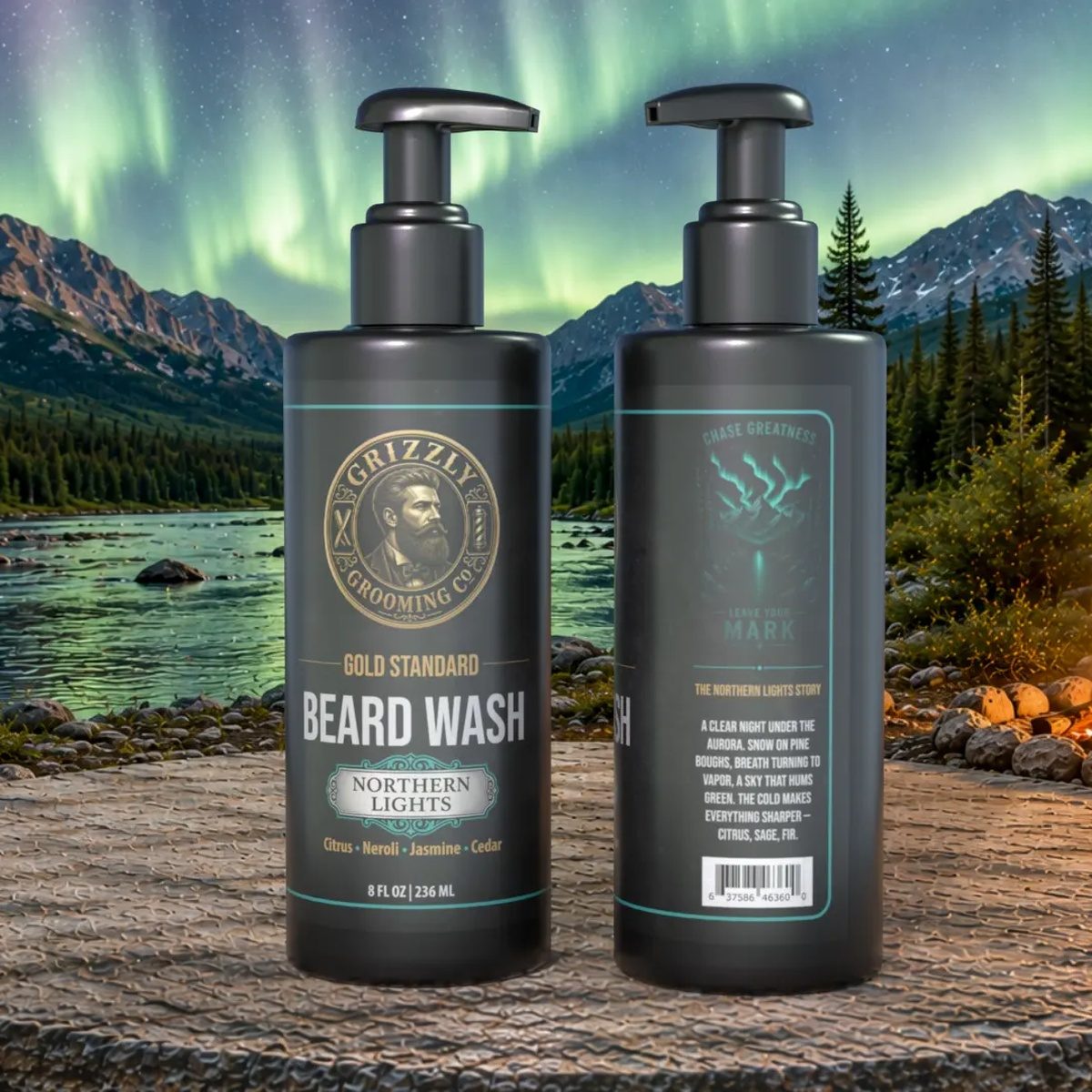
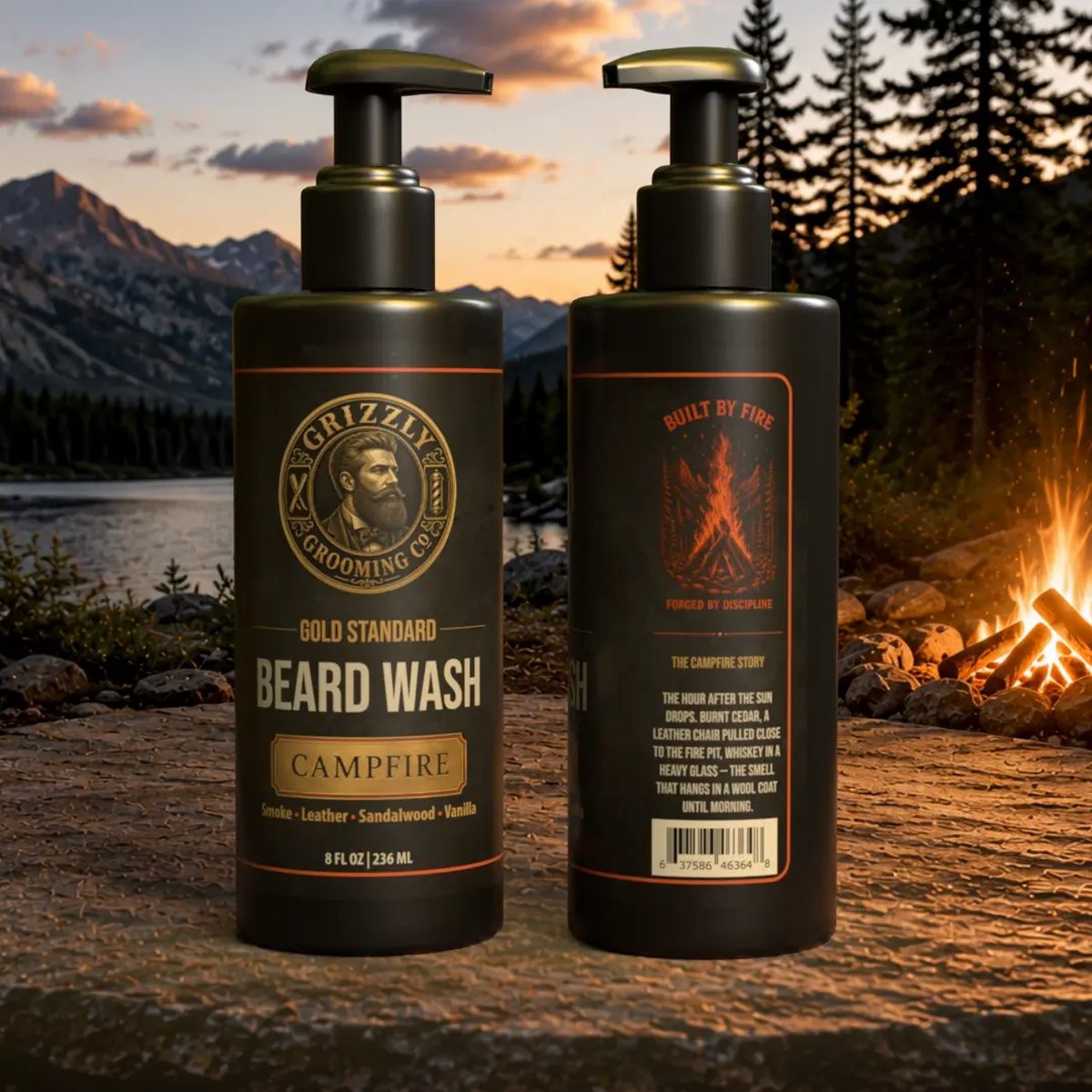
Water alone does not clean the skin under a beard. The hair repels water on the way in and traps oil on the way out. You need a proper beard wash worked all the way down to the skin, once a day for most men, every other day for dry or reactive skin. Our Gold Standard Beard Wash is built specifically for this — sulfate-free so it does not strip the skin, but strong enough to lift trapped sebum and food residue.
Technique matters. Lather in your palms, apply to a wet beard, and use your fingertips (not your nails) to massage in small circles against the skin — not just through the hair. Rinse for at least forty-five seconds. Pat dry with a clean towel.
Habit Two: Choose a Non-Comedogenic Beard Oil
The single most common cause of new under-beard acne is switching to the wrong beard oil. Coconut oil rates a four on the comedogenic scale — it clogs pores in a large fraction of skin types. Mineral oil (still used in cheap beard oils to cut cost) sits on top of the skin and traps everything underneath. Both cause breakouts within a week or two.
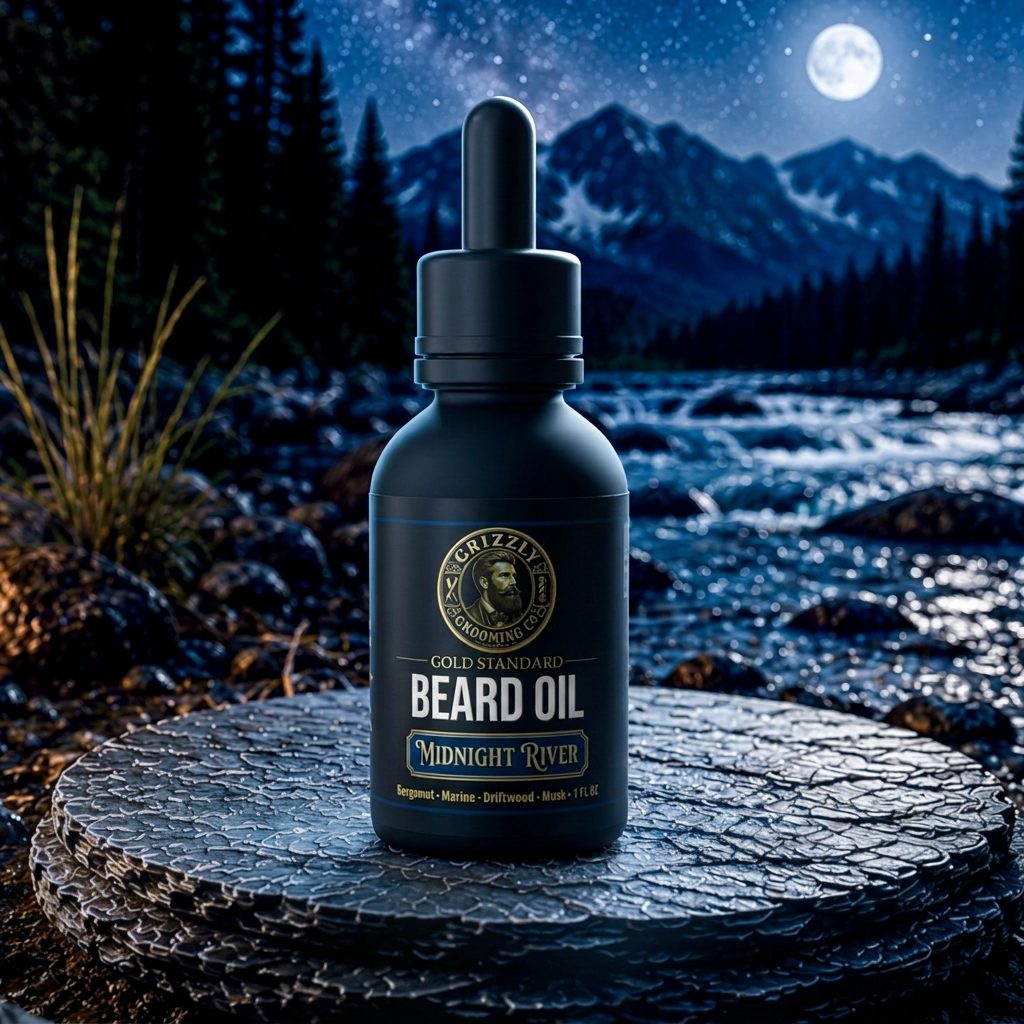
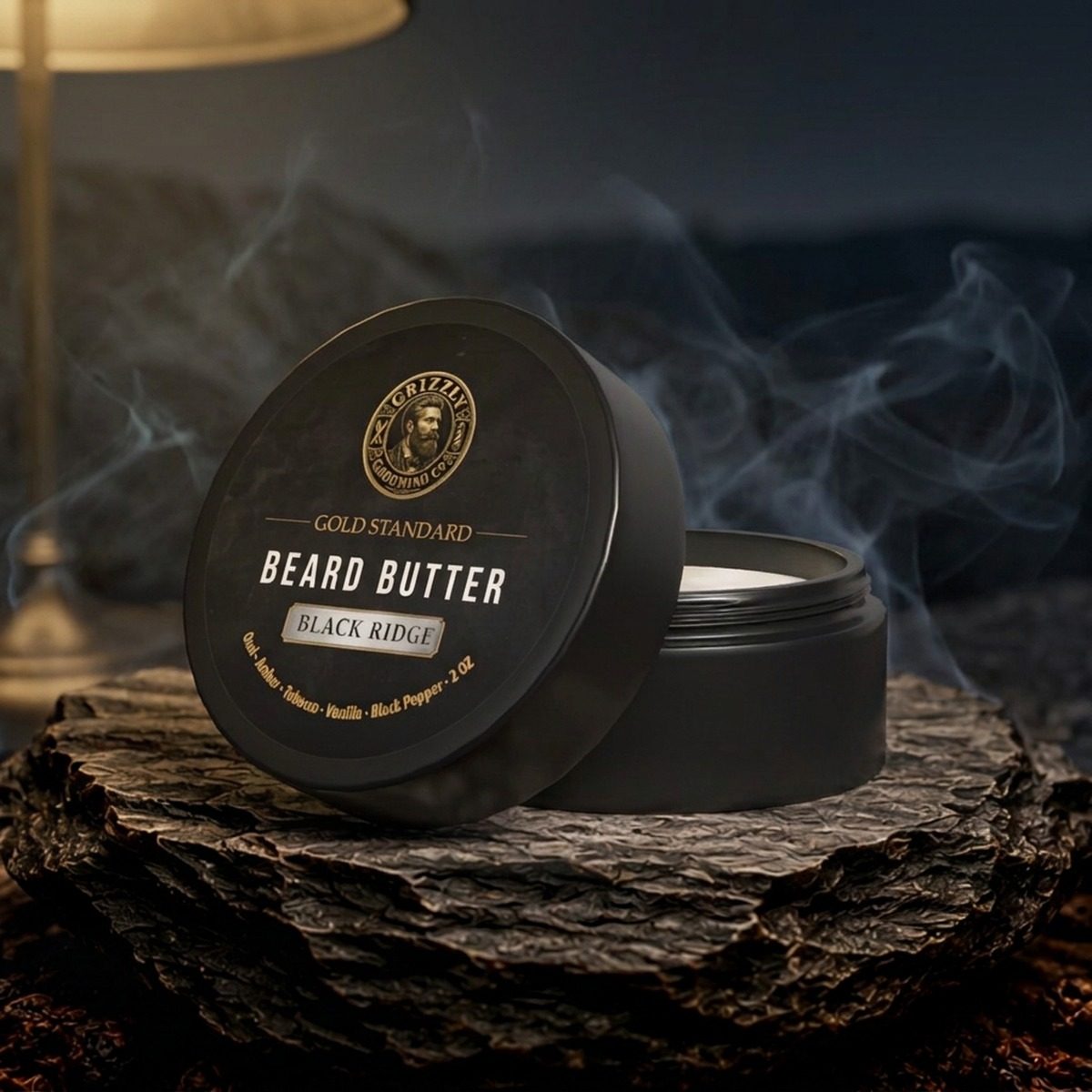
The safe carriers are jojoba, argan, grapeseed, hemp seed, squalane, and sweet almond. Grizzly's nine-oil blend is built exclusively on non-comedogenic carriers for exactly this reason. If you started breaking out after starting a new oil, the oil is usually the answer — check the label.
Habit Three: Exfoliate Once a Week
Dead skin cells trapped under a beard are the direct cause of most under-beard clogged pores and beardruff. A gentle chemical exfoliant with salicylic acid or lactic acid at low concentration lifts them without abrasion. Salicylic acid is oil-soluble, which means it actually gets into the pore and unclogs it — the single most useful ingredient for bearded skin.
Once a week is the correct cadence. Apply to a dry face after cleansing, work under the beard with fingertips, leave on for the time the product specifies, rinse, moisturise. Avoid physical scrubs — the beard traps the beads and multiplies the irritation.
Habit Four: Change Your Pillowcase
The most under-diagnosed cause of adult male acne. A pillowcase collects oil, dead skin, saliva, product residue, and bacteria — and then presses it against your face for seven hours a night. If you sleep on the same case for a week, you are essentially reapplying a light coat of yesterday's grime every night.
Change your pillowcase twice a week if you are prone to breakouts. Cotton is fine; silk is better for reducing beard friction; polyester is the worst because it does not breathe. This one habit alone clears up a surprising number of long-running under-beard breakouts.
Habit Five: Stop Touching Your Beard
Hands are covered in bacteria and oil from every surface you touch — phones, door handles, keyboards, steering wheels. Absent-mindedly stroking or twisting your beard transfers that load directly to the skin underneath. Track it for a day and you will be startled by how often you do it.
Replace the habit with a deliberate one: comb the beard three times a day with a wooden or horn comb kept in a pocket. It moves the oils, keeps the hair aligned, and — critically — keeps your hands off your face.
When to See a Dermatologist
If you follow all five habits for four weeks and the breakouts have not meaningfully improved, see a dermatologist. Persistent under-beard acne can occasionally be folliculitis (a bacterial or fungal infection of the follicle) or seborrheic dermatitis, which need a prescription topical or oral treatment. Neither is common, and both are easy to treat once identified — but they will not respond to hygiene alone.
Ingrown Hairs vs. Acne: Telling Them Apart
The two look similar and need opposite treatments. Acne is a blocked pore: it appears anywhere on the bearded skin, often in clusters, and has a visible whitehead or a deep tender nodule without a hair at the center. An ingrown is a single hair that has curled back into the skin — usually along the neckline or cheek line where you shave, red at the base, and often with a dark hair visible just under the surface.
Treating an ingrown with acne products dries the surrounding skin and makes the hair harder to release. Treating acne like an ingrown, by picking at it, spreads bacteria across the jaw. If the bumps sit exactly along the line you shave, treat them as ingrowns: warm compress, softer razor technique, and no shaving against the grain until they clear.
Product Ingredients That Clog Pores
Comedogenicity is a property of individual ingredients, not of oil in general. The common offenders in low-grade grooming products are coconut oil, wheat germ oil, isopropyl myristate, and heavy petrolatum-based sealants. These sit on the skin surface and mix with sebum into a plug rather than absorbing.
The low-comedogenic carriers are jojoba, grapeseed, argan, hemp seed, and squalane. Jojoba matters most because its molecular profile closely resembles human sebum, which is why it absorbs rather than films. If you are breaking out and cannot identify the cause, read the first three ingredients of every product you apply to your face — that is where the bulk of any formula lives.
The Two-Week Elimination Protocol
When breakouts persist, stop guessing and run an elimination. For fourteen days, reduce to three things: a gentle non-foaming cleanser at night, one lightweight non-comedogenic beard oil, and water. No balm, no butter, no styling product, no fragranced body wash on the face, no new supplements.
If skin clears, reintroduce one product at a time with five days between additions. The offender usually announces itself within 72 hours of reintroduction. If skin does not clear in two weeks on the minimal routine, the cause is likely not topical — look at pillowcases, phone screens, helmet or mask straps, and diet before buying anything else.
Environmental Triggers Most Men Miss
Anything that presses against a bearded jaw for hours is a suspect. Phone screens carry more bacteria than most surfaces men touch; wipe yours daily. Helmet and hat straps, mask edges, and headphone bands create occlusion plus friction, the exact combination that produces mechanical acne along a defined line.
Sweat left to dry on the skin is another quiet trigger — the residue is salt and lactic acid sitting in the follicle. Rinse within thirty minutes of any workout even when you are not doing a full wash. Finally, hard water leaves mineral deposits that irritate reactive skin; if your municipal supply is heavily mineralized, a shower filter is a cheaper experiment than another round of products.
Frequently Asked Questions
Can beard oil cause breakouts?
Yes, if the carrier is comedogenic. Coconut oil and mineral oil are the two most common offenders. Choose oils built on jojoba, argan, grapeseed, or hemp seed as the primary carriers — like Grizzly's nine-oil blend — and the risk drops to near zero.
How long until my skin clears up?
Most men see visible improvement in two to three weeks after fixing the five habits above. Full clearance takes six to eight weeks — the length of one skin turnover cycle.
Should I shave to clear the breakouts?
No. Shaving temporarily removes the environment but does not fix the underlying habits, and freshly shaved skin is even more prone to ingrowns and razor bumps. Fix the ritual, keep the beard.
Is beard dandruff the same as breakouts?
Related but not identical. Both come from trapped dead skin and product buildup, and the same wash-plus-exfoliation routine solves both. Persistent flaking with redness may be seborrheic dermatitis and needs a dermatologist.
Do I need a separate face wash and beard wash?
Ideally yes. Beard wash is designed to clean the hair without stripping the skin underneath. Face wash is designed for exposed skin. If you must pick one, use beard wash and work it fully to the skin — it is the more forgiving of the two.
Can beard oil cause acne?
A poorly formulated one can. Oils high on the comedogenic scale, like coconut oil, can plug pores. Jojoba, grapeseed, argan, and hemp seed absorb readily and are appropriate for acne-prone skin.
Should I shave my beard if I keep breaking out?
Usually not. Shaving trades acne for razor irritation and ingrowns. Fix the wash routine, switch to a non-comedogenic oil, and exfoliate weekly before considering removal.
How often should I exfoliate under a beard?
Once or twice a week with a soft brush or a mild chemical exfoliant. More than that damages the barrier and produces the very inflammation you are trying to reduce.
Why do I break out only along my jawline?
Jawline breakouts are usually mechanical — phone screens, chin straps, mask edges, or a hand resting on the face — or hormonal. Clean the contact surfaces first and watch for two weeks.
Build your ritual in 60 seconds.
Answer four questions and get a custom regimen built around your beard and routine.
Start The Ritual Builder