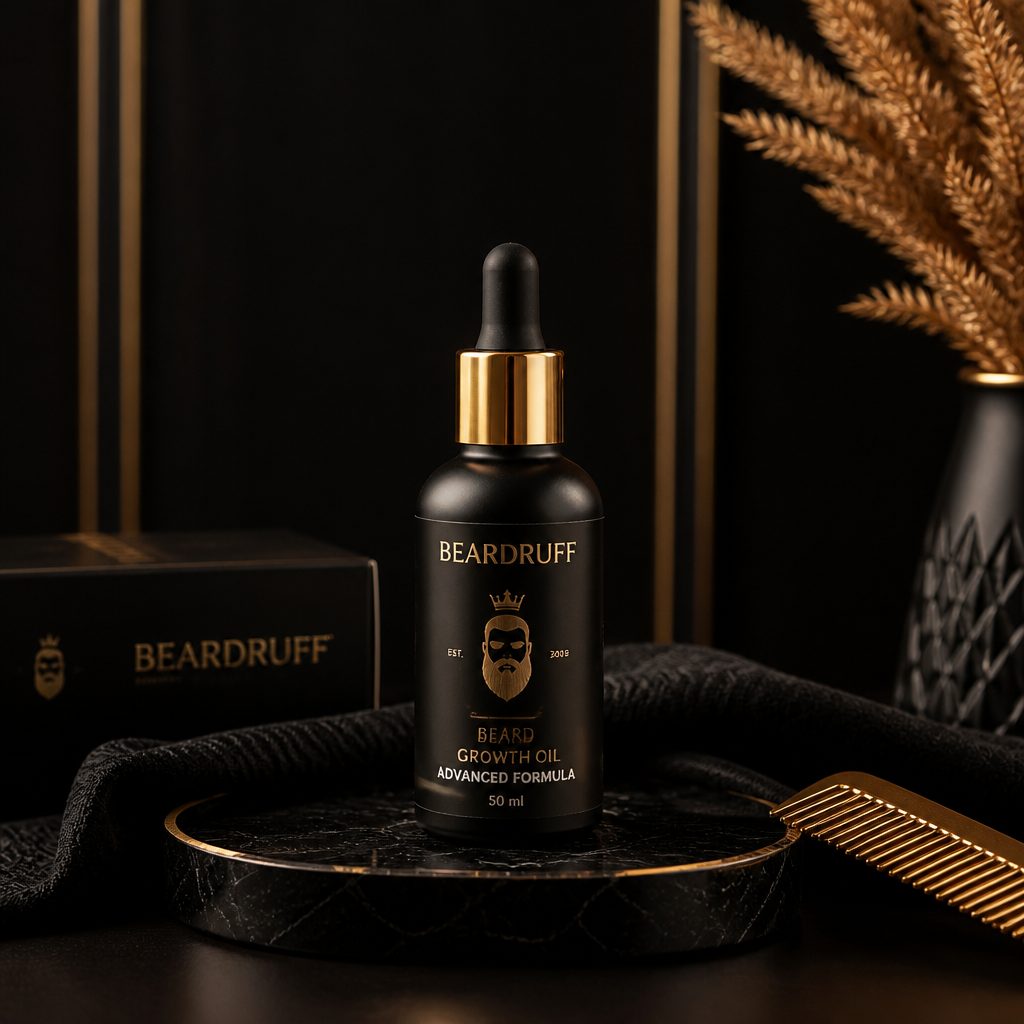
Beardruff, formally identified as Seborrheic Dermatitis of the facial hair region, is a pervasive dermatological condition characterized by the shedding of white flakes from the beard and the underlying skin. Unlike simple dry skin, true beardruff is often rooted in a complex biological interaction between skin oils (sebum), the Malassezia furfur fungus, and an individual’s inflammatory response. While it mirrors the mechanics of scalp dandruff, the facial ecosystem is unique due to the density of androgenic hair follicles and the sensitivity of facial skin compared to the cranium. Left unmanaged, beardruff evolves from a cosmetic nuisance into a chronic inflammatory state that can compromise hair follicle health and result in persistent pruritus (itching) and erythema (redness).
- ›Malassezia furfur is the primary yeast responsible for terminal hair dandruff.
- ›Oleic acid sensitivity affects one in two men globally.
- ›Beardruff is a symptom of skin health, not hair cleanliness.
- ›Standard head-and-shoulders shampoos are typically too alkaline for facial skin.
- ›Boar bristle brushes are the preferred tool for mechanical exfoliation.
The Biological Mechanism: Malassezia and Sebum
The primary architect of beardruff is a lipophilic yeast-like fungus known as Malassezia. This microbe is a natural inhabitant of the human microbiome, residing in areas rich in sebaceous glands. Under normal conditions, Malassezia exists transitions through a commensal lifecycle, but when facial hair provides a dense, anaerobic environment, the fungus proliferates uncontrollably.
As Malassezia consumes the sebum excreted by your pores, it breaks down the triglycerides into oleic acid. For approximately 50% of the population, oleic acid acts as a skin irritant. When the skin detects this byproduct, it triggers an accelerated cell turnover rate. New skin cells are produced and pushed to the surface so rapidly that they clump together and shed as the visible white flakes we recognize as beardruff.
The Environmental and Lifestyle Catalysts
While biology provides the foundation, environmental factors act as the ignition. Cold, dry winter air strips the beard of necessary moisture, leading to a compromised skin barrier that is more susceptible to yeast overgrowth. Conversely, high humidity can trap sweat and oil against the face, creating a breeding ground for fungal activity.
Lifestyle choices also play a critical role. The use of harsh detergent-based soaps—specifically those containing Sodium Lauryl Sulfate (SLS)—destroys the 'acid mantle' of the skin. When the skin's natural pH is disrupted, it loses its ability to self-regulate, leading to the erratic shedding cycles characteristic of beardruff. Stress and diet, particularly those high in sugar or simple carbohydrates, have also been clinically linked to flare-ups.
Clinical Differentiation: Dry Skin vs. Seborrheic Dermatitis
It is imperative to distinguish between 'Dry Skin Beardruff' and 'Seborrheic Beardruff,' as the treatments are diametrically opposed. Dry skin flakes are typically small, white, and translucent, caused by dehydration and lack of oil. In this scenario, the skin feels tight and 'thirsty.'
Seborrheic Dermatitis, conversely, produces flakes that are larger, yellowish, and oily to the touch. This condition is an overabundance of oil rather than a lack of it. Applying heavy oils to Seborrheic Dermatitis can actually feed the fungus, exacerbating the problem. Understanding this distinction is the difference between resolving the issue and unknowingly fueling a fungal colony.
Tactical Treatment: The Exfoliation Protocol
The first line of defense in the eradication of beardruff is mechanical and chemical exfoliation. Utilizing a firm boar bristle brush serves two purposes: it physically dislodges existing flakes from the skin surface and distributes natural sebum down the hair shaft, preventing it from pooling at the follicle base.
For moderate to severe cases, a regimen involving salicylic acid or lactic acid is recommended. These beta-hydroxy and alpha-hydroxy acids dissolve the 'intercellular glue' that holds dead skin cells together, allowing them to wash away cleanly during a shower rather than shedding throughout the day. This proactive removal of debris denies the Malassezia fungus its primary shelter.
The Curative Regimen: Cleansing and Hydration
A sophisticated bearded man must transition from generic soaps to specialized beard washes that utilize natural surfactants. Look for ingredients like tea tree oil or eucalyptus, which possess innate antifungal and antibacterial properties. These botanical agents suppress yeast populations without the collateral damage caused by synthetic chemicals.
Post-wash, the application of a high-quality beard oil is non-negotiable. The goal is to mimic the skin's natural sebum. Oils such as Jojoba, which is structurally similar to human oil, or Argan, which is rich in Vitamin E, help seal the skin barrier. For those with chronic inflammation, a beard balm containing shea butter or beeswax can provide a protective occlusive layer that shields the skin from environmental irritants.