The Best Oils For Beard Care: A Carrier Oil Comparison
- ›Jojoba is the closest match to human sebum — the default base for almost every good beard oil.
- ›Argan adds vitamin E and softness; grapeseed keeps the blend light and non-greasy.
- ›Castor is heavy and best as a small percentage, not a base oil.
- ›Coconut oil is comedogenic on many faces — avoid it as a primary beard oil.
- ›Blends beat single oils: different oils absorb at different depths and speeds.
Every beard oil is mostly carrier oil. The scent is a rounding error by volume; the carriers do the work. Knowing how each one behaves is the difference between a beard that drinks the oil in and one that looks like it just left a deep fryer.
Jojoba oil — the closest thing to your own sebum
Technically a liquid wax ester, jojoba mirrors the structure of human sebum more closely than any other common oil. It absorbs without sitting on the surface, and because your skin reads it as familiar, it rarely triggers congestion. If a beard oil lists a single base oil, this is the one you want to see first.
Argan oil — softness and vitamin E
Rich in oleic and linoleic fatty acids plus naturally occurring vitamin E. Argan is the softening ingredient: it coats coarse strands, reduces the wiry snap of a new beard, and adds a low, non-greasy sheen. It is expensive, which is exactly why cheap oils use so little of it.
Grapeseed oil — the lightweight
High in linoleic acid, very light, absorbs fast. Grapeseed is what keeps a blend from feeling heavy, which makes it valuable for oily skin types and short beards where any surplus shows immediately.
Sweet almond oil — everyday conditioning
Medium weight, high in vitamin E, genuinely good at reducing flaking under the beard. A reliable middle-of-the-blend oil. Skip it if you have a tree nut allergy.
Castor oil — powerful, and easy to overdo
Thick, sticky, and high in ricinoleic acid. In small amounts it adds hold and shine and helps the blend cling to the hair. As a base oil it is far too heavy and leaves the beard tacky. Look for it low on the ingredient list, not at the top.
Oils to be careful with
- ›Coconut oil — solid at room temperature and comedogenic for many men. Common because it is cheap.
- ›Mineral oil and petrolatum — they sit on the surface and condition nothing.
- ›Olive oil — heavy, distinctly scented, and it goes rancid faster than you think.
- ›Fragrance-heavy oils with a token drop of argan — read the order of the ingredient list, always.
Why a blend beats any single oil
Light oils reach the skin quickly; heavier oils stay on the hair shaft and hold moisture there. A single oil can only do one of those jobs. Our Gold Standard blend runs nine premium carrier oils for exactly that reason — fast-absorbing carriers for the skin, mid-weight conditioners for the hair, and a small heavy fraction to seal the ends.
Matching oil to beard type
- ›Oily skin, short beard — jojoba and grapeseed forward. Light, fast, no residue.
- ›Dry skin, any length — argan and almond forward, applied to damp skin.
- ›Coarse or curly beard — argan plus a touch of castor for weight and definition.
- ›Sensitive skin — unscented or single essential oil, jojoba base, nothing else.
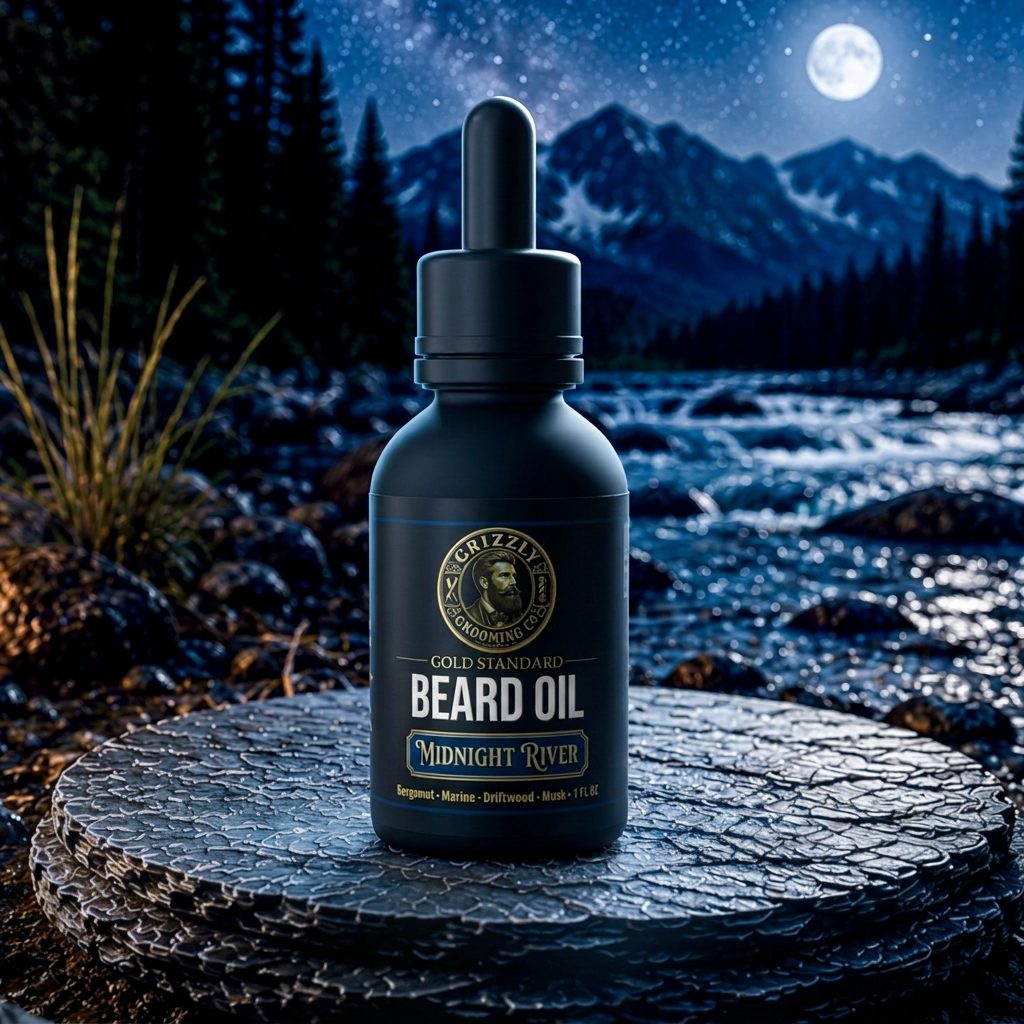
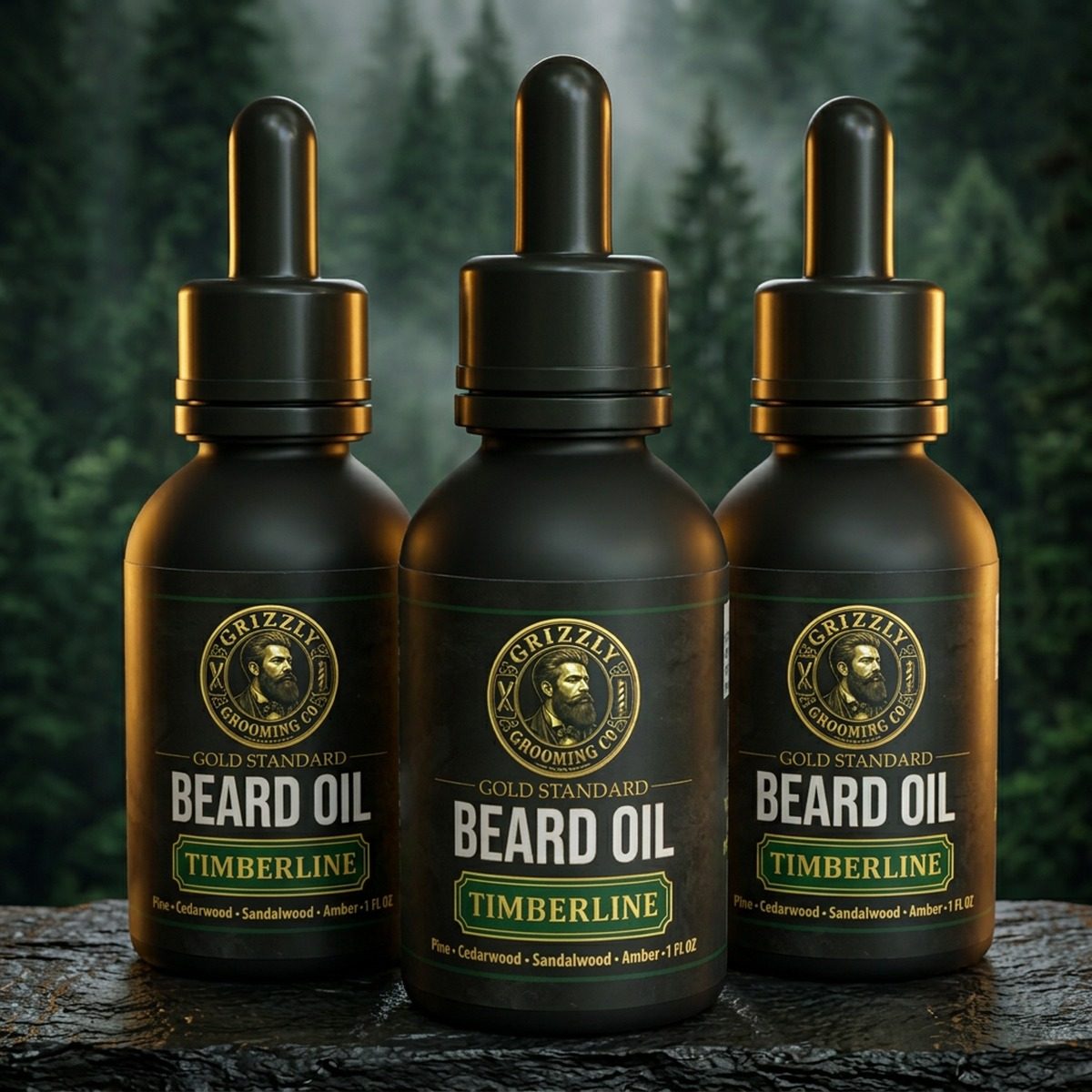
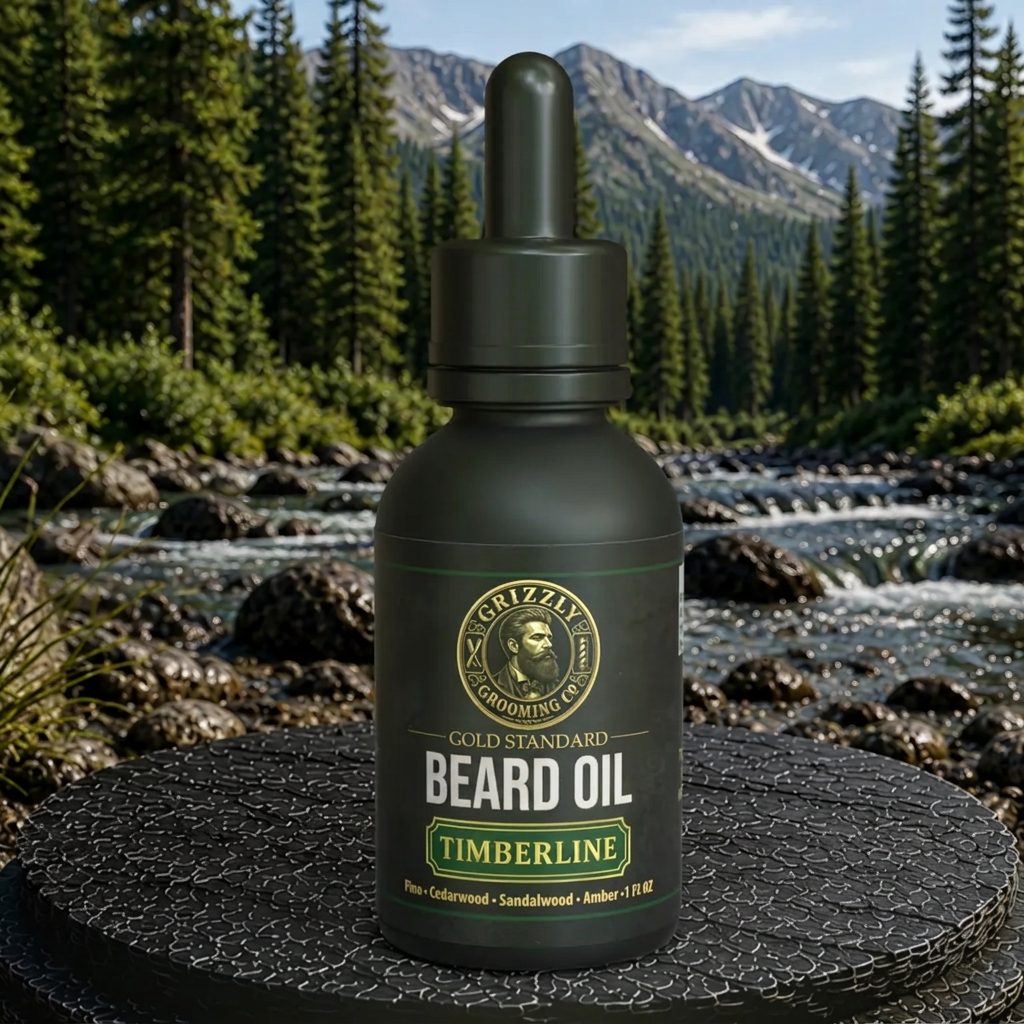
Gold Standard Beard Oil — nine premium carrier oils, blended for skin first.
Keep reading
- ›Best beard oil ingredients
- ›Common beard oil mistakes
- ›How often to oil your beard
- ›Why argan oil in beard care
Comedogenic ratings by carrier
If you break out under the beard, the carrier matters more than the brand. Grapeseed, hemp seed, and squalane sit at the low end of the comedogenic scale; jojoba is low and behaves like sebum; argan is low-to-moderate and suits dry skin. Coconut and wheat germ are the two to avoid on acne-prone faces.
Castor is a special case: useful in small amounts for shine and viscosity, problematic as a base because it is heavy and slow to absorb. If castor appears in the first two ingredients, expect grease rather than conditioning.
Storage, oxidation, and shelf life
Every carrier oil oxidizes with light, heat, and air, and the lighter, more unsaturated oils — grapeseed and hemp especially — turn faster than jojoba, which is technically a wax ester and remarkably stable.
Keep bottles in a drawer rather than the shower, choose amber or cobalt glass, and plan on twelve months once opened. A sharp, waxy, or old-nut smell means the oil has oxidized, and oxidized oil irritates skin rather than conditioning it.
Sweet almond and apricot kernel oil: the gentle mid-weight options
Sweet almond oil sits between jojoba's lightness and argan's richness, absorbing at a moderate speed while delivering vitamin E and a mild, pleasant slip that makes it a common secondary oil in blends rather than a sole base. It suits most skin types and rarely causes irritation, which is why it shows up frequently as a supporting ingredient rather than a headline one.
Apricot kernel oil behaves similarly and is often chosen over almond simply for scent neutrality, since almond can carry a faint nutty note that some blends want to avoid. Neither oil does anything dramatically different from the other — the choice usually comes down to formulation preference rather than a meaningful performance gap.
Hemp seed oil and its lightweight profile
Hemp seed oil is notably light and fast-absorbing, with a fatty acid profile rich in omega-3 and omega-6 that supports the skin barrier without leaving the greasy finish some heavier oils can produce on fine or short beards. It has a naturally earthy scent that fades quickly, which makes it easy to layer with fragrance oils without a scent conflict.
It is a good choice for men with oily skin under the beard who still want the conditioning benefit of oil without adding more surface shine. It is less suited as a sole treatment for very dry, coarse beards, where a heavier oil or a butter would do more work.
How to patch test a new oil before committing
Switching oils, especially to a new carrier you have not used before, carries a small risk of a skin reaction that is easy to avoid with a simple test. Apply a small amount to the inside of your forearm, wait 24 hours, and check for redness, itching, or irritation before applying it to your face and beard.
This matters more with less common oils like castor or certain nut-derived oils, which have a higher rate of individual sensitivity than jojoba or argan. A new bottle that seems fine on day one can still cause a delayed reaction, so the 24-hour wait is worth the patience even if you are eager to try it.
Grapeseed and safflower oil as budget-friendly lightweight options
Grapeseed and safflower oils absorb quickly and leave almost no residue, making them reasonable entry-level options for guys new to beard oil who are put off by heavier formulas feeling greasy. They lack some of the deeper conditioning properties of argan or jojoba but serve well as a daily light-touch option, especially in humid climates where any richer oil already feels excessive.
The tradeoff is shorter-lasting hydration through the day compared to heavier oils, meaning some men need a second light application in the evening if their skin runs dry. As an entry point or a warm-weather rotation oil, both are worth trying before assuming you need a premium blend.
Essential oils for scent: what to know before adding them
Many commercial beard oils add small amounts of essential oils like cedarwood, sandalwood, or peppermint purely for scent, and undiluted essential oils applied directly to skin can cause irritation or sensitization in some men, especially with daily long-term use. This is worth knowing if you're blending your own oil rather than buying a pre-formulated one.
A properly formulated commercial beard oil dilutes essential oils to a safe percentage of the total carrier oil blend, which is why store-bought products rarely cause issues even with daily use. If you notice any tingling, redness, or itching that started after switching to a heavily scented oil, that's worth testing against a fragrance-free carrier oil alone before concluding it's unrelated.
Storing beard oil to preserve its shelf life
Carrier oils oxidize over time, especially with repeated exposure to light, heat, and air each time the bottle is opened, and an oxidized oil can smell faintly rancid and lose some of its conditioning benefit well before the bottle is empty. Most beard oils have a reasonable shelf life if stored properly, but bathroom shelves near a hot shower are actually one of the worst storage spots.
Keep bottles in a cool, dark drawer or cabinet rather than on an open shelf exposed to steam and light, and use a dropper rather than tipping the bottle upside down, which limits how much air enters with each use. An oil that smells noticeably different from when you first opened it is worth replacing rather than continuing to apply.
Blending two oils to get properties neither has alone
Combining a fast-absorbing lighter oil like jojoba with a small ratio of a richer oil like argan gives some men the best of both — quick absorption with a bit more lasting conditioning than jojoba provides on its own. This kind of blending is common in commercial formulations for exactly this reason rather than any single carrier oil being the objectively best choice.
If you're experimenting with your own blend, start at roughly three parts lighter oil to one part heavier oil and adjust from there based on how your beard feels through the day. There's no universal ratio — climate, beard density, and skin type all shift what feels right.
Frequently Asked Questions
Which carrier oil is least likely to clog pores?+
Grapeseed, hemp seed, and squalane sit lowest on the comedogenic scale, with jojoba close behind because it mimics sebum and absorbs readily.
Which beard oils go rancid fastest?+
Lighter, more unsaturated oils like grapeseed and hemp. Jojoba is the most stable because it is a wax ester rather than a true oil.
What is the single best oil for beard care?+
Jojoba, if you have to pick one. It behaves most like your own sebum, absorbs cleanly, and suits nearly every skin type. Most quality beard oils are built on a jojoba base.
Is coconut oil good for beards?+
Generally no. It is solid at room temperature, sits heavily on the hair, and is comedogenic for many men — meaning clogged pores and breakouts under the beard.
Can I use kitchen oils on my beard?+
Olive and coconut oil technically condition, but they are heavy, strongly scented, and oxidise quickly. Cosmetic-grade carrier oils are refined for skin contact and cost very little more.
How many oils should a good beard oil contain?+
There is no magic number, but a blend of several carriers outperforms a single oil because light and heavy oils do different jobs at different depths.
Does castor oil grow beard hair?+
No credible evidence supports that claim. It conditions and adds hold. Growth is driven by genetics, hormones, and time — not by a topical oil.
What's the difference between sweet almond and apricot kernel oil for beards?+
Both are gentle, moderate-absorbing oils with vitamin E, and they perform very similarly. Apricot kernel is often chosen simply for its more neutral scent compared with almond's faint nutty note.
Is hemp seed oil good for beard care?+
Yes, especially for men with oily skin or fine, short beards who want conditioning without added shine. It absorbs quickly and has a naturally light, earthy scent, but it does less for very dry or coarse beards than a heavier oil.
Should I patch test a new beard oil before using it?+
Yes, particularly with less common oils. Apply a small amount to your forearm and wait 24 hours to check for a reaction before applying it to your face, since some oils carry a higher individual sensitivity rate than jojoba or argan.
Are grapeseed and safflower oil good beard oils?+
They're reasonable lightweight, budget-friendly options that absorb fast with minimal residue, good for daily use or humid climates. They offer less deep conditioning than argan or jojoba, so some men need a second light application later in the day.
Can essential oils in beard oil cause irritation?+
Undiluted essential oils can irritate skin with daily use, but properly formulated commercial beard oils dilute them to a safe percentage. If a scented oil causes tingling or redness, test a fragrance-free carrier oil to isolate the cause.
How should I store beard oil to keep it from going bad?+
Keep it in a cool, dark drawer rather than a steamy bathroom shelf, and use a dropper instead of tipping the bottle upside down to limit air exposure. An oil that smells off from when you opened it should be replaced.
"Best grooming purchase I've made all year. The scent alone is worth it — everything else is a bonus."

Join The Grizzly Brotherhood
Scent guides, grooming tips, and early access to new drops. No discount bait — just the good stuff.
Unsubscribe anytime · No spam
Get Gold Standard Beard Oil
- Everything in this article, one click.
- Built for a complete daily ritual.
- 30-day money-back guarantee.
Related Guides
What each carrier oil does once it hits skin and hair.
Cadence and dose by beard length and climate.
Which one your beard needs, and why most men eventually need both.
Flaking, tightness, and the oils that repair the barrier underneath.
How scent families wear on a beard through the day.
Every oil we use, why it's in there, and how we compare.
The wash, condition, and oil sequence that changes coarse hair.
Assemble a kit around your beard length and skin type.
Sources & Research
- International Journal of Molecular Sciences — Anti-Inflammatory and Skin Barrier Repair Effects of Topical Application of Some Plant Oils
- Indian Journal of Dermatology — Moisturizers: The Slippery Road
- American Academy of Dermatology — Face Washing 101
- American Academy of Dermatology — Dermatologists' Tips for Relieving Dry Skin
- Grizzly Grooming Co. formulation notes and batch testing records