The Best Beard Oil Ingredients (And The 3 To Avoid)
- ›Argan and jojoba should be the top two ingredients. If they aren't, it's cheap oil dressed up.
- ›Avoid mineral oil, synthetic fragrance, and fillers like sunflower listed first.
- ›Essential oils give scent — a good thing — but should be a small percentage, not the base.
Beard oil is one of the easiest personal-care products to formulate well and one of the easiest to fake. Two brands can sell a bottle at the same price and one is 80% carrier oil that mirrors your skin's sebum while the other is 80% fragrance and filler. The ingredient list tells you which is which — you just need to know what to look for.
The base: argan and jojoba
Argan oil is high in vitamin E and fatty acids that penetrate hair without sitting greasy on top. Jojoba is molecularly the closest of any plant oil to human sebum, which means it absorbs cleanly and moisturizes the skin under the beard. These two belong at the top of the ingredient list.
The supporting cast
Grapeseed, sweet almond, and hemp are all good secondary carriers — light, non-comedogenic, packed with linoleic acid. Castor oil in small amounts adds shine and thickness.
What to avoid
Mineral oil (labeled as paraffinum liquidum) sits on top of the skin and can clog pores. Synthetic fragrance (labeled just 'fragrance' or 'parfum') is often the biggest allergen driver. Ultra-cheap fillers like sunflower or soybean oil listed FIRST mean you're paying for the packaging.
Essential oils are fine — in the right dose
Cedarwood, sandalwood, bergamot, vetiver — these give beard oil its signature scent and add small skin benefits. But 'essential oil' should be a fraction of the bottle, not the base. Anything over 3% total essential oil concentration is asking for irritation.
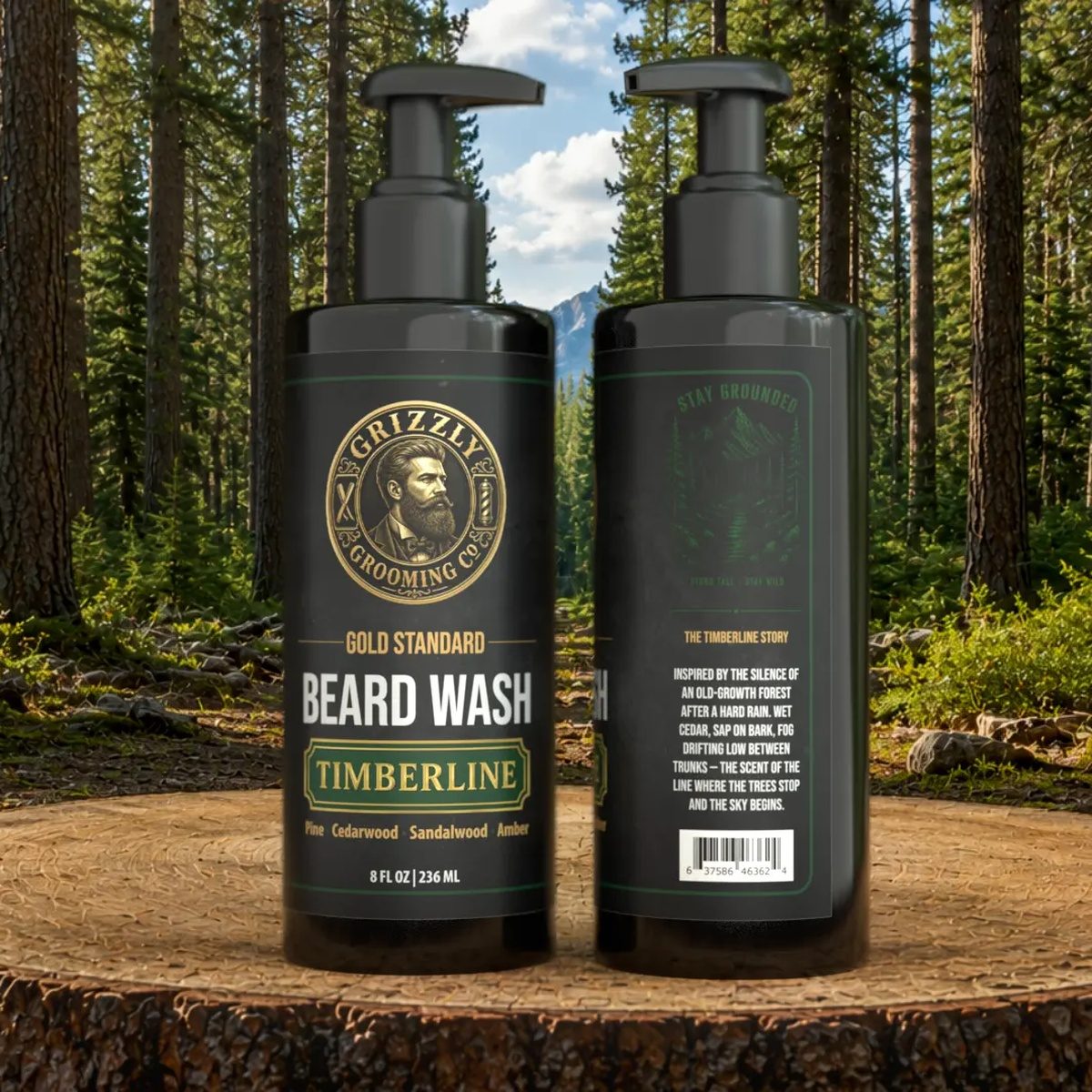
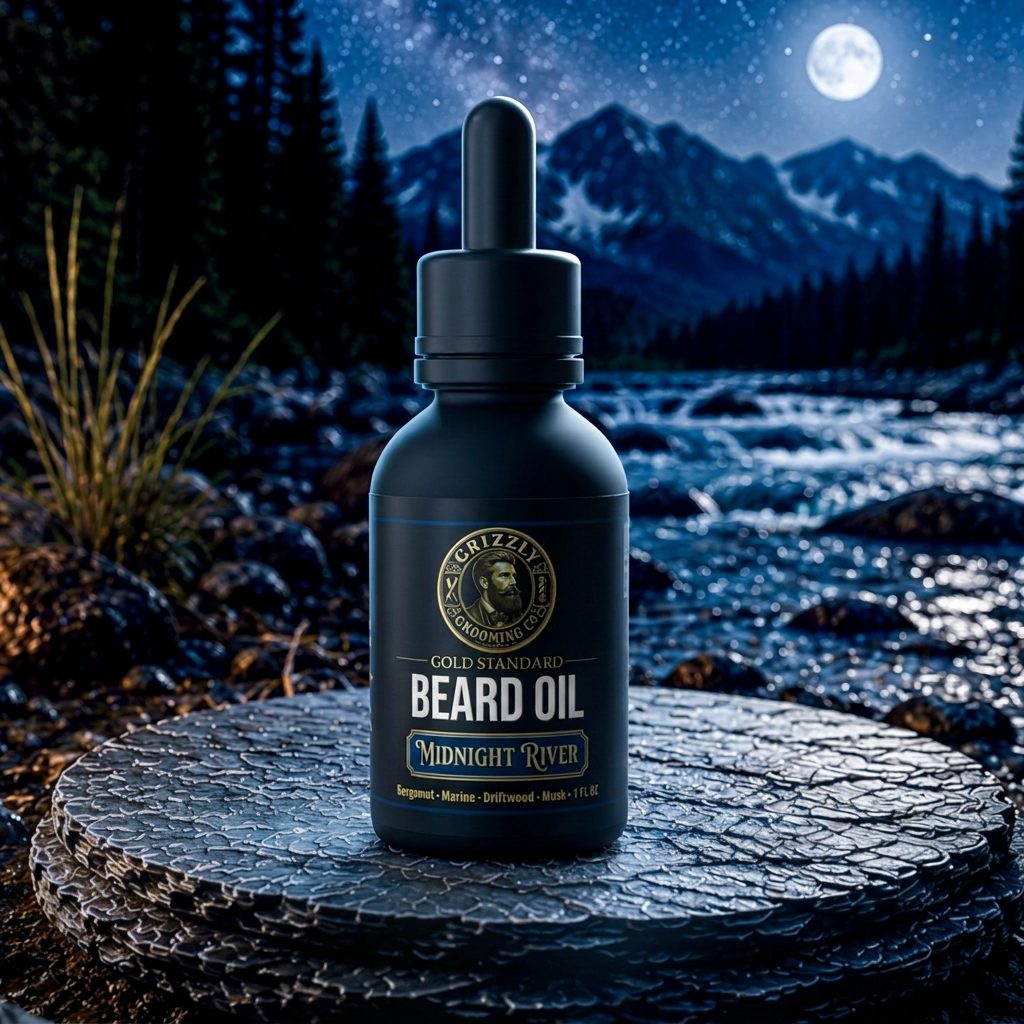
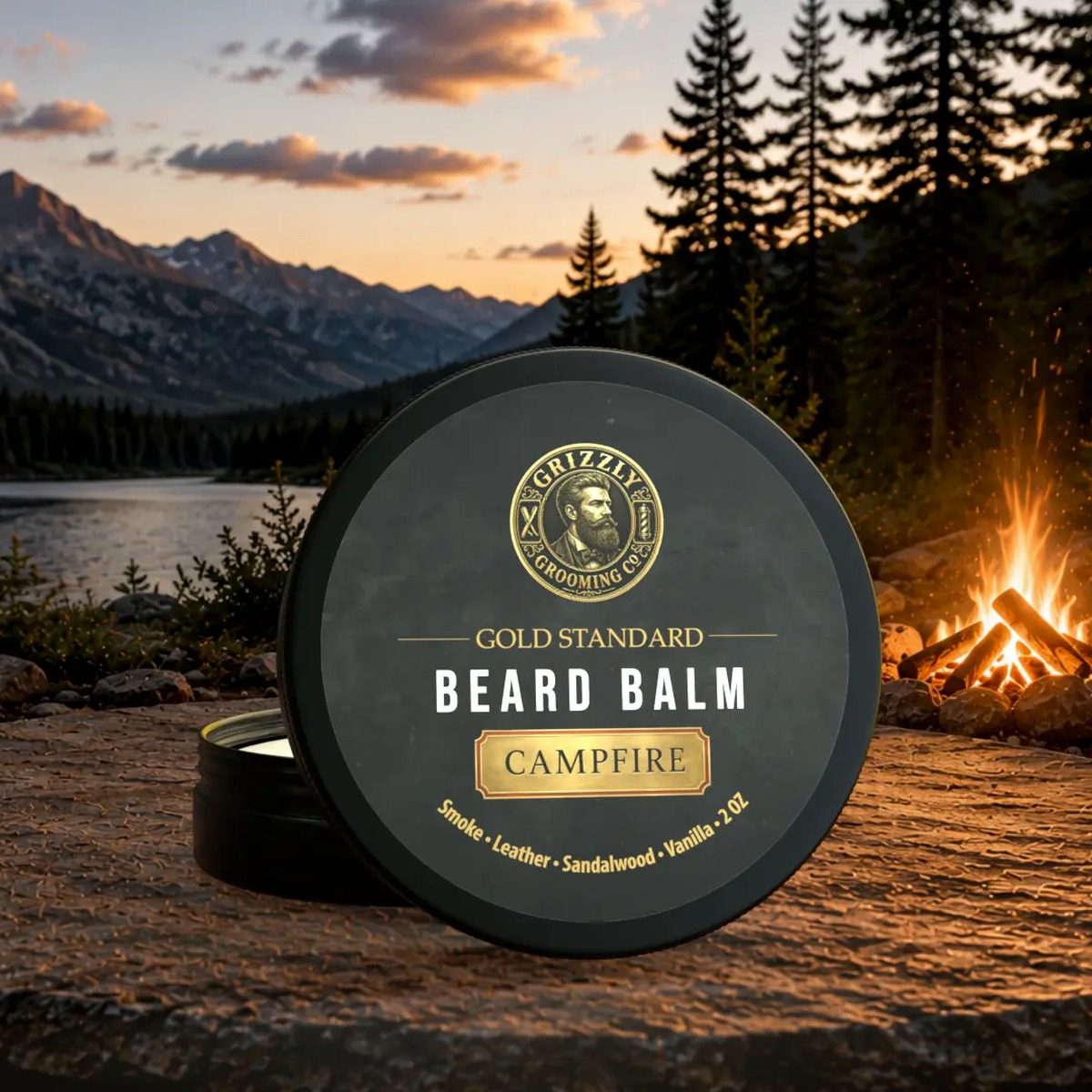
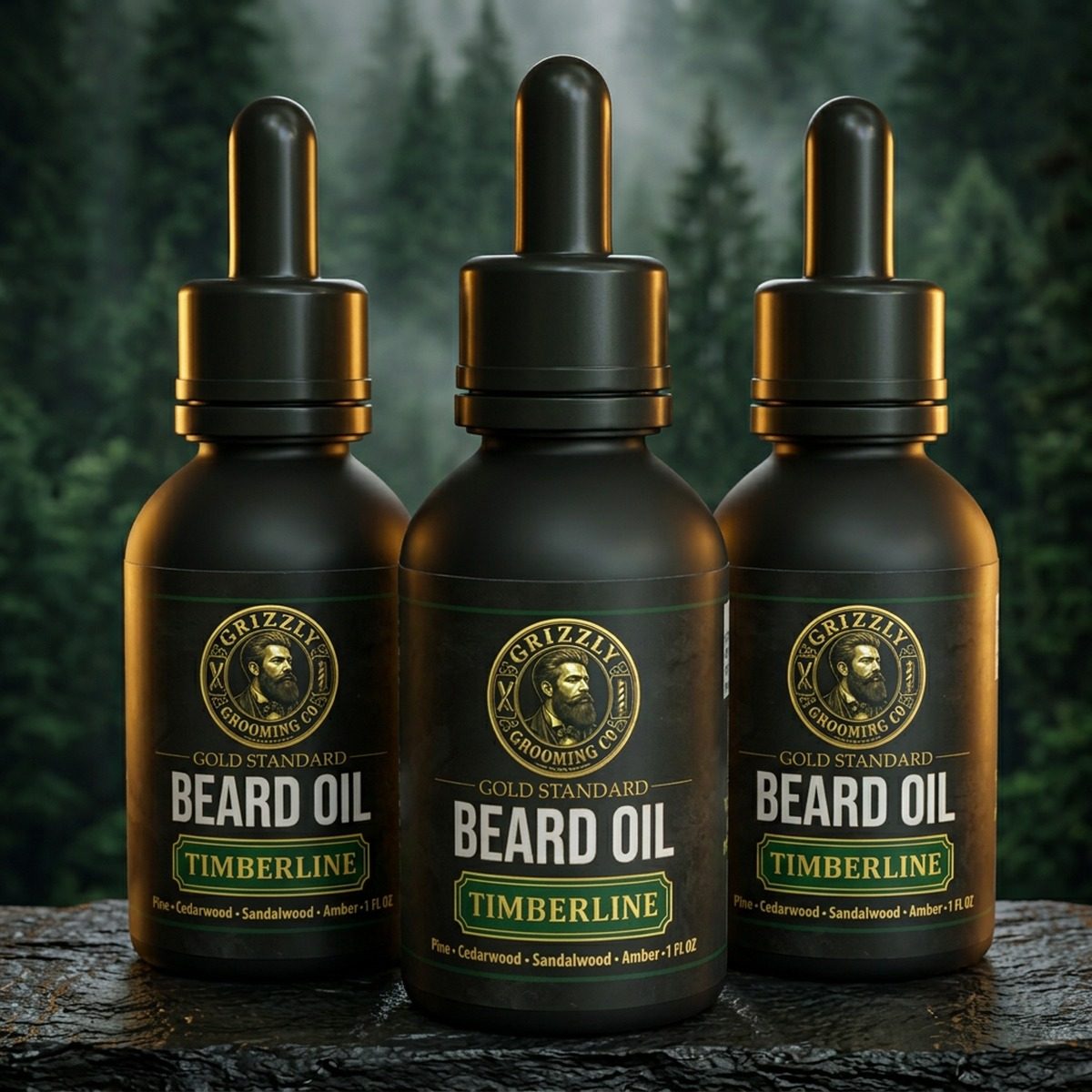
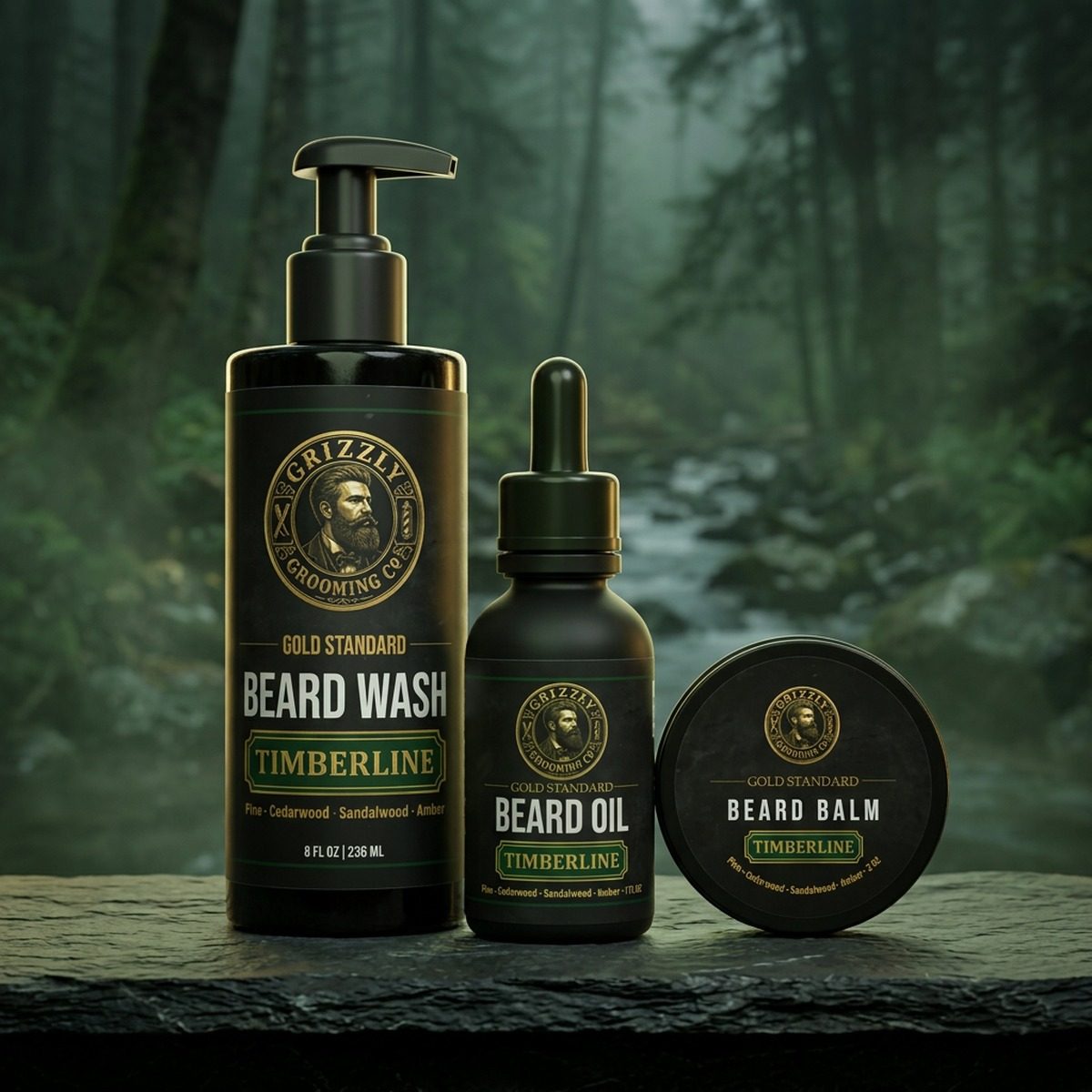
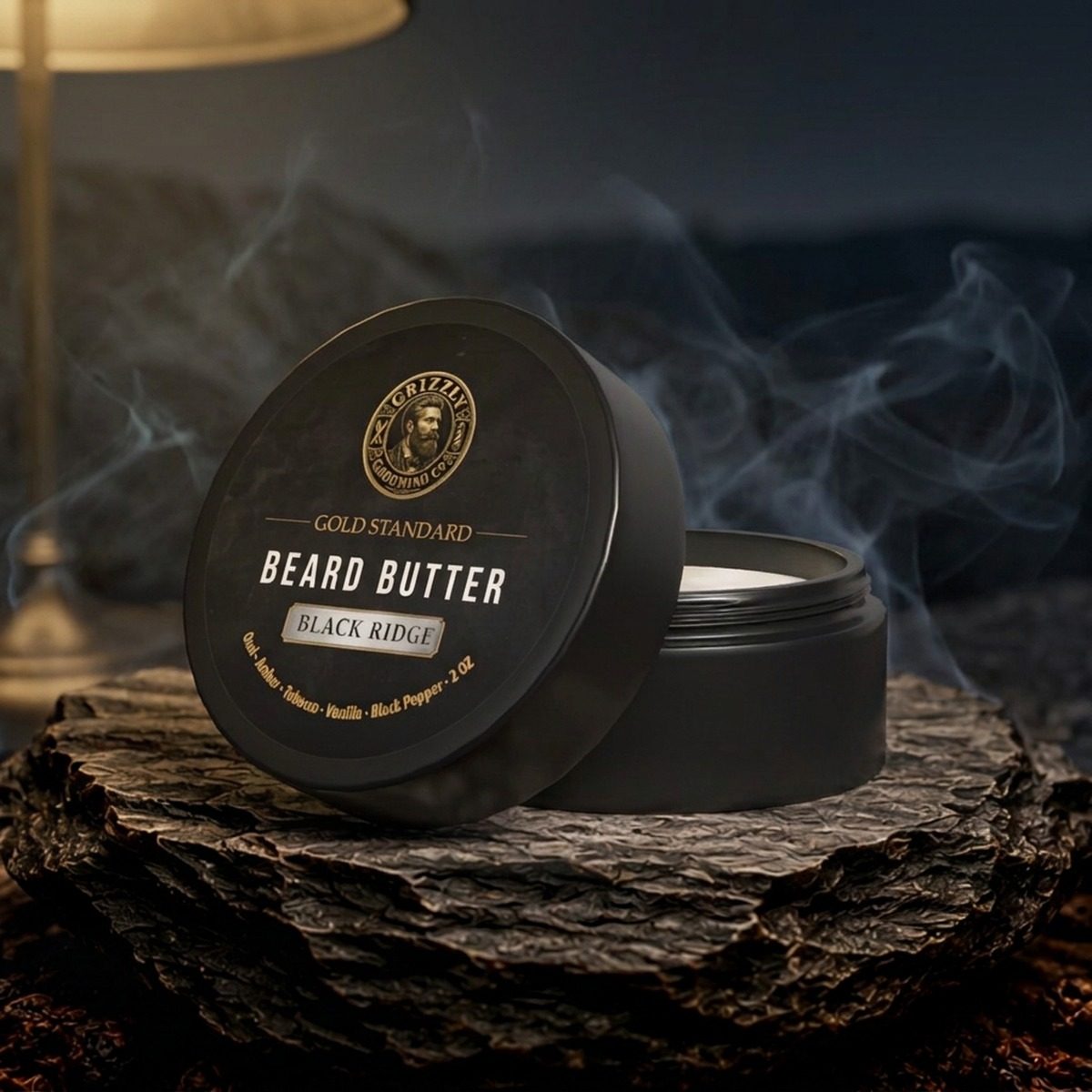
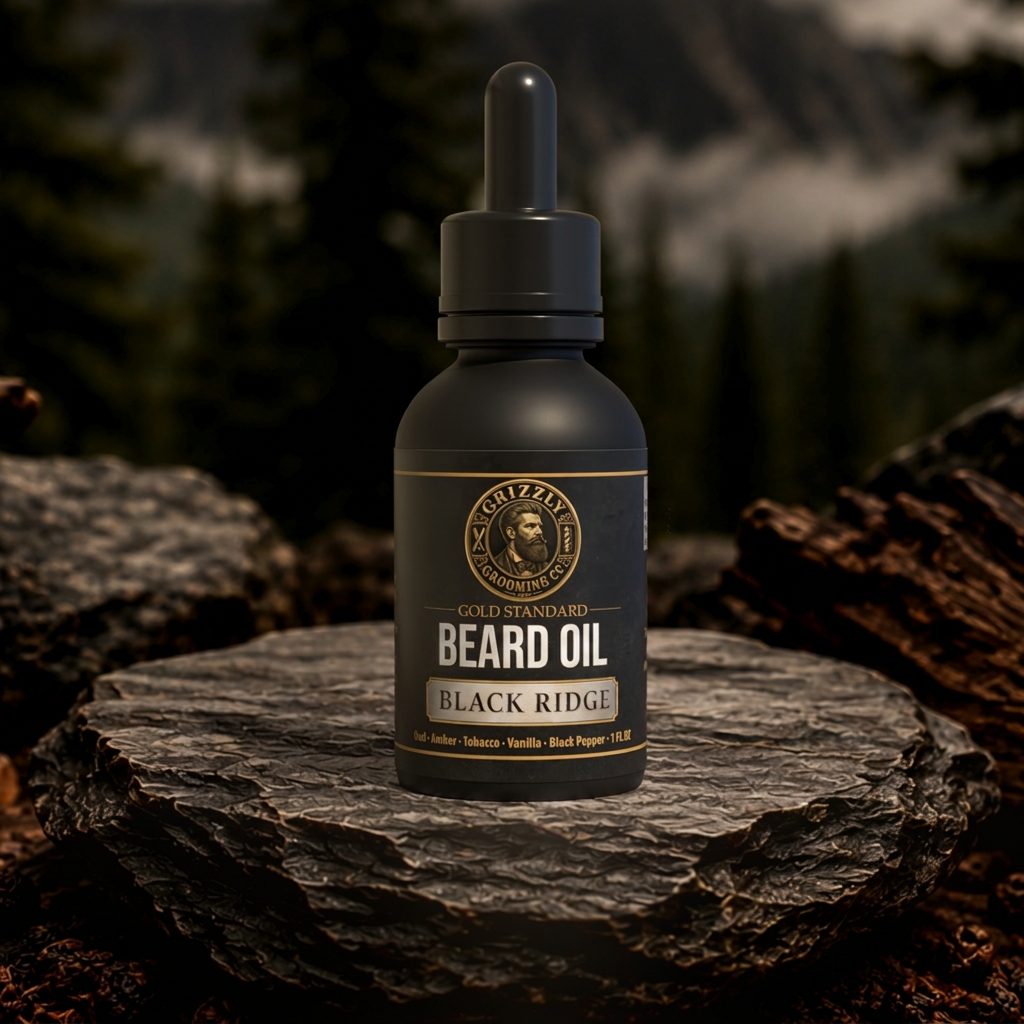
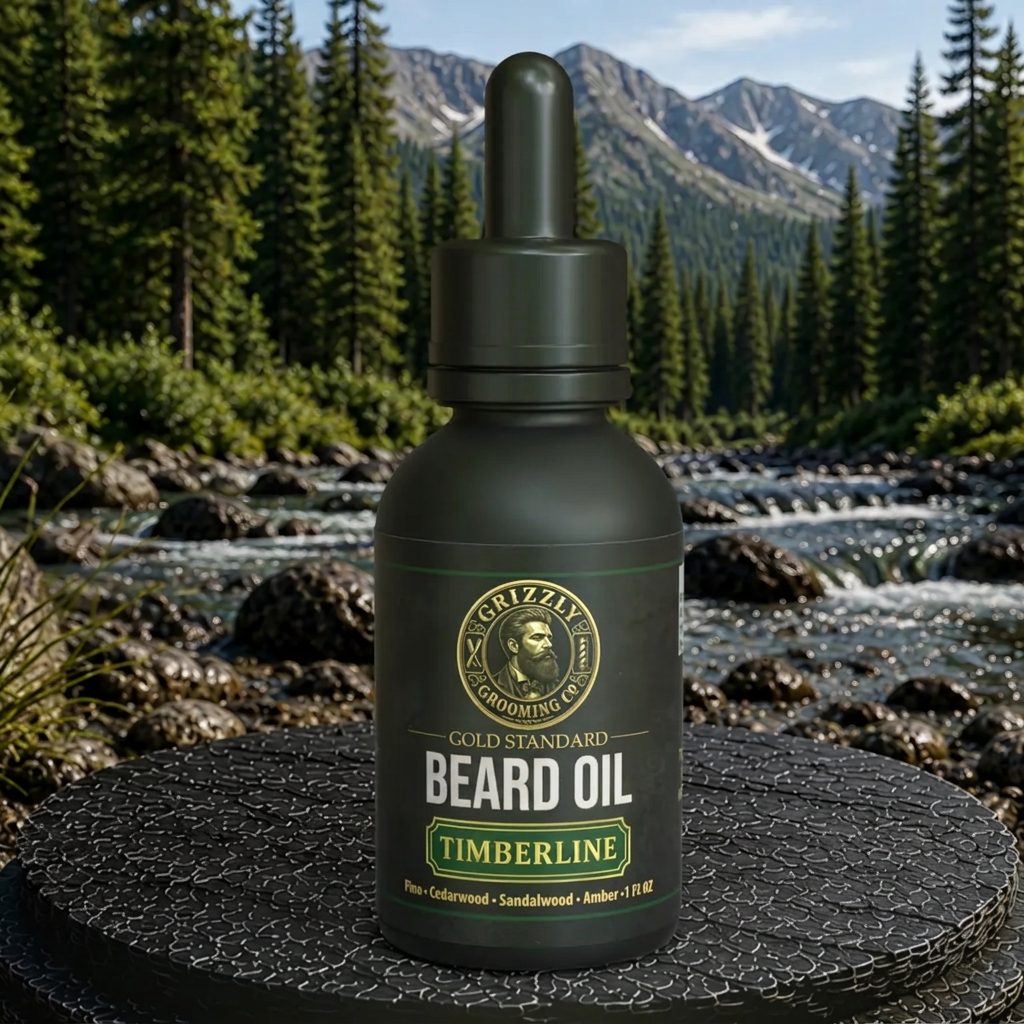
Gold Standard Beard Oil — argan + jojoba base, five signature scent profiles, zero mineral oil.
How to read an ingredient list
Ingredients are ordered by weight, so the first two or three entries are effectively the product. In a well-built oil those are carriers — jojoba, grapeseed, argan, hemp, sweet almond. A synthetic ester or mineral oil derivative in the top slot means you are paying carrier prices for filler.
Fragrance placement tells you concentration. Essential oils listed near the end appear at low percentages, which is what you want on facial skin. The single word 'fragrance' or 'parfum' means an undisclosed synthetic blend, legal and common and a frequent irritant.
Comedogenic ratings and acne-prone skin
Comedogenicity belongs to individual ingredients, not to oil as a category. Coconut oil, wheat germ oil, and isopropyl myristate are the common offenders — they film on the surface and combine with sebum into a plug.
The low-comedogenic set is jojoba, grapeseed, hemp seed, argan, and squalane. Jojoba matters most because its structure closely resembles human sebum, which is why it absorbs instead of sitting on top. If you break out, read the first three ingredients of everything you put on your face.
Storage and shelf life
Carrier oils oxidize with light, heat, and air, which is why amber and cobalt glass exist. A clear bottle on a bright shelf or a shower ledge degrades months faster than one in a drawer.
Unopened, a good oil holds about two years; opened, plan on twelve months. Oxidized oil smells sharp, waxy, or like old nuts and often darkens. That is an irritant, not just a weaker product — replace it rather than finishing the bottle.
Essential oils and dilution
Essential oils are the scent and, in some cases, a mild antimicrobial contribution — but they are also the most common irritant in a beard oil. Total essential-oil content in a well-made facial product generally sits at a low single-digit percentage.
Cinnamon, clove, citrus, and undiluted tea tree are the frequent offenders. Cedarwood, lavender, and sandalwood are usually well tolerated at sensible dilution. A product that smells intense from arm's length is telling you something about its dosing.
Vitamin E, preservatives, and what they do
Tocopherol near the end of an ingredient list is vitamin E, and its role is to slow oxidation of the carriers rather than to condition your skin. Its presence is a signal that the formulator thought about shelf life.
Anhydrous oil blends contain no water, so they do not need broad-spectrum preservatives. If you see a long preservative system in what claims to be a pure oil, there is water or another additive in the formula that is not being highlighted.
Reading a label when two oils look identical
Marketing copy on beard oil bottles converges fast — every brand claims 'nourishing' and 'lightweight' regardless of what is inside. The only reliable comparison tool is the ingredient list itself, ordered by weight. If two bottles both lead with jojoba and argan, the real differentiator becomes the third and fourth ingredients, not the front label.
Look at what sits in that third or fourth slot. Grapeseed, hemp, or sweet almond there signals a genuinely layered formula. A synthetic emollient or an unnamed 'blend' in that position is a sign the formulation stopped investing past the first two ingredients that sell the bottle.
Shelf life and how oxidation shows up
Carrier oils are perishable, and beard oil does not carry the preservative load of a cosmetic cream. Cold-pressed argan and jojoba typically hold for twelve to eighteen months unopened, less once air has been introduced repeatedly by the dropper. Every time you open the bottle, a small amount of oxygen gets in, and oxidation is cumulative.
A turned oil smells sharper or waxier than it did on day one, sometimes described as 'crayon-like.' It will not necessarily cause a reaction, but its conditioning performance drops well before it smells noticeably off. If a bottle has sat opened for a year, treat a change in scent as your cue to replace it rather than finish it out.
Matching ingredients to skin type, not just beard type
Beard oil ingredient choice should account for the skin under the hair as much as the hair itself. Oily-skinned men do better with lighter carriers — grapeseed and jojoba lead the formula — because heavier oils like castor or coconut sit on top of already-active sebum and can feel greasy fast.
Dry or sensitive skin benefits from a higher ratio of argan and sweet almond, both of which carry more fatty acids for slower-absorbing conditioning. If you have reactive skin, prioritize a short, simple ingredient list over a long one — every additional botanical extract is another possible irritant, even when each one individually is well-tolerated.
Adjusting carrier ratios by season rather than switching formulas
The same base ingredients can be balanced differently for different seasons, and understanding the ratio logic helps you choose between two products built on similar carriers. A winter-leaning oil typically carries a higher proportion of heavier oils like argan or sweet almond, which slow moisture loss in dry indoor heat, while a summer-leaning oil shifts toward lighter carriers like grapeseed or jojoba that absorb faster and feel less heavy in humidity.
If a brand offers only one formula, you can approximate the seasonal shift yourself by adjusting your dose rather than the ingredients — using slightly less of a heavier-leaning oil in summer and slightly more of a lighter-leaning one in winter. This is a smaller lever than switching formulas entirely, but it is a reasonable middle ground for anyone who does not want to own two separate bottles.
Botanical extracts beyond essential oils
Essential oils get most of the attention in ingredient discussions, but calendula, chamomile, and green tea extracts sometimes appear further down a beard oil's ingredient list and serve a different purpose than fragrance. These botanical infusions are typically included for their calming effect on skin rather than scent, and they are usually present in small enough amounts that they show up near the bottom of the list rather than near the top.
These extracts are a reasonable bonus in a formula that already has a strong carrier-oil base, but they should not be mistaken for the main event. A beard oil built primarily around a calendula extract with weak carrier oils underneath is still a weak formula, regardless of how appealing the botanical ingredient sounds on the label.
Why the bottle material affects how long ingredients stay fresh
Amber and cobalt glass block a meaningful portion of the light spectrum that accelerates oxidation in carrier oils, which is why most well-formulated beard oils ship in tinted glass rather than clear glass or plastic. A formula with excellent ingredients loses some of its advantage if it is sold in a clear bottle that gets left on a bright windowsill or a well-lit bathroom shelf.
Plastic bottles introduce a separate concern beyond light exposure: some plastics can interact chemically with concentrated oils over long storage periods, subtly altering scent or performance. This is a minor factor compared to the ingredient list itself, but between two otherwise similar oils, the one in tinted glass has a practical shelf-life advantage worth considering.
The risks of blending your own beard oil at home
Buying individual carrier and essential oils to blend a custom beard oil is possible, but it removes the built-in safety margins a commercial formulator works within, particularly around essential oil concentration. A home blend that eyeballs proportions can easily exceed the low single-digit essential oil percentage that keeps a formula safe for daily facial use, since undiluted essential oils are far more concentrated than most people expect.
If you want to experiment with custom blending, start with a neutral, well-tolerated carrier base and add essential oil in amounts far smaller than seems necessary, testing on a small area of skin for several days before committing to daily use on your whole face. Buying a professionally formulated oil remains the lower-risk option for most men, but a careful, conservative home blend is not unreasonable for someone who enjoys the process.
Frequently Asked Questions
Are essential oils bad in beard oil?+
Not at sensible dilution. Total content should be low single digits, and cinnamon, clove, citrus, and undiluted tea tree are the most common irritants.
What does vitamin E do in beard oil?+
Tocopherol mainly slows oxidation of the carrier oils. Its presence signals attention to shelf life rather than a skin benefit.
Which beard oil ingredients should I avoid?+
Mineral oil and petrolatum as base ingredients, undisclosed 'fragrance', and highly comedogenic oils like coconut if you are acne-prone.
What is the best carrier oil for beard oil?+
Jojoba, because it closely mimics human sebum and absorbs rather than filming. Most quality blends pair it with argan or grapeseed.
How can I tell if my beard oil has gone bad?+
It smells sharp, waxy, or like old nuts, and often darkens. Oxidized oil irritates skin, so replace it rather than using it up.
Is more expensive beard oil always better?+
No. A $12 bottle with argan and jojoba up top beats a $40 bottle led by sunflower oil and 'fragrance'.
Can I use coconut oil on my beard?+
You can, but coconut is comedogenic for many men and it solidifies below 76°F. It's a poor daily choice for facial skin.
How do I read a beard oil label?+
Ingredients are listed by concentration, highest first. If argan and jojoba are top three, you're in good shape.
Does a higher price always mean better ingredients?+
No. Price often reflects packaging, marketing spend, and scent complexity rather than carrier oil quality. Two oils built on the same argan-jojoba base can be priced very differently. Check the ingredient order yourself instead of using price as a proxy for formulation quality.
Can I mix two different beard oils?+
You can, but it defeats the purpose of buying a formulated blend and makes it harder to identify a reaction if one occurs. If you want a heavier feel in winter and lighter in summer, it is cleaner to own two separate bottles built for those conditions than to combine them by guesswork.
Are essential-oil-free beard oils worth considering?+
Yes, particularly for sensitive skin or fragrance allergies. A fragrance-free carrier blend delivers the same skin and hair conditioning without the added variable of essential oil concentration. Some men layer a separate cologne on top instead, keeping the beard oil purely functional.
Should I use a different beard oil in summer versus winter?+
It helps. A winter-leaning oil favors heavier carriers like argan and sweet almond to slow moisture loss, while a summer-leaning one favors lighter carriers like grapeseed or jojoba. If you only own one formula, adjusting your dose seasonally is a reasonable substitute.
Do calendula or chamomile extracts in beard oil actually do anything?+
They can have a mild calming effect on skin, but they are typically present in small amounts and should not be mistaken for the main formula. A weak oil with an appealing botanical extract is still a weak oil if the carrier base underneath it is thin.
Is it safe to make my own beard oil at home?+
It can be, but it removes the built-in safety margins a commercial formulator uses, especially around essential oil concentration. If you experiment, use far less essential oil than seems necessary and test on a small area of skin for several days first.
"Bought the kit after reading this. First product line that actually did what it said. I'm on subscribe now, never going back."

Join The Grizzly Brotherhood
Scent guides, grooming tips, and early access to new drops. No discount bait — just the good stuff.
Unsubscribe anytime · No spam
Get Gold Standard Beard Oil
- Everything in this article, one click.
- Built for a complete daily ritual.
- 30-day money-back guarantee.
Related Guides
What each carrier oil does once it hits skin and hair.
Cadence and dose by beard length and climate.
Which one your beard needs, and why most men eventually need both.
Flaking, tightness, and the oils that repair the barrier underneath.
How scent families wear on a beard through the day.
Every oil we use, why it's in there, and how we compare.
The wash, condition, and oil sequence that changes coarse hair.
Assemble a kit around your beard length and skin type.
Sources & Research
- International Journal of Molecular Sciences — Anti-Inflammatory and Skin Barrier Repair Effects of Topical Application of Some Plant Oils
- Indian Journal of Dermatology — Moisturizers: The Slippery Road
- American Academy of Dermatology — Face Washing 101
- American Academy of Dermatology — Dermatologists' Tips for Relieving Dry Skin
- Grizzly Grooming Co. formulation notes and batch testing records