How To Choose The Right Men's Grooming Products
- ›Filter by three things in order: hair/beard type, climate, and desired outcome.
- ›Fine hair → clay or cream. Thick or coarse hair → pomade or fiber.
- ›Dry climate → richer oils. Humid climate → lighter, matte formulas.
- ›Decide the finished look first, then reverse-engineer the product list.
- ›Buy the matched set, not one-off bottles from different brands.
The men's grooming aisle is overwhelming on purpose. Brands stack lookalike bottles hoping you grab the one with the loudest label, then you get home, use it twice, and shove it under the sink. The way to shortcut all of it is to filter by three things, in this order: hair and beard type, climate, and the outcome you actually want.
1. Match products to your hair and beard type
Fine, straight hair needs light-hold products with a matte finish — clays and creams. Heavier pomades weigh fine hair down and make it look greasy within an hour. Thick or coarse hair, on the other hand, laughs at light product; it needs the extra grip of a pomade or fiber to hold shape at all.
The same logic applies to your beard. Short and patchy: focus on skin care and beard oil to fill the illusion of density. Medium and healthy: oil plus a light balm. Long and full: heavier balm, sometimes a wax for shape, plus a dedicated conditioner.
2. Match products to your climate
This is the filter most guys forget. A pomade that behaves beautifully in Denver becomes a slick mess in Miami. A rich beard oil that saves your face in Chicago winter feels suffocating in July.
Dry climates — the mountain west, the desert, winter anywhere — demand richer beard oils, heavier moisturizers, and conditioners that add weight and shine. Humid climates need lighter, matte-finish formulas that will not swell your hair or make your skin feel occluded.
3. Reverse-engineer from the outcome
Decide the look first — natural and lived-in, structured, or polished — then choose the grooming product that produces it. If you skip this step, you will end up owning products that fight each other, and your best-looking days will be the ones you happen to use the right combination by accident.
Ingredient rules every guy should know
- ›First three ingredients matter — they make up 80%+ of the bottle. If the top of the list is water and mineral oil, keep walking.
- ›Sulfate-free is worth the small price premium on any wash you use daily.
- ›Non-comedogenic carrier oils (jojoba, argan, grapeseed) will not clog pores. Coconut oil at the top of the list can trigger breakouts.
- ›"Fragrance" with no source disclosed is usually synthetic and a common irritant — look for essential oils listed by name.
The shortcut: buy the set, not the pieces
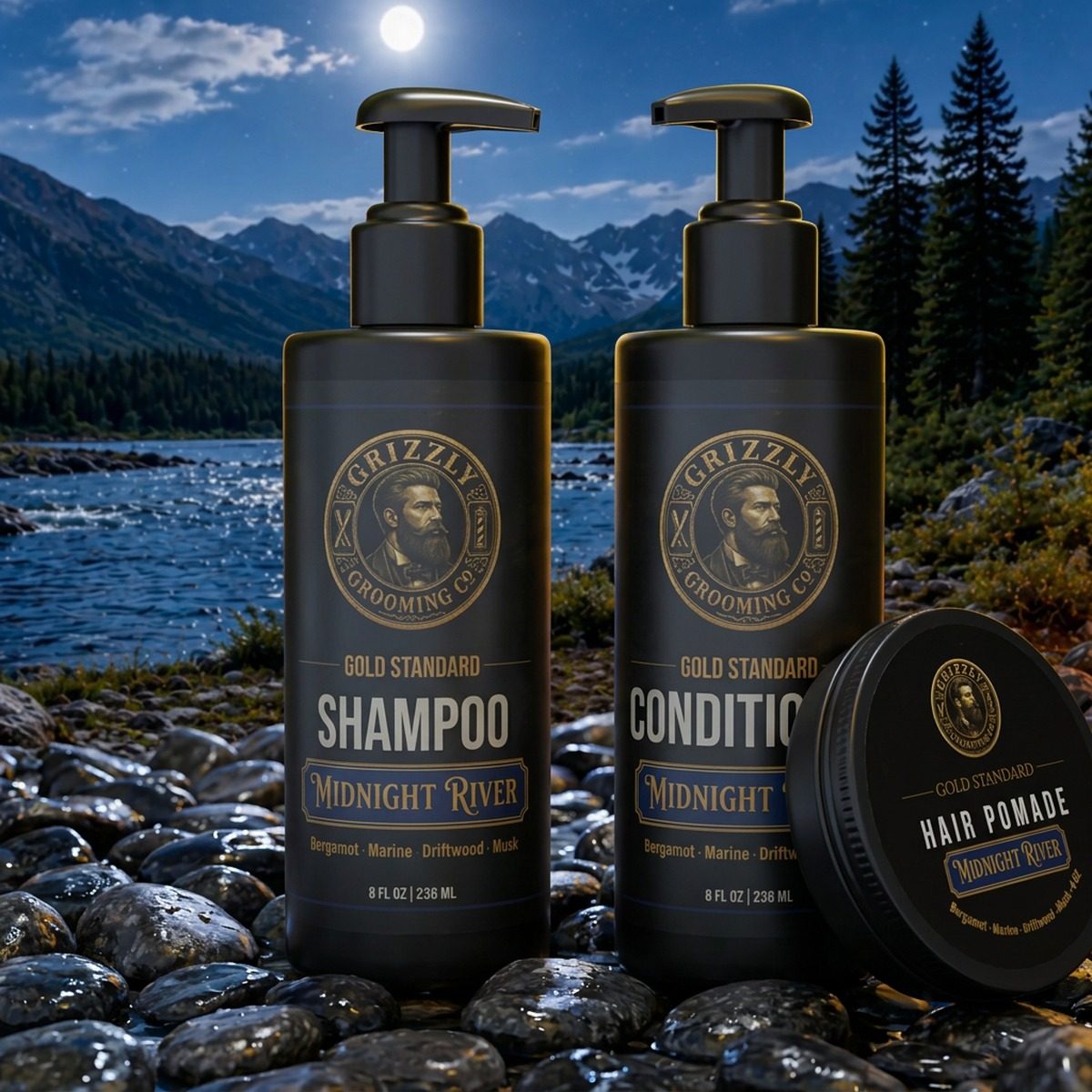
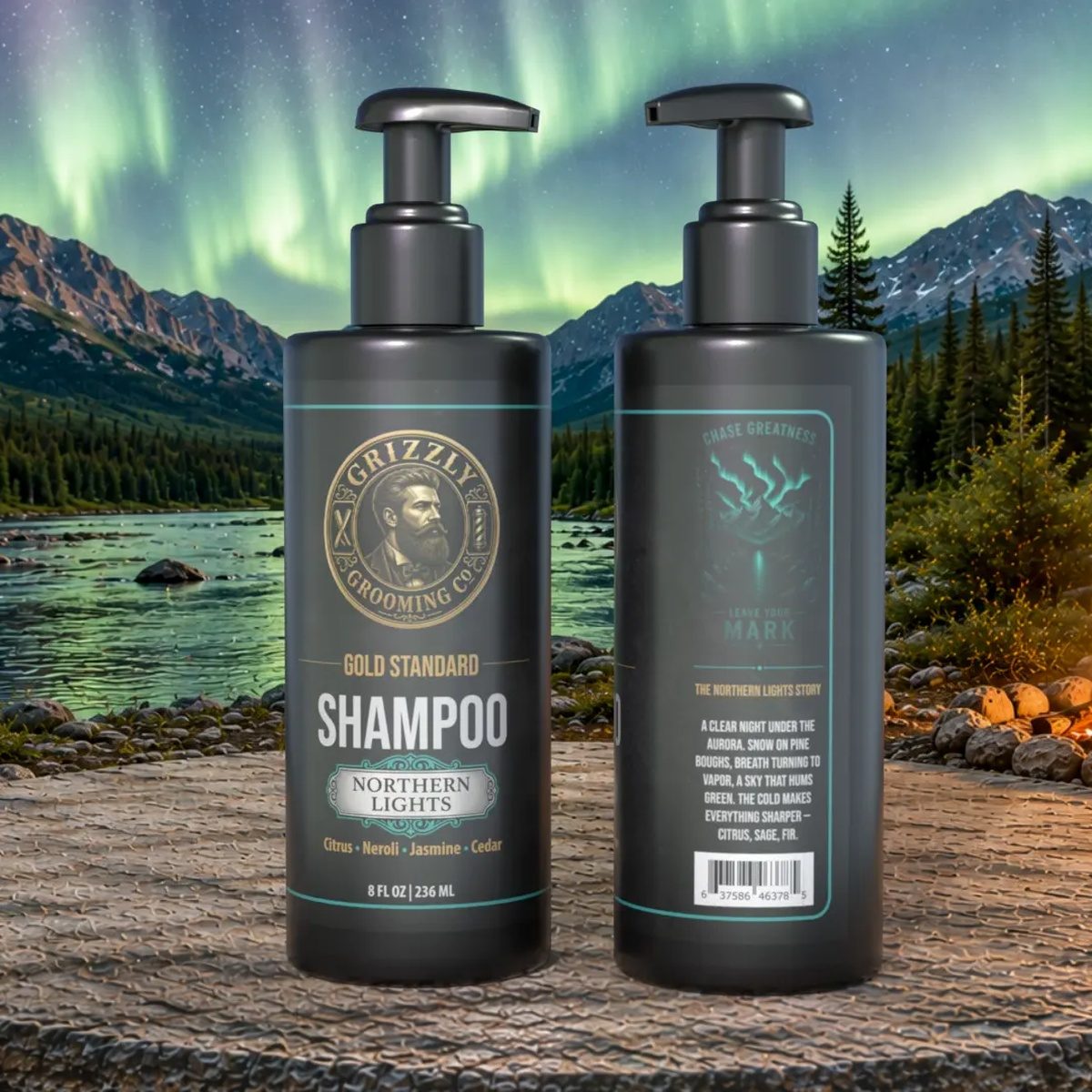
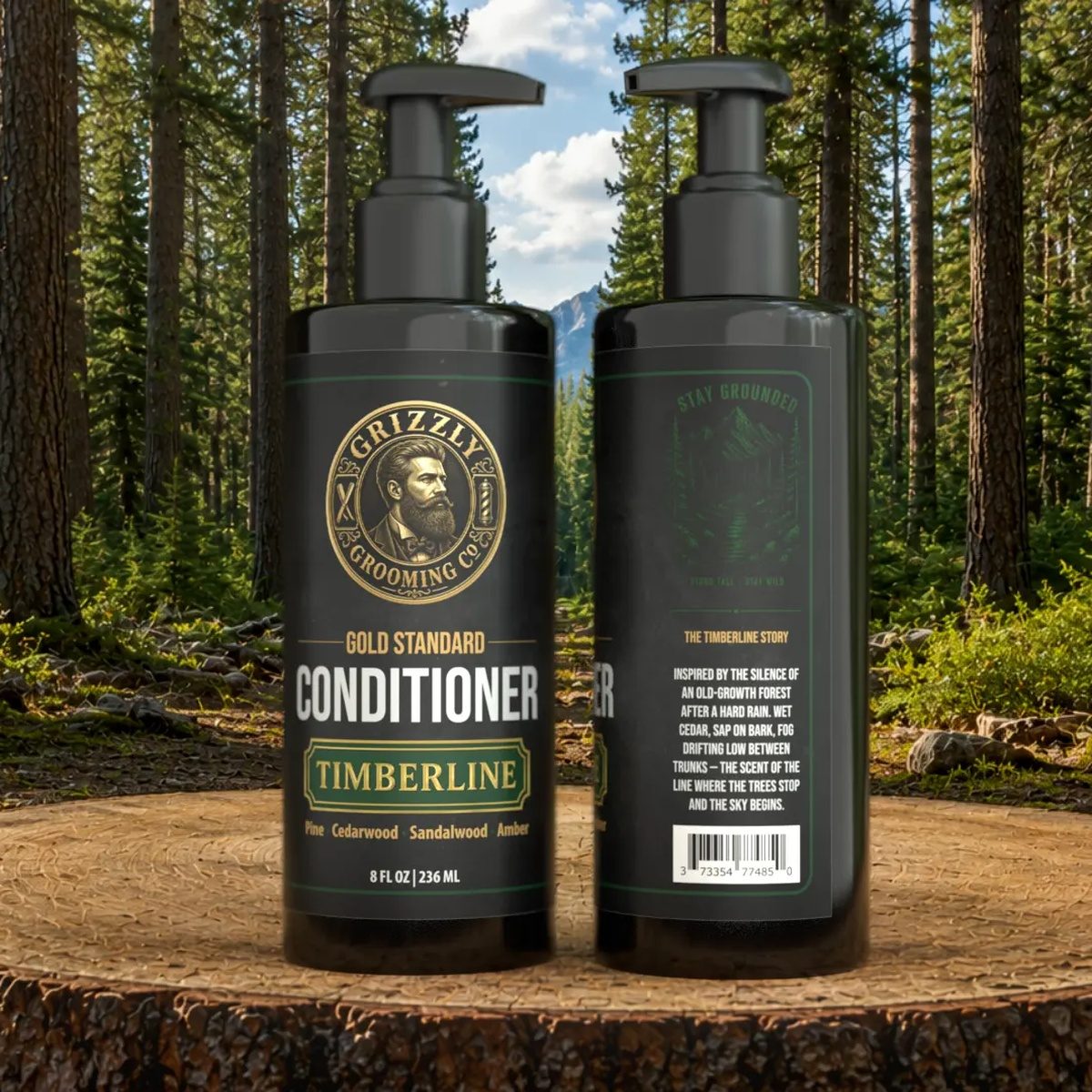
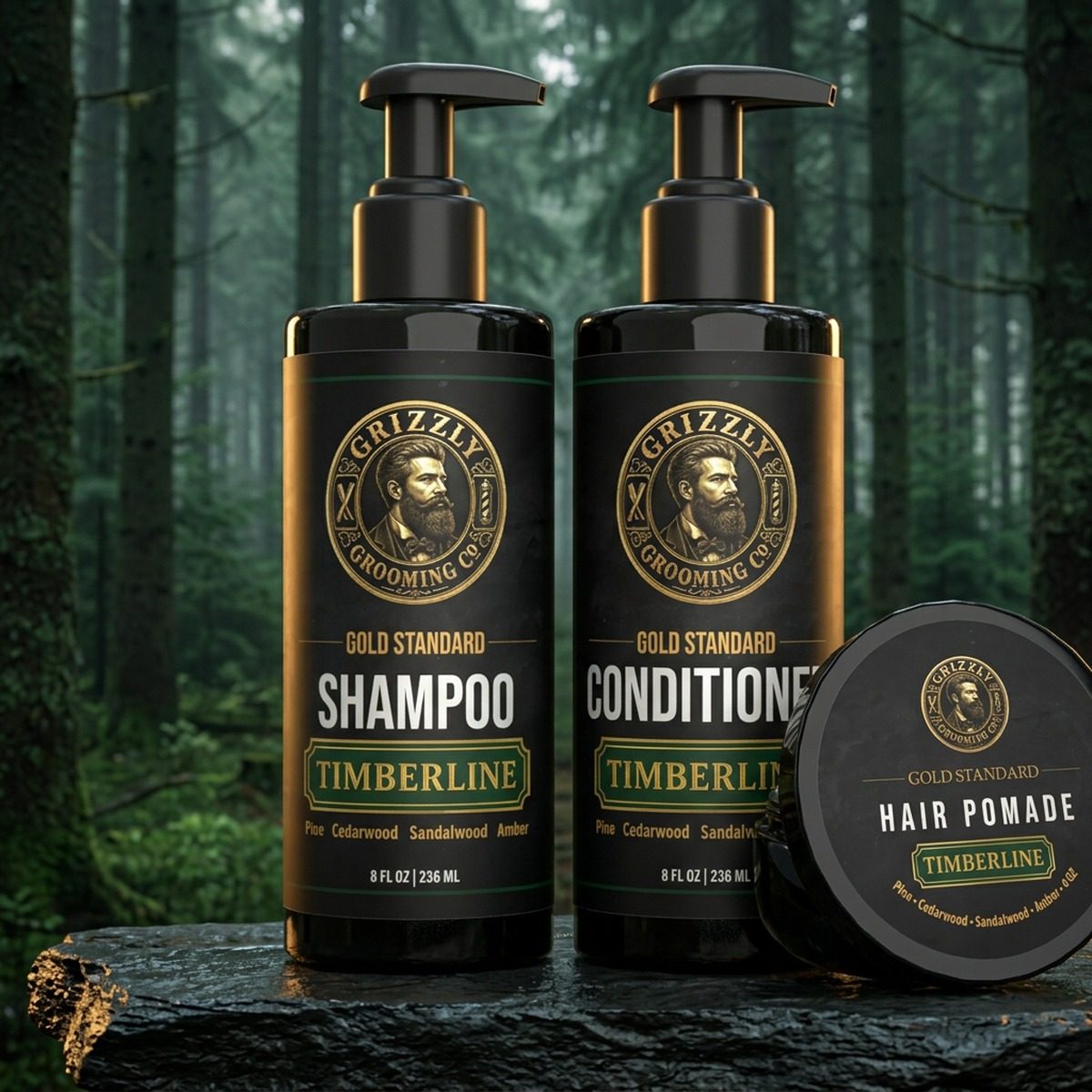
The reason curated kits exist is that most guys are shopping for an outcome, not for ingredients. A Hair Essentials Kit is built around a proven hair-day formula: sulfate-free shampoo, matched conditioner, and a signature-hold pomade tuned to work together. You skip the six-month experiment and land on a ritual that just works.
Hair Essentials Kit — shampoo, conditioner, and pomade matched into one working hair ritual.
Once your hair ritual is dialed, repeat the same approach for beard and skin. Buy the system, not the shelf.
Build the shortlist before you build the cart
Most men buy grooming products in the wrong order. They start with whatever is on sale, discover it does not suit their hair, and then buy a second product to correct the first one. Six months later the cabinet holds nine half-used containers and no routine. The fix is to write the shortlist before you shop: one cleanser, one conditioner, one leave-in or styling product, and one skin product. Four slots, nothing else, until those four are working together reliably.
Four slots forces a decision on every purchase. If a new clay wants in, it has to beat the pomade already in the styling slot on a specific measure — hold, finish, restyleability, or how it behaves on day two. That single constraint kills impulse buys faster than any budget rule, and it keeps your routine short enough that you actually complete it on a rushed weekday morning.
Fill the slots in order of impact. Cleanser first, because a stripping wash undermines every product that follows it. Conditioner or beard oil second, because hydration determines how hair takes shape. Styling product third. Skin product fourth — not because it matters least, but because the first three usually fix most of what men blame on their skin.
How to read a hold-and-finish label without guessing
Hold and finish are the two axes that describe every styling product, and brands rarely state them plainly. Hold is how much structure the product enforces once it sets: light hold moves with your hands all day, firm hold locks a shape and resents being touched. Finish is how the hair reflects light: matte reads natural and dry, shine reads deliberate and polished.
Clays and pastes sit at medium hold with a matte finish, which is why they flatter fine hair — the matte texture creates the appearance of extra body while the medium hold does not drag strands down. Pomades occupy medium-to-firm hold with visible shine, which suits thick, coarse, or wavy hair that needs weight to behave. Fibers add stringy separation and are the best answer for medium-thickness hair that goes flat by noon. Creams are the low-hold, low-shine option for men who want control without any visible product.
If a label lists neither hold nor finish, look at the first three ingredients. Wax high in the list means firm hold. Clay minerals such as bentonite or kaolin mean matte. Oils and petrolatum near the top mean shine and a product that will need a real wash to remove.
Beard density changes the answer more than beard length
Length gets all the attention, but density is what determines how much product a beard can absorb before it looks loaded. A dense two-inch beard holds more oil than a sparse four-inch beard, because there is simply more hair surface to coat. Judging your dose by length alone is why some men feel greasy at three drops while others feel dry at six.
Test density honestly: press the beard flat against your jaw in good light. If skin shows through across most of the cheek, treat it as low density — lean on lighter oils and prioritize the skin underneath, since visible skin is doing half the work of your look. If the beard blocks light almost everywhere, treat it as high density and expect to use noticeably more product, applied in two passes rather than one heavy one.
Low-density beards also benefit from matte-finish products. Shine highlights gaps by catching light unevenly across the patchy areas, while a matte conditioning layer keeps the coverage reading consistent from a normal conversational distance.
Water hardness is the hidden variable in product performance
A shampoo that felt excellent at your old address can feel like it stopped working after a move, and the usual cause is water hardness rather than a reformulation. Hard water leaves mineral deposits on the hair shaft that block conditioning agents from binding, so the same product delivers a fraction of the softness it used to.
The tells are consistent: soap that refuses to lather, a squeaky feel that never quite rinses clean, and a dull cast on both hair and beard within a few weeks. If that matches your experience, the product is not the problem and buying a richer conditioner will not solve it. A shower filter or a monthly chelating wash removes the deposits and restores the performance you were already paying for.
This is also why travel changes how your routine feels. A week in a hard-water city can make a beard feel wiry even with the same oil in the bag, which is worth knowing before you swap a formula that was working fine at home.
Scent strategy: how many fragrances can coexist
Grooming products are fragranced, and stacking four different scent profiles produces a muddled result that reads as 'too much cologne' even when you are not wearing any. The practical rule is one scent lead and everything else neutral or complementary. Let the beard oil or the cologne carry the signature, and keep the wash, conditioner, and deodorant either unscented or in the same family.
Choosing products from a single line solves this by default, which is a genuine argument for buying a matched set rather than assembling one from four brands. The formulator has already balanced the concentrations so the layers reinforce instead of compete.
If you do mix brands, sequence matters: whatever goes on last dominates. A strongly scented balm applied after a subtle cologne will overwrite it entirely, so put the fragrance you want people to notice at the end of the routine, not the beginning.
When to replace a product versus when to adjust technique
Before you replace anything, halve the dose and change the application state. Most complaints — greasy by lunch, product visible in the hair, beard feels stiff — are dose and timing problems, not formula problems. Oil applied to a towel-damp beard spreads across the whole face; the same dose on a bone-dry beard sits on the outer hairs and looks slick.
Give a genuine change two weeks before judging it. Hair and skin adapt slowly, and the first few days after switching a cleanser often feel worse as oil production rebalances. Switching again inside that window means you never learn which product was actually working.
Replace a product when the failure survives correct technique: it breaks you out repeatedly, it will not hold in your climate at any dose, or the scent genuinely bothers you. Those are formula problems. Everything else is usually the routine around it.
A simple decision path from cabinet to routine
Start with the finished look you want on a normal Tuesday, not the one from a photograph. Identify hair type and density in good light. Name your climate honestly — indoor heating in winter counts as a dry climate even in a humid state. Then pick one product per slot that matches all three, and give the set thirty days without additions.
Track two things during those thirty days: how the hair and beard look at hour eight, and how the skin underneath feels at the end of the week. Hour eight tells you whether hold and finish are right. End-of-week skin tells you whether the cleanser and oil pairing is correct. Both answers point at exactly one slot to change, which is far more useful than a general sense that something is off.
Once the four slots hold steady for a month, the routine is finished. Extras — a wax for shape, a mask for a weekly reset, a second scent for evenings — are additions to a working system rather than attempts to rescue a broken one.
Cleansers: the slot that decides everything downstream
The wash is the least glamorous product in the cabinet and the one that causes the most damage when it is wrong. A harsh sulfate cleanser strips the sebum your skin produces to protect itself, and the skin responds by producing more — which is why men with oily faces who wash aggressively stay oily. The same mechanism plays out under a beard, where stripped skin flakes and the flakes get blamed on dandruff.
For hair, a sulfate-free shampoo two to four times a week is the baseline for most men. Daily washing is only necessary if you use firm-hold product every day, work in a dusty trade, or sweat heavily through workouts. On non-wash days a rinse and conditioner keeps hair clean enough without restarting the strip-and-overproduce cycle.
For beards, use a dedicated beard wash rather than head shampoo. Beard hair is coarser and the skin beneath it is facial skin, which is thinner and more reactive than the scalp. Two or three washes a week is right for most beards; more than that in a dry climate will leave the hair brittle no matter how good the oil that follows is.
A useful test: an hour after washing, your skin should feel neutral — not tight, not slick. Tightness means the cleanser is too strong or too frequent. Slickness within the hour usually means the conditioner is too heavy for your hair, not that the wash failed.
Skin under the beard is a different product category
Men consistently treat beard care and skin care as one problem, and they are two. Beard oil conditions hair and delivers some benefit to the skin underneath, but it is not a moisturizer and it does not address texture, congestion, or sun exposure. If the skin along your cheeks is rough, red, or breaking out, the oil is not the fix.
The minimum skin routine for a bearded man is a gentle cleanser, a light moisturizer on the exposed areas, and sunscreen on days with real daylight exposure. Beards block a meaningful amount of UV on the covered skin but leave cheekbones, nose, forehead, and the neckline fully exposed — and that uneven exposure is what produces the aged look men notice in their forties and blame on the beard.
Choose a non-comedogenic moisturizer if you are prone to breakouts along the jaw, and apply it before the beard oil so it reaches skin rather than sitting on top of an oil layer. The order is cleanser, moisturizer, beard oil, then balm or butter if you use one.
Budget: where spending more actually returns something
Price and quality are loosely correlated in grooming, and the correlation is strongest in two categories. Carrier oils are the first: cold-pressed argan, jojoba, and apricot kernel cost real money, and formulas built on them behave noticeably differently from ones cut with mineral oil or fractionated filler. The second is anything you leave on the skin all day, where cheap fragrance and cheap preservatives cause most reactions.
Where spending more returns least: styling products past the mid tier, body wash, and anything sold primarily on packaging. A twelve-dollar clay and a forty-dollar clay with the same hold and finish will perform within a rounding error of each other on most heads of hair.
Think in cost per use rather than cost per bottle. A beard oil at four drops a day from a one-ounce bottle lasts roughly two months, which turns a premium price into a per-day cost lower than a coffee. A styling product used in pea-sized amounts lasts longer still. The expensive products in most cabinets are the ones bought twice because the first one was wrong.
Seasonal switching without rebuying the whole cabinet
You do not need two complete routines for summer and winter. In practice, two slots change with the season and two do not. The conditioning slot goes richer in cold, dry months and lighter in humid ones. The styling slot moves toward matte and firmer hold in humidity, and toward more forgiving finishes in dry cold when static and flyaways are the problem.
Cleanser and skin products generally stay the same year-round, with frequency doing the adjusting: wash slightly less often in winter, slightly more after summer sweat. Changing all four slots at once in October is how men end up unable to tell which change helped.
If you keep a summer and a winter beard oil, use the transitional weeks to blend rather than swap — a few days of alternating lets skin adjust to the heavier formula without the congestion that an abrupt switch sometimes triggers along the jaw.
Common mistakes that look like product failures
Applying styling product to soaking-wet hair dilutes it and halves the hold; towel-damp is the target for creams and clays, and fully dry for most pomades and pastes. Men who conclude a clay has no hold are frequently applying it to hair still dripping from the shower.
Rubbing product between the palms and dropping it onto the top of the head leaves the roots untouched, which is where lift and structure come from. Work from the back and underside outward, then shape the surface last.
Layering two products with competing finishes — a matte clay under a shine pomade — cancels both and looks unintentional. Pick one finish per look.
Judging a beard oil in the first ten minutes. Carrier oils need roughly twenty minutes to absorb; a beard that feels oily immediately after application is usually normal, and a beard that still feels oily an hour later is over-dosed.
Frequently Asked Questions
Pomade vs clay vs cream — which one should I use?+
Pomade: thick or coarse hair, needs shine and hold. Clay: fine hair, needs matte volume and grip. Cream: any hair type, needs a soft natural look. If in doubt, start with clay.
How do I know if a product is right for my skin type?+
Oily skin: matte, non-comedogenic, water-based. Dry skin: cream-based, richer oils, hyaluronic acid. Combination: gel cleanser + lightweight moisturizer. Sensitive: fragrance-free where possible.
Are luxury grooming products actually worth the price?+
Sometimes. What you're paying for should be ingredient quality (cold-pressed oils, higher active concentrations) and formulation, not packaging. Read the first three ingredients — they tell you almost everything.
Can I mix products from different brands?+
You can, but you're gambling on chemistry. Matched systems are formulated to layer without pilling, clashing, or canceling each other out. Kits exist because they take the guesswork out.
How many grooming products does a man actually need?+
Four: a cleanser, a conditioner or beard oil, a styling product, and a skin product. Anything beyond that is an addition to a working routine, not a requirement. Most cabinets are overfull because men buy a second product to fix the first one instead of correcting dose or technique.
Should I buy all my grooming products from one brand?+
It helps for two reasons: the scents are formulated to layer rather than clash, and the products are designed around the same base oils so they do not fight each other on the hair. Mixing brands works, but keep the fragrances in one family and let the last product applied carry the signature.
How do I know if a product suits my hair type?+
Judge at hour eight, not at the mirror. Fine hair paired with a heavy pomade looks flat and greasy by mid-afternoon; coarse hair with a light cream loses shape by lunch. If the look holds through a full day without touch-ups, hold and finish are matched correctly.
Does climate really change which products I should use?+
Yes. Dry air pulls moisture out of hair and skin, so richer oils and heavier conditioners perform better; humid air swells the hair shaft, so lighter matte formulas hold longer. Indoor heating creates a dry climate in winter regardless of where you live.
How long should I use a new product before deciding it does not work?+
Two weeks at the correct dose. Skin and hair rebalance slowly after a change, and the first few days after switching cleansers often feel worse before they feel better. Switching again inside that window means you never learn which product actually helped.
Why did my shampoo stop working after I moved?+
Almost always water hardness. Mineral deposits from hard water coat the hair shaft and block conditioning agents from binding, so the same product delivers less softness. A shower filter or a monthly clarifying wash restores performance without changing products.
Is expensive grooming product worth it?+
In two categories, yes: leave-on products built on real cold-pressed carrier oils, and anything that sits on your skin all day, where cheap fragrance and preservatives cause most reactions. Styling products above the mid tier return very little. Judge by cost per use — a one-ounce beard oil at four drops a day lasts about two months.
How often should I wash my hair and beard?+
Hair: two to four times a week with a sulfate-free shampoo, more only if you use firm-hold product daily or sweat heavily. Beard: two or three times a week. An hour after washing your skin should feel neutral — tightness means the cleanser is too strong or too frequent.
Do I need skin care if I already use beard oil?+
Yes. Beard oil conditions hair and helps the skin underneath, but it is not a moisturizer and does no sun protection. Cheekbones, nose, forehead, and neck stay exposed even under a full beard. Apply moisturizer before the oil so it reaches skin instead of sitting on an oil layer.
Do I need different products for summer and winter?+
Only two slots change: conditioning goes richer in dry cold and lighter in humidity, and styling shifts toward matte firm hold when it is humid. Cleanser and skin products stay the same, with frequency doing the adjusting. Changing everything at once makes it impossible to tell what helped.
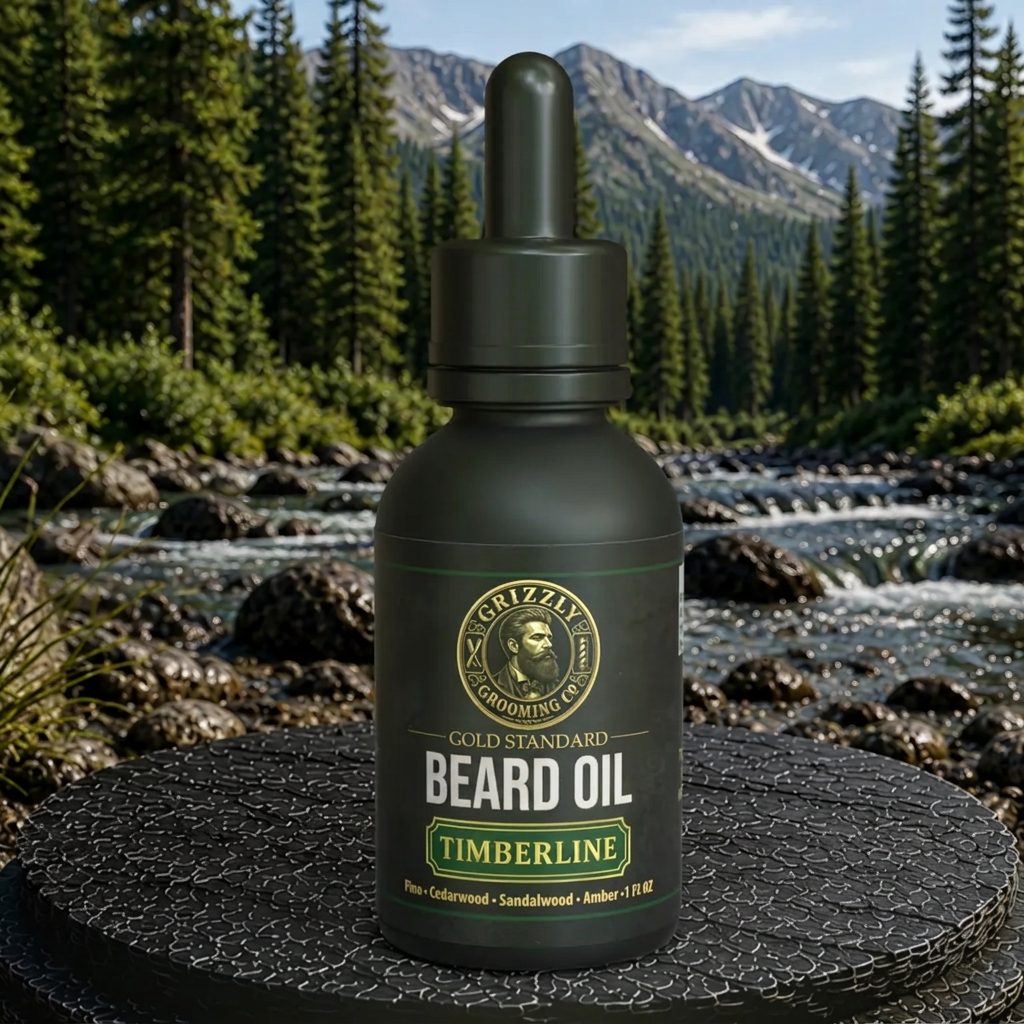
"Followed the ritual in this article for 6 weeks — beard is thicker, softer, and the itch is gone. My wife keeps stealing my Timberline oil for the smell."
Join The Grizzly Brotherhood
Scent guides, grooming tips, and early access to new drops. No discount bait — just the good stuff.
Unsubscribe anytime · No spam
Get Gold Standard Hair Essentials Kit
- Everything in this article, one click.
- Built for a complete daily ritual.
- 30-day money-back guarantee.
Related Guides
Morning, evening, and weekly — in the right order.
Nine-oil breakdown, what to avoid on a label, and how to judge a formula.
Butter-forward vs wax-forward, hold levels, and the layering test.
The wash, condition, and oil sequence that changes coarse hair.
Neckline, cheekline, and the cleanup that keeps length.
What actually moves the needle across a full growth cycle.
Every oil we use, why it's in there, and how we compare.
Assemble a kit around your beard length and skin type.
Sources & Research
- International Journal of Molecular Sciences — Anti-Inflammatory and Skin Barrier Repair Effects of Topical Application of Some Plant Oils
- Indian Journal of Dermatology — Moisturizers: The Slippery Road
- American Academy of Dermatology — Face Washing 101
- American Academy of Dermatology — Dermatologists' Tips for Relieving Dry Skin
- Grizzly Grooming Co. formulation notes and batch testing records