How Often Should You Oil Your Beard? The Definitive Answer
- ›Once per day is the answer for 90% of men.
- ›Twice per day (morning + night) for long beards or dry climates.
- ›Apply to a damp beard after washing or a warm rinse — always.
Beard oil frequency is the most-asked question in our inbox, and the answer is boringly simple. Once a day, every day, on a damp beard. If your beard is very long or you live somewhere dry, add a lighter second application at night.
The dose-by-length chart
- ›Stubble (under 1 week): 1–2 drops.
- ›Short beard (1–4 weeks): 3–4 drops.
- ›Medium beard (1–3 months): 5–7 drops.
- ›Long beard (3+ months): 8–12 drops, often split AM/PM.
Timing beats frequency
The single biggest lever is not how often — it's whether the beard is damp when you apply. Damp hair is porous. Dry hair is closed. Same dose applied damp goes 3x further than applied dry.
The greasy test
If your beard looks wet an hour after applying, cut the dose in half tomorrow. If it feels straw-dry by lunchtime, add a drop. Your beard tells you the right number within a week.
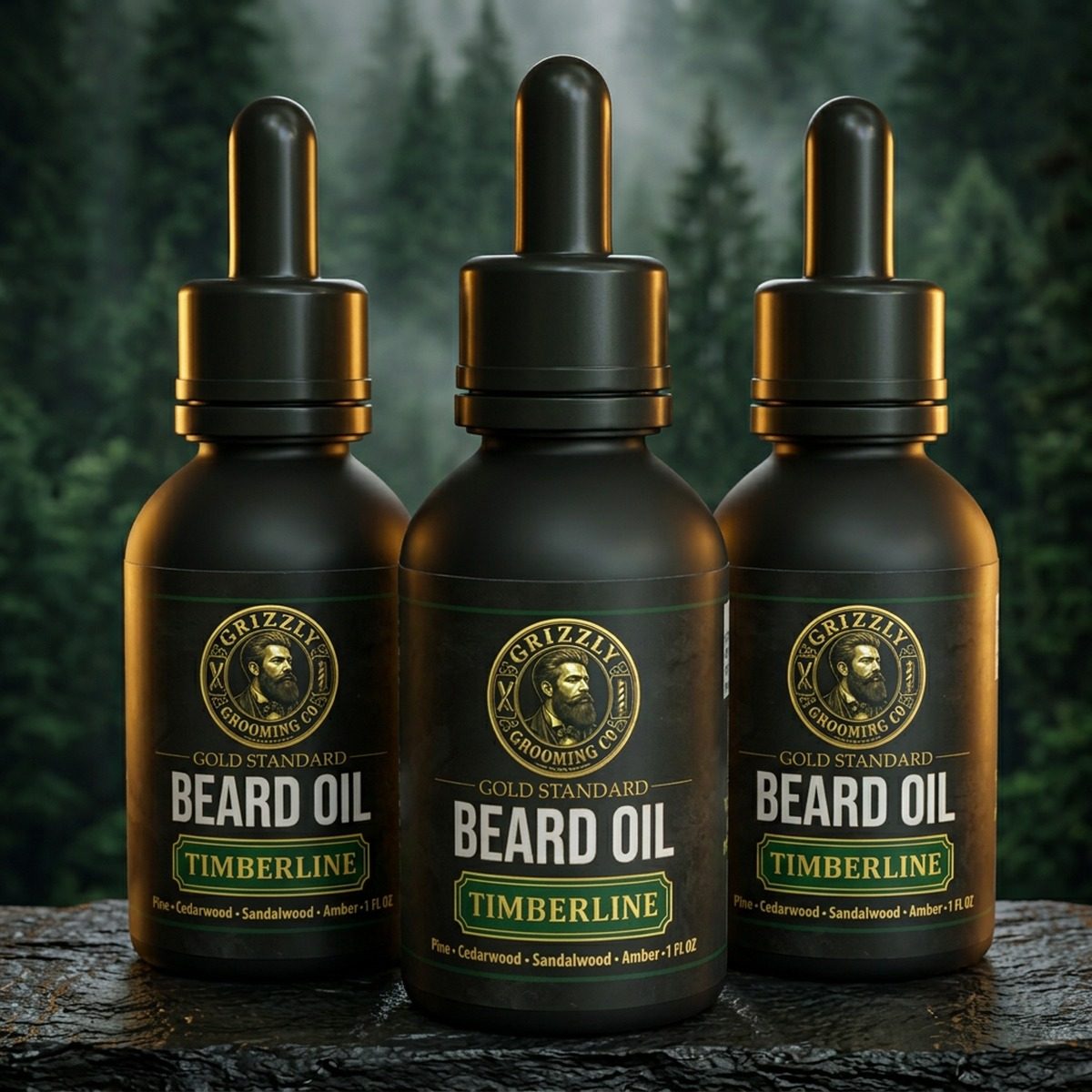
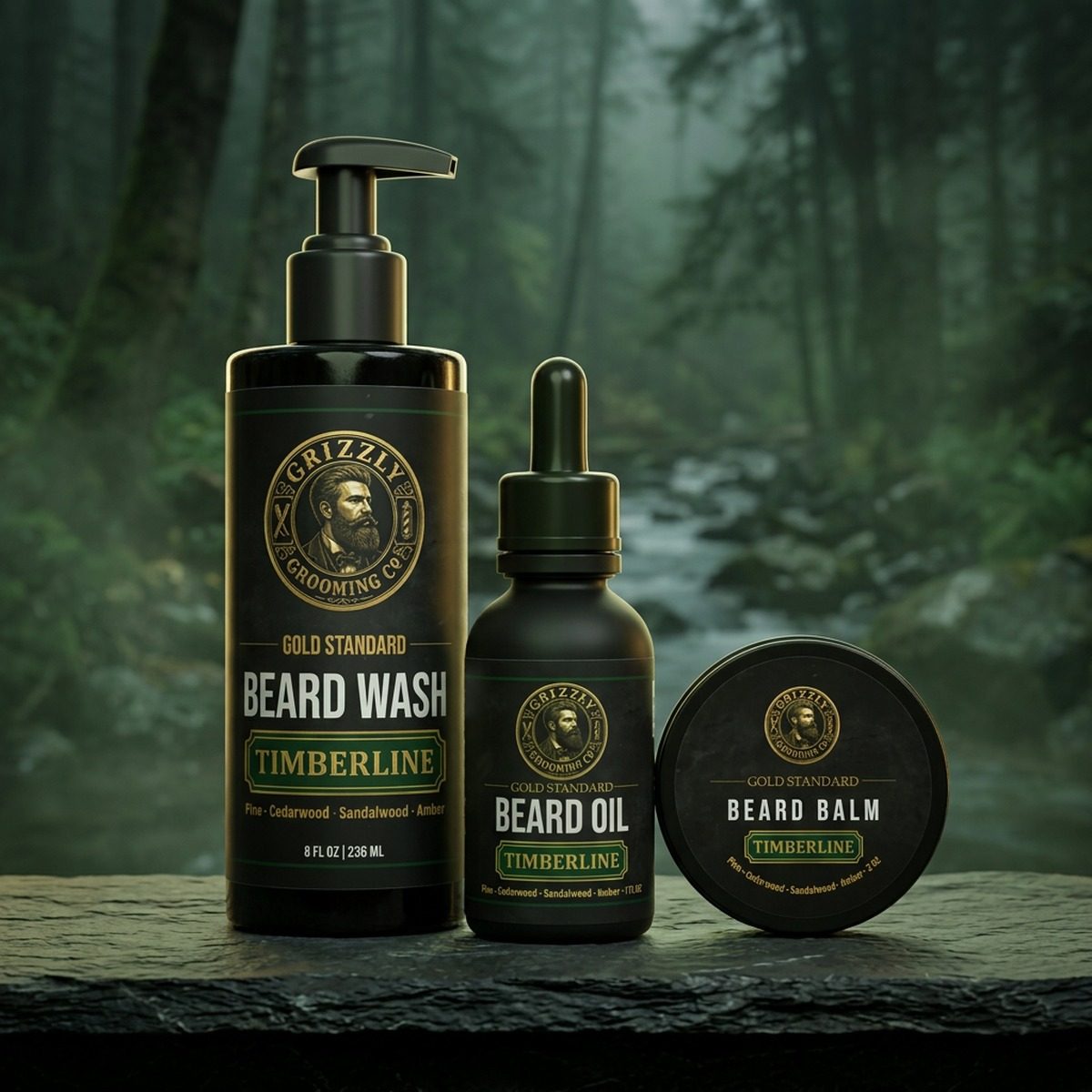
Three-Pack Beard Oil Bundle — a scent for every mood, three months of daily conditioning.
Twice-daily oiling: when it makes sense
Once a day, on a damp beard after the shower, is the default that suits most men. A second application earns its place in three situations: the first three weeks of growth when itch is at its worst, winter when indoor heating drives humidity into the twenties, and beards past six inches where the ends are far from any sebum supply.
The evening dose should be smaller than the morning one — roughly half. Overnight is when skin loses the most water, so a light layer before bed does more work per drop than the same amount does at noon.
Adjusting for climate and season
Dry, cold, and high-altitude air all increase the dose. In winter, add a drop or two and consider a second application. In humid summer air, drop back — a hydrated beard still frizzes less than a dry one, but it needs less to get there.
Sweat is its own variable. After training, rinse with water and reapply; the sweat residue left on the hair is salt, and salt pulls moisture out of the shaft it is sitting on.
What over-oiling actually looks like
Over-oiling is less common than men fear, and it has a clear signature: visible shine at the cheeks within an hour, oil transferring to a collar or pillow, and a heavy feel at the roots. Skin does not 'stop producing sebum' because you applied oil — that idea has no basis.
If those signs are present, drop one drop and hold for a week rather than stopping entirely. Most cases resolve at a lower dose with the same frequency, not by oiling less often.
Oiling around workouts and swimming
Sweat residue is salt, and salt draws moisture out of the hair it dries on. Rinse with water within about thirty minutes of training and reapply a normal dose to the damp beard — this is one of the few times a same-day second application is clearly warranted.
Before swimming, saturate the beard with clean water and apply a light layer of oil. Hair already full of clean water absorbs far less chlorinated water, and the oil adds a physical barrier. Rinse immediately after getting out.
Building the habit so it actually happens
Frequency only matters if it happens, and the reliable trick is placement rather than motivation. Keep the bottle where the towel is, apply within a minute of drying off, and comb straight after. Attached to an existing action, the habit survives busy weeks.
Refill before you run out. Running dry mid-week is the most common way a daily habit lapses, and a week off is usually enough to lose it entirely.
Keep reading
Oiling frequency for beards grown for events or photos
If you are conditioning a beard ahead of a wedding, photoshoot, or other specific date, a short-term increase in oiling frequency in the final week can improve shine and softness noticeably, more than a last-minute product switch would. Add a light midday application on top of your normal morning and evening routine for the final five to seven days.
This is a short-term tactic, not a permanent frequency change — sustaining three-times-daily oiling long-term risks the greasy, over-conditioned look this guide otherwise warns against. Return to your normal schedule the week after the event.
Why frequency alone does not fix a poorly chosen oil
Oiling more often cannot compensate for a formula built on cheap filler oils or heavy synthetic fragrance — it just delivers more of a mediocre product to the skin, sometimes worsening irritation rather than improving conditioning. Frequency and formula quality are separate levers, and men troubleshooting a beard that still feels rough despite frequent oiling often need to look at the ingredient list rather than the clock.
Before increasing frequency further on an oil that is not delivering results, confirm the oil itself has argan or jojoba near the top of its ingredient list. If it does not, a formula change is likely to help more than another daily application would.
Fitting oiling frequency around facial hair removal near the beard line
Men who shape a beard neckline or cheek line with a razor need to account for freshly shaved skin when timing their oil application. Applying oil immediately onto freshly razor-shaved skin can sting and, in some cases, clog freshly opened follicles, contributing to ingrown hairs along the neckline.
Wait at least twenty to thirty minutes after shaving a neckline before applying beard oil to that section, and consider a lighter, fragrance-free option specifically for that strip of skin if it tends to react. The rest of the beard can follow its normal oiling schedule unaffected.
Adjusting oiling when you have a cold or seasonal allergies
Frequent nose-blowing and mouth-breathing during a cold or an allergy flare-up both increase friction and dryness on the skin directly under the nose and around the mustache, an area that can end up needing attention outside your normal oiling schedule. Repeated tissue use in particular can leave that specific patch of skin raw well before the rest of the beard shows any dryness.
During a cold, a light extra application focused on the area around the nose and upper lip, applied as needed rather than on a fixed schedule, addresses this localized dryness without changing your normal once- or twice-daily routine for the rest of the beard. This is a temporary adjustment tied to the illness, not a permanent frequency change.
Oiling around facial piercings
A piercing through the lip, septum, or elsewhere near the beard line introduces a healing or semi-healed puncture that needs different handling than intact skin, since introducing oil directly into a piercing before it has fully healed can trap bacteria and slow healing. Even with a fully healed piercing, jewelry can trap product residue in a way that intact skin does not.
Apply oil to the surrounding beard as normal but avoid working it directly into an unhealed piercing, and wipe down jewelry separately during your routine to prevent product buildup around the metal. Once a piercing is fully healed, this precaution matters less, but it is worth maintaining as a habit regardless.
A week-by-week calibration plan for a first bottle of beard oil
Rather than guessing at the right frequency and dose from day one, a structured first month removes most of the trial and error. Week one: apply once daily at the low end of your length tier and simply observe how the beard feels by evening without adjusting anything yet. Week two: add a drop if it felt dry, or remove one if it looked shiny within an hour.
Week three: hold whatever dose you landed on from week two and confirm it feels right across several different days, including a workout day and a lazier day. Week four: consider whether a second, lighter evening application is worth adding based on how the beard has behaved so far. By the end of the month, most men have a dose and frequency they no longer need to think about.
Attaching oiling to a broader daily habit stack
Beard oil sticks as a habit more reliably when it is chained to other things you already do every day without fail, rather than treated as a standalone task competing for attention on its own. Common effective anchors include right after brushing your teeth, immediately after your final coffee is poured, or right before putting on shoes to leave the house.
The specific anchor matters less than its consistency — pick something you genuinely do every single day, not something aspirational like a workout you sometimes skip. A habit stacked onto a guaranteed daily action survives busy weeks far better than one relying on remembering a separate step.
Frequently Asked Questions
Should I oil my beard after a workout?+
Yes. Rinse within about thirty minutes to clear sweat residue, then apply a normal dose to the damp beard.
How do I remember to oil my beard daily?+
Attach it to drying off — keep the bottle with the towel and apply within a minute of the shower, then comb through.
Should I oil my beard every day?+
Yes, once a day on a damp beard after the shower. Add a smaller second application in winter, during the first weeks of growth, or on beards past six inches.
Can you over-oil a beard?+
You can over-dose it. The signs are shine within an hour and transfer to your collar. Reduce by one drop rather than skipping days.
Is it better to oil at night or in the morning?+
Morning on damp skin is the priority. Night is a useful addition because skin loses the most water overnight.
Can I use beard oil every day forever?+
Yes. It's the whole point. Daily oil is what keeps a mature beard from getting brittle.
Morning or night?+
Morning if you pick one. Night is a bonus for long beards or dry climates.
Can I use beard oil on stubble?+
Yes — one to two drops. It hydrates the facial skin and reduces stubble itch.
Is it possible to oil too many times in one day?+
Yes, beyond twice a day for most beards there are diminishing returns and rising odds of a greasy look and clogged pores. The exceptions covered above — event prep, post-workout, or pre-swim — are short-term situations, not a signal to permanently oil three or more times daily.
Should oiling frequency change if I start using a beard balm regularly?+
Not necessarily. Oil and balm serve different jobs — oil conditions, balm styles and holds — so adding balm to your ritual does not reduce the need for daily oil underneath it. Balm is applied after oil, not instead of it.
Does a humidifier at home change how often I need to oil?+
Yes, in the direction of less frequently. A humidifier raises indoor humidity closer to what your skin experiences outdoors in milder climates, which can reduce the need for a second daily application in winter. Monitor how the beard feels for a week after adding one before adjusting your schedule.
Should I oil my beard differently when I have a cold?+
Add a light extra application focused around the nose and upper lip as needed, since frequent tissue use and mouth-breathing dry that area faster than the rest of the beard. Keep your normal schedule for the rest of the beard unchanged.
Can I apply beard oil directly onto a facial piercing?+
Avoid working oil directly into an unhealed piercing, since it can trap bacteria and slow healing. Oil the surrounding beard as normal and wipe jewelry separately to prevent product buildup, even once the piercing has fully healed.
What is a good way to find my ideal oiling schedule as a first-time buyer?+
Run a simple four-week plan: start low and observe in week one, adjust the dose in week two, confirm it across different days in week three, and decide on a second evening application in week four based on how the beard has behaved.
"Best grooming purchase I've made all year. The scent alone is worth it — everything else is a bonus."

Join The Grizzly Brotherhood
Scent guides, grooming tips, and early access to new drops. No discount bait — just the good stuff.
Unsubscribe anytime · No spam
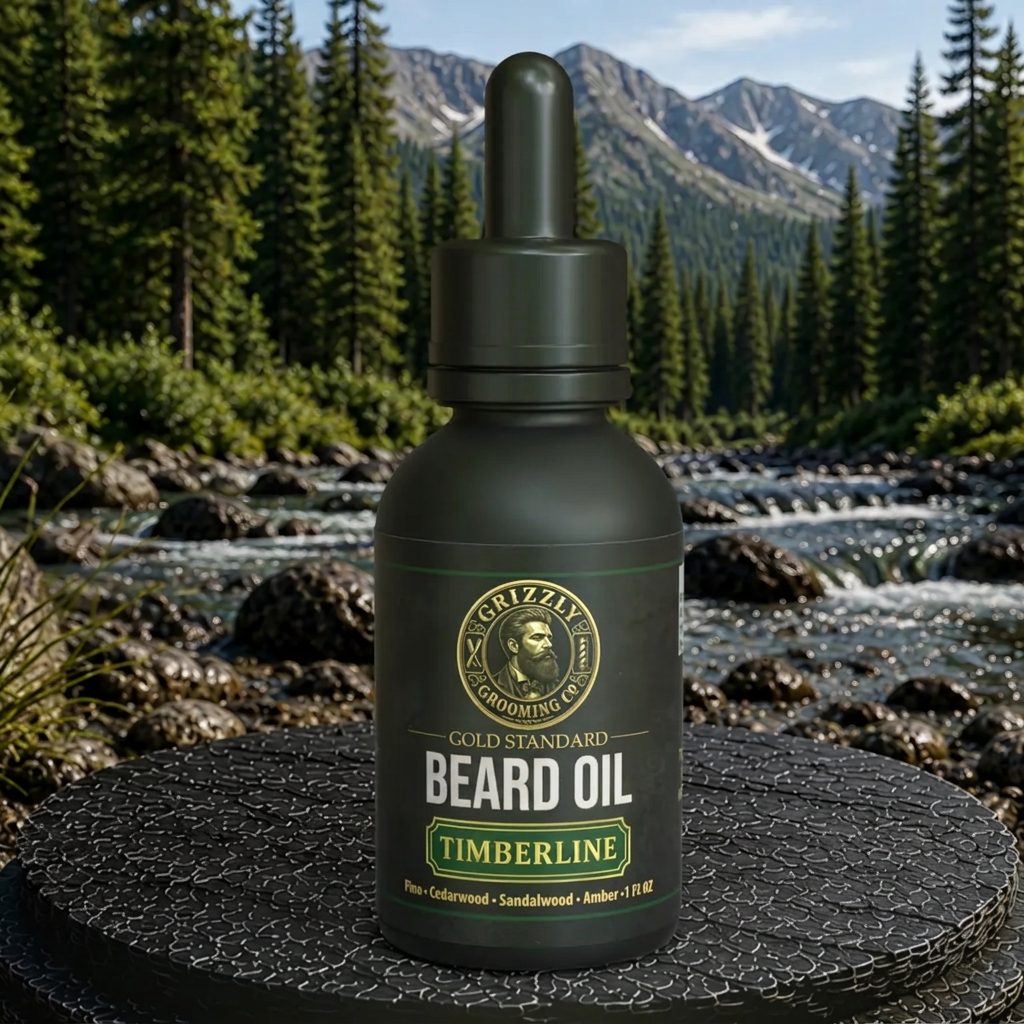
Get Gold Standard Beard Oil
- Everything in this article, one click.
- Built for a complete daily ritual.
- 30-day money-back guarantee.
Related Guides
What each carrier oil does once it hits skin and hair.
Cadence and dose by beard length and climate.
Which one your beard needs, and why most men eventually need both.
Flaking, tightness, and the oils that repair the barrier underneath.
How scent families wear on a beard through the day.
Every oil we use, why it's in there, and how we compare.
The wash, condition, and oil sequence that changes coarse hair.
Assemble a kit around your beard length and skin type.
Sources & Research
- International Journal of Molecular Sciences — Anti-Inflammatory and Skin Barrier Repair Effects of Topical Application of Some Plant Oils
- Indian Journal of Dermatology — Moisturizers: The Slippery Road
- American Academy of Dermatology — Face Washing 101
- American Academy of Dermatology — Dermatologists' Tips for Relieving Dry Skin
- Grizzly Grooming Co. formulation notes and batch testing records