Hard Water Is Probably Ruining Your Hair and Beard
- ›Calcium and magnesium bind to the hair shaft and leave a mineral film that product cannot penetrate.
- ›The signs are stiff hair, dullness, poor lather, and conditioner that seems to stop working.
- ›A chelating wash removes buildup; ordinary shampoo does not.
- ›A shower filter prevents it, but needs replacing on schedule to keep working.
- ›A weekly dilute vinegar rinse is a cheap and effective interim fix.
If your beard suddenly feels like straw despite an unchanged routine, and your conditioner appears to have stopped doing anything, water chemistry is a strong suspect. Roughly eight in ten American households have hard water, and the effect on hair is cumulative and easy to misattribute to product.
What hard water does to the shaft
Hard water carries dissolved calcium and magnesium. Those ions bind to the negatively charged surface of the hair, particularly where the cuticle is already damaged, and build a mineral film. The film raises the cuticle, dulls light reflection, and blocks conditioning ingredients from reaching the cortex. Over months it also makes the hair measurably more brittle.
How to confirm it
Soap that will not lather well, white scale on the shower head and taps, spotting on glassware, and hair that feels rough immediately after washing are the practical tells. A cheap test strip from a hardware store gives you the number: anything above roughly 120 mg/L calcium carbonate counts as hard.
Removing existing buildup
Ordinary shampoo cannot lift bound minerals. A chelating shampoo containing EDTA or a similar agent binds the ions and rinses them away — used once every week or two, it resets the shaft. It is stripping, so always follow with a proper conditioner.
The household version is an apple cider vinegar rinse: one part vinegar to four parts water, poured through after washing, left for a minute, then rinsed. The acidity dissolves mineral deposits and flattens the cuticle. Once a week is plenty.
Preventing it
A shower head filter with KDF-55 or activated carbon media reduces mineral and chlorine load meaningfully. The important part is the replacement schedule — a spent filter does nothing, and most need changing every four to six months.
Rebuild after you strip
Once the buildup is gone, product finally penetrates again, so this is the moment for a real conditioning pass: a beard conditioner or hair mask, then a leave-in oil to seal. Men are often surprised at how much better their existing products suddenly perform.
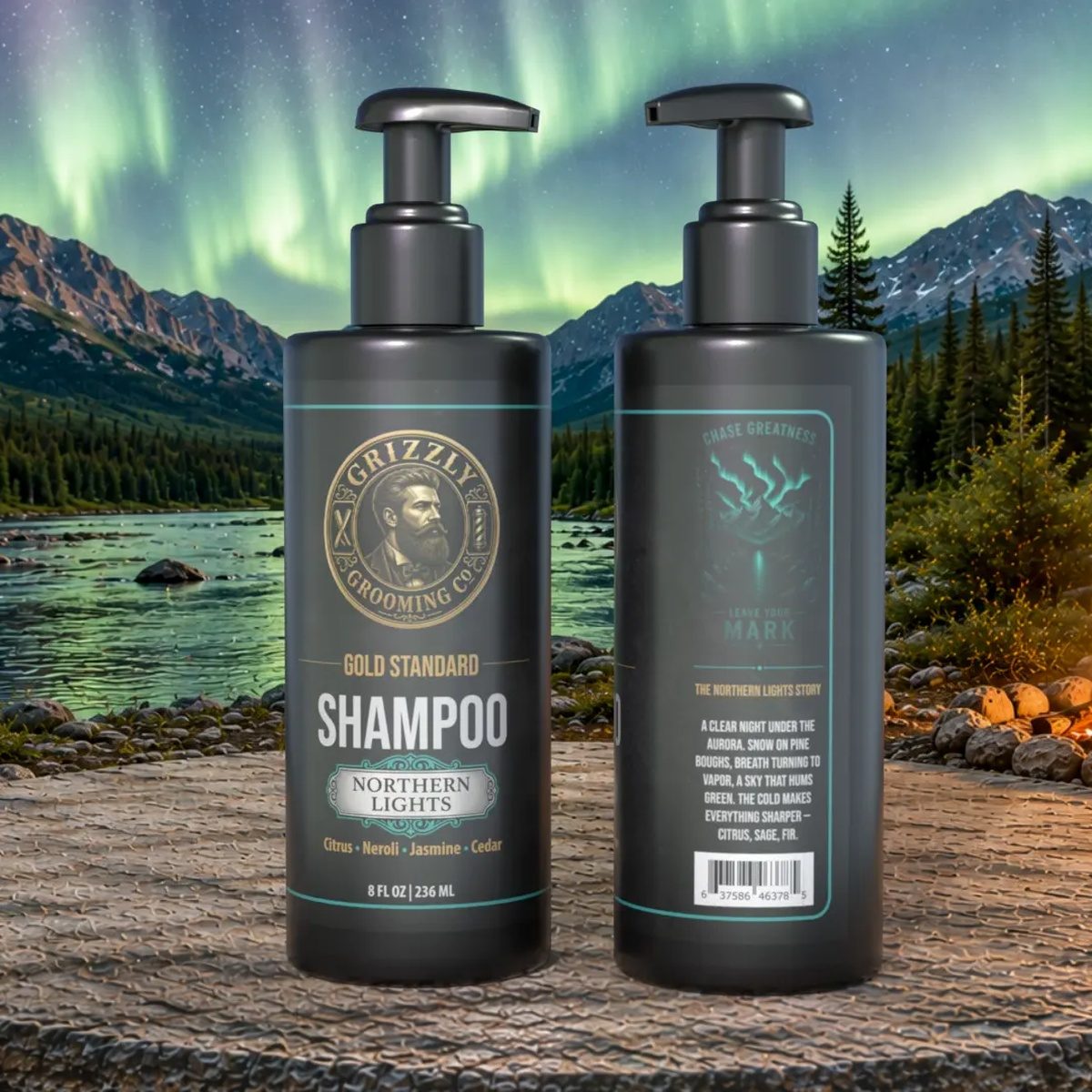
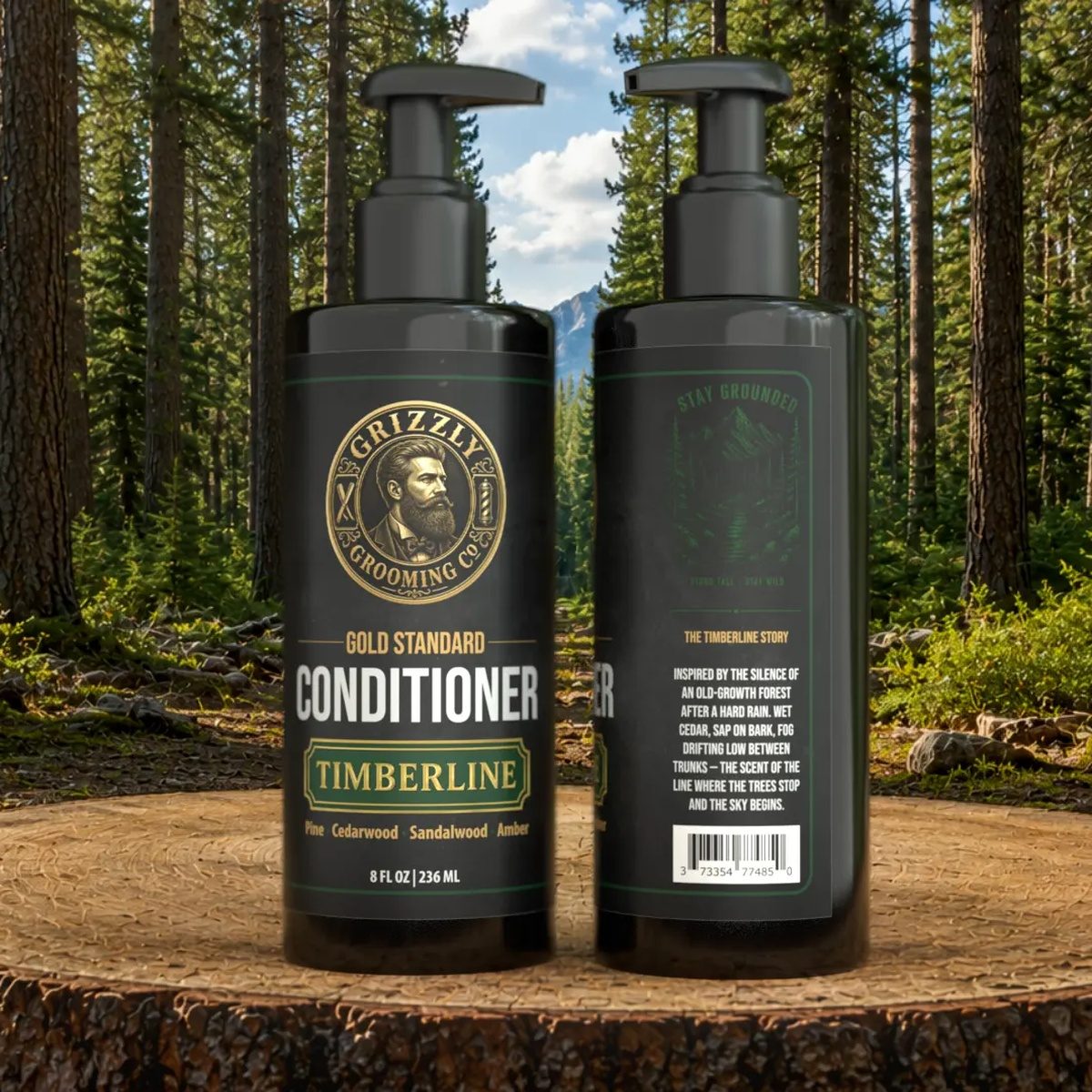
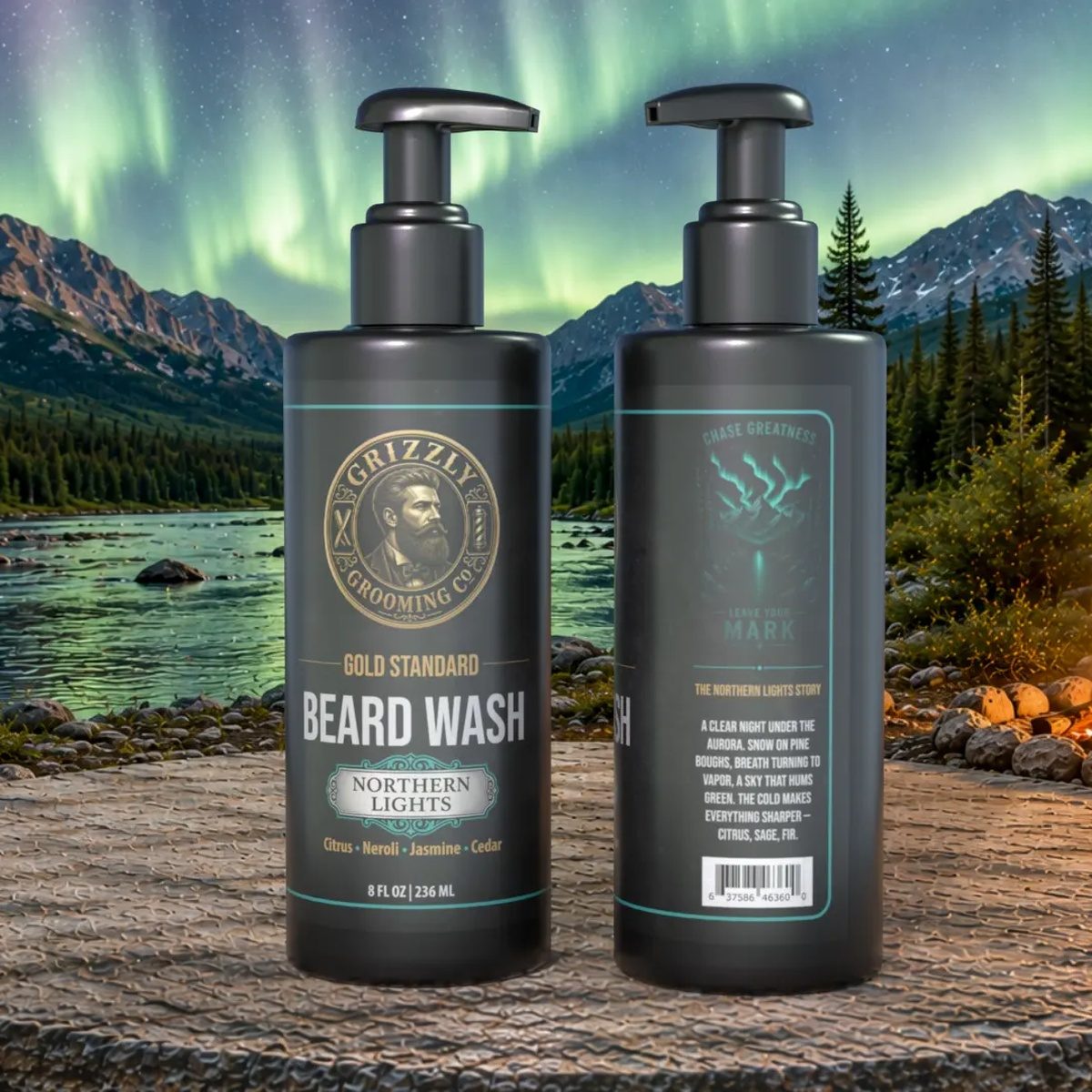
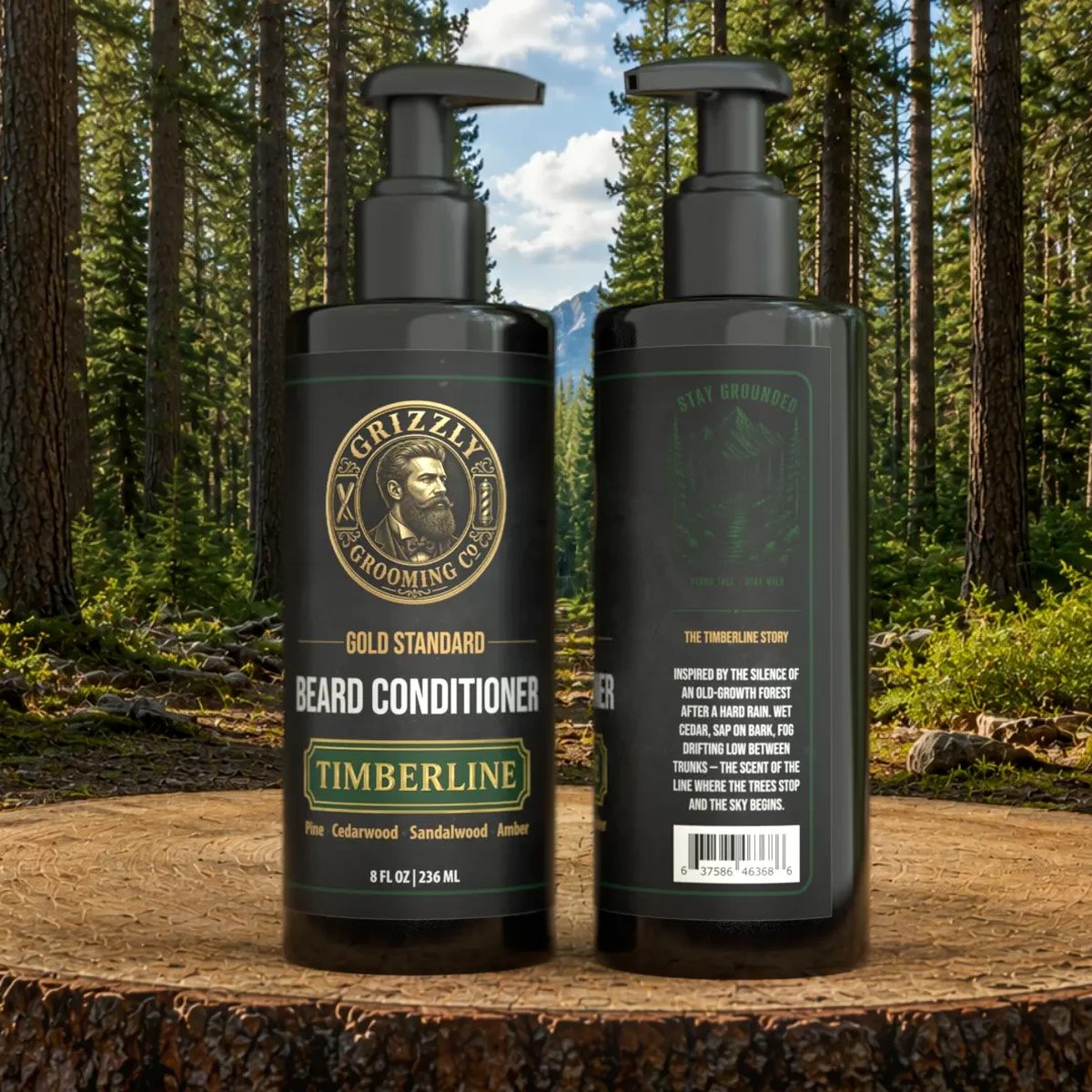
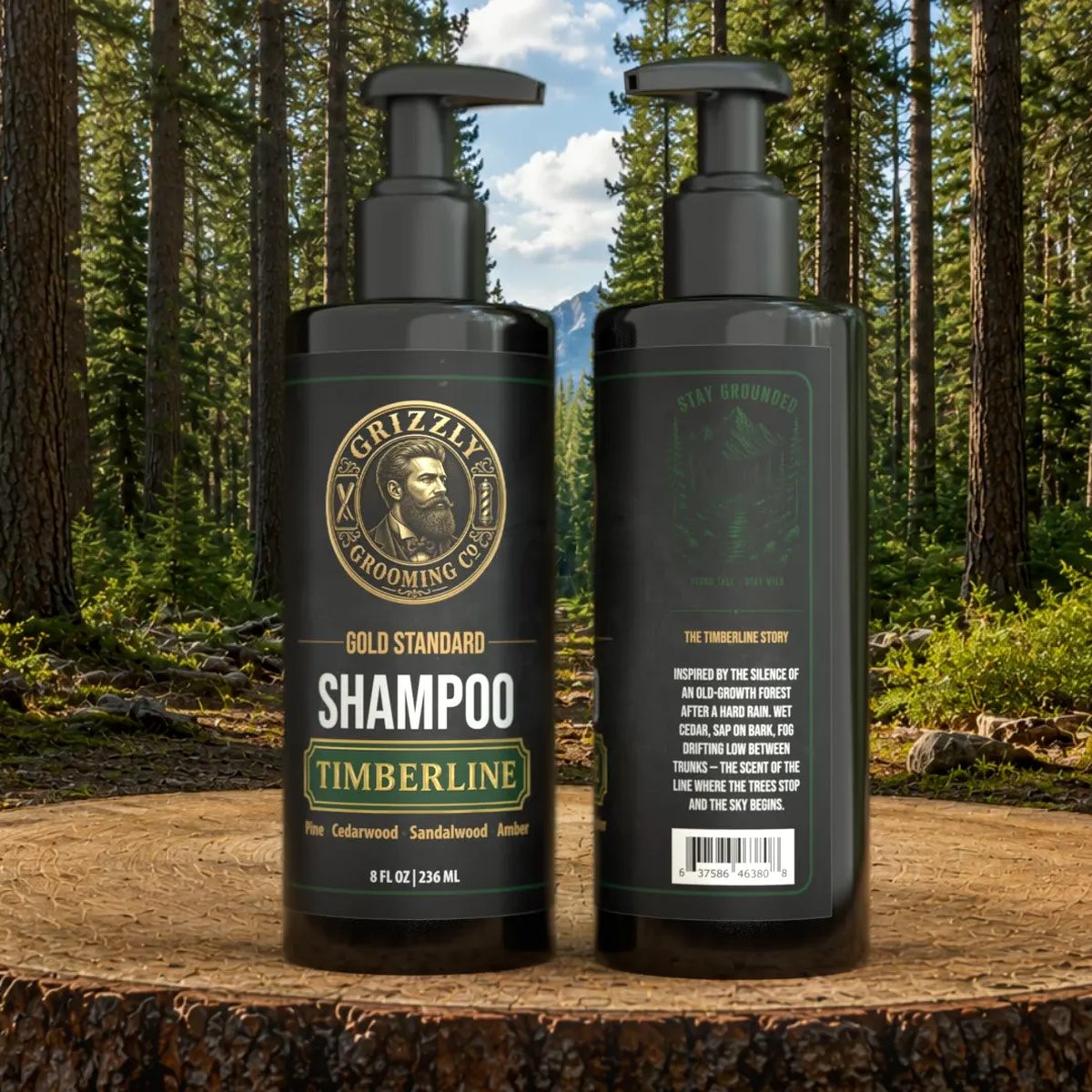
Gold Standard Shampoo and Conditioner — a reset for mineral-loaded hair.
Keep reading
- ›Hard water and a dry beard
- ›Men's shampoo guide
- ›How to repair a damaged beard
- ›Men's hair conditioner guide
Frequently Asked Questions
How do I know if I have hard water?+
Poor lather, scale on the shower head and taps, spotted glassware, and hair that feels rough straight after washing. A hardware store test strip confirms it — above about 120 mg/L calcium carbonate is hard.
Does hard water cause hair loss?+
It does not cause pattern hair loss, but the mineral film makes hair brittle and increases breakage, which can look and feel like thinning.
What removes hard water buildup from hair?+
A chelating shampoo with EDTA, used every week or two, or a weekly rinse of one part apple cider vinegar to four parts water. Regular shampoo will not lift bound minerals.
Do shower filters work for hard water?+
They reduce mineral and chlorine load noticeably, but only while the media is fresh. Most need replacing every four to six months to keep performing.
"Bought the kit after reading this. First product line that actually did what it said. I'm on subscribe now, never going back."
Join The Grizzly Brotherhood
Scent guides, grooming tips, and early access to new drops. No discount bait — just the good stuff.
Unsubscribe anytime · No spam
Get Gold Standard Shampoo
- Everything in this article, one click.
- Built for a complete daily ritual.
- 30-day money-back guarantee.
Related Guides
Morning, evening, and weekly — in the right order.
Nine-oil breakdown, what to avoid on a label, and how to judge a formula.
Butter-forward vs wax-forward, hold levels, and the layering test.
The wash, condition, and oil sequence that changes coarse hair.
Neckline, cheekline, and the cleanup that keeps length.
What actually moves the needle across a full growth cycle.
Every oil we use, why it's in there, and how we compare.
Assemble a kit around your beard length and skin type.
Sources & Research
- International Journal of Molecular Sciences — Anti-Inflammatory and Skin Barrier Repair Effects of Topical Application of Some Plant Oils
- Indian Journal of Dermatology — Moisturizers: The Slippery Road
- American Academy of Dermatology — Face Washing 101
- American Academy of Dermatology — Dermatologists' Tips for Relieving Dry Skin
- Grizzly Grooming Co. formulation notes and batch testing records