How to Read a Grooming Product Label Like a Formulator
- ›Ingredients are listed by weight down to 1%, then in any order — position tells you a lot.
- ›'Fragrance' or 'parfum' is a legal blanket term that can cover dozens of undisclosed compounds.
- ›A hero ingredient listed after the preservative is present in trace amounts.
- ›Silicones and alcohols are not automatically bad; the type matters more than the class.
- ›A short list is not automatically better — it just has fewer places to hide.
Marketing copy is written to persuade. The ingredient list is written to comply with regulation, which makes it the most honest text on the package. It takes about thirty seconds to read once you know the conventions.
Order tells you proportion — up to a point
Ingredients appear in descending order by weight until you reach one percent, below which they can be listed in any order. In practice this means the first three to five entries are the formula, and everything after the preservative is present in small amounts. If a brand's hero botanical appears after the phenoxyethanol, it is a marketing ingredient.
Learn where the 1% line usually sits
Preservatives, fragrance, and thickeners such as xanthan gum are almost always used below one percent. Spotting the first of these in the list tells you roughly where the meaningful concentrations stop.
Decode the naming conventions
INCI names use Latin botanical names, so jojoba is Simmondsia chinensis and argan is Argania spinosa. Anything ending in '-ol' is generally an alcohol, though that covers everything from drying ethanol to fatty alcohols like cetearyl alcohol, which are emollients. '-one' endings are usually silicones. '-ate' endings are frequently esters or surfactants.
| On the label | What it is | Worth caring about? |
|---|---|---|
| Fragrance / Parfum | A blanket term for an undisclosed scent blend | Yes if you are sensitive — you cannot see what is in it |
| Denatured alcohol / Alcohol denat. | Drying solvent alcohol | Yes in a leave-on facial product |
| Cetearyl alcohol | A fatty alcohol emollient | No — it conditions, it does not dry |
| Dimethicone | A silicone that seals and adds slip | Not inherently bad; builds up without proper washing |
| Phenoxyethanol | A common broad-spectrum preservative | No — an unpreserved water-containing product is worse |
| Tocopherol | Vitamin E, antioxidant and shelf-life extender | A good sign in an oil-based product |
Watch for filler at the top
In a beard oil, the first ingredient should be a genuine carrier — jojoba, argan, grapeseed, apricot kernel. If the first entry is a cheap bulk oil like soybean or generic 'vegetable oil', the rest of the list is decoration regardless of how good it reads.
Short lists are not automatically better
A three-ingredient oil is easy to trust but may be doing very little. A twelve-ingredient balm with butters, waxes, a humectant, an antioxidant, and a preservative system is likely to outperform it. Judge the roles, not the count.
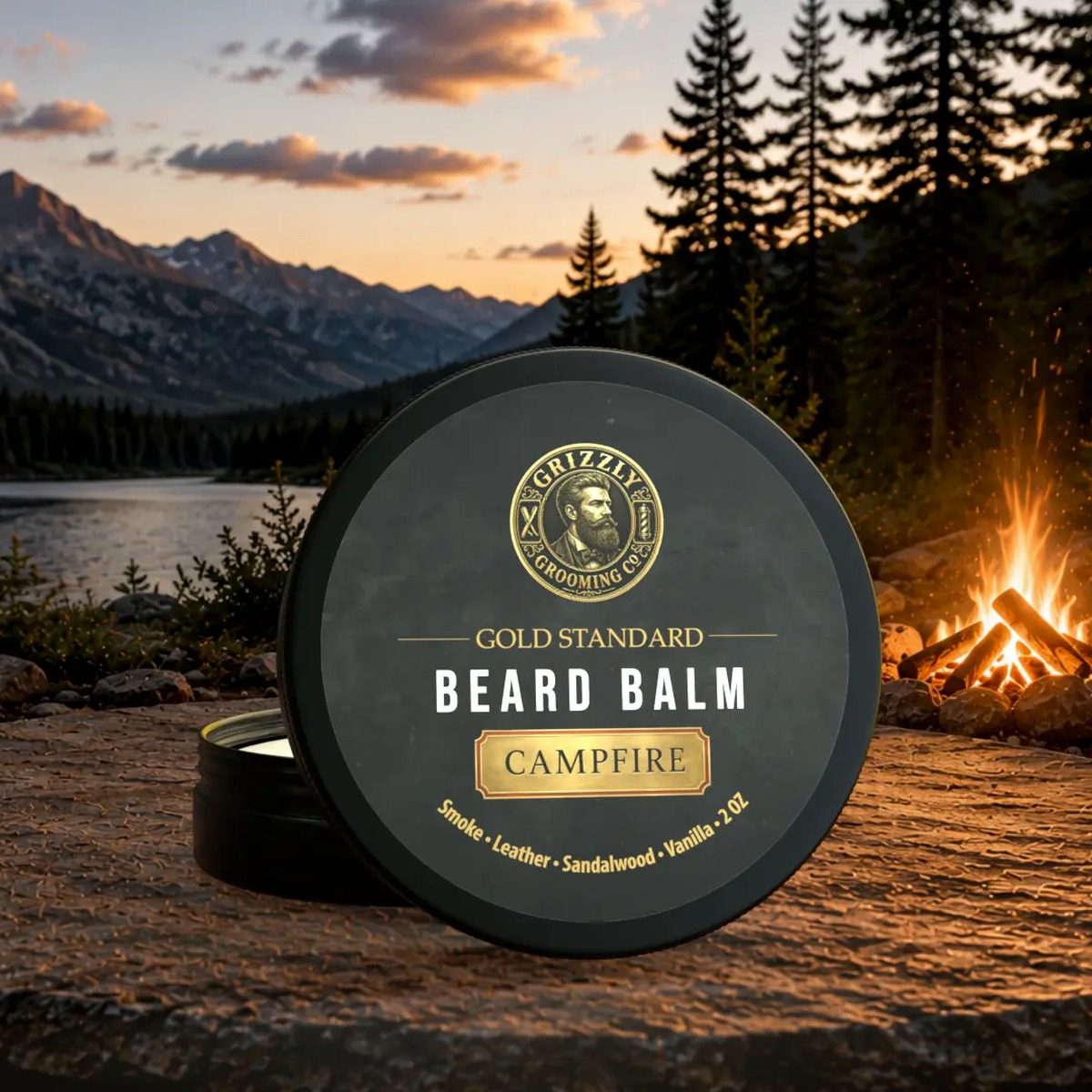
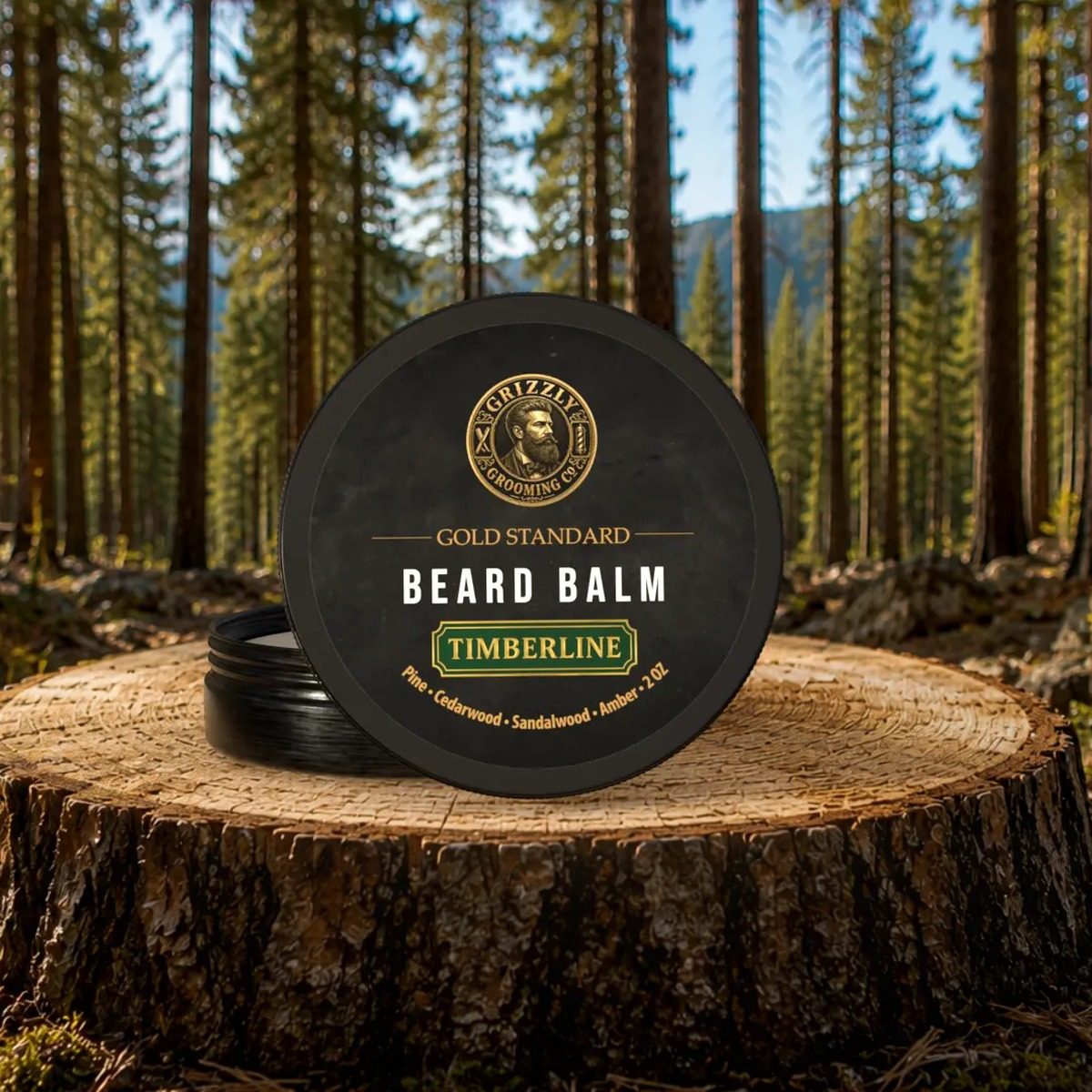
Gold Standard Beard Balm — every ingredient in it earns its place.
Keep reading
Frequently Asked Questions
Are ingredients listed in order of amount?+
Yes, by weight, down to one percent. Below that threshold they can appear in any order, so anything after the preservative or fragrance is usually a trace amount.
What does 'fragrance' mean on a label?+
It is a legal blanket term covering a scent blend that can include dozens of undisclosed compounds. If you react to products, an undisclosed fragrance is the hardest variable to troubleshoot.
Is alcohol in grooming products bad?+
It depends which one. Denatured or SD alcohol is drying in a leave-on facial product. Fatty alcohols such as cetearyl and cetyl alcohol are emollients and do the opposite.
Are silicones bad for beards?+
Not inherently. They add slip and seal moisture, but they build up if you only rinse rather than wash properly. If you use silicone products, use a real cleanser regularly.
Does a shorter ingredient list mean a better product?+
No. It means fewer places to hide, which is useful, but a well-built formula with butters, waxes, humectants, antioxidants, and preservatives will often outperform a two-ingredient one.
"Bought the kit after reading this. First product line that actually did what it said. I'm on subscribe now, never going back."
Join The Grizzly Brotherhood
Scent guides, grooming tips, and early access to new drops. No discount bait — just the good stuff.
Unsubscribe anytime · No spam
Get Gold Standard Beard Balm
- Everything in this article, one click.
- Built for a complete daily ritual.
- 30-day money-back guarantee.
Related Guides
Morning, evening, and weekly — in the right order.
Nine-oil breakdown, what to avoid on a label, and how to judge a formula.
Butter-forward vs wax-forward, hold levels, and the layering test.
The wash, condition, and oil sequence that changes coarse hair.
Neckline, cheekline, and the cleanup that keeps length.
What actually moves the needle across a full growth cycle.
Every oil we use, why it's in there, and how we compare.
Assemble a kit around your beard length and skin type.
Sources & Research
- International Journal of Molecular Sciences — Anti-Inflammatory and Skin Barrier Repair Effects of Topical Application of Some Plant Oils
- Indian Journal of Dermatology — Moisturizers: The Slippery Road
- American Academy of Dermatology — Face Washing 101
- American Academy of Dermatology — Dermatologists' Tips for Relieving Dry Skin
- Grizzly Grooming Co. formulation notes and batch testing records