The Warm-Palm Method: Getting Beard Balm To Actually Melt In
- ›Balm applied cold flakes, clumps, and sits on top of the beard.
- ›Warm a pea-to-nickel-sized scoop between your palms for a full 20 seconds first.
- ›Palms should look glossy and empty before you touch the beard — no visible solid balm.
- ›Apply on top of oil, never on a dry beard, or the balm has nothing to bind to.
- ›Finish with a boar-bristle brush pass to distribute what you just applied.
Almost every complaint about beard balm — flakes, chunks, waxy feel, patchy hold — traces back to one thing. The balm was still solid when it hit the beard. Balm is designed to be applied as a warm film, not as a chunk. Fix the temperature and every other complaint disappears.
What warm-palm means (and why 20 seconds matters)
Scoop a pea-to-nickel-sized amount depending on beard length, then rub the balm hard between your palms until it fully melts into a glossy, invisible layer. The full melt takes about 20 seconds — most guys stop at five and wonder why the balm chunks in the beard afterward.
The visual cue is clear: your palms should look shiny and empty, not scoop-shaped with a lump in the middle. If you can still see a distinct blob of balm, keep rubbing. Cold balm chunks in the beard. Warm balm coats the hairs evenly.
The three application mistakes
- ›Applying to a dry beard — balm needs an oil layer to bind to. Oil first, always.
- ›Rubbing balm into the beard the way you'd rub in shampoo — press it in from the outside instead, then work fingers root-to-tip.
- ›Skipping the brush at the end — an unbrushed balm application looks patchy in every photo taken that day.
Right amount by beard length
- ›Stubble to short beard: pea-sized scoop.
- ›Medium beard (2–4 in): dime-sized.
- ›Full beard (4–6 in): nickel-sized.
- ›Long beard (6+ in): nickel-sized plus a second half-dose focused on tips.
More than a nickel on any beard length is over-dosing. If it feels like you need more to get hold, the actual issue is almost always that the last dose was applied cold or without oil underneath.
Why balm layers over oil (and never the other way)
Beard oil hydrates the hair and skin. Balm seals that hydration in and provides light-to-medium hold. Apply balm first and there is nothing to seal — the balm just sits on top and flakes off through the day. Oil first, wait about 60 seconds, then balm. That gap gives the oil time to move into the hair and turns the balm application from a coat into a bond.
The finishing brush pass
A boar-bristle brush after balm distributes it evenly root-to-tip, exfoliates any dead skin the balm might otherwise trap, and trains the hairs to lie in one direction. Skip this pass and you will see uneven sheen down the beard by the mirror check at lunch. Add it and the balm application looks intentional every time.
The winter adjustment
Cold bathrooms make balm slower to melt. In winter, run warm water over your closed hands for five seconds before scooping, or hold the tin near a warm mug for a minute. Warmer starting temperature cuts the palm-melt time in half and makes the whole application feel effortless.
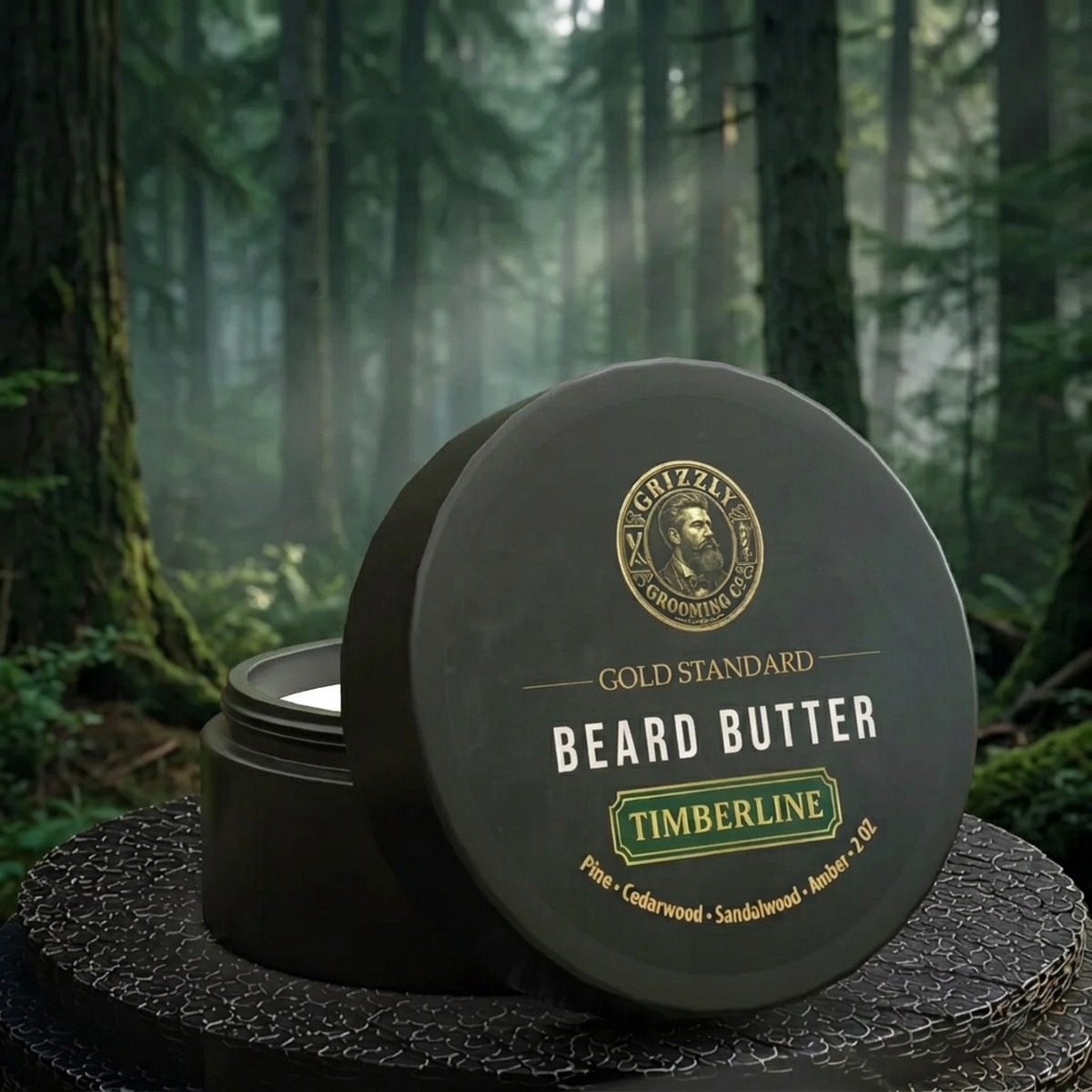
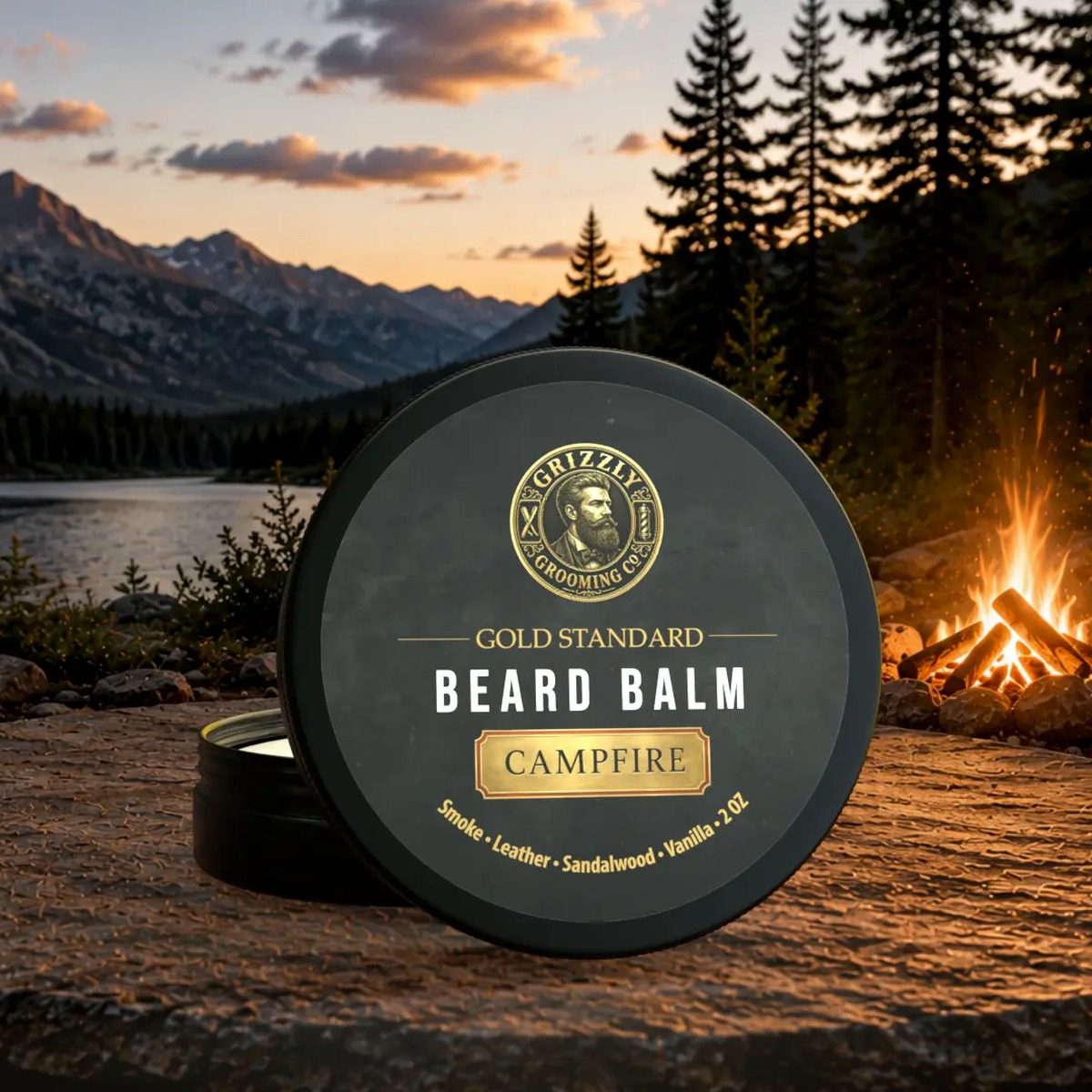
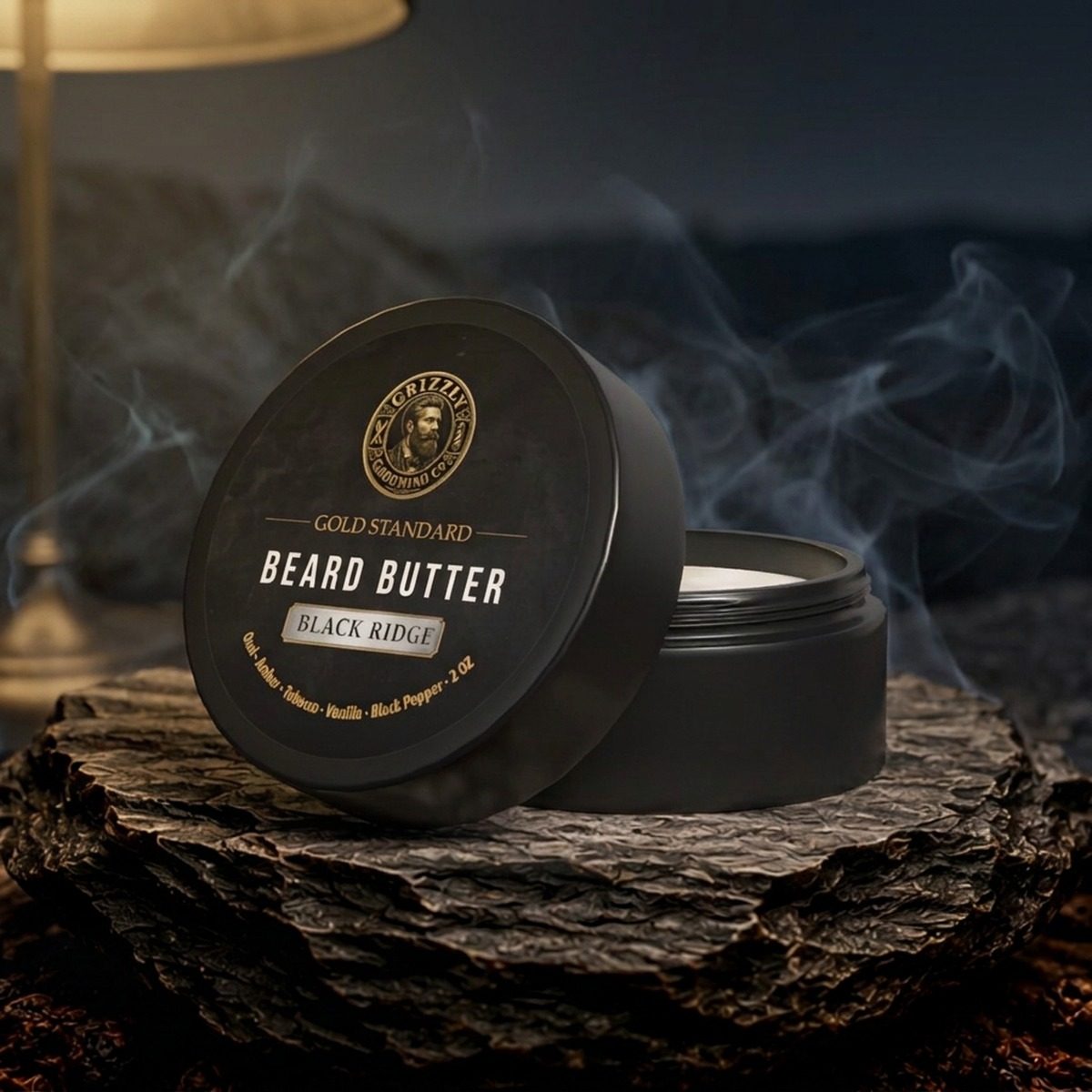
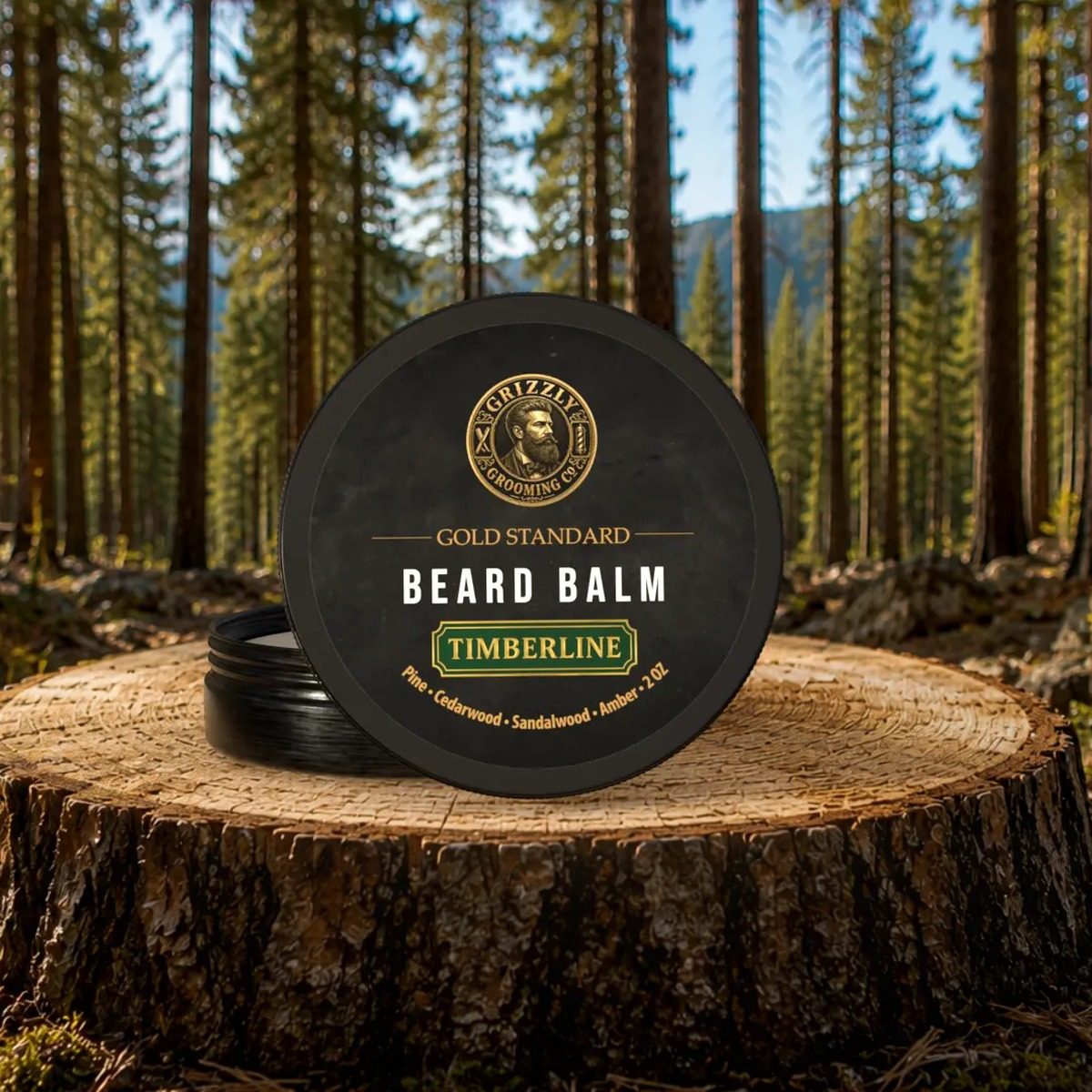
Gold Standard Beard Balm — a conditioning-first balm that melts on contact when the palms are warmed for a full 20 seconds.
Warm it. Wait. Brush it. That is the entire technique — and it is why the balm you already own is about to start behaving like a new one.
Why the method matters more than the product
Two men using the same tin get different results almost entirely because of emulsification. Balm applied before it fully melts deposits wax lumps on the outer layer of hair and nothing at the root, which produces the two most common complaints — flaking residue and a beard that feels stiff but not conditioned.
Fully melted balm behaves like a light oil at the moment of application and only re-solidifies once it is spread thin across the hair. That is where the hold comes from, and it cannot happen if the product is still opaque in your hands.
Fixing a balm that keeps flaking
White flakes after balm application are almost always unmelted product, not dandruff. Warm longer, use less, and comb through immediately after applying so nothing sits in one place.
If flaking persists with proper technique, the balm is likely wax-heavy for your beard length, or you are applying it directly to the skin instead of the hair. Move the application to the length, keep the skin layer to oil, and the problem generally disappears within a couple of days.
Why some tins melt faster than others
Not all balms have the same wax-to-oil ratio, and a firmer, more heavily waxed balm built for stronger hold will always need more palm time than a soft, oil-forward conditioning balm. If you own two different balms and one always feels harder to work with, check the ingredient order on the label — a wax listed first usually means a longer melt time.
This is not a flaw in the firmer balm; it is simply a different tool for a different job, typically stronger hold for shaping a shorter beard or defining a mustache. Budget extra palm-warming time for any balm marketed specifically for hold rather than conditioning.
Fixing a balm application that already went wrong
If you already applied balm cold and it is sitting in visible clumps in the beard, do not try to layer more warm balm on top, since that just adds product to an already uneven base. Instead, work a few drops of beard oil through the affected area first to help redistribute and soften what is already there, then comb thoroughly from root to tip.
If clumps remain after that, a quick rinse with warm water followed by a towel-dry and a fresh, properly warmed application resets the beard completely. This takes an extra five minutes but avoids the buildup that comes from stacking multiple half-melted applications over several days.
Balm on very short beards and stubble
Balm is often associated with longer beards, but a small, well-melted amount also works on stubble and short beards to control flyaways and add a light sheen without the heaviness of a full styling product. The key adjustment is quantity — a pea-sized amount is already generous on stubble, and even a properly warmed dose will feel heavy if you use a beard-length dose on very short hair.
Apply with fingertips rather than palms on very short hair, since palms are built for distributing product across length rather than pressing a small amount evenly into short strands. A quick pass with a soft brush afterward prevents the slightly matted look that short, product-heavy hair can develop.
Warming balm with external heat sources instead of just your palms
On very cold days or with a particularly firm balm, palm heat alone sometimes isn't enough to fully melt the product before it starts cooling again, especially if your hands run cold or you're moving quickly through a routine. A brief warm-water rinse of the tin's lid under the tap, or holding the tin in a warm (not hot) hand towel for thirty seconds, can supplement palm friction without overheating the formula.
Avoid direct heat sources like a hair dryer pointed at the tin, which can overheat and separate the oils and waxes in the formula rather than warming it evenly. The goal is a gentle, even warmth just above body temperature, not rapid melting.
How much balm actually melts versus how much you need
A common mistake with the warm palm method is scooping more balm than needed because the melted texture in your palm looks smaller in volume than the solid product did in the tin, leading to over-application once it's worked into the beard. Melted balm spreads much further per unit than the same amount looks like as a solid.
Start with slightly less than you think you need — a pea-sized scoop for shorter beards, a dime-sized scoop for longer ones — and add a second small scoop only if the first genuinely doesn't cover the full beard. It's much easier to add a bit more than to fix a beard that's been over-coated.
Balm consistency changes across a tin's lifespan
The balm near the top of a tin, freshly exposed to air and room temperature repeatedly, can develop a slightly different texture over months of use than the balm deeper in the tin that's had less air exposure. This is a normal aging process for a natural wax-and-oil product, not a sign it's gone bad, unless the smell has changed noticeably.
If the surface texture seems to need more warming than it used to, that's expected as the tin empties and the remaining product has been exposed to more air-opening cycles. Keeping the lid tightly sealed between uses slows this process but doesn't eliminate it entirely.
Combining the warm palm method with a comb for even distribution
Warming the balm in the palms gets it to a workable consistency, but applying it with fingers alone often leaves it concentrated wherever your fingers happened to pass, missing the fine hairs at the beard's outer edge. A wide-tooth comb run through immediately after finger application catches and redistributes the balm the fingers missed.
Comb from the skin outward in the direction of growth right after applying, rather than waiting until the balm has started to set. Once it cools and firms back up on the hair, redistributing it with a comb becomes much less effective than doing it in the first thirty seconds after application.
Frequently Asked Questions
Why does my beard balm leave white flakes?+
Almost always unmelted product. Warm it in your palms for ten to fifteen seconds until it turns glossy, use less, and comb through immediately after applying.
How long should I warm balm in my palms?+
Ten to fifteen seconds, until it is fully clear and liquid. Longer in a cold room, and warm the tin in a pocket first if the balm is hard.
Why does my beard balm flake?+
Almost always because it was applied cold, or applied to a dry beard with no oil layer underneath. Warm it fully between the palms and always oil first.
How much beard balm should I use per day?+
Pea to nickel-sized depending on length. If you feel you need more for hold, the issue is temperature or oil-layer, not dose.
Can I use balm without beard oil?+
You can, but you'll get flaking and much less conditioning benefit. Balm on top of oil is what every reputable formula is designed for.
Should I apply beard balm to wet or dry beard?+
Damp beard, after oil. Fully wet dilutes the balm; bone-dry gives the balm nothing to bind to. Damp-plus-oiled is the sweet spot.
How long does one tin of beard balm last?+
A 2 oz tin applied at correct dose lasts a medium-beard user about 10–12 weeks. If yours is disappearing in a month, revisit the length-based scoop guide above.
Why does one of my beard balms take longer to melt than another?+
Firmer, higher-hold balms use more wax relative to oil and need more palm-warming time than a soft, conditioning-focused balm. Check the ingredient order — wax listed first usually means a longer melt.
What do I do if I already applied balm cold and it clumped?+
Don't layer more balm on top. Work a few drops of oil through the clumped area to soften it, comb thoroughly, and if clumps remain, rinse with warm water and reapply a properly warmed dose.
Can I use beard balm on stubble or a very short beard?+
Yes, in a small amount. A pea-sized dose applied with fingertips rather than palms controls flyaways without weighing down short hair. Finish with a light brush pass to avoid a matted look.
Can I use a hair dryer to warm my beard balm faster?+
It's not recommended. Direct heat from a dryer can overheat and separate the oils and waxes in the formula unevenly. A brief warm-water rinse of the tin lid or a warm towel wrap is a gentler supplement to palm heat.
How much beard balm should I scoop for the warm palm method?+
Start smaller than you think — pea-sized for shorter beards, dime-sized for longer ones. Melted balm spreads further than the same amount looks like as a solid, and it's easier to add more than to remove excess.
Should I comb my beard after applying warmed balm?+
Yes, immediately. A wide-tooth comb run through right after finger application catches balm your fingers missed at the edges. Wait too long and the balm sets on the hair, making redistribution far less effective.
"The step-by-step here made it stupid simple. Ordered the bundle, four weeks in the compliments haven't stopped."
Join The Grizzly Brotherhood
Scent guides, grooming tips, and early access to new drops. No discount bait — just the good stuff.
Unsubscribe anytime · No spam
Get Gold Standard Beard Balm
- Everything in this article, one click.
- Built for a complete daily ritual.
- 30-day money-back guarantee.
Related Guides
Which one your beard needs, and why most men eventually need both.
The full comparison across hold, conditioning, and finish.
When butter beats balm, and how to use it without greasiness.
What each carrier oil does once it hits skin and hair.
Match a style to your face shape and growth pattern.
Every oil we use, why it's in there, and how we compare.
Assemble a kit around your beard length and skin type.
Sources & Research
- International Journal of Molecular Sciences — Anti-Inflammatory and Skin Barrier Repair Effects of Topical Application of Some Plant Oils
- Indian Journal of Dermatology — Moisturizers: The Slippery Road
- American Academy of Dermatology — Face Washing 101
- American Academy of Dermatology — Dermatologists' Tips for Relieving Dry Skin
- Grizzly Grooming Co. formulation notes and batch testing records