Why Your Beard Feels Coarse (And The Fix That Actually Works)
- ›Coarse beard hair is normal — wire-brush coarse is not.
- ›The fix is a sequence: wash less, condition more, oil daily, add butter weekly.
- ›Water hardness and cheap shampoo are the two biggest hidden causes.
- ›Softness shows up in 2–3 weeks; permanent texture change takes 60–90 days.
- ›Combing with the grain, not against it, protects the cuticle you just repaired.
Beard hair is genetically coarser than scalp hair — thicker cuticle, more medulla, less flex. That is not the problem. The problem is when a beard feels like copper wire, catches on shirt collars, and refuses to lie flat no matter what you spend on it. That kind of coarse is a symptom of a damaged cuticle, and the fix is a sequence, not a single product.
Step one: stop what is causing it
Most guys create their own coarseness before they treat it. The three worst offenders: washing daily with scalp shampoo (strips the sebum layer), hot water rinses (opens the cuticle and leaves it that way), and hard tap water (mineral deposits build up on the shaft and lock the cuticle open). Cut wash frequency to two or three times a week, drop shower temperature by ten degrees, and rinse the beard last with the coldest water you can tolerate for ten seconds.
Step two: rebuild the cuticle
Beard conditioner exists for the same reason hair conditioner does — it deposits softening agents that smooth the cuticle back down. Use it every wash, and once a week give the beard a five-minute soak with conditioner left in before rinsing. Two to three weeks of that alone will change how the beard feels between your fingers.
Step three: daily oil, weekly butter
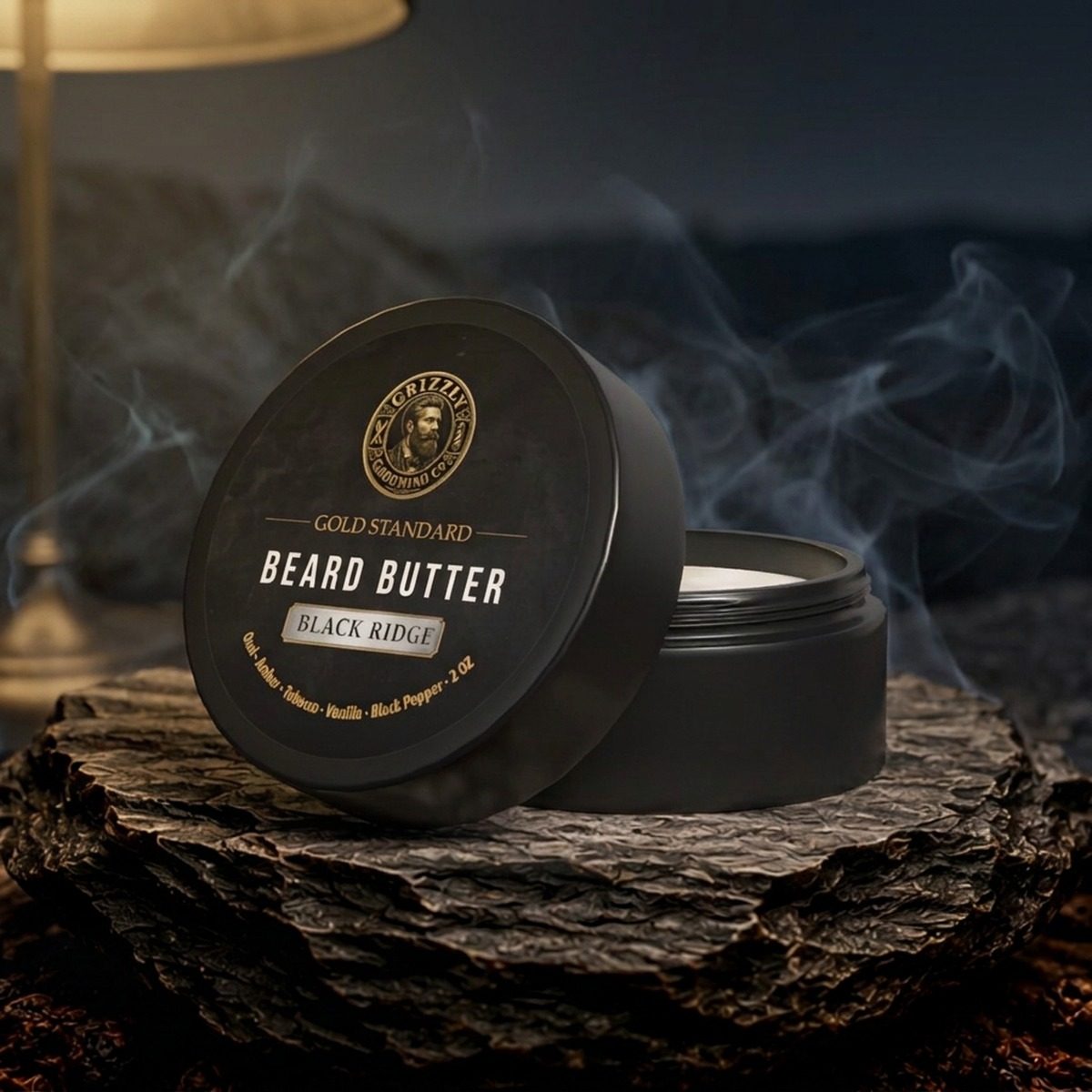
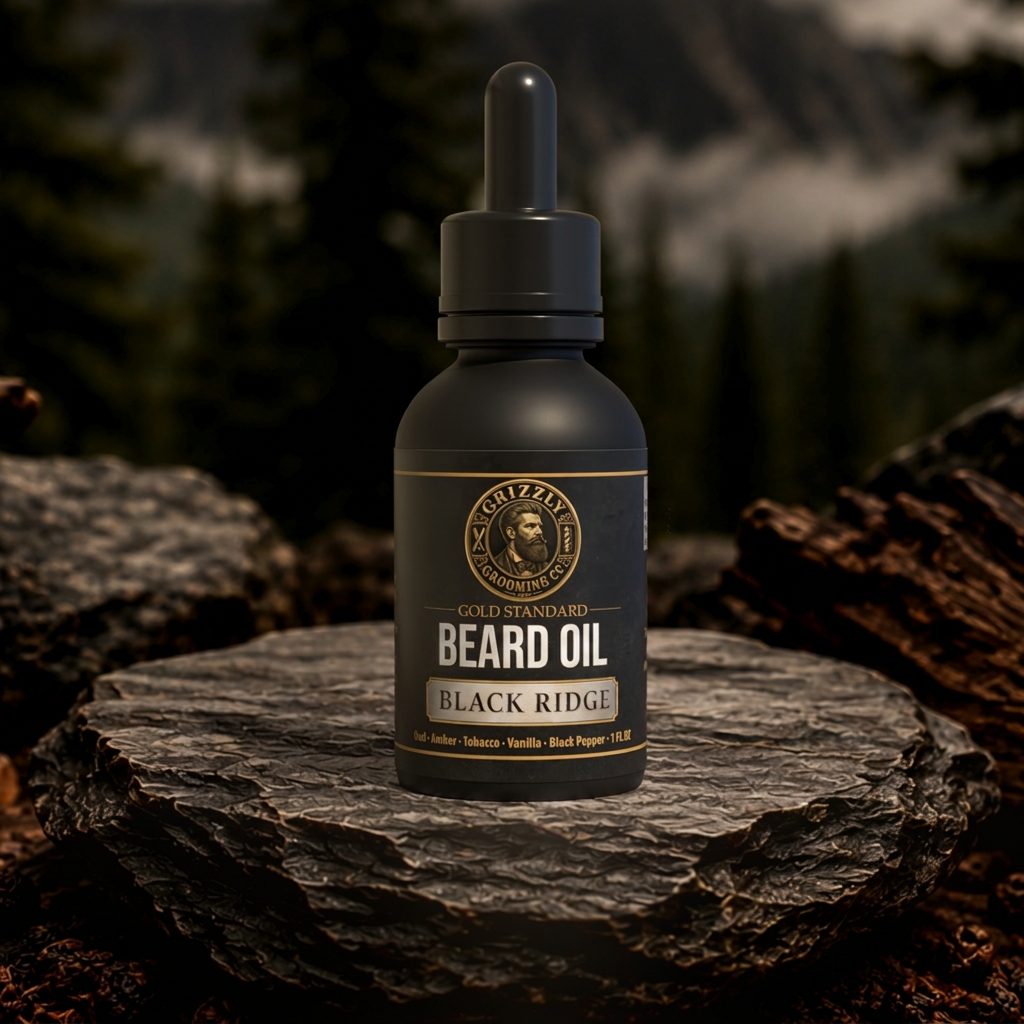
Beard oil is the daily hydration layer for the skin underneath — coarseness gets worse when the skin dries out and the hair grows in without a healthy sebum coat. Apply oil once a day, minimum, and add a nightly beard butter application once a week to deep-condition the length itself.
The hard-water factor
If you live somewhere with hard water (most of the American West, the Midwest, and much of Texas), your beard is fighting a losing battle against calcium and magnesium deposits. A basic shower filter — the kind that screws onto the shower head — cuts mineral load enough to make every other step in this ritual work better. It is the single highest-return upgrade for anyone in a hard-water zip code.
How you comb it matters
Once the cuticle is repaired, do not re-damage it. Always comb with the grain (downward, in the direction of growth) with a wide-tooth wooden or horn comb. Metal combs, fine-tooth combs, and against-the-grain combing all lift the cuticle back up and undo the previous week's work.
The realistic timeline
Noticeable softness in two to three weeks. Real, permanent change in texture takes 60 to 90 days — long enough for a full cycle of new growth to come in coated by healthy skin instead of dry, product-starved skin.
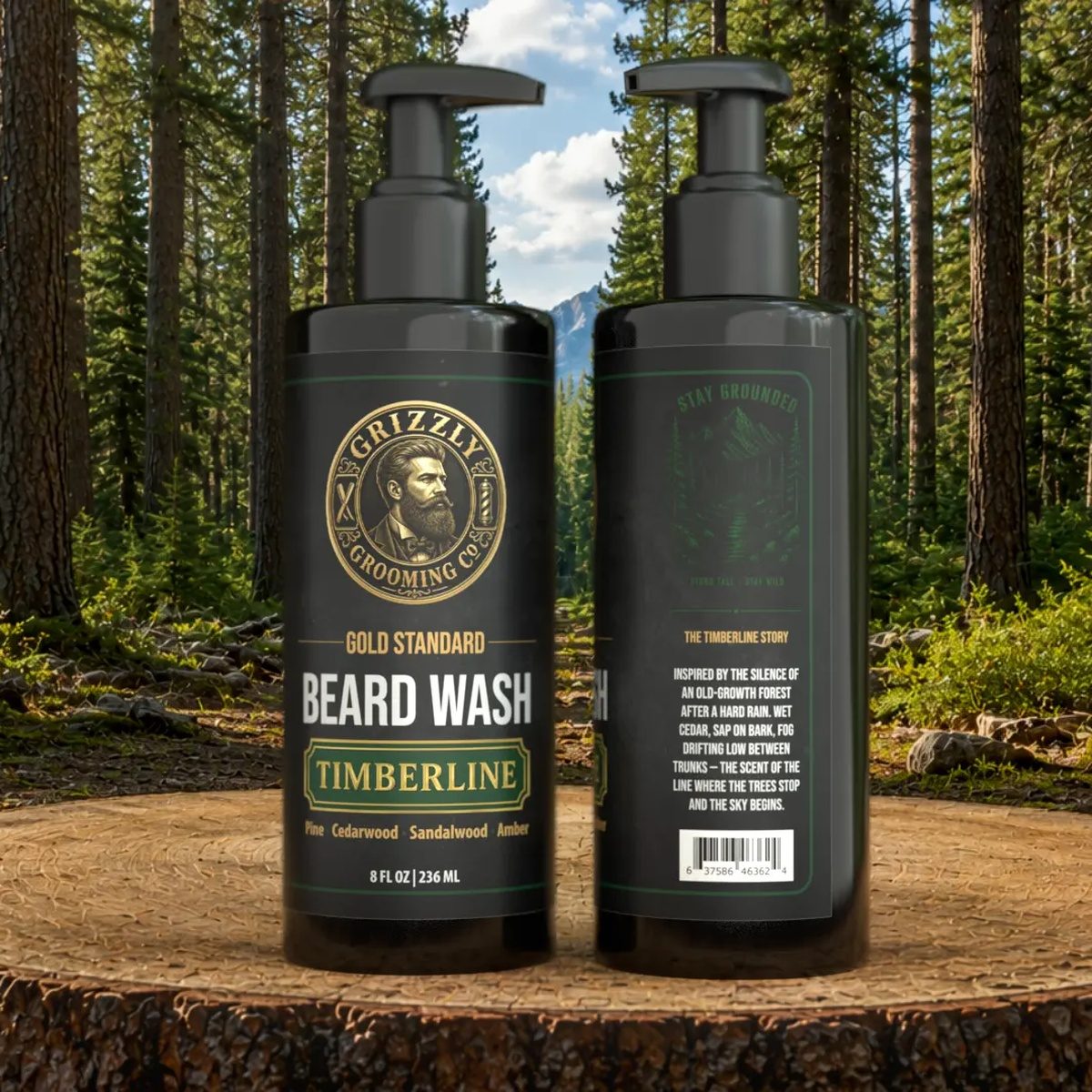
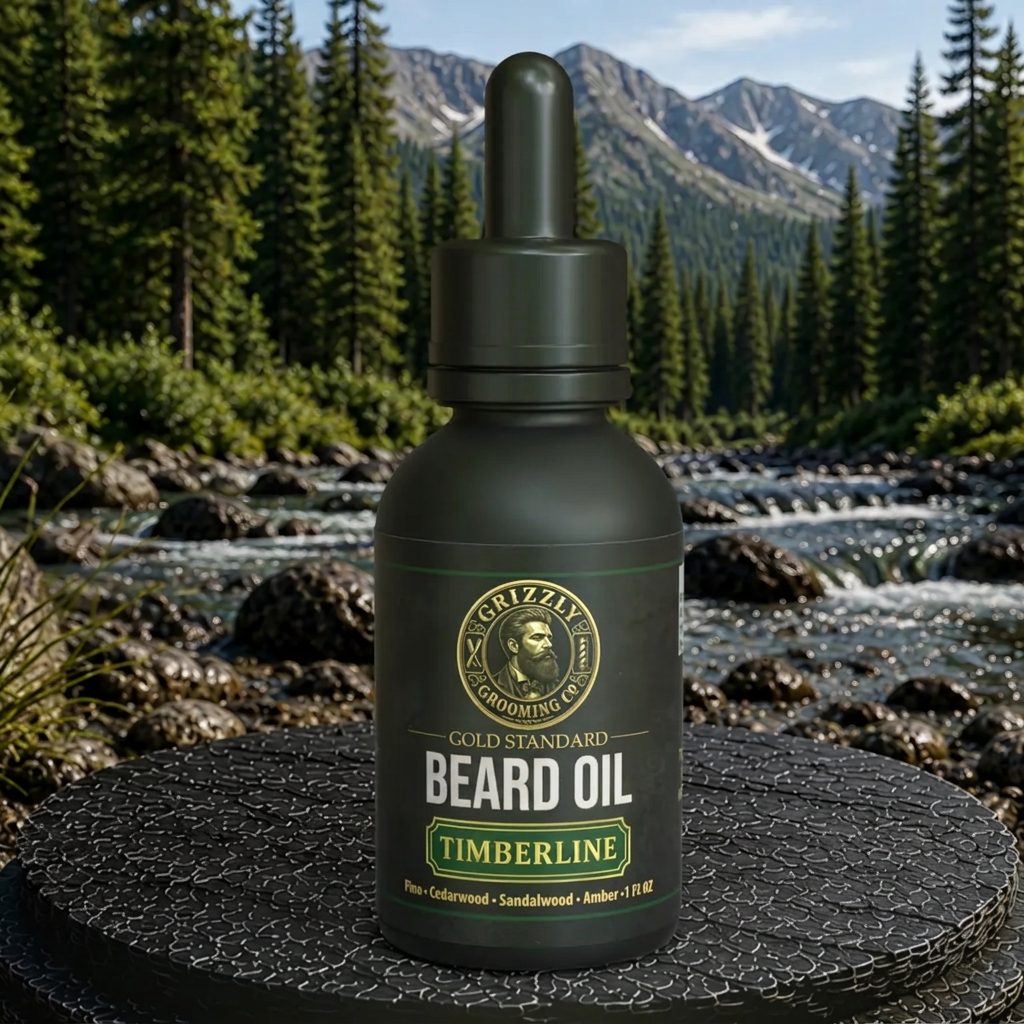
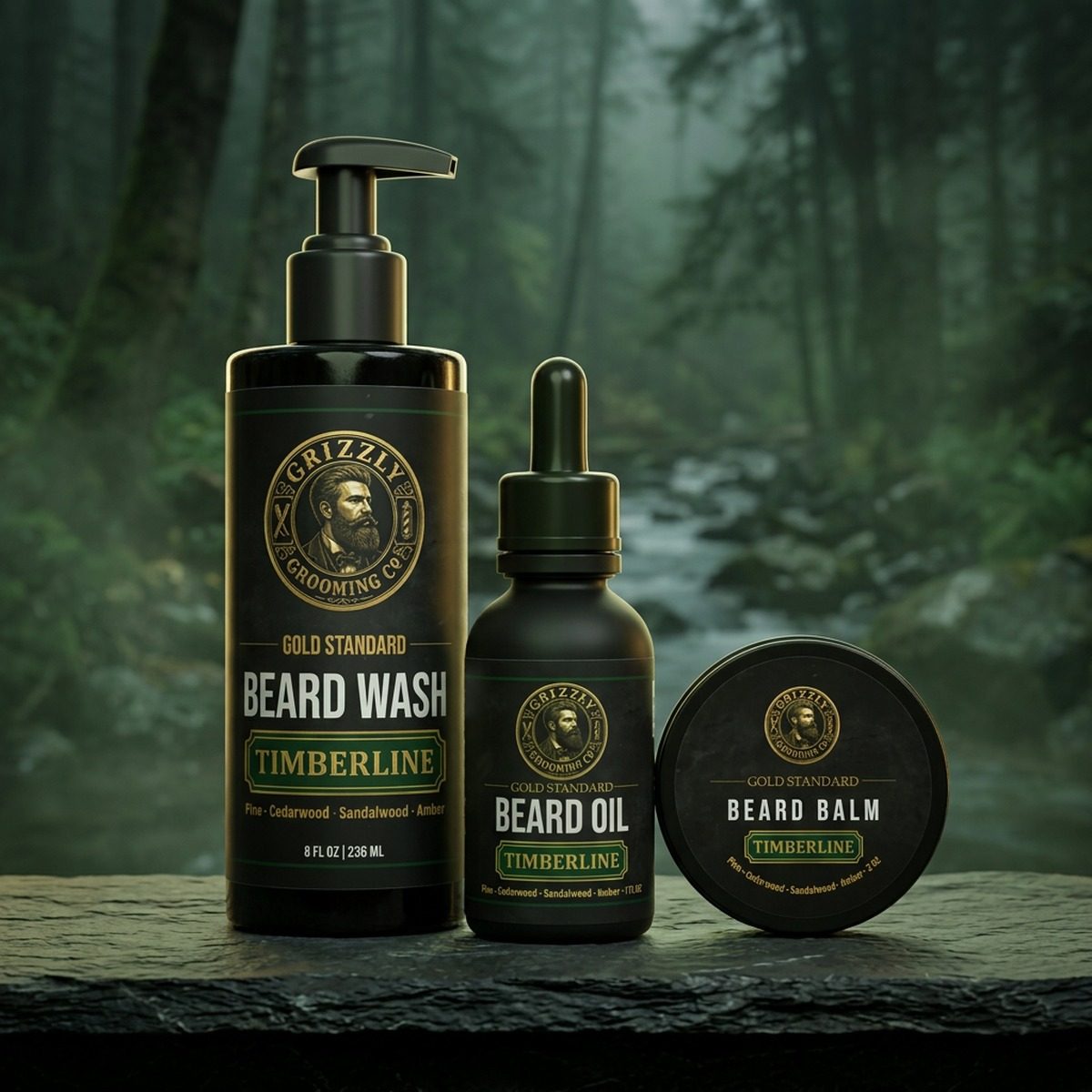
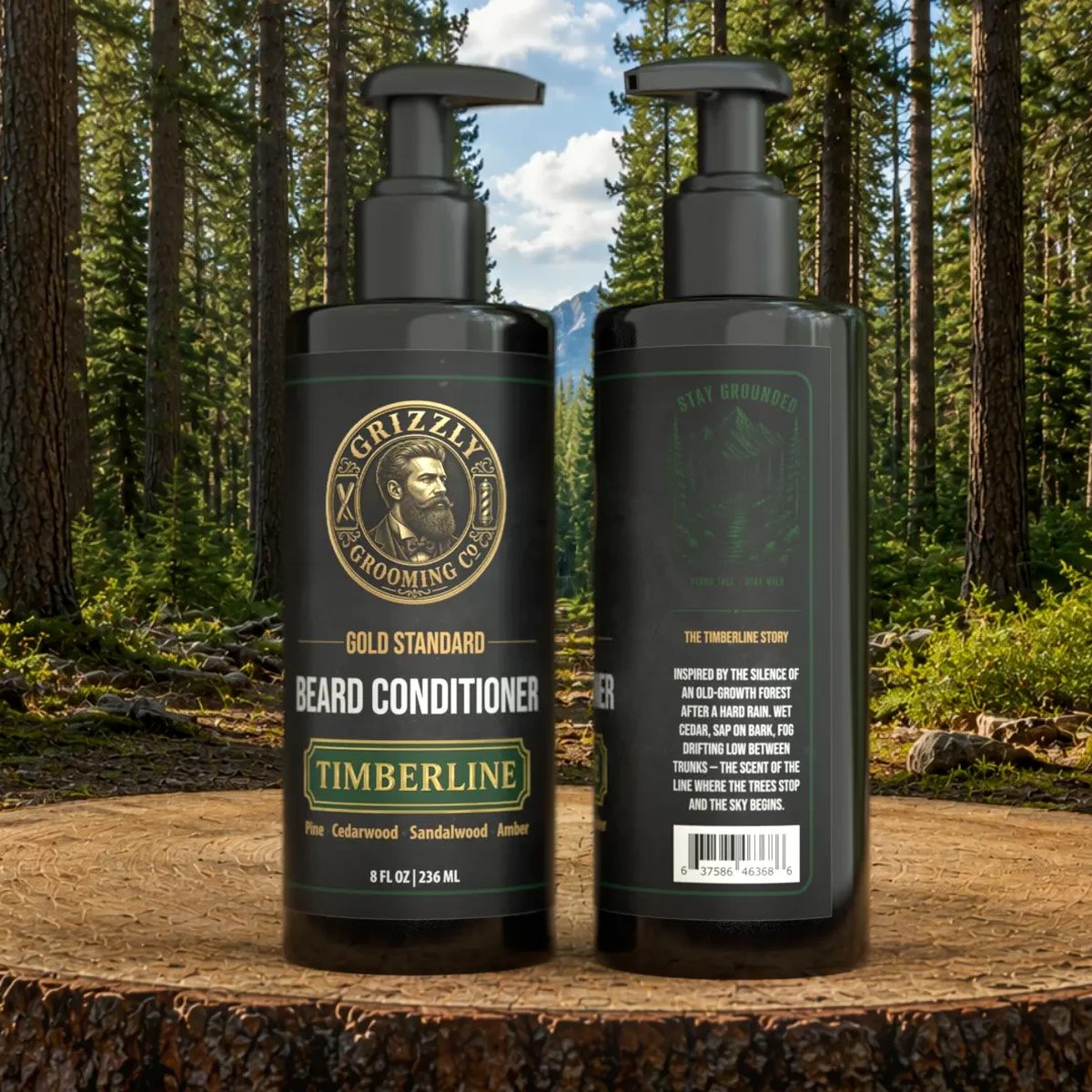
Gold Standard Beard Conditioner + Gold Standard Beard Oil — the two-product core of the soften-a-coarse-beard ritual above.
Why coarse and dry are not the same problem
Men use the words interchangeably, but they call for different fixes. A dry beard has lost water and lipids: it feels rough everywhere, looks dull, and the skin underneath usually flakes. A coarse beard can be perfectly hydrated and still feel stiff, because coarseness is about the diameter and cuticle condition of the individual hair rather than its moisture content. Getting the diagnosis right saves you months, because the dry-beard fix is oil and the coarse-beard fix is protein-free conditioning plus mechanical care.
A quick test: pull a single hair and roll it between finger and thumb. If it feels like fishing line — smooth but stiff — you have thick, healthy, genetically coarse hair, and the goal is pliability. If it feels notched or catches on itself, the cuticle is chipped, and the goal is repair. Notched hair is the one that produces the wire-brush feel most men complain about, and it is also the one that responds fastest to a corrected routine.
The four things that damage a beard cuticle
Cuticle damage is cumulative and almost always mechanical or chemical rather than genetic. Four causes account for the overwhelming majority of cases, and they compound: a man who washes daily with body wash, towels dry aggressively, blow-dries hot, and lives in a hard-water city can go from soft to wire in a single winter.
- ›Daily washing with shampoo or body wash, which strips sebum faster than the skin replaces it.
- ›Rubbing dry with a terry towel, which lifts thousands of cuticle scales at once.
- ›High-heat blow drying, which boils residual water inside the shaft and cracks the cuticle from within.
- ›Hard water minerals, which deposit on the shaft and leave a gritty film that products cannot penetrate.
- ›Combing dry, tangled hair from the roots down, which snaps mid-shaft and creates new split ends.
Protein or moisture? Choosing the right conditioner
Most beard coarseness is a moisture problem, not a protein problem. Protein-heavy conditioners — anything leading with hydrolysed keratin, wheat or silk protein — temporarily patch gaps in the cuticle and make hair feel stronger, but overused on coarse hair they cause protein overload: the shaft becomes rigid, brittle, and snaps more easily than before. Coarse beards generally want humectant and emollient conditioning instead: glycerin, panthenol, shea, and fatty alcohols such as cetearyl alcohol.
A practical rule is one protein treatment a month at most if your beard is chemically untreated, and a moisture-focused conditioner at every wash. If your beard felt better for two days after a protein product and worse afterwards, that is the signature of overload — stop and run moisture only for three weeks.
| Symptom | Likely cause | What to use | How often |
|---|---|---|---|
| Stiff but smooth | Genetic coarseness | Moisture conditioner plus butter | Every wash |
| Rough and catching | Cuticle damage | Moisture conditioner, cool rinse, wide-tooth comb | Every wash |
| Brittle, snaps easily | Protein overload | Moisture only, no protein | 3 weeks minimum |
| Limp and mushy | Under-conditioned, over-moisturised | One light protein treatment | Once, then reassess |
| Gritty film | Hard water minerals | Chelating wash plus shower filter | Weekly clarify |
Heat, towels, and the two-minute drying rule
How you dry a beard matters more than most men expect. Hair is at its most fragile when wet, because water swells the shaft and lifts the cuticle. That is exactly the moment a terry towel does maximum damage. Switch to microfibre, and pat and squeeze rather than rub — the whole process should take fifteen seconds, not two minutes of scrubbing.
If you use a dryer, use it on cool or low with a diffuser, held at least six inches away and kept moving. Warm-to-cool air pointed downward along the grain is the single fastest way to make a coarse beard look and feel smoother, because it sets the cuticle flat while the hair dries. Then apply oil within two minutes, while the shaft is still slightly damp and receptive.
A 90-day softening protocol
Texture change follows the growth cycle, so give it three months and track it rather than judging week to week. Photograph your beard in the same light on day one, day thirty, and day ninety; the difference is usually obvious in photos long before it registers in the mirror.
- ›Weeks 1–2: cut washing to twice weekly, sulfate-free only. Rinse warm daily. Oil every morning.
- ›Weeks 3–4: add a moisture conditioner at both washes, left in for three minutes and combed through.
- ›Weeks 5–8: add butter three nights a week as an overnight treatment; trim the driest quarter inch off the ends.
- ›Weeks 9–12: install a shower filter if your water is hard, and hold the routine steady.
- ›Throughout: comb with the grain, wide-tooth only, on damp — never bone-dry — hair.
Frequently Asked Questions
Is coarse beard hair permanent?+
The genetic diameter of the hair is permanent. The wire-brush texture is not — that is cuticle damage, and it reverses in 60 to 90 days of the ritual above.
Will beard oil alone soften my beard?+
It helps, but oil is a skin product first. Real softening requires conditioner (for the shaft) plus oil (for the skin) plus reduced wash frequency (to stop new damage).
Can I leave beard conditioner in?+
Leave-in conditioners exist and work, but standard rinse-out conditioner should not be left in — it is formulated to be washed out, and residue causes buildup that eventually stiffens the beard.
How do I know if my water is the problem?+
If the inside of your kettle scales quickly, or the shower glass spots within a day, you have hard water. A cheap TDS meter confirms it. A basic shower filter fixes it for most beards.
Does trimming help with coarseness?+
Trimming the dry, split tips helps the beard feel softer immediately, but does not fix the underlying cuticle damage. Trim plus the ritual above, not trim instead of.
Can hard water alone make a beard coarse?+
Yes. Calcium and magnesium deposit on the shaft and form a film that blocks conditioner from working and leaves a gritty, stiff feel. A shower filter plus a monthly chelating wash usually resolves it within a few weeks.
Should I use protein conditioner on a coarse beard?+
Rarely. Most coarse beards need moisture, not protein. Overusing protein makes hair rigid and prone to snapping. Limit it to once a month at most, and stop entirely if the beard becomes brittle.
Does a blow dryer make coarseness worse?+
On high heat, yes. Cool or low air with a diffuser, held six inches away and directed with the grain, actually helps by setting the cuticle flat as the hair dries.
How long before my beard feels softer?+
Noticeable improvement in two to three weeks, meaningful texture change at 60 to 90 days, because you are waiting on new growth to come in under better conditions.
"Best grooming purchase I've made all year. The scent alone is worth it — everything else is a bonus."
Join The Grizzly Brotherhood
Scent guides, grooming tips, and early access to new drops. No discount bait — just the good stuff.
Unsubscribe anytime · No spam
Get Gold Standard Beard Conditioner
- Everything in this article, one click.
- Built for a complete daily ritual.
- 30-day money-back guarantee.
Related Guides
Morning, evening, and weekly — in the right order.
Nine-oil breakdown, what to avoid on a label, and how to judge a formula.
Butter-forward vs wax-forward, hold levels, and the layering test.
The wash, condition, and oil sequence that changes coarse hair.
Neckline, cheekline, and the cleanup that keeps length.
What actually moves the needle across a full growth cycle.
Every oil we use, why it's in there, and how we compare.
Assemble a kit around your beard length and skin type.
Sources & Research
- International Journal of Molecular Sciences — Anti-Inflammatory and Skin Barrier Repair Effects of Topical Application of Some Plant Oils
- Indian Journal of Dermatology — Moisturizers: The Slippery Road
- American Academy of Dermatology — Face Washing 101
- American Academy of Dermatology — Dermatologists' Tips for Relieving Dry Skin
- Grizzly Grooming Co. formulation notes and batch testing records