How To Fix A Patchy Beard: 7 Proven Steps That Actually Work
- ›Give any patchy beard 90 straight days before judging it — most gaps fill in with length.
- ›Daily beard oil + boar-brush drives blood flow and trains stray hairs to lie flat.
- ›Sleep, protein, biotin, and stress control move the needle more than any topical.
- ›Trim to the shortest patch, or grow past it — never trim into a patch to 'even it out'.
A patchy beard is not a life sentence. Most of the men who show up in our inbox convinced they 'just can't grow one' are three habits away from a beard they'd be proud of. The catch is that none of those habits are exciting — no serum, no supplement stack, no gimmick. Just the seven steps below, run daily, for at least 90 days before you make a judgment call.
1. Wait longer than feels reasonable
The single biggest mistake with a patchy beard is shaving it at week three because it 'looks bad'. It always looks bad at week three. Cheeks fill in around week 6 to 10, and what looked like a bald patch at day 20 is often invisible by day 60 once the surrounding hair reaches down over it. Set a 90-day rule and hide the razor.
2. Feed the follicle
Beard hair is built from protein. Aim for roughly 0.8 grams per pound of bodyweight daily, plus real food sources of zinc, iron, vitamin D, and biotin — eggs, red meat, leafy greens, oysters if you can stand them. A supplement won't outrun a bad diet, but it won't hurt either if you're genuinely under-eating micronutrients.
3. Sleep — the free growth hormone
Testosterone production peaks during deep sleep. Seven-plus hours a night is the boring answer, and it works. Chronic under-sleeping tanks the exact hormones that thicken beard hair.
4. Oil daily, brush daily
Daily beard oil moisturizes the follicle and skin so hair grows in healthier, and a boar-bristle brush every morning increases surface blood flow and physically trains hairs down over the patches. Two minutes of brushing beats any topical on the market.
5. Style, don't shave
If a cheek patch is really stubborn at 90 days, work with it. Grow slightly longer on top of the patch and comb down. A shape-up along the neckline makes the whole beard read more intentional, and intentional always beats symmetrical.
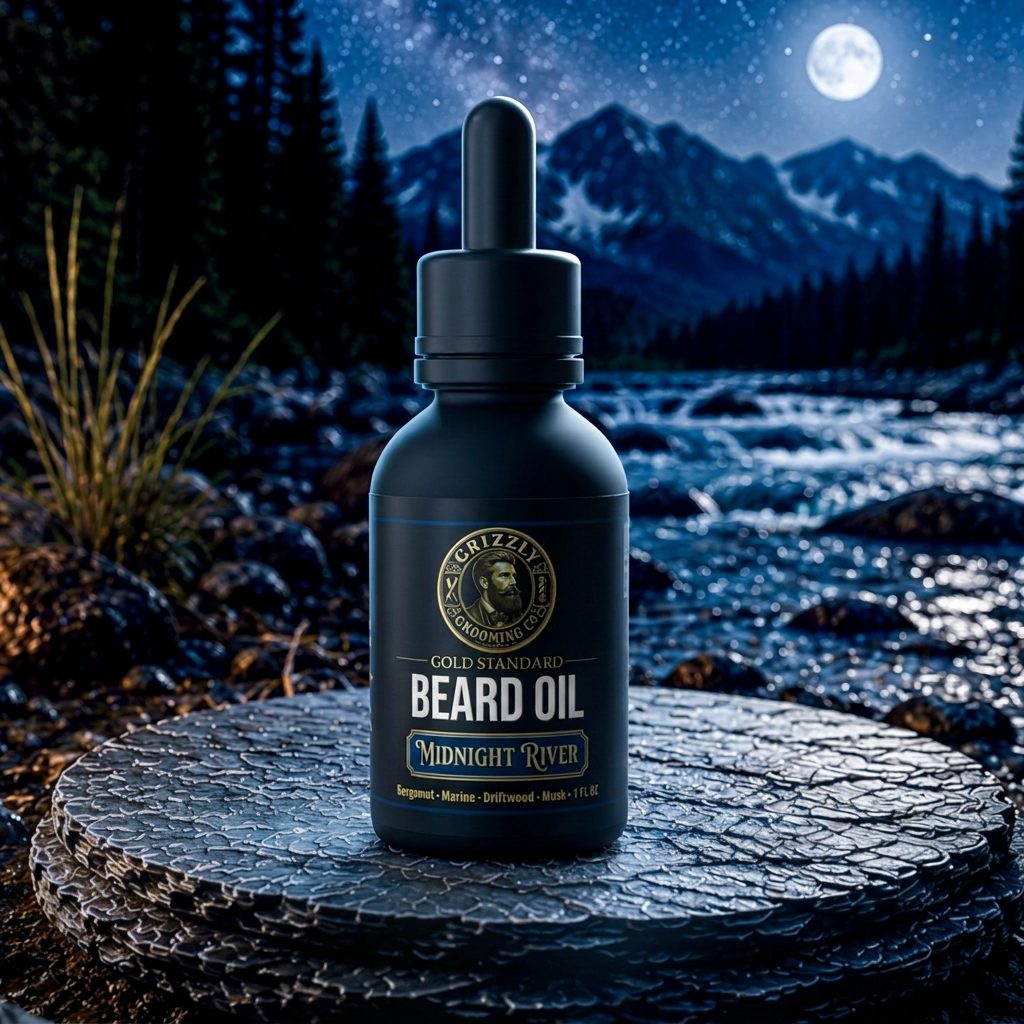
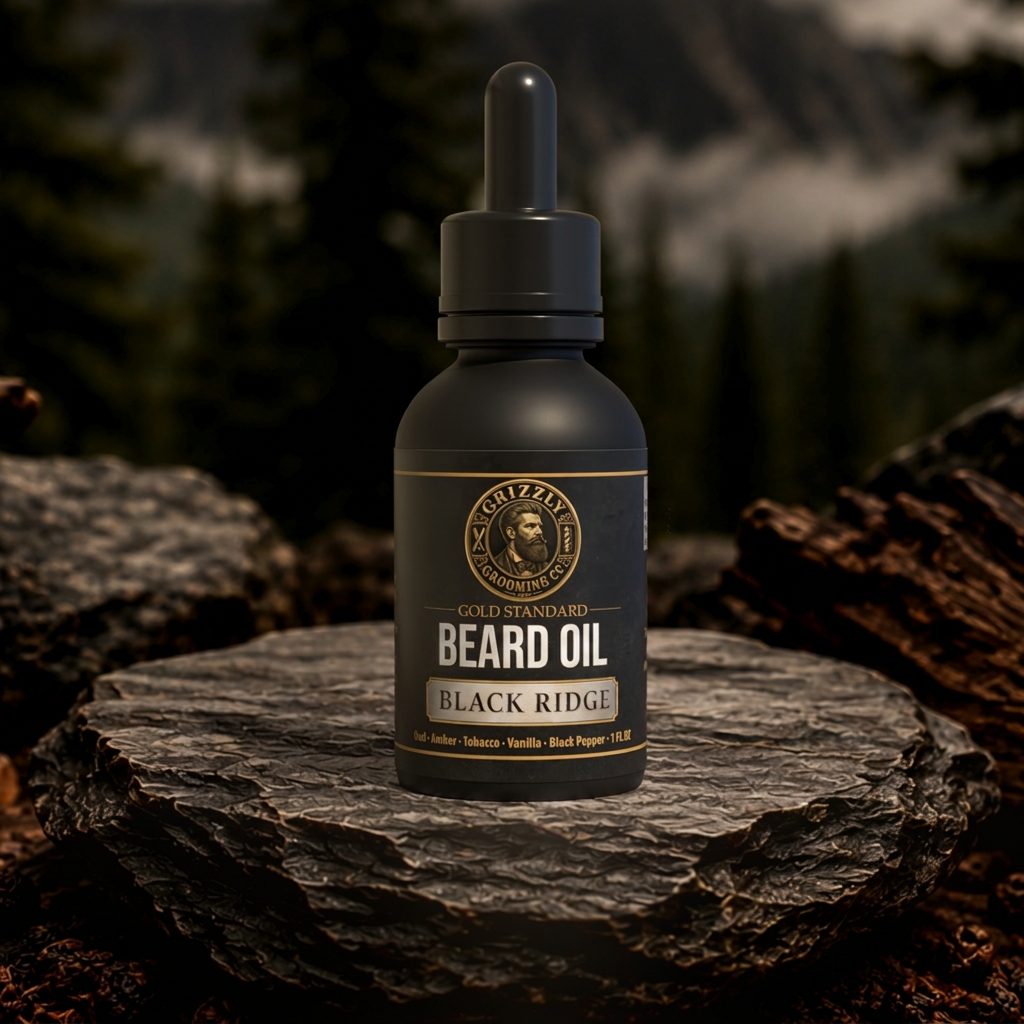
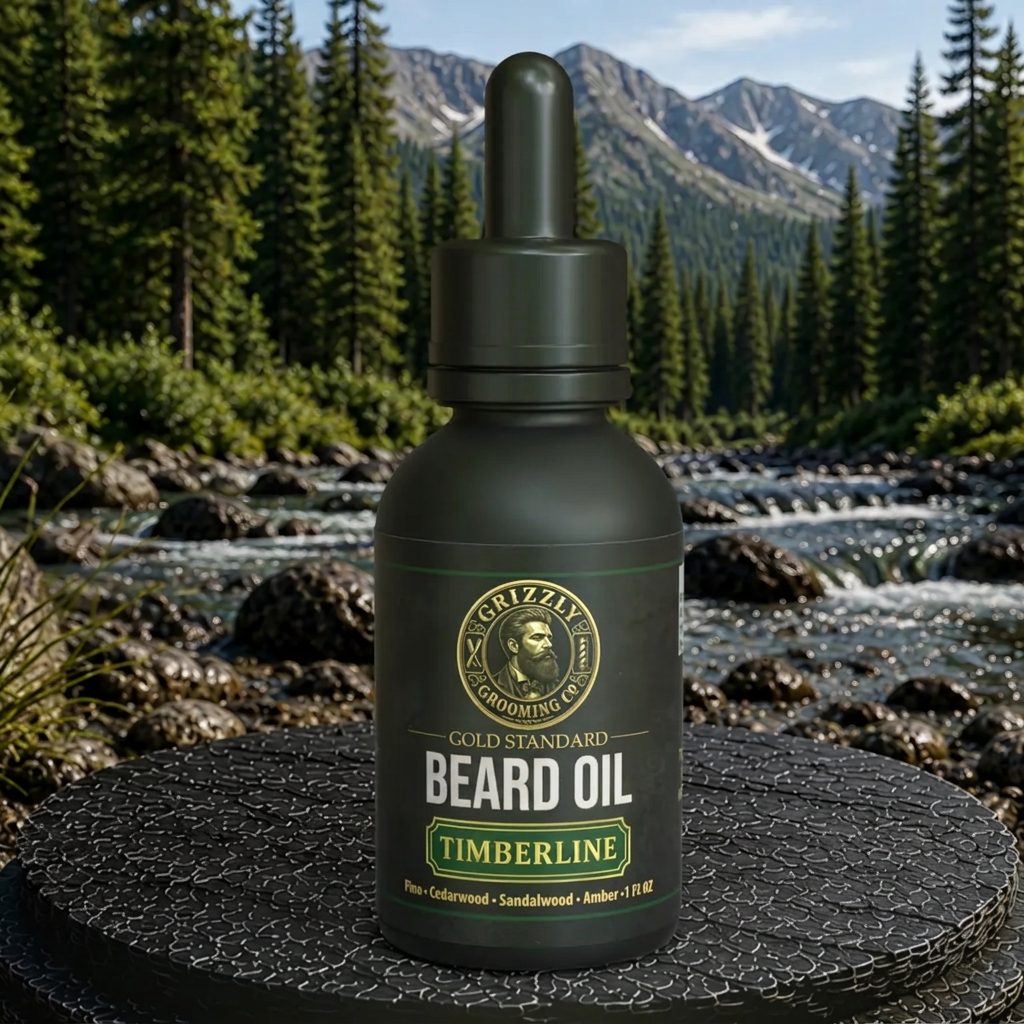
Gold Standard Beard Oil — daily conditioning that keeps every hair alive while the patch fills in.
6. Brush the patch every day
A boar-bristle brush does two useful things for patchiness. Mechanically, it pulls hair from dense regions across thin ones, which is real coverage rather than an illusion. Over weeks, brushing in a consistent direction trains the resting position so that coverage holds without restyling each morning.
Brush from the skin outward for a couple of minutes, twice a day. The secondary benefit is sebum distribution and circulation across the sparse area, which supports the follicles that are working.
7. Length is the cheapest fix
Hair from dense regions grows over thin ones, so a longer beard usually reads as fuller than a short one on the same face. The practical threshold is about an inch — below that, patches are visible; above it, they blend.
This is why the standard advice to wait twelve weeks is not just patience for its own sake. The coverage arrives with length, not with density, and men who trim during weeks four to six never reach the point where it works.
When to accept the patch and style around it
Some patches are permanent, and that is a styling decision rather than a failure. Weak cheeks favour a goatee, Van Dyke, or chin curtain, all of which remove the cheeks from the design. A weak mustache connection is best treated as a deliberate disconnected style.
A fair test is twelve uninterrupted weeks with a good routine, documented in photos, and then a repeat a year later. Cheek density is the last region to finish, often between 25 and 35, so a verdict at 22 is premature.
Why beards grow patchy in the first place
Patchiness is a follicle count question, not a health question. The number of terminal hair follicles on your cheeks is set genetically and switched on gradually by androgens over a period that runs well into your thirties. Sparse cheeks at 22 mean the follicles have not activated yet, not that they are absent.
Other causes are worth ruling out. Round, coin-sized bald spots with smooth skin can be alopecia areata, which is treatable by a dermatologist. Scarring from acne, ingrown hairs, or an old injury can permanently kill follicles in a small area. Rapid weight loss, thyroid problems, and iron deficiency all thin hair generally, and the beard usually shows it first.
A realistic 90-day timeline
Weeks one to three are the worst-looking stage and the point where most men quit. Weeks four to six bring itch as new hair pushes through the skin, which oil and a wash handle. Weeks six to ten are when cheek coverage actually arrives, because hair from the dense jaw region finally reaches across the thin zone.
Weeks ten to twelve are when you judge. Take a photo on day one, day thirty, day sixty, and day ninety in the same light and angle — day-to-day mirror checks are useless because the change is too slow to see. Nearly every man who completes the full ninety days is surprised by the comparison.
What actually has evidence behind it
Consistency with the basics does more than any product. Adequate protein, seven-plus hours of sleep, resistance training, and not smoking all support the hormonal environment beard hair depends on. Deficiency correction matters if you are genuinely deficient in iron, zinc, or vitamin D; supplementing past sufficiency does nothing.
Topical minoxidil has off-label evidence for beard growth in small studies, but it requires months of twice-daily use, causes dryness and shedding early on, and results reverse when you stop. It is a medical decision worth discussing with a doctor, not a casual purchase. Derma-rolling has thin evidence and real infection risk if done wrong.
Styles that work with sparse cheeks
If the cheeks are the weak zone, choose a style that does not need them. A goatee, a Van Dyke, a chin curtain, or a full mustache with short stubble all put the visual weight where your density already is, and none of them look like a compromise when they are cut cleanly.
The disconnected beard — mustache and chin beard kept separate on purpose — is a legitimate style rather than a failure to connect. What separates a deliberate style from a patchy accident is the outline: a sharp cheek line and a clean neckline make any density read as a choice.
Products that genuinely help while you wait
Beard oil does not create follicles, but it keeps the skin under a growing beard from flaking and itching, which is the main reason men shave during weeks three to six. Applied daily to the skin rather than just the hair, it also keeps ingrown hairs and irritation down in the sparse areas where skin is exposed.
A boar-bristle brush is the other worthwhile tool. It distributes oil to the skin, adds surface blood flow, and trains growth direction so that dense hair lies across the thin zones. Neither product is a growth treatment; both make the ninety-day wait far easier to complete.
Frequently Asked Questions
Does brushing help a patchy beard?+
Yes. It redirects hair from dense areas across thin ones and, over weeks, trains the resting direction so the coverage holds.
Does growing a beard longer hide patchiness?+
Usually. Past about an inch, hair from denser regions falls across thin areas and the gaps stop reading as gaps.
When should I accept that a patch is permanent?+
After twelve uninterrupted weeks of growth with a good routine, repeated a year later. Cheek density often completes between 25 and 35.
Will a patchy beard fill in with age?+
Often yes. Facial hair density typically increases through the late 20s and early 30s. Many patches at 22 are gone at 30.
Does minoxidil work on beards?+
Off-label, some men see growth. It's not without side effects and requires ongoing use. Talk to a doctor before starting.
How long should I grow before deciding?+
90 days minimum. Anything less and you're judging construction scaffolding, not the building.
Should I trim the long hairs down to match the patch?+
Never. Trim to the longest patch, not the shortest — or grow past both.
Why is my beard patchy on the cheeks only?+
Cheek follicles are the last to activate and often continue filling in through the late twenties and early thirties. Sparse cheeks with a dense jaw is the normal developmental pattern, not a deficiency.
How long does it really take for a patchy beard to fill in?+
Cheek coverage typically arrives between weeks six and ten as hair from denser regions grows across the thin zones. Judge at ninety days using photos taken in the same light.
Do beard growth supplements work?+
Only if you are actually deficient in something like iron, zinc, or vitamin D. Supplementing beyond sufficiency does not add follicles or speed growth.
Can a patchy spot be permanent?+
Yes, if the follicles were destroyed by scarring from acne, ingrown hairs, or injury. Smooth, round bald patches instead suggest alopecia areata, which a dermatologist can treat.
What beard styles hide patchy cheeks best?+
Goatee, Van Dyke, chin curtain, or a full mustache with short stubble. All place the weight where density already exists, and a sharp outline makes them read as deliberate.
"Bought the kit after reading this. First product line that actually did what it said. I'm on subscribe now, never going back."
Join The Grizzly Brotherhood
Scent guides, grooming tips, and early access to new drops. No discount bait — just the good stuff.
Unsubscribe anytime · No spam
Get Gold Standard Beard Oil
- Everything in this article, one click.
- Built for a complete daily ritual.
- 30-day money-back guarantee.
Related Guides
Morning, evening, and weekly — in the right order.
Nine-oil breakdown, what to avoid on a label, and how to judge a formula.
Butter-forward vs wax-forward, hold levels, and the layering test.
The wash, condition, and oil sequence that changes coarse hair.
Neckline, cheekline, and the cleanup that keeps length.
What actually moves the needle across a full growth cycle.
Every oil we use, why it's in there, and how we compare.
Assemble a kit around your beard length and skin type.
Sources & Research
- International Journal of Molecular Sciences — Anti-Inflammatory and Skin Barrier Repair Effects of Topical Application of Some Plant Oils
- Indian Journal of Dermatology — Moisturizers: The Slippery Road
- American Academy of Dermatology — Face Washing 101
- American Academy of Dermatology — Dermatologists' Tips for Relieving Dry Skin
- Grizzly Grooming Co. formulation notes and batch testing records