How To Prevent And Treat Ingrown Beard Hairs
- ›Ingrowns are curly hairs re-entering the skin — usually after shaving the neckline too close or too dry.
- ›Prevent them: exfoliate twice a week, shave with the grain on damp skin, keep the skin oiled daily.
- ›Treat existing bumps with warm compress, gentle exfoliation, and itch relief cream. Never dig them out.
An ingrown beard hair is a hair that grew, curled, and went back into the skin instead of out of it. It shows up as a red bump — sometimes with a dark hair visible under the surface — most often along the neckline and under the jaw where the hair grows in swirls and where most men shave hardest.
Why they happen
Three causes account for nearly all of them: shaving against the grain (which cuts the hair below skin level so it has to re-emerge), dry skin that traps the emerging tip under dead cells, and tight shaving of a curly-hair neckline where every hair exits at an angle.
Prevention: the four habits
1. Exfoliate the neck and jaw twice a week so dead skin never caps a hair follicle. 2. Shave only on damp, warm skin, with the grain, using a sharp blade — never a dull one that tugs. 3. Oil daily. Soft, hydrated skin lets a hair break the surface instead of curling under it. 4. Do not shave your neckline lower than you need to; the lower you go, the more swirl-pattern hair you cut.
Treating a bump you already have
Warm compress for two minutes to soften the skin and lift the hair. Gentle circular exfoliation over the bump — not scrubbing. Apply itch relief cream to calm the inflammation, then oil the area. Repeat morning and night; most bumps clear in five to seven days.
What not to do
Do not tweeze it out of the skin, do not squeeze it, and do not shave over it. All three turn a small ingrown into a scar or an infection. If a bump is hot, spreading, or filled with pus, that's a folliculitis infection and it needs a doctor, not a razor.
The weekly routine that keeps them away
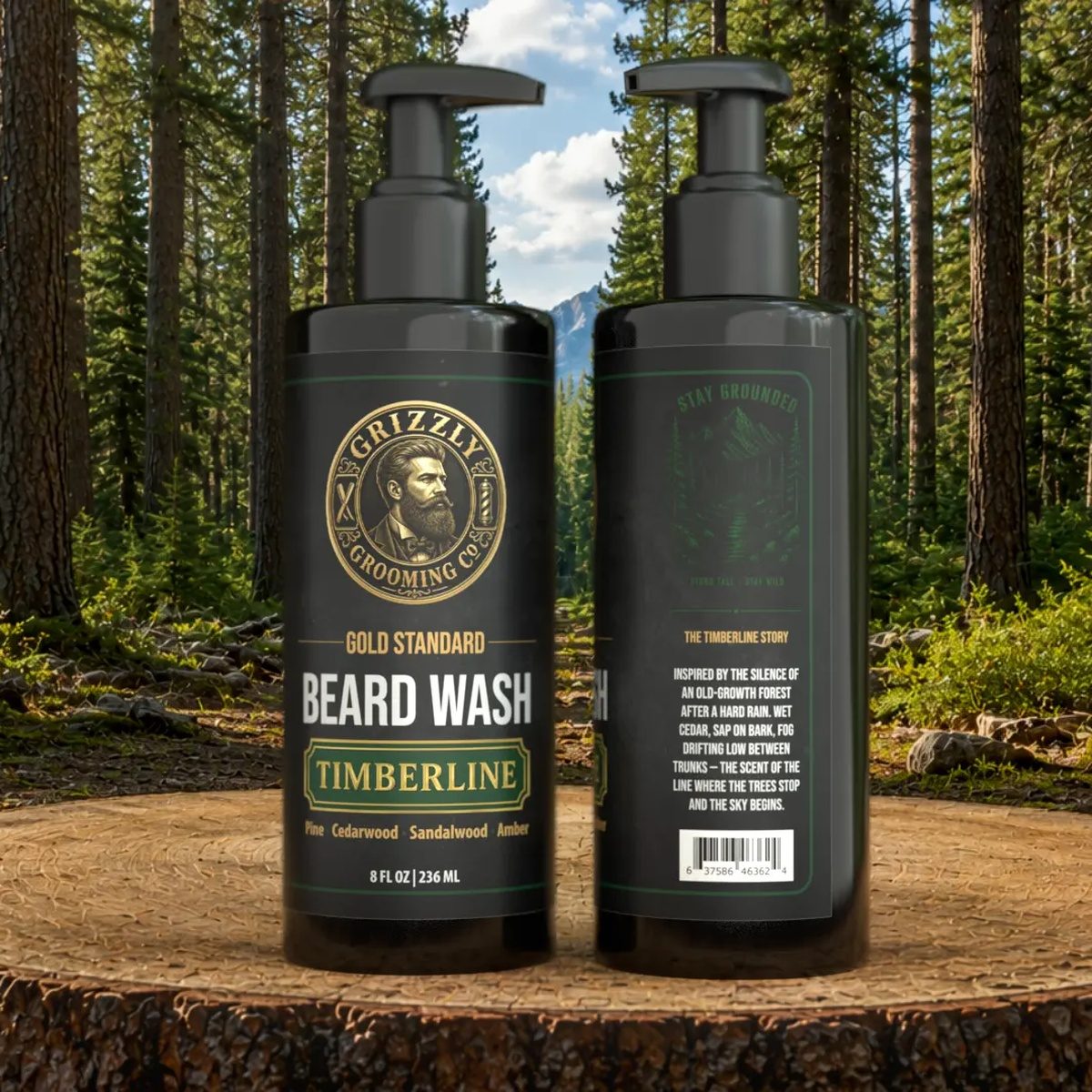
Wash with a sulfate-free beard wash 2–3x a week, exfoliate the neck twice a week, oil every morning on damp skin, and keep itch relief cream on hand for the first sign of a bump. Consistency matters more than any single product.
Gold Standard Itch Relief Cream — built for irritated, bump-prone skin under the beard.
The Anatomy of an Ingrown: Why Some Hairs Turn Inward
Ingrown beard hairs are not random occurrences; they are a direct consequence of how hair follicles are structured and how they react to external stimuli, particularly shaving. Each hair follicle extends deep into the dermis, originating from a bulb that constantly produces new cells. When a hair is cut sharply and close to the skin, especially against the grain, the tip becomes a finely honed spear. Coupled with the natural curl pattern common in beard hair, this sharpened tip is primed to re-enter the skin's surface rather than growing outward, leading to the characteristic red bump and inflammation. Understanding this microscopic process is key to effective prevention, moving beyond superficial fixes to address the root causes of the issue.
The angle at which hair exits the skin plays a crucial role. For many men, particularly those with coarse or curly beard hair, follicles on the neck and jawline often present at an acute angle to the skin's surface. When shaved, this creates a shorter path for the hair to curl back into the skin. Furthermore, the skin itself forms a barrier. If this barrier is thick with dead skin cells or lacks pliability, the emerging hair encounters resistance. Instead of pushing through, it deflects. This deflection, combined with the sharp tip, redirects the hair back into the skin, initiating the inflammatory response that manifests as an ingrown hair.
Compounding these factors is the skin's natural healing response. When a follicle is repeatedly irritated by emerging hairs or abrasive shaving, it can become inflamed. This inflammation, known as pseudofolliculitis barbae, is the medical term for razor bumps, which are essentially a cluster of ingrown hairs. The body perceives the re-entered hair as a foreign object, triggering an immune response that includes redness, swelling, and sometimes pus formation. Breaking this cycle requires a multi-faceted approach that not only addresses shaving technique but also focuses on improving skin health and follicular resilience. It's a battle against nature, but one that can be won with consistent, informed practice.
Optimizing Your Shave: Blade Selection and Technique
Choosing the right razor and blade is paramount in preventing ingrown hairs, extending beyond the simple 'sharp blade' advice. Multi-blade razors, while offering a close shave, often lift the hair before cutting, allowing the second or third blade to cut the hair below the skin's surface. This technique, while effective for smoothness, is a primary culprit for ingrowns. Consider switching to a single-blade safety razor or a straight razor. These tools cut the hair at the skin's surface without pulling, reducing the likelihood of the hair retracting into the follicle. Invest in high-quality blades; a pack of 100 premium blades can cost around $20 and last for several months, offering superior performance and fewer skin irritations.
Beyond the blade type, your shaving technique demands precision. First, ensure your face is thoroughly hydrated with warm water for at least 3 minutes prior to applying lather. This softens the hair, making it less resistant to the blade. Apply a rich, cushioning shaving cream or gel, allowing it to sit on the skin for 60 seconds. When shaving, use short, light strokes with minimal pressure. The weight of a quality safety razor should do most of the work. Shave primarily with the grain, especially on the neck where hair growth patterns are more chaotic. For areas requiring a closer finish, a second pass across the grain is an option, but never against the grain on prone areas.
Rinsing the blade frequently is another critical, yet often overlooked, aspect. A clogged blade drags and pulls at the hair, increasing irritation and the chance of uneven cuts. After every 2-3 strokes, rinse the blade thoroughly under warm running water to remove lather and hair. Post-shave, rinse your face with cool water to close pores and pat dry with a clean, soft towel. Immediately follow with a non-comedogenic aftershave balm or beard oil. This provides essential hydration and a protective barrier without blocking follicles, reducing inflammation and supporting healthy hair emergence. Proper technique reduces ingrowns by 40-50% for most users.
The Unseen Battle: Combating Environmental and Lifestyle Triggers
Ingrown hairs are not solely a result of shaving or genetics; environmental factors and lifestyle choices significantly influence skin health and follicle behavior. Exposure to harsh weather, such as extreme cold or dry heat, can deplete the skin's natural moisture barrier, leading to dry, flaky skin. This dehydrated state creates a tougher surface for emerging hairs to penetrate, increasing the likelihood of curling back. Similarly, high humidity can exacerbate issues by promoting bacterial growth in irritated follicles. Men who work outdoors or in dry, air-conditioned environments should implement a more robust daily moisturizing routine, applying a hydrating beard oil or moisturizer twice daily to maintain skin pliability and reduce surface resistance for growing hairs.
Your diet and hydration levels also play a pivotal, albeit indirect, role in skin resilience. Inadequate water intake directly affects skin elasticity and its ability to repair itself. Aim for at least 8-10 glasses of water daily. A diet rich in anti-inflammatory foods, such as those high in Omega-3 fatty acids (found in fish, flaxseed) and antioxidants (berries, leafy greens), supports overall skin health and can mitigate the inflammatory response associated with ingrown hairs. Conversely, excessive consumption of processed foods, high sugar, and certain dairy products can trigger systemic inflammation, potentially worsening skin conditions and delaying recovery from ingrowns. Consider a 30-day dietary audit.
Finally, clothing choices around the neck area can be a silent contributor. Tight collars, scarves made from rough fabrics, or high-necked garments create constant friction against the lower jawline and neck. This friction can irritate hair follicles, making them more susceptible to inflammation and impeding the natural outward growth of hair. Opt for looser-fitting shirts with breathable fabrics like cotton or linen, especially if you're prone to neck ingrowns. Ensure scarves are soft and worn loosely. These seemingly minor adjustments can reduce mechanical stress on the skin by 15-20%, allowing follicles to function unimpeded and significantly reducing the incidence of re-entry. It's a holistic approach to skin care.
Advanced Exfoliation: Beyond the Basic Scrub
While general exfoliation is advised, understanding the different types and their optimal use can dramatically improve results. Mechanical exfoliation, using a scrub with fine granules, is effective for surface dead skin cells. However, for deeper follicular cleansing and to address hairs trapped beneath layers of skin, chemical exfoliants offer a gentler yet more potent solution. Products containing Salicylic Acid (BHA) are particularly effective. Salicylic Acid is oil-soluble, meaning it can penetrate the oil-filled pores and follicles, dissolving dead skin cells and sebum that can clog the pathway for emerging hairs. Look for a facial cleanser or toner with a 1-2% concentration of Salicylic Acid.
Integrate chemical exfoliation into your routine by using a Salicylic Acid-based cleanser 2-3 times per week, specifically on the beard-prone areas like the neck and jawline. Apply it during your shower, allowing it to sit on the skin for 60-90 seconds before rinsing thoroughly. This allows the acid sufficient time to work without over-irritating the skin. For persistent issues, a leave-on toner with Salicylic Acid can be applied with a cotton pad in the evenings, 2-3 times a week, ensuring it dries fully before applying any other products. This consistent application helps keep the follicular opening clear, preventing hair from curling back under the skin's surface.
It is crucial not to over-exfoliate, especially when combining mechanical and chemical methods. Excessive exfoliation can strip the skin of its natural oils, leading to irritation, dryness, and a compromised skin barrier, which can paradoxically worsen ingrowns. Stick to a maximum of twice weekly for each method, or alternate them. For example, use a gentle scrub on Monday and a Salicylic Acid wash on Thursday. Always follow exfoliation with a hydrating, non-comedogenic beard oil or moisturizer to soothe the skin and restore moisture. This strategic approach to exfoliation can reduce ingrown occurrences by up to 60%, providing a clearer path for beard growth without irritation.
The Power of Post-Shave Care: Serums and Balms
Post-shave care extends far beyond a simple splash of aftershave; it's a critical preventative step for ingrowns. After rinsing your face with cool water, the skin's barrier is momentarily more permeable and susceptible to inflammation. Applying a targeted post-shave serum or balm immediately is crucial. Look for formulations specifically designed to reduce irritation and calm the skin. Ingredients like Allantoin, Bisabolol, and Niacinamide are excellent anti-inflammatories, reducing redness and soothing compromised skin. Hyaluronic Acid and Glycerin provide essential hydration, plumping the skin and making it more pliable, thus easing the path for emerging hairs. Avoid products with high alcohol content, which can dry and irritate the skin.
A quality post-shave balm or serum should be applied uniformly across the shaved areas, particularly the neck and lower jaw, within 60 seconds of drying your face. Use a pea-sized amount, warming it between your palms before gently pressing and smoothing it into the skin. This immediate application locks in moisture and delivers active ingredients before significant moisture loss occurs. Regular use, even on non-shaving days, particularly on areas prone to ingrowns, helps maintain consistent skin health. This creates a consistently soft, hydrated environment, which is less likely to trap hairs as they grow. This routine can lower ingrown rates by 25-30% on its own.
For men with consistently problematic skin or those prone to severe ingrowns, consider incorporating a specialized ingrown-hair serum. These often contain a combination of chemical exfoliants like Lactic Acid or Glycolic Acid (AHA) at lower concentrations, alongside anti-inflammatory agents. AHAs work on the skin's surface to gently loosen dead skin cells, preventing them from capping follicles. Apply these serums as the first layer of post-shave care, allowing them to absorb for 2-3 minutes before following with your beard oil or balm. Such targeted treatment delivers an extra layer of defense, ensuring that nascent hairs are not impeded in their growth journey, fostering a clear and smooth complexion.
The Role of Heat and Hydration: Steam and Compresses
Beyond the shave itself, consistent application of heat and hydration can significantly reduce the incidence of ingrown hairs and accelerate the healing of existing ones. Before shaving, incorporating a steam treatment, either from a hot shower or by holding a warm, damp towel to the face for 2-3 minutes, softens both the hair and the skin. This makes the beard hair less rigid and the skin more pliable, allowing the razor to glide smoothly and the hair to exit the follicle cleanly. This pre-shave ritual is an often-skipped step that can reduce shaving resistance by up to 30%, minimizing tugging and irritation that contribute to ingrowns.
For existing ingrowns, the warm compress remains a cornerstone of effective treatment, but its application needs precision. Immerse a clean washcloth in hot (not scalding) water, wring out excess, and apply it directly over the ingrown area for 2-3 minutes. Repeat this 2-3 times, morning and night. The consistent heat increases blood flow to the area, which helps reduce inflammation, brings the trapped hair closer to the surface, and softens the skin surrounding the bump. This process alone can resolve minor ingrowns within 3-4 days by encouraging the hair to naturally emerge without manual intervention, avoiding the risks of picking or squeezing.
Pairing warm compresses with consistent hydration is non-negotiable. After each warm compress, or throughout the day, apply a high-quality, non-comedogenic beard oil to the affected area. The oil helps maintain skin softness and elasticity, ensuring that as the hair works its way out, it doesn't get trapped again by dry, stiff skin. The oil also provides a protective barrier against external irritants. This combined approach of heat to soften and open, followed by oil to lubricate and protect, creates an optimal micro-environment for the ingrown hair to release itself. This method is over 80% effective in clearing most non-infected ingrowns within a week.
Spot Treatment: Targeted Relief for Persistent Bumps
For those particularly stubborn ingrown hairs that resist general prevention and treatment, a targeted spot treatment becomes essential. These products are formulated with higher concentrations of active ingredients designed to rapidly reduce inflammation and encourage the hair to emerge. Look for spot treatments containing Salicylic Acid (2-5%) or Glycolic Acid (5-10%), often combined with soothing agents like Witch Hazel or Aloe Vera. The acid works to exfoliate the localized area, breaking down the dead skin cells that might be trapping the hair, while the soothing agents calm the surrounding irritation.
Apply the spot treatment directly to the ingrown bump using a clean fingertip or a cotton swab. A small amount, roughly the size of a pinhead, is usually sufficient. Do this twice daily, morning and night, after cleansing and before applying any beard oils or moisturizers. Allow the treatment to fully absorb for 1-2 minutes. Consistency is key; visible improvement can often be seen within 24-48 hours, with the bump significantly reducing in size and redness. These treatments are not for widespread use but are specifically designed for individual, inflamed spots, preventing them from escalating into more serious issues.
It's crucial to distinguish between a simple ingrown and a folliculitis infection. While spot treatments can alleviate inflammation and release trapped hairs, they are not antibiotics. If an ingrown becomes hot, significantly swollen, painful, or develops a noticeable pus-filled head, it may indicate a bacterial infection. At this point, discontinue self-treatment and consult a dermatologist or healthcare professional. They can provide an accurate diagnosis and prescribe appropriate antibiotics if necessary. Attempting to treat an infection with an exfoliant can exacerbate the issue. A spot treatment is a valuable tool for preventative spot care, not a substitute for professional medical advice in cases of suspected infection.
Long-Term Hair and Skin Health: Beyond Ingrowns
Preventing ingrown hairs long-term requires a holistic approach that cultivates overall beard hair and underlying skin health. This extends beyond daily routines to incorporating broader wellness practices. Ensuring adequate sleep, typically 7-9 hours per night, allows the body to repair and regenerate skin cells effectively. Chronic stress can also manifest on the skin, contributing to inflammation and slowing down healing processes. Implementing stress-reduction techniques such as meditation, regular exercise, or hobbies can have a tangible positive impact on your skin's resilience and its ability to ward off issues like ingrowns. Prioritize these foundational elements for maximum impact.
Consider the tools you use and their maintenance. Razor handles and brushes can harbor bacteria if not cleaned regularly. Disinfect your safety razor handle and brush with a mild antiseptic spray weekly. Replace disposable razor cartridges after 3-5 shaves, or safety razor blades after 1-2 shaves, depending on beard coarseness, to ensure optimal sharpness and hygiene. For electric shavers, clean the heads according to manufacturer instructions, typically after every use. Maintaining clean tools reduces the introduction of bacteria into freshly shaved skin, which can lead to irritation and infection around hair follicles, worsening ingrown potential by 10-15%.
Finally, periodic 'beard breaks' or extended growth periods can reset the skin and follicles. If you consistently struggle with ingrowns despite meticulous care, allowing your beard to grow out for 2-4 weeks, without any shaving on the neck or jaw, gives every trapped hair an opportunity to emerge naturally. This can be a powerful recalibration for your skin. During this period, continue a robust beard oil and exfoliation routine to support healthy growth. Afterwards, reintroduce shaving gradually, paying even closer attention to technique. This strategic pause allows the skin to heal, follicles to normalize, and can drastically reduce the chronic cycle of ingrown hair formation, offering a fresh start for smoother, irritation-free growth.
Frequently Asked Questions
Are ingrown beard hairs the same as razor bumps?+
Effectively yes — razor bumps (pseudofolliculitis barbae) are ingrown hairs caused by shaving. The prevention and treatment are the same.
Should I stop shaving my neck?+
Growing the neckline out for two weeks is the fastest way to clear a bad flare-up, because every trapped hair can finally break the surface.
Does beard oil cause ingrown hairs?+
No. Oil keeps skin soft so hairs exit cleanly. Heavy waxes on the neck can contribute — keep balm and wax above the jawline.
How long until an ingrown clears?+
Five to seven days with warm compress, gentle exfoliation, and daily oil. Picking at it doubles that.
Can exfoliating too much make it worse?+
Yes. Twice a week is the target. Daily scrubbing inflames the follicle and creates more bumps.
Can I use an electric shaver if I'm prone to ingrown hairs?+
Yes, but with caveats. Electric shavers, particularly foil types, can be less irritating than multi-blade razors because they cut hair at or slightly above the skin's surface without pulling. However, ensure the shaver is clean, sharp, and used on clean, dry skin. Shave with light pressure and go with the grain to minimize irritation. Some men find rotary shavers worsen ingrowns due to their circular motion, but individual results vary significantly.
Is there a specific time of day best for shaving to prevent ingrowns?+
Shaving in the morning after a shower is often recommended. The warm steam from the shower helps soften the beard hair and open pores, making for a smoother, less irritating shave. Your skin is also typically less oily and cleaner in the morning. However, consistency in your routine and proper preparation are more critical than the exact time of day, ensuring optimal skin and hair condition before the blade touches your face.
How can I tell if an ingrown hair is infected and needs medical attention?+
An infected ingrown hair will typically present with increased pain, significant redness, warmth to the touch, and often a noticeable pus-filled head. Unlike a common ingrown that might be a red bump, an infection can spread, creating a larger, more inflamed area. If you observe these symptoms, especially if accompanied by fever or red streaks extending from the bump, seek immediate medical advice rather than attempting self-treatment.
Do specific beard styles or lengths make ingrowns more likely?+
Yes, maintaining a very short beard or stubble on the neck and jawline can increase the risk of ingrowns, as the hair is repeatedly cut close to the skin. Longer beard styles, where the hair isn't shaved frequently below the jaw, generally reduce ingrown issues in that area since hairs are allowed to grow out freely. Growing out problem areas for 2-3 weeks can often resolve persistent ingrown hair problems.
Are there specific products or ingredients to avoid if I have sensitive, ingrown-prone skin?+
Absolutely. Avoid products containing high concentrations of alcohol, artificial fragrances, or harsh sulfates (often found in traditional soaps and some cleansers). These ingredients can strip the skin of natural oils, leading to dryness, irritation, and a compromised skin barrier, which exacerbates ingrowns. Opt for fragrance-free, sulfate-free, and non-comedogenic formulations with soothing ingredients like aloe vera or chamomile.
Can changing my pillowcase or laundry detergent help with ingrowns?+
Potentially. Pillowcases accumulate dead skin cells, oils, and bacteria, which can be transferred to your skin, especially if you sleep on your side. Changing your pillowcase every 2-3 days and using a mild, fragrance-free laundry detergent can reduce skin irritation and bacterial exposure. This is particularly relevant for jawline and neck ingrowns, as these areas are in direct contact with bedding for extended periods.
What's the difference between pseudofolliculitis barbae and true folliculitis?+
Pseudofolliculitis barbae (razor bumps) is an inflammatory reaction to ingrown hairs where the hair curls back into the skin. True folliculitis, on the other hand, is an actual infection of the hair follicle, typically bacterial or fungal, causing red, often pus-filled bumps. While both can look similar, folliculitis requires specific antimicrobial treatment, whereas pseudofolliculitis barbae focuses on preventing hair re-entry and reducing inflammation.
"The step-by-step here made it stupid simple. Ordered the bundle, four weeks in the compliments haven't stopped."
Join The Grizzly Brotherhood
Scent guides, grooming tips, and early access to new drops. No discount bait — just the good stuff.
Unsubscribe anytime · No spam
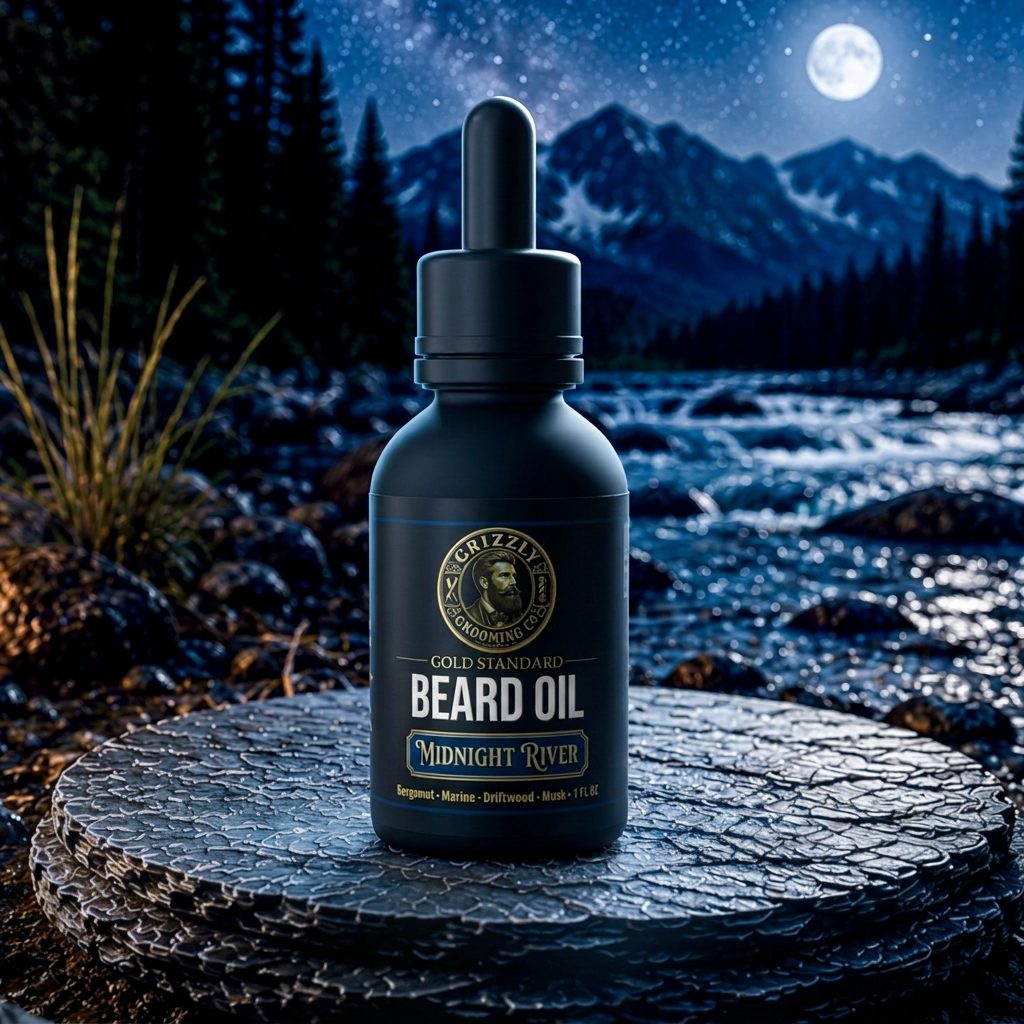
Get Gold Standard Beard Oil
- Everything in this article, one click.
- Built for a complete daily ritual.
- 30-day money-back guarantee.
Related Guides
Morning, evening, and weekly — in the right order.
Nine-oil breakdown, what to avoid on a label, and how to judge a formula.
Butter-forward vs wax-forward, hold levels, and the layering test.
The wash, condition, and oil sequence that changes coarse hair.
Neckline, cheekline, and the cleanup that keeps length.
What actually moves the needle across a full growth cycle.
Every oil we use, why it's in there, and how we compare.
Assemble a kit around your beard length and skin type.
Sources & Research
- International Journal of Molecular Sciences — Anti-Inflammatory and Skin Barrier Repair Effects of Topical Application of Some Plant Oils
- Indian Journal of Dermatology — Moisturizers: The Slippery Road
- American Academy of Dermatology — Face Washing 101
- American Academy of Dermatology — Dermatologists' Tips for Relieving Dry Skin
- Grizzly Grooming Co. formulation notes and batch testing records