How To Soften A Coarse Beard: The 4-Step Softness System
- ›Coarse beard hair is not a defect — it's under-conditioned.
- ›Wash less. Condition more. Oil daily. Butter twice weekly.
- ›Two weeks of the protocol and even a wire-brush beard softens noticeably.
Beard hair is naturally coarser than scalp hair. That's biology. But 'coarse' should not mean 'painful to touch' — and if yours is, you're missing conditioning steps, not born unlucky.
1. Cut your wash frequency
Over-washing strips sebum. Twice a week is enough for most beards. On off days, warm-water rinse only.
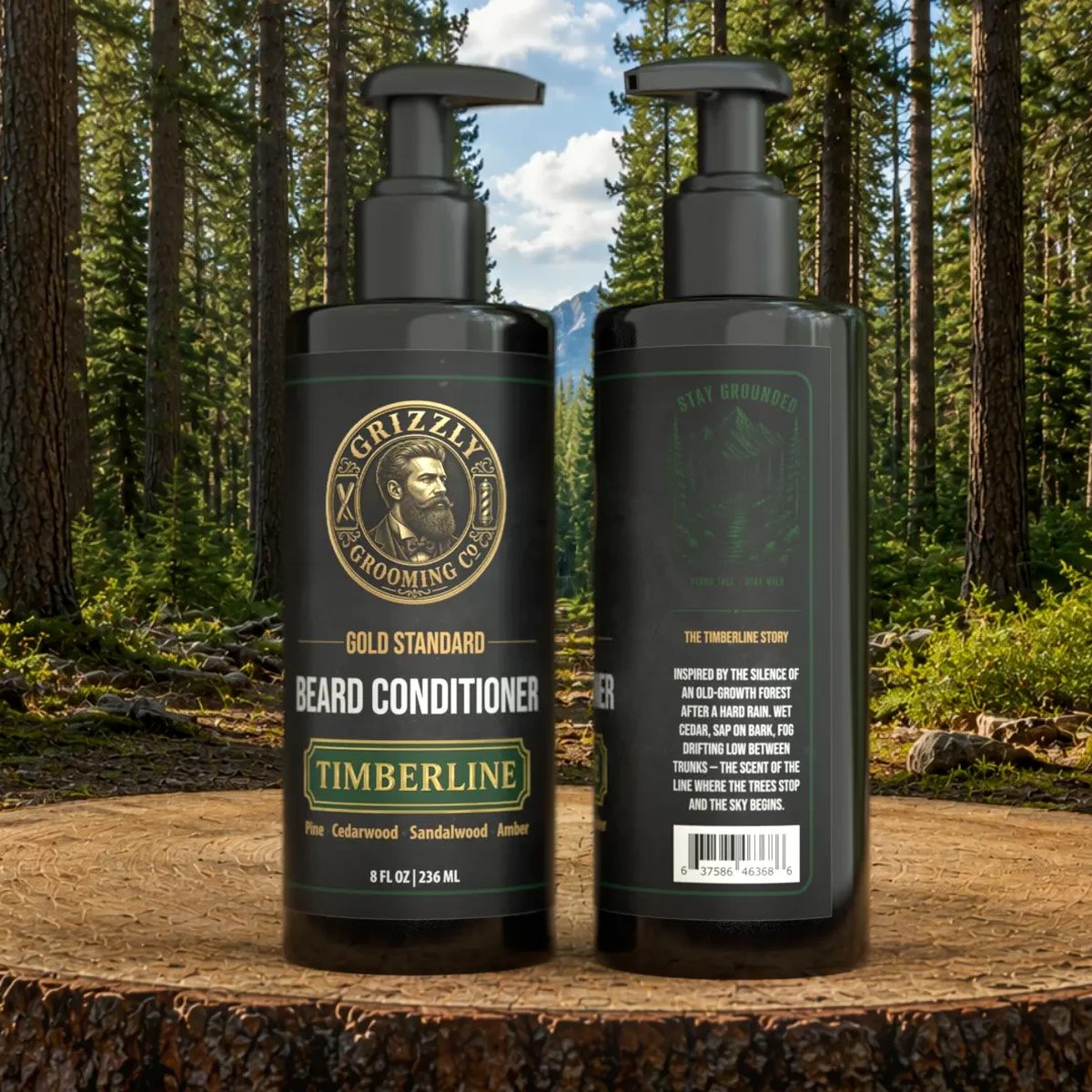
2. Add beard conditioner
Different from oil. A proper beard conditioner sits on the hair for 60 seconds like scalp conditioner, then rinses. Twice weekly transforms coarse hair.
3. Oil daily on damp hair
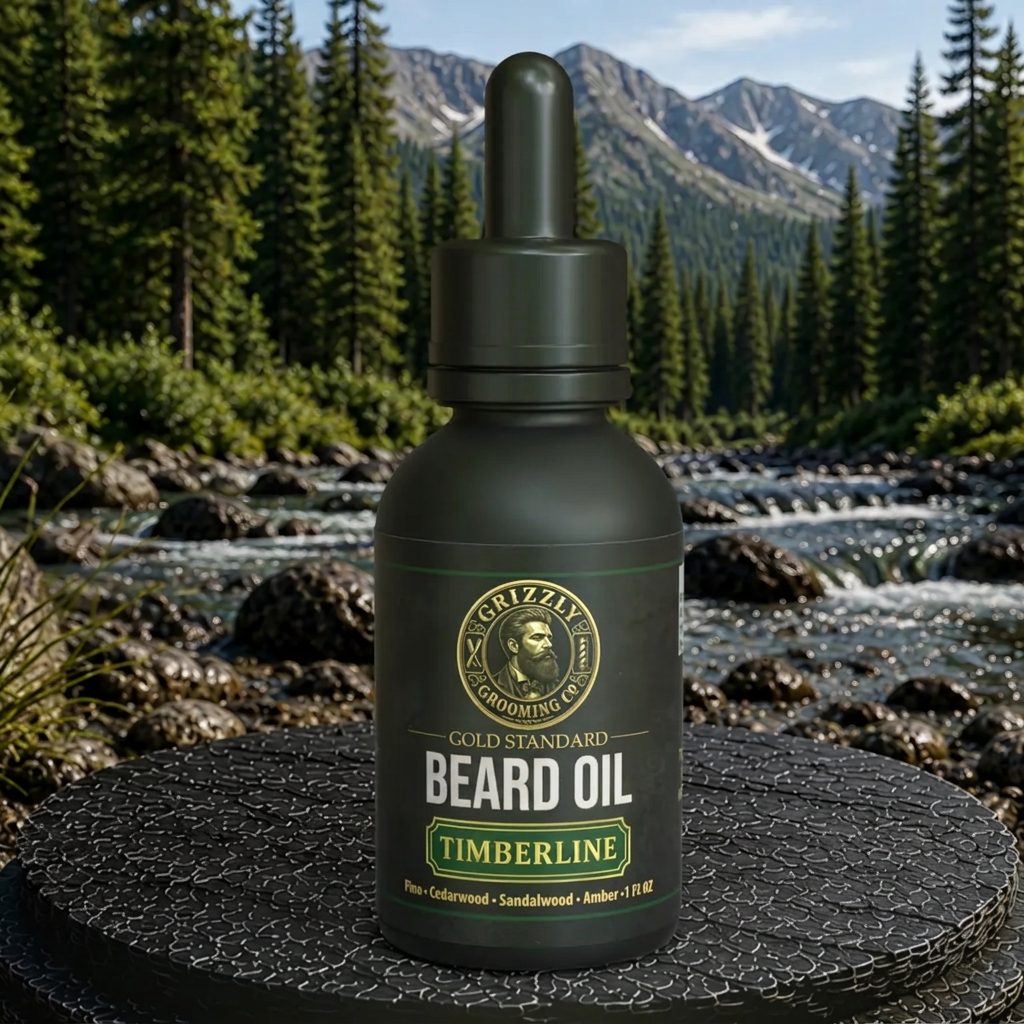
Non-negotiable. Argan and jojoba penetrate the shaft and soften from the inside.
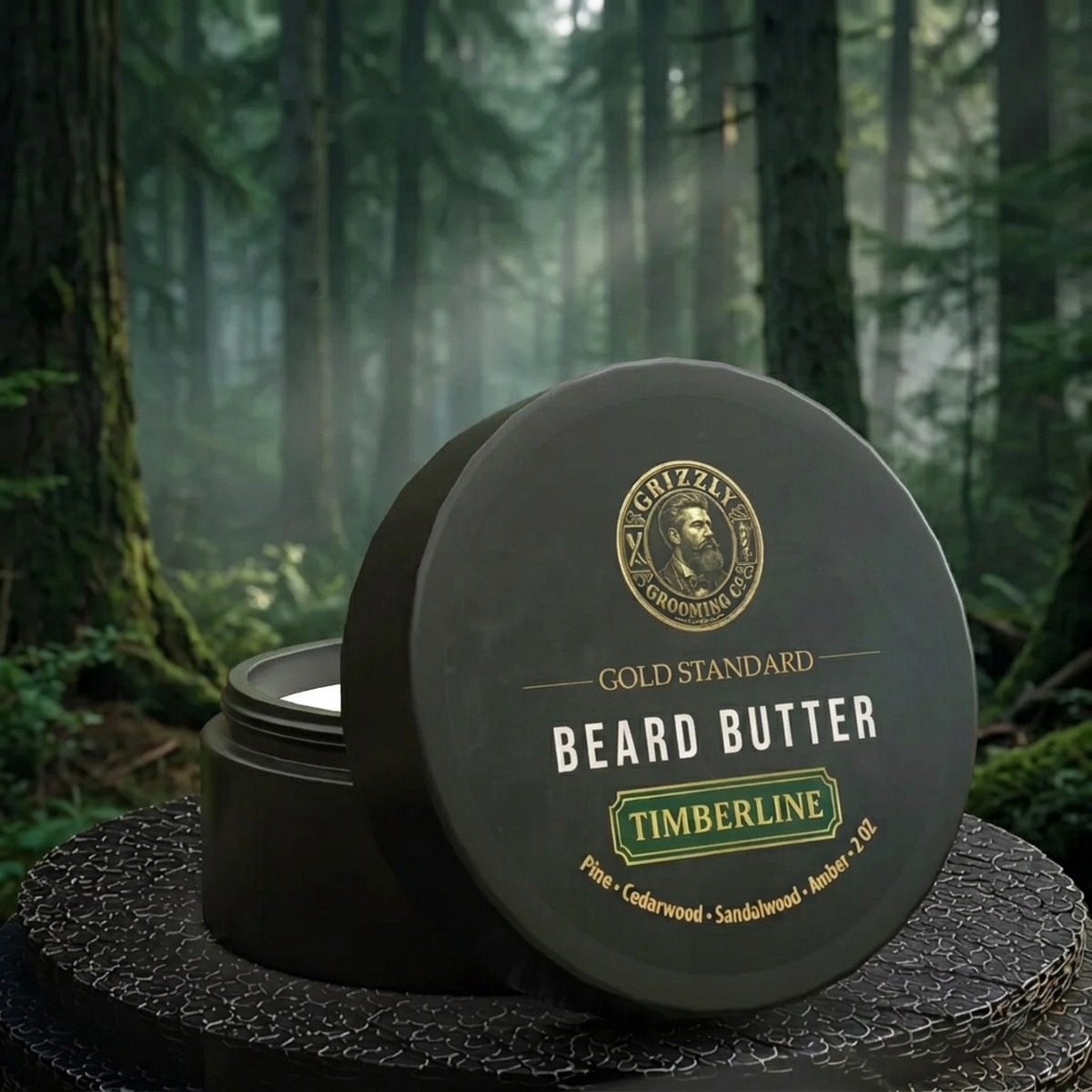
4. Beard butter twice a week
Deep conditioning treatment. Apply, comb through, leave 5 minutes, do the rest of your ritual, rinse. Softness comes fast.
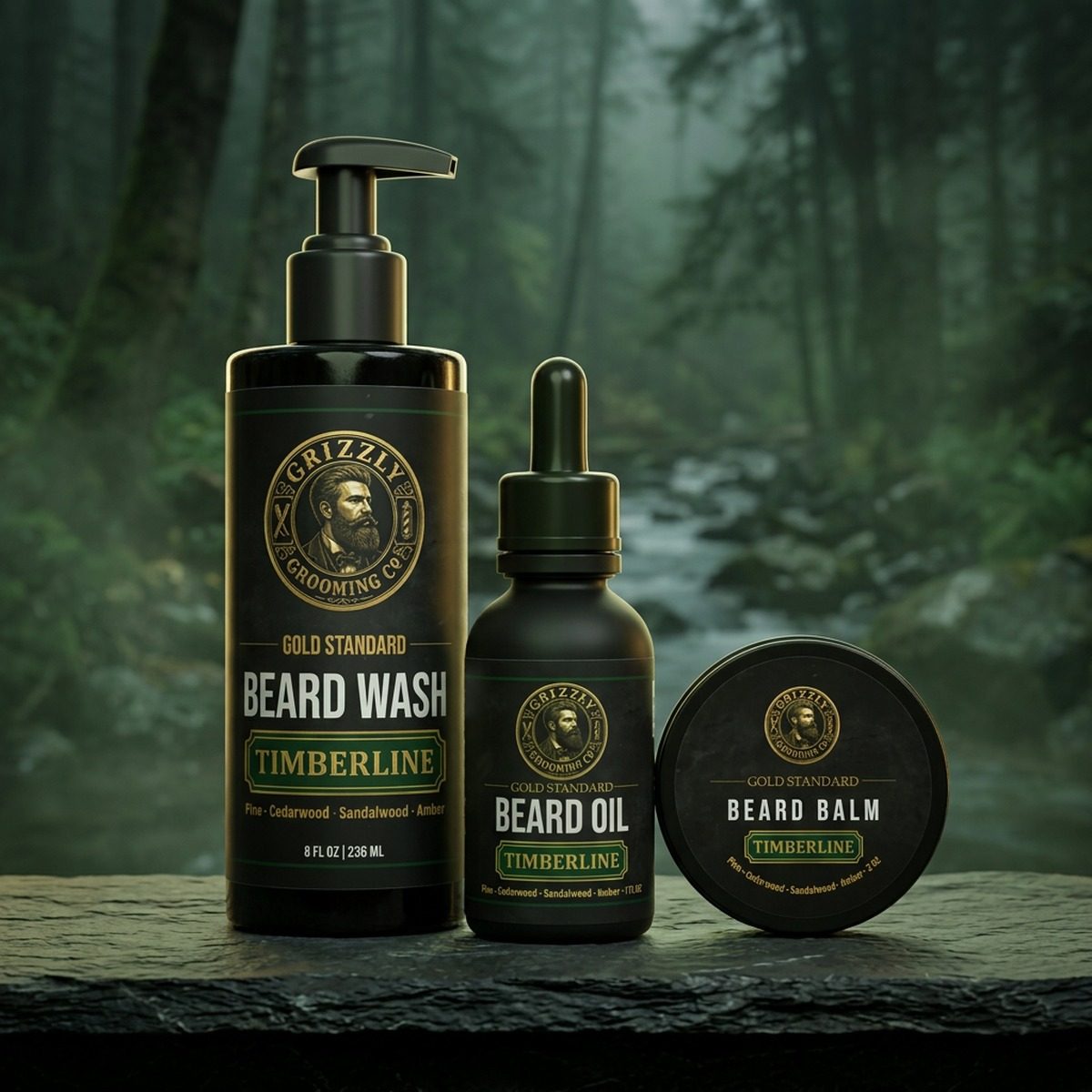
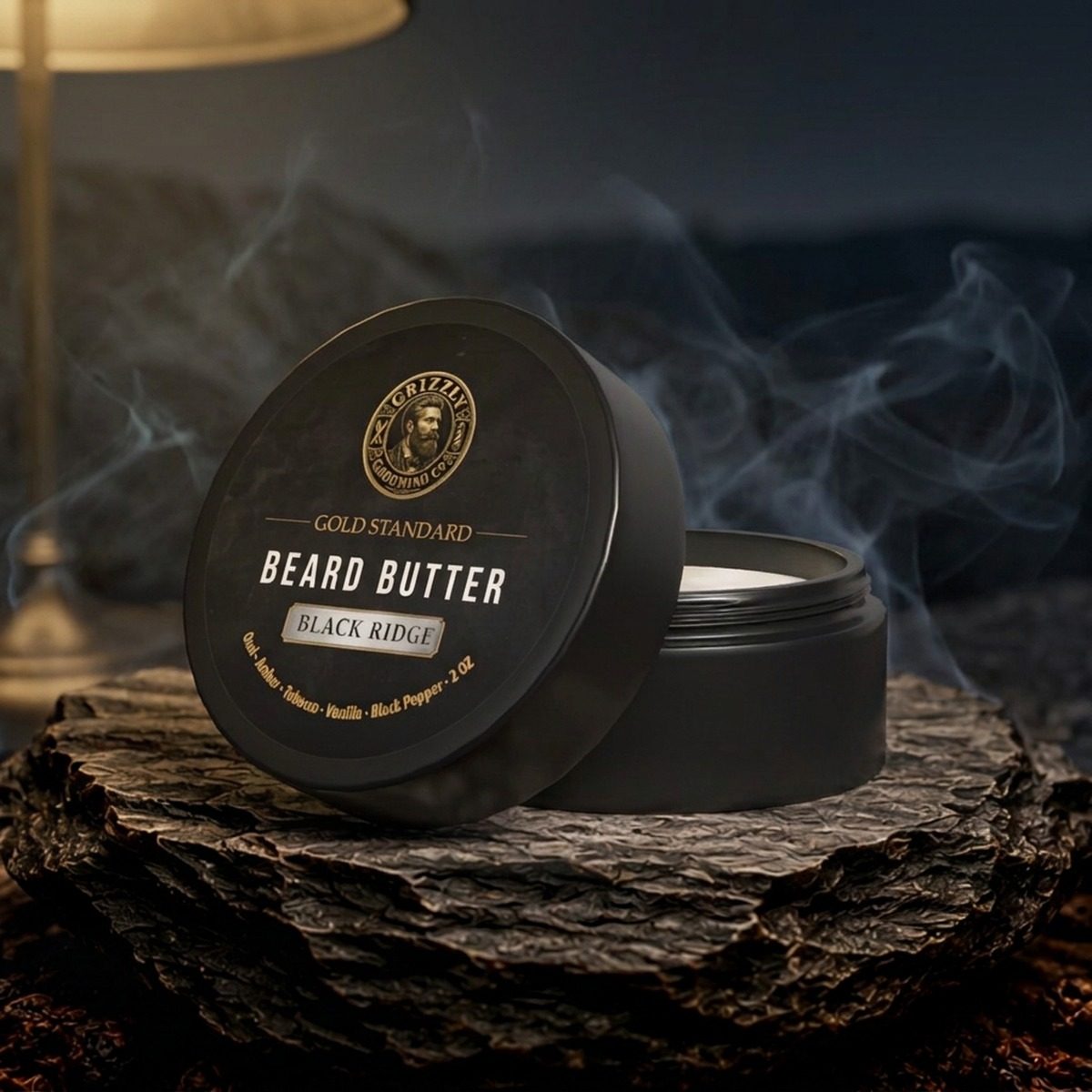
Gold Standard Beard Butter — the deep-conditioning step most beards are missing.
How long softening actually takes
Texture responds faster than growth. On a consistent routine — wash twice weekly, oil daily on damp hair, butter twice a week — most men feel a real difference in ten to fourteen days and see a clear change by week four. The middle of the beard improves first; the last inch, the oldest and most weathered hair, takes longest.
If nothing has changed after six weeks of genuine consistency, the limiter is mechanical damage rather than dryness. Heat, over-brushing with a cheap comb, and split ends do not respond to conditioning — they have to be prevented and, in the case of split ends, cut off.
Hard water is a hidden cause
Calcium and magnesium from hard water deposit on the hair shaft, and those deposits feel exactly like coarseness. The tell is a beard that stiffens within a day of washing plus soap that never lathers properly. No oil fixes this, because it is not a dryness problem.
A shower filter stops the deposition. A monthly clarifying rinse clears what has accumulated: one part white vinegar to four parts water, thirty seconds, rinse clean, oil immediately. Monthly, not weekly — it strips sebum along with the minerals.
Heat and friction damage
Hot showers strip sebum faster than any product removes it, and the roughness shows up within hours. Drop the temperature to comfortably warm and finish with a cool rinse to close the cuticle. It costs nothing and it is the single most reliable texture improvement available.
Then look at your comb. Cheap injection-molded combs have seam ridges that saw at each strand. A sawcut wooden or horn comb does not. Combine that with detangling from the ends upward on damp hair and you eliminate most of the breakage that makes a beard feel like wire.
The weekly butter mask
Once a week, apply a generous butter layer to a damp beard, comb it through from the ends upward, and leave it for twenty to thirty minutes before rinsing with cool water and re-oiling. This is the single highest-yield conditioning session in a softening routine.
Do it on an evening you are home anyway. The difference is noticeable the following morning, and by the third or fourth week the baseline texture has moved rather than just the day-after feel.
Products that make coarseness worse
Anything alcohol-forward — many aftershaves and some cheap balms — evaporates moisture out of the hair it is applied to. Bar soap sits around pH 9 or 10, well above skin's natural range, and leaves the cuticle swollen and rough.
Heavy wax used as a daily conditioner is the third offender: it holds shape but seals a dry surface. If you are using wax daily, keep an oil layer underneath and reserve the wax for the mustache and the outline.
Keep reading
Diet's role in beard texture
Chronic dehydration and low healthy-fat intake both show up as coarser, more brittle hair over time, because hair quality depends partly on what the follicle has available to build with. This will not fix an already-coarse beard overnight, but it removes one more input working against your topical routine.
Omega-3 fats from fish, walnuts, or flax support the skin barrier that produces sebum, and adequate water intake keeps the hair shaft itself less brittle. Treat this as a background factor alongside the washing and conditioning changes, not a replacement for them.
Seasonal texture changes and how to adjust
A beard that felt reasonably soft in summer often turns noticeably coarser by midwinter, and the cause is almost always environmental rather than a sudden change in the hair itself. Indoor heating drops ambient humidity well below what skin and hair are used to, and the effect compounds over weeks of exposure.
Increase oil frequency slightly as the season turns rather than waiting until the beard already feels rough, and consider a bedroom humidifier if winters in your area are particularly dry. Reverting to your normal routine once humidity returns in spring is usually enough — no need to keep the winter dose year-round.
Sun exposure and coarseness
UV exposure degrades the outer cuticle layer of hair over a season of regular sun, and beard hair on the parts of the face that get the most direct light — the cheeks and the top of the mustache area — often feels coarser than the rest by late summer. This is a slower, cumulative form of damage rather than a single-day event.
A daily oil application already provides some protection since oils create a light barrier, but men who spend a lot of time outdoors in summer benefit from a slightly heavier oil dose during peak sun months. There is no dedicated beard sunscreen worth chasing — consistent oiling covers most of the practical need.
The role of shaving and trimming technique on perceived coarseness
Cutting hair with a dull blade or a poorly maintained trimmer tears the strand rather than slicing it cleanly, leaving a rough, split end that feels coarse to the touch regardless of how well-conditioned the rest of the hair is. This is a mechanical problem that no amount of oil or butter will resolve, since the damage happens at the moment of the cut.
Replace trimmer blades on the manufacturer's recommended schedule, usually every six to twelve months with regular use, and have scissors professionally sharpened rather than using a dull pair indefinitely. A clean cut alone can noticeably improve how the ends of a beard feel within a single trim.
Layering products without creating buildup
Softening a coarse beard often means adding conditioner, oil, and butter into the same week, and stacking all three without a plan creates a waxy buildup that feels stiff rather than soft, undermining the goal. The fix isn't using less of everything — it's sequencing correctly and clarifying periodically.
Use conditioner on wash days only, oil daily on non-wash days and after washing once damp, and reserve butter for one or two dedicated deep-condition sessions a week rather than daily. A monthly clarifying wash removes any residue this layering leaves behind before it starts feeling heavy.
Why the neck area often stays coarser than the rest of the beard
Neck hair often grows in a different direction and texture than cheek and chin hair, and it also sits closer to a razor line if you shave the neckline regularly, which means it experiences more mechanical stress than the rest of the beard. This localized coarseness is common and not a sign your overall routine is failing.
Give the neck area a slightly heavier oil dose than the rest of the beard and consider shaving the neckline less frequently — every ten to fourteen days rather than weekly — to reduce how often that hair experiences a fresh cut edge.
When coarseness is actually a sign of an underlying skin condition
A beard that stays wiry and rough despite months of consistent conditioning, especially alongside visible redness, scaling, or bumps under the hair, may point to a skin condition rather than a texture problem that oil and butter can solve. Conditions like keratosis pilaris or contact dermatitis change how hair feels as it grows through affected skin.
If the standard softening protocol produces no change after six to eight weeks and the skin underneath looks visibly different from surrounding areas, that combination is worth a dermatologist visit rather than another product purchase.
Frequently Asked Questions
Does a weekly beard mask help with coarseness?+
Yes. A generous butter layer on a damp beard, left twenty to thirty minutes and rinsed cool, moves the baseline texture within three or four weeks.
What products make a beard feel coarser?+
Alcohol-forward aftershaves and balms, bar soap at pH 9 to 10, and daily wax applied over a dry beard.
How long does it take to soften a coarse beard?+
Most men notice a difference within two weeks of daily oiling and twice-weekly conditioning, with a clear change by week four.
Can hard water make my beard feel coarse?+
Yes. Mineral deposits coat the hair shaft and feel identical to coarseness. A shower filter or a monthly diluted vinegar rinse clears it.
Do hot showers damage a beard?+
They strip sebum quickly and leave the beard rougher within hours. Use comfortably warm water and finish with a cool rinse.
Can I leave beard butter in overnight?+
Small amount, yes. Larger deep-condition dose, rinse after 5–10 minutes.
Do I still need oil if I use butter?+
Yes. Butter is a treatment; oil is daily maintenance.
How long until my beard is soft?+
10–14 days with the full protocol.
Does diet affect how coarse a beard feels?+
It can be a contributing factor. Chronic dehydration and low intake of healthy fats are linked to more brittle hair texture. It won't fix a coarse beard on its own but supports the results of a good topical routine.
Why does my beard get coarser in winter?+
Indoor heating drops humidity well below what skin and hair need, drying out the beard over weeks of exposure. Increasing oil frequency as the season turns and using a bedroom humidifier both help.
Can sun exposure make a beard feel coarser?+
Yes, cumulatively. UV exposure degrades the hair's outer cuticle over a season, and the cheeks and mustache area, which see the most direct light, often feel roughest by late summer. A slightly heavier oil dose in peak sun months helps.
Can a dull trimmer blade make my beard feel coarser?+
Yes. A dull blade tears rather than slices the hair, leaving rough, split ends that feel coarse no matter how well-conditioned the beard is. Replace blades on schedule and have scissors sharpened regularly.
How do I layer conditioner, oil, and butter without buildup?+
Use conditioner only on wash days, oil daily, and butter for one or two dedicated deep-condition sessions a week rather than daily. Add a monthly clarifying wash to clear any residue.
Why does my neck hair feel coarser than the rest of my beard?+
It often grows in a different texture and sits closer to a shaved edge, which adds mechanical stress. Give it a slightly heavier oil dose and shave the neckline every ten to fourteen days instead of weekly.
"Bought the kit after reading this. First product line that actually did what it said. I'm on subscribe now, never going back."
Join The Grizzly Brotherhood
Scent guides, grooming tips, and early access to new drops. No discount bait — just the good stuff.
Unsubscribe anytime · No spam
Get Gold Standard Beard Butter
- Everything in this article, one click.
- Built for a complete daily ritual.
- 30-day money-back guarantee.
Related Guides
Morning, evening, and weekly — in the right order.
Nine-oil breakdown, what to avoid on a label, and how to judge a formula.
Butter-forward vs wax-forward, hold levels, and the layering test.
The wash, condition, and oil sequence that changes coarse hair.
Neckline, cheekline, and the cleanup that keeps length.
What actually moves the needle across a full growth cycle.
Every oil we use, why it's in there, and how we compare.
Assemble a kit around your beard length and skin type.
Sources & Research
- International Journal of Molecular Sciences — Anti-Inflammatory and Skin Barrier Repair Effects of Topical Application of Some Plant Oils
- Indian Journal of Dermatology — Moisturizers: The Slippery Road
- American Academy of Dermatology — Face Washing 101
- American Academy of Dermatology — Dermatologists' Tips for Relieving Dry Skin
- Grizzly Grooming Co. formulation notes and batch testing records