Beardruff: What Causes It And How To Get Rid Of It Fast
- ›Beardruff is usually dry skin or fungal — treat both angles first.
- ›Oil the skin, not just the hair, twice daily for one week.
- ›If flakes are yellow and greasy, it's seborrheic dermatitis — see a dermatologist.
Flakes in a beard are embarrassing on a dark shirt and completely fixable. Almost every case is one of three things: dry skin, product buildup, or seborrheic dermatitis. Pick the right one and you're clear in two weeks.
Diagnose the flake
Small, white, dry flakes that scatter when you brush — dry skin. Yellow, greasy, sticky flakes with red skin underneath — seborrheic dermatitis. Fine white powder concentrated where you applied product — buildup.
The dry-skin protocol
Cut washing back to twice a week. Apply beard oil to damp skin (not just hair) morning and night for seven days. Brush daily to distribute oil and lift flakes out.
The buildup protocol
Clarify: one wash with a good sulfate-free beard wash, working thumbs down to the skin. Rinse thoroughly. Skip balm for 3 days. Reintroduce with a smaller dose.
When to see a dermatologist
Yellow greasy flakes, angry red skin, or flakes that never respond to the above are seborrheic dermatitis or fungal. Ketoconazole shampoo (used on the beard) works. So does a proper diagnosis.
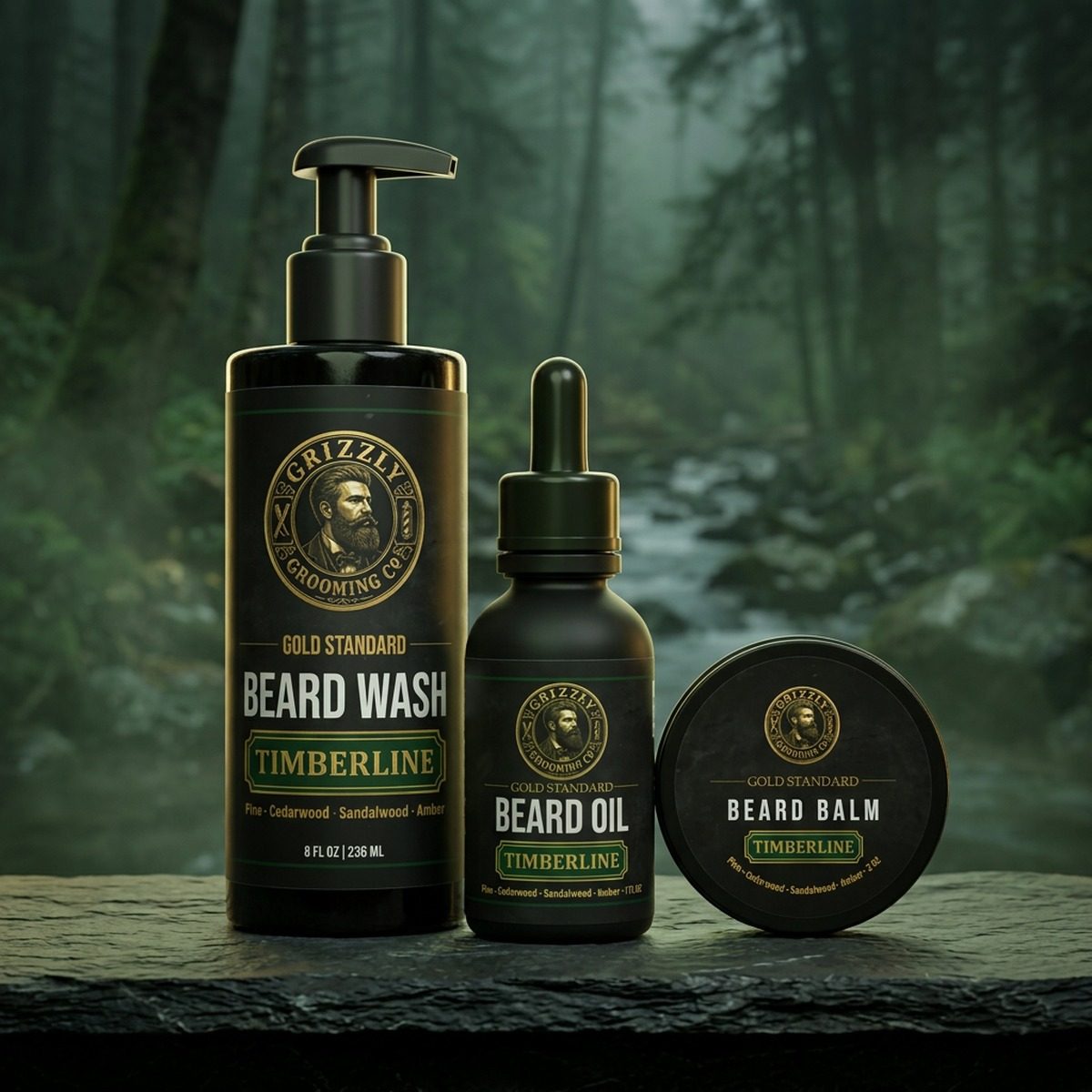
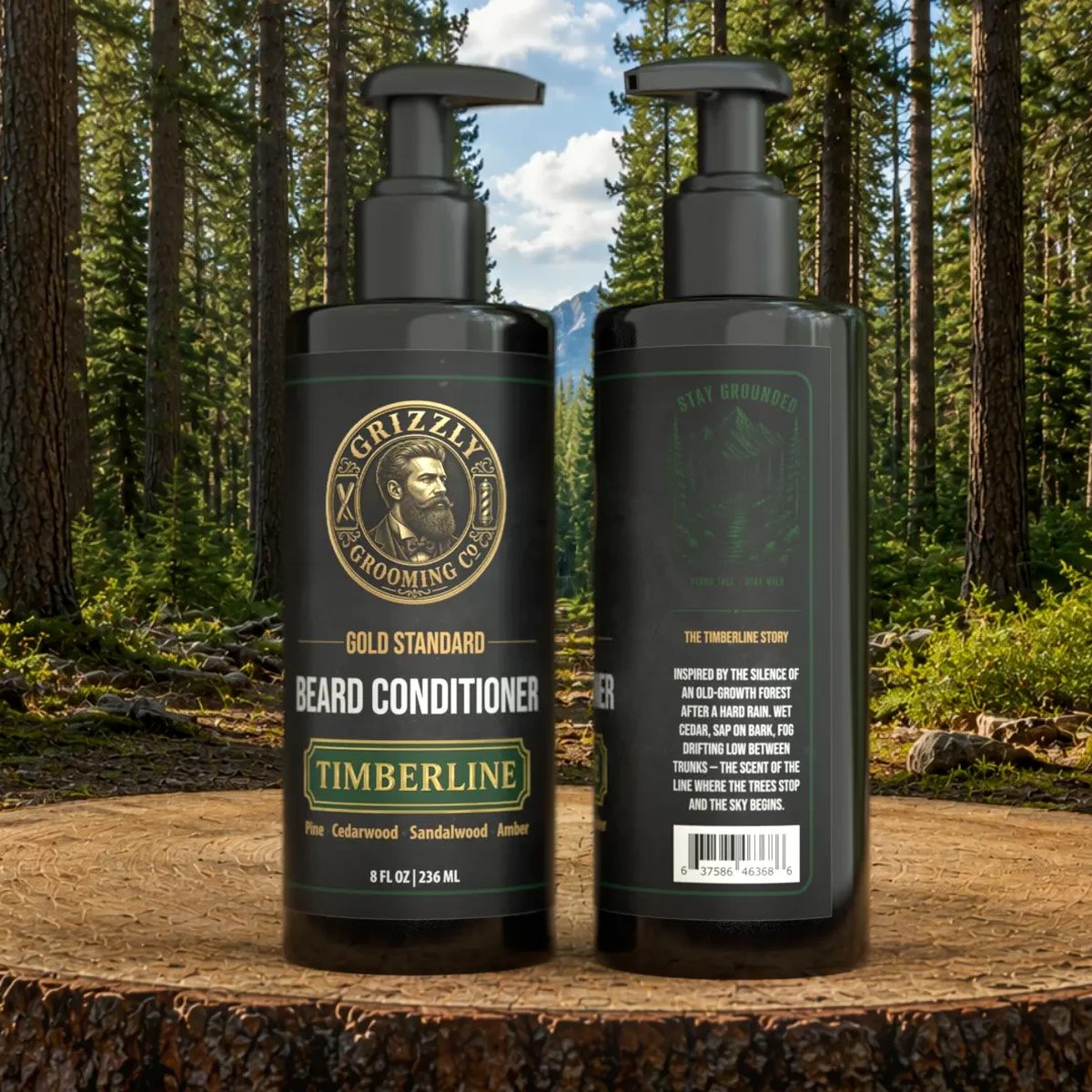
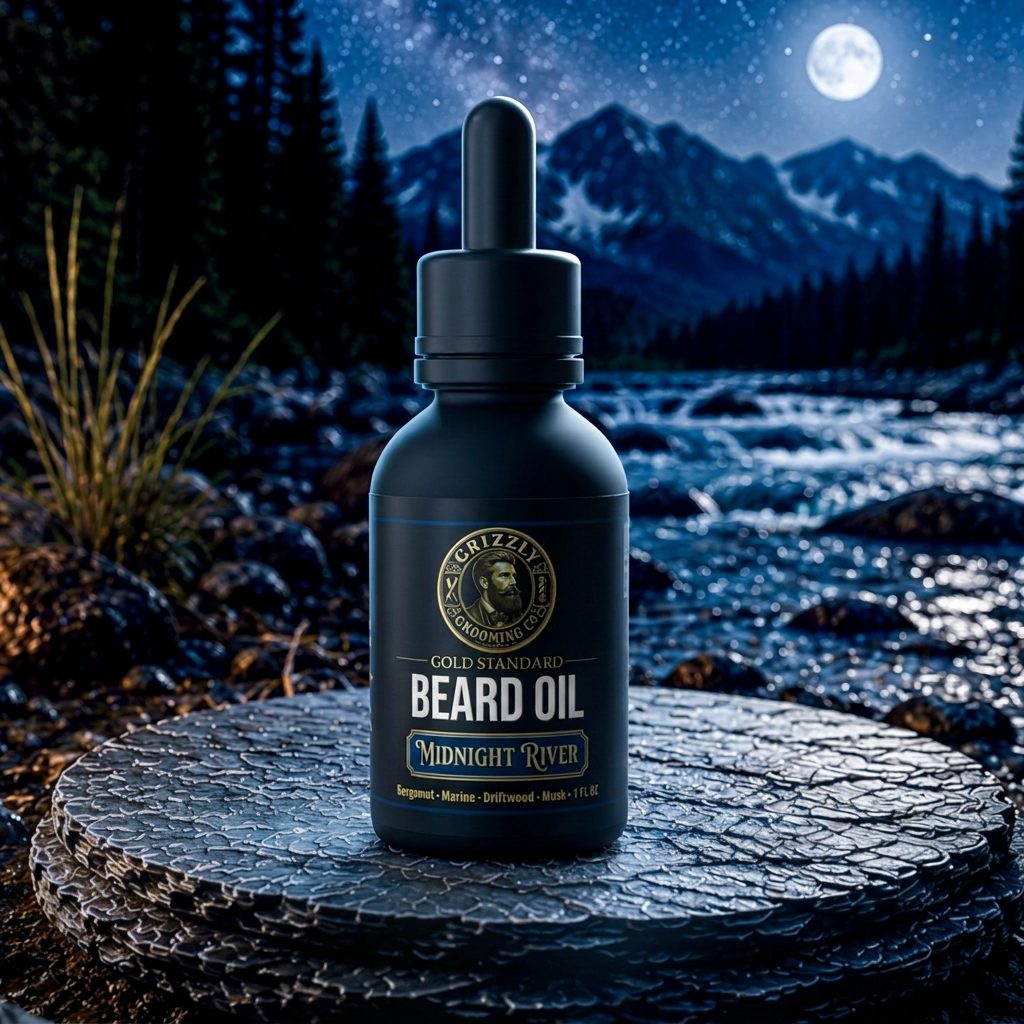
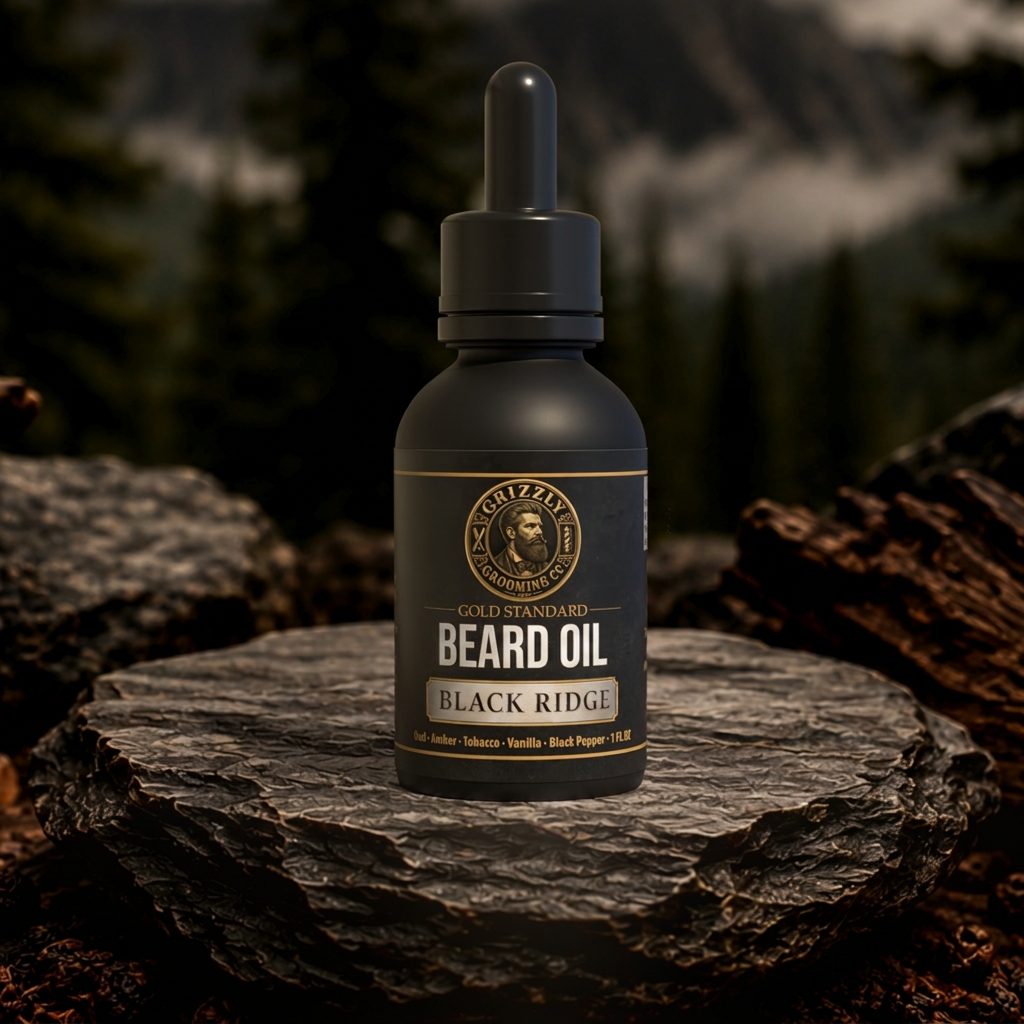
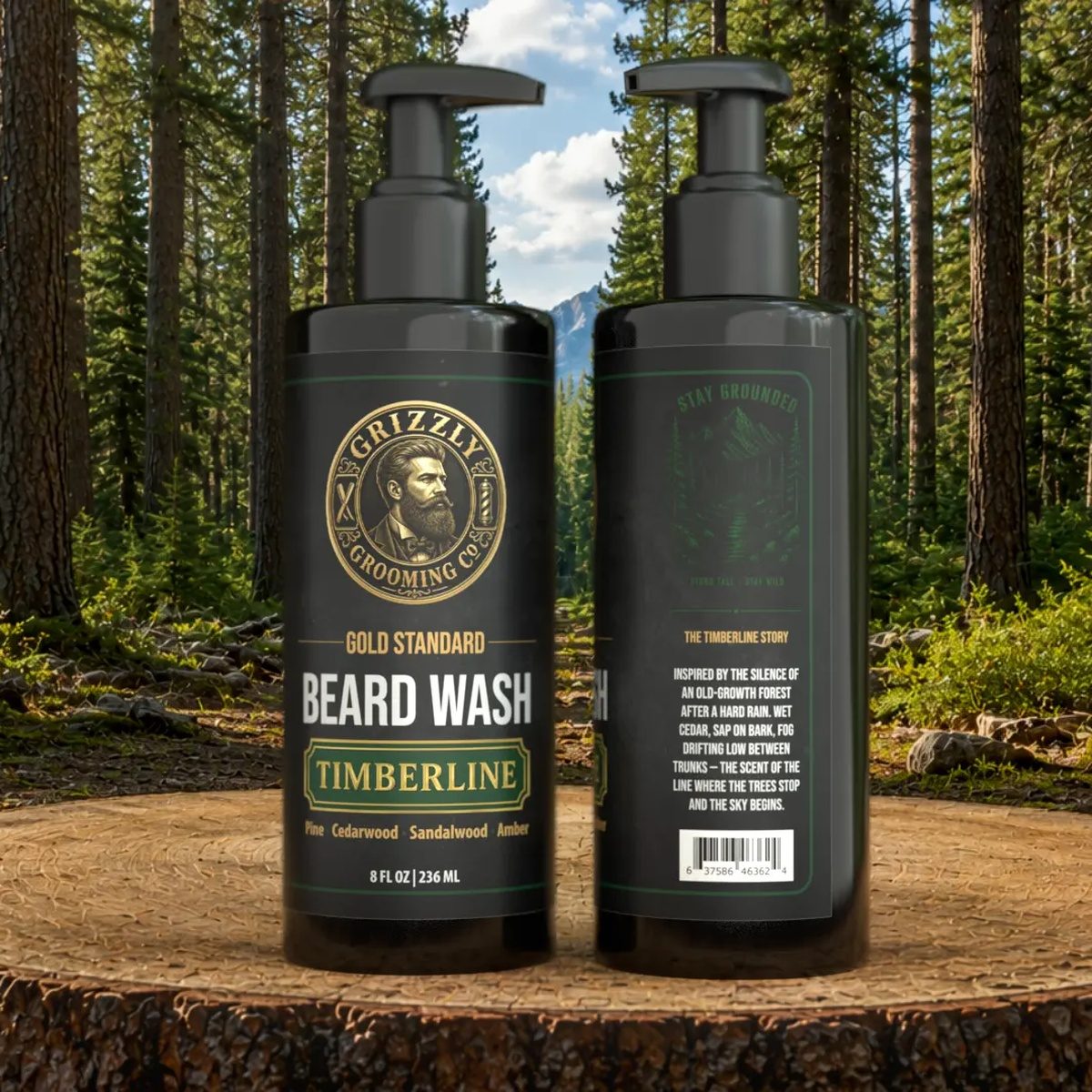
Complete Beard Kit — wash, oil, balm. Built for this exact problem.
The two-week reset protocol
When flaking is stubborn, stop layering products and run a reset. For fourteen days: a mild sulfate-free beard wash three times a week, lukewarm water only on the other days, one fragrance-free lightweight oil applied to the skin every morning, and a soft brush pass before each shower. Nothing else — no balm, no butter, no styling product, no new supplement.
Most cases clear inside two weeks on that routine, which also tells you the cause was either over-washing or a product reaction. If it clears, reintroduce one product every five days so the culprit identifies itself. If it does not clear, the diagnosis is probably fungal rather than dry.
Antifungal washes and how to use them
Seborrheic dermatitis is driven by Malassezia yeast plus inflammation, so moisture alone will not resolve it. An over-the-counter ketoconazole or zinc pyrithione wash used two or three times a week is the standard first step. Work it into the skin, leave it three to five minutes before rinsing — contact time is what does the work — and follow with a gentle oil.
Do not use it daily and do not use it forever. Most men clear in three to four weeks, then drop to once a week as maintenance during cold months when flares are most likely.
Exfoliation without irritation
Flakes are dead cells that failed to shed cleanly, and a dense beard traps them. A soft-bristle brush used dry for a minute before showering lifts them mechanically and distributes sebum at the same time — this alone resolves mild cases.
For stubborn buildup, a low-percentage salicylic acid used once or twice a week on the skin clears the follicle without abrasion. Avoid physical scrubs under a beard entirely: they damage the barrier and produce more flaking within a week than they removed.
Preventing it from coming back
Recurrence almost always traces to one of four things: showers that are too hot, a skipped daily oil habit, winter indoor heating, or a fragranced product that irritates the skin. Fix the temperature, keep the oil consistent, run a bedroom humidifier in cold months, and stay unscented if your skin is reactive.
If flaking returns at the same time every winter, treat it as seasonal. Start the antifungal wash once a week and increase the oil dose in advance rather than waiting for the flakes to appear.
Diet, stress, and flare triggers
Seborrheic dermatitis flares track stress, alcohol, sleep debt, and cold dry weather more reliably than they track anything you put on your face. Men who clear it with a wash and then flare again in January are usually looking at a seasonal and lifestyle pattern rather than a failed treatment.
None of that means diet cures it. It means the flare threshold moves, and the same maintenance routine that holds in July may need to step up in January.
What not to do
Do not scrub. Physical scrubs under a beard abrade the barrier and produce more flaking within a week than they remove on the day. Do not switch products every few days, because you learn nothing and skin needs two to four weeks to respond.
Do not stop oiling on the theory that flakes mean the beard is too oily. Dry flaking and greasy scale look similar at a glance, and stopping the conditioning layer makes the dry case dramatically worse.
Diet, hydration, and how the skin responds
Flaking is a skin problem, and skin health is downstream of things beyond your grooming shelf. Chronic dehydration shows up first at the driest skin on your body, which for a lot of men is the jawline under a beard. If you notice flaking gets worse on weeks you are drinking less water or more coffee and alcohol, that correlation is real. It will not replace a proper wash-and-oil routine, but it removes one more variable working against you.
The same goes for indoor heating, long flights, and hot showers longer than a few minutes — all of them pull moisture out of skin faster than a beard oil can replace it. None of this means you need a supplement or a diet overhaul. It means treating a stubborn case as a skin issue with several small inputs, not a single product failure.
Why the same routine can stop working seasonally
A wash-and-oil schedule that kept a beard flake-free all summer can suddenly underperform in October. Indoor heat replaces humid outdoor air, and skin that was producing enough sebum for a lighter routine cannot keep up with the new demand. Men often assume their product went bad or their skin changed for the worse, when the real shift was the room they sleep and work in.
Treat the change of season as a reason to check your oil dose and wash frequency, not as a new problem to diagnose from scratch. Adding one extra oil application a day for the first cold month, and dropping a wash a week, is usually enough to catch up before flaking starts rather than after.
Common mistakes that stall a flake-free beard
The biggest mistake is treating hair, not skin. Rubbing oil across the surface of the beard leaves the actual flaking source — the skin underneath — untouched. A close second is escalating too fast: adding a new wash, a new oil, and a supplement all in the same week means you cannot tell what worked if flaking clears, or what caused irritation if it gets worse.
A third mistake is quitting a genuinely correct routine after three or four days because nothing visibly changed. Skin turnover and sebum rebalancing take closer to two weeks. Give any single change that long before judging it, and change only one variable at a time so the result actually teaches you something.
Building a Two-Week Reset Plan
When flaking has been going on for months, one-off fixes rarely hold. Give yourself a fixed two-week reset instead: wash the beard every third day with a dedicated beard wash, oil the skin underneath every single morning, and leave heavy styling products out of the routine entirely. Removing variables is the point. If you change four things at once and the flaking clears, you still do not know which change earned the result, and you will drift back into the old habits that caused it.
Keep a short note on your phone each evening: wash or no wash, oil yes or no, how the skin felt by mid-afternoon. Two weeks of that is enough to see the pattern. Most men find the itch drops within four or five days and the visible flaking follows about a week later, once the skin has stopped over-producing oil to compensate for being stripped.
When Flaking Is Coming From Your Pillow, Not Your Beard
Cotton pillowcases pull moisture out of hair and skin overnight and hold onto detergent residue, fabric softener, and whatever product you went to bed wearing. If your flaking is worst first thing in the morning and calms down by lunch, the overnight environment is a strong suspect. Switch to a satin case, wash it weekly in unscented detergent, and skip the dryer sheets.
The same logic applies to hats, scarves, and hoodie collars in winter. Anything that sits against the beard for hours traps sweat and friction against skin that is already dry. Rotate them, wash them more often than feels necessary, and give the beard a light re-oil after a long day under a hat.
Frequently Asked Questions
Why does my beardruff come back every winter?+
Seborrheic dermatitis flares with cold dry air, stress, and sleep debt. Step the routine up preemptively in cold months rather than waiting for flakes.
Should I stop using beard oil if I have flakes?+
No. If the flaking is dryness, stopping the oil makes it worse. Switch to a light fragrance-free oil and add an antifungal wash if the scale is greasy.
How fast can beardruff be cleared up?+
Simple dryness usually improves within a week of consistent oiling. Fungal beardruff typically takes three to four weeks with an antifungal wash used two or three times a week.
Should I use an anti-dandruff shampoo on my beard?+
An over-the-counter ketoconazole or zinc pyrithione wash works, used two or three times a week with three to five minutes of contact time, followed by a gentle oil.
Can beard oil make beardruff worse?+
A heavy or fragranced oil can irritate reactive skin. A light, unscented jojoba or grapeseed oil is part of the fix, not the cause.
Can I use head-and-shoulders on my beard?+
Short term, yes. It kills the fungus that drives dandruff. Long term, use a beard-specific system.
Does beard oil cause beardruff?+
No. Under-oiling causes it. Over-applying balm can look like flakes when it's really wax residue.
How fast will it clear up?+
5–10 days on the right protocol.
Can beardruff come back after it clears?+
Yes, especially with a season change, a new product, or a stretch of over-washing. It is not a permanent cure but a routine you maintain. Most men who clear it once know the early signs and catch a relapse within a few days rather than letting it build for weeks.
Does trimming the beard help with flaking?+
Indirectly. Shorter hair means oil reaches the skin more easily and buildup has less length to hide in, which can make a flaking problem easier to manage while you sort out the cause. It does not fix dry skin or fungal flaking on its own, but it removes one obstacle to your routine working.
Is it normal for one side of the jaw to flake more than the other?+
Yes. Skin oil production, sun exposure from driving, and even which side you sleep on can make one side flakier. Treat both sides the same in your routine, but do not be alarmed if one clears a few days before the other — that is normal asymmetry, not a sign of a different problem.
How long before a new routine should clear the flaking?+
Give it two full weeks before judging. Skin turnover runs on roughly a month-long cycle, so the first week mostly calms the itch while the visible flaking clears in the second. If nothing has improved at all after three consistent weeks, the cause is likely a skin condition worth showing to a dermatologist rather than a product problem.
Can washing more often fix flaking faster?+
Usually the opposite. Over-washing strips the skin's own oils, the skin compensates by producing more, and you end up cycling between greasy and flaky. Two to three washes a week with a sulfate-free beard wash, paired with daily oil on the skin underneath, resolves far more cases than daily scrubbing does.
Should I stop using beard balm while treating flakes?+
Not stop, but reorder. Balm on dry skin sits on top of the flakes and makes them more visible. Apply oil to a damp beard first, work it into the skin, then use balm only on the hair for shape. Once the skin has settled, the balm stops looking like it is causing the problem.
"Bought the kit after reading this. First product line that actually did what it said. I'm on subscribe now, never going back."
Join The Grizzly Brotherhood
Scent guides, grooming tips, and early access to new drops. No discount bait — just the good stuff.
Unsubscribe anytime · No spam
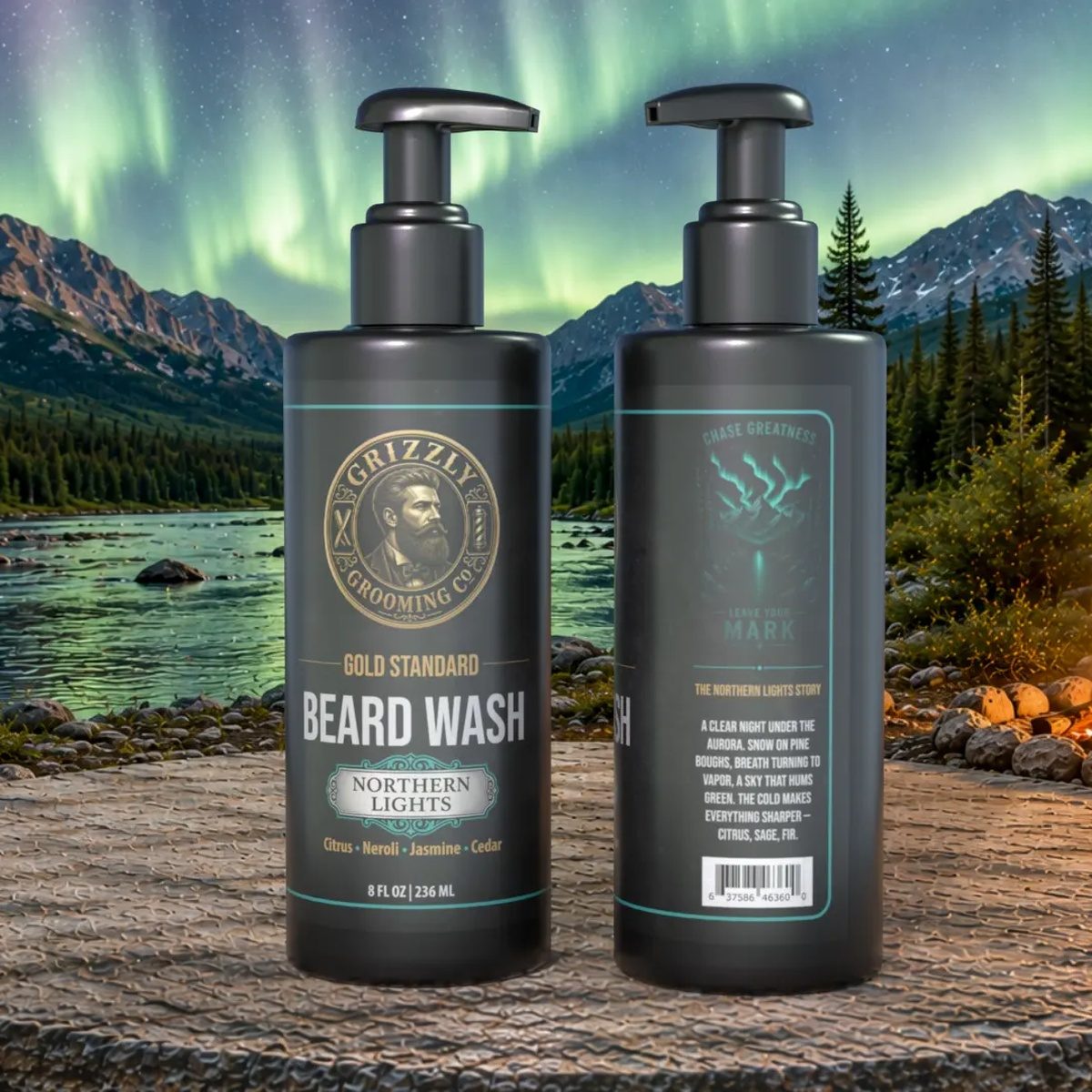
Get Gold Standard Beard Wash
- Everything in this article, one click.
- Built for a complete daily ritual.
- 30-day money-back guarantee.
Related Guides
The wash, condition, and oil sequence that changes coarse hair.
Why regular shampoo strips a beard, and what to use instead.
What each carrier oil does once it hits skin and hair.
Cold, wind, sun, and saltwater protection.
Cadence and dose by beard length and climate.
Every oil we use, why it's in there, and how we compare.
Nine-oil breakdown, what to avoid on a label, and how to judge a formula.
Assemble a kit around your beard length and skin type.
Sources & Research
- International Journal of Molecular Sciences — Anti-Inflammatory and Skin Barrier Repair Effects of Topical Application of Some Plant Oils
- Indian Journal of Dermatology — Moisturizers: The Slippery Road
- American Academy of Dermatology — Face Washing 101
- American Academy of Dermatology — Dermatologists' Tips for Relieving Dry Skin
- Grizzly Grooming Co. formulation notes and batch testing records