The 6 Beard Growth Stages: Month-By-Month Timeline
- ›Weeks 2–4 are the itchy, awkward, want-to-shave phase. Push through.
- ›By month 3 you have a real beard. By month 6, a signature one.
- ›Trim the neckline early. Everything else stays.
Every beard walks the same road. Knowing the map means you don't quit at the first ugly turn.
Stage 1 — Stubble (days 1–7)
Feels sharp, looks intentional. Start oiling now to condition skin.
Stage 2 — The itch (weeks 2–3)
Peak itch. Peak temptation to shave. Daily oil, do not shave, do not shape.
Stage 3 — Awkward (weeks 4–6)
Length exists but shape doesn't. Trim only the neckline — never the beard body.
Stage 4 — The real beard (months 2–3)
Full coverage. Cheek patches fill in. Introduce beard balm for shape.
Stage 5 — Signature (months 4–6)
Enough length for a defined style. First real shape-up, either at a barber or with clippers and a mirror.
Stage 6 — Terminal length (12+ months)
Your beard reaches its genetic maximum length. Maintenance mode: wash, oil, balm, brush, trim.
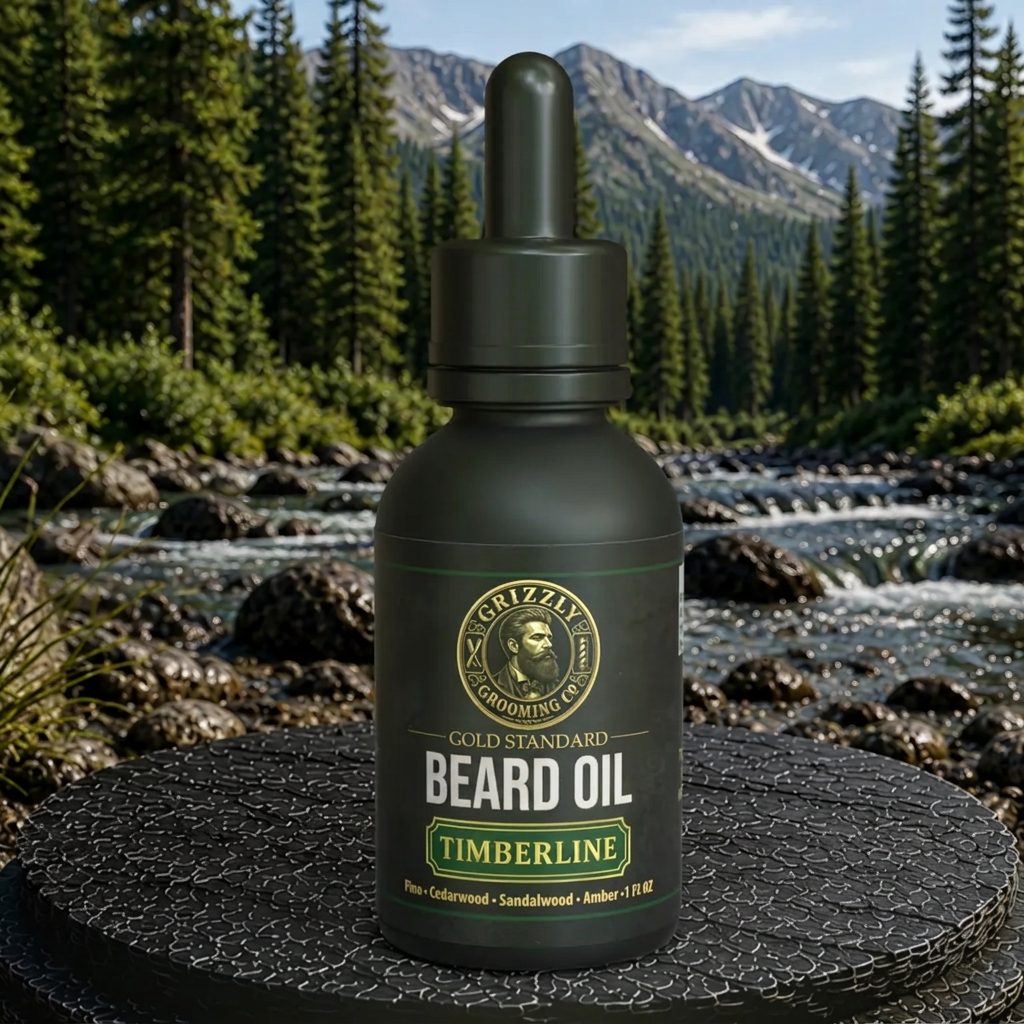
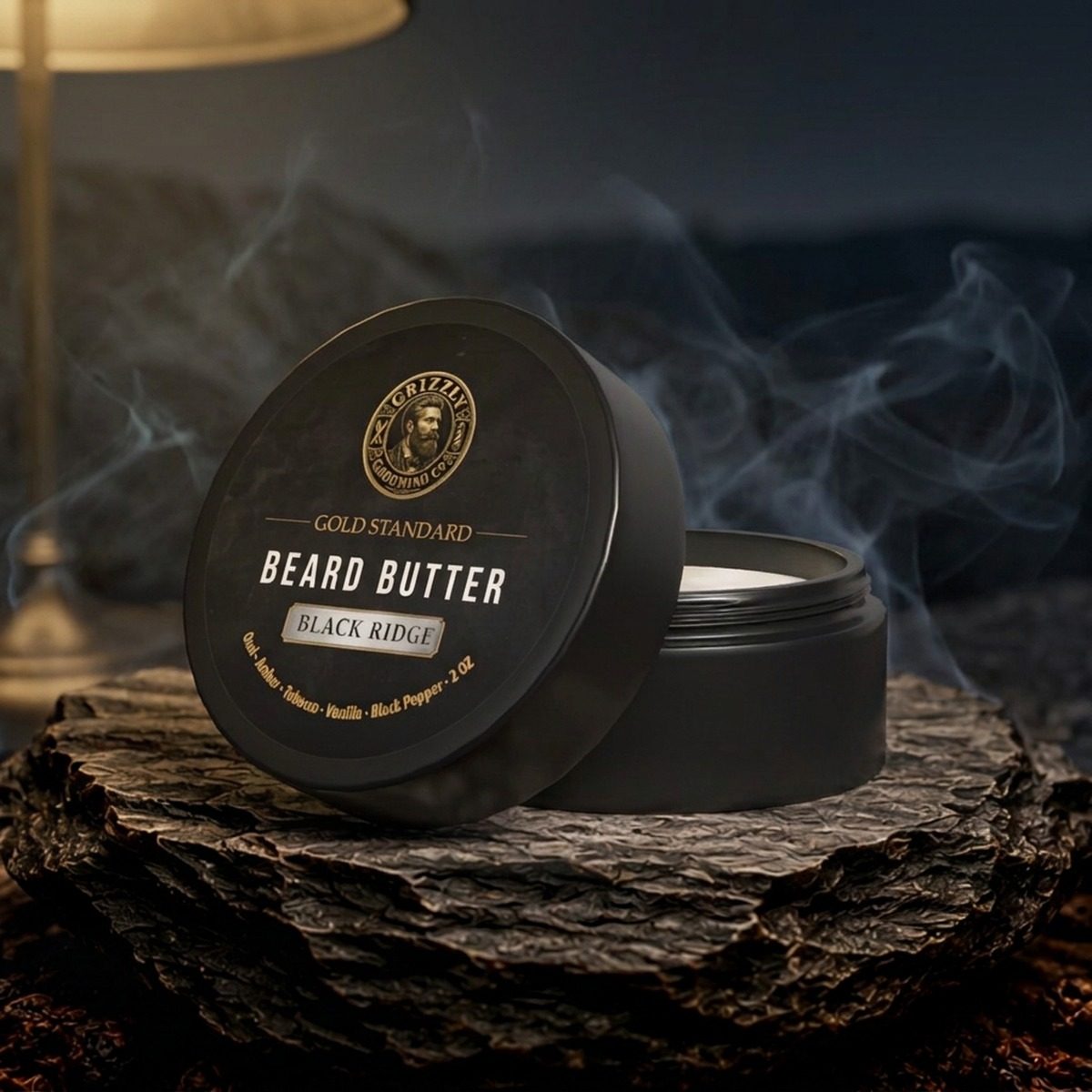
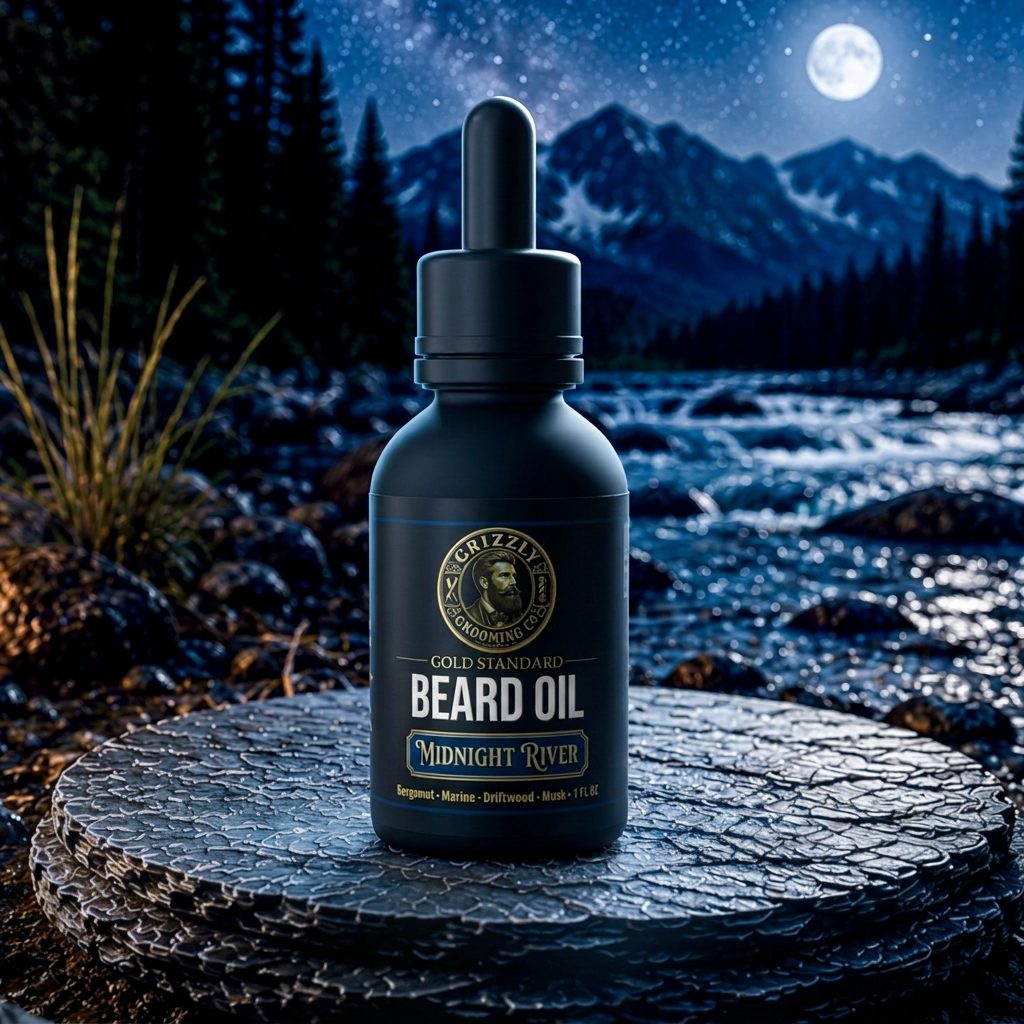
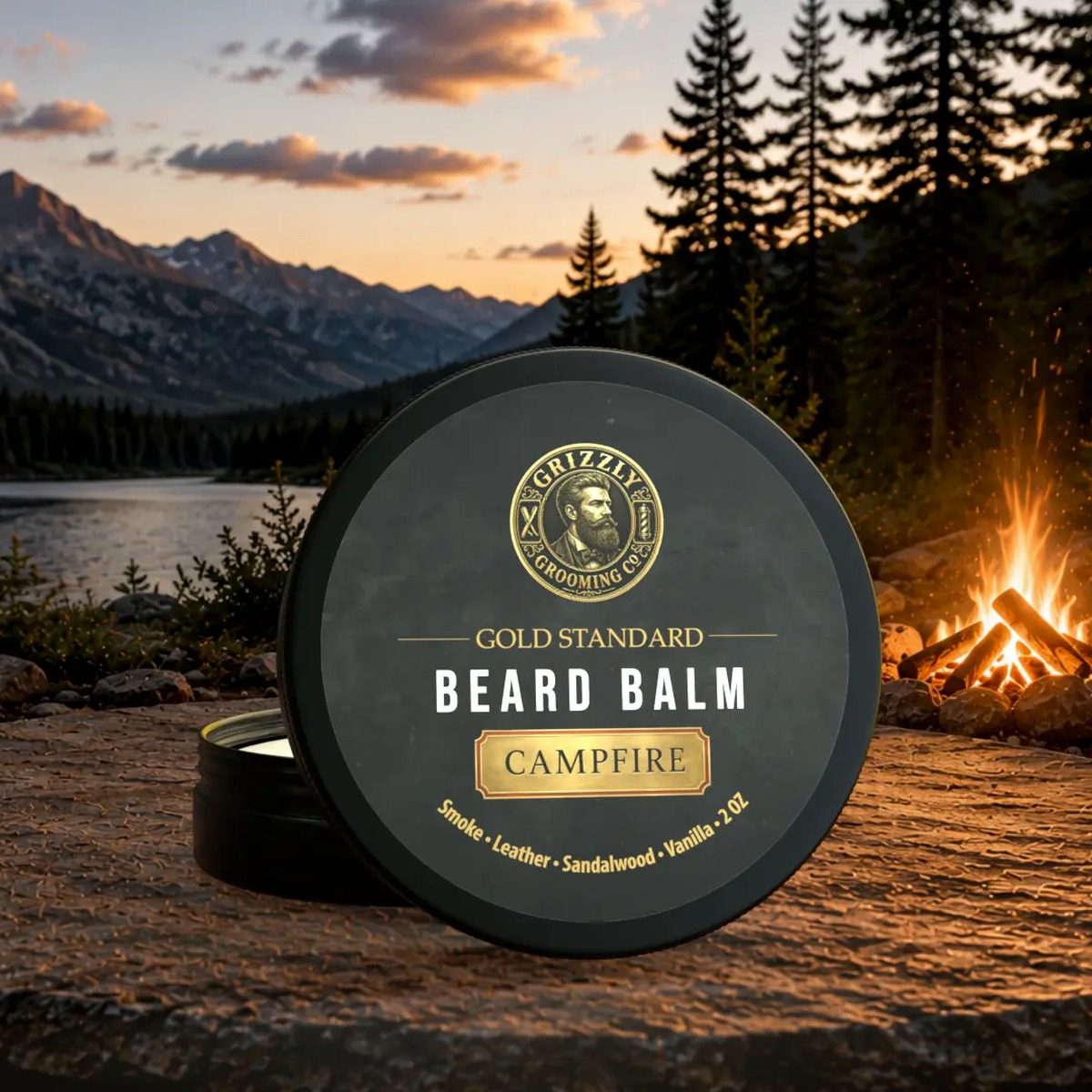
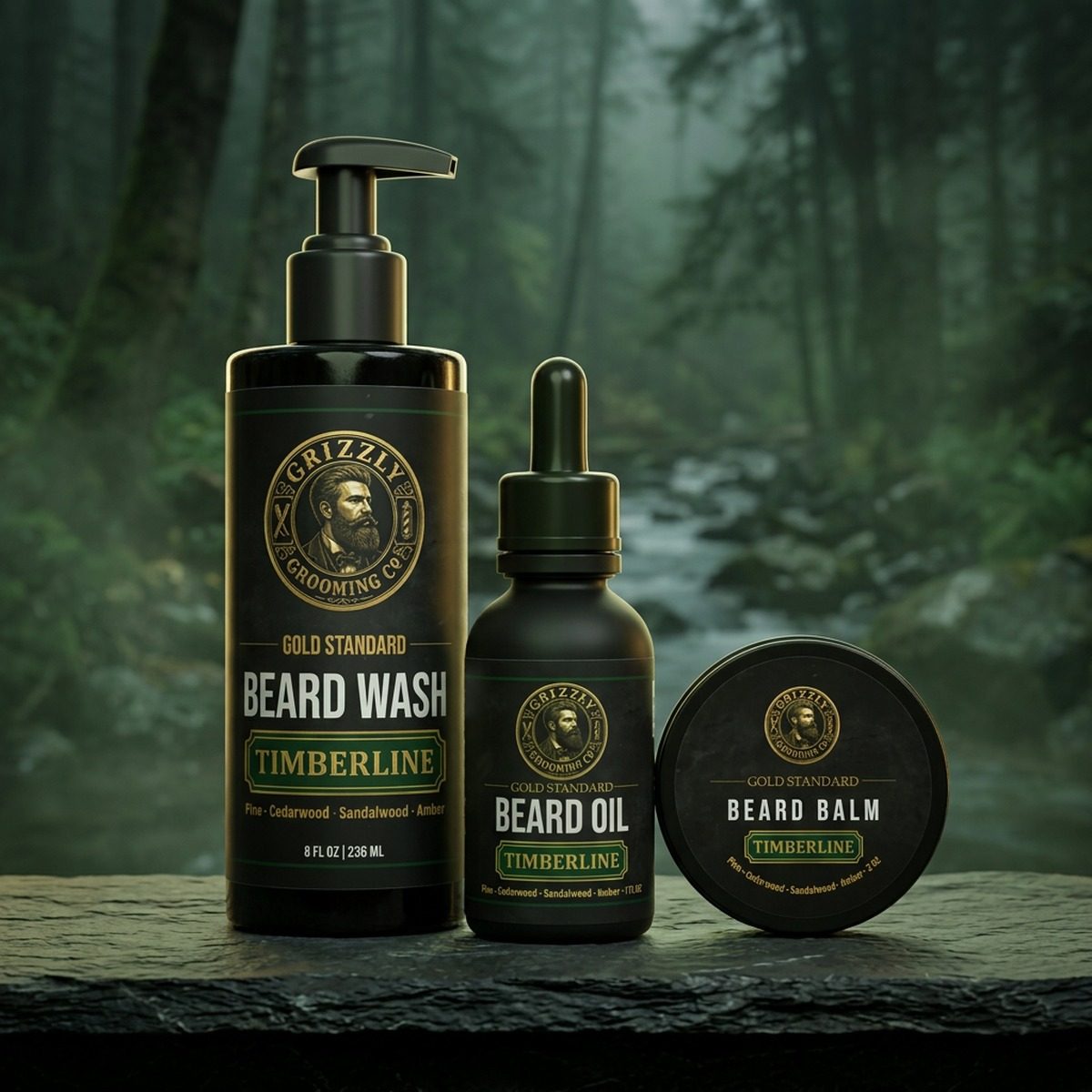
Complete Beard Kit — the daily system for every stage.
What to do at each stage
The stages need different things. Days one through seven need nothing but a wash and a light oil. Weeks two and three need oil twice daily, because the itch is mechanical and dry skin makes it worse. Weeks four to six need a clean neckline and nothing else touched.
From month two, add brushing to train direction. From month four, add a conditioning layer — balm or butter — because the ends are now far enough from the skin that sebum no longer reaches them. Beyond a year, the routine is maintenance: detangle, condition, dust the split ends.
Why growth stalls and what it means
Every hair has a terminal length set by how long its growth phase runs, and different regions of the face have different terminal lengths. When a beard appears to stop growing, it usually has not — the oldest hairs have reached terminal length and are shedding at the same rate new length is added.
Breakage is the other cause and it is the fixable one. A beard that hits a length ceiling and feels dry and split at the ends is losing length to damage, not to genetics. Conditioning and gentler detangling will push that ceiling out further than any supplement.
Shedding is normal
Losing twenty to fifty beard hairs a day is within normal range; you notice them because they are coarse and land on a sink. Hairs cycle independently, so a beard is always a mix of growing, resting, and shedding strands.
What is not normal is a sudden increase in shedding with visible thinning over a few weeks. That pattern points to stress, illness, iron or thyroid issues, or a recent crash diet, and it is worth a blood panel rather than a new product.
Surviving the awkward stage
Weeks three to six are where most beards are abandoned, and the reasons are predictable: itch, uneven length, and a shape that has not arrived yet. All three are temporary and all three have answers.
Oil twice a day for the itch. Keep the neckline clean so the in-between length looks deliberate rather than neglected. Set a calendar date at week twelve and refuse to make any decision before it — judging a beard daily in the mirror guarantees you quit during a bad week.
What changes after the first year
Past twelve months, most men are at or near terminal length in the dense regions, and the routine shifts from growing to preserving. Split ends become the limiting factor, so a quarter-inch dusting every six to eight weeks retains more length than avoiding scissors does.
Conditioning also matters more each year, because the ends of a year-old beard are a year removed from the sebaceous glands that fed them. This is the point where butter stops being optional.
How genetics shape the timeline differently for each man
The stage timeline described in most growth guides is an average, and genetics shift it meaningfully in both directions — some men reach a full, even beard by month two while others are still filling in patches at month four using the identical routine. Family patterns are the best predictor available; if your father or older male relatives filled in slowly, expect the same rather than assuming something is wrong with your routine.
This matters most for managing expectations during the awkward stage, since comparing your timeline to a friend's or an online example with different genetics sets up frustration that has nothing to do with your actual grooming choices. The stages happen in the same order for nearly everyone — only the speed varies.
Tracking progress accurately without daily mirror checks
Daily mirror inspection makes beard growth feel like it's stalled, because day-to-day change is genuinely too small to perceive even when real progress is happening underneath. A single photo taken under the same lighting once every two weeks shows change far more clearly than any number of daily checks, and it prevents the discouragement that leads many men to shave off a beard right before it would have started looking good.
Keep the photos in one folder and resist comparing to anyone else's timeline. The two-week photo habit is the single easiest thing to do to survive the middle stages, since it converts an emotional daily judgment into an objective data point you can actually trust.
What a beard timeline looks like after shaving and restarting
Men who shave a fully grown beard and restart later sometimes expect a faster second timeline, but hair follicles don't retain a memory of prior length — the stages repeat at roughly the same pace as the first time, though some men find the itch phase feels shorter simply because they know what to expect and manage it better with oil from day one.
The one genuine advantage on a second grow-out is routine knowledge — knowing your own oil dosage, your own itch triggers, and your own timeline for reaching a length you liked before, which removes a lot of the trial and error that made the first grow-out slower to dial in.
How Age Affects Which Stage Takes Longest
Men in their late teens and early twenties often move through stages one and two faster than men starting a beard for the first time in their thirties or later, since follicle density is still increasing toward its adult ceiling in the younger group. This means a twenty-year-old and a thirty-five-year-old following identical routines can land at visibly different points by month three.
Older first-time growers sometimes stall longer at stage three, the awkward phase, simply because their density was already close to its ceiling and the visual jump between stages is smaller. This is not a sign anything is wrong — it means the timeline compresses less dramatically and patience matters more, not less.
What a Second or Third Beard Attempt Looks Like
Men growing a beard for at least the second time often report a noticeably faster and less itchy stage two than their first attempt, and there is a plausible mechanical reason: follicles that have already cycled through a full growth phase once tend to produce hair with a slightly less aggressive initial curl than true virgin growth.
The stages themselves do not disappear on a second attempt, but stage two often feels shorter and stage three often resolves with less visible patchiness, since the man already knows what his density pattern looks like and is less likely to over-trim out of impatience. Experience with the timeline is itself a real advantage the second time around.
Stage-Specific Product Mistakes
The most common stage-one mistake is skipping oil entirely because the beard looks too short to need product — but the skin underneath still benefits from conditioning from day one, and starting early builds a habit that carries through the itchier stage two. The most common stage-four mistake is introducing balm too early, before there is enough length for it to actually hold shape, which just wastes product on hair too short to style.
Stage six brings its own mistake: treating maintenance mode as a reason to stop paying attention. A beard at terminal length still needs the same wash, oil, and trim cadence it needed at month six — the difference is that neglect at this stage shows up as split ends and dullness rather than the obvious patchiness of an earlier stage.
Frequently Asked Questions
How do I get through the awkward beard stage?+
Oil twice daily for the itch, keep the neckline clean so the length looks deliberate, and set a week-twelve date rather than judging daily.
What changes after a year of beard growth?+
Most dense regions reach terminal length, so the job becomes preserving it — dust split ends every six to eight weeks and condition the ends properly.
Why has my beard stopped growing?+
Most likely the oldest hairs have hit their terminal length and are shedding as fast as new length is added. Breakage from dryness produces the same effect and is fixable.
How many beard hairs is it normal to lose a day?+
Roughly twenty to fifty. They are coarse and visible in the sink, which makes normal shedding look alarming.
What should I do during the awkward weeks four to six?+
Keep the neckline clean, oil daily, brush to train direction, and cut nothing else. Almost every abandoned beard is abandoned in this window.
How fast does a beard grow?+
Roughly half an inch a month on average, faster in some men, slower in others.
When should I first trim?+
Neckline at week 3. Body of the beard: not until month 3.
Will my beard fill in with time?+
Usually yes. Density often improves through year one and beyond.
Why does my beard seem to be growing slower than my friend's?+
Genetics shift the growth timeline meaningfully between individuals, and family patterns are the best predictor. Comparing your timeline to someone else's, especially online examples, sets up frustration that has nothing to do with your actual routine.
What's the best way to track beard growth progress?+
A single photo every two weeks under the same lighting, rather than daily mirror checks. Day-to-day change is too small to see clearly, and daily inspection often causes men to feel discouraged and shave right before real progress would show.
Does a beard grow back faster the second time after shaving it off?+
No, follicles don't retain memory of prior length, so the stages repeat at roughly the same pace. The real advantage on a second grow-out is knowing your own oil dosage and itch triggers, which speeds up the routine, not the biology.
Does starting a beard later in life change how fast I move through the growth stages?+
Yes, somewhat. Younger men are often still approaching their adult follicle density, so early stages can move faster for them. Men starting later, closer to their density ceiling already, sometimes spend longer in the awkward stage-three phase simply because the visual jump between stages is smaller, not because anything is wrong.
Is a second beard easier to grow than the first attempt?+
Many men report a shorter, less itchy stage two the second time, likely because follicles that have already cycled through a growth phase produce slightly less aggressively curled initial hair. Familiarity with your own density pattern also helps you avoid over-trimming out of impatience during stage three.
What's the biggest product mistake at each stage of beard growth?+
Skipping oil in stage one because the beard looks too short, introducing balm too early in stage four before there's enough length to style, and treating stage six's maintenance mode as a reason to stop the routine altogether. Each mistake shows up later as unnecessary dryness, wasted product, or split ends.
"Followed the ritual in this article for 6 weeks — beard is thicker, softer, and the itch is gone. My wife keeps stealing my Timberline oil for the smell."
Join The Grizzly Brotherhood
Scent guides, grooming tips, and early access to new drops. No discount bait — just the good stuff.
Unsubscribe anytime · No spam
Get Gold Standard Complete Beard Kit
- Everything in this article, one click.
- Built for a complete daily ritual.
- 30-day money-back guarantee.
Related Guides
Morning, evening, and weekly — in the right order.
Nine-oil breakdown, what to avoid on a label, and how to judge a formula.
Butter-forward vs wax-forward, hold levels, and the layering test.
The wash, condition, and oil sequence that changes coarse hair.
Neckline, cheekline, and the cleanup that keeps length.
What actually moves the needle across a full growth cycle.
Every oil we use, why it's in there, and how we compare.
Assemble a kit around your beard length and skin type.
Sources & Research
- International Journal of Molecular Sciences — Anti-Inflammatory and Skin Barrier Repair Effects of Topical Application of Some Plant Oils
- Indian Journal of Dermatology — Moisturizers: The Slippery Road
- American Academy of Dermatology — Face Washing 101
- American Academy of Dermatology — Dermatologists' Tips for Relieving Dry Skin
- Grizzly Grooming Co. formulation notes and batch testing records