
Beard Maintenance: Daily, Weekly, and Monthly Habits
A great beard is not the product of any single habit — it is the compound interest of a small number of small habits done consistently. This guide breaks the ritual down by cadence: what to do daily, what to do weekly, what to do monthly, and what to do quarterly. Follow it and your beard will look and feel better in three weeks than it has since you started growing it. Our reference product for this guide is the Complete Beard Kit in Black Ridge — wash, oil, balm, brush, and scissors in a single set that covers every step below.
The one mistake that undermines almost every beard — and the simple shift that fixes it.
- ›Daily: rinse in the shower, oil while damp, brush twice.
- ›Weekly: wash 2–3 times, condition once, snip any strays.
- ›Monthly: deep condition with butter overnight, evaluate outline.
- ›Quarterly: professional shape with a barber. No exceptions.
- ›Every habit compounds. Skipping the daily is worse than skipping the monthly.
Daily Habits: The 5-Minute Ritual
The daily ritual is intentionally small so that it survives busy mornings and travel. Rinse the beard thoroughly in the shower under warm (not hot) water — this alone lifts most sweat and dust and matters as much as the wash days.
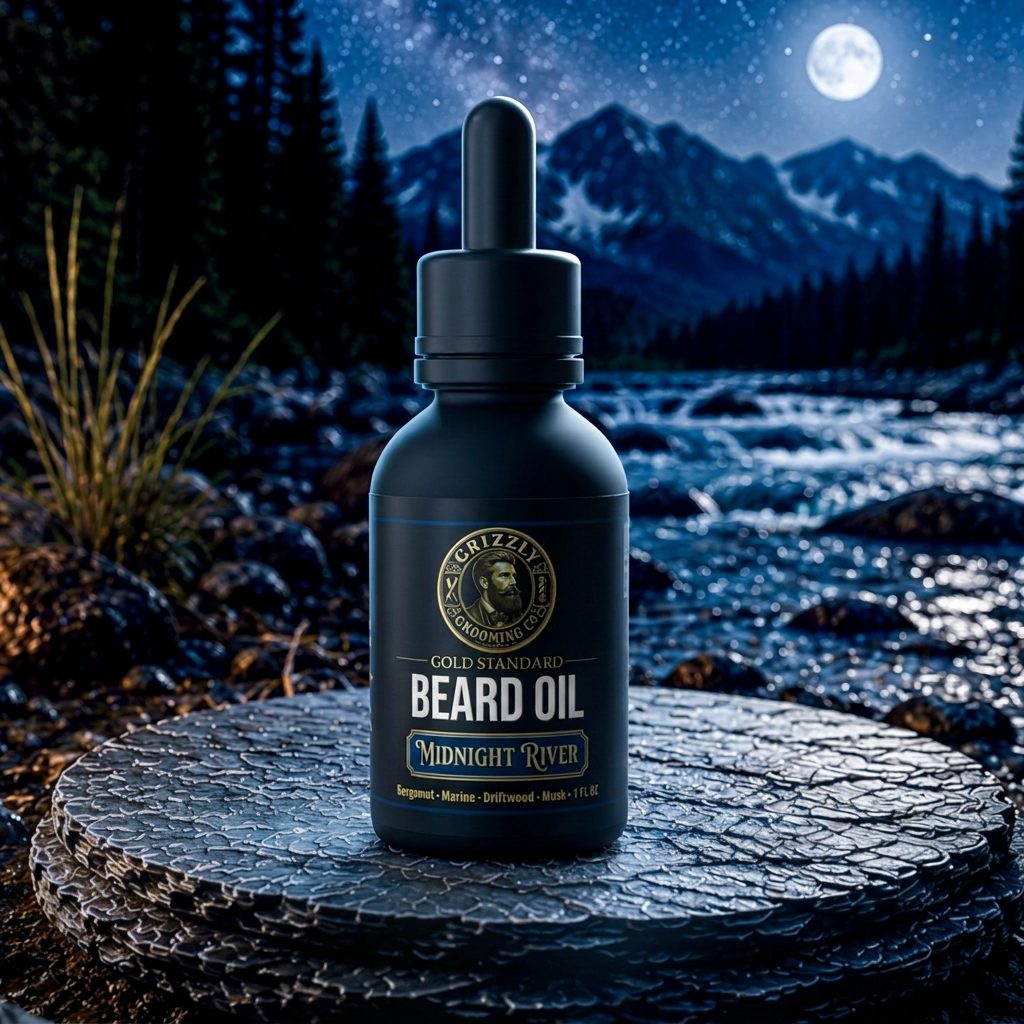
After the shower, towel-dry until the beard is damp, not dripping. Apply beard oil to a warm palm, work into the skin at the base first, then rake through the length. Brush with a boar-bristle brush from cheek down to tip. Repeat the brushing once more before bed. Total daily time investment: three to five minutes.
Weekly Habits: Wash and Condition
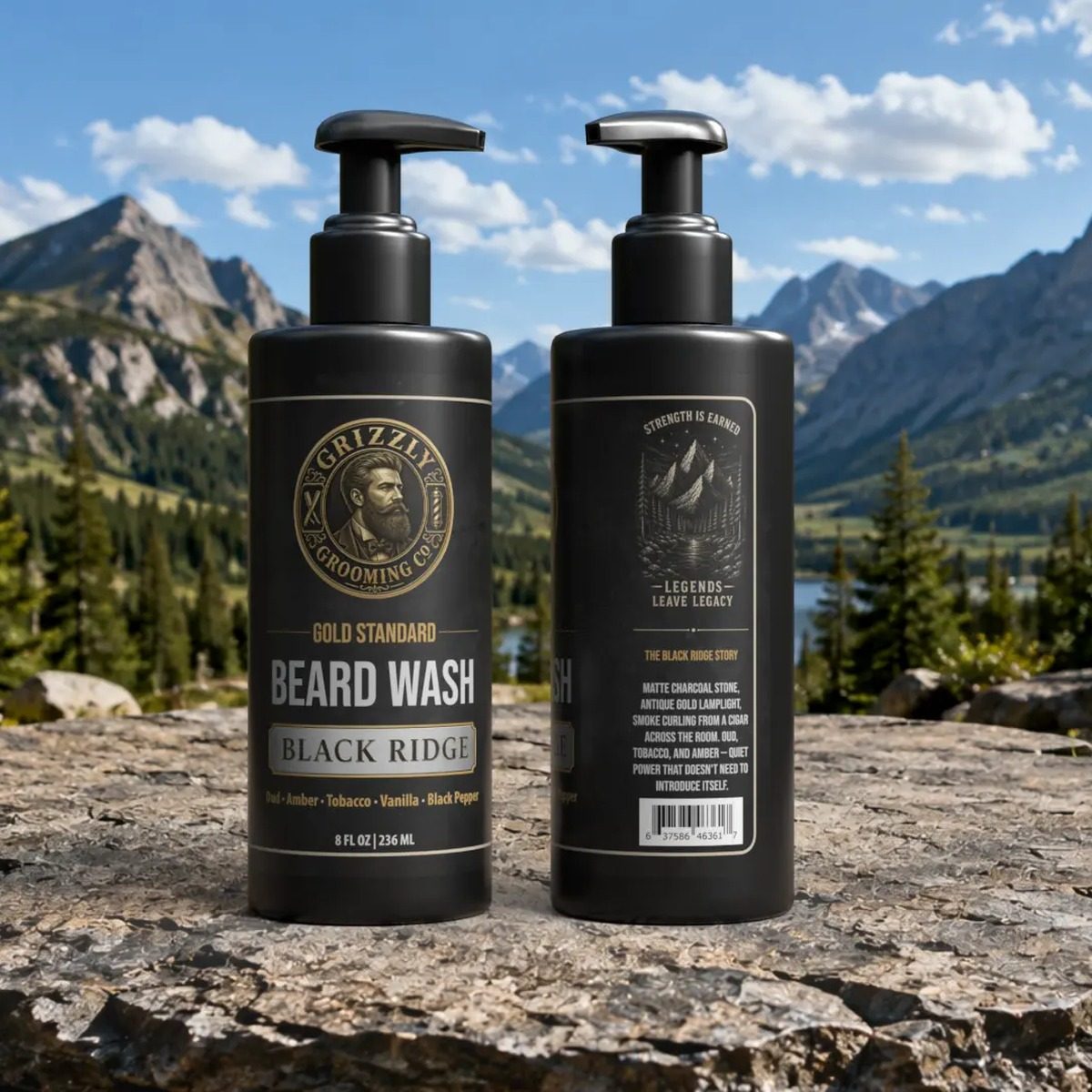
Two to three times per week, replace the water rinse with a proper beard wash. Nickel-sized amount, work into the skin first then draw down through the length, rinse for a full thirty seconds. Oil while damp.
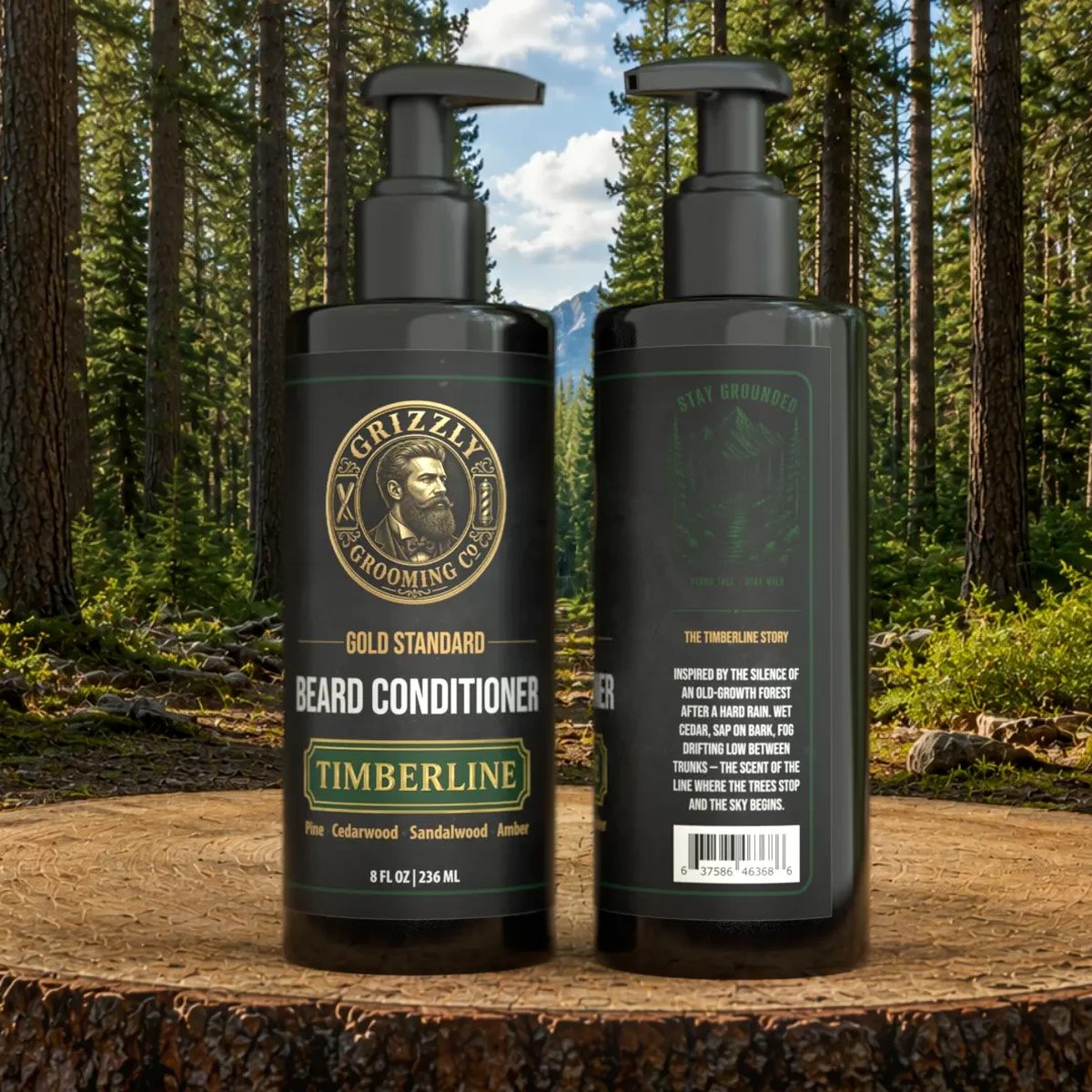
Once a week, add a beard conditioner to the wash ritual — leave in for two minutes, rinse, oil. This is the step that separates men whose beards feel soft from men whose beards feel wiry.
Weekly Habits: The Stray Snip
Every seven to ten days, sit at a bright mirror with beard scissors and snip strays only. Strays are the two or three hairs that are visibly longer than the surrounding hairs. Never touch the outline. Never use clippers. This weekly micro-trim keeps the beard looking intentional without ever risking the shape.
Set a recurring calendar reminder if you have to. It is the single most-neglected weekly beard habit.
Monthly Habits: Deep Conditioning
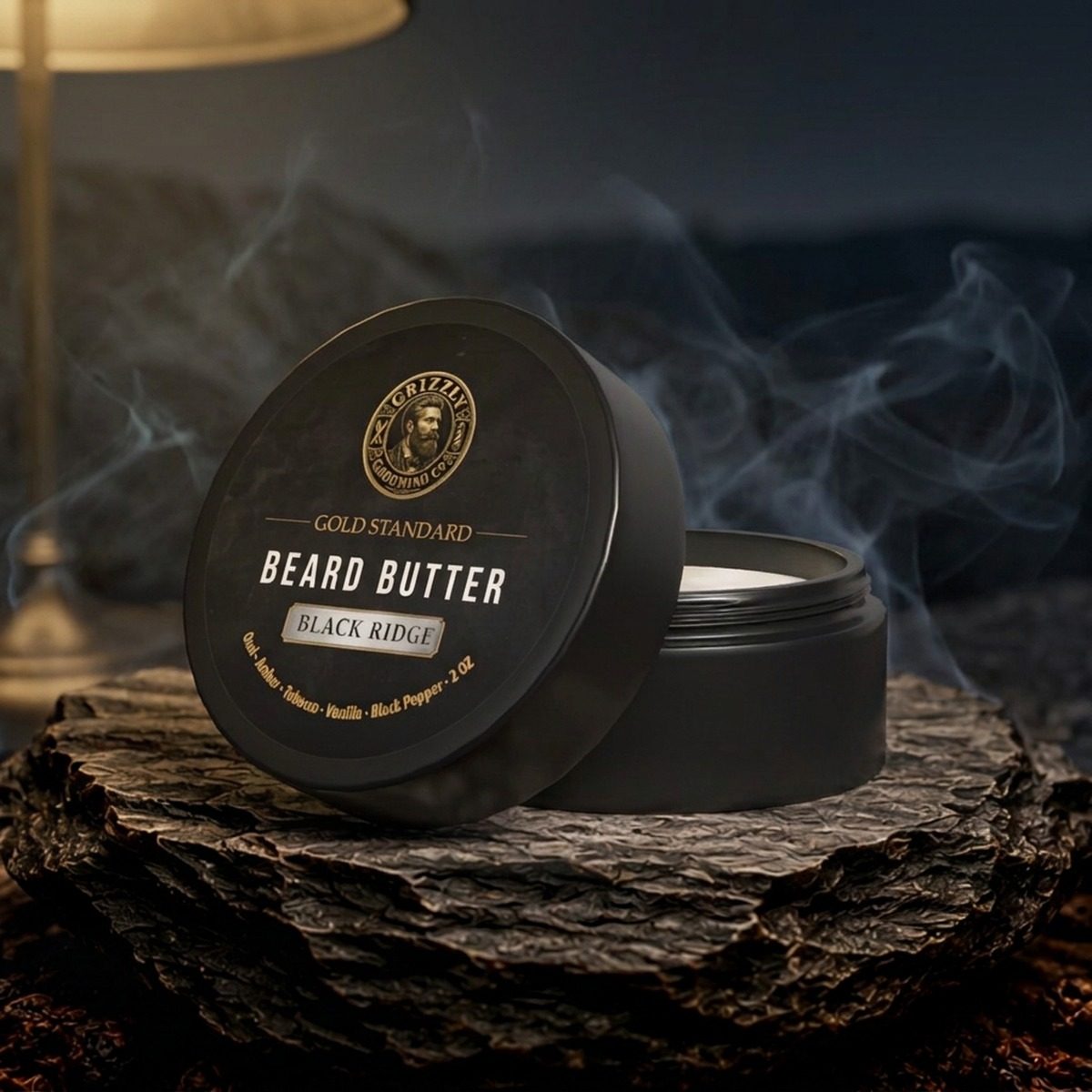
Once a month — twice in winter — apply a generous scoop of beard butter to the beard before bed. Work it through the length only, skip the base, do not brush out. Sleep on it. Rinse in the morning. Follow with oil while damp. The beard will feel materially softer for a week afterward.
This is also the month to evaluate the outline. Not to cut it — to look at it. Is the neckline drifting up? Are the cheek lines drifting out? Take mental notes for your quarterly barber visit.
Quarterly Habits: The Barber
Every three months, book a barber who specialises in beards. A shape appointment costs less than most product purchases and delivers more visible improvement than any product could. A trained eye will see asymmetries, drift, and thinning zones that you cannot see in the mirror.
Between appointments, do not attempt to replicate the shape yourself. The temptation to "clean it up" at week ten is what ends most great beards.
The Tools You Actually Need
A boar-bristle brush (not synthetic — boar bristle carries and distributes oil). A wide-tooth wooden comb. A pair of proper beard scissors — small, sharp, curved tip. A high-quality beard oil. A wash and a conditioner. A balm or butter based on your beard length. That is the entire toolkit for the first two years.
The Complete Beard Kit in Black Ridge bundles the consumables and the tools together, which is the simplest way to get everything at once without over-buying.
Habits to Stop Doing
Stop touching the beard through the day. Finger oils dull the finish within hours.
Stop pulling on the hair to stretch it. Repeated tension damages the follicle.
Stop washing daily unless your job demands it. Overwashing is the number one beard problem.
Stop trimming when annoyed. Every self-inflicted beard disaster started with a decision made after a bad day.
Building the Habit Stack
The reason beard routines fail is not effort, it is placement. Attach each step to something you already do without thinking: oil goes on immediately after the shower towel, brushing happens while the coffee brews, the neckline check happens on the same day you take the trash out. A habit anchored to an existing cue survives busy weeks; one that relies on remembering does not.
Keep the products where the habit happens. An oil bottle in a drawer gets used half as often as one sitting next to the toothbrush. This sounds trivial and it is the single highest-yield change most men make.
A Realistic Weekly Calendar
A workable week looks like this: oil every morning on a damp beard; brush every morning and again before bed; wash Tuesday and Friday; butter Sunday evening as a deep condition; neckline check Sunday; stray-hair snip whenever you spot one in good light. Total time is under five minutes a day plus fifteen minutes on Sunday.
Adjust for your beard, not for the calendar. Longer beards move the butter to twice a week; oily skin moves the wash to three times a week; a physical job adds a rinse after work. The structure holds even when the frequencies change.
When the Routine Slips
Everyone misses stretches — travel, a newborn, a hard work month. The recovery is not a punishment routine, it is one reset session: wash, deep-condition with butter for twenty minutes, rinse cool, oil the damp beard, brush through, and trim any obvious split ends. One evening restores most of what a lapsed month cost.
Then restart at the minimum viable version — oil daily, wash twice a week — rather than the full protocol. Men who try to resume everything at once quit again within a week.
Adjusting the Ritual by Beard Length
A short beard under two inches needs less oil per application but benefits from more frequent brushing, since there's less hair to hold shape and more skin exposed near the surface that needs consistent conditioning contact. A full beard past six inches needs the opposite emphasis: higher oil dose, less frequent but more thorough brushing, and closer attention to the ends, which are the oldest and most weather-damaged part of the hair.
Men often keep using the same routine as their beard grows past the length it was designed for, which is why beards that looked great at three months start looking dry or unruly at six. Revisit dose and cadence at each major length milestone rather than assuming the routine that worked at the start still fits.
Travel and Disrupted Routines
Travel is where most maintenance habits break down, usually because men pack a single travel-size product and skip steps that feel optional on the road. Pack a minimum kit of oil and a comb even for short trips — these two items cover 80 percent of the daily ritual's benefit and take almost no space.
Hotel water is often harder or more heavily treated than home water, which can leave a beard feeling different, usually drier or slightly stiffer, within a couple of days. If you notice this on a trip, increase oil frequency slightly rather than assuming something is wrong with the beard itself; it typically resolves once you're back on your normal water source.
Signs the Routine Is Actually Working
The clearest early sign of a routine working is reduced snagging when you run a comb through — a beard that used to catch on every pass and now glides smoothly after two to three weeks of consistent oiling and washing has genuinely changed in texture, not just appearance. Shine is a secondary indicator, but be cautious: too much shine, especially combined with a heavy feel, usually means overuse of oil or balm rather than a healthy beard.
A less obvious but reliable sign is how the beard behaves after a full day, not just right after your morning routine. A well-maintained beard holds its shape and softness into the evening; one that looks great at 8am and rough by 6pm usually needs either a hold product added or a dose adjustment, not a completely different routine.
Building the Ritual Around Your Actual Schedule
The habits above assume a normal morning, but shift workers, new parents, and heavy travelers do not have one. If your mornings are unpredictable, anchor the daily oil step to something that never moves instead of a time of day — right after you brush your teeth, whichever hour that happens to be. Anchoring to an existing habit survives schedule chaos far better than anchoring to a clock.
The weekly wash and the monthly deep condition are more forgiving of drift than the daily habits are. If a week runs long, stretch the wash by a day or two rather than skipping it, and treat the monthly butter session as a standing calendar reminder rather than something you remember on your own. A ritual that bends without breaking beats a rigid one that collapses the first busy month.
Tool Care Nobody Mentions
A boar-bristle brush holds sebum, dead skin, and dried product between uses, and a dirty brush reintroduces buildup into a beard you just washed. Tap it clean over a bin after every use and wash the bristles monthly in a little diluted shampoo, then let it dry bristle-down so water does not pool in the base.
Scissors used for stray snips dull faster than people expect from such light use, mostly because dry hair is abrasive. A dull blade bends hairs instead of cutting them cleanly, which leaves split, frizzy ends exactly where you were trying to clean things up. Wipe the blades after each session and have them professionally sharpened once a year if you use them weekly.
When the Ritual Stops Working
A routine that produced a soft, manageable beard for months can suddenly feel wrong — dry patches return, or the beard looks flat despite the same products. Before assuming a product failed, check what changed around it: a new climate, a new pillowcase, a change in water hardness, or a longer beard that now needs a heavier dose than it used to.
The most common silent failure is a beard that has simply gotten longer since you last adjusted anything. Length changes the math on every step — more surface area needs more oil, more time to brush, and a slightly longer wash rinse. Reassess dosing every couple of months rather than assuming what worked at month three still fits at month eight.
Habits Specific to Coarse or Curly Beard Hair
Coarse and curly beard hair holds shape less predictably than straight hair and is more prone to snapping under a dry brush. If your hair coils or kinks, brush only when damp or lightly oiled, never bone dry, and switch the daily brush for a wide-tooth comb on the days the beard feels tight or resistant.
Curl-prone beards also benefit from a slightly heavier weekly conditioning step than the general guidance above, since curled hair loses moisture at the bends faster than straight strands do. If you have this hair type, treat the monthly deep condition as a biweekly one instead and watch for less breakage at the jawline within a month.
Frequently Asked Questions
What is the single most important daily habit?
Oil applied to a damp beard, followed by brushing. If you do nothing else, do that.
Can I skip weekly conditioning?
For a short beard, yes. For anything over three inches, it is a mistake.
Do I need a special beard pillowcase?
Silk or satin, yes. The single-night gain is small but the compound gain over months is real.
How long before I see the results of a ritual?
Two weeks for softness and shine, six to eight weeks for density and shape.
What if I miss a few days on the road?
The ritual is forgiving. Rinse, oil, brush the day you get back. Do not overcorrect.
Is there such a thing as too much brushing?
Yes — over-brushing can cause breakage. Twice a day is the ceiling for daily brushing.
What is the minimum beard routine that actually works?
Beard oil daily on damp skin, a brush-through each morning, and a beard wash twice a week. Everything else is optimization on top of that base.
How long should a daily beard routine take?
Under five minutes. Oil application and brushing take about ninety seconds combined; the rest is trimming and washing, which happen weekly.
What if I miss a few weeks of beard care?
Do one reset session — wash, deep-condition, cool rinse, oil, brush, trim split ends — then restart with the daily oil and twice-weekly wash rather than the whole routine at once.
What happens if I skip the daily oil for a week while sick or busy?
A week off won't cause permanent damage, but expect some dryness, itching, and a duller look to return, especially if you were previously seeing good results. Resume the normal daily routine and most beards recover their previous condition within three to five days of consistent reapplication.
Should maintenance habits change if I start exercising more?
Yes — more frequent sweating means more frequent rinsing is worthwhile, even on non-wash days, since salt and sweat residue left on the skin under the beard contributes to irritation. You don't need a full wash after every workout, a plain water rinse followed by your normal oil application is usually enough.
Is it necessary to change products as the seasons change?
Not necessary, but often beneficial. Many men increase oil frequency and add a richer butter in winter, then lighten up in summer with less product and more frequent rinsing. You don't need entirely different products, just different quantities and cadence to match how the air and your skin are behaving.
How do I know if my brush or comb is damaging my beard instead of helping it?
Check for split ends after brushing and static or frizz that appears mid-day rather than by evening. Both point to a tool that is too harsh — usually a synthetic-bristle brush or a fine-tooth comb dragging through dry hair. Switch to boar bristle or wide-tooth comb, and always brush with a small amount of oil or product already in the beard.
Should I change my maintenance routine when I switch climates for travel or relocation?
Yes. Humidity and water hardness both change how much oil and how much washing your beard needs, sometimes within days of arriving. Cut your oil dose by a third in humid climates and increase it in dry ones, and expect to need two or three washes to recalibrate after a hard-water-to-soft-water move or vice versa.
My beard looked great for months and suddenly seems dry again — what changed?
The most common cause is length outgrowing the dose you have been using, since a longer beard needs more oil to reach the same coverage. Other frequent causes are a change in water hardness, a new detergent on your pillowcase, or heating turning on for the season. Increase the dose slightly before assuming a product has failed.
Build your ritual in 60 seconds.
Answer four questions and get a custom regimen built around your beard and routine.
Start The Ritual Builder