How Often To Wash Your Beard Without Drying It Out
- ›Two to three times a week is the default for most beards.
- ›Oily-skin, hot-climate, or active guys can push to four.
- ›Dry-skin, cold-weather, or long-beard guys should drop to once or twice.
- ›Water-only rinses on off days keep the beard clean without stripping.
- ›Regular shampoo is never the right answer — pH is wrong for facial skin.
Daily beard washing is the single most common cause of dry, itchy, flaky beards — and it is entirely self-inflicted. Beard hair does not accumulate scalp-level oil, and facial skin does not tolerate the same wash frequency your scalp does. The right schedule is closer to how you wash your face than to how you wash your hair.
The default: two to three times a week
For most bearded men — average skin type, temperate climate, office or moderately-active job — two to three beard washes per week is the sweet spot. Enough to remove buildup, sebum excess, and daily grime; not so much that the skin's natural oil layer never rebuilds. Space them evenly (e.g. Monday, Wednesday, Friday) rather than clustering.
When to push higher
Four washes a week is reasonable for: guys with genuinely oily facial skin, guys who work outdoors in dust and pollen, guys in hot and humid climates, and guys who sweat heavily through workouts. The tell is honest: does the beard feel greasy or smell off within a day of washing? If yes, add a wash. If no, do not.
When to drop lower
Once or twice a week is right for: dry-skin men, winter climates, long beards (five inches and up), and anyone with active beardruff or eczema. Long beards especially — the length wicks natural oils away from the skin, and stripping what little arrives with a wash creates a compounding dryness problem.
Water-only rinses on off days
The other days you shower, rinse the beard thoroughly with warm water and finish with a cold blast. That is enough to clear surface debris and reset the beard for oil application without touching the sebum layer. Water-only rinses are the reason a two-wash-per-week schedule feels clean, not neglected.
Why regular shampoo is always wrong
Scalp shampoo is formulated for hair rooted in scalp skin, which has more oil-producing glands and a different surfactant tolerance than facial skin. Using scalp shampoo on your beard strips facial oil at three to four times the intended rate. Beard-specific washes use milder surfactants at concentrations built for face skin.
The three-week test
Cut back to two or three washes per week for three weeks and pay attention. If the beard gets softer, less itchy, and less flaky, you were over-washing. If it gets greasy or breaks out along the jawline, you were washing at about the right rate — resume your prior schedule.
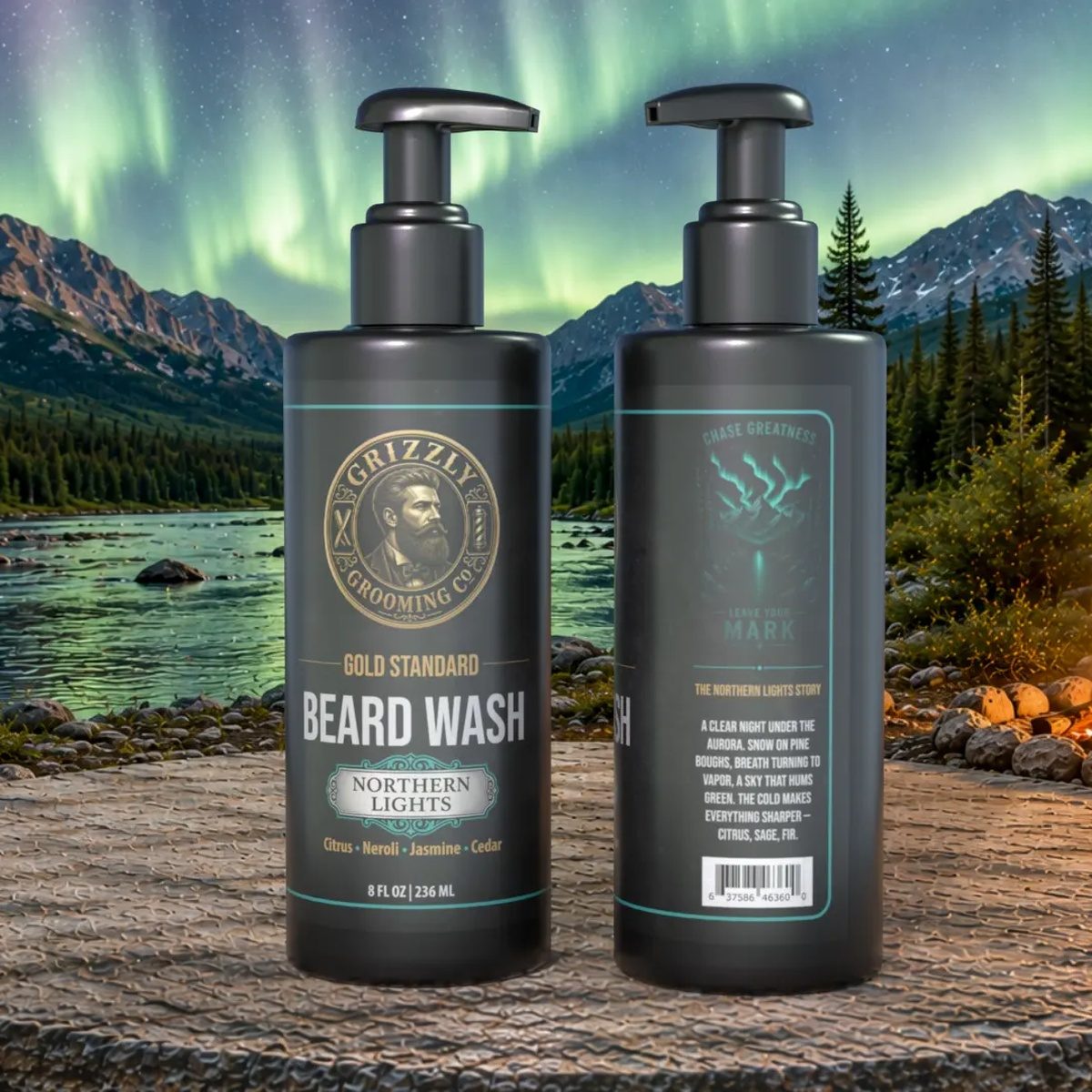
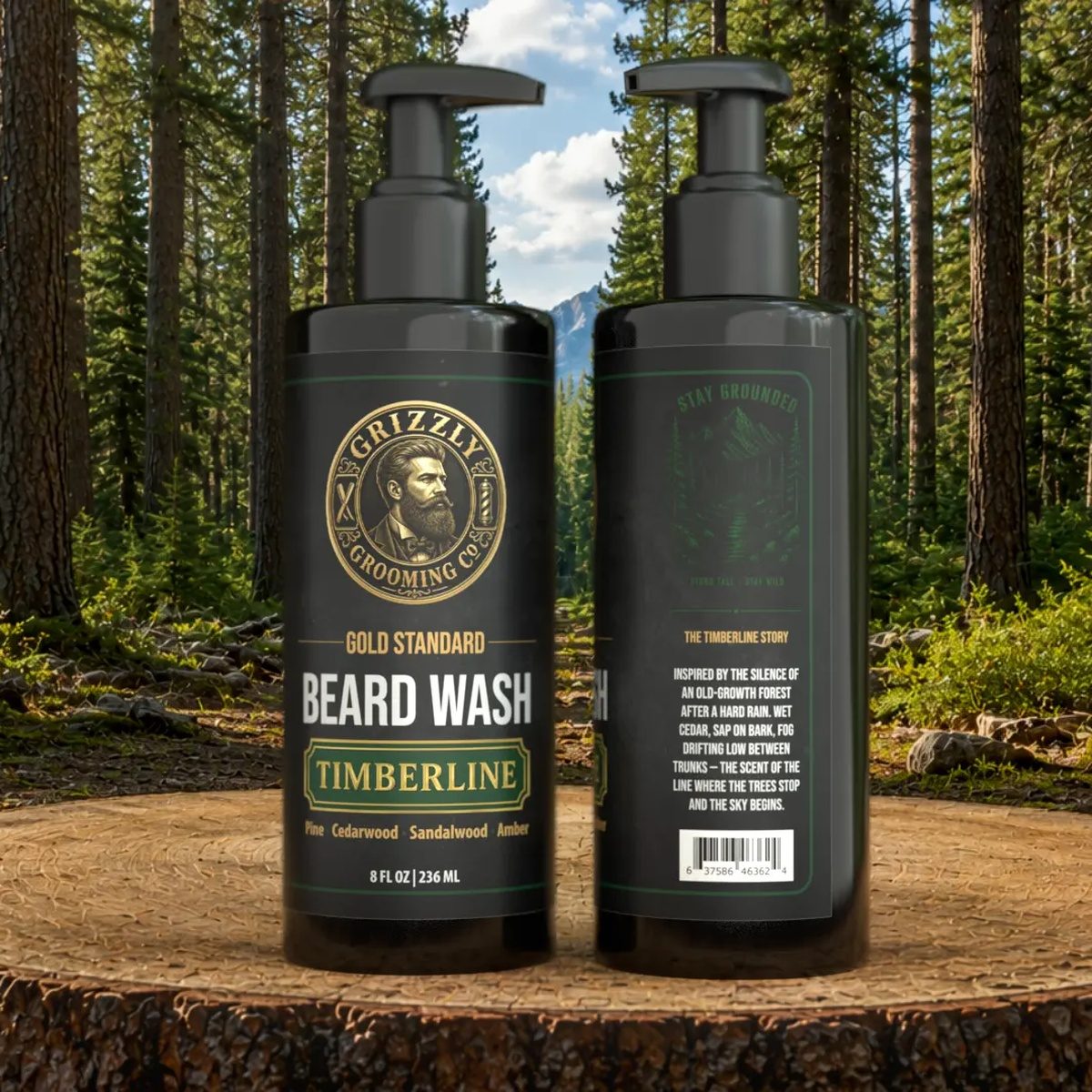
Gold Standard Beard Wash — face-safe surfactant blend built for the two-to-three-times-a-week schedule above.
Hard water changes the answer
If your water is heavily mineralized, washing more often makes the beard feel worse rather than cleaner. Calcium and magnesium deposit on the hair shaft with every rinse, and the stiff, dull result is easy to mistake for buildup you need to wash off — which starts a cycle.
The signs are soap that never lathers well and skin that feels tight and squeaky afterward. A shower filter fixes it at the source. A monthly clarifying rinse — one part white vinegar to four parts water, thirty seconds, rinsed clean and oiled immediately — clears what has already accumulated.
Adjusting wash frequency by season
Winter pushes the number down. Indoor heating drops humidity into the twenties and skin cannot spare the sebum, so once or twice a week with lukewarm water is usually right, with plain rinses in between.
Summer pushes it up. Sweat, sunscreen, and heat mean three or four washes a week is reasonable, and a water rinse after every workout or swim is non-negotiable. Treat the cadence as seasonal rather than a fixed rule, and let how the skin feels on day three decide.
Washing frequency for beards with facial hair oils applied heavily
Men who apply a heavier daily oil or balm dose than average sometimes need to nudge wash frequency up slightly from the two-to-three-times default, since heavier product layering builds up faster than a light oiling routine does. This is a case where product habits, not skin type or climate, are the deciding factor.
Watch for a slight dullness or heaviness to the beard by day three or four as the sign that build-up, not dry skin, is the current issue — that calls for an earlier wash rather than more oil, which is the opposite instinct many men reach for first.
Washing after specific activities: pools, saunas, and beaches
Chlorinated pool water, sauna sweat, and saltwater all leave residue in beard hair that a plain water rinse does not fully remove, unlike everyday sweat from a normal workday. A proper wash with beard-specific cleanser after any of these activities is worth doing even if it falls outside your regular wash day, since the residue itself — not just accumulated time — is what needs removing.
This occasional extra wash does not count against your weekly total in terms of over-washing risk, since it is addressing a specific contaminant rather than routine oil buildup. Follow it with oil as usual since the activity likely also stripped some natural moisture.
How allergies and hay fever season affect wash frequency
A beard acts like a filter for airborne pollen, dust, and other allergens during high pollen seasons, trapping particles against the skin and potentially contributing to facial itching or irritation that looks like a grooming problem but is actually an allergy response.
During heavy pollen weeks, an extra rinse in the evening — even just water, not a full wash — after being outdoors can reduce the allergen load sitting against your skin overnight. This is worth trying before assuming a seasonal itch flare is a beard-care mistake rather than an environmental one.
Adjusting frequency around beard products with strong actives
Some beard washes and treatments contain clarifying agents like activated charcoal or salicylic acid meant for occasional use, not the standard two-to-three-times routine. Using an active-ingredient wash at the same frequency as a gentle daily-safe cleanser can over-dry skin that was otherwise perfectly balanced, producing symptoms that look like the beard needs more washing when it actually needs less contact with the strong product.
Reserve active washes for once a week at most and use a gentle sulfate-free wash the other one or two wash days. If you introduce a new active product, drop your total wash count for two weeks and watch how the skin responds before deciding it belongs in a permanent rotation.
How facial hair density changes the math
A denser, thicker beard holds more product, sweat, and skin cells between the strands than a thin or patchy one, which means two men on the same wash schedule can have very different buildup levels by day three. Density, not just length, determines how much a beard needs to be washed, and it is easy to mistake a thin beard's slower buildup for good discipline when it is really just less surface area trapping debris.
If your beard is dense but short, treat it more like a long beard for wash purposes even though the length rule would suggest otherwise. Run a finger down to the skin on day two or three and judge by what you feel there, not by how the surface hair looks in the mirror.
Traveling and disrupted wash schedules
Travel is the most common reason a wash schedule falls apart, whether from unfamiliar showers, packed liquids restrictions, or simply a disrupted routine. A few days off schedule will not undo weeks of good habits, so resist the urge to overcorrect with back-to-back washes the moment you get home.
Pack a small refillable bottle of your regular wash rather than skipping it entirely or substituting hotel soap, which usually sits at a high pH that is rough on facial skin. If you do miss washes on the road, ease back in with a normal-frequency wash rather than doubling up to make up for lost time.
Signs your current frequency is already correct
Most of the advice on wash frequency focuses on symptoms of doing it wrong, which leaves out what doing it right actually feels like day to day. A correctly scheduled beard feels the same on wash-eve as it did the morning after washing — slightly more textured, maybe, but not greasy, not tight, and not flaking when you run a comb through it.
If you find yourself not thinking about your beard's condition between washes, that is itself a good sign, since dryness and buildup both tend to announce themselves. Use that absence of complaint as a real data point rather than assuming you must be missing something because the schedule feels almost too simple.
Frequently Asked Questions
Does hard water affect how often I should wash my beard?+
Yes. Hard water leaves mineral deposits that make the beard feel stiff, which tempts more washing. Use a shower filter or a monthly diluted vinegar rinse instead.
Should I wash my beard more in summer?+
Usually yes — three or four times a week, plus a water rinse after workouts or swimming. In winter, drop back to once or twice.
Can I wash my beard every day?+
You can, but almost no one should. Daily washing strips the sebum layer faster than skin can rebuild it and creates the exact dryness the wash is supposed to prevent.
Is water-only washing enough?+
For a few days between actual washes, yes. As a permanent replacement, no — sebum and product residue eventually build up and need surfactant to remove.
Should I wash my beard after every workout?+
Rinse with water yes. Full wash with product, no — a plain rinse plus a small oil application after the shower keeps the beard fresh without over-stripping.
Can I use bar soap on my beard?+
Only if it is a specifically face-safe or beard-specific bar. Standard body soap and hand soap are too alkaline for facial skin and cause the same dryness as scalp shampoo.
How do I know if I am washing too much?+
Signs of over-washing: tightness after showering, small dry flakes within a day or two, itch that oil does not fully quiet, beard that feels rougher instead of softer over time.
Should I wash my beard differently on days I work out twice?+
A water rinse after each workout session is reasonable to remove sweat and salt, but you do not need a full sulfate-free wash both times. Reserve the full wash for your regular schedule and use plain water rinses to manage the extra sweat in between.
Does washing frequency need to change if I dye or color my beard?+
Yes, generally downward. Frequent washing fades color faster, so men who color a beard often benefit from stretching toward the lower end of the two-to-three-times range and relying more on water-only rinses to extend how long the color holds.
Can I use the same wash frequency guidance for a mustache-only style?+
Broadly yes, though a mustache traps food and moisture differently than a full beard and can need a quick clean after meals regardless of your overall wash schedule. The two-to-three-times-a-week structure still applies to a proper wash of the area.
Does a new beard wash with active ingredients need a different schedule?+
Yes. Washes with charcoal, salicylic acid, or other actives are usually meant for weekly use, not the standard two-to-three-times default. Pair one active wash a week with a gentle sulfate-free wash on your other wash days.
Does a thicker beard need washing more often than a thin one?+
Often yes, at the same length, because more hair traps more debris and sweat against the skin. Judge by feel at the skin on day two or three rather than assuming density does not matter.
How do I get my wash schedule back on track after travel?+
Resume your normal frequency rather than washing back-to-back to compensate. A few missed or altered wash days will not undo an otherwise consistent routine, and doubling up right away just restarts the stripping problem you're trying to avoid.
"The step-by-step here made it stupid simple. Ordered the bundle, four weeks in the compliments haven't stopped."

Join The Grizzly Brotherhood
Scent guides, grooming tips, and early access to new drops. No discount bait — just the good stuff.
Unsubscribe anytime · No spam
Get Gold Standard Beard Wash
- Everything in this article, one click.
- Built for a complete daily ritual.
- 30-day money-back guarantee.
Related Guides
The wash, condition, and oil sequence that changes coarse hair.
Why regular shampoo strips a beard, and what to use instead.
What each carrier oil does once it hits skin and hair.
Cold, wind, sun, and saltwater protection.
Cadence and dose by beard length and climate.
Every oil we use, why it's in there, and how we compare.
Nine-oil breakdown, what to avoid on a label, and how to judge a formula.
Assemble a kit around your beard length and skin type.
Sources & Research
- International Journal of Molecular Sciences — Anti-Inflammatory and Skin Barrier Repair Effects of Topical Application of Some Plant Oils
- Indian Journal of Dermatology — Moisturizers: The Slippery Road
- American Academy of Dermatology — Face Washing 101
- American Academy of Dermatology — Dermatologists' Tips for Relieving Dry Skin
- Grizzly Grooming Co. formulation notes and batch testing records