The Patchy Beard Fill-In Strategy (What Works, What Does Not, And When To Accept It)
- ›Cause 1: not enough time. Fix: wait to month 6.
- ›Cause 2: skin/circulation. Fix: ritual + massage + minoxidil (if you choose).
- ›Cause 3: genetics. Fix: styling around the patch, not fighting it.
- ›Minoxidil is the only over-the-counter product with real evidence for filling patches — everything else is marketing.
- ›The best answer for many guys is a shorter, defined beard that hides patches rather than a long beard that highlights them.
Patchy beard advice on the internet ranges from useless to actively harmful. The truth is more useful than either: patchiness has three separate causes, and only one of them responds to any of the products marketed for it.
Cause one: you have not waited long enough
This is the most common and the most fixable — because the fix is doing nothing new for three more months. Beards at month two look patchy in ways that resolve by month five or six as slower follicles catch up and shorter hairs fill visual gaps. Do not evaluate patchiness at month two, three, or four. The honest evaluation window opens at month six.
Cause two: skin health and circulation
Follicles that are alive but underperforming can be pushed toward more consistent growth. The mechanism is skin health first, circulation second. Beard oil daily to maintain the skin barrier, two minutes of firm massage into the patch areas each morning (increases blood flow), and — if you choose to pursue it — topical minoxidil applied to the patchy areas twice a day. Minoxidil is the only over-the-counter product with real clinical evidence for beard growth in patchy areas. Everything else marketed as a beard growth product is either untested or actively snake oil.
Minoxidil comes with tradeoffs. It requires 4 to 6 months of consistent use to see results, gains are often lost when you stop, and side effects (facial dryness, redness, occasional heart rate elevation) are real. It is worth discussing with a doctor before starting.
Cause three: genetics
Some patches will never fill in. Follicles that were never densely distributed on your cheeks or under your lower lip will not appear because you willed it or because you rubbed enough oil on them. This is not failure — it is anatomy. The most useful thing you can do with a genetic patch is stop fighting it.
Style around the patch, not through it
The best-looking beards on patchy-genetic guys are almost always shorter, well-defined, and shaped to make the patch either invisible or intentional-looking. A tight three-week stubble reads as full even at half the follicle density of a long beard. A defined chin strap or goatee makes cheek patches irrelevant. A short beard with sharp lines from a barber projects intent.
The worst-looking beards on patchy-genetic guys are always the long ones — length highlights every gap by leaving empty visual space where hair should be. If you have tried to grow past three inches twice and hated the result, that is data. Believe it.
The realistic fill-in ritual
For guys under month six: beard oil twice a day, no scissors, no evaluation. For guys past month six who want to try: oil twice a day, two-minute massage into the patch area, minoxidil twice a day for six months minimum, and stick with it. For guys who have run that protocol and still have visible patches at month twelve: switch strategies entirely and style around it. All three approaches are valid — pick one and commit for a full growth cycle before switching.
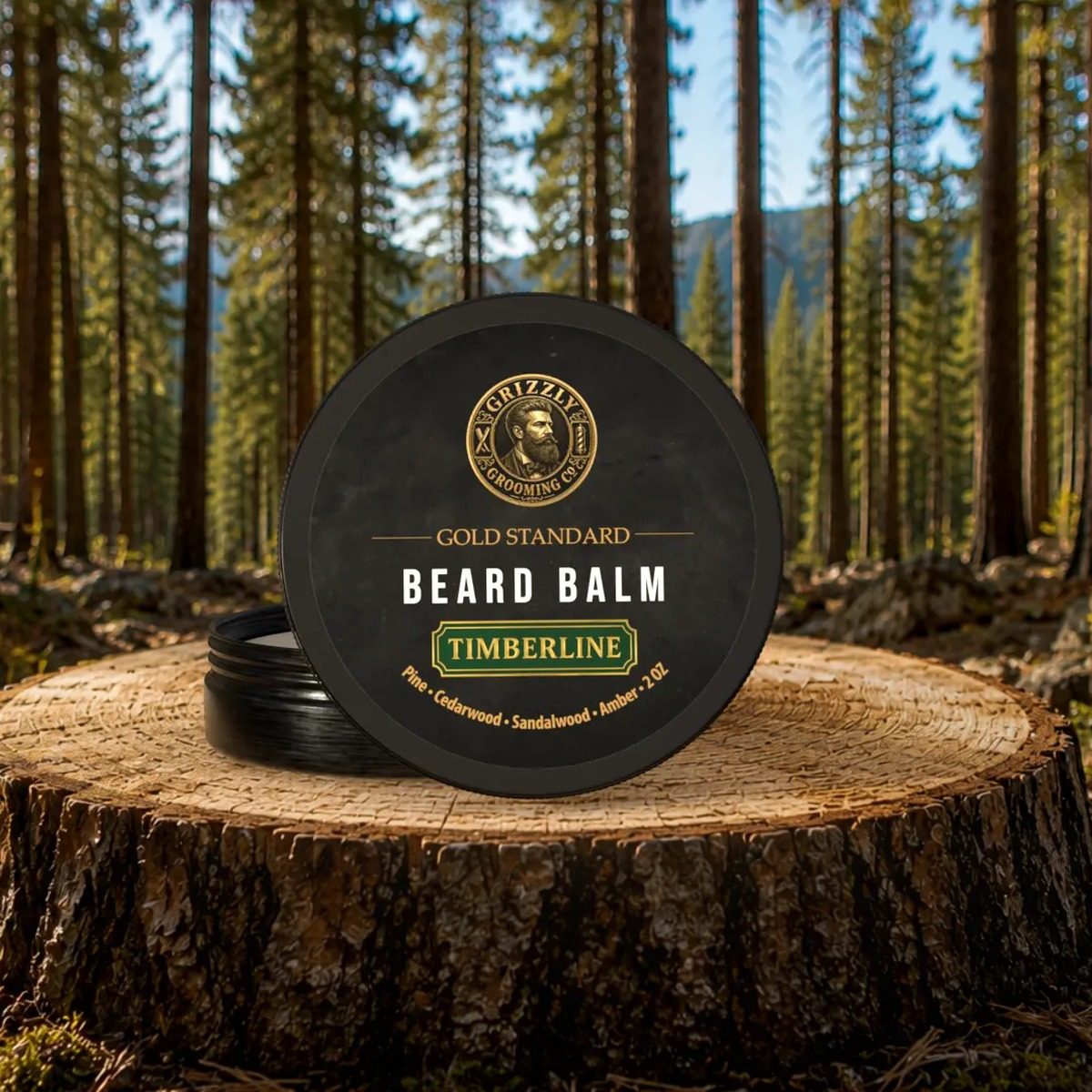
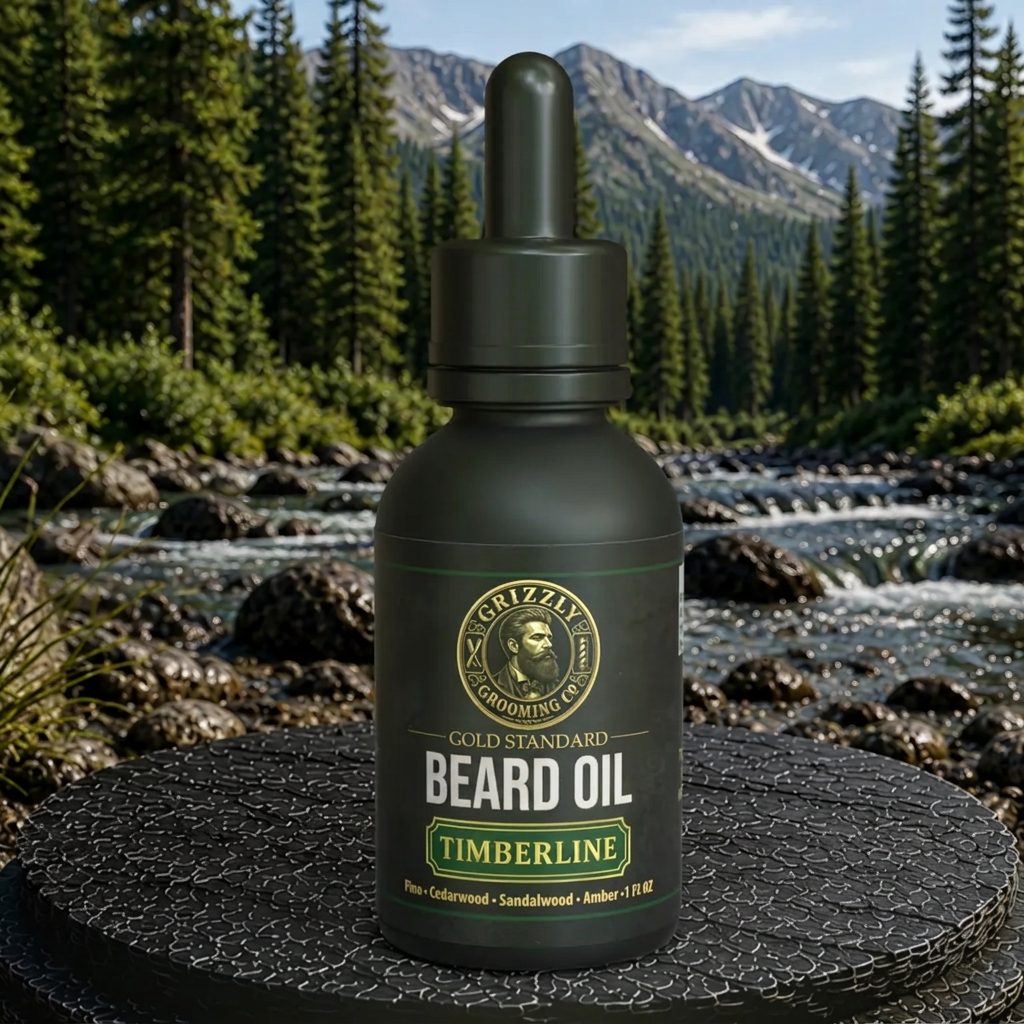
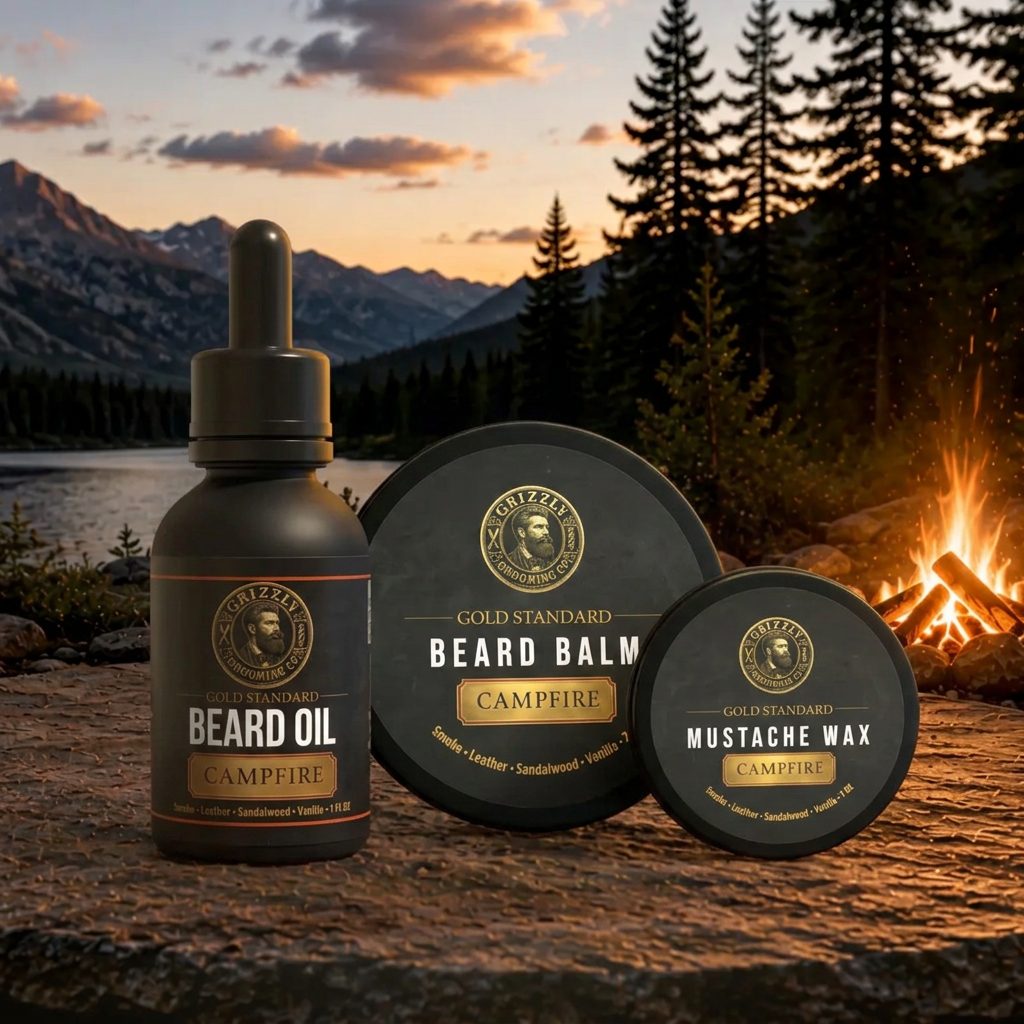
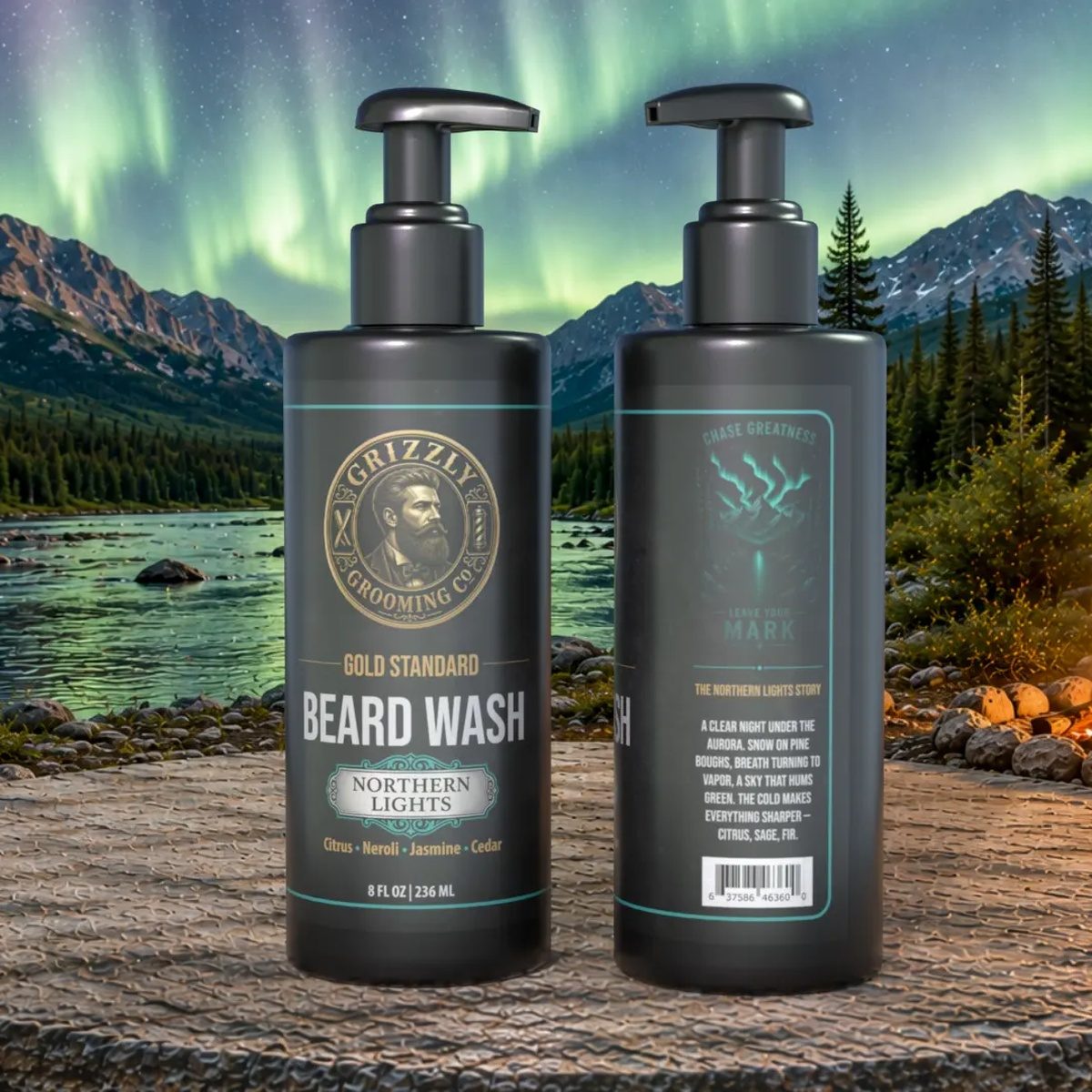
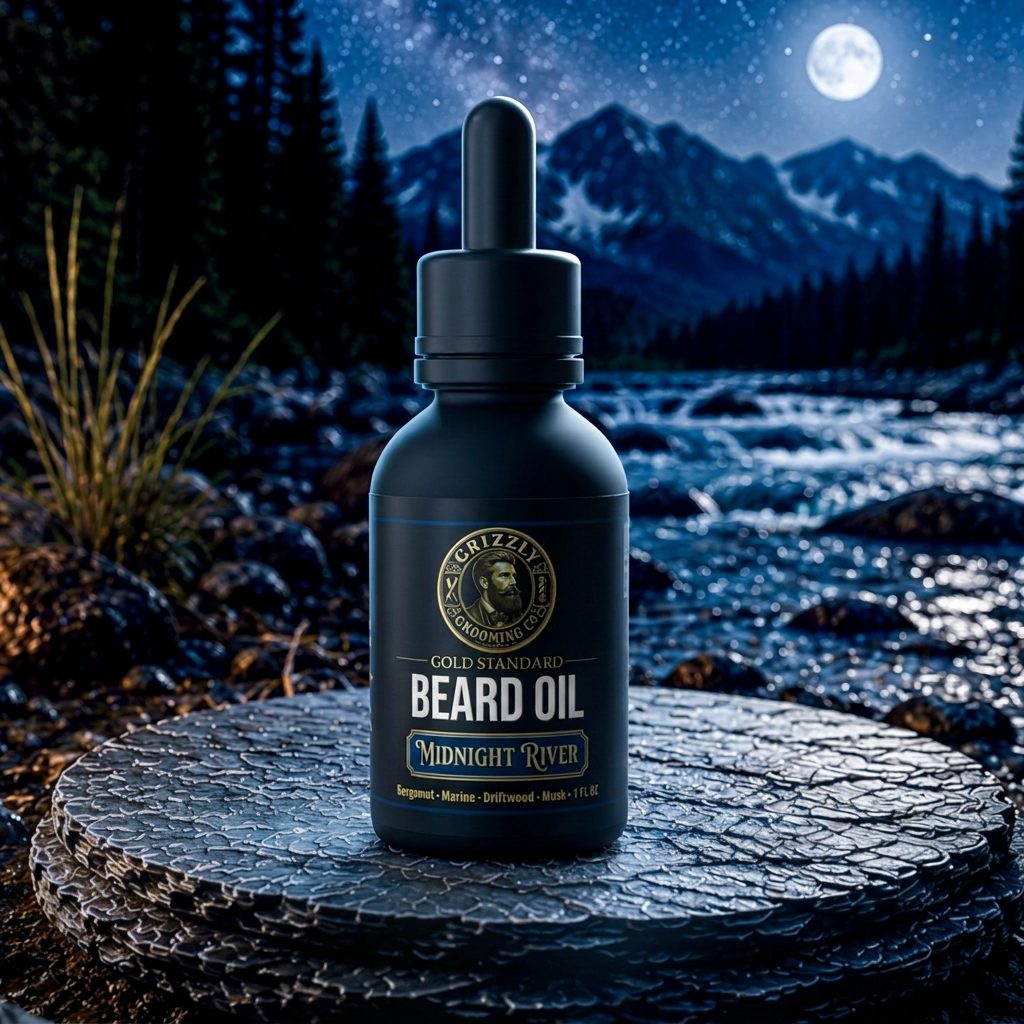
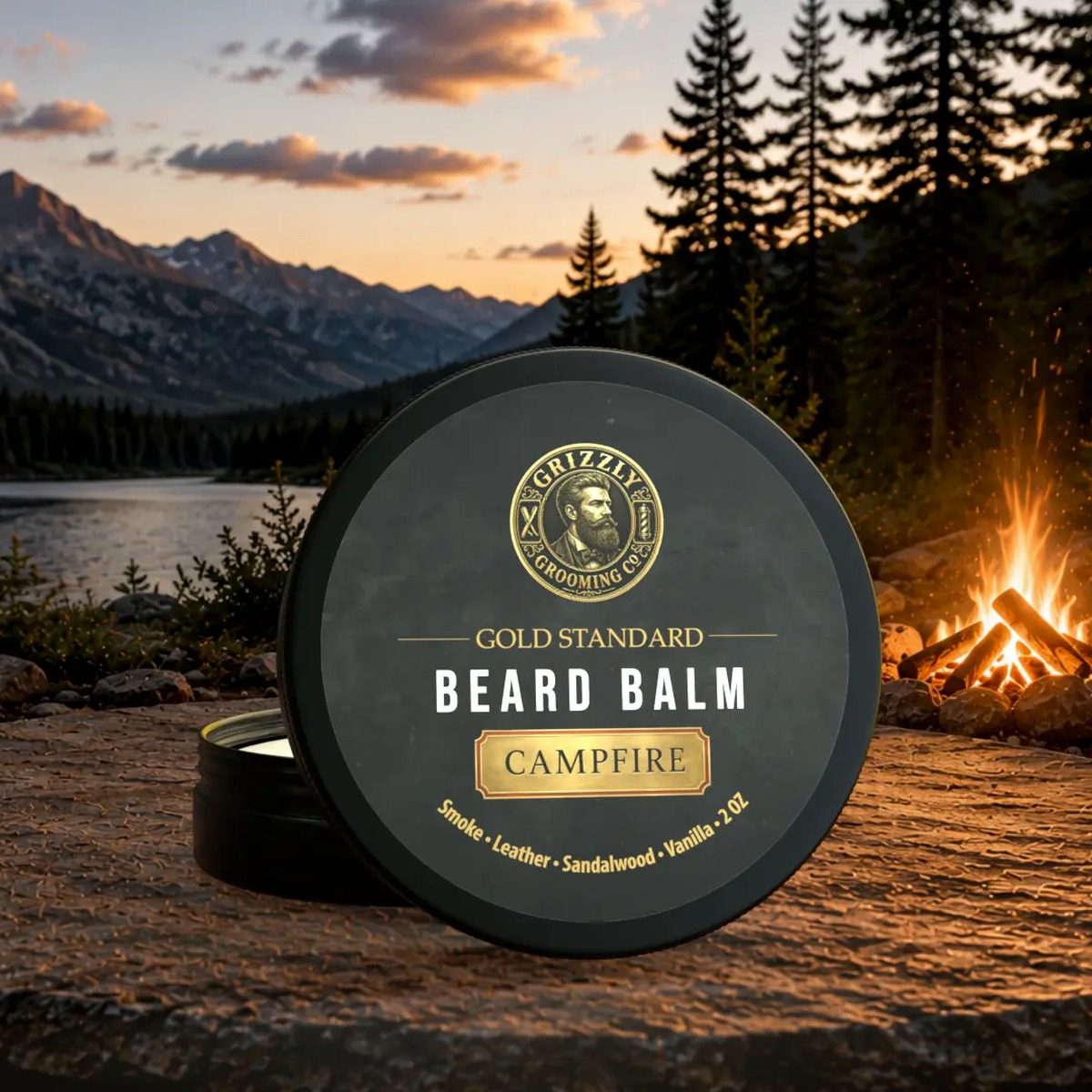
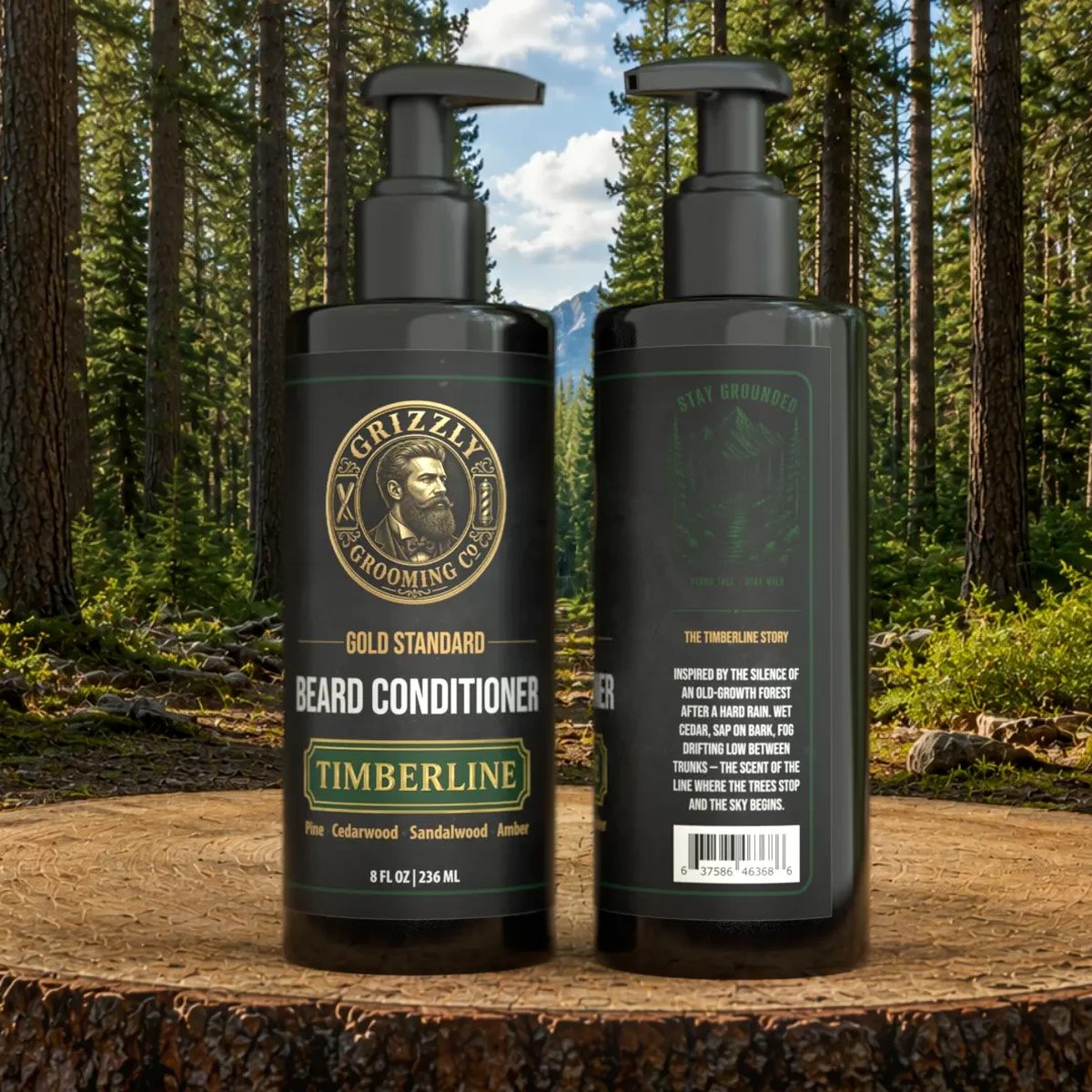
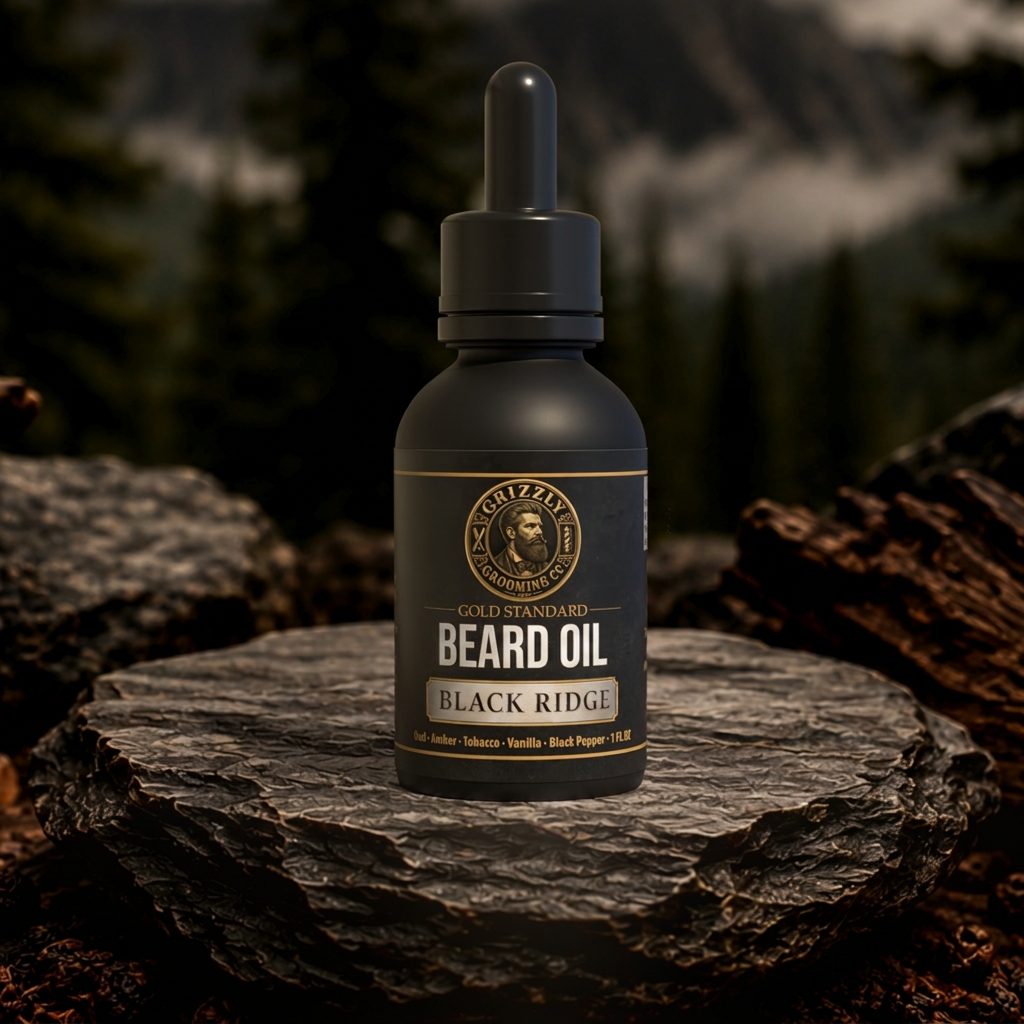
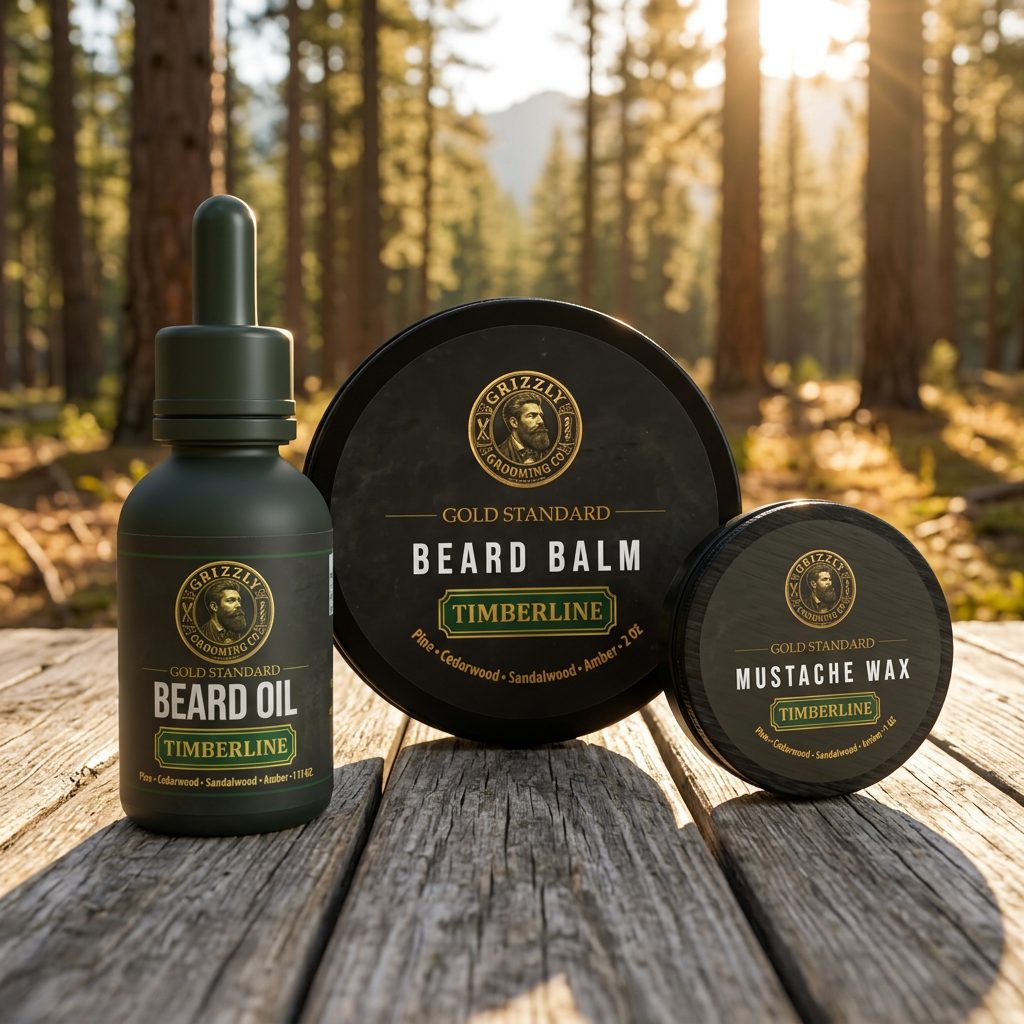
Essential Beard Kit — beard wash, oil, and balm for the daily patch-friendly ritual above.
Length is the coverage lever
Density does not change, but coverage does. Hair from dense regions grows across thin ones, and the practical threshold is about an inch — below it patches show, above it they blend. That is why the twelve-week rule is not just patience for its own sake.
Trimming during weeks four to six is what prevents most men from ever reaching that point. Hold the neckline clean, leave the length alone, and reassess with photos rather than in the mirror each morning.
Daily brushing to train coverage
A boar-bristle brush pulls hair from dense areas across sparse ones, and over several weeks it trains the resting direction so that the coverage holds without daily restyling. This is a real gain, not a trick.
Brush from the skin outward for two minutes, twice a day, in the direction you want the coverage to fall. The circulation and sebum distribution across the patchy skin are a secondary benefit for the follicles that are active.
Concealer and fiber products: a short-term option, used honestly
Beard fiber powders and tinted concealers can visually darken skin showing through a patch for photos or a single event, and used sparingly they are a reasonable short-term tool rather than something to be embarrassed about. They do nothing for the underlying patch and wash out with water, sweat, or rain, so they are not a routine solution.
If you use one regularly, apply with a small brush rather than fingers for more even coverage, and always test on a small area first since some formulas can stain lighter fabric collars. Treat this as a tool for specific occasions, not a substitute for the longer growth and styling strategies that produce a lasting result.
When a patch is actually scarring, not genetics
Most patchy beards are simply genetic distribution, but a patch that appeared suddenly, has a smooth or shiny texture, or follows the shape of an old injury may be scarring rather than ordinary sparse follicle density. Scarred skin generally does not grow hair regardless of how long you wait or what you apply.
If a patch looks different in texture from the surrounding skin — smoother, shinier, slightly indented — a dermatologist can tell you within a single visit whether it is scar tissue. Knowing this early saves months of a growth protocol that was never going to work on that specific spot.
Barber-assisted patch camouflage
A skilled barber can shape a patchy beard in ways that are difficult to replicate with home clippers, particularly around cheek patches where a slightly asymmetric line can be cut to visually balance a gap the eye would otherwise catch immediately. This is a styling skill, not a growth treatment, but it produces a real, immediate improvement in appearance.
Bring reference photos of beard styles with your specific patch pattern in mind, and be upfront with the barber about which areas are sparse. A good barber will design the shape around your actual density rather than cutting a generic style and hoping it works.
Building confidence while you wait out the growth window
The hardest part of the patchy-beard timeline isn't the routine, it's the psychological stretch of months where a beard looks worse before it looks better and every mirror check feels discouraging. Men who quit at month two or three almost always report the same regret once they see photos from a friend who pushed to month six.
Set a single check-in date on your calendar rather than evaluating daily, and take one comparison photo at that date instead of a running mental tally. Removing the daily judgment removes most of the frustration that causes early quitting, which is the actual failure mode more often than the biology itself.
How lighting and grooming products can visually minimize patches short-term
While waiting for genuine fill-in, a matte beard balm applied lightly to sparse areas can slightly darken and thicken the visual appearance of thin patches under most indoor lighting, buying some cosmetic patience without doing anything permanent. This is a short-term visual trick, not a growth aid, and it's worth naming as exactly that.
Avoid glossy oils on visible patch areas specifically, since shine draws the eye toward contrast between dense and sparse zones. A slightly matte product applied only where needed, combed to blend with surrounding density, softens the visual gap while the actual biological process runs its course.
Patch location matters more than patch size
A small patch on the cheek in an area naturally covered by cheek-line shaping reads very differently from an equally small patch directly under the lower lip, which sits in a highly visible spot with no styling trick to hide it. Evaluating patchiness by size alone misses this, and it explains why two men with similar density can feel very differently about their beards.
If your visible patches sit in areas a barber can shape around — upper cheeks, jawline edges — a defined cut solves most of the visual problem. If they sit in unavoidable central areas like directly below the lip, that's where a shorter overall length or accepting a mustache-forward style tends to work better than any styling trick.
Tracking real progress without fooling yourself
Density changes are gradual enough that daily or even weekly comparison rarely shows anything conclusive, which leads many men to conclude a routine isn't working when it actually is. The right comparison interval is monthly, same light, same angle, same distance, ideally with the beard freshly washed and combed flat in both photos.
Keep a simple folder of these monthly photos rather than relying on memory, since memory of your own face tends to normalize gradual change and makes real progress invisible day to day. Most men are surprised, comparing month two to month six side by side, at how much actually changed.
Frequently Asked Questions
Does beard length help hide patchiness?+
Yes. Past about an inch, hair from denser regions falls across thin areas and the gaps stop reading as gaps.
How long should I brush a patchy area each day?+
About two minutes, twice a day, brushing from the skin outward in the direction you want coverage to fall.
Does beard oil fill in patches?+
Beard oil maintains skin health so existing follicles perform at their best — it does not create new follicles. Guys who report 'oil filled in my patches' usually had follicles that were going to catch up anyway.
Does minoxidil actually work on beards?+
Yes, for many but not all men. Clinical studies show meaningful density increases in about two-thirds of users after 16 weeks of twice-daily use. The results are real but require commitment and continue only while you use it.
Should I shave to make my beard grow back thicker?+
No. Shaving does not change follicle density, growth rate, or hair diameter. The 'thicker after shaving' feeling is the blunt tip of a cut hair, not a real change.
How long should I try to grow a beard before giving up?+
Six months minimum. Twelve months to see the final adult density. Anything shorter is not enough data.
Is there a supplement that fills in patchy beards?+
Biotin, saw palmetto, and other supplements marketed for beard growth have no meaningful evidence in men with normal nutritional status. If your bloodwork shows a real deficiency, correcting it helps. Otherwise, save your money.
Are beard fiber powders worth using?+
As a short-term, occasion-specific tool, yes. They visually cover a patch for a single event but wash out and do nothing for the underlying density. They are not a substitute for a longer-term growth or styling strategy.
How do I know if a patch is scarring rather than genetics?+
A patch that appeared suddenly, follows the shape of an old injury, or looks smoother or shinier than surrounding skin may be scar tissue, which does not grow hair. A dermatologist can confirm this in a single visit.
Can a barber help hide a patchy beard better than I can at home?+
Often, yes. A skilled barber can cut a slightly asymmetric line that visually balances a patch in ways home clippers rarely achieve. Bring reference photos and be specific about which areas are sparse.
How do I stay motivated through the patchy early months?+
Set one check-in date rather than judging daily, and take a single comparison photo at that date instead of tracking progress in the mirror every morning. Most early quitting comes from daily discouragement, not the biology itself.
Can grooming products hide a patch while I wait for it to fill in?+
A light, matte balm on sparse areas can slightly minimize the visual contrast under indoor lighting. It's a short-term cosmetic trick, not a growth aid — avoid glossy oils on visible patches since shine draws attention to the gap.
Does where a patch is located matter more than how big it is?+
Often, yes. A patch a barber can shape around, like the upper cheek, is far easier to camouflage than one in an unavoidable spot like directly under the lower lip, where a shorter style usually works better than any cutting trick.
"The step-by-step here made it stupid simple. Ordered the bundle, four weeks in the compliments haven't stopped."
Join The Grizzly Brotherhood
Scent guides, grooming tips, and early access to new drops. No discount bait — just the good stuff.
Unsubscribe anytime · No spam
Get Gold Standard Beard Essential Kit
- Everything in this article, one click.
- Built for a complete daily ritual.
- 30-day money-back guarantee.
Related Guides
Morning, evening, and weekly — in the right order.
Nine-oil breakdown, what to avoid on a label, and how to judge a formula.
Butter-forward vs wax-forward, hold levels, and the layering test.
The wash, condition, and oil sequence that changes coarse hair.
Neckline, cheekline, and the cleanup that keeps length.
What actually moves the needle across a full growth cycle.
Every oil we use, why it's in there, and how we compare.
Assemble a kit around your beard length and skin type.
Sources & Research
- International Journal of Molecular Sciences — Anti-Inflammatory and Skin Barrier Repair Effects of Topical Application of Some Plant Oils
- Indian Journal of Dermatology — Moisturizers: The Slippery Road
- American Academy of Dermatology — Face Washing 101
- American Academy of Dermatology — Dermatologists' Tips for Relieving Dry Skin
- Grizzly Grooming Co. formulation notes and batch testing records