How Much Beard Oil To Use By Beard Length (Drops Chart)
- ›Stubble: 2 drops. Short (1–2 in): 3–4. Medium (2–4 in): 5–7. Long (4+ in): 8–12.
- ›Split long-beard doses across morning and night instead of one big application.
- ›Greasy at hour one = too much. Dry at hour six = too little or applied to a dry beard.
- ›Damp beard beats dry beard every time — oil goes twice as far into porous hair.
- ›Winter, dry climates, and hard-water regions all bump you one length-tier up.
The single most common beard-care question we get is not what oil to buy — it is how much of it to use. Under-dose and the beard still itches at the skin line. Over-dose and you spend the whole afternoon looking like you fell into a fryer. Neither extreme is a product problem. It is a dosing problem, and it is fixable in one morning.
Below is the drop chart we hand to every new Grizzly customer, plus the four variables that shift it up or down. Read once, calibrate for a week, and you will never wonder again.
The drops-by-length chart
- ›Stubble (under 1/2 inch): 2 drops.
- ›Short beard (1/2–2 inches): 3–4 drops.
- ›Medium beard (2–4 inches): 5–7 drops.
- ›Full beard (4–6 inches): 8–10 drops, ideally split morning + night.
- ›Long beard (6+ inches): 10–12 drops in the morning, 4–6 more before bed.
These are starting points, not commandments. Every beard has a slightly different density and every climate has a slightly different demand. The chart gets you within one calibration of your right number.
Why damp beard doubles the yield
Beard hair is more porous when it is damp. The cuticle sits open, the strand absorbs the carrier oils faster, and the same three drops disappear into a wet beard the way five drops disappear into a dry one. That is why the ritual starts with a lukewarm rinse (or a full wash) before the oil ever comes out.
If you are dosing off the chart and still feeling dry, the culprit is almost always that the beard was already bone-dry when you applied. Rinse first, towel-pat once, then oil.
Four variables that shift your dose up a tier
Bump your daily dose up by one length-tier when any of these are in play: cold-weather commutes (dry indoor heat is worse than the outdoor air), high-elevation living, hard-water regions where the wash strips more than it should, and any week your beard has spent time in chlorinated pool water.
Shift down a tier when you are in a genuinely humid climate, when the beard is freshly trimmed short, or when the day involves a lot of hat-wearing that will press oil into the fabric anyway.
How to tell you are over-dosing
The tells are consistent. The beard looks visibly wet an hour after application. Your fingertips leave a print on paper. Your collar shows a shine where the beard rests. Any one of those means cut the dose in half tomorrow. Two of them means cut it by two-thirds and rebuild from a lower baseline.
How to tell you are under-dosing
The tells are quieter but easy to catch. Skin itch returns by mid-afternoon. The tips feel brittle to the touch. Flakes appear at the jawline when you rub the beard. The beard looks matte instead of low-sheen in photos. If two of those show up, add two drops tomorrow and hold at that dose for four days before adjusting again.
Why long beards split the dose
Past four inches, a single morning application cannot condition the tips through a full day. The oil migrates root-to-mid, gets absorbed, and never quite reaches the driest quarter of the strand. A smaller evening application (roughly 40% of the morning dose) closes the gap and is the single biggest reason long beards look glossy instead of frayed.
The one product that makes the chart work
A well-formulated jojoba-argan base absorbs at a predictable rate, which is what makes a drop chart possible in the first place. Heavier bases (coconut-forward, castor-forward) throw the numbers off — they sit on top instead of soaking in, and dosing becomes guesswork.
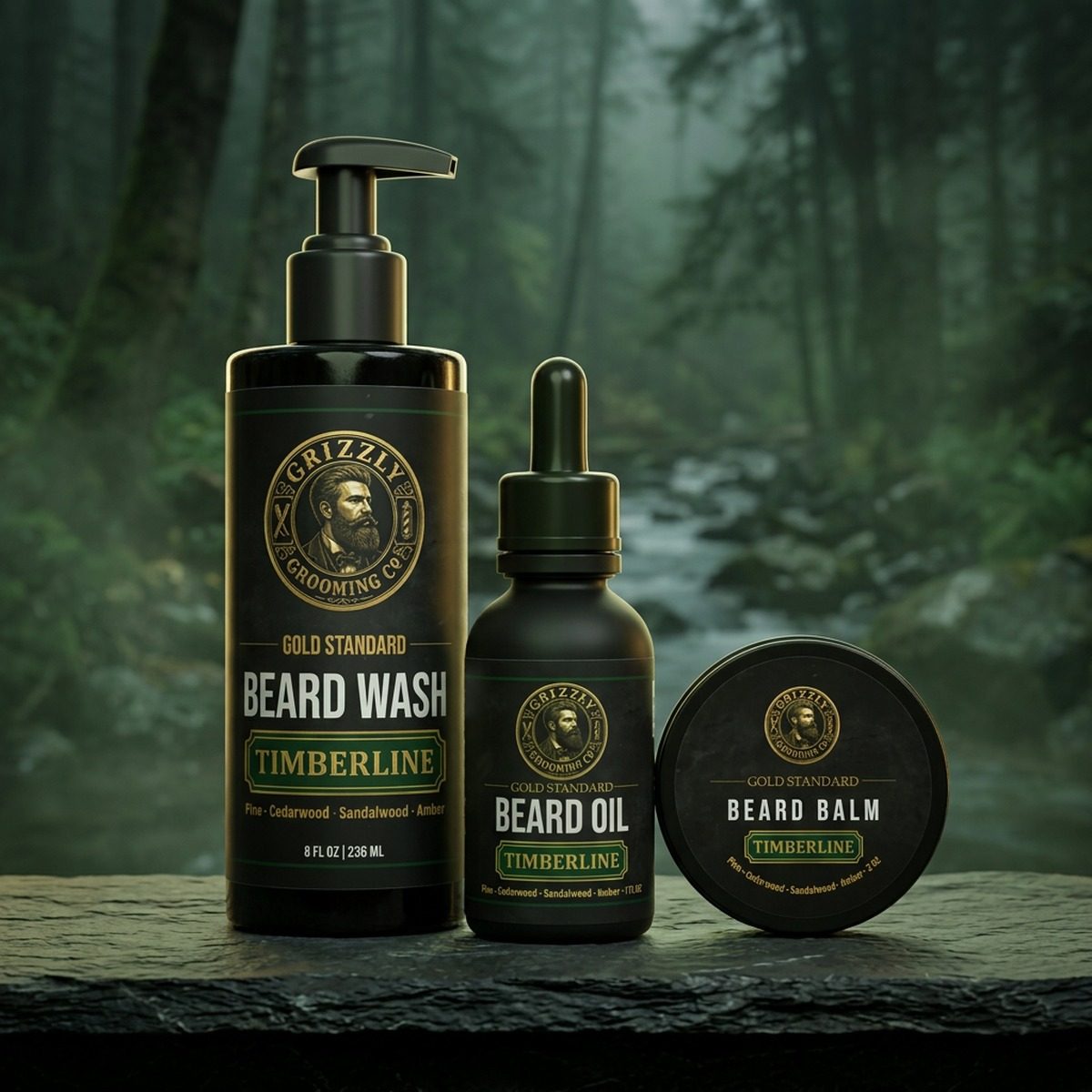
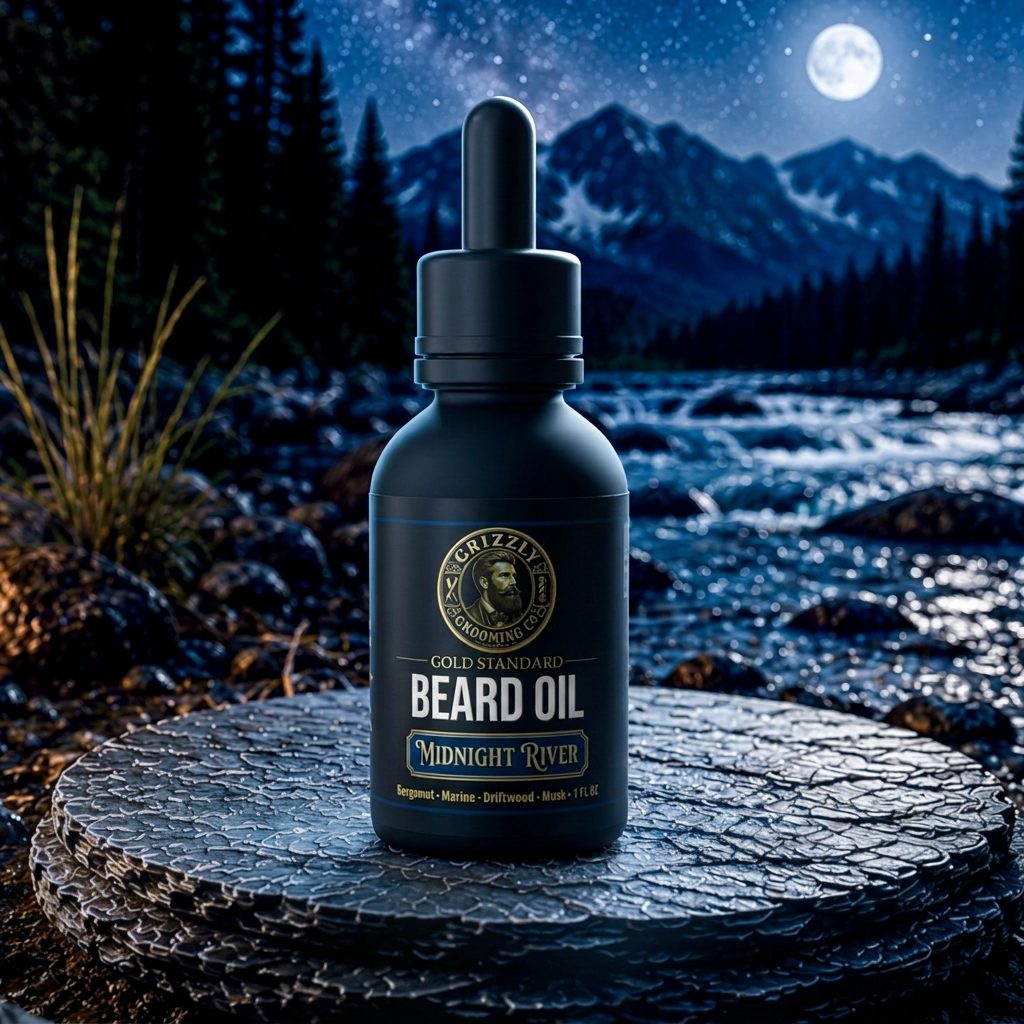
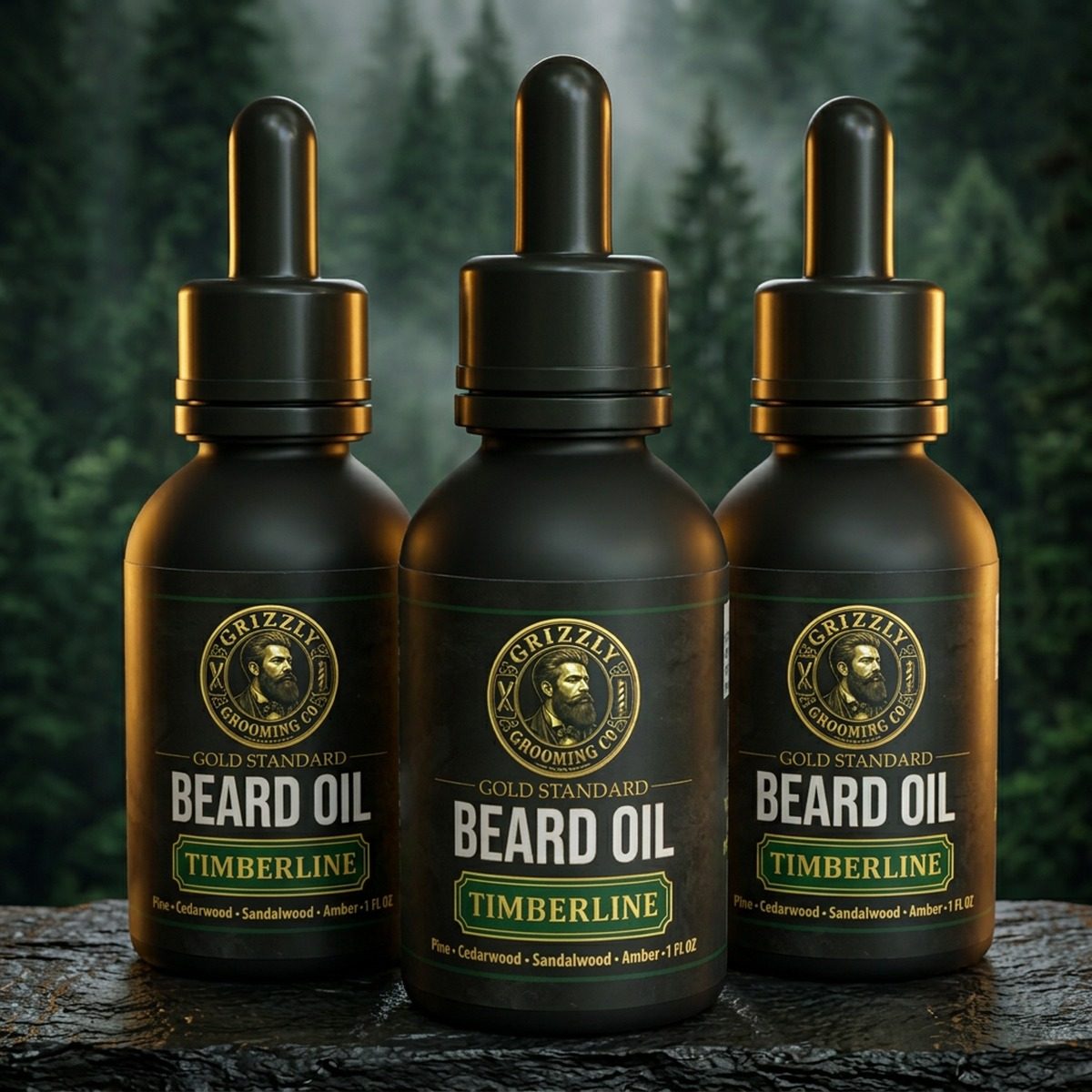
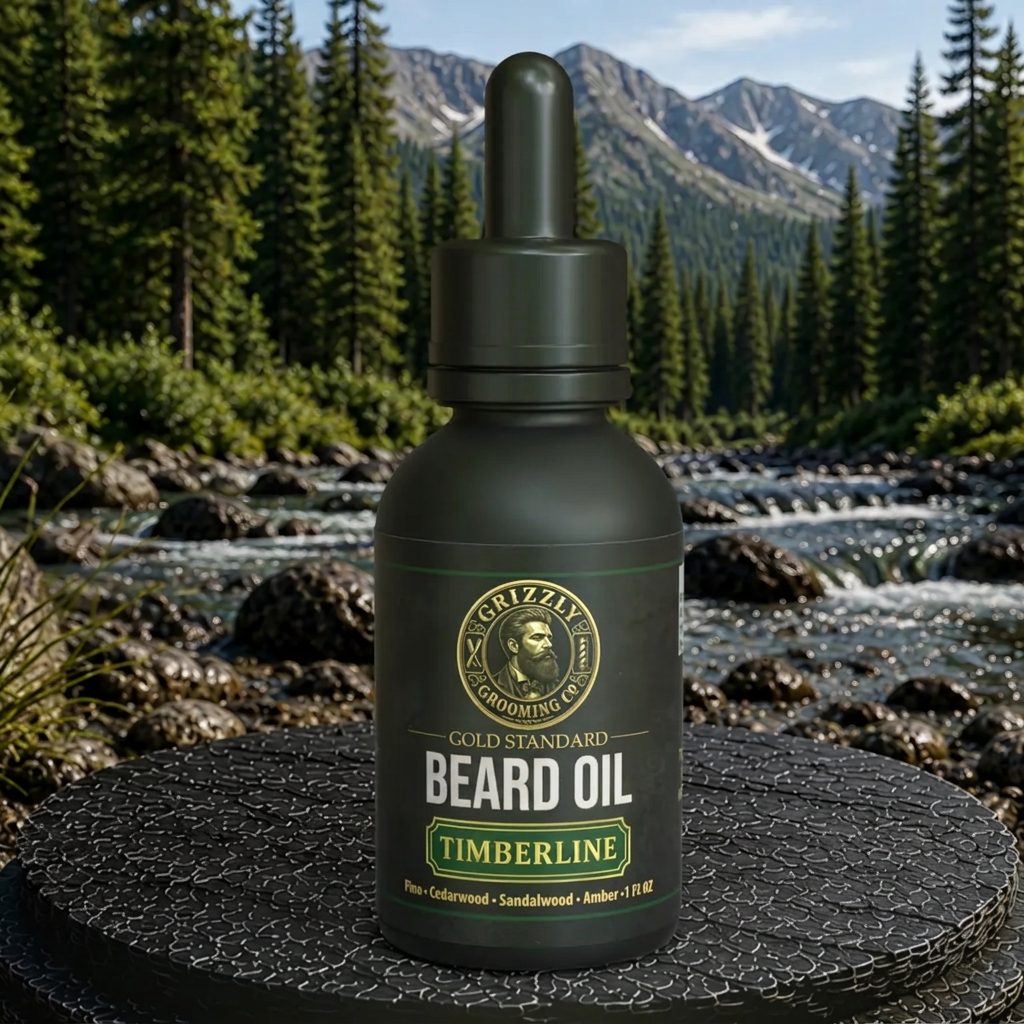
Gold Standard Beard Oil — the argan + jojoba base every number in this chart is calibrated against.
Run the chart for a week. Adjust once. You will not go back to guessing.
Adjusting the dose in winter
Cold months move nearly everyone up a tier. Indoor heating routinely drops humidity into the twenties, which is drier than most outdoor winter air, and skin loses water faster all day and all night.
Add one or two drops to the morning dose and consider a smaller second application at night. When spring humidity returns, step back down — a dose that was right in January reads as greasy in June.
Dosing when you also use balm or butter
Oil is the skin layer and balm or butter is the hair layer, so adding a second product does not reduce the oil dose. What changes is where each one goes: oil into the skin, balm or butter along the length only.
Men who cut the oil back when they add balm usually end up with flaking at the skin within a week or two, because nothing is conditioning underneath. Keep the oil dose steady and adjust the balm instead.
Dosing during the first month of a new beard
A beard in its first four weeks behaves differently than the same beard will at three months, because the skin underneath is adjusting to constant coverage for the first time and often overproduces oil as a response. Starting at the low end of the stubble or short-beard dose and monitoring for the first two weeks avoids compounding that natural adjustment with an overly heavy application.
Itch in the first month is common regardless of dose and often resolves on its own as the skin adapts, so resist the urge to double the dose at the first sign of discomfort. Give any new dose a full week before adjusting it further.
Why two people with the same beard length can need different doses
Length is the primary variable in any dosing chart, but hair density is the second, less obvious one. Two four-inch beards can have meaningfully different amounts of actual hair depending on follicle density, and a denser beard simply requires more oil to coat the same surface area at the same length.
If you have followed the standard chart for your length for two weeks and the beard still feels under-conditioned, density rather than a wrong chart is the likely explanation. Move up half a tier and hold there rather than assuming the published numbers do not apply to you.
Adjusting dose after a fresh trim
A trim immediately changes your effective beard length, and continuing at your pre-trim dose typically over-delivers oil relative to the new, shorter hair. This is one of the more common causes of a beard looking unexpectedly greasy the day after a haircut or trim appointment.
Drop your dose to match the new length tier for at least the first few days after any trim of half an inch or more, then reassess. As the beard grows back out over the following weeks, gradually return to your previous dose rather than jumping back immediately.
Spot-dosing patchy or thinner areas
A beard with one noticeably sparser patch, such as a cheek area that grows in thinner than the rest, often benefits from a small amount of extra oil worked specifically into that section rather than applying the standard length-based dose evenly across the whole face. Thinner areas expose more skin directly to air and friction, which can dry out faster than a denser section growing at the same overall length.
After your normal application following the chart, add a single extra drop worked directly into the thinner patch with a fingertip. This is a targeted addition, not a replacement for the whole-beard dose, and it is worth reassessing once the patch fills in further, since it may no longer need the extra attention.
Adjusting the chart for lightweight versus heavier oils
The drop chart in this guide assumes a moderate-weight jojoba-argan base, but a noticeably lighter oil, heavier on grapeseed or hemp, generally needs one or two more drops to deliver the same conditioning, since lighter carriers absorb faster and leave less residual film on the hair. A heavier, more castor-forward oil can often achieve the same result with slightly fewer drops than the chart suggests.
If you switch to a differently weighted oil than what you have used before, treat the chart as a starting point and adjust by a drop in either direction over the first week rather than assuming the exact same count applies. The greasy and dry indicators described elsewhere in this guide still apply regardless of which formula you are using.
Dosing the mustache separately from the rest of the beard
The mustache sits directly above the mouth, which means it gets wiped, licked, and generally handled far more throughout the day than the rest of the beard, and it loses oil to that contact faster as a result. A single shared dose applied evenly across the whole face often leaves the mustache under-conditioned by midday even when the beard proper still feels fine.
Consider a small top-up, a fraction of a drop worked in with a fingertip, on the mustache specifically later in the day if it tends to feel dry or bristly by the afternoon. This is a minor addition on top of the main chart, most relevant for mustaches worn fuller or styled rather than kept very short.
Adjusting oil dose after a beard mask or deep treatment
A weekly deep-conditioning mask or heavier treatment leaves the beard more saturated than a normal wash does, and applying your usual full daily dose of oil immediately afterward can push the beard into over-conditioned, greasy territory for that day. The mask has already done a meaningful share of the conditioning work the oil normally provides.
On days you use a deep treatment, cut your regular oil dose by roughly a third to a half and rebuild to the full dose the following day as the treatment's effects wear off. This keeps the beard from looking overly slick immediately after a treatment while still maintaining consistent daily conditioning overall.
Frequently Asked Questions
Should I use more beard oil in winter?+
Usually one or two extra drops, plus a smaller night application. Indoor heating drops humidity below most outdoor winter air.
Do I use less oil if I also use balm?+
No. Oil conditions the skin and balm holds the hair. Cutting the oil back when you add balm is a common cause of flaking.
Can I apply beard oil to a dry beard?+
You can, but you'll need roughly 40% more product for the same softness because dry hair is less porous. Applying to a damp beard after a wash or warm rinse is always more efficient.
What if my beard still feels dry after 8 drops?+
Almost always a skin-under-beard issue, not a hair issue. Add a nightly application, and use the Itch Relief Cream twice weekly for two weeks — the dryness sensation usually resolves before you need to add more oil.
Is it possible to use beard oil every day?+
Yes — daily is the expected cadence for anything past stubble. It is the wash you want to keep to 2–3 times per week, not the oil.
Does more oil grow a thicker beard?+
No. Growth density is genetic. What consistent oil does is keep every existing follicle in a healthy growth phase longer, which shows up as fuller-looking coverage over 8–12 weeks.
How do I measure drops if the bottle pours fast?+
Tip the bottle to horizontal, not vertical. The dropper action becomes slow and controlled. Vertical pours over-dose almost every user by 50–100%.
Should I use the same dose on weekends when I am not going out?+
Yes. Skin and hair need consistent conditioning regardless of your plans for the day, and skipping or reducing the dose on low-key days just reintroduces the dryness the routine is meant to prevent. Save dose changes for climate or beard-length reasons, not your calendar.
Does beard density change the drops-by-length chart significantly?+
It can shift you up or down about half a tier from the standard chart. The published numbers are a solid starting point for average density; a noticeably thick or thin beard at a given length may need to adjust from there based on how it responds over a week or two.
Is it possible to overcorrect after realizing you were under-dosing?+
Yes, and it is a common overreaction. Jumping from clearly too little oil straight to the top of the next length tier often overshoots into greasy territory. Increase by one or two drops at a time and hold each new dose for several days before adding more.
Should I add extra oil to a thin or patchy section of my beard?+
Yes, a single extra drop worked directly into that spot after your normal application can help, since thinner patches expose more skin and dry out faster. Reassess once the patch fills in, since it may not need the extra attention long-term.
Do lighter beard oils need a different dose than heavier ones?+
Generally yes. Lighter, grapeseed- or hemp-forward oils absorb faster and often need one or two more drops than a moderate jojoba-argan blend, while heavier, more castor-forward oils can often work with slightly fewer drops.
Should I use less oil on a day I do a beard mask or deep treatment?+
Yes. Cut your regular dose by roughly a third to a half on treatment days, since the mask has already done a share of the conditioning work. Return to your full dose the next day as the treatment's effects wear off.
"Followed the ritual in this article for 6 weeks — beard is thicker, softer, and the itch is gone. My wife keeps stealing my Timberline oil for the smell."

Join The Grizzly Brotherhood
Scent guides, grooming tips, and early access to new drops. No discount bait — just the good stuff.
Unsubscribe anytime · No spam
Get Gold Standard Beard Oil
- Everything in this article, one click.
- Built for a complete daily ritual.
- 30-day money-back guarantee.
Related Guides
What each carrier oil does once it hits skin and hair.
Cadence and dose by beard length and climate.
Which one your beard needs, and why most men eventually need both.
Flaking, tightness, and the oils that repair the barrier underneath.
How scent families wear on a beard through the day.
Every oil we use, why it's in there, and how we compare.
The wash, condition, and oil sequence that changes coarse hair.
Assemble a kit around your beard length and skin type.
Sources & Research
- International Journal of Molecular Sciences — Anti-Inflammatory and Skin Barrier Repair Effects of Topical Application of Some Plant Oils
- Indian Journal of Dermatology — Moisturizers: The Slippery Road
- American Academy of Dermatology — Face Washing 101
- American Academy of Dermatology — Dermatologists' Tips for Relieving Dry Skin
- Grizzly Grooming Co. formulation notes and batch testing records