Does Beard Oil Cause Acne? A Straight Answer Backed By The Ingredients
- ›Beard oil breakouts almost always come from comedogenic carrier oils or overuse — not from oil in general.
- ›Non-comedogenic carriers: jojoba, argan, grapeseed, squalane. Comedogenic: coconut, wheat germ.
- ›3–5 drops for a medium beard is enough. More is not conditioning — it is clogging.
- ›If breakouts started with a new oil, the fragrance may be the trigger, not the oil itself.
The concern is fair. You are putting oil onto skin that already produces its own oil, on an area that already has follicles working overtime. It seems like a recipe for breakouts. Whether it actually is one depends on three variables — and none of them are the word oil.
Variable 1: the carrier oil
Every beard oil is 90-plus percent carrier oil with a small percentage of fragrance. The carrier is what interacts with your skin. Jojoba is chemically almost identical to human sebum, so it does not confuse the follicles and does not clog. Argan and grapeseed are low on the comedogenic scale — safe for most skin. Coconut oil is at the top of the comedogenic scale and reliably breaks out anyone with acne-prone skin, no matter how natural it is. Read the ingredients: if coconut oil is the first or second carrier, expect breakouts.
Variable 2: how much you use
Three to five drops for a medium beard, six to eight for a long one. That is enough to coat the hair and moisturize the skin. Ten drops does not hydrate more — it pools on the skin surface, mixes with sebum and dead cells, and blocks follicles. The most common cause of beard-oil breakouts is not the oil, it is the dose.
Variable 3: fragrance sensitivity
Some skin reacts to specific essential oils — cinnamon, clove, and lemon are the usual suspects — with a red bumpy rash that looks like acne but is actually contact dermatitis. If breakouts started sharply with a new oil, switch to an unscented or single-scent version. If they clear in a week, it was the fragrance, not the oil.
How to test a new oil on breakout-prone skin
Apply to a small patch on the jawline for 3 days. No reaction, expand to the full beard for a week. Watch for new bumps at the mustache line or the neckline first — those are the highest-density follicle areas. If clear at 14 days, the oil is safe for you.
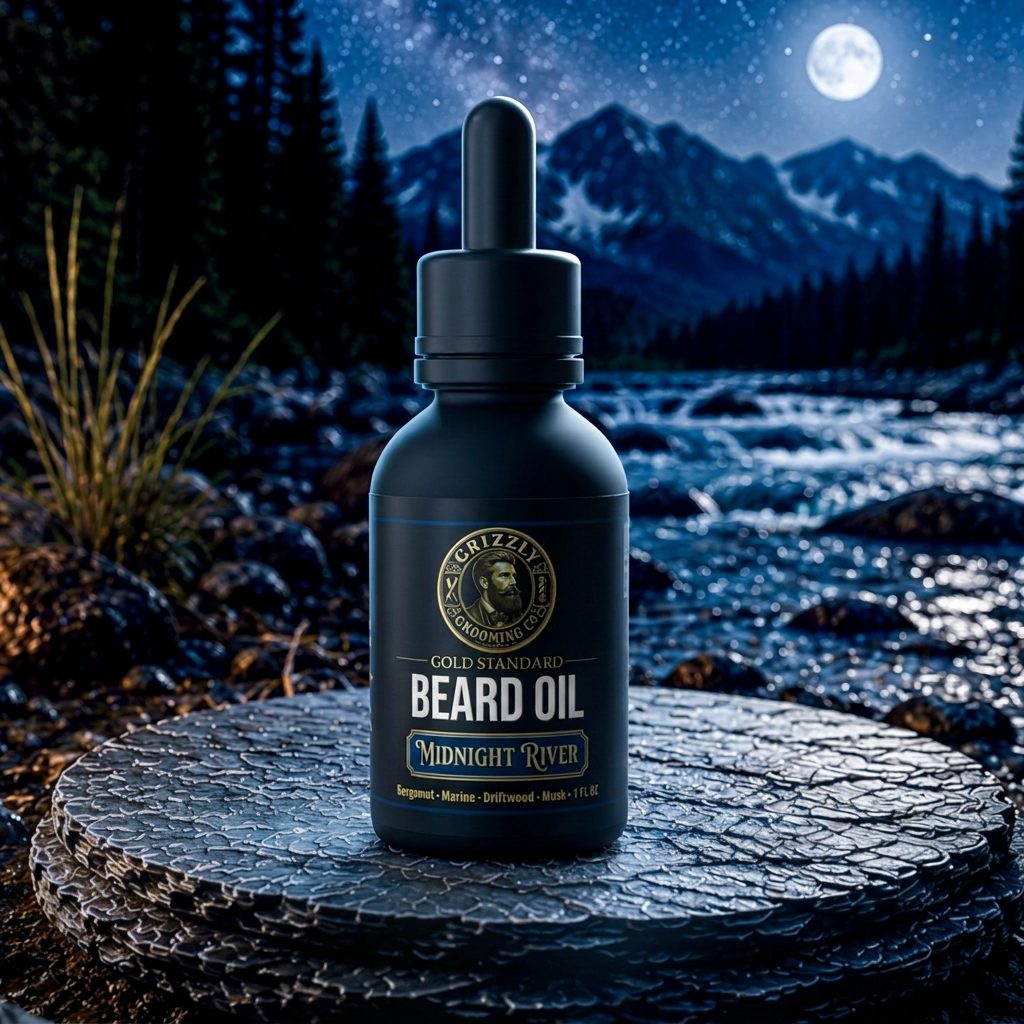
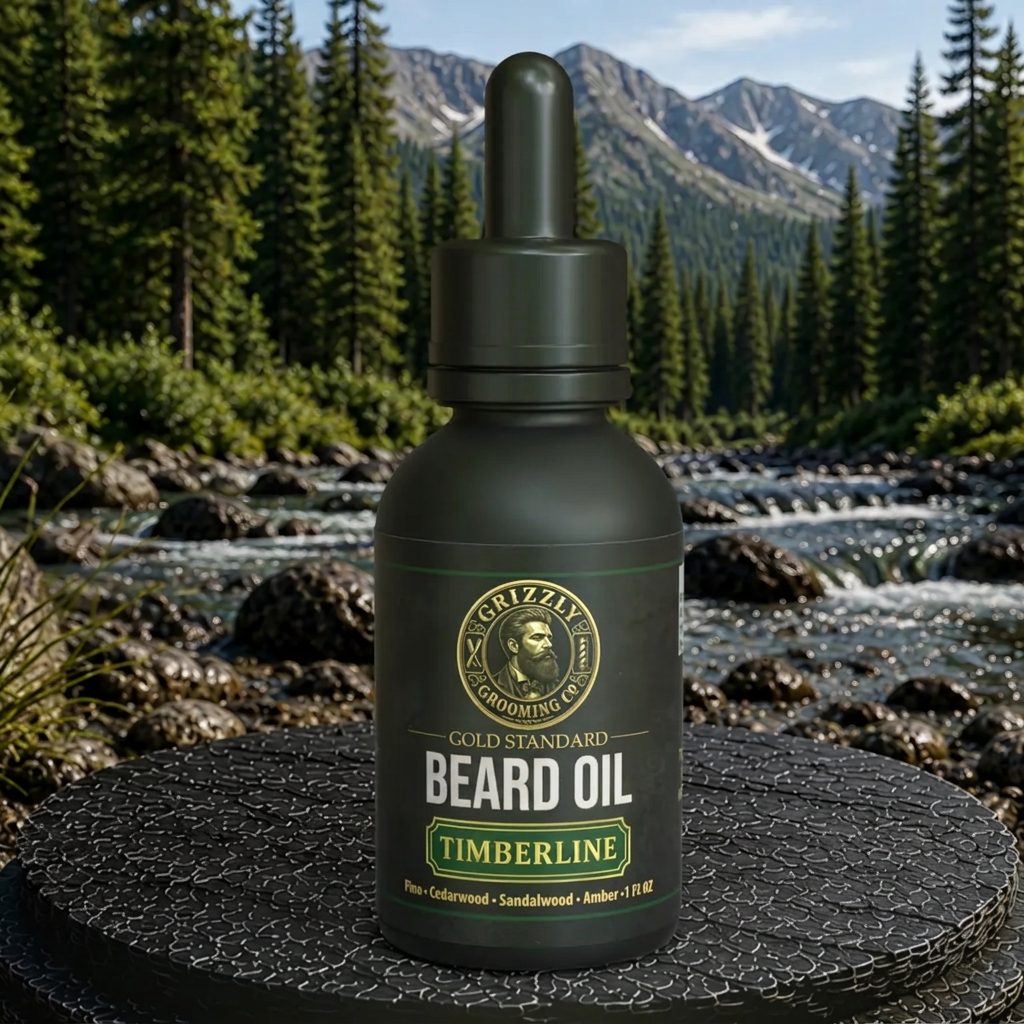
Gold Standard Beard Oil — jojoba and argan carrier base, no coconut, low comedogenic rating.
Frequently Asked Questions
What is the best beard oil for acne-prone skin?+
One with jojoba or argan as the primary carrier, no coconut oil, and either fragrance-free or single-note essential oil scent. Avoid anything with cinnamon, clove, or citrus if you have reacted before.
How often should I apply beard oil if I break out easily?+
Once a day, 2–3 drops for a short beard, applied only to the skin, not the hair length. Skip application on days you have not washed the beard.
Does washing the beard prevent oil-related breakouts?+
Yes. Washing 2–3 times a week with a sulfate-free beard wash clears the mix of skin oil, applied oil, and dead skin cells that leads to clogged follicles.
Can beard oil help with existing acne under the beard?+
The right oil can — jojoba specifically has been shown to regulate sebum production, which helps some acne types. The wrong oil makes it worse. Test carefully.
"Best grooming purchase I've made all year. The scent alone is worth it — everything else is a bonus."
Join The Grizzly Brotherhood
Scent guides, grooming tips, and early access to new drops. No discount bait — just the good stuff.
Unsubscribe anytime · No spam
Get Gold Standard Beard Oil
- Everything in this article, one click.
- Built for a complete daily ritual.
- 30-day money-back guarantee.
Related Guides
What each carrier oil does once it hits skin and hair.
Cadence and dose by beard length and climate.
Which one your beard needs, and why most men eventually need both.
Flaking, tightness, and the oils that repair the barrier underneath.
How scent families wear on a beard through the day.
Every oil we use, why it's in there, and how we compare.
The wash, condition, and oil sequence that changes coarse hair.
Assemble a kit around your beard length and skin type.
Sources & Research
- International Journal of Molecular Sciences — Anti-Inflammatory and Skin Barrier Repair Effects of Topical Application of Some Plant Oils
- Indian Journal of Dermatology — Moisturizers: The Slippery Road
- American Academy of Dermatology — Face Washing 101
- American Academy of Dermatology — Dermatologists' Tips for Relieving Dry Skin
- Grizzly Grooming Co. formulation notes and batch testing records