Beard Oil For Sensitive Skin: What To Look For And What To Avoid
- ›Fragrance and essential oils cause 80% of beard-oil skin reactions — patch test any new oil for 48 hours.
- ›Jojoba and squalane are the safest carriers: closest to human sebum, non-comedogenic.
- ›Avoid coconut oil (comedogenic rating 4), heavy fragrance oils, and menthol/tea tree at high concentration.
- ›If skin is actively irritated, strip back to a single-ingredient jojoba oil for two weeks before reintroducing scent.
Sensitive skin does not mean broken skin — it means skin whose barrier over-reacts to compounds most people tolerate fine. In the beard-oil world, the two biggest triggers are synthetic fragrance and highly concentrated essential oils. Both are common because they make the product smell good, and both are avoidable.
The carrier oil matters more than the scent
Jojoba is technically a liquid wax with a molecular structure nearly identical to human sebum — the skin recognizes it and rarely reacts. Squalane (plant-derived) is similarly barrier-friendly. Argan is well-tolerated for most. Coconut oil sits at a comedogenic rating of 4 out of 5 and clogs pores on many faces — avoid it in a leave-on product regardless of how sensitive the skin is.
Fragrance: the number-one trigger
Synthetic fragrance is a legal catch-all for hundreds of compounds a brand does not have to disclose. If skin reacts, this is the first suspect. Essential-oil scenting is more transparent but not automatically safer — cinnamon, clove, and undiluted tea tree are aggressive on sensitive skin. Look for oils that either list every scent component or offer an unscented version.
The patch test protocol
Apply 2 drops to the inside of the forearm. Leave it 48 hours. If no redness, itch, or bumps, apply the same amount to a small patch of jawline. Wait another 48 hours. Only then commit to the full beard. This is annoying and it is also how you avoid a week of an angry, flaking face.
If the skin is already reacting
Stop all products for 3 days — plain water rinses only. Once the redness settles, reintroduce a single-ingredient jojoba oil for 2 weeks. If the skin stays calm, add scent back. If it reacts again, the scent is the problem, not the oil.
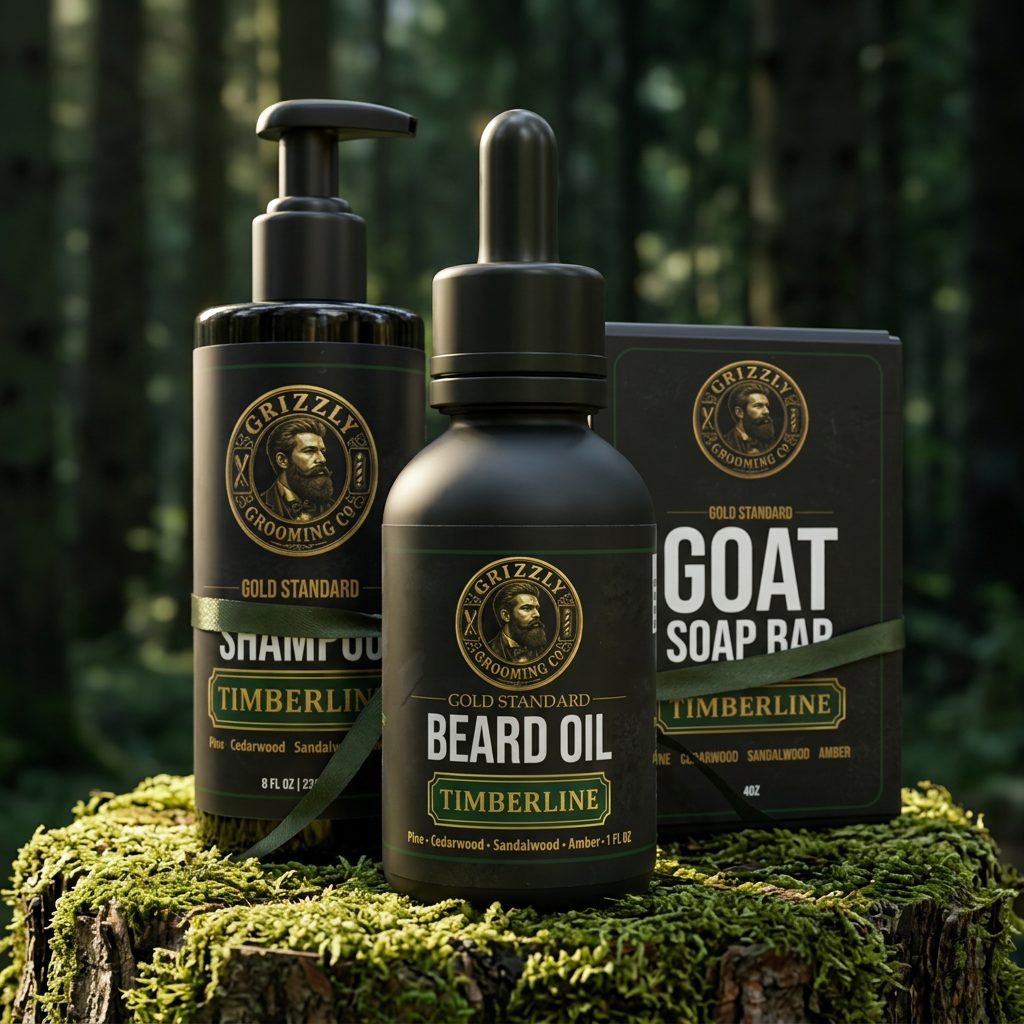
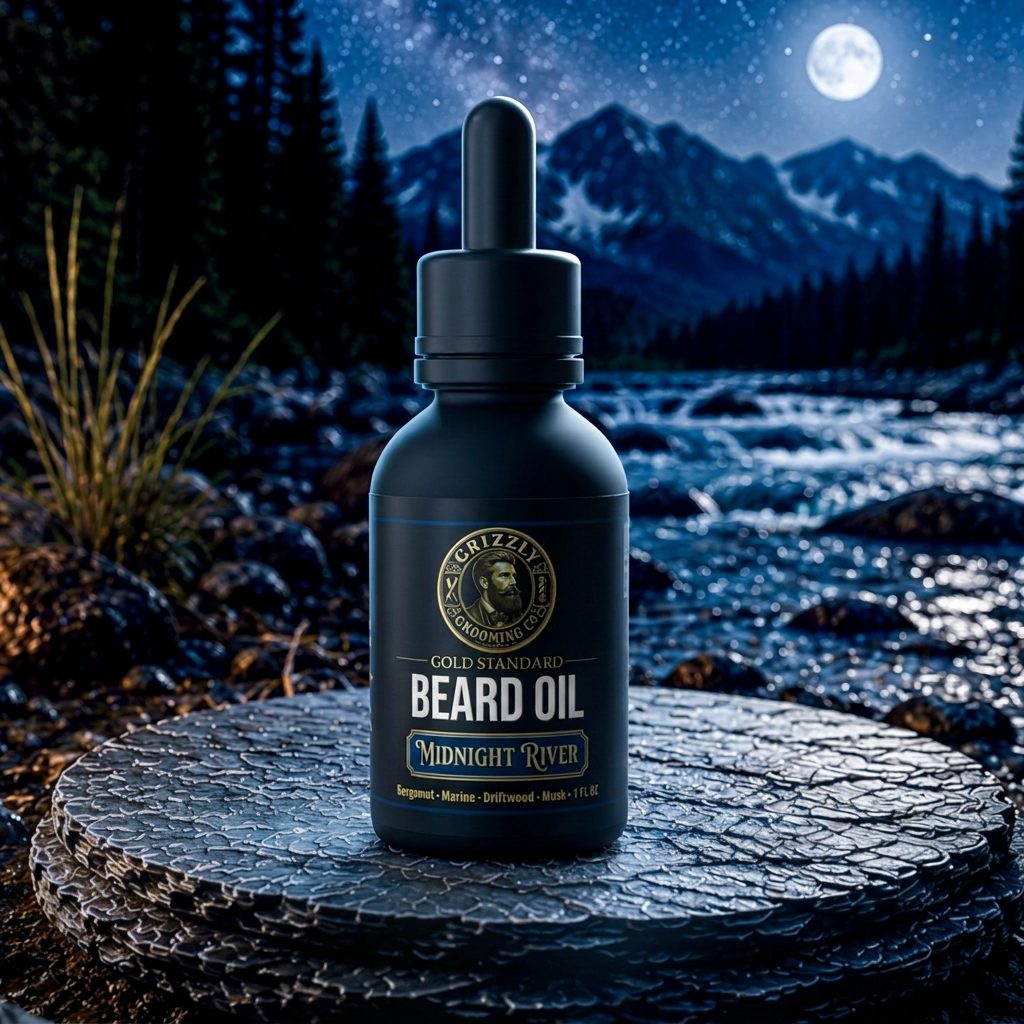
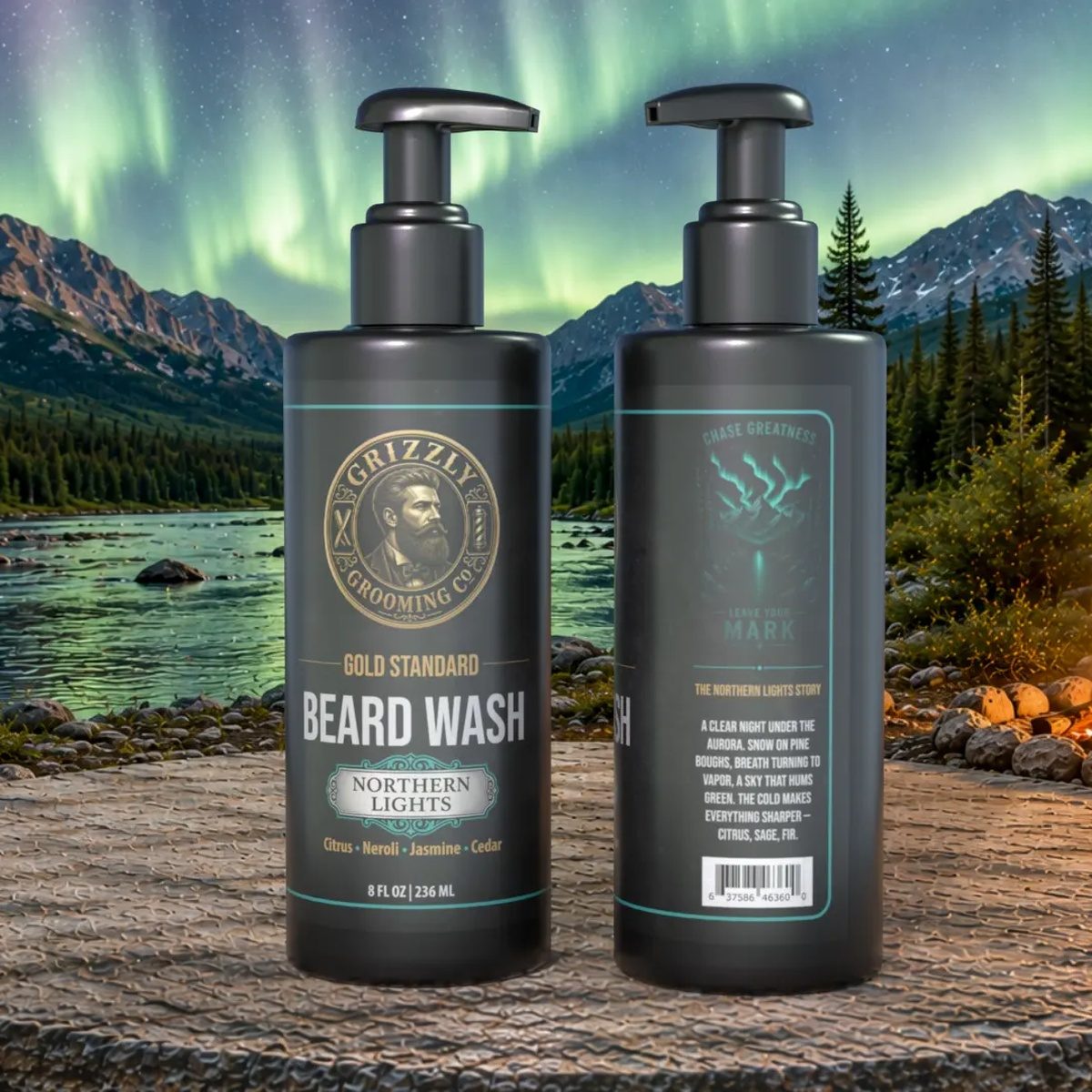
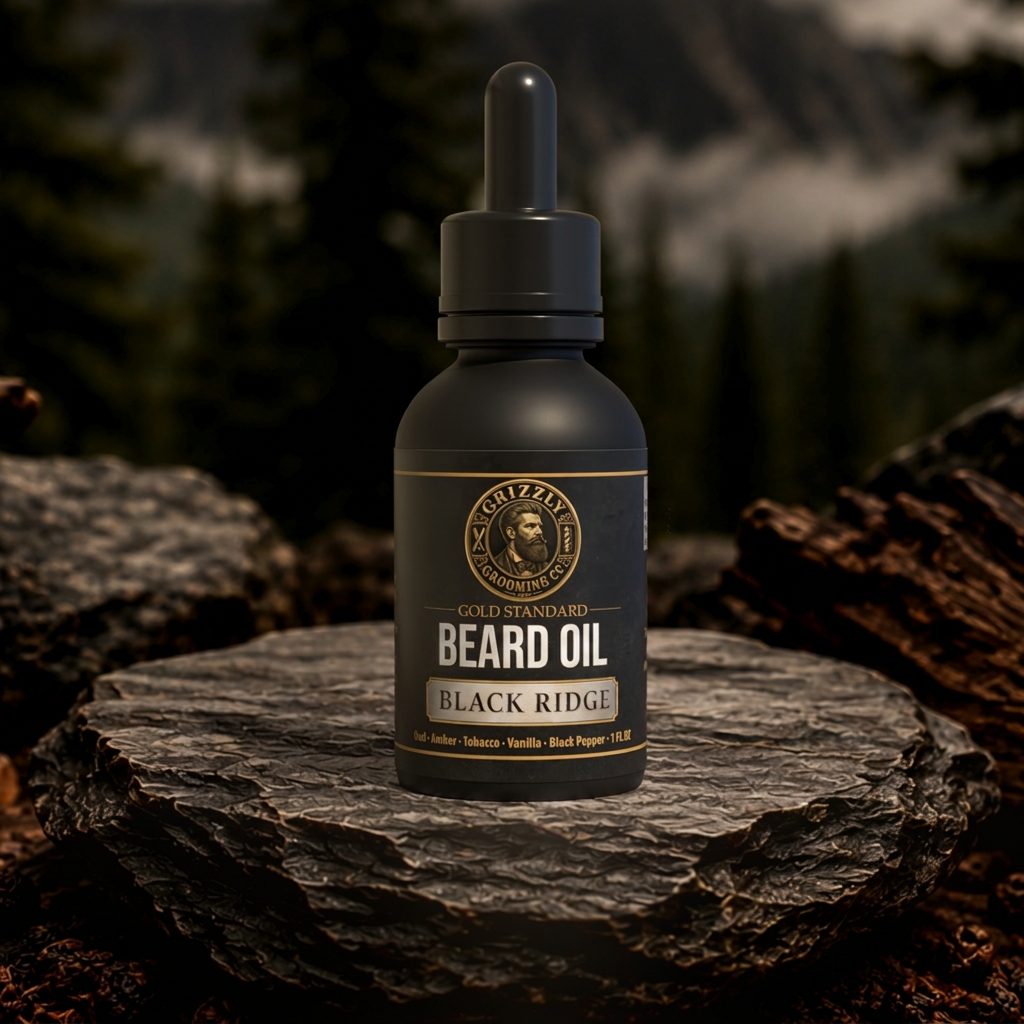
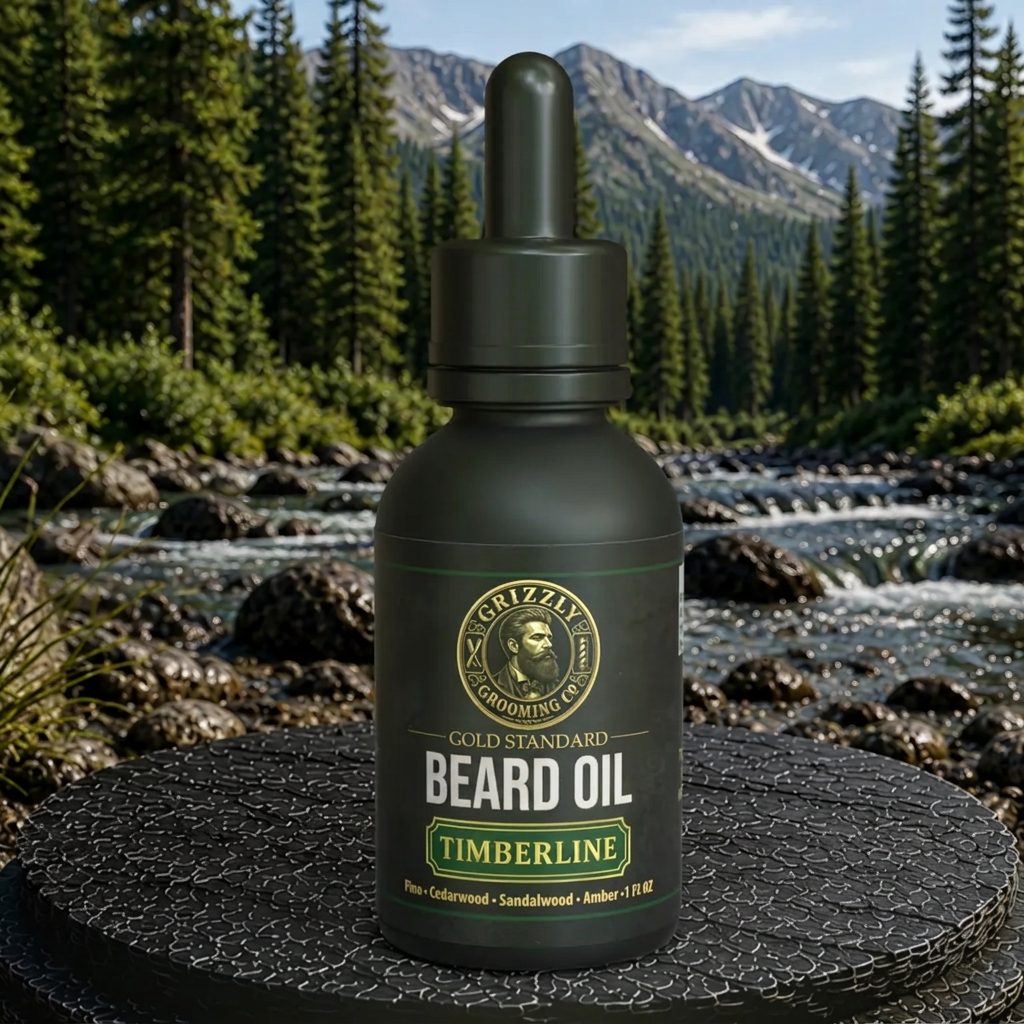
Gold Standard Beard Oil — jojoba and argan base, essential-oil scents, unscented option available for the most reactive skin.
Frequently Asked Questions
Is fragrance-free the same as unscented?+
No. Unscented can still contain masking fragrances to neutralize the natural scent of the oils. Fragrance-free means no fragrance compounds at all. If skin is reactive, look for the fragrance-free label.
Are essential oils safe for sensitive skin?+
In small amounts and diluted properly, yes. The problem is concentration. A well-formulated beard oil uses essential oils at 1–2% total. Cheaper oils sometimes go 5% or higher, which is where reactions start.
Can beard oil cause acne?+
The oil itself rarely does — the carrier matters. Jojoba and squalane are non-comedogenic. Coconut and cocoa butter can trigger breakouts on acne-prone skin. See our dedicated article on beard oil and acne for the full breakdown.
How long until I know if an oil works for my sensitive skin?+
2 weeks of daily use. Any reaction shows up in the first 3–5 days. If you make it to day 7 with no irritation, the oil is compatible.
"Followed the ritual in this article for 6 weeks — beard is thicker, softer, and the itch is gone. My wife keeps stealing my Timberline oil for the smell."

Join The Grizzly Brotherhood
Scent guides, grooming tips, and early access to new drops. No discount bait — just the good stuff.
Unsubscribe anytime · No spam
Get Gold Standard Beard Oil
- Everything in this article, one click.
- Built for a complete daily ritual.
- 30-day money-back guarantee.
Related Guides
The wash, condition, and oil sequence that changes coarse hair.
Why regular shampoo strips a beard, and what to use instead.
What each carrier oil does once it hits skin and hair.
Cold, wind, sun, and saltwater protection.
Cadence and dose by beard length and climate.
Every oil we use, why it's in there, and how we compare.
Nine-oil breakdown, what to avoid on a label, and how to judge a formula.
Assemble a kit around your beard length and skin type.
Sources & Research
- International Journal of Molecular Sciences — Anti-Inflammatory and Skin Barrier Repair Effects of Topical Application of Some Plant Oils
- Indian Journal of Dermatology — Moisturizers: The Slippery Road
- American Academy of Dermatology — Face Washing 101
- American Academy of Dermatology — Dermatologists' Tips for Relieving Dry Skin
- Grizzly Grooming Co. formulation notes and batch testing records