Beard Trends Throughout Time: From Ancient Status Symbol To Today
- ›Beards have flipped between status symbol and social liability roughly every century.
- ›Alexander the Great ordered soldiers clean-shaven so enemies could not grab their beards in combat.
- ›The Victorian era was the great beard boom; the World Wars ended it for gas mask seals.
- ›The 2010s lumbersexual wave made full beards mainstream again and built the modern grooming industry.
- ›Today's dominant look is groomed and mid-length — shape and maintenance over sheer size.
Facial hair has never been neutral. In almost every era it has carried a message about status, allegiance, profession, or defiance — and the message keeps changing.
The ancient world: beards as rank
Mesopotamian rulers oiled and crimped their beards into tight rows and wore them as visible proof of standing. Ancient Egyptians largely shaved but attached false ceremonial beards to signal divine authority — including Hatshepsut, who wore one as pharaoh. In Greece, a full beard marked a man as an adult citizen and, for philosophers, as a thinker.
Rome and the tactical shave
Alexander the Great is widely reported to have ordered his soldiers clean-shaven so opponents could not grab a beard in close combat. Rome largely followed suit, treating shaving as a mark of Roman civilisation, until Emperor Hadrian brought the beard back into imperial fashion in the second century.
The medieval and early modern swing
Beards moved with religion and politics — a knight's beard signalled honour, while the clergy of many periods were required to be clean-shaven. Tudor England taxed beards at one point. The Elizabethan era produced some of the most sculpted facial hair in history, with pointed and squared shapes set with wax.
The Victorian beard boom
The nineteenth century was the high-water mark. Full beards became the standard of respectable masculinity across Britain and America, driven partly by soldiers returning from the Crimean War and partly by a Victorian belief that beards filtered air and protected the throat. The mutton chop, the Verdi, and the enormous full beard all date from this stretch.
The clean-shaven century
Two things ended it: the safety razor made daily home shaving cheap and quick, and the First World War required a clean seal for gas masks. The military standard carried into corporate life, and for most of the twentieth century a beard read as counter-cultural — beatniks, hippies, and rock musicians, not bankers.
The 2010s wave and where we are now
The lumbersexual moment of the early 2010s put full beards back into the mainstream and effectively created the modern men's grooming market — oils, balms, and waxes went from niche to normal in about five years. What followed was a correction rather than a reversal: the dominant style today is a groomed, mid-length beard with defined lines and a faded transition into the hair. Size is out; maintenance is in.
What has not changed
Every era that took beards seriously also took beard care seriously — the Mesopotamians were oiling theirs four thousand years ago. The products got better. The principle did not move.
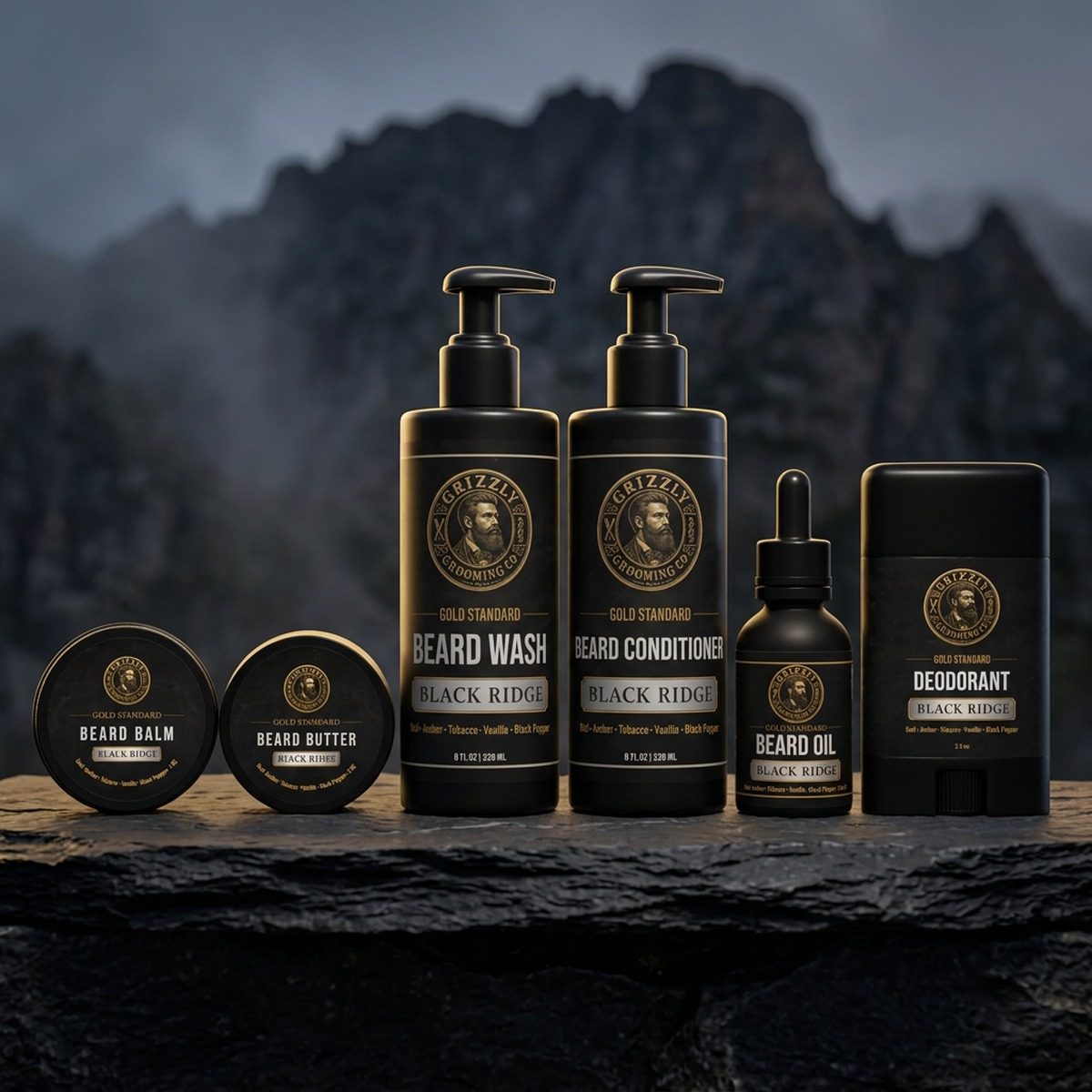
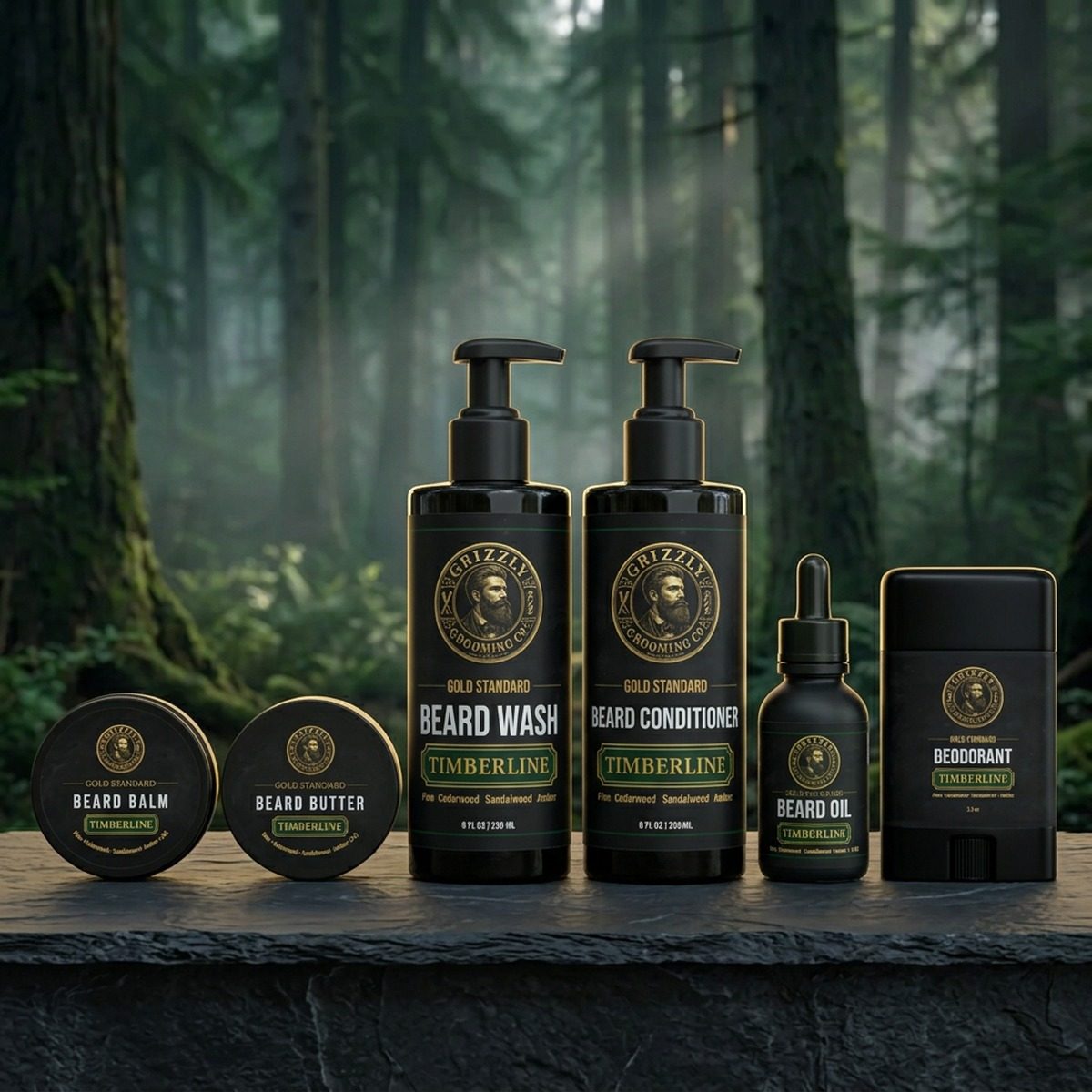
Gold Standard Bundle — the modern version of a very old ritual.
Keep reading
- ›The beard fade: how to master this modern style
- ›The best beard length for your face shape
- ›Mustache styles guide
- ›The complete beard care ritual
Frequently Asked Questions
Why did Roman soldiers shave?+
Alexander the Great is credited with ordering the practice so enemies could not seize a beard in hand-to-hand fighting, and Rome adopted shaving as a mark of civilisation until Hadrian revived the imperial beard.
When were beards most popular?+
The Victorian era. Full beards were the standard of respectable masculinity across nineteenth-century Britain and America, encouraged by returning Crimean War soldiers and contemporary beliefs about health.
Why did beards disappear in the 20th century?+
The safety razor made daily shaving cheap and fast, and First World War gas masks required a clean facial seal. The resulting military standard carried into corporate culture for decades.
What is the current beard trend?+
Groomed and mid-length. Defined cheek and neck lines, a faded transition into the hairline, and visible maintenance matter more now than sheer length or bulk.
Is beard care a modern invention?+
Not remotely. Mesopotamian nobility oiled and styled their beards roughly four thousand years ago. The formulations improved; the ritual is ancient.
"Best grooming purchase I've made all year. The scent alone is worth it — everything else is a bonus."
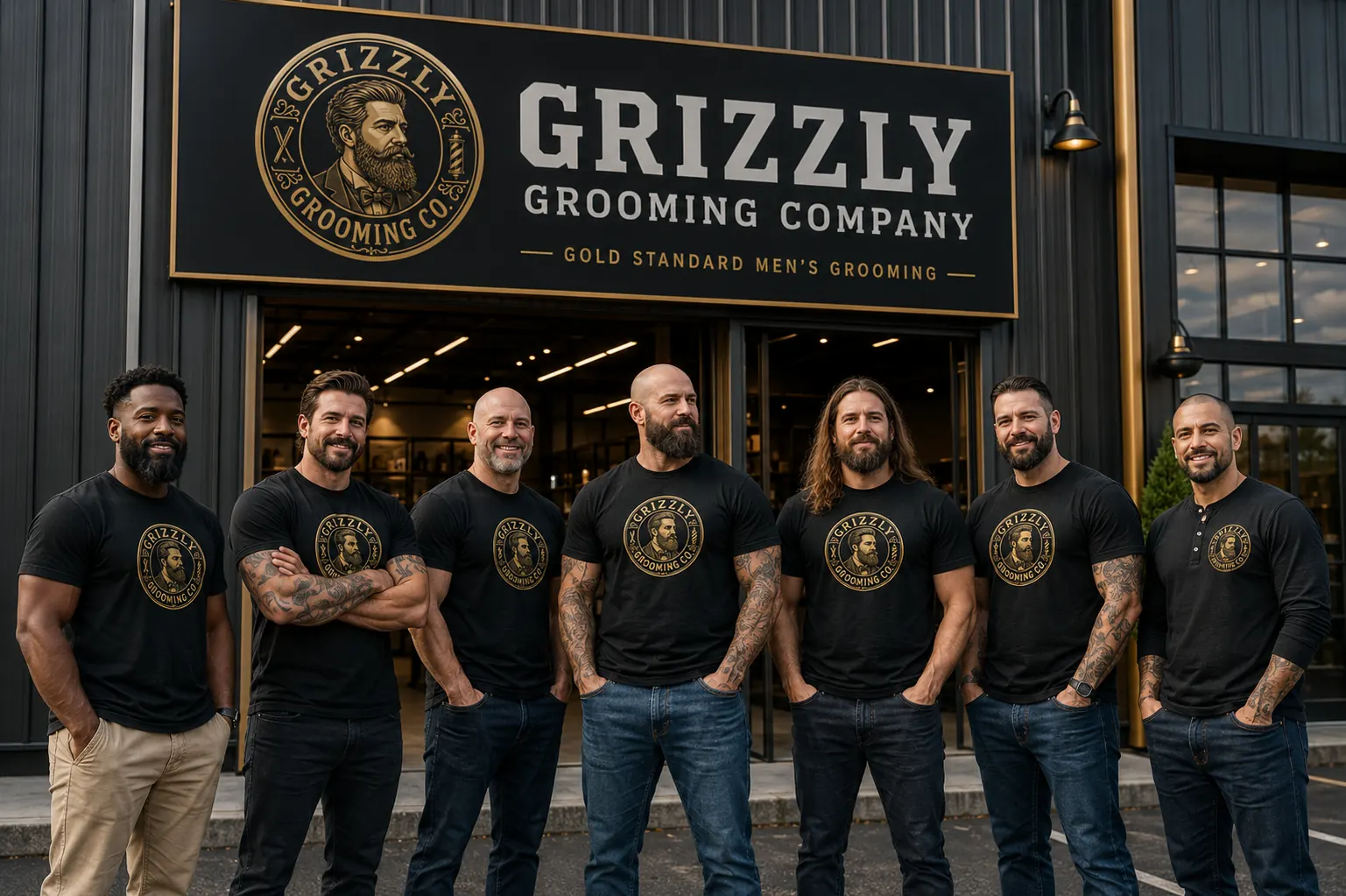
Join The Grizzly Brotherhood
Scent guides, grooming tips, and early access to new drops. No discount bait — just the good stuff.
Unsubscribe anytime · No spam
Get Gold Standard Ultimate Collection
- Everything in this article, one click.
- Built for a complete daily ritual.
- 30-day money-back guarantee.
Related Guides
Morning, evening, and weekly — in the right order.
Nine-oil breakdown, what to avoid on a label, and how to judge a formula.
Butter-forward vs wax-forward, hold levels, and the layering test.
The wash, condition, and oil sequence that changes coarse hair.
Neckline, cheekline, and the cleanup that keeps length.
What actually moves the needle across a full growth cycle.
Every oil we use, why it's in there, and how we compare.
Assemble a kit around your beard length and skin type.
Sources & Research
- International Journal of Molecular Sciences — Anti-Inflammatory and Skin Barrier Repair Effects of Topical Application of Some Plant Oils
- Indian Journal of Dermatology — Moisturizers: The Slippery Road
- American Academy of Dermatology — Face Washing 101
- American Academy of Dermatology — Dermatologists' Tips for Relieving Dry Skin
- Grizzly Grooming Co. formulation notes and batch testing records