The Beard Brushing Guide: Why It Matters More Than You Think
- ›Boar bristle for daily brushing. Wide-tooth comb after balm.
- ›Downward strokes from cheeks toward the chin. Never wet-brush.
- ›Two minutes a day = visibly denser, softer beard in a month.
Beard brushing is the most under-used, highest-payoff step in beard care. It doesn't cost anything to do, it takes two minutes, and its effects compound.
The five things brushing does
- ›Distributes oil root-to-tip so every hair gets conditioned.
- ›Exfoliates dead skin under the beard, cutting flakes and itch.
- ›Trains hair to lie in one direction — the visual difference between styled and slept-in.
- ›Hides patches by combing longer hairs over shorter spots.
- ›Surfaces debris (crumbs, dust) so you catch it before someone else does.
Boar bristle vs synthetic
Boar bristle carries oil better and is gentler on the shaft. It's worth the small upgrade.
Brush or comb?
Both. Brush after oil to distribute. Comb after balm to shape without disturbing the wax.
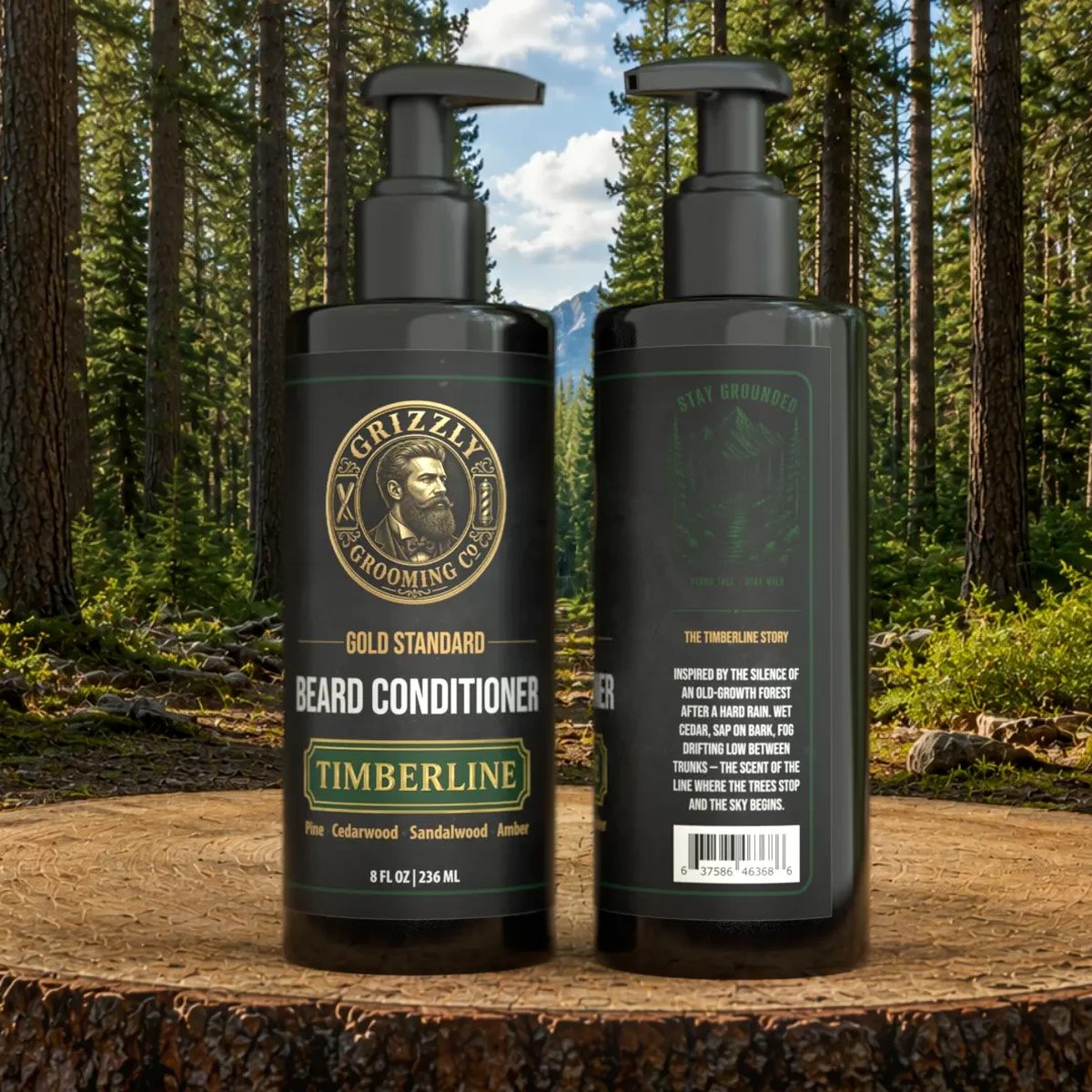
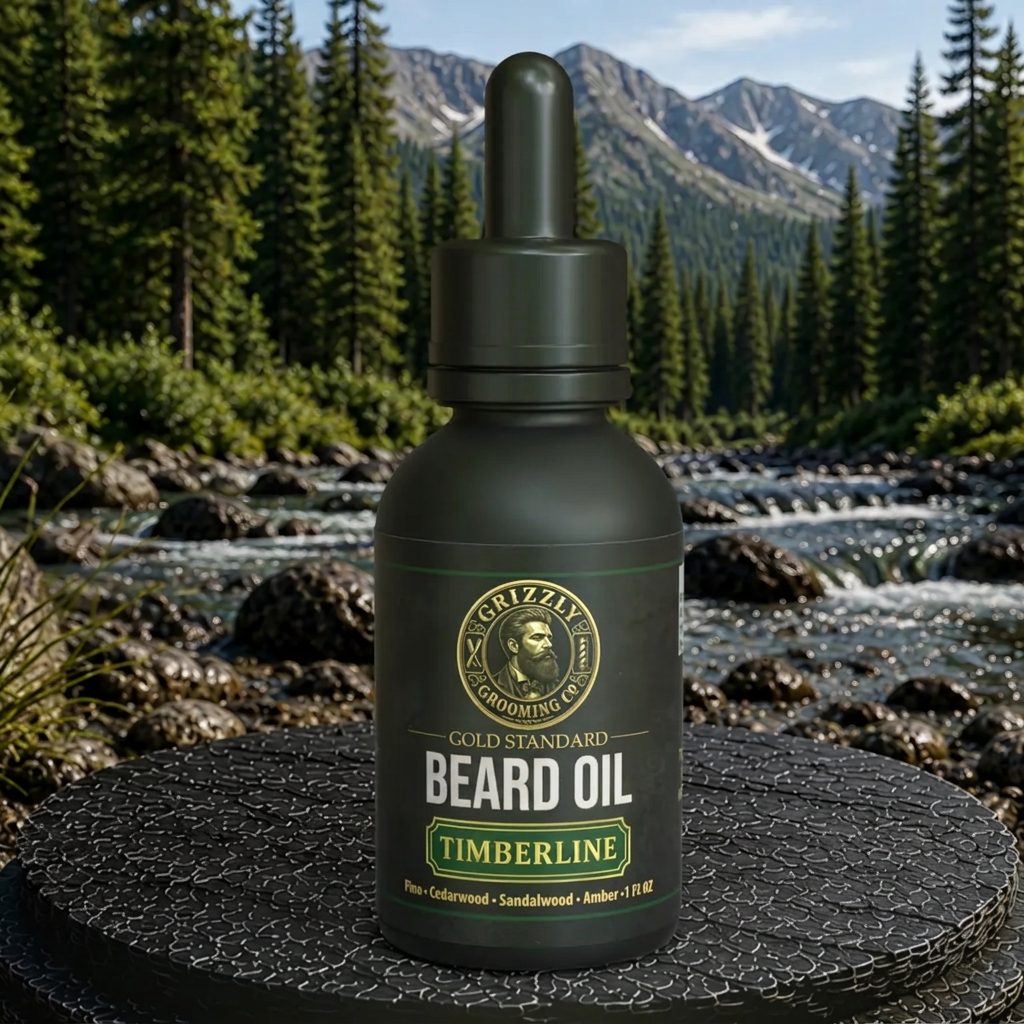
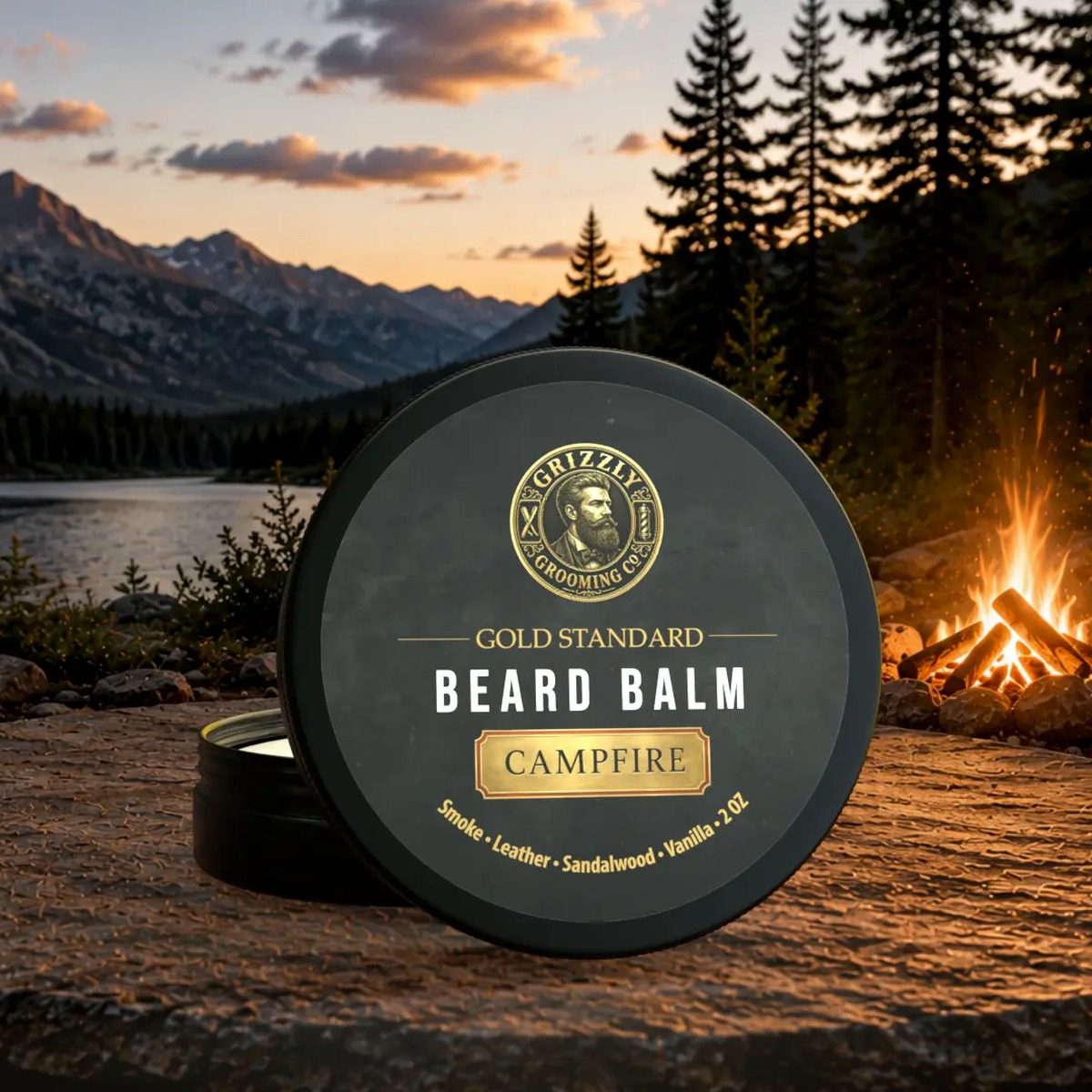
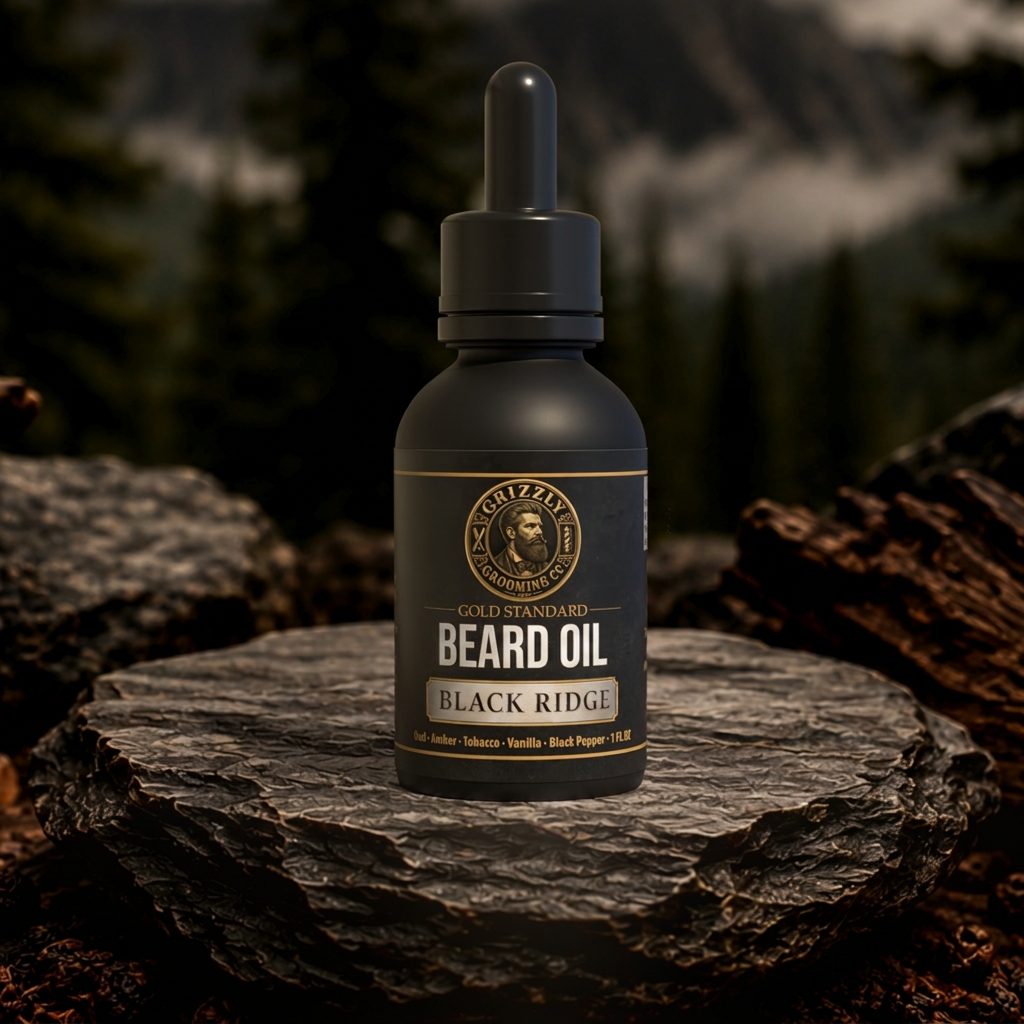
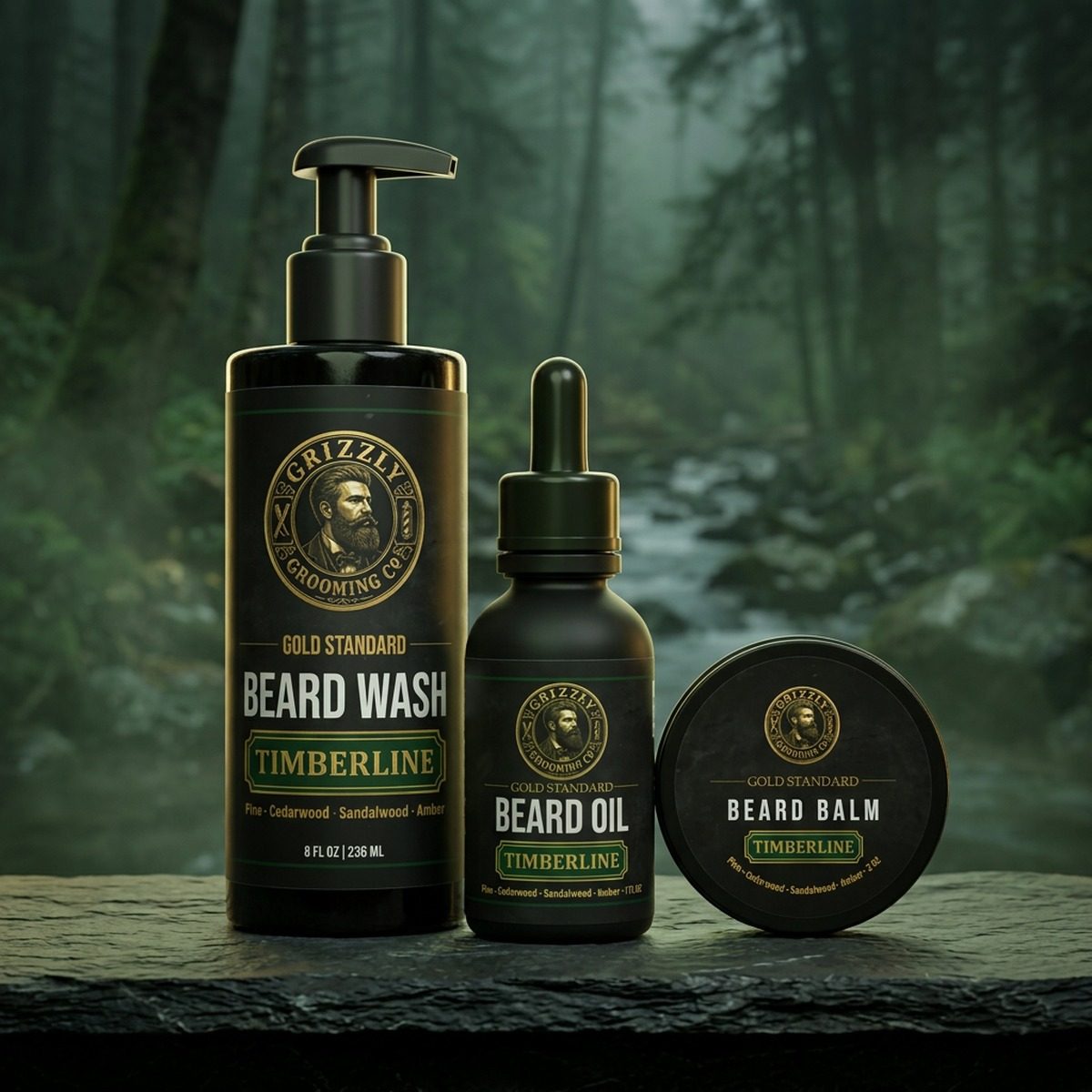
Complete Beard Kit — oil and balm, the perfect brush partners.
The Unseen Benefits: Beyond the Surface
While the visual improvements of a well-brushed beard are obvious, the systemic benefits are often overlooked. Consistent brushing, especially with a quality boar bristle brush, stimulates blood flow to the hair follicles beneath the skin. This micro-circulation delivers a richer supply of vital nutrients and oxygen directly to the root, which is essential for fostering stronger, healthier hair growth. Think of it as fertilizing a strong oak; the more robust the foundation, the more resilient and impressive the growth above ground will be. This foundational care contributes significantly to overall beard vitality, reducing breakage and encouraging a denser, more uniform texture over time. It's a proactive measure for long-term health, not just short-term aesthetics.
Furthermore, the regular pressure and friction of brushing help to desensitize the skin beneath the beard. For many new beard growers, the initial stages can involve significant itchiness and irritation as new hairs push through. Brushing acts as a gentle massage, acclimating the skin to the constant presence of hair and reducing nerve sensitivity. This process can significantly decrease the discomfort often associated with early beard growth, making the journey to a fuller beard more tolerable and enjoyable. It transforms what could be an irritating phase into a routine of self-care, building resilience not just in your beard, but in your daily comfort.
Beyond physical benefits, the daily ritual of brushing serves as a powerful psychological anchor. Taking a few dedicated minutes each morning and evening to actively care for your beard establishes a sense of control and discipline. This small, consistent act can spill over into other areas of your life, fostering better grooming habits and an overall more polished presentation. It's a meditative practice that allows you to connect with your beard, observe its subtle changes, and appreciate its growth. This regular engagement deepens your investment in your appearance and reinforces the positive self-image that comes with maintaining a distinguished, well-groomed beard. The mental payoff is as substantial as the physical.
Selecting the Right Tool for the Task
Not all brushes are created equal, and discerning the differences is key to maximizing your grooming efforts. When choosing a boar bristle brush, pay close attention to the bristle density and stiffness. Softer bristles are excellent for shorter beards or for polishing and distributing oil on longer, already conditioned hair. Stiffer bristles, conversely, are more effective at penetrating dense, longer beards to reach the skin and provide thorough exfoliation and training. A good brush will have bristles that are firmly set, preventing premature shedding, and a handle that offers a comfortable, ergonomic grip for consistent daily use. Investing in a high-quality brush is not merely a purchase, but a commitment to superior beard health for years to come.
Beyond bristle type, consider the construction of the brush itself. Solid wood handles, often crafted from hardwoods like beech or pearwood, offer a more substantial feel and are generally more durable than plastic alternatives. The weight and balance of the brush contribute significantly to the user experience; a well-balanced brush feels natural in the hand, allowing for fluid, even strokes without hand fatigue. Some premium brushes even feature contoured designs that fit the natural curve of the face and jawline, enhancing contact and efficiency during brushing. This attention to detail in design elevates a simple tool into an essential grooming instrument that performs flawlessly daily.
While boar bristles are the gold standard for daily brushing, having a quality wide-tooth comb is equally indispensable. Look for combs crafted from materials like cellulose acetate or high-quality wood, which are less prone to static buildup and snagging compared to cheaper plastic alternatives. The teeth should be smooth, without any sharp edges or mold seams that could damage hair cuticles. A comb with varying tooth spacing can be particularly versatile; wider spacing for detangling after a shower or applying balm, and slightly finer spacing for shaping and styling. This complementary pairing ensures you have the right instrument for every stage of your beard care regimen, from initial detangling to final artistic shaping.
Mastering the Downward Stroke: Technique Refined
The effectiveness of your brushing routine hinges significantly on proper technique. Begin with your brush at the top of your beard, just below your ears, and execute slow, deliberate downward strokes towards your chin. Ensure the bristles make firm contact with the skin beneath your beard, not just the surface hairs. This ensures effective exfoliation and stimulation of the follicles. For particularly dense areas, you may need to apply slightly more pressure. The goal is to smooth and align every strand, encouraging it to lie flat and follow a uniform direction. This disciplined approach builds the foundation for a neat, well-groomed appearance that speaks volumes about your attention to detail and commitment to superior personal presentation. Avoid haphazard, quick strokes; precision yields better results.
Once you've covered the main body of your beard with downward strokes, shift your focus to the sides and under the jawline. For the sides, brush inwards towards the center of your face, then downwards to blend. For the area under the chin and jaw, brush downwards and slightly outwards, following the natural curve of your jawbone. This comprehensive coverage ensures that no section of your beard is neglected, promoting even distribution of natural oils or applied products. This detailed attention to all angles is crucial for achieving a uniform appearance and preventing errant hairs from disrupting the overall aesthetic. A full, distinguished beard requires full, distinguished care.
After the initial downward and blending strokes, consider a final pass with a slightly upward motion from the neck, gently lifting the beard and then immediately brushing back down. This subtle technique helps to create volume and fullness, preventing the beard from lying too flat against the face. It 'fluffs' the beard slightly before settling it into its final styled position. This provides a natural, robust look without appearing overly stiff or artificial. It’s a nuanced step that distinguishes a merely brushed beard from one that is expertly groomed, adding that extra dimension that transforms a good beard into a truly exceptional one. Practice these nuanced strokes to see the remarkable difference.
The Dry Brush Advantage: Avoiding Damage
Brushing a beard when it's even slightly damp or wet is a critical error many men unwittingly make, leading to preventable hair damage. Wet hair is inherently weaker and more elastic than dry hair because the hydrogen bonds within the hair shaft are temporarily broken down by water. This makes wet strands highly susceptible to stretching, breakage, and cuticle damage when subjected to the friction of a brush. A boar bristle brush, designed to penetrate and detangle, can cause significant stress on compromised wet hairs, leading to split ends and a frizzy texture over time. Always ensure your beard is completely dry before introducing a brush to maintain its structural integrity and health.
If your beard requires detangling after a shower, the correct approach is to use a wide-tooth comb, not a brush. The wider spacing of the comb's teeth exerts less localized stress on individual strands, allowing them to glide through knots with minimal resistance. Begin combing from the bottom tips of your beard and gradually work your way upwards towards the roots, gently teasing out tangles. This method prevents you from pushing knots further down the hair shaft, which often leads to more significant snags and breakage. Exercise patience and a light hand during this process to preserve the health and length of your beard, setting the stage for a perfect dry brush afterwards.
Allowing sufficient drying time is paramount. After washing your beard, gently pat it dry with a soft towel to remove excess moisture without rough friction. Air-drying is often the best option, but if time is a factor, use a blow dryer on a cool or low-heat setting, keeping it at least 6-8 inches away from your beard to avoid heat damage. Continuously move the dryer to prevent concentrating heat on one spot. Once your beard feels completely dry to the touch, you can proceed with your oil application and then the boar bristle brushing routine. This sequence ensures optimal product distribution and styling without compromising hair strength.
The Long-Term Dividend: A Month to Transformation
Committing to a consistent daily brushing routine, twice a day if possible, for at least 30 days reveals transformative results that often surprise even seasoned beard growers. Within the first two weeks, you'll likely notice a marked reduction in itchiness and flaking, as the skin beneath your beard becomes better exfoliated and moisturized. The distribution of natural sebum or applied beard oil becomes more even, leading to a softer, less unruly texture. Your beard will start to take on a more uniform direction, visibly reducing stray hairs and giving it a neater, more composed appearance. This initial period is when the foundational improvements begin to manifest tangibly, providing clear motivation to continue.
By the end of a month, the cumulative effects become truly striking. The consistent stimulation of blood flow and the removal of dead skin cells contribute to a noticeably healthier and potentially denser beard. Individual hairs appear stronger and more resilient, with a significant decrease in split ends and breakage. The 'training' aspect of brushing will have settled your beard into a much more predictable and manageable shape, requiring less effort for styling. Patches that once seemed prominent may appear less noticeable as surrounding hairs are skillfully directed to cover them. This comprehensive improvement in health, appearance, and manageability underscores the power of diligent, everyday effort.
Beyond the immediate visual and tactile improvements, the long-term dividend of regular brushing is a beard that thrives. You’re not just maintaining; you’re actively cultivating. This sustained care contributes to a beard with better structural integrity, reduced susceptibility to environmental damage, and a more vibrant, healthy sheen. It’s an investment in your beard's future, ensuring that as it grows longer and more distinguished, it remains a source of pride rather than frustration. The daily two minutes evolve from a task into a testament to your dedication, yielding a beard that truly reflects premium care and attention.
Addressing Patchiness with Purposeful Strokes
Patchiness is a common concern for many beard growers, but strategic brushing can significantly mitigate its appearance. The key is to understand how hair behaves and how to manipulate longer, surrounding hairs to optically fill sparser areas. When brushing, focus on directing hairs from denser regions over the lighter patches. Use gentle, overlapping strokes that guide the hair in the desired direction, encouraging it to lay flat and cover the skin beneath. This technique isn't about growing new hair in bald spots, but rather creating the illusion of uniform density through careful styling. Patience and consistent daily application of this method are crucial for optimal results.
To effectively hide a patch, start by brushing the hair immediately adjacent to the sparse area towards the patch. For instance, if you have a patch on your cheek, brush hairs from above and around it downwards and inwards. If it's under the chin, brush from the sides towards the center. The boar bristles excel at this because they can grip and guide multiple hairs simultaneously, persuading them to hold their new position. Follow up with a light application of beard balm, which offers a subtle hold, helping to keep those strategically placed hairs in line throughout the day. This combination of mechanical training and light hold creates a natural-looking cover.
The effectiveness of patch-hiding brushing techniques increases as your beard gains length. Shorter beards offer less hair to work with, making optical illusions more challenging. Aim for at least 1-2 inches of growth before expecting dramatic results. As your beard lengthens, you'll have more 'material' to maneuver, allowing for more convincing coverage. Regular trimming of the overall beard, while leaving the covering hairs slightly longer if possible, can also enhance this effect. Remember, it’s a continuous process of training and shaping, requiring daily attention, but the payoff is a significantly fuller and more uniform-looking beard that boosts confidence.
The Debris Sentinel: More Than Meets the Eye
Your beard, magnificent as it may be, acts as a surprisingly efficient trap for airborne particles and mealtime remnants. Daily brushing serves as the primary defense against these unwanted guests, acting as a diligent sentinel that sifts through your beard, dislodging and surfacing hidden debris. From errant crumbs of a morning pastry to microscopic dust particles picked up throughout the day, these foreign elements can accumulate, leading to an unkempt appearance and potential skin irritation beneath. A few passes with a quality brush are often all it takes to bring these hidden offenders to light, ensuring your beard remains impeccably clean and presentable at all times.
The physical action of the boar bristles effectively sweeps through the dense landscape of your beard, lifting and separating individual hairs. This allows any lodged particles – whether food, lint, or environmental dust – to be brought to the surface where they can be easily seen and removed. Without this daily ritual, these contaminants can become deeply embedded, leading to an unpleasant gritty texture or even contributing to an itchy, irritated skin environment. Moreover, neglecting to remove debris means you might unknowingly present an unpolished image, undermining the very effort you put into growing and grooming your beard. Brushing is a vital pre-emptive strike against an unkempt impression.
Consider the visual impact: a well-groomed beard free of debris projects an image of meticulous care and attention to detail. Conversely, a beard holding onto last night's dinner or an accumulation of environmental dust can detract significantly from your overall presentation, regardless of how perfectly styled it might otherwise be. The brush acts as a crucial quality control step, ensuring that when you step out, your beard is not only impeccably shaped but also flawlessly clean. This simple yet profound benefit underscores why brushing transcends mere styling; it is fundamental to maintaining a truly premium and distinguished beard, ensuring you are always presenting your best self.
Brush Maintenance: Extending the Life of Your Tool
A quality beard brush is an investment, and like any fine tool, it requires regular maintenance to perform optimally and extend its lifespan. The bristles accumulate natural oils, beard products, dead skin cells, and stray hairs over time. Neglecting to clean your brush means you're essentially reintroducing these impurities back into your beard with each stroke, diminishing the effectiveness of your grooming and potentially causing skin issues. Aim to clean your brush at least once every two weeks, or more frequently if you use heavy balms or oils daily. This simple habit preserves the integrity of the bristles and ensures a consistently clean grooming experience.
Cleaning your brush involves a few straightforward steps. First, use a comb to gently remove any trapped beard hairs from the bristles. Then, prepare a shallow basin of lukewarm water with a small amount of mild shampoo – your beard shampoo works perfectly. Dip only the bristle end of the brush into the soapy water, being careful not to submerge the wooden handle, which can warp or crack. Gently agitate the bristles with your fingers or another clean comb to work out any residue. Rinse the bristles thoroughly under cool, running water until all soap residue is gone and the water runs clear. The goal is to purify without saturating the handle.
After rinsing, gently shake excess water from the bristles. Do not wring or twist the bristles, as this can damage them. Pat the bristles dry with a clean towel. The most crucial step is proper drying: lay the brush bristle-side down on a clean, dry towel. This allows air to circulate and prevents water from pooling at the base of the bristles, which could lead to mildew or degradation of the brush adhesive. Allow it to air dry completely, which can take several hours depending on humidity. A properly cleaned and dried brush will maintain its effectiveness, prolonging its life and ensuring that it continues to be a premium tool in your beard care arsenal.
Frequently Asked Questions
Can I brush a wet beard?+
No. Wet hair is fragile. Wait till 80% dry, or comb gently instead.
How often per day?+
Once minimum. Twice ideal — morning and mid-day.
Should I brush my beard upwards or downwards?+
Always initiate with downward strokes, starting from your cheeks and moving towards your chin. This trains the hair to lie flat and maintains a neat profile. Once the main body is aligned, you can use a few gentle upward strokes from the neck to create volume, immediately followed by downward strokes to settle the beard into its final, distinguished shape. The primary goal is disciplined downward alignment for a clean, consistent look.
How can I prevent static when brushing my beard?+
Static is often caused by dry hair or using a synthetic brush. Ensure your beard is well-hydrated with a quality beard oil before brushing. A boar bristle brush naturally reduces static compared to plastic alternatives. If static persists, a small amount of leave-in beard conditioner can help. Avoid over-brushing, which can sometimes generate static through excessive friction. Keep your beard moisturized, and your brush natural.
Is it possible to over-brush my beard?+
Yes, excessive or aggressive brushing can damage your beard. While daily brushing is beneficial, constant, harsh brushing can lead to split ends, breakage, and irritation of the skin beneath. Limit brushing to 1-2 times daily for a few minutes each session. Focus on gentle, deliberate strokes rather than vigorous scrubbing. Listen to your beard; if you notice increased shedding or irritation, reduce your brushing frequency or intensity. Balance is key.
Does brushing help a beard grow faster?+
Brushing doesn't directly accelerate hair growth at the root, but it supports healthier growth. The gentle stimulation of blood flow to the follicles during brushing delivers more nutrients, which can create a more optimal environment for hair production. It also reduces breakage and keeps hair cuticles smooth, which helps retain length. So, while it won't make your beard sprout instantly, it contributes significantly to stronger, more resilient growth over time.
What's the best way to clean my beard brush?+
First, use a comb to remove trapped hairs. Then, dip the bristles into lukewarm, soapy water (using beard shampoo) without submerging the handle. Gently agitate the bristles to clean them, then rinse thoroughly under cool water. Pat dry with a towel, and lay the brush bristle-side down on a clean towel to air dry completely. This prevents moisture damage to the handle and keeps your brush hygienic and effective for longer.
Can brushing cause beard dandruff or flakes?+
Proper brushing actually helps *prevent* beard dandruff. By exfoliating the skin beneath and distributing natural oils or beard products, it removes dead skin cells and moisturizes, reducing flaking. However, if you brush too aggressively or use a dirty brush, you might irritate the skin or redistribute existing flakes. Ensure your technique is gentle, your beard is moisturized, and your brush is clean for optimal scalp health.
Should I brush my mustache too?+
Absolutely. Your mustache is an integral part of your beard and benefits equally from brushing. Use a smaller brush or the edge of your main brush to train mustache hairs to grow away from your mouth, keeping them neat and tidy. Brushing also helps distribute any mustache wax or balm evenly, ensuring a consistent hold and polished finish. Regular mustache brushing is essential for a truly cohesive and distinguished facial hair aesthetic.
"Followed the ritual in this article for 6 weeks — beard is thicker, softer, and the itch is gone. My wife keeps stealing my Timberline oil for the smell."

Join The Grizzly Brotherhood
Scent guides, grooming tips, and early access to new drops. No discount bait — just the good stuff.
Unsubscribe anytime · No spam
Get Gold Standard Complete Beard Kit
- Everything in this article, one click.
- Built for a complete daily ritual.
- 30-day money-back guarantee.
Related Guides
Morning, evening, and weekly — in the right order.
Nine-oil breakdown, what to avoid on a label, and how to judge a formula.
Butter-forward vs wax-forward, hold levels, and the layering test.
The wash, condition, and oil sequence that changes coarse hair.
Neckline, cheekline, and the cleanup that keeps length.
What actually moves the needle across a full growth cycle.
Every oil we use, why it's in there, and how we compare.
Assemble a kit around your beard length and skin type.
Sources & Research
- International Journal of Molecular Sciences — Anti-Inflammatory and Skin Barrier Repair Effects of Topical Application of Some Plant Oils
- Indian Journal of Dermatology — Moisturizers: The Slippery Road
- American Academy of Dermatology — Face Washing 101
- American Academy of Dermatology — Dermatologists' Tips for Relieving Dry Skin
- Grizzly Grooming Co. formulation notes and batch testing records