
How To Groom A Long Beard: The 6-Month-Plus Care Guide
- ›Detangle from the tip up, never from the root down.
- ›Oil dose doubles. Balm doses too.
- ›Ends are the weak point — trim split ends monthly.
- ›Sleep in a beard bag or on satin.
A long beard is a long-term project. Everything you were doing at month three still applies — you just do more of it and add a few new steps.
Detangle top-down, work bottom-up
Wide-tooth comb through the tips first, then work up. Fighting tangles from the root creates more breakage.
Bigger doses
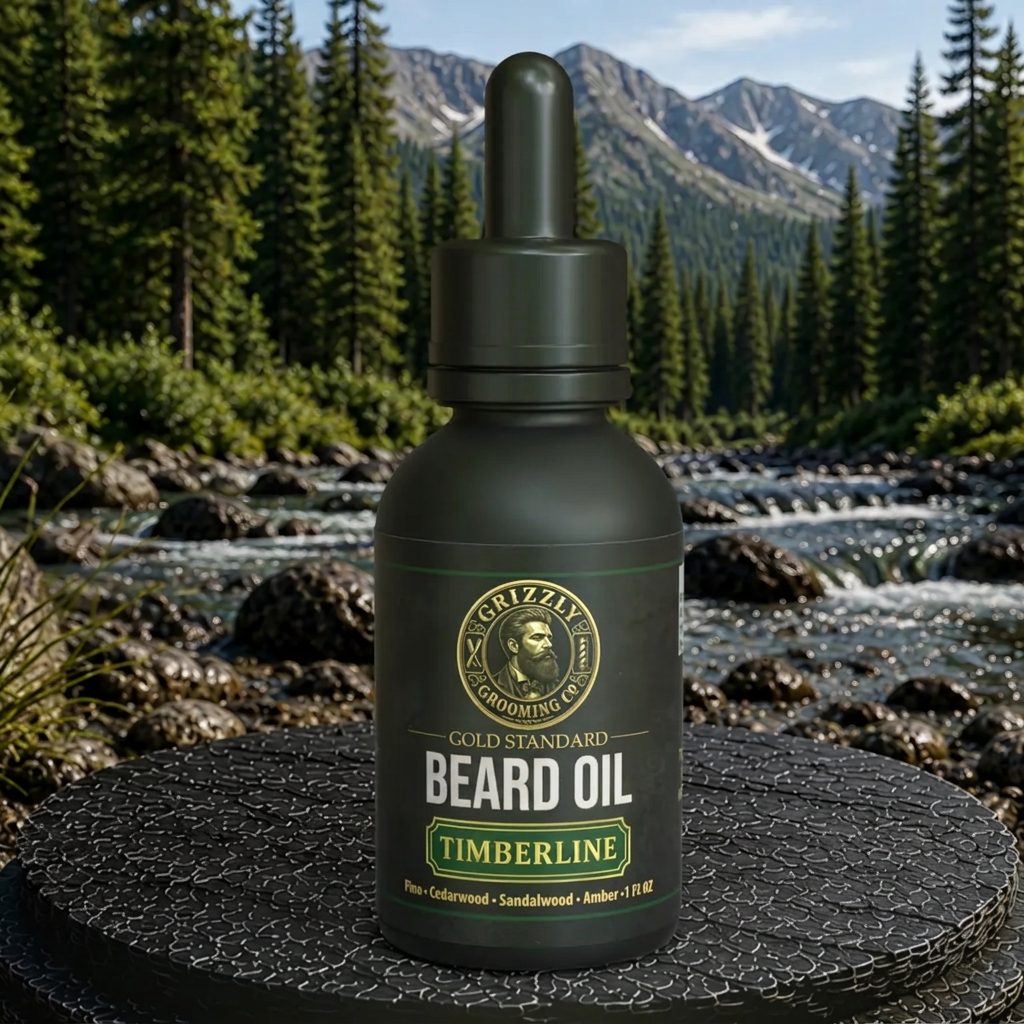
8–12 drops of oil, nickel-sized balm, both distributed all the way to the ends.
Trim the ends monthly
Split ends unravel up the shaft. A tiny snip of the very tip every 3–4 weeks preserves length.
Sleep protected
Beard bag or braid or satin pillow. Cotton pillowcases wreck long beards overnight.
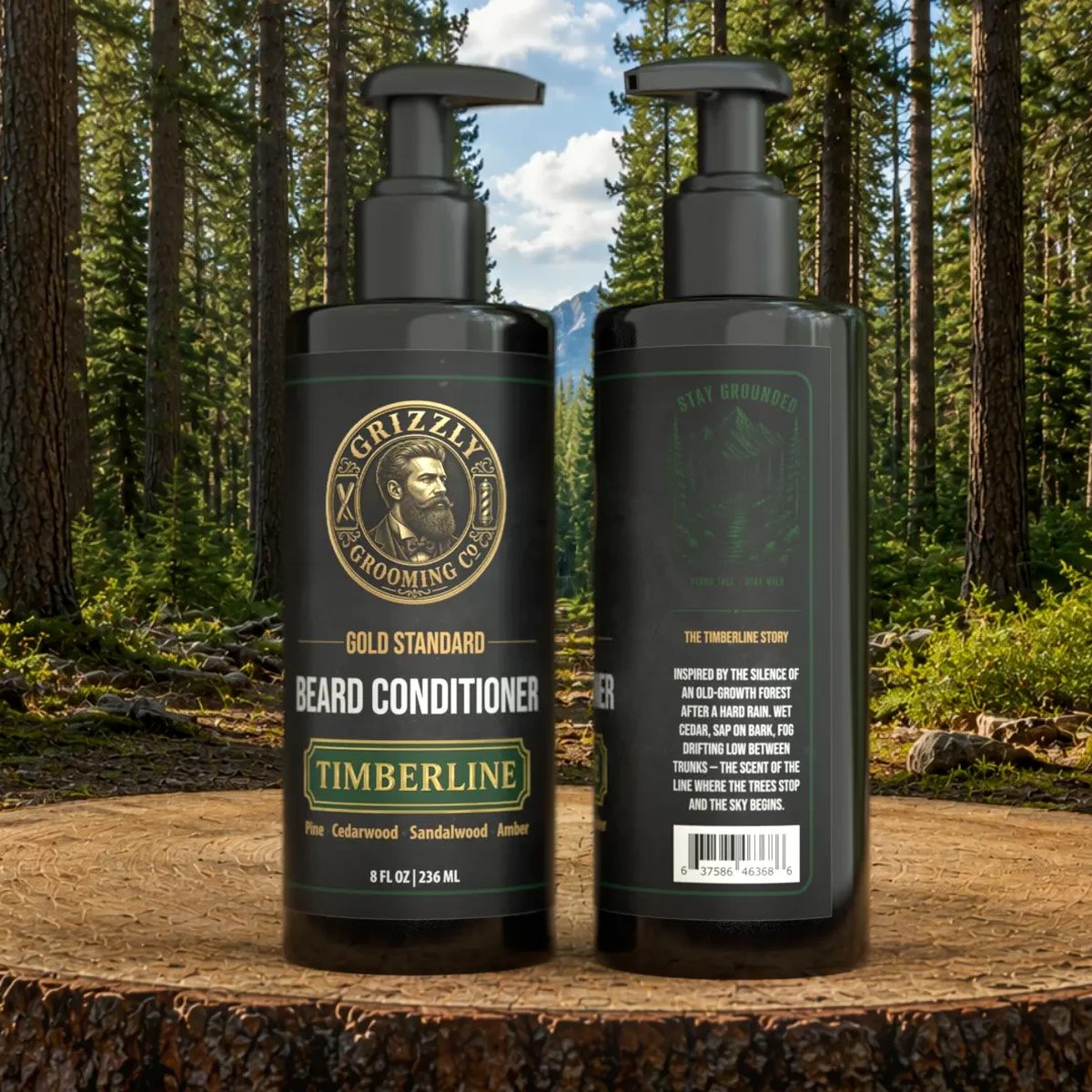
Ranger Kit — the full long-beard system: wash, condition, oil ×3, balm, wax.
Detangling without breaking hair
Every knot in a long beard is a friction point where crossed hairs abrade each other until one snaps. Pulling a comb from the top down turns a dozen small tangles into a dozen broken strands, and broken strands are why long beards stop gaining length.
Work from the ends upward. Comb the last inch clean, move up an inch, repeat until you reach the skin. Do it on a damp, oiled beard — oil lowers the friction between strands, which is exactly what a tangle needs — and separate stubborn knots with your fingers rather than forcing the teeth through.
Blow drying to train direction
Past four inches, cowlicks and gravity fight each other and the beard flares sideways instead of falling. Low-heat drying while brushing downward resets the hair's hydrogen bonds in the direction you brushed, which changes the resting shape within about a month.
Five minutes, three or four times a week, on the lowest heat setting your dryer offers. Never point high heat at a dry beard — that cooks the cuticle and the roughness it causes is permanent.
The long-beard trim calendar
Long beards are grown rather than cut, but they still degrade without scheduled maintenance. Dust a quarter inch off the bottom every six to eight weeks purely to remove split ends, following the natural curve rather than cutting a flat line. Clean the neckline every two weeks; it sits at the top of the Adam's apple and does not move as the beard grows.
Leave the cheek line mostly alone — heavy editing looks artificial against soft, heavy length. Once or twice a year, have a barber check symmetry from the front, because self-trimming reliably takes more off the dominant-hand side over time.
Sleeping with a long beard
Cotton pillowcases create friction that lifts the cuticle and lets strands catch on each other, which is why long beards wake up tangled and frizzed. A silk or satin pillowcase removes most of that overnight, and it is the single cheapest upgrade available past six inches.
Add a brush-through and a light butter layer before bed. Some men braid or loosely tie very long beards at night; if you do, keep the tie loose and fabric-covered, since elastic bands snap hair at the point of tension.
Product dosing at length
Under-dosing is the most common failure past four inches. A six-inch beard needs eight to twelve drops of oil applied in two stages — the first into the skin, the second raked through the length — because a single pass never reaches both.
The tell for under-dosing is a beard that feels fine at the roots and brittle at the ends. The tell for over-dosing is shine at the cheeks within an hour and residue on a collar. Move one drop at a time over a week.
Keeping food and drink out of a long beard
A long beard sits directly in the path of soup, coffee, and sauce, and residue left in the hair overnight attracts odor and can irritate the skin underneath. Rinse with plain water after meals when a full wash is not practical, and keep a small comb at your desk or in your bag to check for anything caught after eating.
Some men tuck the beard behind a napkin or use a beard bib during particularly messy meals, which sounds excessive until you have pulled dried sauce out of six inches of hair. It is a five-second habit that saves a much longer cleanup later.
Styling a long beard without heavy product
Past six inches, the temptation is to reach for wax the way you would on a shorter beard, but heavy wax on long hair looks stiff and unnatural rather than styled. A light balm distributed with a wide-tooth comb gives enough hold to control flyaways while keeping the natural fall of the hair intact.
For a cleaner look on formal occasions, a light misting of water followed by a downward comb-through settles stray hairs without any product at all. Save wax for the mustache and any small section you want to hold a deliberate shape, and let the bulk of a long beard move naturally.
Managing a long beard in wind and cold
Wind exposure is a bigger issue for long beards than short ones because there is simply more surface area catching air, and repeated whipping in cold wind dries hair out fast and roughens the cuticle. A scarf or neck gaiter in genuinely cold or windy conditions protects the beard the same way it protects your neck.
Cold, dry winter air also means the beard needs more oil than it does in summer, not less, even though you may be washing less often in colder months. Increase your daily dose slightly during the coldest stretch of the year and pay particular attention to the last two inches, which take the most direct exposure.
Beard oils that hold up over more hair volume
A long beard has dramatically more surface area than a short one, and the same oil that felt perfectly dosed at three inches can feel thin and inadequate once you're carrying six or more inches of hair. Lighter oils that absorb fast on shorter beards sometimes evaporate or get absorbed before they reach the ends of a longer beard, leaving the last two inches under-treated even when the total dose looks generous.
If you notice the ends staying dry no matter how much oil you use near the skin, consider applying in two distinct passes rather than increasing the total volume in one application — one light pass at the skin, a separate heavier pass worked specifically into the last third of the length. This targets the area that actually needs it instead of oversaturating the roots.
Handling static and flyaways in dry environments
Long beard hair, like long head hair, picks up static in dry indoor air during winter, causing individual strands to stand away from the main mass and ruin an otherwise groomed shape. This is purely an environmental and moisture issue, not a sign anything is wrong with the beard itself.
A light balm or a few drops of oil rubbed between the palms and smoothed over the surface neutralizes static almost immediately, since the moisture equalizes the electrical charge that dry hair builds up. Running a humidifier in the room where you spend the most time also reduces how often the problem recurs.
Public and workplace considerations at length
Beards past six or seven inches sometimes draw questions in client-facing or conservative workplace settings that shorter beards do not, independent of how well groomed they are. This isn't a grooming problem to solve with product, but a styling one worth thinking through deliberately.
A well-defined, tightly bound or braided long beard reads as intentional and professional in a way a loose, undefined one does not. If your role has more formal days, having a quick binding or braiding technique ready for those specific occasions lets you keep the length day to day without a permanent trim.
Handling a beard through rapid growth phases
Some men experience uneven growth spurts where certain sections of a long beard suddenly outpace others, throwing off the overall shape even without any trimming mistakes. This is normal and usually self-corrects, but it can look alarming if you compare the beard to photos from a month earlier.
Resist the urge to trim aggressively to force symmetry the moment you notice unevenness. Give it two to three more weeks first, since growth phases across a large beard rarely stay perfectly synchronized, and what looks uneven mid-cycle often balances out on its own by the time you'd actually schedule a trim.
Frequently Asked Questions
How should I sleep with a long beard?+
On a silk or satin pillowcase, after brushing through and applying a light butter layer. Cotton friction is what causes overnight tangling.
How much beard oil does a long beard need?+
Eight to twelve drops for around six inches, applied in two stages — into the skin first, then raked through the length.
How do I detangle a long beard without breaking it?+
Start at the ends with a wide-tooth comb and work upward an inch at a time, on a damp and oiled beard. Never pull a comb straight through from the top.
Should I blow dry a long beard?+
On low heat, yes. Drying while brushing downward trains the resting direction and stops the sideways flare that starts around four inches.
How often should a long beard be trimmed?+
Dust the ends every six to eight weeks for split ends, and clean the neckline every two weeks. The length itself should mostly be left alone.
Do long beards need different oil?+
Same formula, higher dose. Some men add a heavier oil (like castor) blended in for extra shine.
How often to trim split ends?+
Every 3–4 weeks. It doesn't cost you length; it saves length.
How do I keep food out of a long beard?+
Rinse with water after meals when a full wash is not practical, comb through to check for residue, and consider a beard bib for particularly messy food. Dried residue left overnight can irritate the skin underneath.
Should I use wax on a long beard?+
Sparingly. Heavy wax on long hair looks stiff rather than styled. Use a light balm for overall control and reserve wax for the mustache or small sections you want to hold a defined shape.
Does cold weather affect a long beard more than a short one?+
Yes. More surface area means more exposure to wind and cold, dry air, which roughens hair and pulls out moisture faster. Increase oil slightly in winter and protect the beard with a scarf in harsh wind.
Why do the ends of my long beard stay dry even with regular oiling?+
A single oil pass at the skin often does not reach the ends of a beard past four or five inches. Apply in two passes — one at the skin, one worked specifically into the last third of the length.
What causes static and flyaways in a long beard?+
Dry indoor air, especially in winter, builds up static charge in long hair. A light balm or a few drops of oil smoothed over the surface neutralizes it, and a room humidifier reduces recurrence.
Should I trim a long beard immediately if one section grows faster?+
No, give it two to three more weeks. Uneven growth spurts across a large beard are common and often self-correct before your next scheduled trim.
"Bought the kit after reading this. First product line that actually did what it said. I'm on subscribe now, never going back."

Join The Grizzly Brotherhood
Scent guides, grooming tips, and early access to new drops. No discount bait — just the good stuff.
Unsubscribe anytime · No spam
Get Gold Standard Ranger Kit
- Everything in this article, one click.
- Built for a complete daily ritual.
- 30-day money-back guarantee.
Related Guides
Morning, evening, and weekly — in the right order.
Nine-oil breakdown, what to avoid on a label, and how to judge a formula.
Butter-forward vs wax-forward, hold levels, and the layering test.
The wash, condition, and oil sequence that changes coarse hair.
Neckline, cheekline, and the cleanup that keeps length.
What actually moves the needle across a full growth cycle.
Every oil we use, why it's in there, and how we compare.
Assemble a kit around your beard length and skin type.
Sources & Research
- International Journal of Molecular Sciences — Anti-Inflammatory and Skin Barrier Repair Effects of Topical Application of Some Plant Oils
- Indian Journal of Dermatology — Moisturizers: The Slippery Road
- American Academy of Dermatology — Face Washing 101
- American Academy of Dermatology — Dermatologists' Tips for Relieving Dry Skin
- Grizzly Grooming Co. formulation notes and batch testing records