
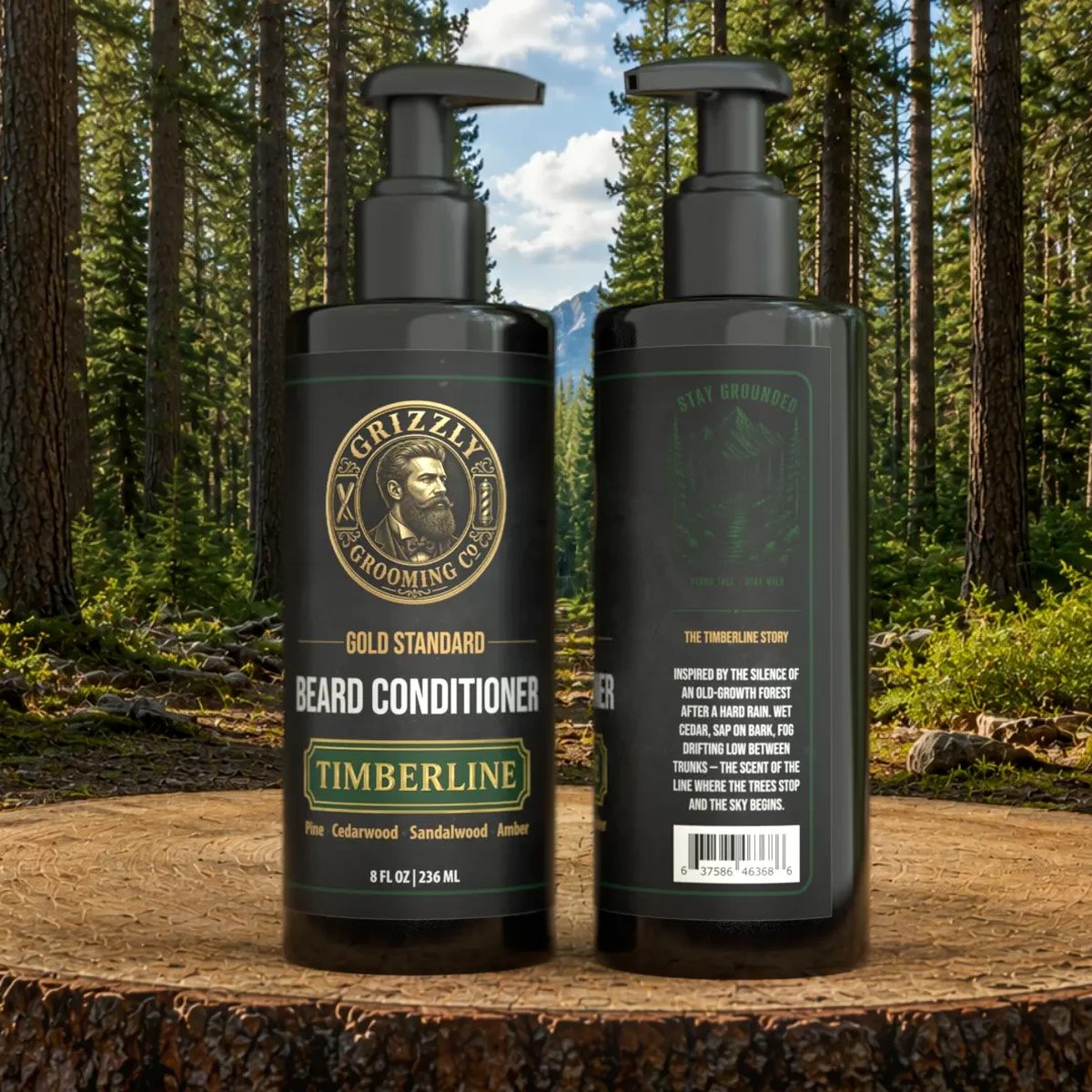
Top RatedTimberline
Softens while strengthening every beard hair.
Choose Your Scent
Brotherhood Tip & Routine
Leave in for two minutes before rinsing.
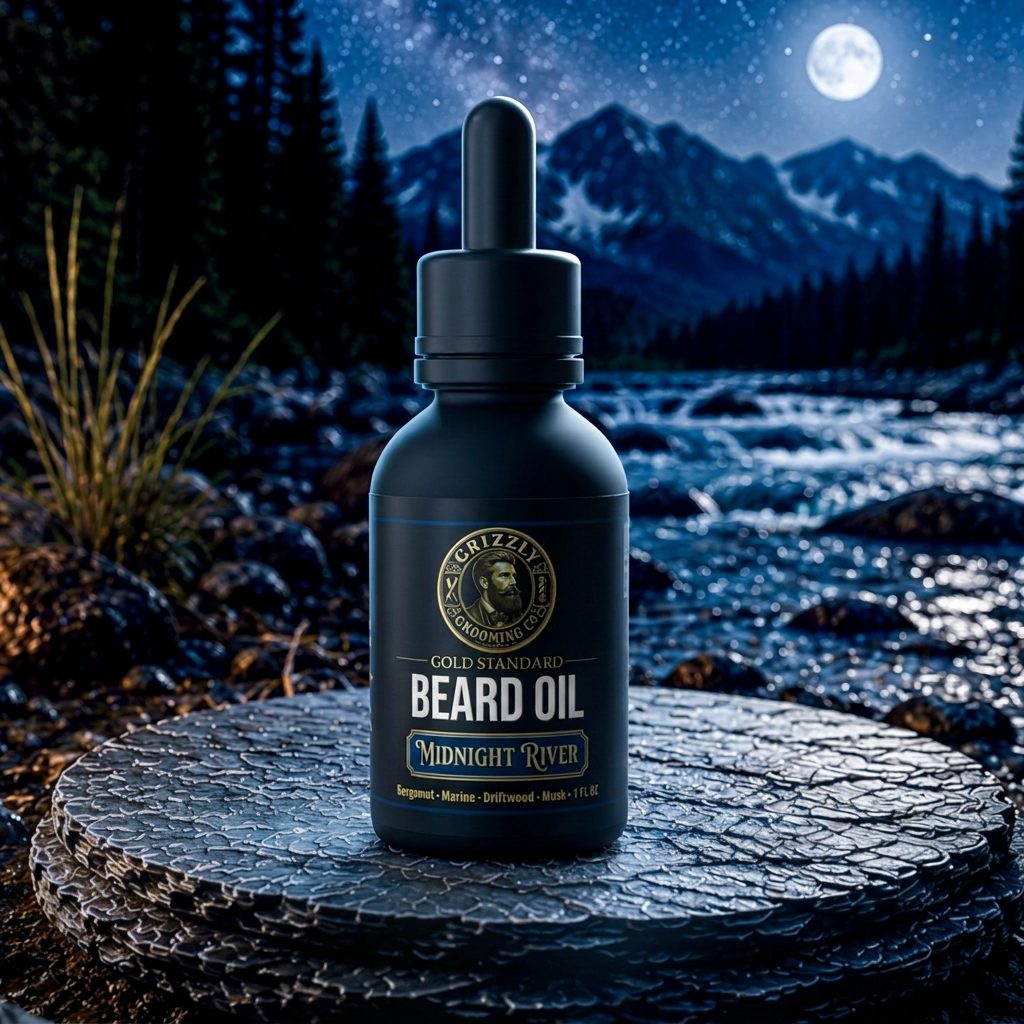
Complete Your Routine
Add Gold Standard Beard Oil
Conditioner is the step most men skip and later regret. A weightless rinse-out that softens coarse hair, cuts tangles, and makes oil and balm go further.
Beard hair is coarser than head hair — a conditioner flattens the cuticle so it looks and feels smoother, and so styling product lays down evenly. Coarse hair also snags on itself, which is what most men feel as a wiry, unruly beard even after washing. Smoothing the cuticle removes that friction, so the beard sits in one direction instead of pushing out in three.
Apply to a wet beard after washing, work it through the skin and hair with your fingertips, leave it 60 seconds, then rinse fully. Do not skip the rinse — residue is the most common cause of flaking under a beard. Pat the beard dry with a towel rather than rubbing it, which roughs the cuticle right back up.
After Gold Standard Beard Wash, before oil. The conditioner primes the beard so oil absorbs deeper and balm distributes evenly. On wash days the full sequence is wash, condition, towel damp, oil, then balm if you want hold. On off-days, rinse with warm water and go straight to oil.
Week one you will notice detangling — a comb pulls through without catching. By week two the beard feels softer to the touch at the ends, where damage concentrates. By week four the shape holds better through the day because the hair is no longer fighting itself. Nothing here happens in one wash, which is why cadence matters more than quantity.
A quarter-sized amount covers a medium beard; a full beard needs closer to half a palm. More product does not condition more — it just takes longer to rinse out. Used two or three times a week at that amount, a bottle runs roughly two months, which lines it up with the beard wash you are pairing it with.
Using head conditioner on a beard leaves it heavy, because those formulas are built for finer hair and higher oil production. Leaving the conditioner in as a styling product causes buildup and dullness. Conditioning daily is rarely necessary and can leave the beard limp — reserve it for wash days and let the oil carry the days in between.
Coarse, tangled beard hair is harder for scissors and trimmers to cut cleanly, which is why barbers often get better results on freshly conditioned hair than on hair that's simply been washed. Conditioning the night before or the morning of a significant trim smooths the cuticle enough that the trimmer glides rather than catches, producing a cleaner line with less pulling. This matters most for longer beards being shaped into a new style, where uneven tension from tangled sections can cause a trimmer to cut unevenly across the face. A conditioned, detangled beard gives whoever is doing the trimming — barber or yourself — a much more predictable surface to work with.
A beard growing out from short to long goes through an awkward phase where old, drier ends mix with new growth that's still soft and fine. Conditioner is particularly useful here because it treats the whole length evenly, smoothing the older, rougher ends without weighing down the newer growth the way a heavier balm or butter might. During this transition, conditioning every wash rather than skipping weeks is worth the extra few minutes, since uneven texture between old and new growth is what makes a growing-out beard look unkempt rather than intentional. Once the beard reaches a consistent length, you can drop back to your normal cadence.
Beards that are dyed or treated with a gray-blending product benefit from conditioner more than untreated beards do, since chemical treatments roughen the cuticle in ways similar to what dry weather does. Conditioning after every wash on a treated beard helps hold color longer and keeps the treated hair from feeling noticeably different in texture from untreated sections. Skip any conditioner with added heat or strong actives on treated hair, since combining chemical processes can cause more dryness than either alone. A gentle rinse-out formula, applied at the same cadence as the wash, is the safer approach for a beard that's already been chemically processed.
Yes — conditioner works during the rinse, oil after. They do different jobs and stack. Conditioner smooths the outside of the hair while it is wet and porous; oil conditions the skin and the hair shaft once the beard is damp. Skipping the conditioner means oil is doing two jobs at once and doing the second one poorly.
Every wash — so two to three times a week for most men. If your beard is long, coarse, or you live somewhere dry, three is the better number. If it is short and soft, twice is plenty.
Yes. It is sulfate-free and scented with our fragrance families rather than synthetic-perfume-heavy blends, so it rinses clean without leaving a residue that irritates. If your skin is very reactive, patch test on the jaw for two days first.
No. This is a rinse-out formula, and leaving it in causes buildup that dulls the beard and can flake. If you want a leave-in step, that is what beard oil and beard butter are for.
It will help noticeably, but softness is cumulative. Combine conditioner on wash days with daily oil and give it a month. Wiry hair is usually a moisture problem, not a texture you are stuck with.
Yes, ideally the night before or morning of. Conditioned hair is smoother and less tangled, which lets scissors or a trimmer cut a cleaner line with less pulling, especially useful when shaping a longer beard into a new style.
Yes. It smooths the older, drier ends without weighing down new growth, which keeps a beard in transition looking even rather than unkempt. Conditioning every wash during this phase is worth the extra time until the length evens out.
Treated hair benefits from conditioning more than untreated hair, since chemical processing roughens the cuticle similarly to dry weather. Stick to a gentle rinse-out formula at every wash and avoid combining it with other strong actives, which can compound dryness.
Softens while strengthening every beard hair.
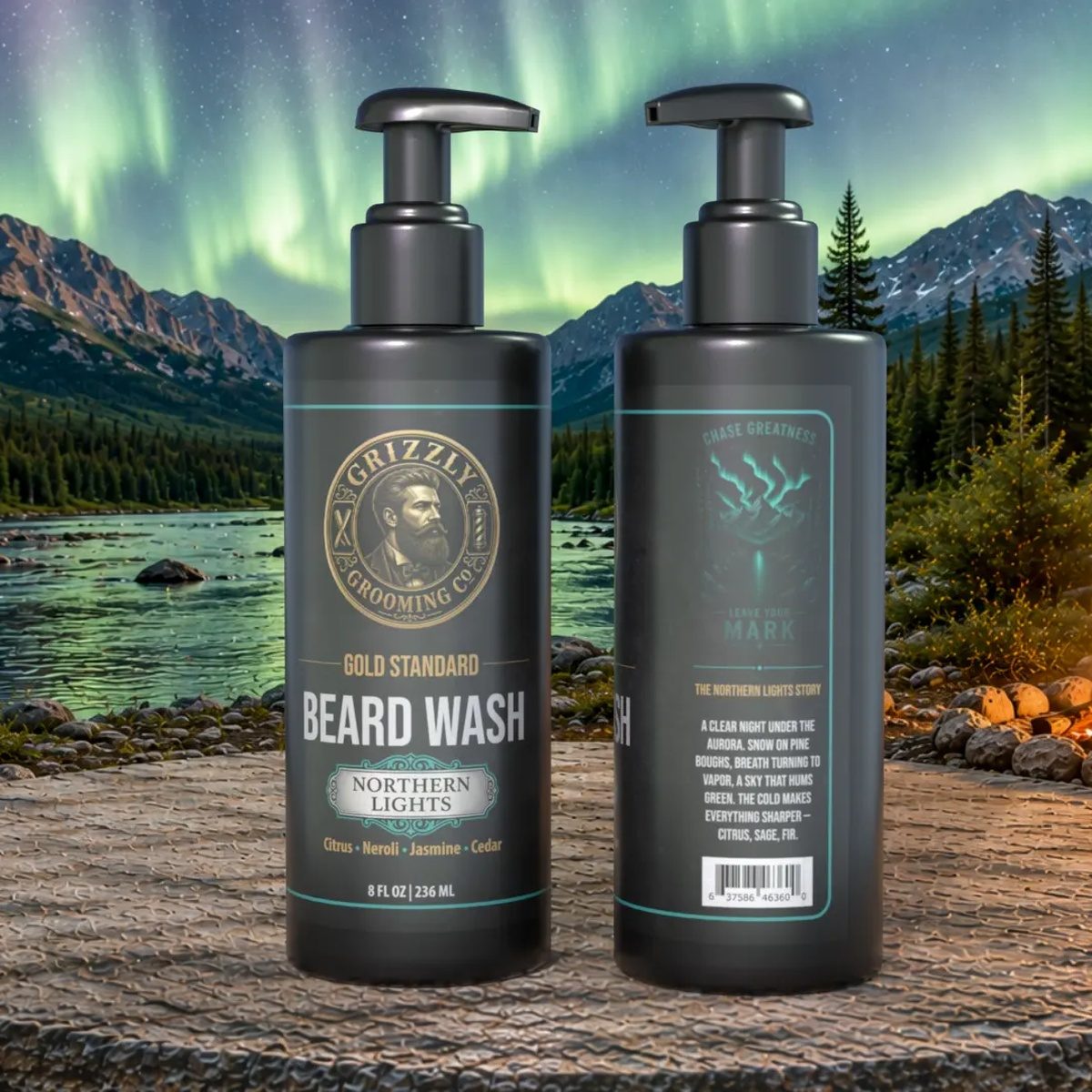
Deep sulfate-free cleanse without stripping natural oils.
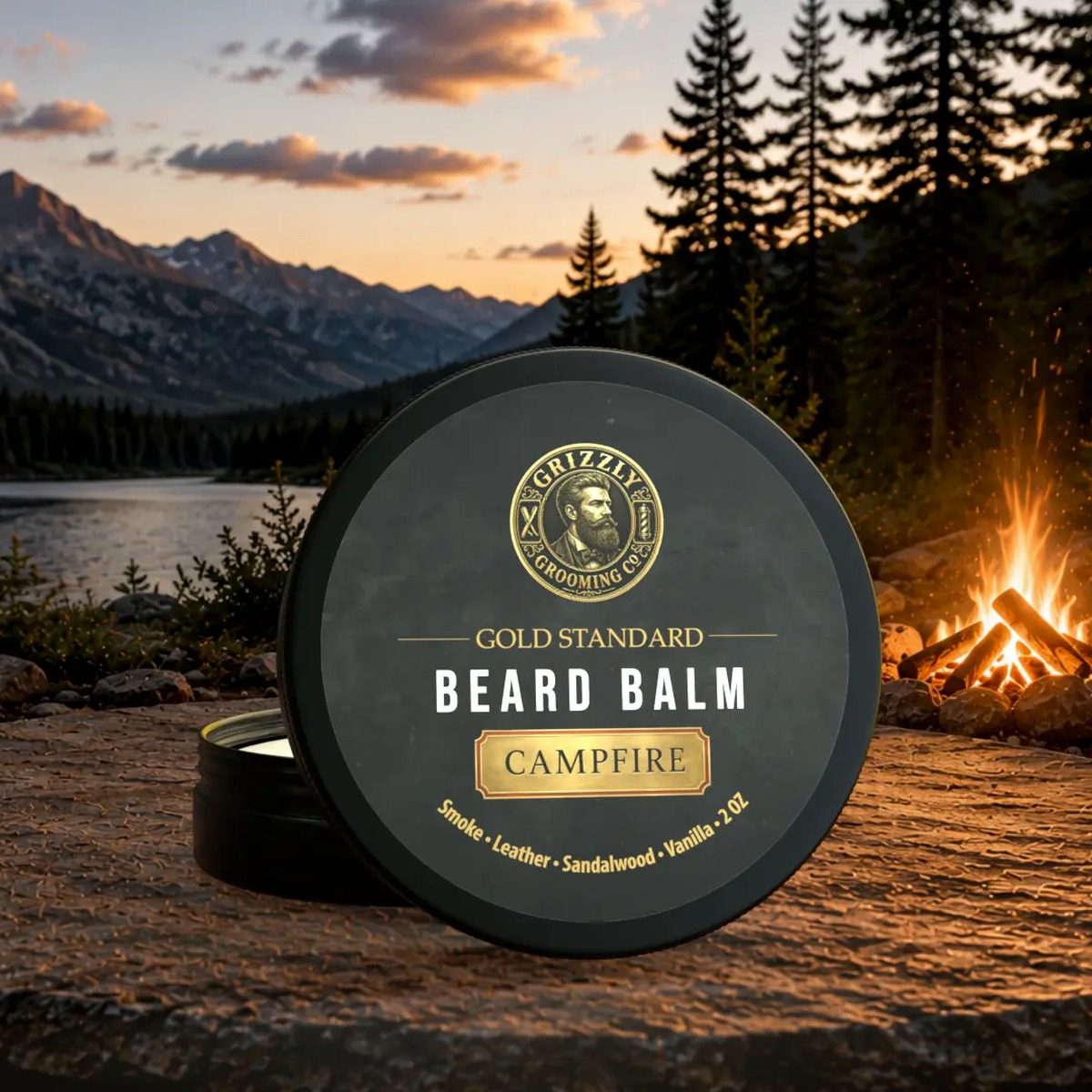
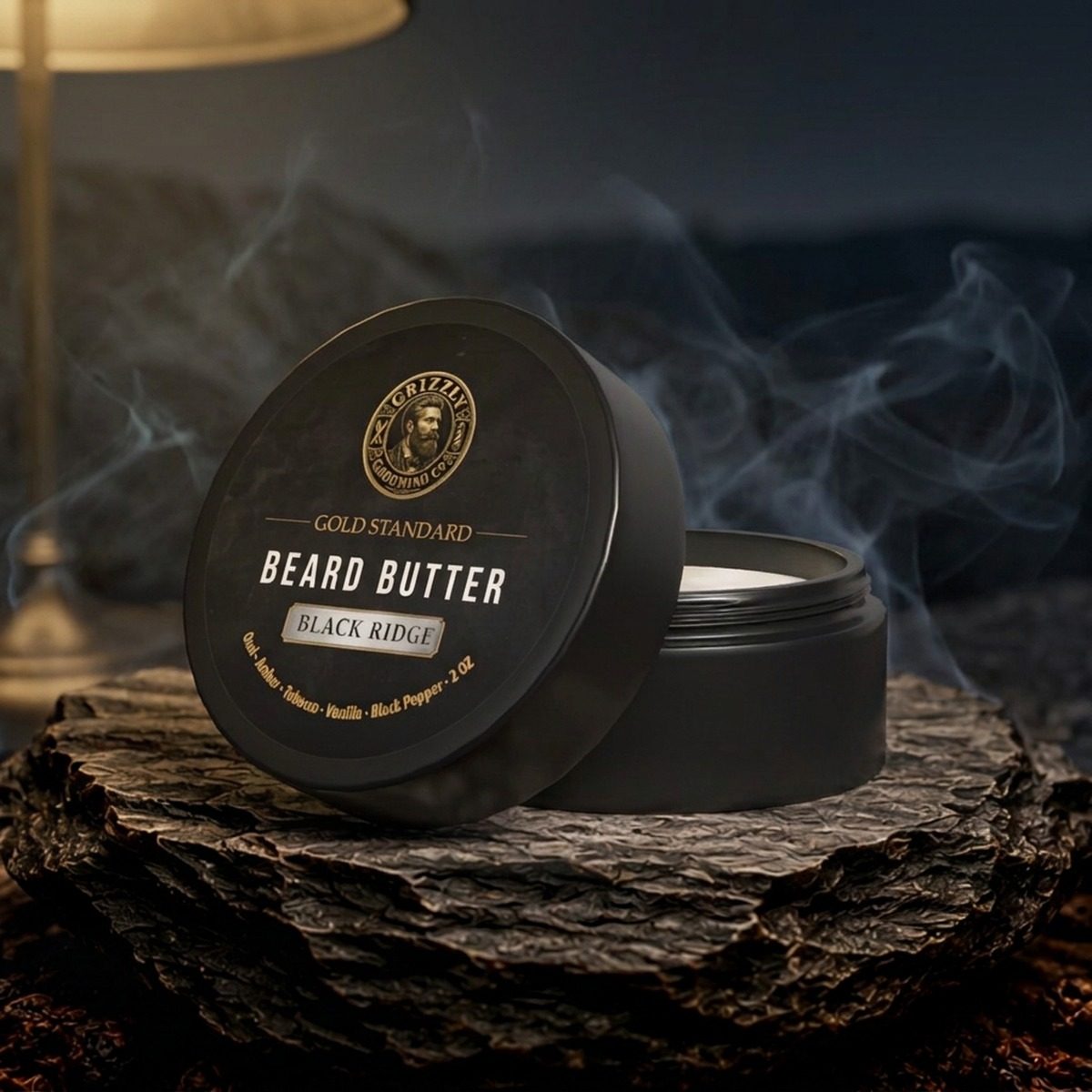
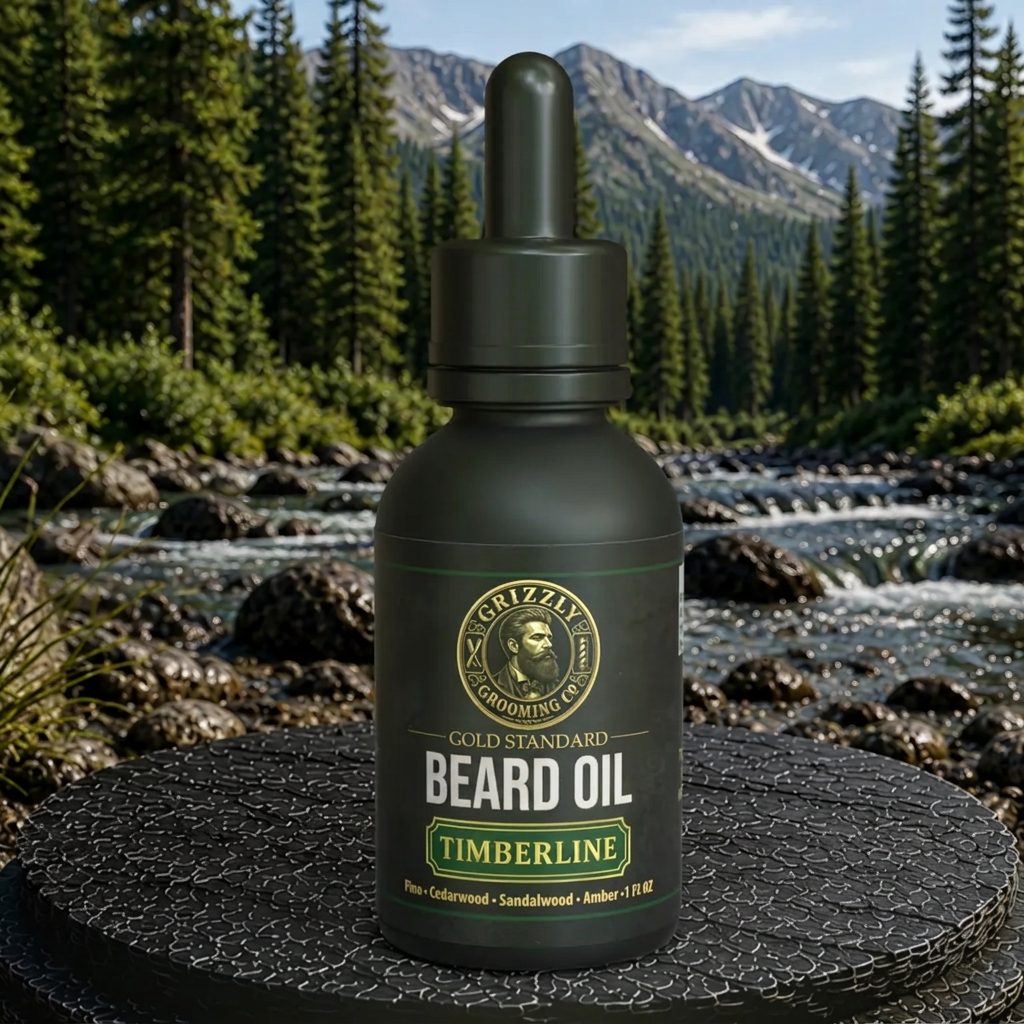
A formulator's side-by-side of what actually makes a beard oil the 'best' — plus how our five Gold Standard scents compare on skin type, ingredients, and vibe.
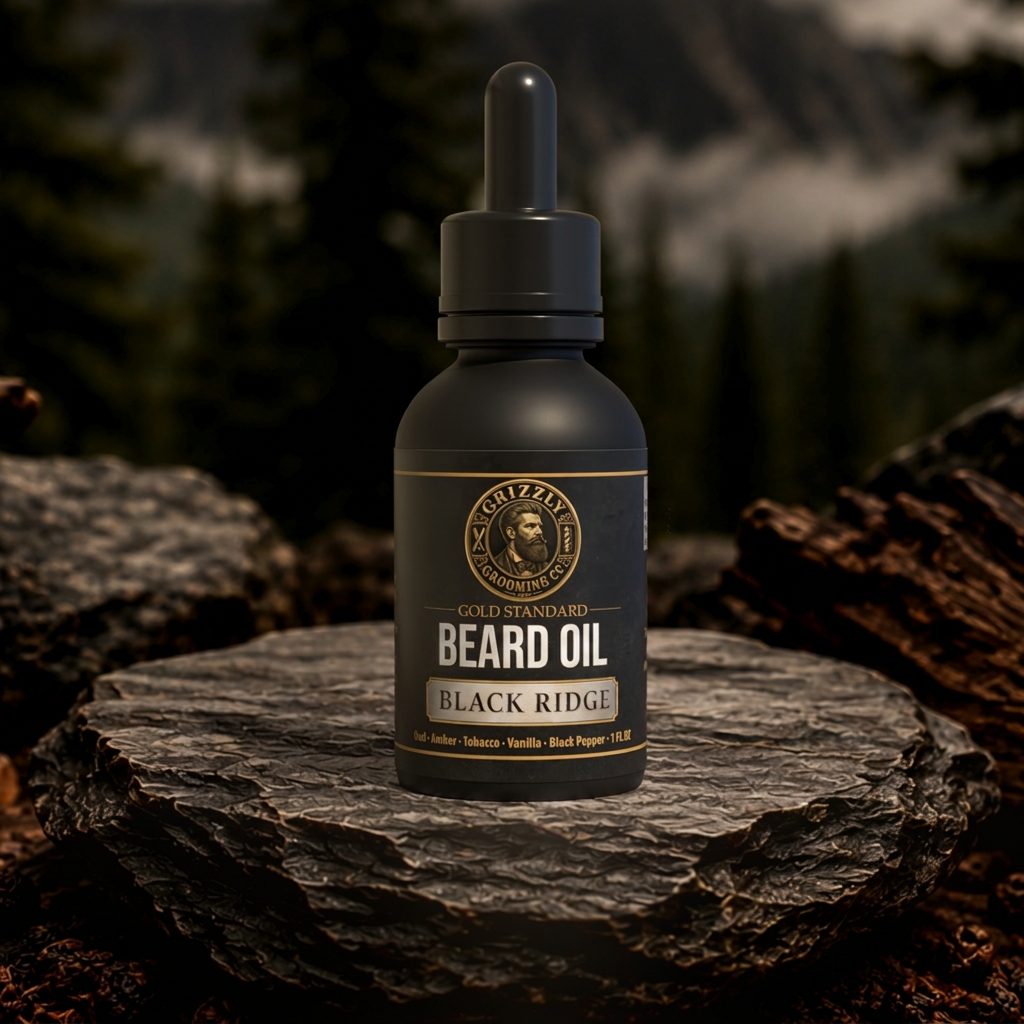
Genetics set the ceiling, but ritual, nutrition, and the right products decide how close you get to it.
The single highest-leverage product in any beard ritual, demystified by formulators.


Be the first to hear about new releases, exclusive offers, grooming tips, and members-only promotions.
No spam. Unsubscribe anytime.