Gold Standard Grooming EssentialsSubscribe for Easy Scheduled DeliveryPremium Grooming Since Day OneGold Standard Grooming EssentialsSubscribe for Easy Scheduled DeliveryPremium Grooming Since Day OneGold Standard Grooming EssentialsSubscribe for Easy Scheduled DeliveryPremium Grooming Since Day One
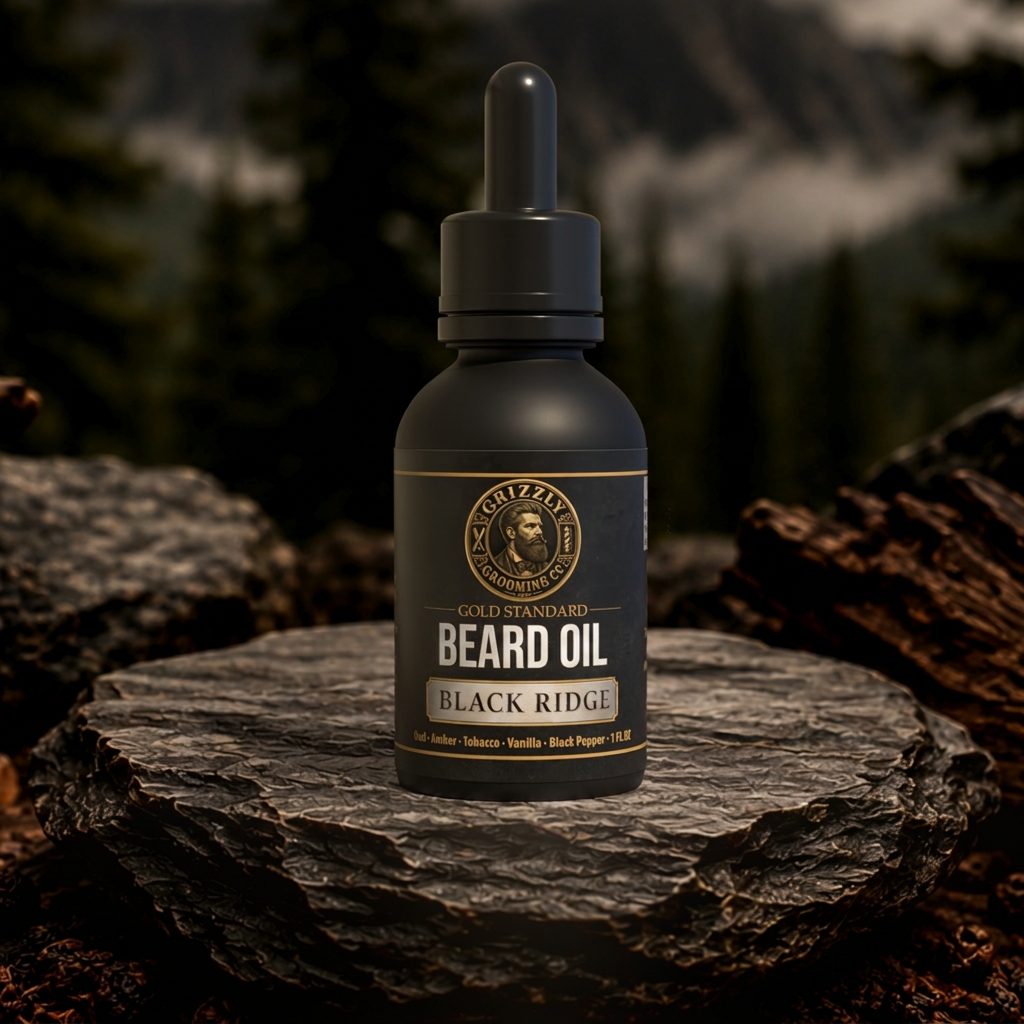
Beard oil is the single highest-leverage product in a beard ritual. If you only buy one thing, buy this. Here is how to use it right and how to pick the right scent.
What beard oil actually does
Beard oil mimics your skin's natural sebum. Under a beard, sebum stops reaching the hair shaft, which is why coarse hair feels wiry and skin flakes. Argan + jojoba in Gold Standard Beard Oil replace what your beard is blocking — softness, no itch, hydrated skin.
When to apply beard oil
Right after the shower while the beard is still slightly damp. Warm water opens the cuticle, oil goes deep, moisture stays locked in. A second lighter application before bed helps if your beard is long or you live somewhere dry.
How much beard oil to use by length
Stubble: 2 drops. Short beard: 3 drops. Medium beard: 4–5 drops. Long beard: 6–8 drops. Warm between palms first, push against the grain to reach skin, then comb through.
How to pick a scent (the real question guys ask)
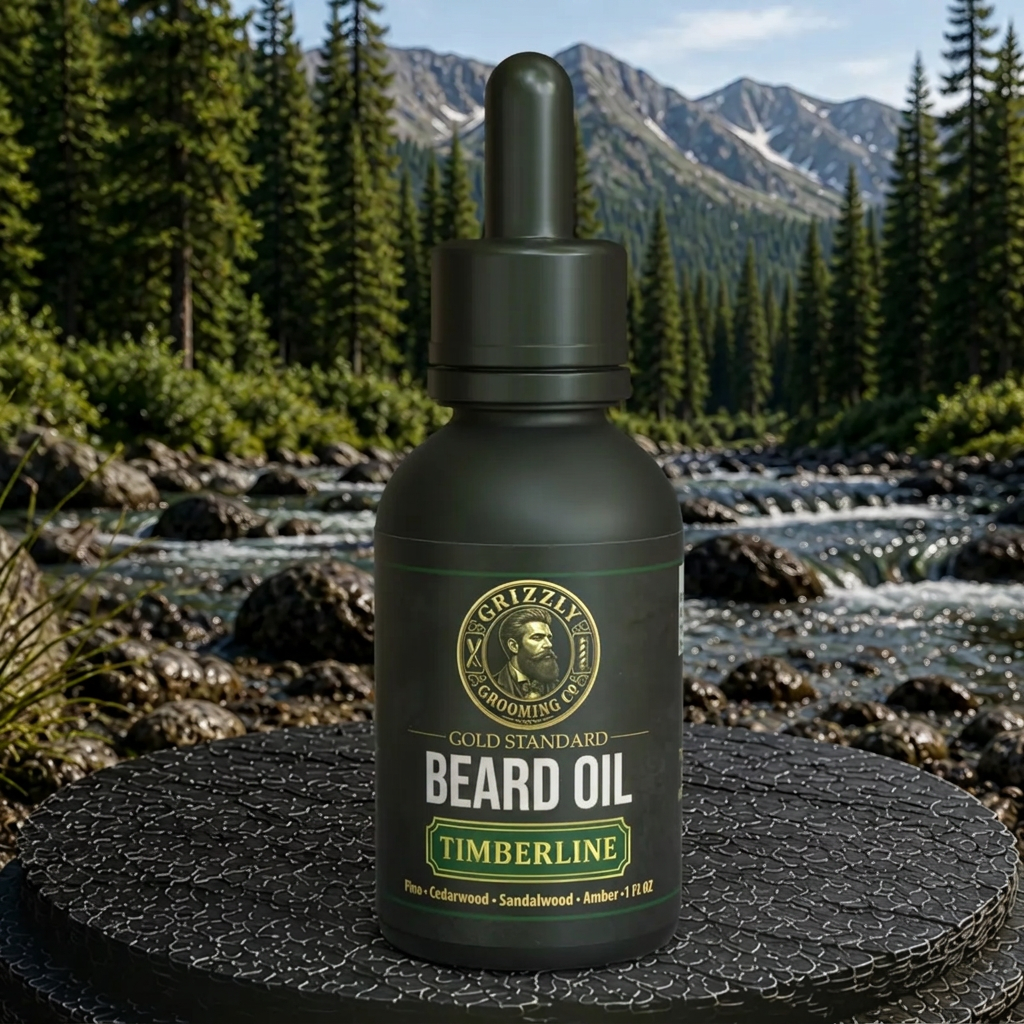
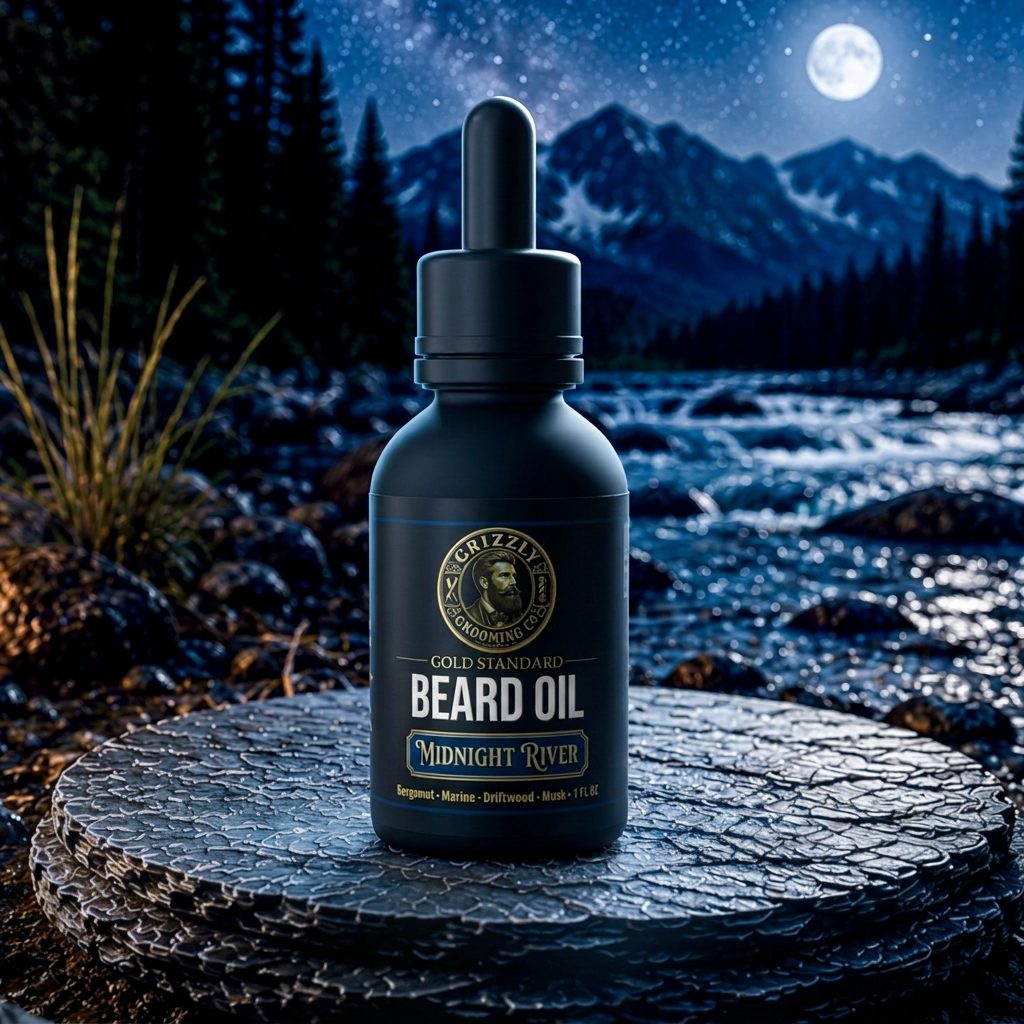
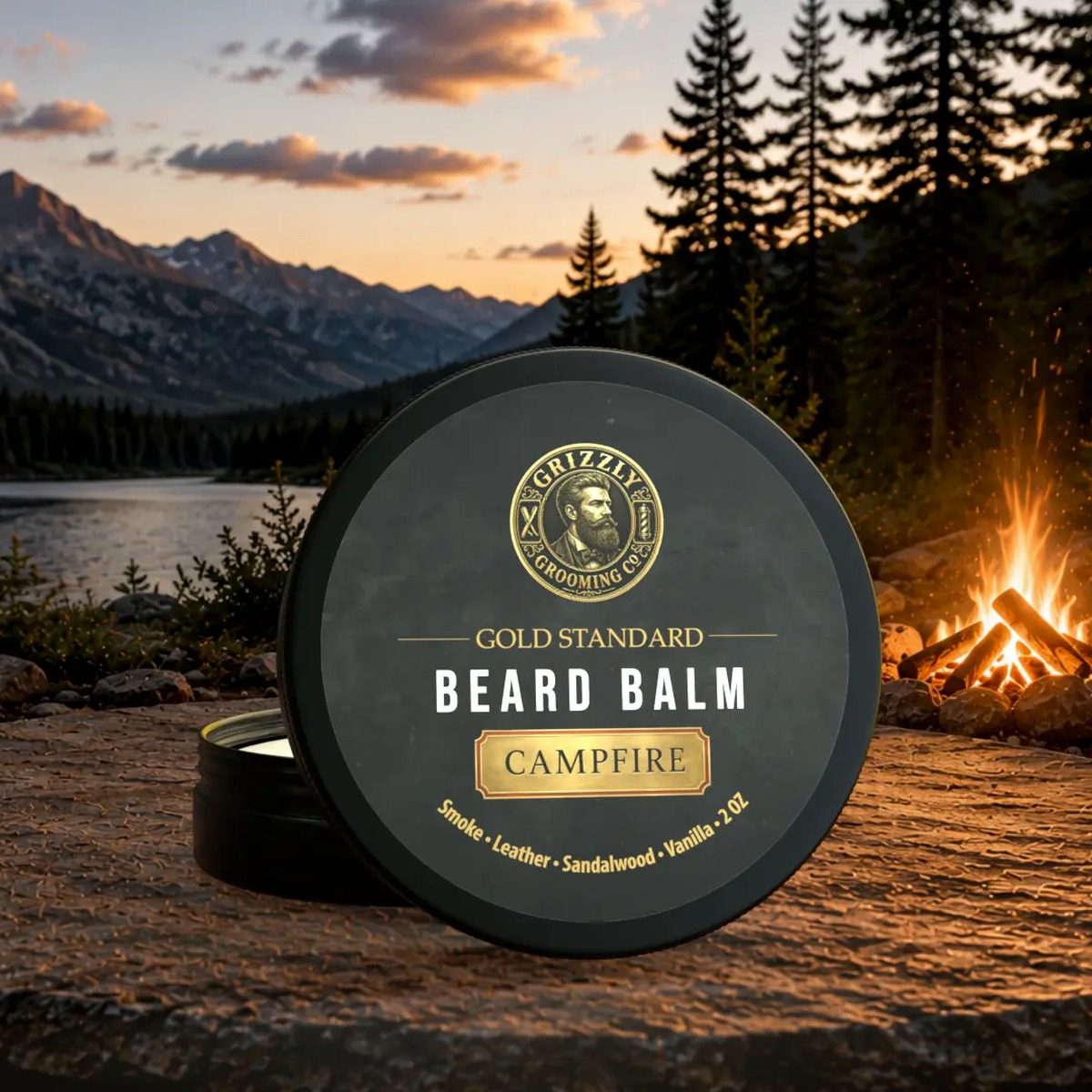
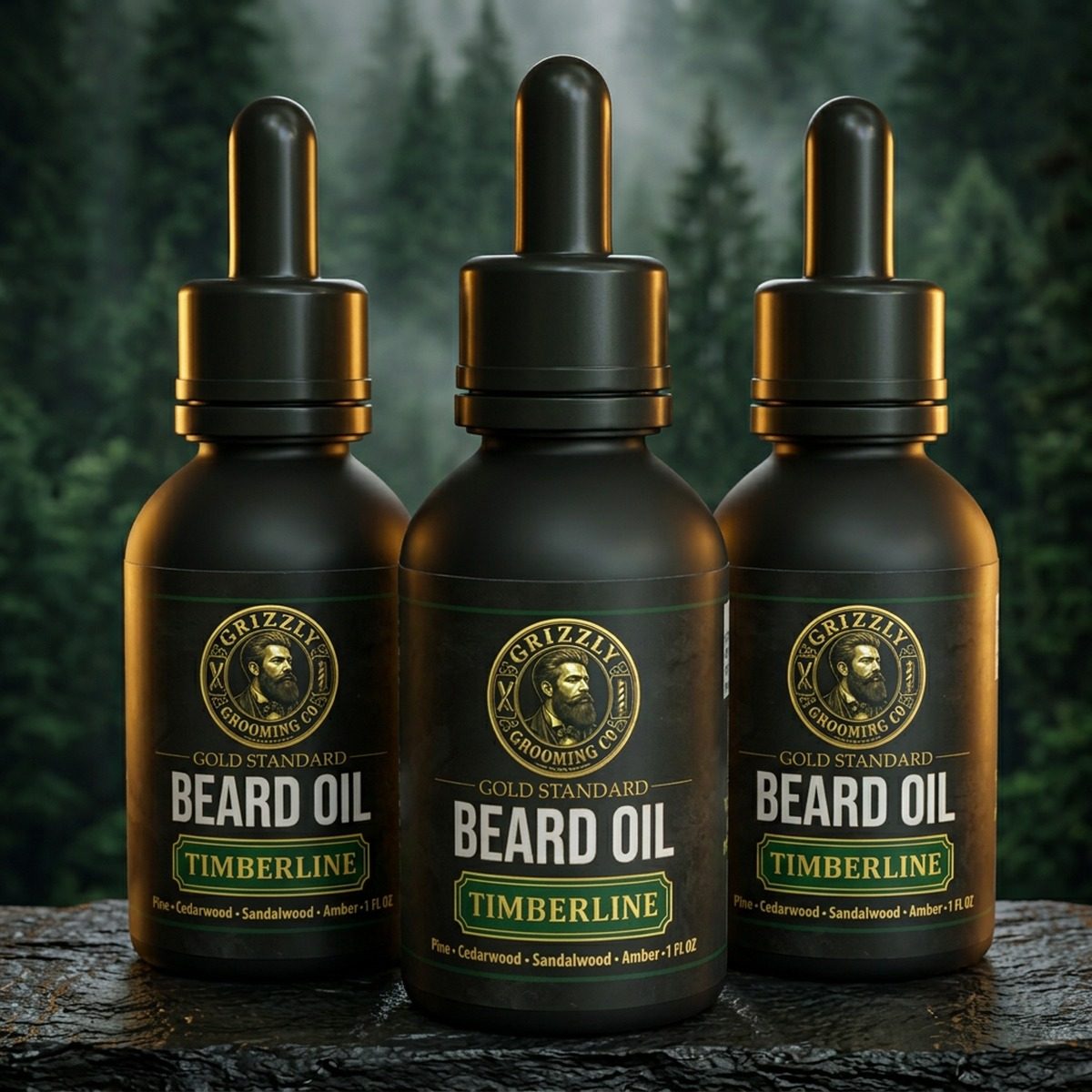
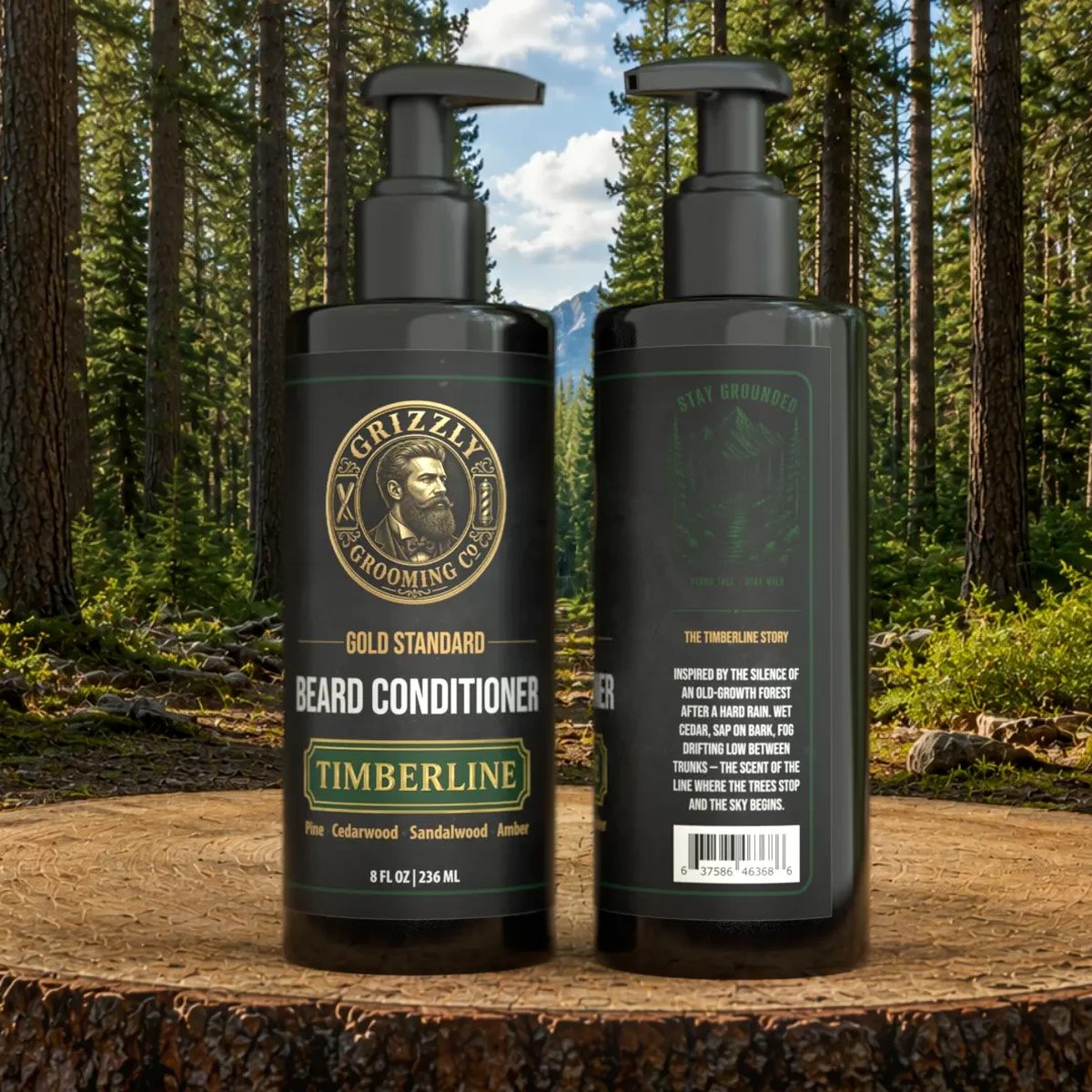
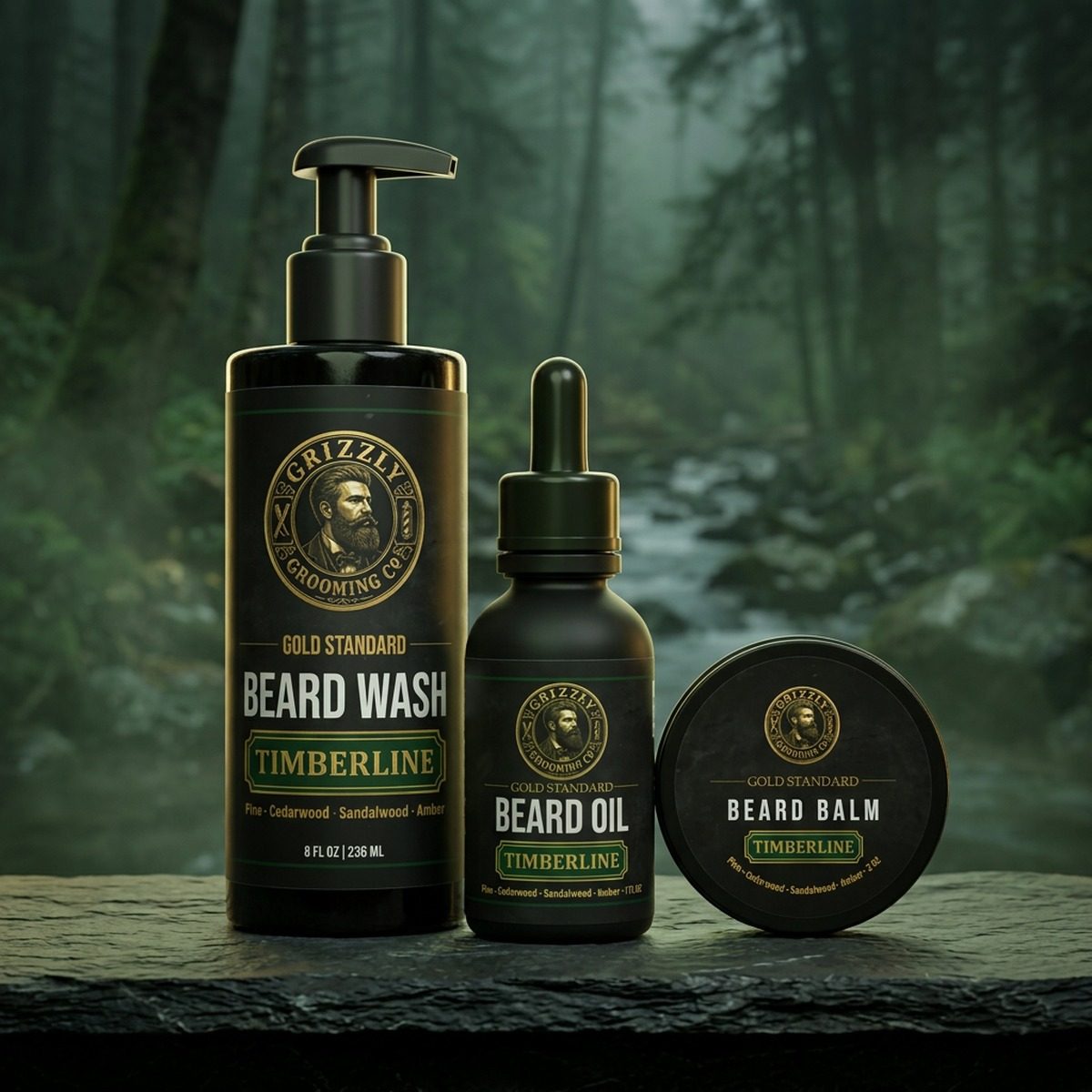
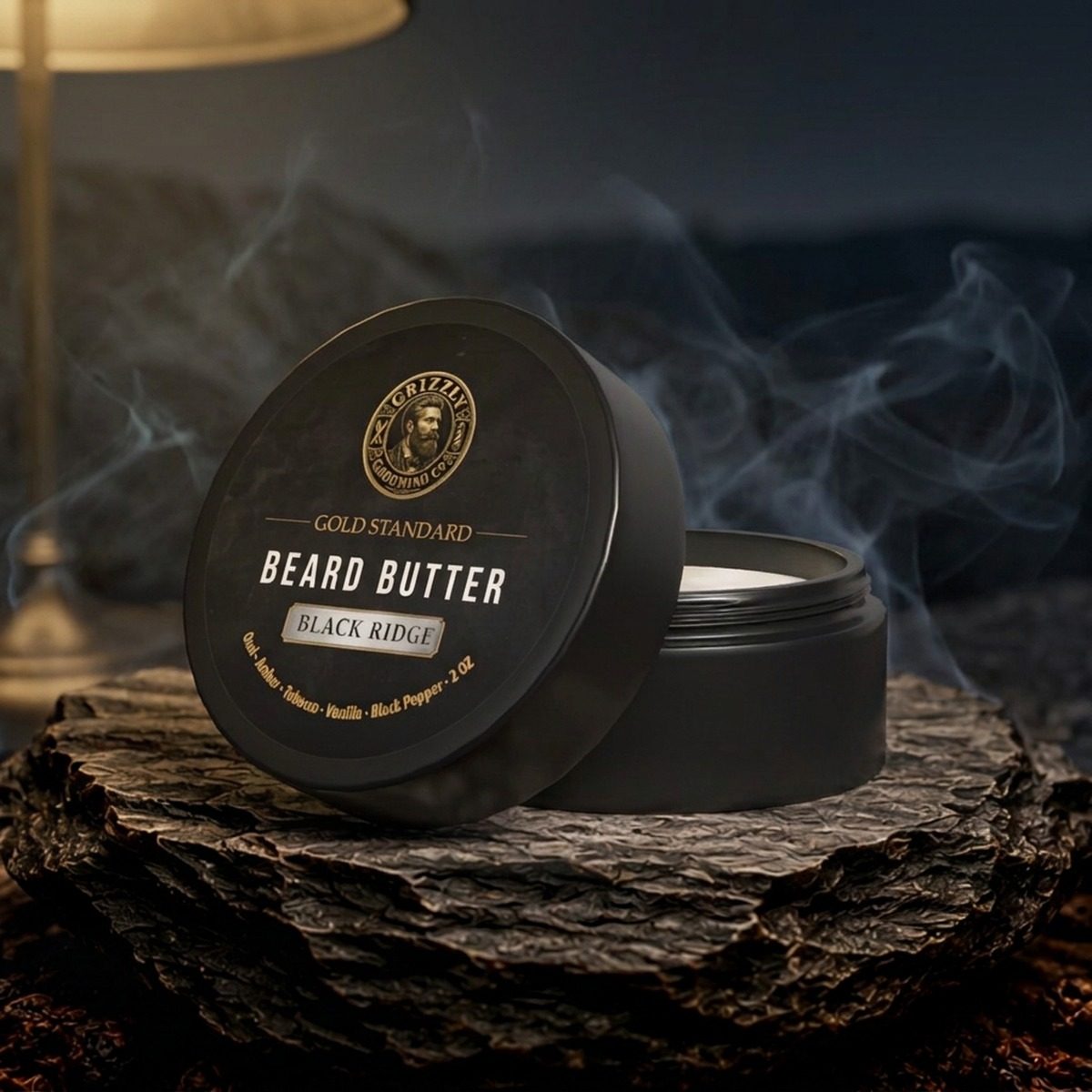
Timberline — fresh pine, cool weather favorite. Campfire — smoky, warm, top seller. Midnight River — clean aquatic, office safe. Northern Lights — bright citrus. Black Ridge — spiced, cold months. Not sure? The Three-Pack Beard Oil Bundle lets you rotate a scent without committing.
The best add-to-cart depending on where you are
First-time buyer: single Gold Standard Beard Oil in Campfire or Timberline. Already convinced: Three-Pack Beard Oil Bundle (better per-bottle price, three months of supply). Beard also itches: add Beard Conditioner.
Troubleshooting oil that feels greasy all day
Persistent greasiness usually traces to one of three causes: too many drops for your beard length, applying to a fully dry beard rather than a damp one, or a carrier oil blend that's simply heavier than your skin tolerates well. Cut the dose by roughly a third before assuming the product itself is wrong, and always apply to towel-damp hair, which absorbs oil rather than letting it sit on the surface. If a reduced dose on damp hair still looks shiny after twenty minutes, the oil blend may not suit your skin's own oil production. Men with naturally oily skin sometimes do better with a lighter carrier oil ratio, applied only to the driest sections rather than the whole beard evenly.
Beard oil and ingrown hairs at the neckline
The neckline, where beard meets shaved skin, is the most common spot for ingrown hairs because it combines coarse curling hair with a shaving edge. Oil applied specifically to this transition zone, worked in with a fingertip rather than a comb, keeps the skin supple enough that emerging hairs are less likely to curl back into the follicle. This won't resolve ingrowns that are already inflamed, but as a daily preventive step focused on that one narrow strip of skin, it measurably reduces how often new ones form, especially for men who shave the neckline every few days rather than letting it grow out.
Storing beard oil to preserve shelf life
Beard oil is a blend of natural carrier oils, which means it's more sensitive to heat and light than synthetic products. A bathroom windowsill or a spot near a hot shower shortens shelf life noticeably, sometimes causing the oil to smell faintly rancid months before the label date. A closed cabinet, away from direct sun and steam, keeps the blend stable far longer. If a bottle starts smelling different than when it was new — slightly sour or waxy rather than the intended scent — that's oxidation, not contamination, and it's a sign to finish or replace the bottle rather than a safety concern. Buying a size you'll use within two to three months avoids this entirely for most men.
Frequently Asked Questions
Will beard oil cause acne or clog pores?
Non-comedogenic carrier oils like jojoba and argan (what Gold Standard uses) are safe for most skin types. Petroleum-based 'beard oils' are the ones that cause breakouts.
How long does a bottle of beard oil last?
A 1oz bottle used daily lasts 4–8 weeks depending on beard length. The Three-Pack Bundle is the honest 3-month supply for medium and long beards.
Beard oil vs beard balm — do I need both?
Oil conditions skin and hair. Balm shapes hair. Most guys use oil daily and balm on days they want more hold or a groomed look.
Does beard oil actually help beard growth?
Not directly — no product 'grows' beard hair. But healthy skin and unbroken hair mean fewer patches and fuller-looking coverage, which is what most 'growth' claims are really describing.
Why does my beard feel greasy even with the recommended number of drops?
Usually the beard was dry rather than damp when the oil went on, or the dose is slightly too high for your skin's own oil production. Cut the amount by about a third and always apply to towel-damp hair, which absorbs oil instead of leaving it sitting on the surface.
Can beard oil help with ingrown hairs at the neckline?
As a preventive step, yes. Working oil specifically into the neckline transition zone keeps skin supple enough that curling hairs are less likely to re-enter the follicle. It won't clear an ingrown that's already inflamed, but it reduces how often new ones form.
How should I store beard oil to keep it from going bad?
Keep it in a closed cabinet away from direct sunlight and shower steam, since natural carrier oils degrade faster with heat and light exposure. A faint sour or waxy smell before the label date means oxidation, not contamination — buy a size you'll finish in two to three months to avoid this.