Ingredients
Brotherhood Tip & Routine


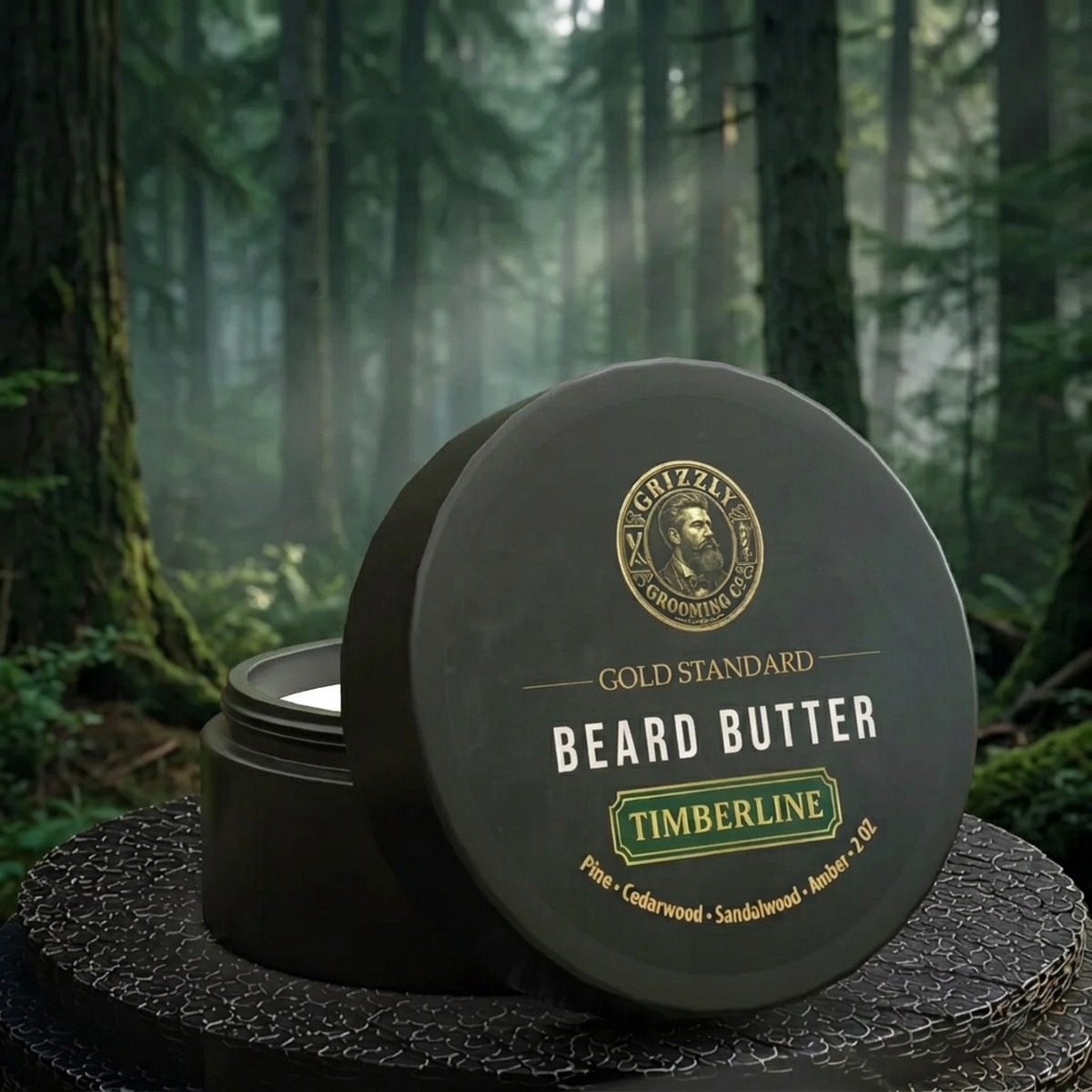
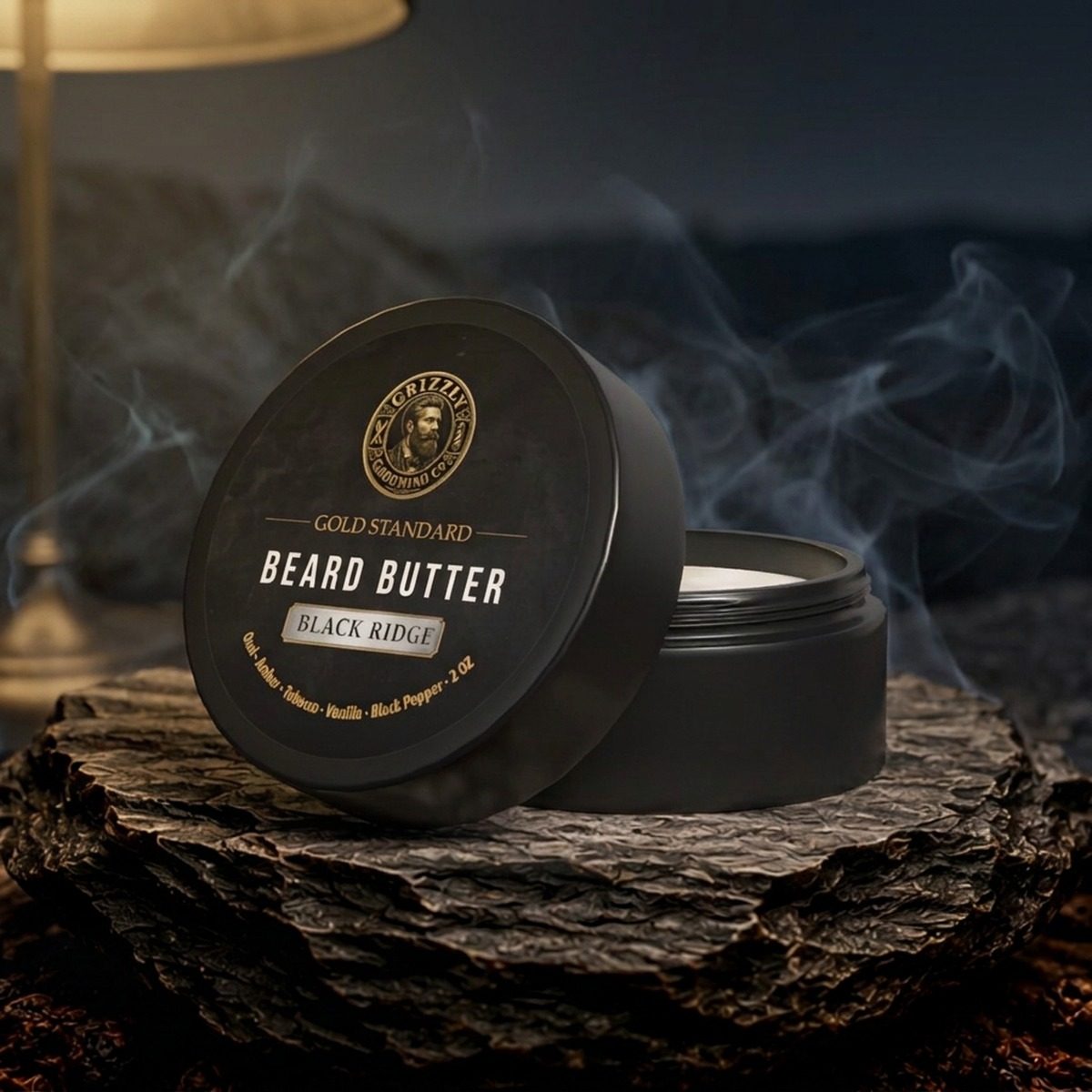
Beard butter is for beards that need moisture more than they need hold. If your beard is long, coarse, or dry — this is the product designed for it.
Long or thick beards, dry climates, winter, or any beard where balm feels heavy on top of oil. Butter delivers the moisture without adding weight-holding wax.
Small scoop, warm fully between palms until it melts. Work in from roots to tips with the grain. Butter melts on contact — never apply cold.
Oil = daily conditioning at the skin. Butter = deep moisture through the length. Balm = shape and hold on top. Long beards use all three; short beards typically skip butter.
Oil on damp beard first, butter second while the beard is still slightly damp. This is the softness-per-minute champion ritual for long beards.
Old acne scarring or patchy texture under a beard often shows through as rougher, drier patches that absorb product differently than the surrounding skin. Butter's heavier shea and cocoa base sits longer on these spots and softens the surface texture more than a lightweight oil alone can, though it works on the hair covering the area rather than the skin itself directly. For men self-conscious about texture showing through a beard, a slightly heavier butter application concentrated over those areas, combed to lie flat, creates a more even surface appearance than an all-over even coat would. This is a cosmetic workaround rather than a treatment, but it's a genuinely useful one for photos and daily confidence.
Butter's shea and cocoa base is more temperature-sensitive than oil — it can turn grainy or separate if it gets too warm, such as sitting in a hot car or checked luggage on a summer flight. A grainy texture doesn't mean the product is unsafe, but it does apply unevenly and needs re-emulsifying by warming and stirring before use. For travel, a small tin kept in a carry-on rather than checked luggage avoids the temperature swings of a cargo hold. If a tin does turn grainy, warming it gently between the palms over several applications gradually restores a smoother, more usable consistency.
Butter is heavier than oil, and a full application right before putting on a hat or hood can transfer onto fabric, especially light-colored liners. Applying it at least fifteen minutes before covering the beard gives it time to absorb rather than sit on the surface where it can rub off. If you need to cover up sooner than that, a lighter-than-usual dose reduces transfer risk considerably while still delivering most of the conditioning benefit. This trade-off — slightly less product for less mess — is usually worth it during commutes or cold-weather activities where a hat goes on immediately after getting ready.
Not better — different. Oil hydrates skin; butter conditions the hair length. Long beards benefit from both; short beards usually only need oil.
Only lightly. If you need control, layer Gold Standard Beard Balm on top of butter.
Daily for long or dry beards; 2–3× per week for medium beards; skip for stubble.
It can help cosmetically. A slightly heavier application over rough or scarred patches softens the surrounding hair and helps it lie flatter, creating a more even look, though it conditions the hair rather than treating the skin directly.
Heat exposure, such as a hot car or checked luggage, can cause the shea and cocoa base to separate. It's still safe to use — warm it gently between your palms over a few applications to restore a smoother consistency.
Apply it at least fifteen minutes before covering your beard so it has time to absorb rather than sit on the surface. If you need to cover up sooner, use a lighter dose to reduce transfer while still getting most of the conditioning benefit.


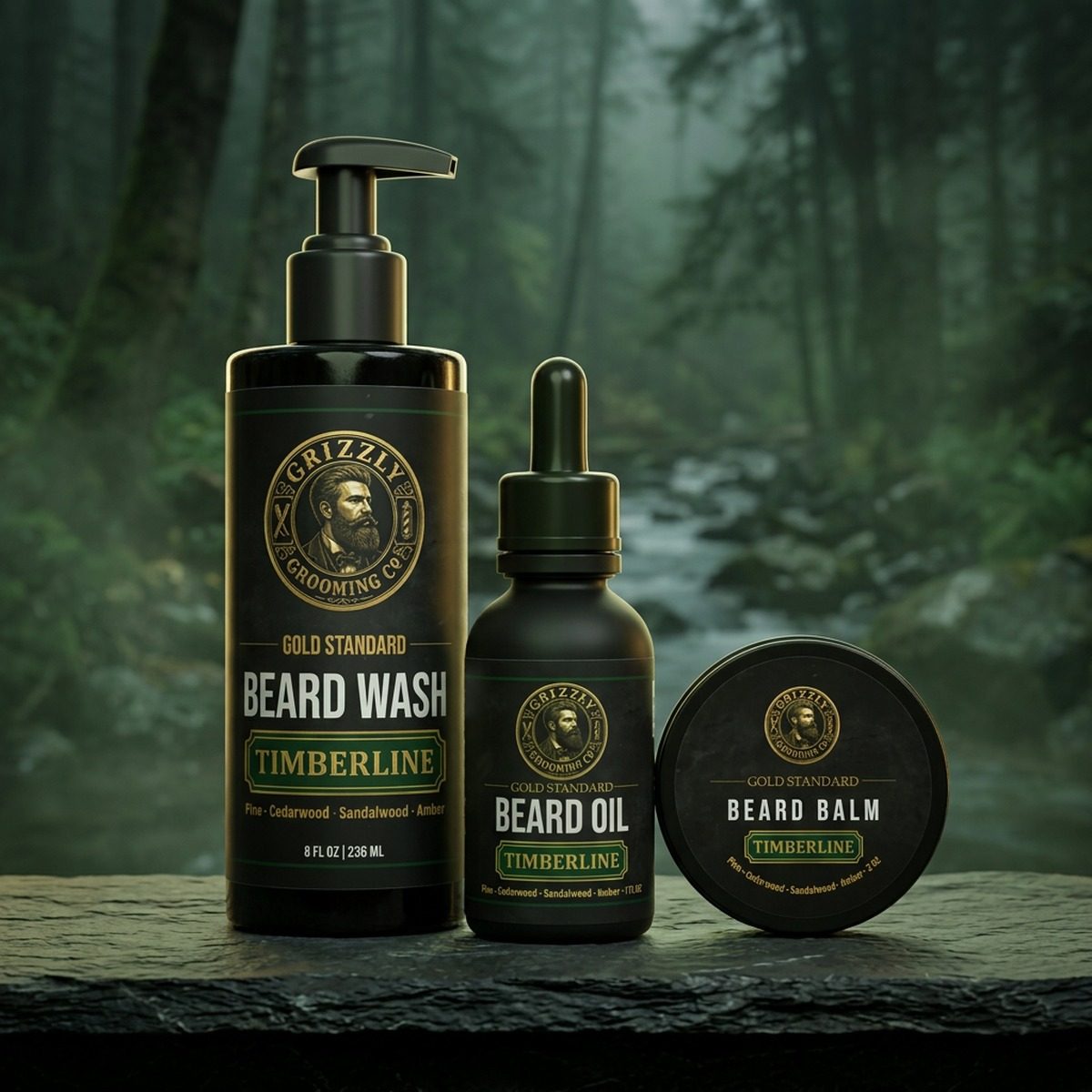
The full beard ritual — oil, balm, and wash in one kit.

Oil conditions and reaches the skin. Balm contains beeswax, so it holds shape and shields against wind and cold. Butter is heavier on shea and cocoa with little or no wax, so it conditions deeply without stiffening the hair — it is a repair layer rather than a styling layer. That is why butter is the overnight product and the post-exposure product, while balm is the one you apply before heading out. Using butter for hold is the most common misuse, and it is why some men conclude it does nothing.
Start with a pea-sized amount for a medium beard and scale up only for length past three or four inches. Emulsify it fully between your palms until it is liquid and clear — applying it cold and solid is why it drags, clumps and looks uneven. Work it in from the cheeks downward with the grain, then comb through from the ends back toward the jaw. Layer it over oil, not instead of oil: oil handles the skin, butter handles the hair.
On stubble under half an inch it has nothing to do and will read greasy. In humid summer heat it can feel heavy on a fine beard, where a lighter oil-only routine performs better. And if your actual complaint is itch or flaking rather than dryness of the hair, oil is the product that solves it — butter sits mostly on the hair shaft and reaches skin far less effectively. Save it for length, for coarse hair, for winter and for the night before you want the beard to behave.

A formulator's side-by-side of what actually makes a beard oil the 'best' — plus how our five Gold Standard scents compare on skin type, ingredients, and vibe.

Genetics set the ceiling, but ritual, nutrition, and the right products decide how close you get to it.

The single highest-leverage product in any beard ritual, demystified by formulators.


Be the first to hear about new releases, exclusive offers, grooming tips, and members-only promotions.
No spam. Unsubscribe anytime.