Sandalwood Essential Oil
A creamy, sacred wood scent — the most expensive and longest-lasting base note in men's cologne.
Sandalwood (Santalum album) is the most prized fragrance wood in perfumery. Genuine Indian sandalwood essential oil costs $2,000+ per kilogram and can take 30 years to mature in the tree. In cologne and premium beard oil, sandalwood provides an unmatched creamy, warm, long-lasting base — the difference between a scent that lasts 3 hours and one that lasts 10.
- ›Genuine Indian sandalwood: $2,000+/kg wholesale.
- ›Sillage: exceptionally long — 8+ hours on skin.
- ›Scent family: creamy, sacred wood, base note.
- ›Australian sandalwood is the sustainable alternative.
- ›Commonly counterfeited in low-cost fragrances.
Why 'sandalwood' on a label often isn't real sandalwood
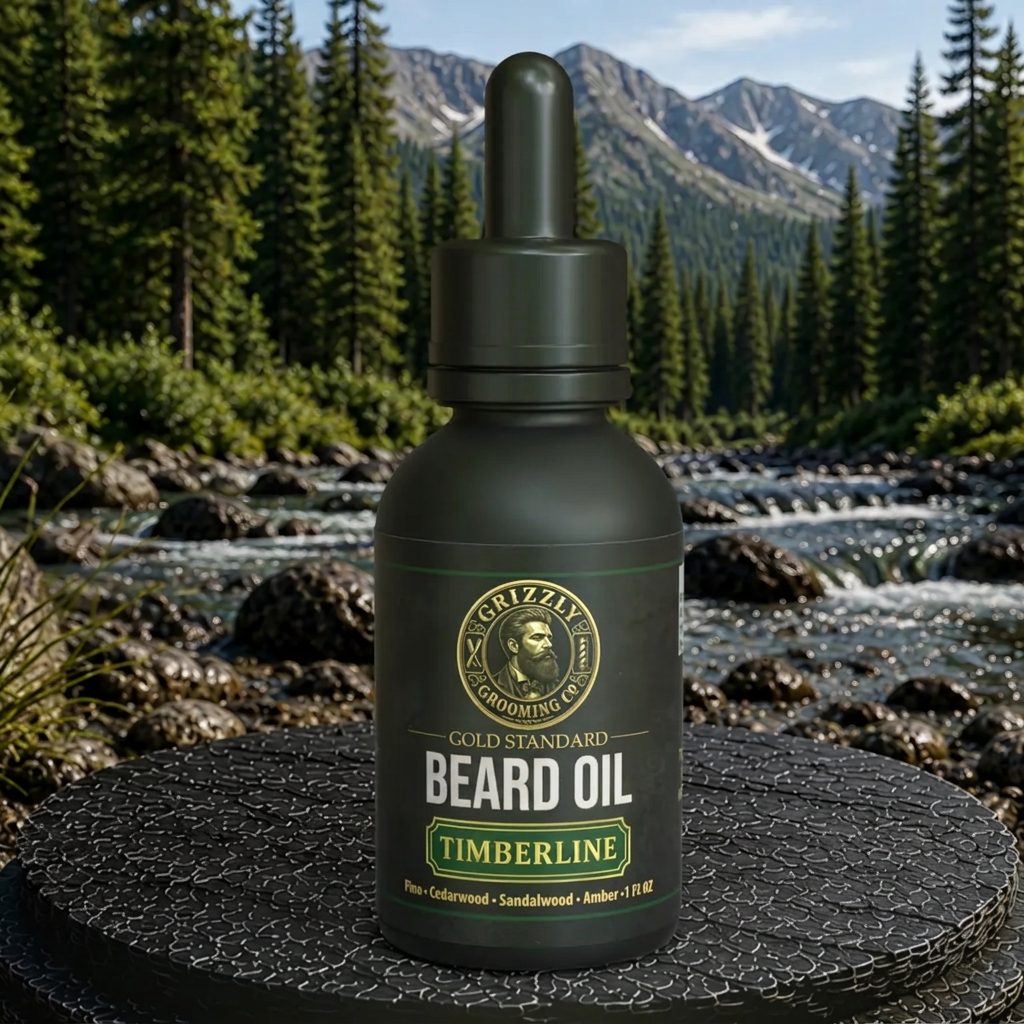
True Santalum album is nearly extinct in the wild. Most affordable products use Australian sandalwood (Santalum spicatum) or synthetic sandalwood (Santal 33, javanol). Grizzly's Gold Standard Cologne discloses its sandalwood source in the ingredient list — a rare transparency in the fragrance industry.
History & Origin
Sandalwood (Santalum album and Santalum spicatum) has been burned, carved, and distilled for more than four thousand years across India and Australia, central to Hindu and Buddhist ritual long before it entered Western perfumery. Overharvesting of Indian sandalwood led to strict protections, making sustainably farmed Australian sandalwood the ethical standard in modern grooming. Its creamy, milky woodiness is the base note perfumers reach for when they want warmth without sharpness.
Uses & Benefits
- ›Creates a soft, creamy woody base that lasts for hours
- ›Smooths rough edges in blends containing sharp citrus or resinous notes
- ›Traditionally used to calm irritated skin
- ›Adds a perception of depth and quality to a fragrance profile
- ›Fixes lighter notes in place so a scent does not collapse after an hour
Safety & Sourcing
Sandalwood is one of the gentlest base-note materials and is well tolerated on facial skin at normal use levels. Source matters more than safety here: verify sustainably farmed origin, since genuine Indian sandalwood is heavily regulated and adulteration is common in cheap oils.
FAQ
Why is sandalwood expensive?+
Trees need decades of growth before the heartwood yields oil, and Indian sandalwood is protected against overharvesting. Sustainably farmed Australian sandalwood is the practical alternative.
What does sandalwood smell like?+
Creamy, milky wood with a faint sweetness — softer and rounder than cedarwood.
Does sandalwood last on skin?+
Yes. It is a heavy base note and one of the main reasons a scent still reads hours after application.
Found in Our Products
Related Comparisons
Sources
- Moy, R. L. & Levenson, C. (2017). Sandalwood album oil as a botanical therapeutic in dermatology. Journal of Clinical and Aesthetic Dermatology.
- Tisserand, R. & Young, R. (2013). Essential Oil Safety, 2nd Edition. Churchill Livingstone.