The Ultimate Guide to Beard Wash and Conditioning
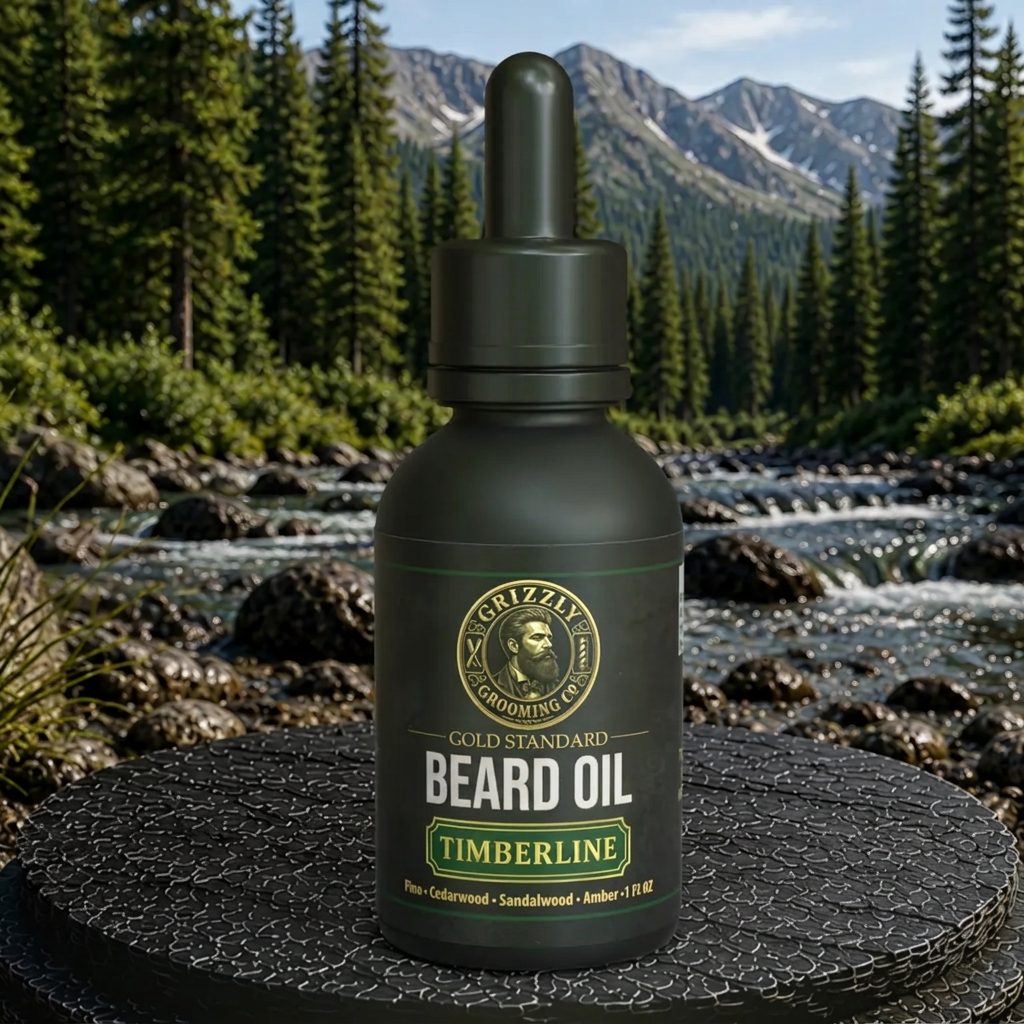
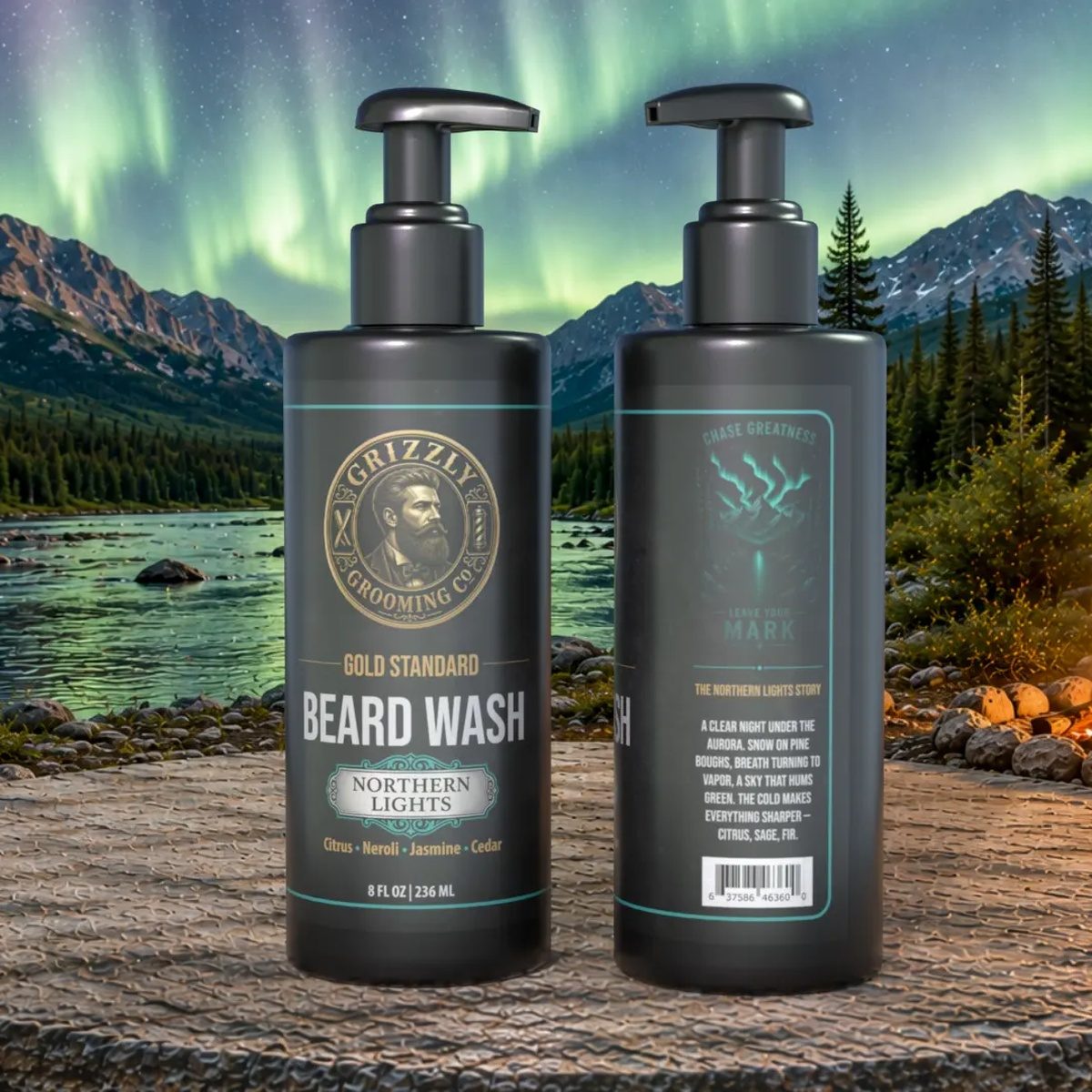
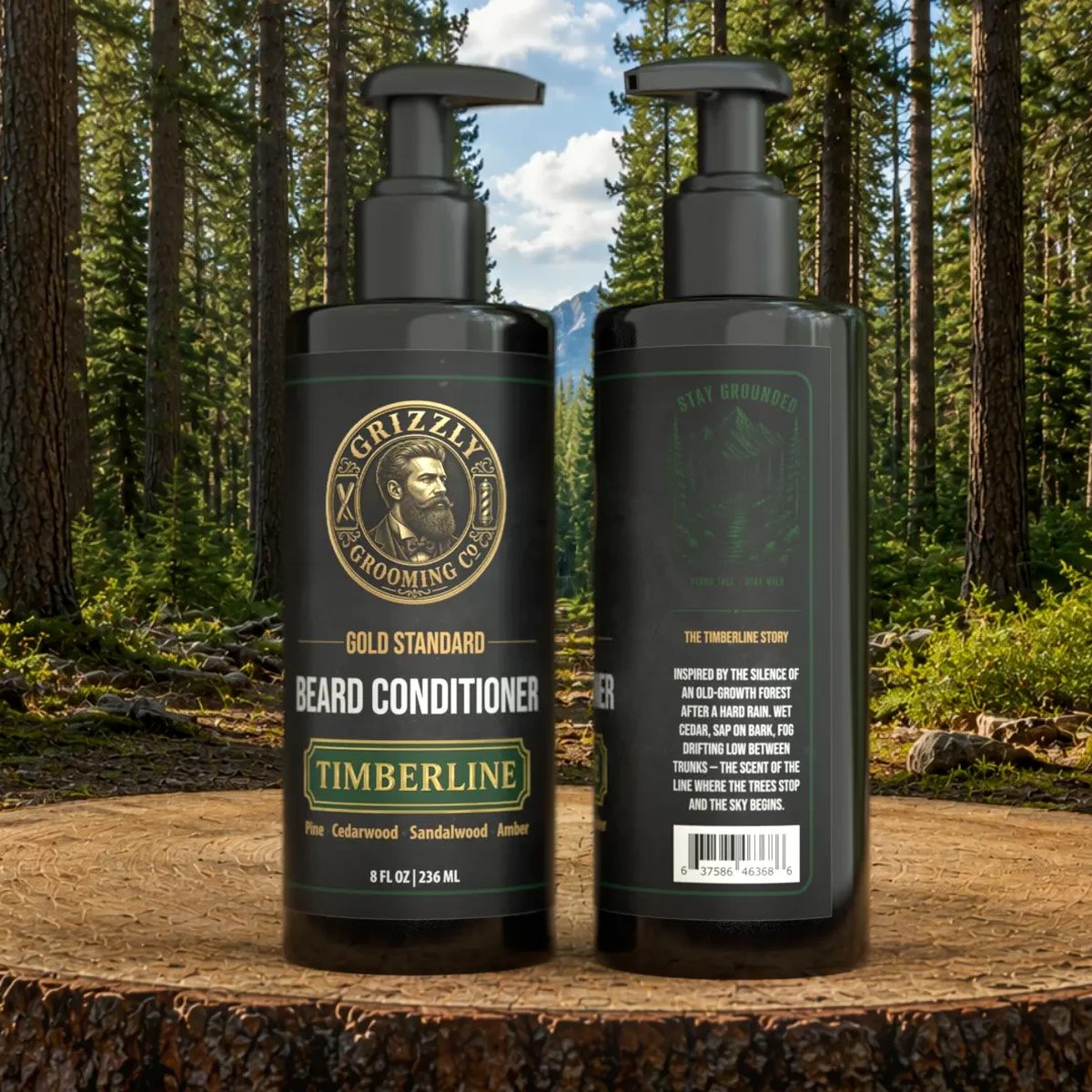
Beard wash is the most under-thought product in men's grooming. Most men either skip it entirely (their beard smells musty by the second day) or wash daily with whatever shampoo is on the shower shelf (their beard feels like straw within a month). Both approaches are wrong for the same reason: they misunderstand what is actually happening on the skin under the beard. This guide fixes that. We will use our Gold Standard Beard Wash in Timberline as the reference — it is a sulfate-free, low-lather formulation built specifically for the coarser pH of facial hair and the more delicate skin underneath.
Wash cadence by beard length and lifestyle — enough to stay clean, without stripping the natural oils that keep your beard soft.
- ›Wash the beard 2–3 times a week, not daily. Overwashing is the number one beard problem.
- ›Never use scalp shampoo. It is 5–10 times more stripping than any beard wash.
- ›Always follow beard wash with beard oil, applied while the beard is still damp.
- ›Sulfate-free is not marketing — sulfates strip the sebum you need for beard health.
- ›In hot months or dirty jobs, wash more often, but always oil after.
Why Regular Shampoo Is a Bad Idea
Scalp shampoo is engineered for a very oily, dense environment — the scalp produces roughly ten times more sebum per square inch than facial skin. To keep up, most shampoos use sulfates (sodium lauryl sulfate, sodium laureth sulfate) that strip aggressively. That level of stripping on your face is a disaster.
The result is predictable: dry skin under the beard, itch by day two, flaking by day three, and hair that feels wiry because there is no natural oil left to smooth the cuticle. Men then blame the beard, buy a new oil, and never fix the underlying wash problem.
The Right Wash Cadence
For most men in most climates: two to three times per week is the correct cadence. On the other four to five days of the week, a warm-water rinse in the shower lifts sweat and airborne particulate; the sebum stays.
Exceptions push the cadence up: hot and humid climates, physical jobs, workouts every day, environments with dust or smoke. In those cases wash daily, but always with a dedicated beard wash and always follow with oil while the beard is damp.
How to Actually Wash a Beard
Wet the beard thoroughly under warm (not hot) water for at least twenty seconds. Coarse hair takes longer to fully saturate than scalp hair.
Dispense a nickel-sized amount of Gold Standard Beard Wash into your palms and emulsify — rub palms together until you see a low, creamy lather. Do not expect the high foam of a scalp shampoo; low lather is the point of a proper beard wash.
Work the lather into the skin under the beard first, using fingertips in small circles. Then draw the lather down through the length of the hair. Rinse for at least thirty seconds under running water — residue is the enemy. Towel dry until damp, not dry. Apply oil immediately.
The Non-Negotiable: Oil While Damp
This is the step everyone skips. Water opens the hair cuticle. Beard wash removes surface oil. The window between finishing the wash and the cuticle closing again is roughly two to five minutes. Applying oil in that window pushes conditioning agents through the open cuticle and locks them in. Wait until dry and you have missed the window entirely.
This alone explains why some men insist beard wash "destroyed their beard" and others insist their beard has never been softer. Same product, different follow-through.
How to Read a Beard Wash Ingredient List
First rule: no sulfates. If you see "sodium lauryl sulfate" or "sodium laureth sulfate" in the top three ingredients, put the bottle back. Look instead for coco-glucoside, decyl glucoside, or sodium lauryl sulfoacetate — gentler surfactants that clean without stripping.
Second rule: look for a humectant in the top half of the list. Glycerin or panthenol both draw water into the hair during the wash, which offsets some of the drying effect. Third rule: essential-oil scenting is fine at low concentrations; synthetic fragrance without disclosure is a red flag.
Beard Wash vs Conditioner: Do You Need Both?
For a short beard, a good wash plus post-wash oil is enough. For a medium-to-full beard, adding a beard conditioner on wash days is a genuine upgrade. Conditioner detangles, reduces breakage during brushing, and gives the hair an extra day of softness. Apply after wash, leave in for two minutes, rinse, then oil while damp.
For a yeard-plus, conditioner is not optional. At that length the ends are old — twelve months of environmental abuse — and they need the protein and lipid replenishment conditioner provides.
Common Mistakes
Washing daily out of "cleanliness." This creates the very dryness you thought washing would prevent.
Using hot water. Hot water is more stripping than the surfactants themselves. Warm only.
Skipping the rinse. Residue on the beard causes irritation and dulls the finish. Rinse for thirty seconds minimum.
Waiting to dry before oiling. Missed window, missed conditioning.
Beard Wash vs. Bar Soap vs. Body Wash
Bar soap sits around pH 9 to 10, well above skin's natural 4.5 to 5.5. That alkalinity swells the hair cuticle and strips the acid mantle, which is why a beard washed with hand soap feels rough and the skin underneath flakes within days.
Body wash is milder but still built for skin surface area and often carries heavy fragrance and sulfates. A dedicated beard wash is formulated near skin pH with gentler surfactants, and the difference shows up within two weeks of switching. If a beard wash is genuinely unavailable, a sulfate-free hair conditioner used as a co-wash beats bar soap by a wide margin.
Co-Washing and Water-Only Days
Between washes, water-only rinses do most of the work: they clear sweat, dust, and surface debris without touching sebum. Rinse warm, blot, and oil the damp beard. For many men this is a five-day-a-week habit with two actual washes.
Co-washing — using conditioner alone — is a middle option for very dry or very long beards. It provides slip for detangling and adds moisture without surfactant stripping. Alternate co-wash and true wash if a twice-weekly wash still leaves the beard tight.
Hard Water and Buildup
Mineral deposits from hard water accumulate on the hair shaft and mimic product buildup: stiff feel, dull look, poor lather. If your beard feels worse the cleaner you try to get it, hardness is the likely culprit.
Install a shower filter if the problem is chronic, and run a clarifying rinse monthly — one part white vinegar to four parts water, thirty seconds, rinse clean, then oil immediately. Do not clarify weekly; it removes deposits and sebum alike.
Reading beard wash pH and why it matters
Skin and hair sit naturally around pH 4.5 to 5.5, and a wash formulated well outside that range disrupts the protective acid mantle that keeps skin barrier function intact. Alkaline bar soaps, often the leftover in a shower caddy, tend to run higher on the pH scale and leave the beard feeling tight and the skin reactive for hours afterward. A beard wash labeled pH-balanced is worth the small premium specifically for this reason, not as a marketing add-on.
You won't find pH printed on most labels, so the practical test is how your skin feels 30 minutes after rinsing. Tightness, redness, or an itch that wasn't there before washing usually means the formula skews too alkaline for your skin. Switching brands rather than pushing through months of discomfort is the right call — this is not something you build tolerance to.
Washing a beard with sensitive or eczema-prone skin
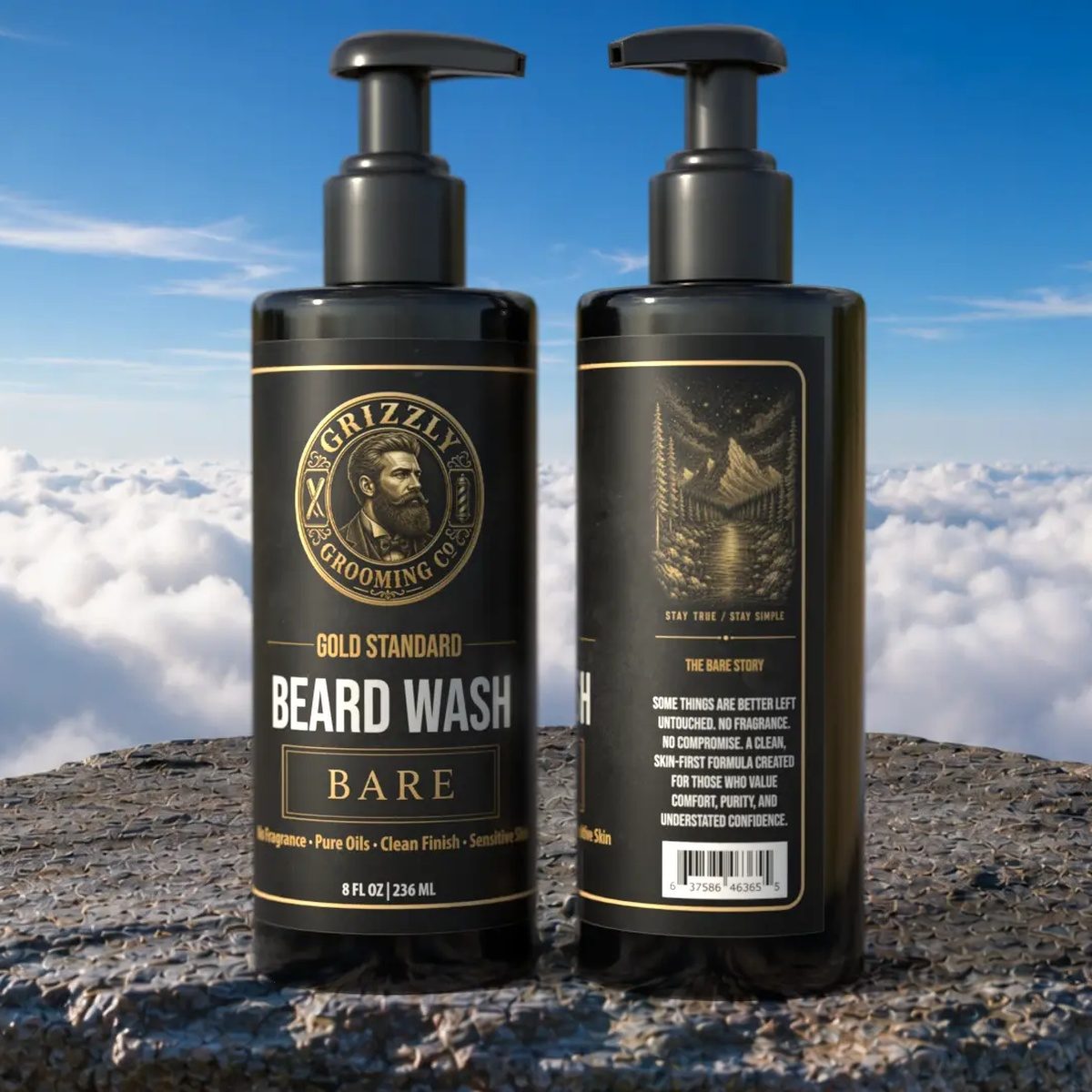
Fragrance is the most common irritant in grooming products, and a beard traps whatever touches the skin against it for hours longer than hair on the scalp does. If you have diagnosed eczema or a history of contact dermatitis, an unscented or minimally fragranced wash reduces the odds of a flare considerably more than switching wash frequency does. Introduce any new wash on the jawline alone for two days before committing your whole beard to it.
Lukewarm water, not hot, matters more for sensitive skin than for average skin, since heat accelerates whatever mild irritation a formula might cause. Pat drying rather than rubbing, and following immediately with a fragrance-light oil, closes the routine without adding a second irritant on top of the wash.
Beard wash frequency for different skin types
Oily skin under a beard can often tolerate — and needs — washing closer to four times a week, since sebum production runs high enough that skipping days leads to visible shine and clogged follicles at the roots. Dry or sensitive skin usually does better at twice a week, with warm-water-only rinses filling the gaps so the skin barrier gets time to rebuild between cleanses.
Combination skin, oily through the mustache and cheeks but dry at the jawline and neck, is common and often mismanaged with a single blanket frequency. Washing the oilier zones with a damp cloth between full washes, rather than washing the whole beard more often, keeps both zones balanced without overdrying the parts that don't need it.
Frequently Asked Questions
How often should I wash my beard?
Two to three times a week for most men. Daily if you sweat heavily, work dirty, or live in a hot climate — but always follow with oil.
Can I use dandruff shampoo on my beard for beardruff?
Occasionally, yes — a zinc-pyrithione dandruff shampoo used once a week can help stubborn beardruff. But the long-term fix is fewer washes, more oil, better diet.
Is co-washing (conditioner-only) good for beards?
For very dry beards, once a week, yes. For most men, a proper low-sulfate wash is a better choice.
Does beard wash lather like shampoo?
No, and it should not. Low lather means low stripping.
Should I use beard wash on my moustache?
Yes. The moustache picks up the most environmental residue of any beard region — food, drink, air. It benefits most from a proper wash.
Can beard wash cause hair loss on the beard?
A good beard wash does not. Overwashing with harsh shampoo can weaken the hair shaft and cause breakage — which looks like hair loss but is not.
Can I use regular shampoo on my beard?
Not routinely. Scalp shampoos are built for oilier skin and typically use stronger surfactants, which leaves facial skin tight and the beard rough.
Is it okay to only rinse my beard with water?
On most days, yes. Water rinses clear sweat and debris without stripping sebum. Use an actual beard wash two or three times a week to remove oil-bound buildup.
Why does my beard feel worse after washing?
Usually pH — bar soap and scalp shampoo are far more alkaline than skin — or hard water leaving mineral deposits. Switch to a beard wash and try a monthly clarifying rinse.
Does beard wash pH actually make a difference?
Yes. Skin sits naturally around pH 4.5 to 5.5, and washes that skew far outside that range disrupt the barrier that keeps skin from drying out and reacting. If your skin feels tight or itchy 30 minutes after washing, that's often a pH mismatch, not a frequency problem.
What should someone with eczema look for in a beard wash?
An unscented or lightly fragranced, sulfate-free formula, tested on the jawline for two days before full use. Fragrance is the most common trigger for flare-ups, and a beard holds product against skin longer than scalp hair does, so the margin for irritation is smaller.
Should oily and dry skin wash a beard at different frequencies?
Yes. Oily skin under the beard often does well with washing closer to four times a week; dry or sensitive skin usually does better around twice a week with water rinses in between. Combination skin can be managed zone by zone rather than with one frequency for the whole beard.
Build your ritual in 60 seconds.
Answer four questions and get a custom regimen built around your beard and routine.
Start The Ritual Builder