Identifying Common Signs Your Current Beard Oil Is Damaging Your Skin
The application of beard oil is a fundamental ritual for any serious man, yet the market is saturated with poorly formulated blends that prioritize shelf-life and margins over dermatological health. A high-quality oil should function as a bridge between your skin and your beard hair, maintaining the health of the dermis while softening the cuticle. When a product is improperly balanced or contains synthetic chemicals, it doesn't just fail to hydrate—it actively disrupts the skin’s moisture barrier. If you are experiencing persistent itching, flaking, or redness, you are not dealing with a 'beard problem' but a product failure. This guide examines the physiological signs of oil-induced damage and how to transition to a regimen that supports long-term follicular health.
- ›Persistent itching beyond the first month of growth signifies a pH imbalance caused by harsh synthetic additives.
- ›Comedogenic ingredients like mineral oil or petroleum derivatives lead to painful follicular blockage and acne.
- ›A greasy residue lasting more than five minutes indicates a molecular structure too heavy for skin absorption.
- ›Synthetic 'fragrance' or 'parfum' often causes contact dermatitis, manifesting as redness or a stinging sensation.
- ›Excessive flaking, known as beardruff, suggests your oil is drawing moisture out of the skin rather than sealing it in.
- ›Brittle, crunchy hair fibers indicate the oil is coating the hair with silicones rather than penetrating the shaft.
Evaluating Molecular Weight and Absorption Rates
The effectiveness of a beard oil is largely determined by its molecular weight. High-quality carrier oils like jojoba and argan have a molecular structure similar to human sebum, allowing them to pass through the epidermal layer and provide deep hydration. In contrast, many budget-tier products rely heavily on castor oil or low-grade sunflower oil without proper balancing. These oils possess larger molecules that cannot penetrate the skin, resulting in a thick, sticky film that sits on the surface, trapping heat and bacteria against the face.
To test your current product, apply two drops to the back of your hand. In a climate-controlled environment (approximately 70 degrees Fahrenheit), the oil should be fully absorbed within three to five minutes, leaving the skin feeling supple but not oily. If your skin remains reflective or feels tacky after ten minutes, the oil is likely too heavy for your skin type. This lack of absorption leads to 'product transfer' where the oil stains your shirt collars and pillows, rather than nourishing your beard.
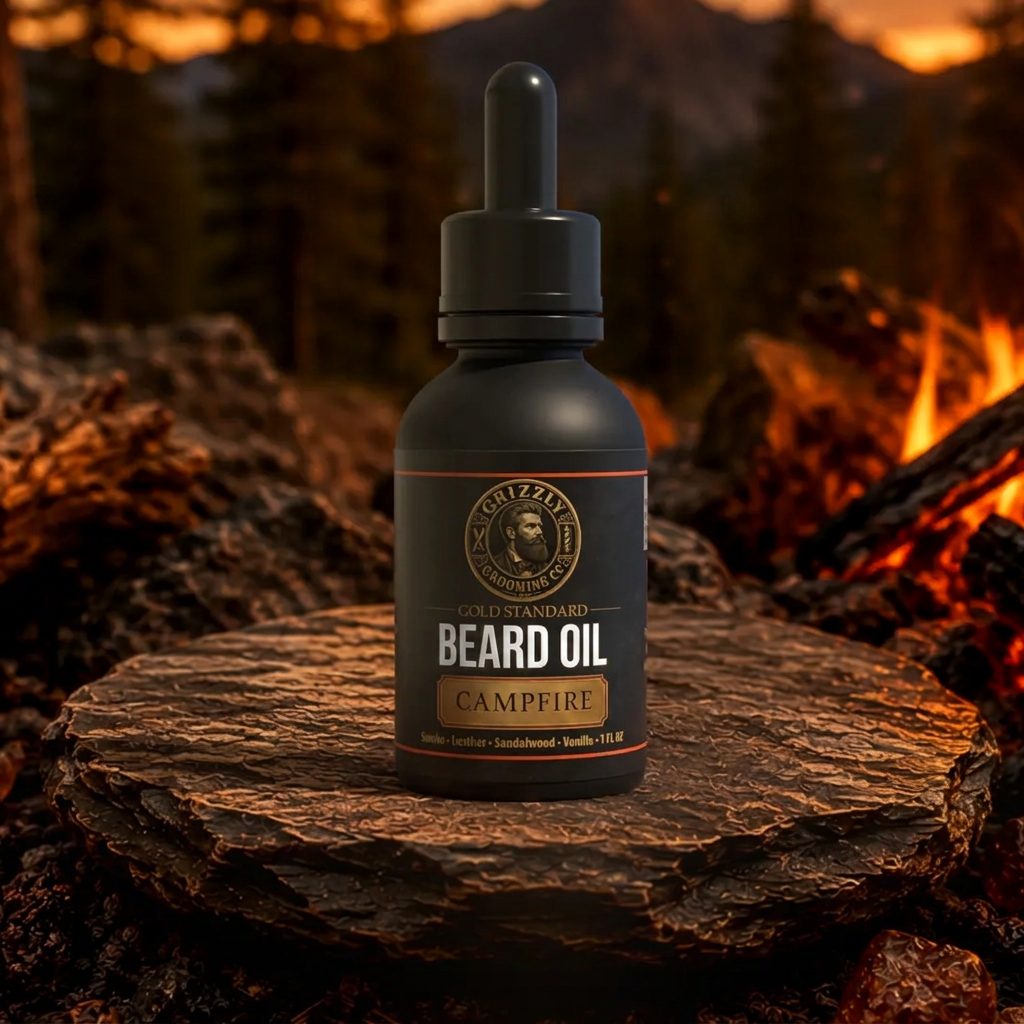
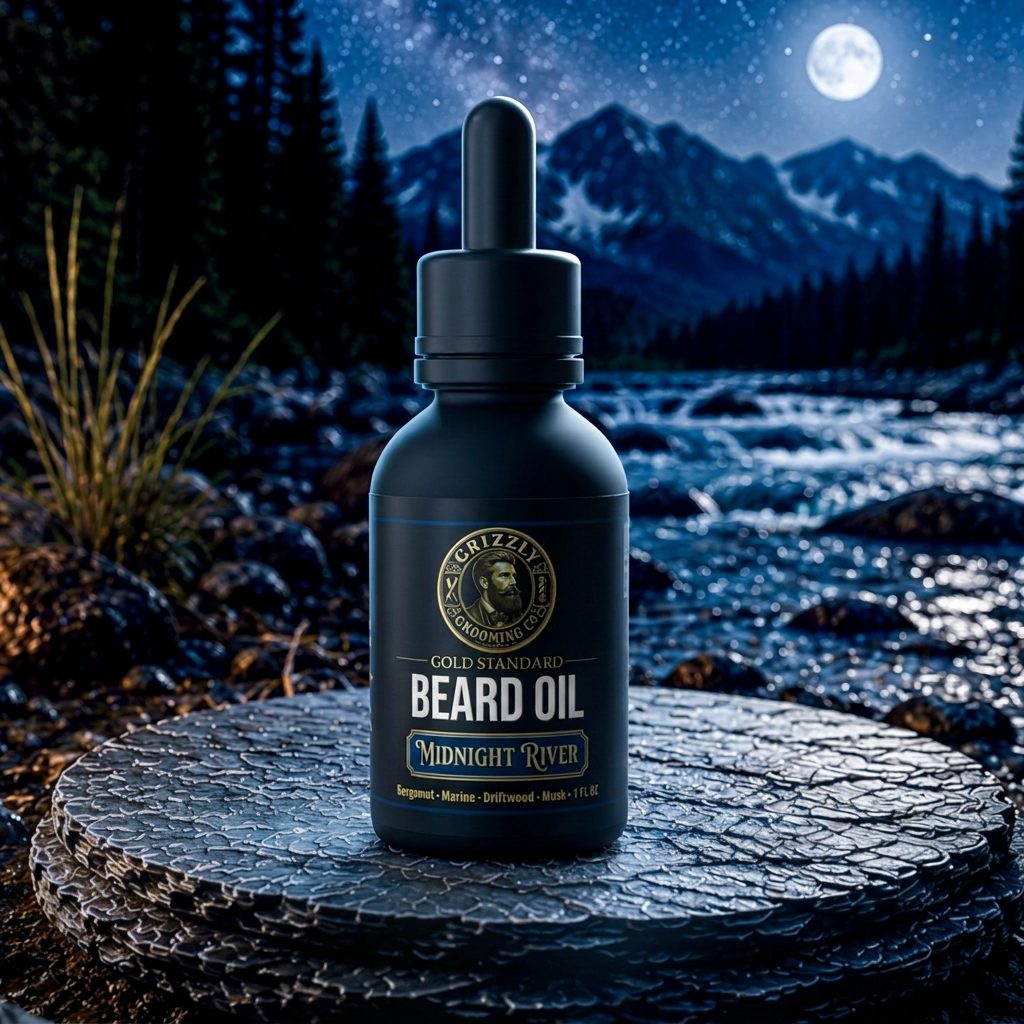
During the winter months, your skin's ability to absorb oils changes as the humidity drops. A product that worked in the summer may feel too heavy in the winter if it contains high concentrations of wax-like esters. Conversely, if your skin feels tight and dry two hours after application, your oil likely lacks the fatty acid profile needed to prevent trans-epidermal water loss. Grizzly Gold Standard Beard Oil is engineered to maintain this balance across varying seasonal conditions, ensuring the oil enters the follicle rather than evaporating or sitting on the surface.
The Dangers of Comedogenic Fillers and Folliculitis
Many men mistake beard-related breakouts for a natural consequence of facial hair. In reality, these are often the result of comedogenic ingredients—substances that physically block the pores. Common culprits found in low-quality grooming products include isopropyl myristate, laureth-4, and various petroleum derivatives. When these substances clog the hair follicle, they trap dead skin cells and sebum underneath, creating an anaerobic environment where bacteria thrive. This leads to folliculitis, a condition characterized by painful, red, or pus-filled bumps at the base of the hair.
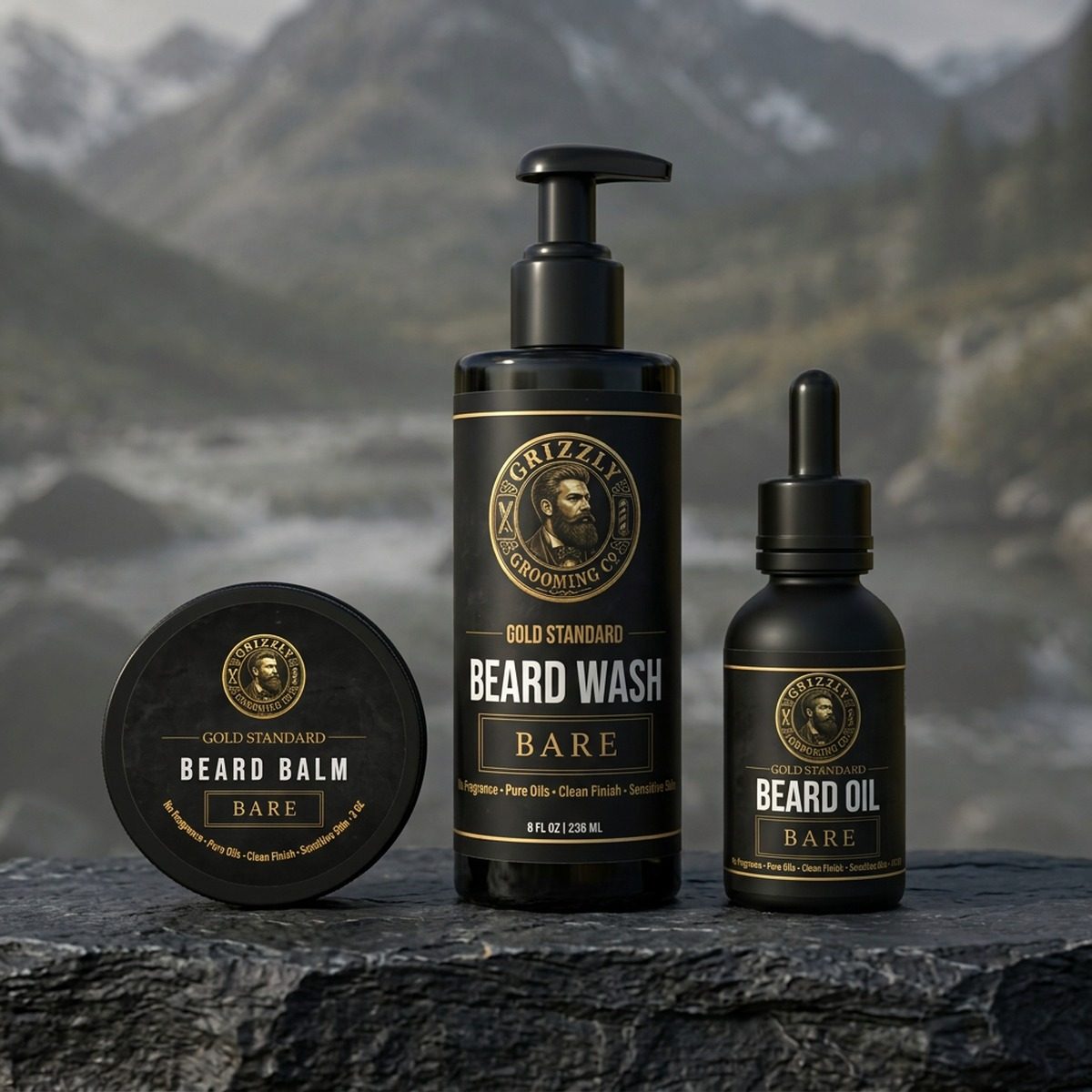
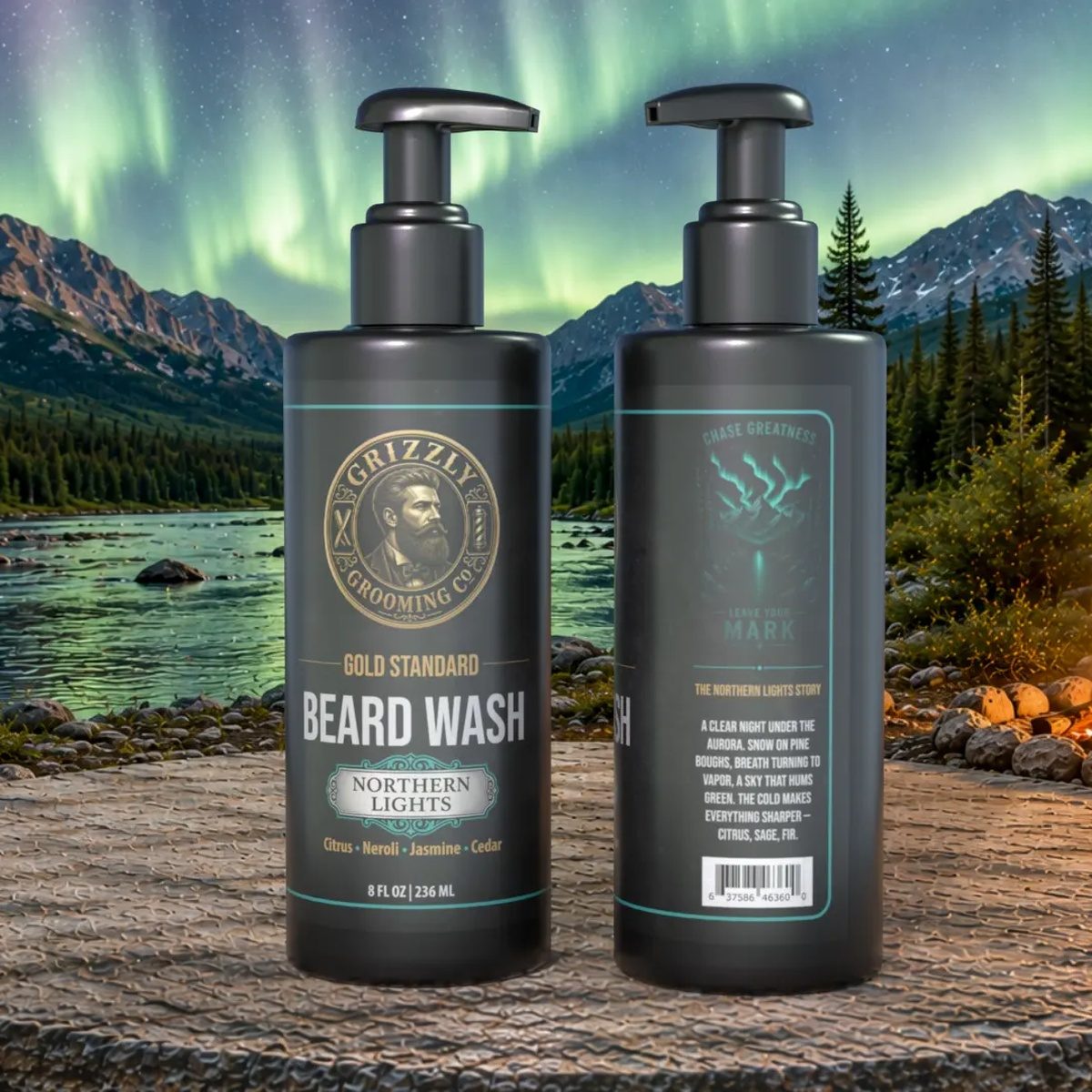
Correcting this requires an immediate cessation of the offending product and a thorough cleaning using a dedicated beard wash. Unlike standard facial cleansers or bar soaps, a professional beard wash is formulated to dissolve these specific synthetic oils without stripping the skin of its essential lipids. If you have oily or combination skin, you must be particularly vigilant; using a heavy oil on top of naturally high sebum production is a recipe for chronic skin congestion.
If you are experiencing localized swelling or 'underground' bumps that do not come to a head, your beard oil is likely the primary irritant. Switching to a non-comedogenic botanical blend will allow the skin to breathe. For those with longer beards, the risk of follicular blockage is higher because the weight of the hair can press the oil deeper into the pores. In these instances, utilizing a lighter beard oil in the morning and a more occlusive beard butter only on the ends of the hair at night can provide the necessary protection without the risk of acne.
Identifying Synthetic Fragrance Sensitivities
The term 'fragrance' or 'parfum' on a label is often a legal loophole that allows manufacturers to hide hundreds of proprietary chemicals, including phthalates and synthetic musks. These chemicals are common triggers for contact dermatitis. You may notice a subtle warmth, a tingling sensation, or localized redness immediately following application. While some attribute this to the oil 'working,' it is actually an inflammatory response. Over time, chronic inflammation can weaken the hair follicle, leading to thinning or patchy growth.
A sophisticated scent profile, such as those found in our cologne or beard care line, is derived from essential oils, resins, and absolutes. These natural aromatics do not just provide a scent; they often possess secondary benefits, such as antimicrobial or soothing properties. Synthetic scents, however, are static. If your beard oil smells exactly the same from the moment you apply it until eight hours later, it is likely a synthetic chemical compound designed for longevity at the expense of skin health.
To troubleshoot a potential allergy, perform a patch test on the inside of your elbow. Apply a small amount and wait 24 hours. If any redness or itching occurs, the fragrance load or the specific chemicals used are incompatible with your biology. Men with sensitive skin should seek out products with transparent ingredient lists and avoid any product that uses artificial dyes or colorants, which serve no functional purpose and only increase the risk of irritation.
The Science of Beardruff and Scaly Skin
Beardruff, or seborrheic dermatitis of the beard area, is frequently exacerbated by poor-quality oils. Many budget oils use high concentrations of oleic acid-rich oils, such as low-grade olive oil. Research suggests that Malassezia—a yeast-like fungus that lives on the skin—feeds on these specific fatty acids. When the fungus overpopulates, it causes the skin to shed cells too rapidly, resulting in the white flakes often found on the chest and shoulders of bearded men.
If your current oil is leaving your skin flaky despite regular application, it is failing to regulate the skin's microbiome. A proper beard care routine involves using a goat soap bar or specialized wash to remove excess fungus and debris, followed by an oil rich in linoleic acid, which helps strengthen the skin barrier. Jojoba oil is particularly effective here because it mimics sebum so closely that it can trick the skin into producing less oil if it is over-productive, or supplement it if it is under-productive.
Application technique also plays a role in preventing flakes. The oil must be worked past the hair and directly into the skin. Using a high-quality comb or brush after applying Gold Standard Beard Oil ensures even distribution and helps exfoliate dead skin cells before they can clump and flake. If flakes persist, the oil may contain drying alcohols used as preservatives, which actively dehydrate the dermis regardless of the carrier oils present.
Silicone Buildup and Hair Shaft Dehydration
Silicones like dimethicone and cyclomethicone are frequently added to beard oils to provide an artificial 'slip' and immediate shine. While the beard may feel soft for the first few hours, these chemicals form a waterproof seal around the hair shaft. This seal prevents actual moisture—water and nutrients—from entering the hair. Over weeks of use, the hair becomes progressively more brittle and prone to split ends, despite appearing shiny on the surface.
You can identify silicone buildup if your beard feels 'crunchy' or stiff even after applying oil, or if you notice that water beads off the hair rather than soaking in during your shower. Removing this buildup requires a clarifying beard wash. Once the hair is stripped of these synthetics, it will likely feel very dry, revealing the actual damage the silicones were masking. This is the critical point where you must transition to a botanical oil that can actually penetrate the hair cuticle.
For men with beards longer than three inches, the ends of the hair are several months or even years old. They are the most susceptible to this type of dehydration. Using a beard balm or beard butter in conjunction with a silicone-free oil provides the structural support and deep conditioning these older hair fibers require. Avoid any product that lists ingredients ending in '-cone' or '-xane' high on the list, as these are indicators of a formula designed for temporary aesthetics rather than long-term health.
Common Mistakes in Oil Application and Timing
The most frequent mistake in beard care is applying oil to a bone-dry beard. When the hair and skin are completely dry, the oil cannot spread as effectively, and the hair cuticle is closed, limiting absorption. The optimal time to apply beard oil is immediately after a shower, once you have towel-dried your beard to a damp state. The warmth from the water opens the pores and the hair cuticle, while the slight moisture on the skin helps the oil spread evenly.
Another error is over-application. Using half a dropper for a one-inch beard is excessive and will lead to skin irritation and a greasy appearance. A general guideline is 2-3 drops for a stubble beard, 4-6 drops for a medium beard (1-3 inches), and 6-10 drops for a long beard. If you find you need more than this to achieve a soft feel, your oil is likely low quality and lacks the concentration of active nutrients found in professional blends.
Temperature also matters. In colder climates, store your oil in a room-temperature environment. If the oil becomes too cold, its viscosity increases, making it harder for the skin to absorb. Conversely, leaving oil in direct sunlight can cause the botanical ingredients to oxidize, turning the oil rancid. Rancid oil has a distinct, vinegary, or 'off' smell and will cause significant skin irritation and inflammation if applied.
Differentiating Between Beard Oil, Balm, and Butter
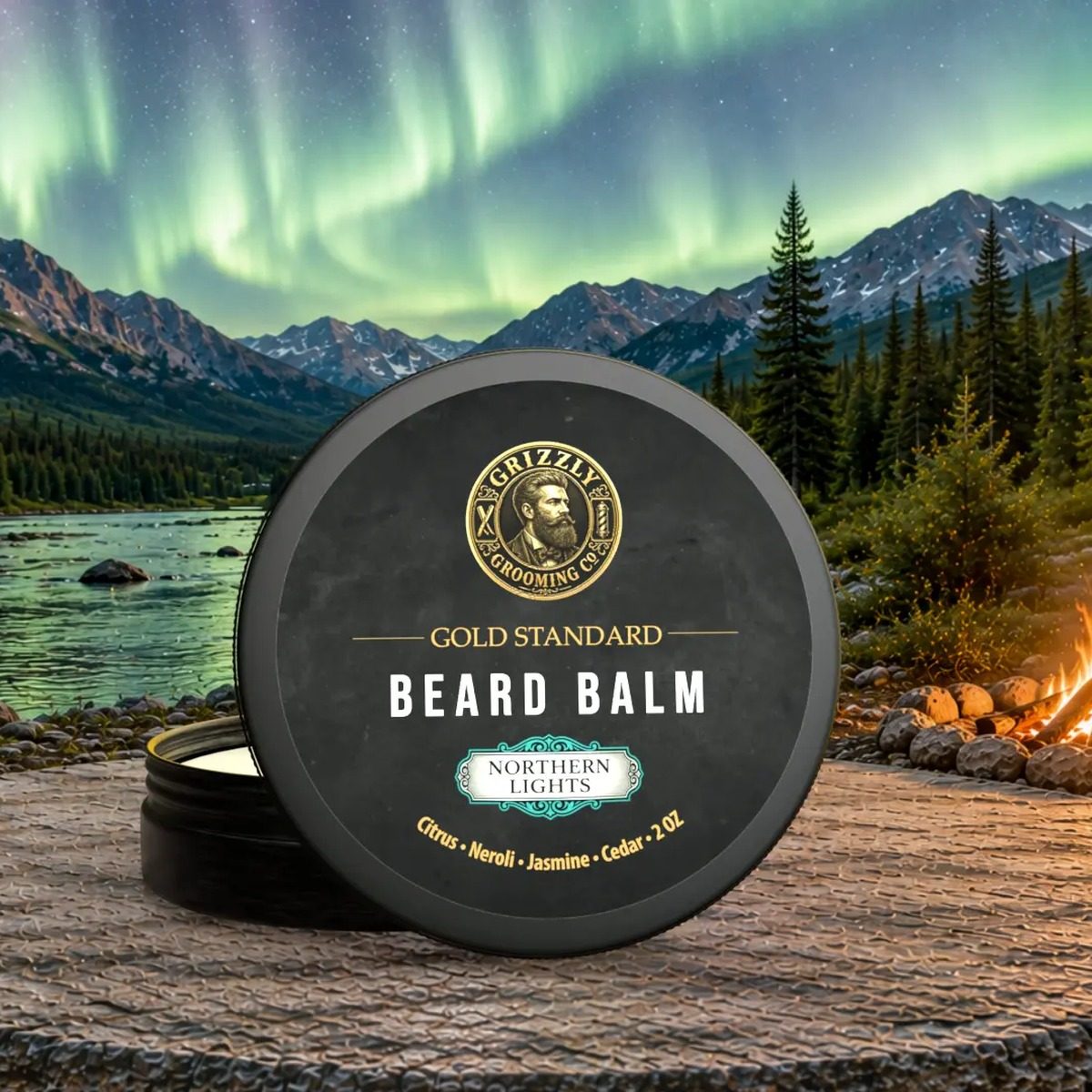
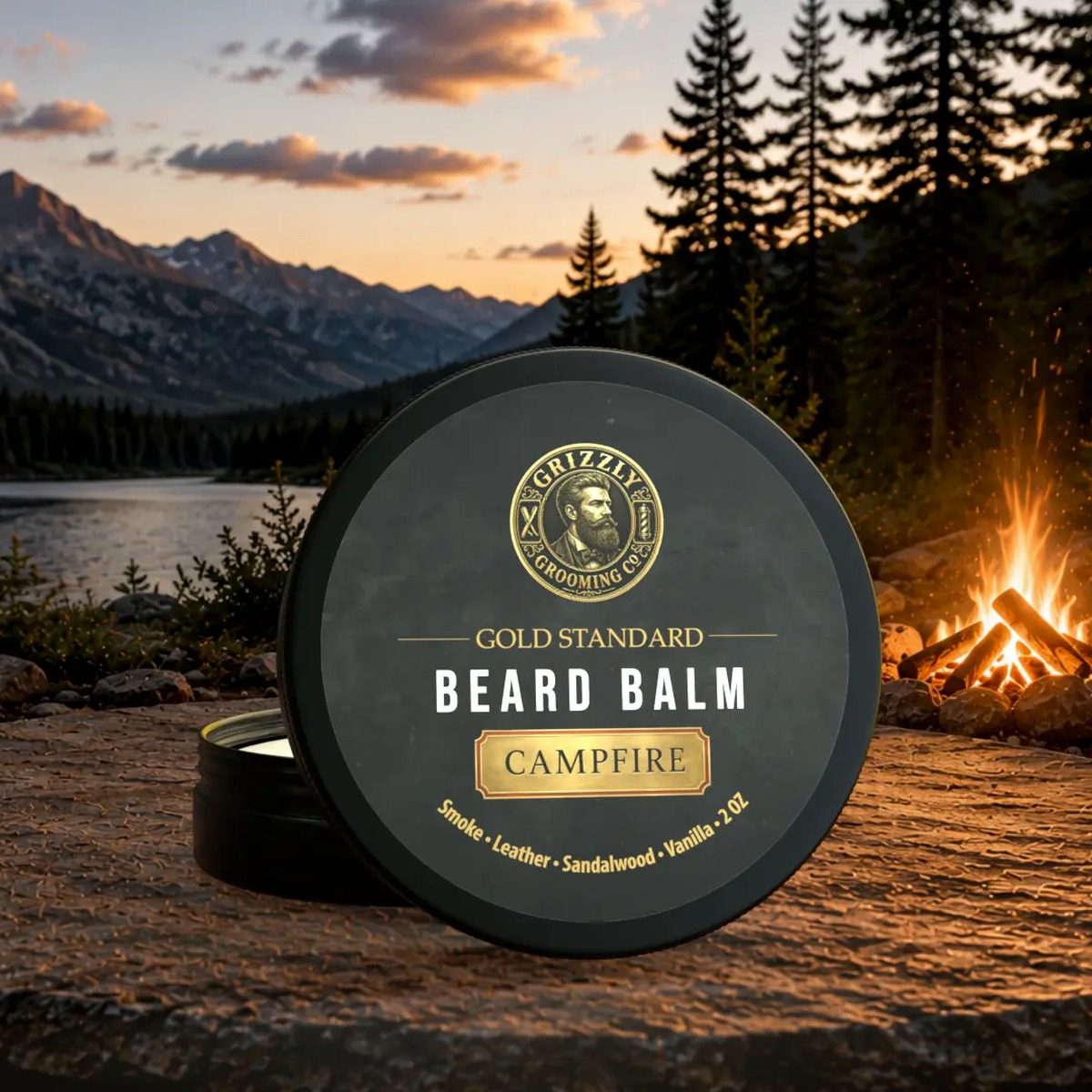
Understanding when to use which product is crucial for maintaining skin health. Beard oil is primarily for the skin and the roots of the hair; it is the most essential product for preventing itch and flakes. Beard balm, which contains beeswax or shea butter, is designed for styling and providing a light hold. If you are using a balm as your primary skin moisturizer, you are likely clogging your pores, as the waxes in balm are meant to stay on the hair, not the skin.
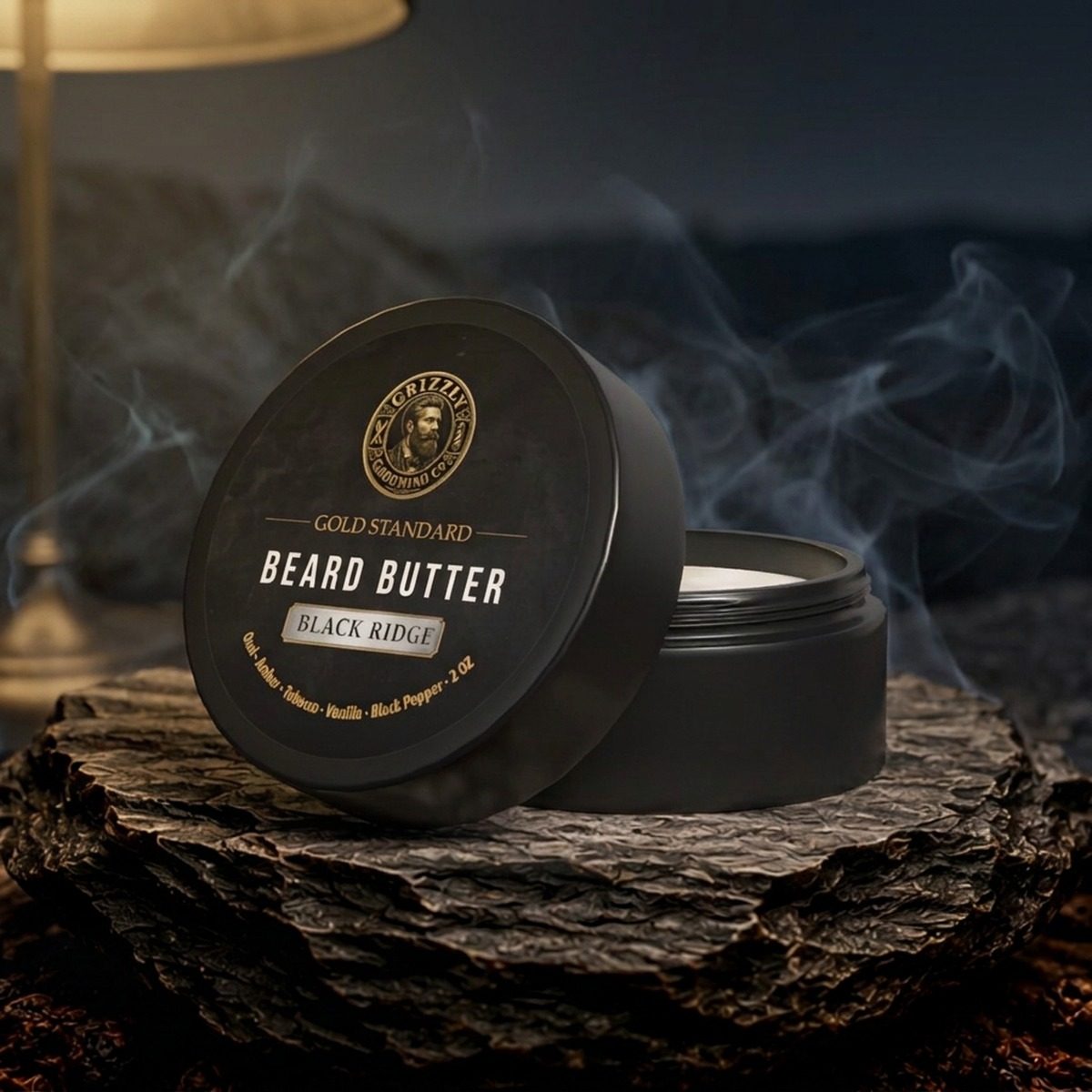
Beard butter is a middle-ground product, typically containing high amounts of shea or cocoa butter with little to no wax. It is an excellent deep conditioner for the hair itself. A common mistake is using mustache wax on the entire beard; the high wax content in products meant for the upper lip will suffocate the skin and cause hair breakage if applied to the fuller parts of the beard.
For a complete routine, apply beard oil first, ensuring it reaches the skin. Follow up with beard balm if you need to shape your beard for your specific face shape or to tame flyaways. At night, after washing with a dedicated beard wash, applying a small amount of beard butter can provide overnight recovery. This layered approach ensures that the skin receives the light oils it needs, while the hair fibers receive the heavier conditioning they require.
Restoring Skin Health After Product Damage
If you have identified that your current oil is causing damage, the first step is a 'grooming detox.' Stop using all oils, balms, and waxes for 48 hours. During this time, wash your beard once a day with a mild, botanical beard wash or a goat soap bar to remove all synthetic residues and calm the skin. Do not use standard hair shampoo, as the harsh sulfates will further irritate the already damaged dermis.
During this recovery phase, pay attention to your neckline and cheeks. If the redness begins to subside, it confirms the product was the irritant. Once the skin has stabilized, introduce a high-quality, botanical-based oil like Gold Standard. Start with a smaller amount than usual—roughly half your normal dose—to ensure your skin accepts the new formula. You should notice an immediate difference in how the oil feels: it should be light, non-greasy, and soothing.
Long-term recovery also involves internal factors. Ensure you are hydrated and getting adequate vitamins like Biotin and Vitamin E, which support skin and hair health from the inside out. If you have significant skin damage, such as bleeding or crusting, consult a dermatologist, as you may have developed a secondary bacterial infection that requires medical treatment. However, for most men, simply switching to professional-grade products will resolve these issues within one to two weeks.
Frequently Asked Questions
Why does my beard feel itchier after I apply oil?
This usually indicates a reaction to synthetic fragrances or the presence of drying alcohols in the formula. Alternatively, if the oil is too heavy, it may be trapping heat and sweat against the skin, causing a prickly heat sensation.
How can I tell if my beard oil has gone bad?
Rancid oil will have a sharp, sour, or metallic scent that differs from its original aroma. Using oxidized oil can cause skin rashes and should be discarded immediately to avoid damaging the hair follicles.
Is it normal for beard oil to cause pimples?
No, it is not normal. Acne under the beard is a sign of comedogenic ingredients like mineral oil or excessive application. A high-quality, jojoba-based oil should actually help regulate skin oil and prevent breakouts.
Can I use regular hair conditioner on my beard instead of oil?
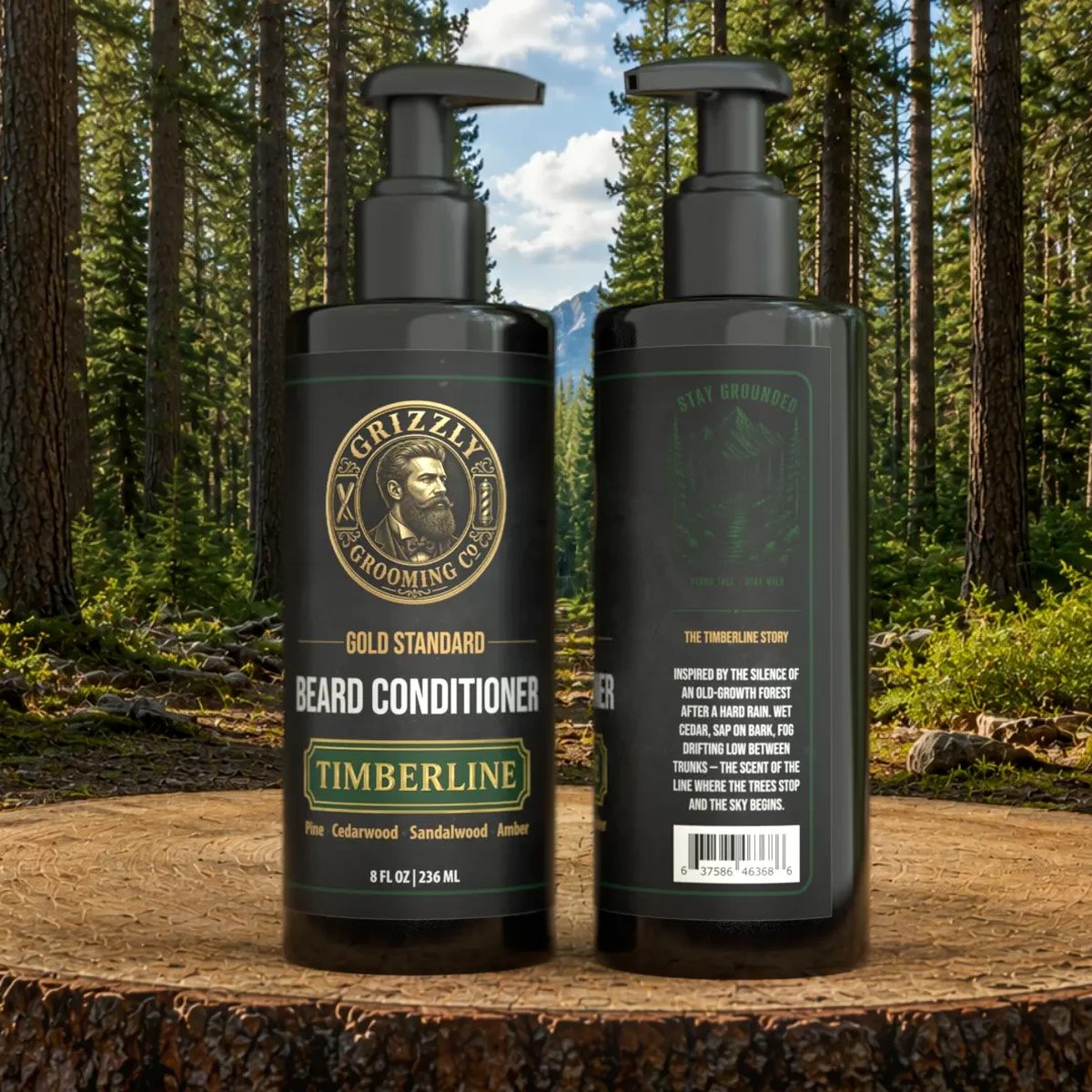
Regular hair conditioners are designed for the scalp, which is less sensitive than facial skin, and often contain silicones that cause buildup. Use a dedicated beard conditioner or beard butter for better results without skin irritation.
How many times a day should I apply beard oil?
Once a day after your morning shower is typically sufficient. However, if you live in a very dry climate or have an exceptionally long beard, a second light application in the evening can help maintain moisture levels.
Does the scent of the oil affect its performance?
The scent itself does not improve performance, but how that scent is achieved matters. Essential oils provide therapeutic benefits, while synthetic fragrances are common irritants that can lead to skin damage over time.
Should I apply oil to my mustache as well?
Yes, but use it sparingly to avoid getting oil in your mouth. For styling the mustache, a dedicated mustache wax is more effective, but oil is still necessary to keep the skin underneath healthy.
What is the difference between beard oil and premium deodorant in terms of skin care?
While both are grooming products, they serve different purposes. Premium deodorant is formulated for the underarm microbiome, whereas beard oil is specifically balanced for the pH and sensitivity of the facial skin.
Build your ritual in 60 seconds.
Answer four questions and get a custom regimen built around your beard and routine.
Start The Ritual Builder