Beard Balm vs. Beard Butter: Which One Is Right For You?
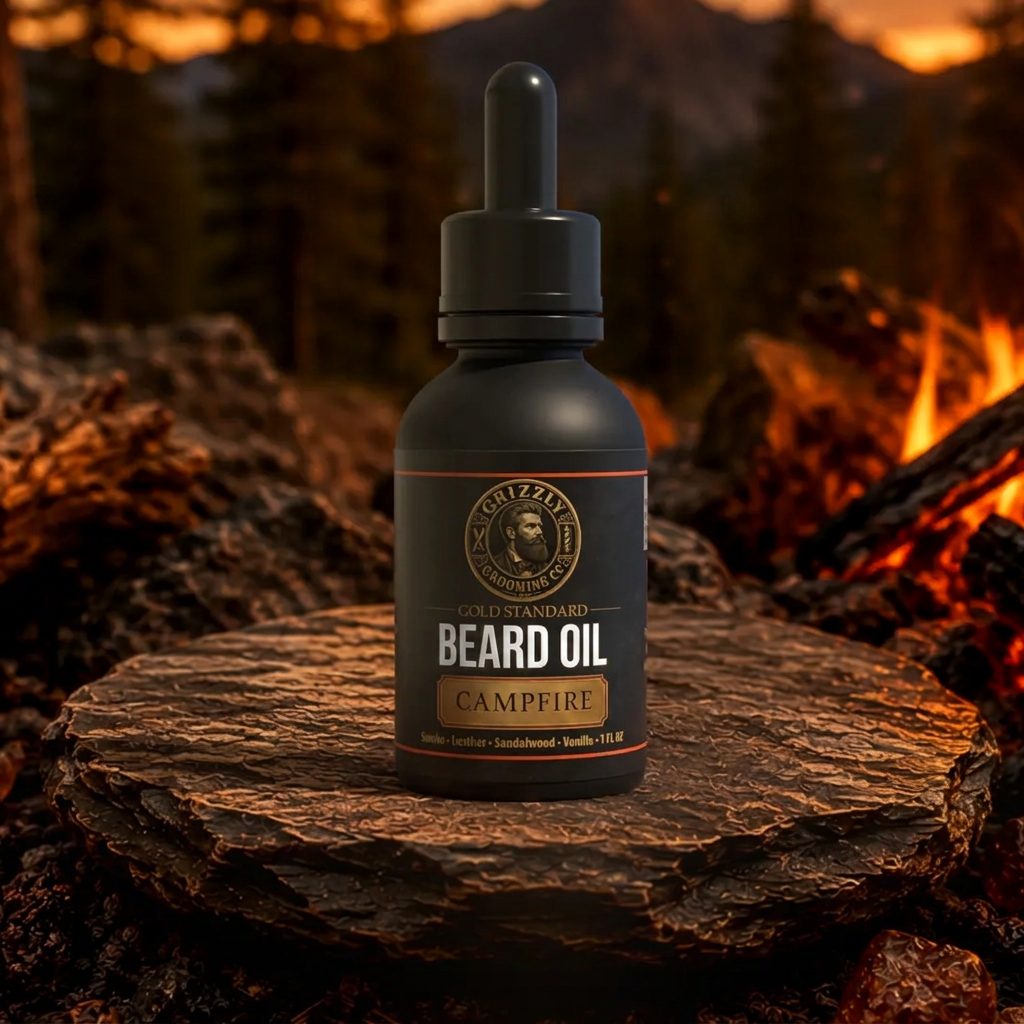
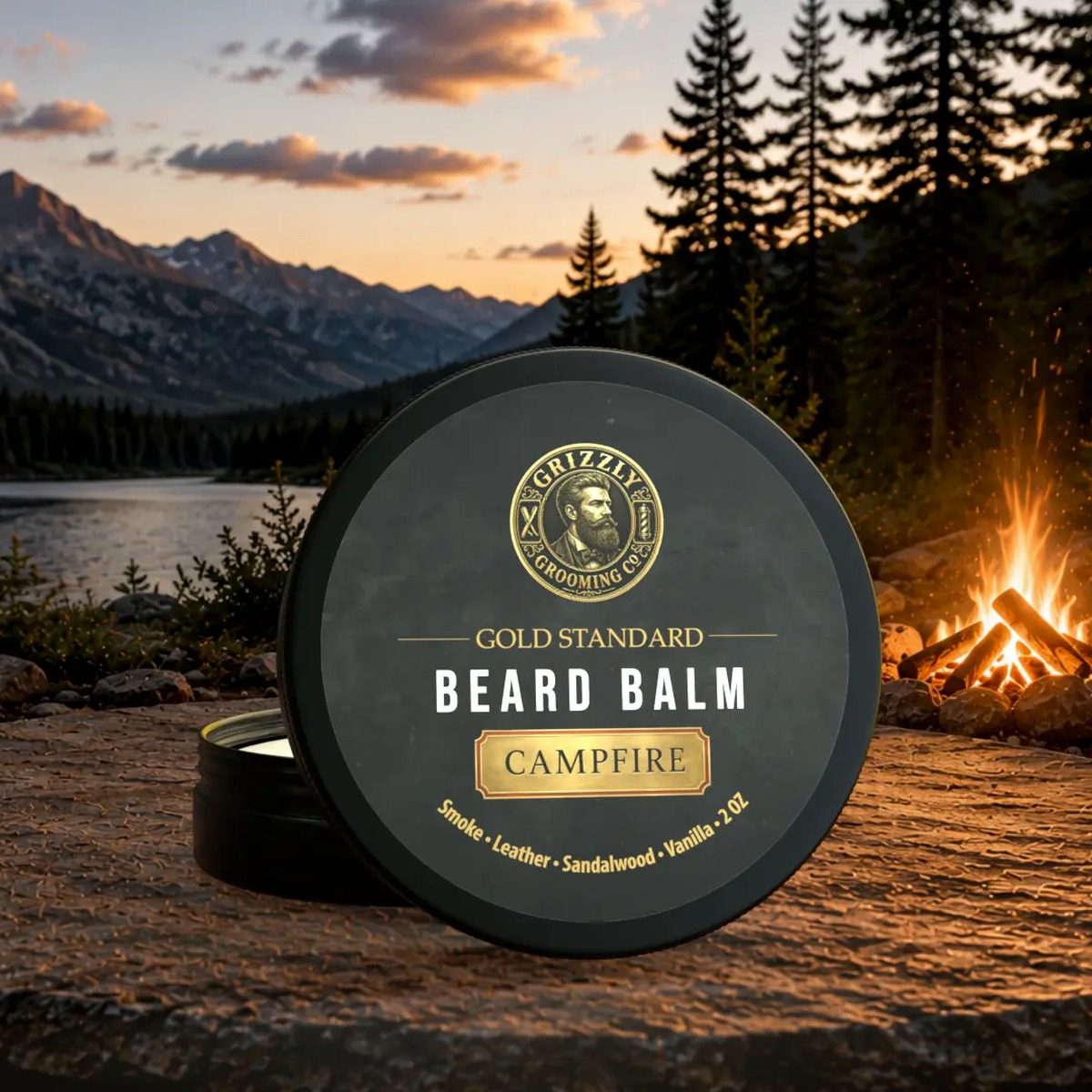
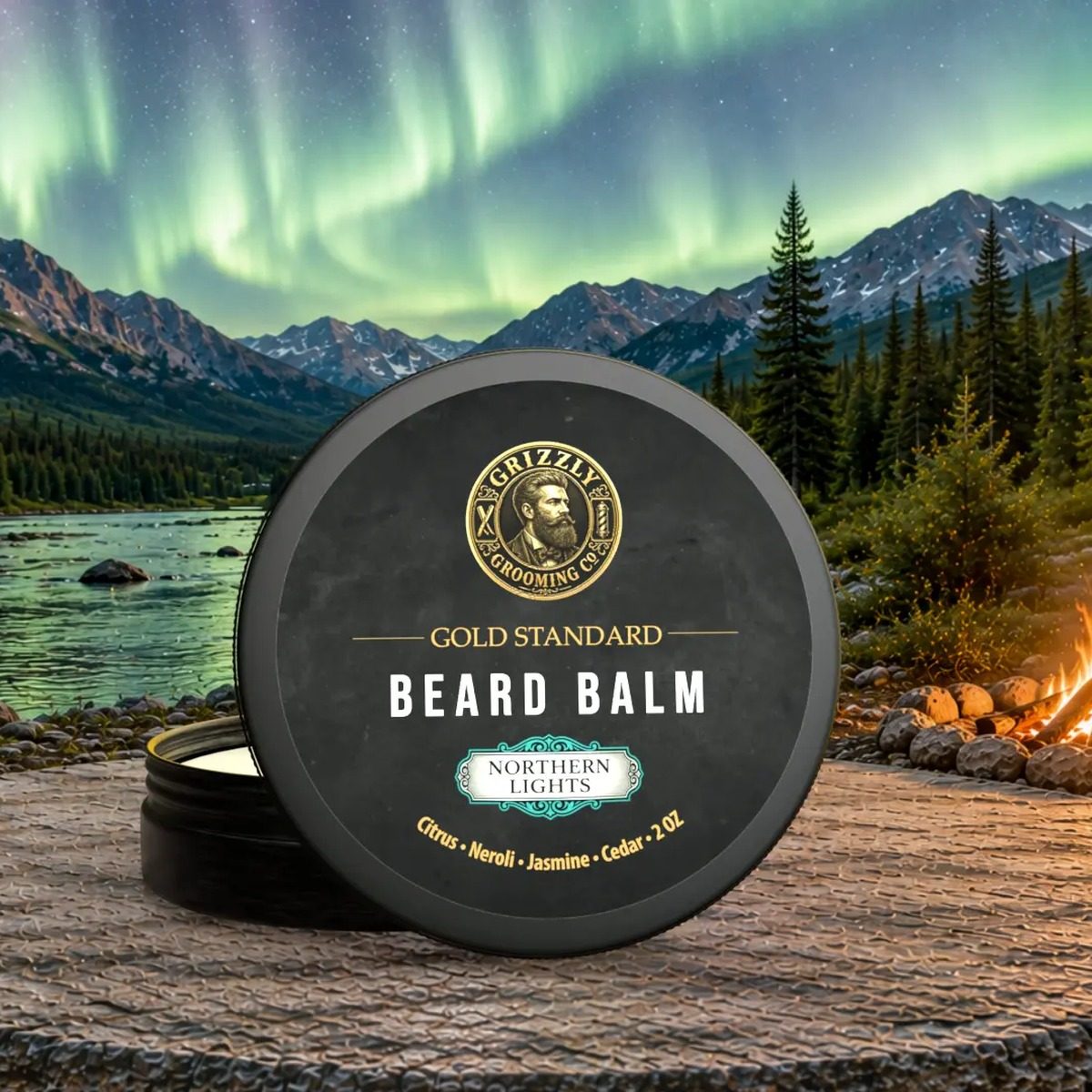
Beard balm and beard butter look almost identical in the container and get used interchangeably by most men — which is why most men are not getting what they expect out of either. They share a similar tactile profile, they both provide more viscosity than beard oil, and they both aim to condition. But their internal chemistry — specifically the ratio of beeswax to butters — makes them behave completely differently on the beard. Choosing between them is not a matter of quality; it is a matter of intent. Our reference product for this guide is Gold Standard Beard Balm in Campfire, a warm smoky-vanilla formulation that shows exactly what a proper balm should do.
Hold, shine, softness, and coarseness — how to pick the right finisher for your beard.
- ›Balm has beeswax. It gives light-to-medium hold and lays the beard flat.
- ›Butter has almost no wax. It is pure deep conditioning with zero hold.
- ›Use balm to shape and control. Use butter to soften and hydrate.
- ›You can layer them: oil first, butter second, balm on top for the day.
- ›Neither replaces beard oil. Both work best applied over oil, not instead of it.
The Formulation Difference in One Paragraph
Beard balm is roughly 20–30% beeswax, 40–50% butters (shea, cocoa), and the remainder carrier oils. The wax is what makes it a balm — it sets on the beard, gives light hold, and controls flyaways.
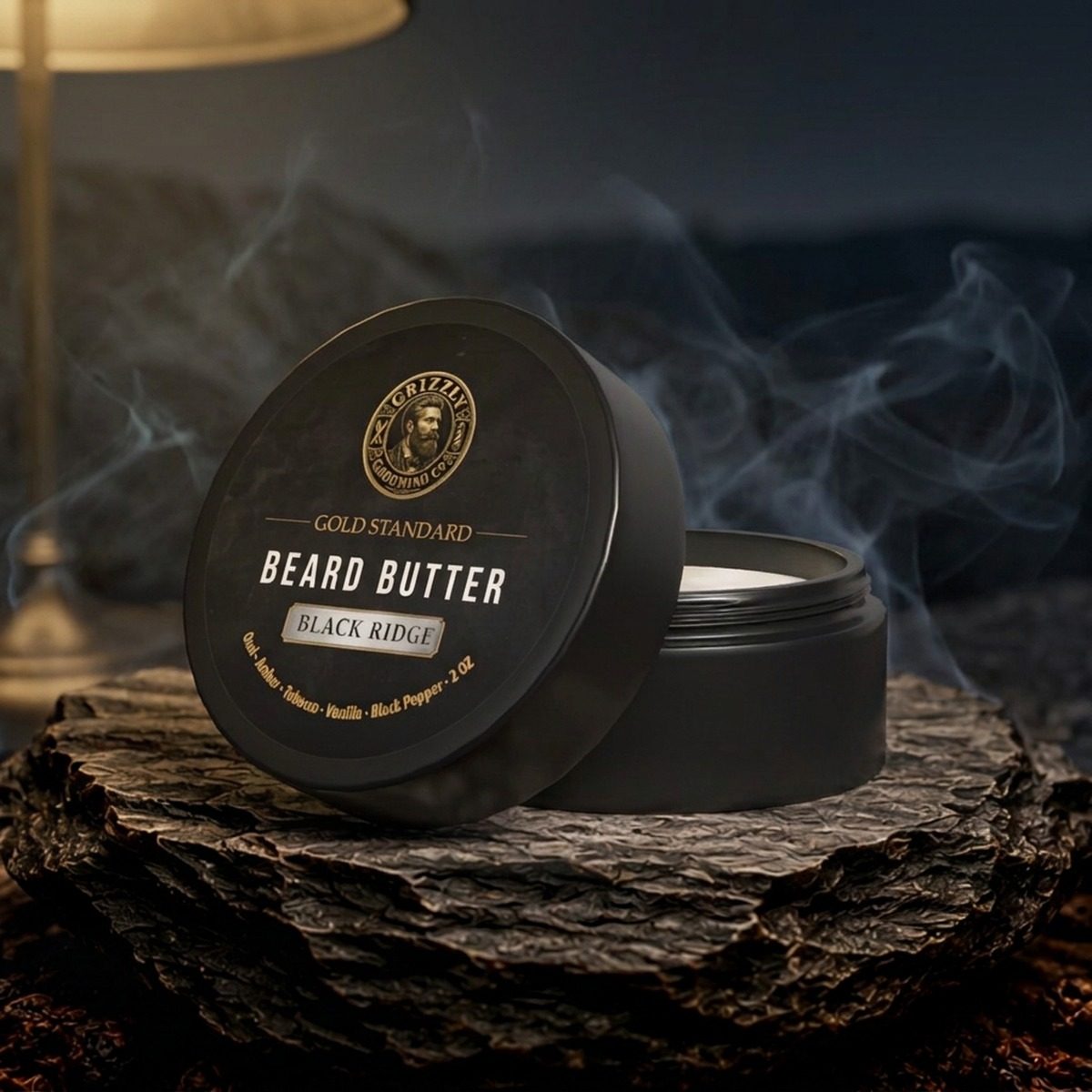
Beard butter is roughly 60–70% whipped butters, 25–30% carrier oils, and only a token amount of wax (sometimes none at all). It is a deep-conditioning product that melts on contact and leaves zero structure behind. If you rub a butter between your palms and it feels almost like a body lotion, that is correct — that is what a butter is supposed to do.
When to Use Beard Balm
Reach for balm when the beard needs shape control. Wild flyaways, hairs that curl away from the face by lunchtime, a beard that looks great in the mirror at 8am and disheveled by 10am — those are balm problems. The beeswax gives the hair enough structure to hold the direction you brushed it in.
Balm is also the right choice for men with medium-to-full beards who work in wind, ride motorcycles, or spend hours outdoors. It creates a mild barrier that keeps the hair aligned even in weather. Campfire is our most-recommended balm scent for exactly this use case — the smoky notes lean rugged, which fits the outdoor-in-weather use case perfectly.
When to Use Beard Butter
Reach for butter when the problem is dryness, not shape. Ends that feel like straw, a beard that never feels soft no matter how much oil you use, mid-length beards in winter — those are butter problems. The high concentration of shea and cocoa penetrates the cortex of the hair and stays there, hydrating from within for the whole day.
Butter is also the right choice at night. A generous scoop worked into the beard before bed, no brush-out, and you wake up with hair that has drunk in moisture for eight hours. This one habit alone can double the softness of a long beard within two weeks.
How to Layer Them (The Full Stack)
For a medium-to-long beard on a full-effort day: shower and towel-dry until damp, apply beard oil first and work it into the skin, then a fingertip of butter through the length only (avoid the base — you do not need conditioner on the skin), brush through, then a matchhead of balm on the parts of the beard that want to escape.
Order matters. Oil first because water plus oil is what conditions the hair. Butter second because it seals the moisture in. Balm last because wax on top of butter still holds; butter on top of wax slips off. Never skip the oil step and jump straight to balm — you will get wax flakes and dry hair underneath.
How Much of Each to Use
Balm: a matchhead-sized amount for a medium beard, a pea-sized amount for a full beard. If your palms feel waxy after warming it up, you used too much. The correct amount melts into the hair and disappears.
Butter: a fingertip scoop for a medium beard, a full tablespoon for a long beard. Butter is far more forgiving than balm — you can always add another scoop, and there is no such thing as a butter overdose the way there is with wax.
Common Mistakes
Using balm on a short beard for shape. There is nothing to shape yet. Use oil.
Using butter as a replacement for oil. Butter is a sealer, not a conditioner. Oil first, always.
Warming balm with a lighter. Overheating beeswax alters its structure and reduces hold. Palm-heat only.
Storing either in a hot car. Beeswax melts at around 62°C; butters go rancid faster in heat. Cool cabinet, always.
The Short Answer If You Only Want One
Under three inches of beard length, buy the balm. You will get shape control and enough conditioning for that length. Over three inches, buy the butter — the shape control matters less than the conditioning at that length. Between three and five inches, honestly, you want both. That is not a sales pitch; it is what the chemistry demands.
Application Temperature and the Warm-Palm Method
Both products are solid at room temperature and both fail when applied cold. Scrape a fingernail-sized amount, press it between your palms, and hold for ten to fifteen seconds until it turns glossy and fully liquid. Applying before it melts leaves clumps at the surface and nothing at the roots.
Butter melts faster and at a lower temperature than balm because it has little or no wax. In cold rooms, warm the tin in a pocket for a minute first. Emulsify fully, then apply back-to-front: palms against the cheeks, then down the length, then comb through.
Balm, Butter, and Beard Length
Under an inch, neither is necessary — oil alone does the job and anything heavier just sits on the surface. From one to three inches, balm earns its place because the beard finally has a shape worth holding. Past three inches, butter becomes the more valuable product because the ends are far from the sebaceous glands feeding them.
Past six inches, most men use both: butter as the conditioning layer two or three times a week, balm on days that need the outline held.
How Long a Tin Lasts
A 2 oz tin at a fingertip scoop per day lasts roughly three to four months on a medium beard, or about two on a long one. Butter used as a twice-weekly treatment lasts far longer — six months or more from the same size tin.
Both are shelf-stable for one to two years unopened if kept out of heat and light. A tin that smells sour or has developed grainy texture from repeated melting and re-solidifying has degraded; the grain is cosmetic, the smell is not.
Climate and Season Change Which One You Need
Cold, dry winter air pulls moisture out of beard hair fast, and that is when butter earns its keep — the higher butter content replaces lipids the cold strips away, and daily use through the coldest months keeps hair from turning brittle. Balm in winter can actually work against you if you use it as a substitute for conditioning, because the beeswax seals the surface without meaningfully hydrating what is underneath.
Summer heat and humidity flip the priority. A heavy butter in July can feel greasy and trap sweat against the skin, while a light balm gives just enough hold to keep humidity-frizzed hair under control without adding heaviness. Adjust the ratio seasonally rather than sticking with one product year-round.
How to Tell If You Bought the Wrong One
If your beard looks glossy and stiff by midday and flyaways are gone but the hair feels dry underneath the surface shine, you bought balm when you needed butter — the wax is doing its job on the surface while the actual hydration problem goes untreated. If your beard looks soft and healthy in the morning but by afternoon it has lost all shape and is going in every direction, you bought butter when you needed balm.
A simple test: rub a small amount between your fingers. If it firms up as it cools and leaves a slight tack, that is balm's wax content. If it stays soft and disappears into your skin like a lotion, that is butter. Match that texture to the problem you are actually trying to solve before buying either.
Beard Length Changes the Math
On stubble and short beards under an inch, balm's hold is mostly wasted — there is not enough length for wax to meaningfully train direction, so a light butter for softness is usually the better single product if you only want to carry one. On beards past three inches, balm becomes far more valuable because longer hair has more surface area exposed to wind and movement, and the hold prevents the frizzed, windblown look that plagues long beards without any structure.
Full beards past six inches often need both, applied in sequence: butter worked through first for deep conditioning at the ends where hair is oldest and driest, balm afterward at the base and mid-length for shape. Treat the two as complementary tools rather than a choice you make once and never revisit.
Frequently Asked Questions
Can I use balm and butter on the same day?
Yes — that is the full stack. Oil first, butter through the length, balm on the flyaway zones.
Does beard balm give strong hold like a moustache wax?
No. Balm is a light-to-medium hold product. For a handlebar moustache tip you want a dedicated moustache wax with 40%+ beeswax.
How often should I use beard butter?
Nightly for a long beard in winter. Every other day for a medium beard year-round.
Will balm make my beard look greasy?
Only if you overdose. A matchhead is enough for most beards. Warm it thoroughly between the palms before applying.
Do I still need oil if I'm using butter?
Yes. Butter seals; oil conditions. They are complementary, not interchangeable.
Which scent should I pick?
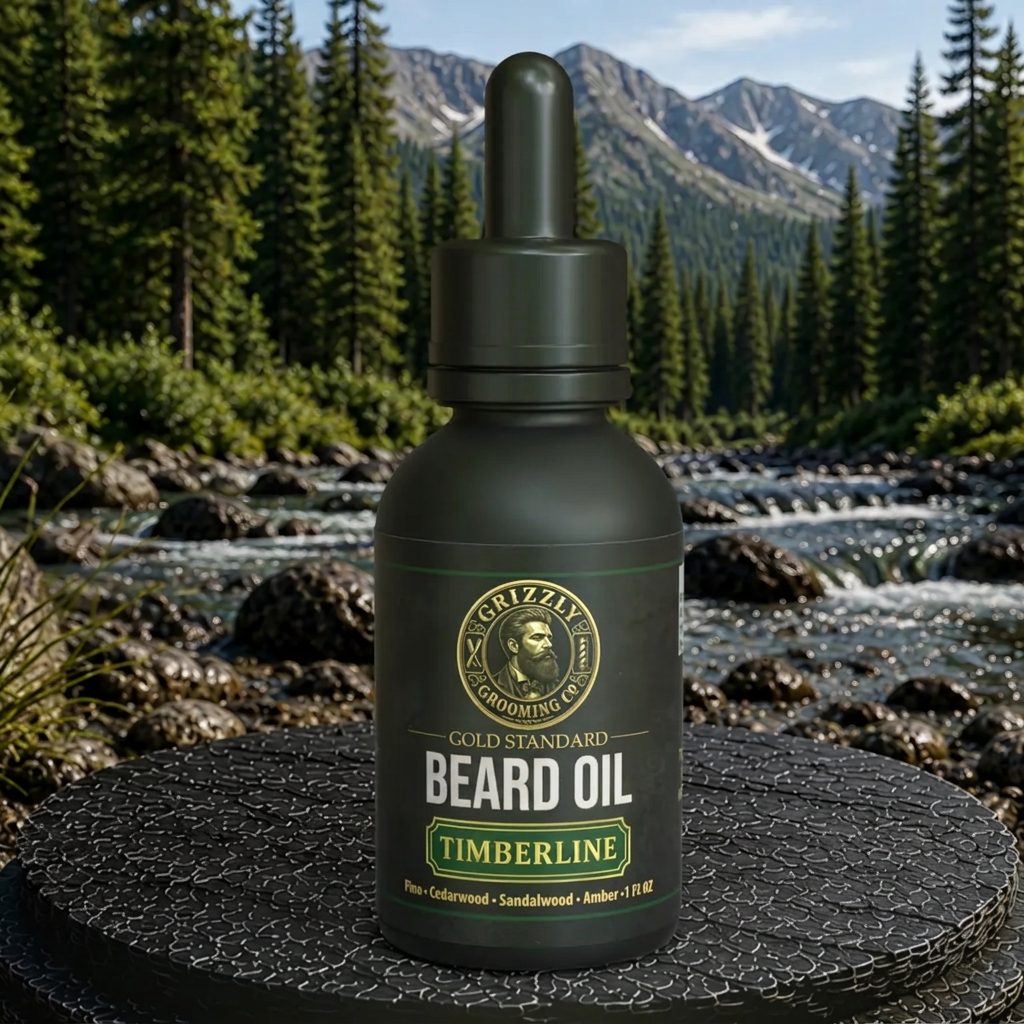
Campfire (smoky vanilla) is our top balm seller for cold months. Timberline (fresh pine and cedar) is the year-round pick if you want something quieter.
Do I need both beard balm and beard butter?
Not at most lengths. Under three inches, balm plus daily oil is enough. Past three inches, butter becomes worth adding as a twice-weekly conditioning treatment.
Why does my beard balm come out in clumps?
It was not fully melted. Warm the product between your palms for ten to fifteen seconds until it turns glossy and liquid before applying.
How long does a tin of beard butter last?
Used as a twice-weekly treatment, a 2 oz tin typically lasts six months or more. Used daily on a long beard, closer to two.
Will using butter every day eventually make my beard greasy?
Not if you dose correctly for your beard length. Butter is rich but it is still meant to absorb into the hair shaft, not sit on top of it. Overuse — more than a dime-sized amount for a medium beard — is what causes the greasy look. Start small and add more only if the ends still feel dry after a few minutes.
Can I use beard balm on my mustache the same way I use it on the beard?
Yes, and it is often a better mustache product than butter because the hold keeps stray mustache hairs from falling into your mouth or drifting off to one side. Use a much smaller amount than you would on the beard proper, since mustache hair is coarser and shorter and needs less product to hold its shape.
Is it a waste of money to own both balm and butter?
No — they solve different problems and most men with a beard past a couple of inches eventually want both. If budget is the concern, start with whichever problem is more pressing right now, hydration or hold, and add the second product once you have a feel for how your specific beard responds to the first.
Build your ritual in 60 seconds.
Answer four questions and get a custom regimen built around your beard and routine.
Start The Ritual Builder