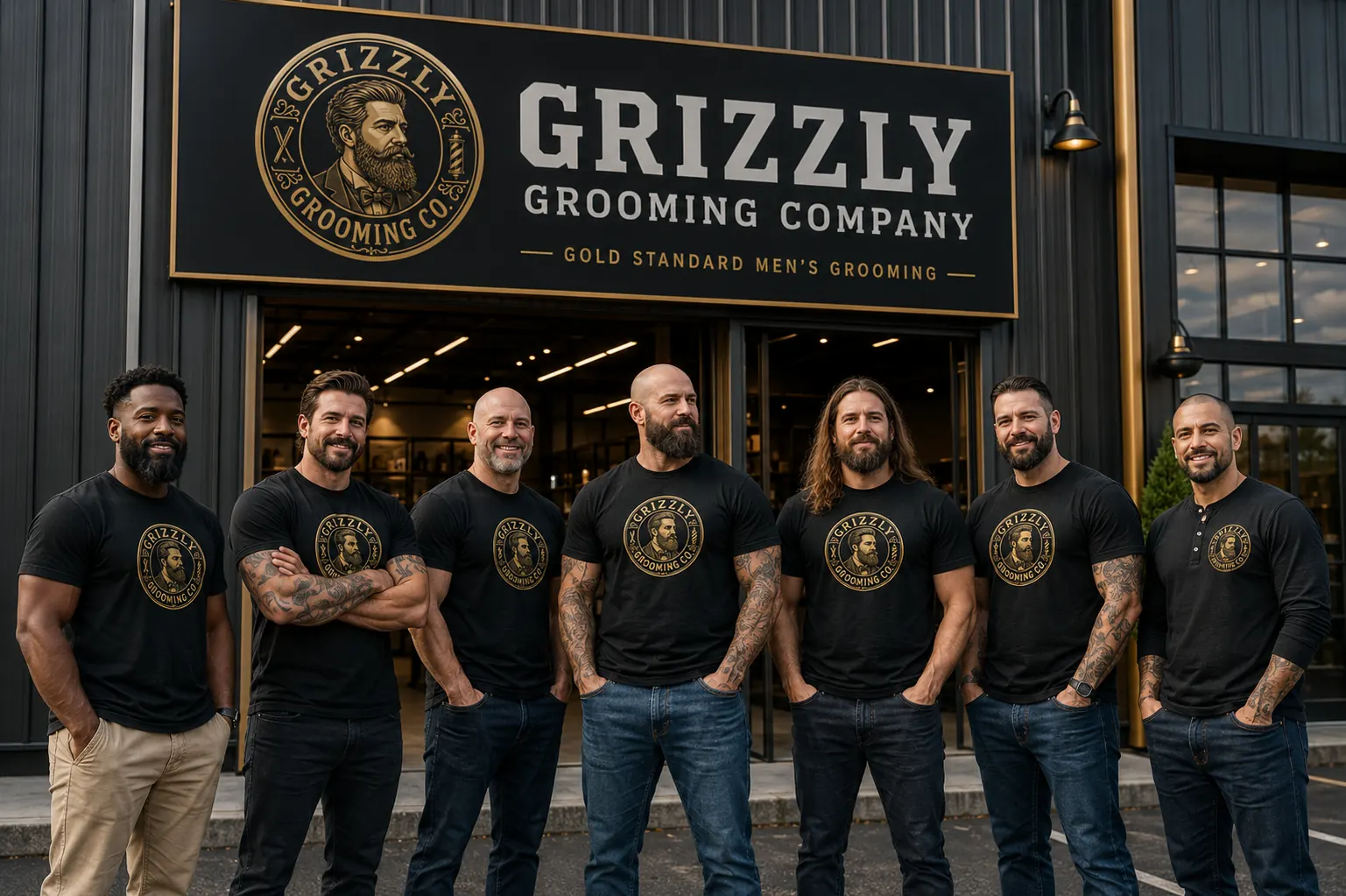

How to Trim Your Own Beard at Home Like a Barber
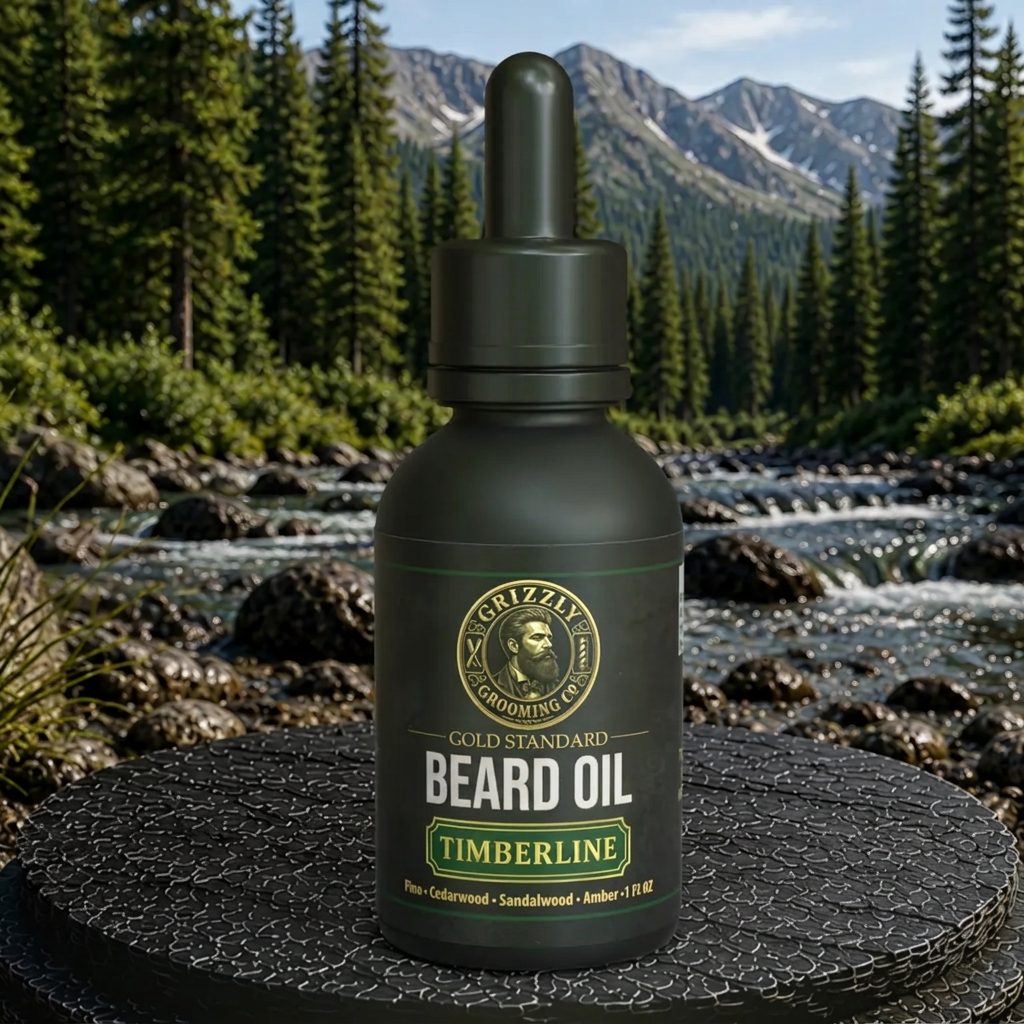
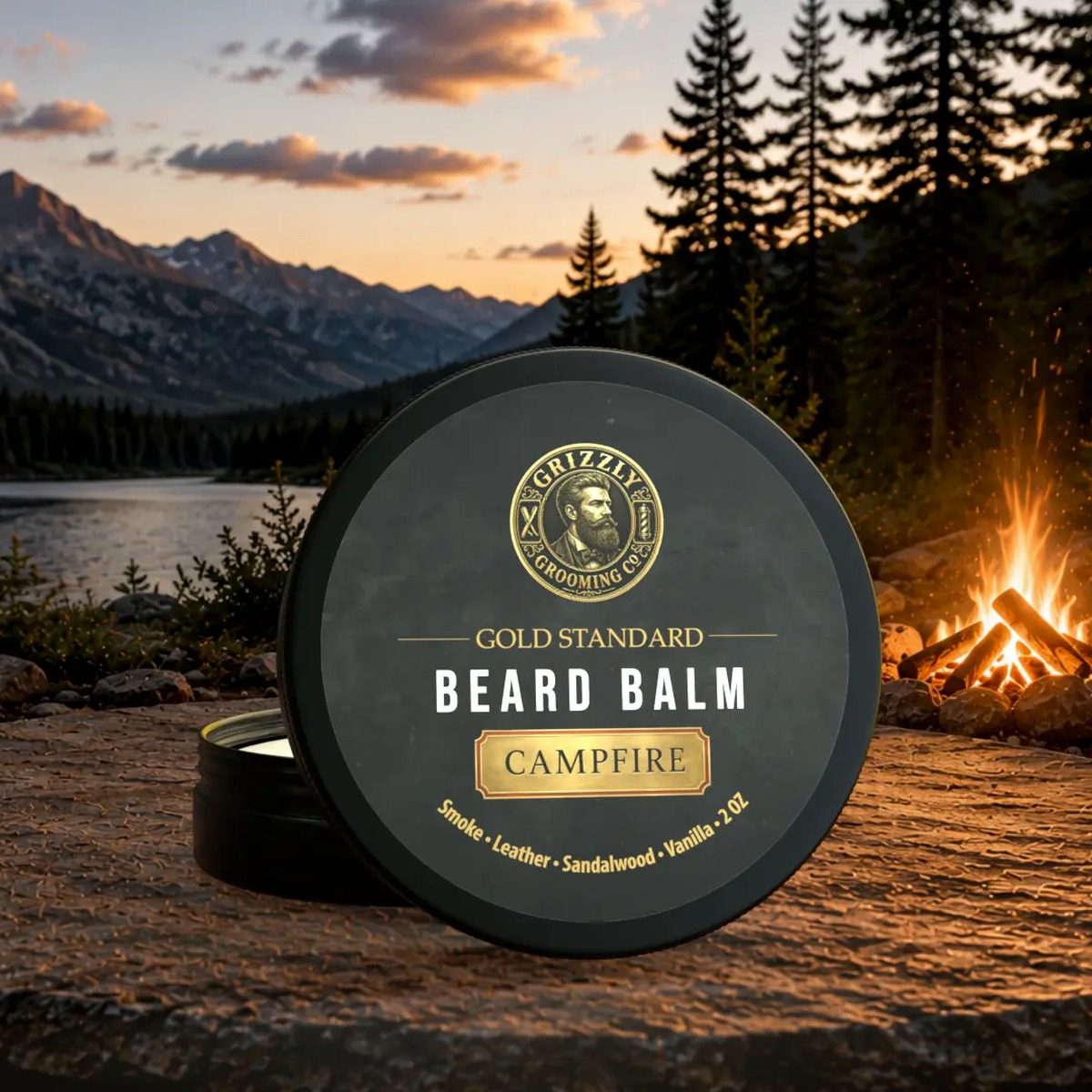
A trained barber sees your beard from three angles and moves the trimmer in a repeatable pattern. There is no magic — just a sequence you can copy at home once you understand what each pass is doing. This is the same at-home trim protocol we teach in Grizzly Base Camp, and it is designed to keep a beard between three weeks and three months of growth looking intentional, not overgrown. It works on any trimmer with adjustable guards. We reference Gold Standard Beard Oil and Beard Balm for the finish because a clean trim is only half of the look.
The truth about trimming during the growth phase — when it helps, when it hurts, and how to clean up without resetting your progress.
- ›Trim on a dry, brushed beard — never wet.
- ›Start one guard longer than you think. You can always take more.
- ›Cheekline stays natural. Neckline goes just above the Adam's apple.
- ›Fade the neckline into the jaw. Never leave a hard line at the bottom.
- ›Finish with beard oil and balm, then re-check symmetry in mirror lighting.
Tools You Actually Need
One good corded trimmer with adjustable guards from 1mm to at least 12mm. One pair of small barber shears for stray hairs and mustache detail. A wide-tooth wooden comb. Good light — direct, from the front and from both sides. A bathroom mirror with side visibility, or a hand mirror to check profile.
You do not need a laser guide, a beard bib, or three different length combs. The tool discipline is: sharp trimmer, sharp scissors, sharp light.
Prep the Beard First
Wash with a beard wash the night before or in the morning shower, and let the beard dry fully. Wet hair looks longer than it dries — trim wet, cut too short. Brush the beard down and out with a wide-tooth comb so every hair is at its natural length. This one step separates a home trim from a home mistake.
The Length Pass
Choose a guard one number longer than your target length. If you have never trimmed at home before, add another number on top of that. Move the trimmer against the grain — up the neck, up the jaw, up the cheek — in slow overlapping passes. Against-the-grain lifts every hair to full length before cutting, giving you an even result.
Do the entire beard at this longer guard first. Do not re-trim any area until every section has been done once. This is how barbers avoid the classic 'oh no' moment where one side is shorter than the other.
The Cheekline
The cheekline is the top edge of your beard. The rule: follow your natural line, do not invent one. Look in a mirror and identify the line where dense beard hair meets sparse cheek hair. That is your line. Use the trimmer without a guard, or barber shears, to remove hairs above it.
Slight softening at the front of the cheek — a gentle curve down toward the mustache — reads more natural than a hard geometric line. Save the razor-sharp cheekline for a barber chair and a fresh straight razor.
The Neckline
Two-finger rule: place two fingers above the top of your Adam's apple. That's your neckline. Everything below it comes off, everything above it stays.
Now the part most men skip: fade the transition. Do not leave a hard horizontal line where the beard meets the shaved neck. Take one guard shorter and blend the bottom quarter-inch of the beard into the neckline. This is what separates a barbershop trim from a home job.
Mustache and Symmetry Check
Comb the mustache straight down and use barber shears to trim any hairs that hang over the lip line. Trim across the mustache in a straight motion parallel to the lip — never straight down on the corners, or you will lose the outline.
Step back from the mirror by two feet. Look at both sides at once. Ninety percent of trim mistakes are asymmetry, and asymmetry is invisible up close. Adjust one side to match the other, always by cutting the longer side down — never trying to grow the shorter side back.
Finish and Aftercare
Rinse loose clippings, pat dry, and apply three to eight drops of beard oil depending on length. Work through with a comb. Then a fingertip of beard balm through the outer layer to lock in shape.
Take a final look in natural light near a window, not just bathroom overheads. Overhead light hides asymmetry; window light exposes it.
Set Up Before You Ever Turn the Trimmer On
Most bad home trims are lost before the first pass, in the five minutes of setup men skip. Start with a beard that is fully clean and fully dry. Wet hair stretches up to a third longer than dry hair, so anything you cut damp will spring back shorter than you intended, and that miscalculation compounds on every subsequent pass. Wash with a dedicated beard wash, towel dry, then blow dry on low while brushing downward so every hair sits in its natural fall direction rather than the direction it slept in.
Light matters more than the tool. Trim in front of a window or under a bright, even overhead light, and keep a hand mirror nearby so you can check the jawline and neckline from the side. Ninety percent of uneven beards are not uneven at all, they were cut under a single light source that shadowed one side of the face. Lay a towel across the sink, keep a comb, your trimmer with charged battery, and a pair of small grooming scissors within reach so you are never walking away mid-trim with half a beard shaped.
The Order of Operations That Prevents Over-Cutting
Work in one fixed sequence every time: bulk length first, then cheek line, then neckline, then mustache, then detail. The reason for this order is simple. Bulk length changes how the edges read, so if you cut edges first you will end up chasing them after the length comes down. Set your guard one or two settings longer than your target and make a full pass. Look at the result, then step down a single guard if you still want it shorter. You can always take more off, and you can never put it back on.
Move the trimmer against the grain for the most even cut, but only after a first pass with the grain to knock down the obvious outliers. Overlap each stroke by about half the head width so you do not leave tram lines. Comb the beard out between passes, because hair that is compressed under the last stroke pops back up and reveals length you missed. Three light passes always beat one aggressive one.
Neckline and Cheek Line Without Ruining the Shape
The neckline is the single most common place a home trim goes wrong, and it goes wrong in one direction only, too high. Find the top of your Adam's apple, place two fingers above it, and imagine a gentle U curving up toward the back of each earlobe. That U is your line. Cutting a straight horizontal line across the neck, or following the jawbone itself, produces the floating-beard look that reads instantly as a self-inflicted trim.
The cheek line is the opposite problem: most men should barely touch it. Let your natural growth define the top edge and only clean the stray hairs that sit clearly above it, high on the cheekbone. If you want a defined line, draw it from the corner of the mustache to the top of the sideburn and soften it by running the trimmer without a guard at a slight angle so it fades rather than stops abruptly. A hard cheek line looks sharp on day one and awkward by day four as growth returns unevenly.
Mustache, Detail Work, and Knowing When to Stop
Comb the mustache straight down over the lip and trim along the lip line with scissors rather than a trimmer. Scissors give you a hair-by-hair decision and keep the natural taper at the corners of the mouth; a trimmer flattens that taper and leaves a blunt shelf. Take a small amount, comb again, and reassess. The mustache frames the whole face and needs less removal than instinct suggests.
Finish by stepping back from the mirror at arm's length and looking at the beard as a shape rather than a collection of hairs. Symmetry reads at distance, not at six inches. If one side looks heavier, resist the urge to cut it. Comb both sides down and compare the outline first, because nine times out of ten the weight is in how the hair is sitting, not in its length. Then stop. The discipline to walk away is the skill that separates a maintained beard from a slowly shrinking one.
Aftercare That Makes the Trim Look Intentional
A freshly cut beard has blunt hair ends that catch light differently and can look coarse or dusty for a day or two. Rinse with cool water to clear cut fragments from the skin, pat dry, and work a few drops of beard oil down to the skin while the beard is still slightly warm. The oil weighs the ends down, restores softness at the cut tip, and stops the itch that comes from tiny trimmings sitting against the skin.
If you want the shape to hold through the day, follow the oil with a balm on the outer layer only, brushing down and slightly inward along the jaw. This is what makes a home trim look like a barber trim: not a sharper line, but a beard that sits in the shape you just cut instead of drifting out of it by lunch. Trim on a repeating schedule, every two to three weeks for most growth rates, and each session becomes a small correction rather than a rescue mission.
Frequently Asked Questions
How often should I trim my beard at home?
Every two to three weeks for a short-to-medium beard. Every four to six weeks for a long beard, and only the neckline, cheekline, and stray hairs between full trims.
What guard length should I start with?
For most men, guard 6 or 8 (18mm–25mm) is a safe first trim. You can always go shorter after — you cannot go back.
Should I trim wet or dry?
Dry, always. Wet hair is longer than dry, so wet trims consistently end up shorter than intended.
How do I know where my neckline should be?
Two fingers above the top of the Adam's apple, curving in a soft U from ear to ear. Never trim higher — a high neckline shrinks the beard from the front.
When should I stop and see a barber?
Any time you're doing a major shape change — first-ever line-up, moving from long to short, or cleaning up a badly-grown-out cut. Then maintain at home in between.
How often should I trim my own beard at home?
Every two to three weeks for most men. That interval is short enough that you are only correcting drift, which keeps each session low risk, and long enough that you are not constantly shortening the beard. Longer beards past six months can stretch to four weeks, while shorter styles that rely on a defined shape may need a light neckline clean weekly with a full trim monthly.
Should I trim my beard wet or dry?
Dry, always, for length work. Wet hair stretches significantly and springs back shorter once dry, so cutting damp is the fastest route to accidentally taking off twice what you meant to. Wash, dry fully, brush it into its natural fall, then trim. Scissors detail work on the mustache is the only place a very slightly damp comb helps, and even then keep the hair itself dry.
What guard length should I start with?
Start one or two settings longer than your target and step down only if needed. If you normally run a 4, begin at a 6, assess in good light, then move to a 5 and reassess. This costs you an extra five minutes and saves you three weeks of regrowth when you misjudge. Never begin a session with the shortest guard you own.
How do I fix a neckline I cut too high?
Stop touching it entirely and let it grow back, which takes two to four weeks depending on your growth rate. In the meantime, keep the rest of the beard well conditioned and slightly fuller at the jaw so the eye reads the jawline instead of the gap. Do not try to lower the line by cutting elsewhere; that only shrinks the beard further while the neck fills back in.
Do I need beard oil after trimming?
Yes. Cut hair ends are blunt and dry, and loose trimmings sitting against skin are the main cause of post-trim itch. A few drops of beard oil worked down to the skin softens the cut ends, calms the skin, and makes the fresh shape look finished rather than raw. Follow with a balm if your style needs hold through the day.
Build your ritual in 60 seconds.
Answer four questions and get a custom regimen built around your beard and routine.
Start The Ritual Builder