Beard Coloring for Men: Gray Coverage Without Looking Fake
Coloring a beard is a very different craft from coloring the hair on your head. The beard shows in sharper light, sits closer to skin tone, and grows out fast — meaning any mistake is visible within a week. Done well, beard color reads as naturally youthful. Done poorly, it reads as unmistakably dyed, which is worse than any amount of gray. This guide is written for men who want gray coverage that no one can identify as coverage. We cover the formats (permanent, semi-permanent, brush-in), how to tone-match, the application sequence, and the daily aftercare that keeps color from fading orange or muddy.
- ›Match one full shade lighter than you think — beard hair takes color darker than head hair.
- ›Semi-permanent or brush-in color reads more natural than permanent for most men.
- ›Leave some gray at the temples and mustache edges. Full coverage is what makes dye look like dye.
- ›Do a patch test 48 hours before your first full application.
- ›Wash less. Every wash pulls color.
Why Beard Color Is Its Own Discipline
Head hair sits away from the scalp and shows in reflected light. Beard hair sits directly on skin and shows in every light, including direct sun. That means a tone that reads fine at your hairline can read too dark or too warm at your jaw. The beard also grows about half an inch a month, so root growth becomes visible fast — and gray roots against a jet-black beard is the classic 'obviously dyed' look. Every choice in this guide is designed to avoid that outcome.
The Formats — Pick Based on How Much Commitment You Want
Brush-in (temporary): a mascara-style wand applied dry, washes out with the next shampoo. Zero commitment, great for events. Reads well if you match tone carefully.
Semi-permanent: no ammonia, no permanent oxidation. Deposits color on the surface of the hair; fades gradually over four to six weeks. No hard root line as it grows out. This is the best entry point for most men.
Permanent: ammonia and peroxide; opens the cuticle and deposits color inside the hair shaft. Longer-lasting, but produces a visible root line as gray grows in. Best for men committed to a monthly touch-up ritual.
Henna: plant-based, deposits reddish tones by default. Very natural-looking on the right tone, but hard to reverse once applied.
Tone Matching — The Single Most Important Step
Beard hair grabs and holds color darker than the head hair on the same man. The rule: go one full shade lighter than your natural head-hair color. If your head hair is medium brown, choose light-medium brown for the beard.
Warmth matters as much as darkness. Cool tones (ash brown, neutral dark) read modern. Warm tones (golden brown, red-brown) read dated on most beards and can shift orange as they fade. Default to cool or neutral unless your natural tone was noticeably warm.
The Deliberate Gray Rule
Full coverage is what makes dye look like dye. Leave some gray at three specific places: the temples of the beard, the front third of the mustache, and any concentrated gray patch on the chin. This produces the salt-and-pepper effect that reads as naturally youthful rather than uniformly colored.
This is the difference between men who color and men you can tell are coloring. It is also the reason semi-permanent is preferable for most: partial fade over weeks is easier than trying to fake it with permanent dye.
Application — Step by Step
48 hours before first use: patch test behind the ear. Skip this only if you enjoy allergic reactions on your face.
Wash the beard with a clarifying beard wash the day before, not the day of. Slightly dirty hair takes color more evenly than freshly washed hair.
Apply along your natural growth direction with a small brush, not a wide comb. Start at the chin (usually most gray, needs longest contact time), then jawline, then cheeks, then mustache.
Leave for the shortest time in the range on the box. Beard hair takes color fast — over-processing is the top cause of unnatural results.
Rinse with lukewarm water only until it runs clear. No shampoo for the next 24 hours.
Aftercare — What Preserves the Color
Wash the beard less: every second or third day, not daily. Every wash strips color, especially with sulfate-based cleansers.
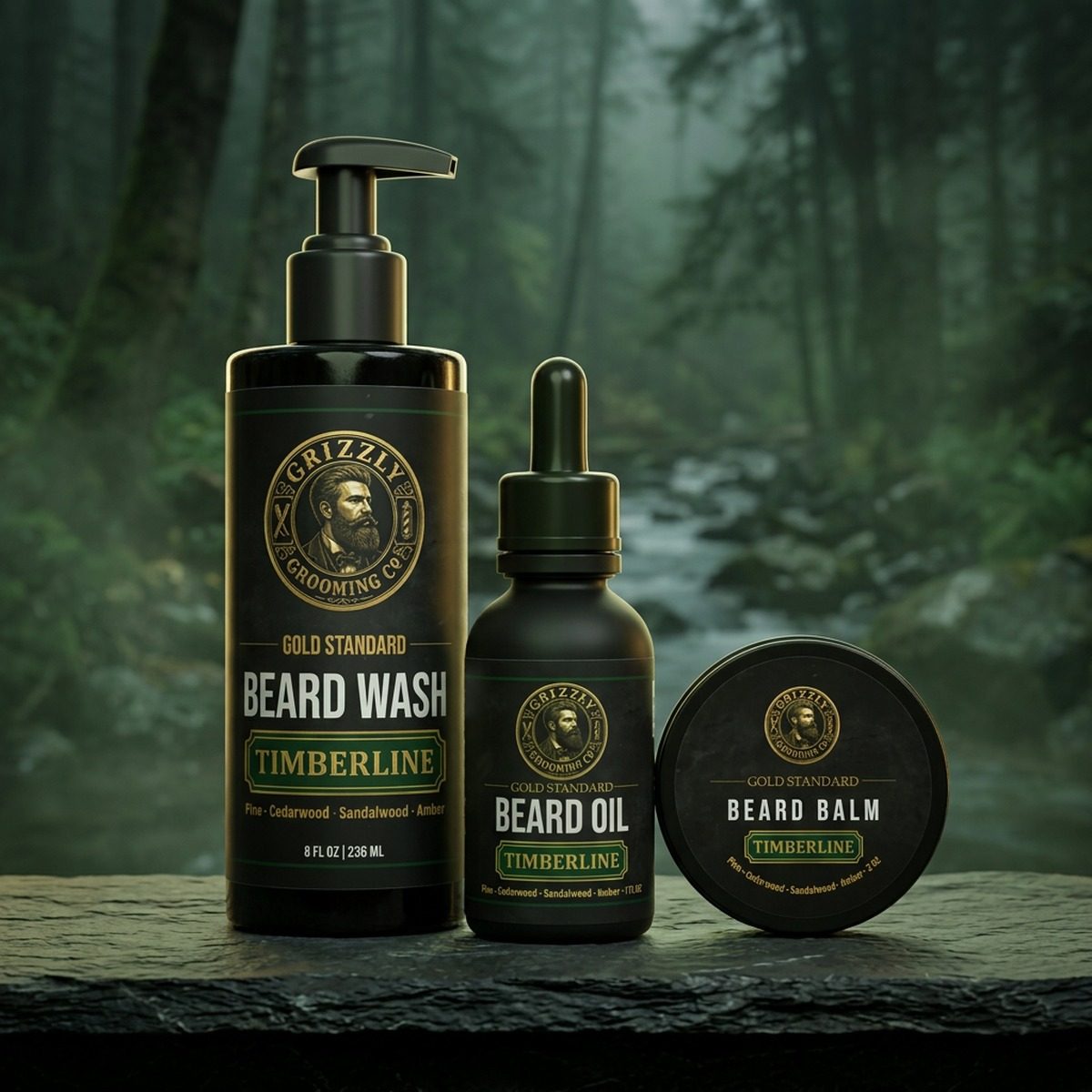
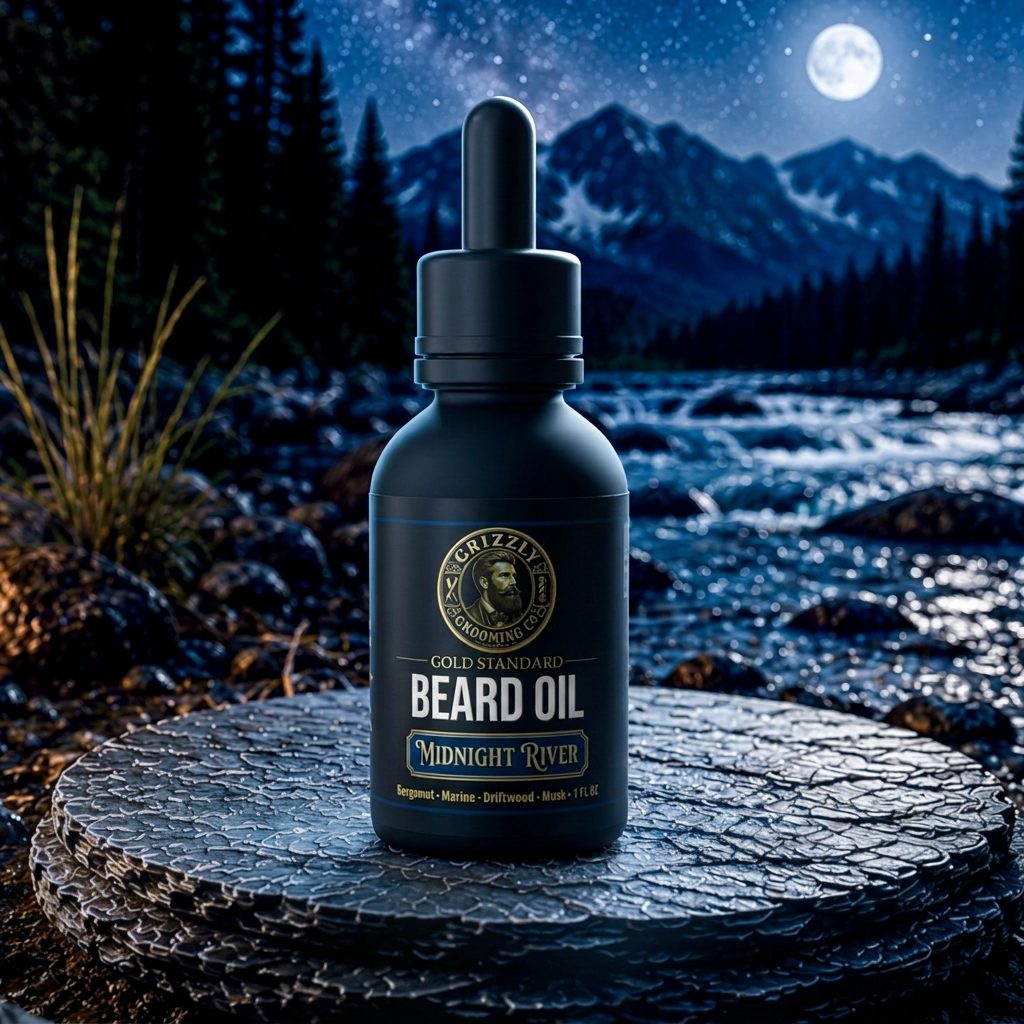
Apply beard oil daily. Coated hair holds color longer than dry, porous hair. Our Gold Standard Beard Oil in a neutral scent like Midnight River works well and does not shift the color tone.
Skip clarifying shampoos and pool water when possible. Chlorine oxidises dye fast, and clarifying formulas are designed to strip.
Touch up semi-permanent every three to four weeks. Permanent needs root touch-ups every three weeks or the growth line becomes obvious.
When to See a Colorist
For your first color session — especially if you're going from mostly gray to fully covered — book a professional. A colorist can custom-blend two shades to match your natural tone precisely, and you can learn the maintenance color to do at home going forward. The one-time investment pays for itself in avoided disasters.
Frequently Asked Questions
How long does beard color last?
Brush-in: one shampoo. Semi-permanent: four to six weeks with declining intensity. Permanent: until the hair grows out — but root regrowth is visible within two to three weeks.
Will beard dye damage my hair?
Semi-permanent is very gentle. Permanent (ammonia-based) can dry the beard over time. Counter it with a beard oil daily and a beard butter twice a week.
Can I use head-hair dye on my beard?
Some formulas are labeled for both. Never use a bleach-based lightener on beard hair — the skin cannot tolerate it. Only use dyes explicitly marked as safe for facial hair.
Why does my beard dye turn orange?
Two causes: warm-tone dye fading toward its base pigment, and permanent dye oxidising over time. Choose cool or neutral tones and refresh before full fade.
How do I go back to natural if I don't like the color?
With semi-permanent, wait it out — four to six weeks. With permanent, see a colorist; DIY color removers on the face are aggressive and risky.
Build your ritual in 60 seconds.
Answer four questions and get a custom regimen built around your beard and routine.
Start The Ritual Builder