Patchy Beard? Here's How to Fix It
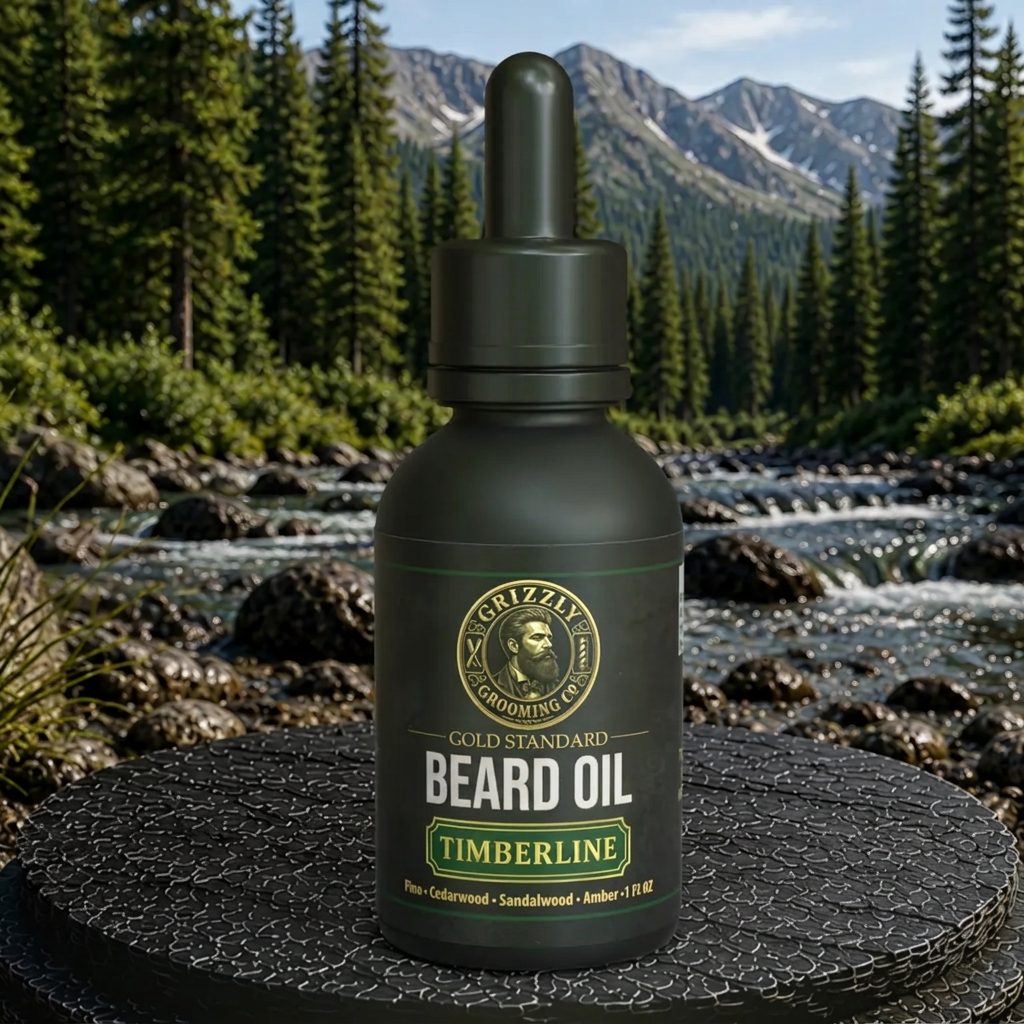
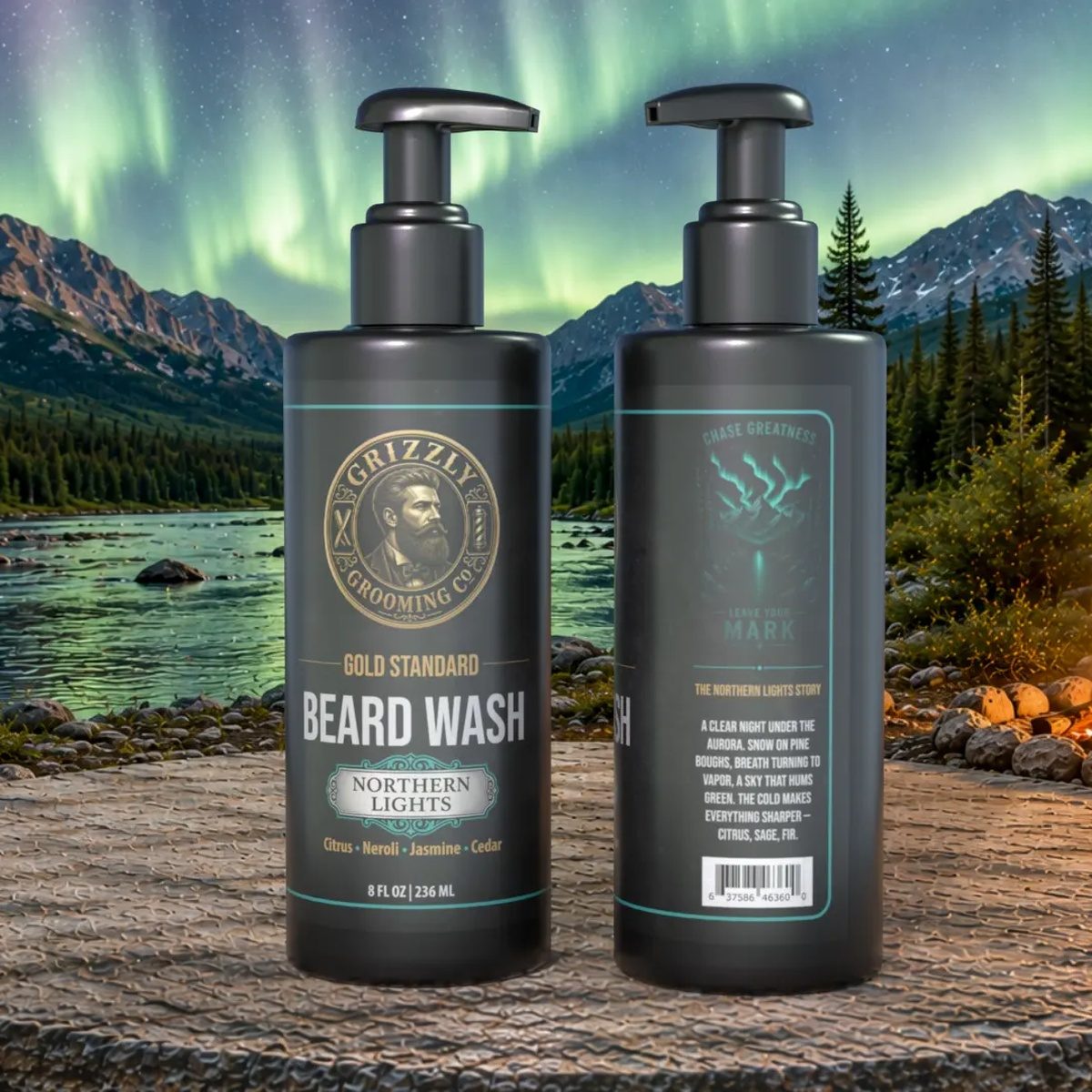
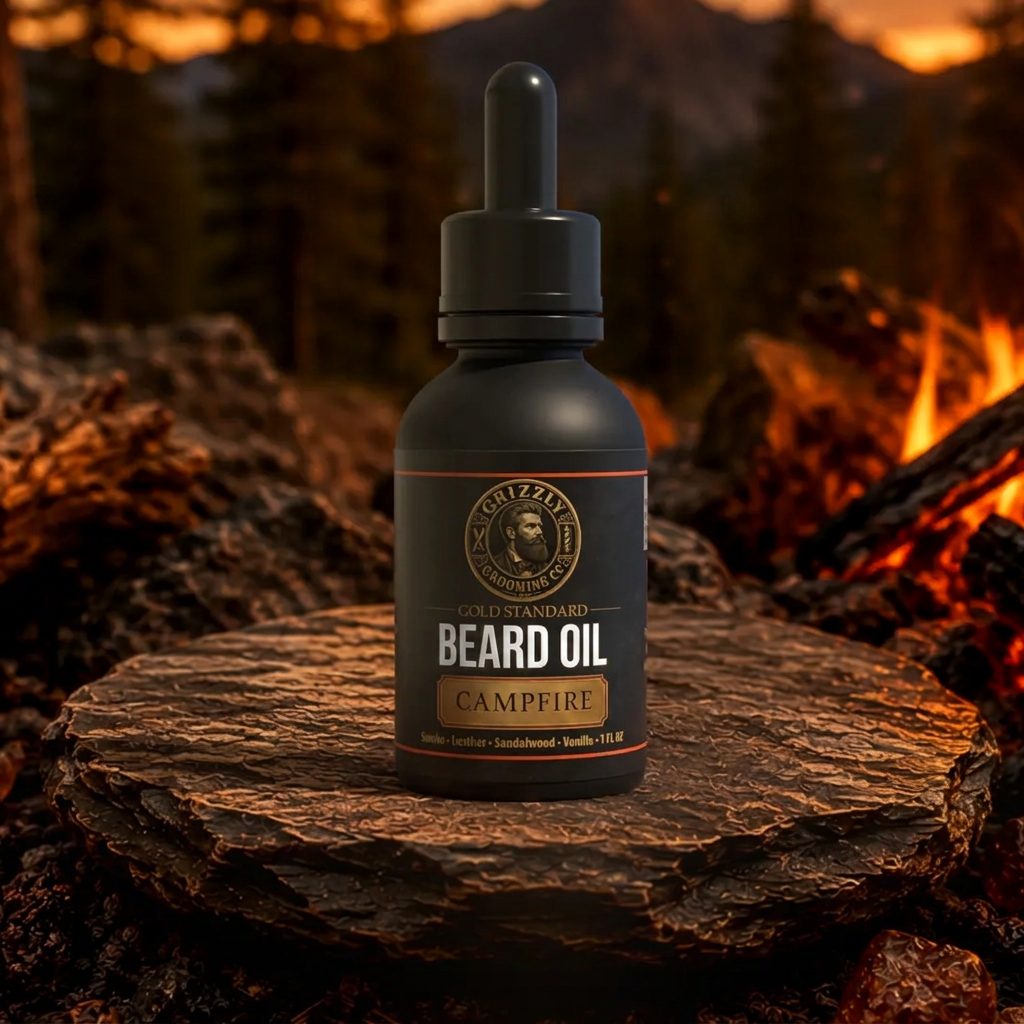
A patchy beard is not a permanent verdict. It is almost always some combination of insufficient time, insufficient ritual, and unrealistic expectation. Most cheek patches that men panic about at week six close by week fourteen once the beard has a chance to fully fill in and connect. The rest respond to the framework in this guide — a real ritual, the right products, and the right styling choices to make existing density look denser. Our reference product is Gold Standard Beard Oil in Northern Lights, chosen for this article because its argan and hemp-seed base is what patchy beards benefit from most.
Vellus vs empty skin, the 14-week rule, feeding the follicle, and styling density — the full playbook for a patchy beard.
- ›First: wait 12 weeks minimum before calling any patch permanent.
- ›Density fills in from the base up — apply oil to the skin, not just the hair.
- ›Brushing lifts hairs off the face, hiding small patches instantly.
- ›Pick a style that works with your density, not against it.
- ›If patches persist past 6 months, minoxidil (under a doctor) is an evidence-backed option.
How to Tell a Temporary Patch From a Real One
A temporary patch has fine, downy vellus hair growing across it — you can see the hair under bright light even though it does not read as beard. A real patch has smooth skin with no visible follicles at all.
The temporary kind almost always fills in given time and ritual. The real kind is a genetic ceiling — the follicles simply do not exist in that area. The single most important thing you can do at week six of a patchy-looking beard is take a bright-light photo and hold judgement until week fourteen.
Give the Beard Time It Actually Needs
Terminal hair cycles run two to six months. Different regions of your face are on different clocks — cheek hairs typically lag the moustache and chin by four to eight weeks. A patch at week six is often a lag, not a gap.
Do not shape, do not trim the outline, do not adjust based on interim photos for at least twelve weeks. Every man who "gave up on his beard because it was patchy" gave up before the fill-in window.
Feed the Skin, Not the Hair
The follicle lives in the skin, not on top of it. Beard oil applied only to the length of the hair does very little for patches; oil worked into the skin at the base of the follicle does everything. Damp beard, warm oil in the palms, press flat against the skin, work in circles.
Northern Lights uses argan and hemp-seed oil as the primary carriers because both are exceptionally lightweight and penetrate to the follicle level without clogging. This is exactly what patchy beards need — a healthy follicle environment, not surface conditioning.
Brushing Is the Illusion Nobody Talks About
A boar-bristle brush lifts hairs off the face and redirects them across gaps. A patch that is genuinely there but small will visually close when the surrounding hairs are brushed over it. This is not deception — this is how every professionally styled beard on every advertisement is created.
Brush twice a day. Morning after oil, night before bed. Direct the hair toward the patches rather than away from them.
Style the Beard You Have
The single fastest way to look better with a patchy beard is to stop styling it as if it were dense. Full-beard styles amplify patches. Short-boxed styles hide them. A tight boxed beard at half an inch of length reads as intentional and dense; the same beard grown to three inches reads as patchy.
Talk to a barber. Bring a photo of your current growth and ask them for the style that maximises your existing density. This is what they do.
Nutrition, Sleep, and the Boring Basics
Chronic under-sleeping (five hours or less) and low protein intake both extend the resting phase of the hair cycle, which delays fill-in. Fix these two before spending money on supplements.
Once fixed, vitamin D3 (2,000–4,000 IU), zinc (15–30 mg), and omega-3 fish oil (2 g EPA/DHA) are the three that have the most research behind them for hair-cycle support. Ignore proprietary beard-growth blends.
When to Consider Minoxidil
Off-label topical minoxidil on the beard has meaningful research support and works for a majority of men who commit to the full course — typically six to twelve months of daily use. It also has side-effect risks (skin irritation, cardiovascular considerations at higher exposure) and is a lifelong commitment for the density it produces.
Do not start it without talking to a doctor. And do not start it before you have given the ritual six months to work — most patches close on the ritual alone.
Patchy Beard Styles That Work Right Now
While you wait on density, choose a style that does not depend on the sparse region. Weak cheeks favor a goatee, a Van Dyke, or a chin curtain — all of which remove the cheeks from the design entirely. A weak mustache connection is best handled by grooming the mustache as a separate, deliberate element rather than trying to bridge the gap.
Length is the other lever. Hair from dense regions grows over thin ones, so a slightly longer beard often reads as fuller than a short one on the same face. The cutoff is roughly an inch — below that, patches show; above it, they blend.
Brushing and Training Sparse Areas
A boar-bristle brush does two things for patchiness. Mechanically, it redirects hair from dense areas across thin ones, which is a genuine coverage gain rather than an illusion. Over weeks, daily brushing in one direction sets the hair's resting position so the coverage holds without restyling.
Brush from the skin outward, twice a day, for a couple of minutes. The secondary benefit is circulation and sebum distribution across the skin in the patchy region, which supports the follicles that are working.
Realistic Expectations and When to Stop Waiting
Cheek density is the last region to complete, and many men who are patchy at 21 are not at 28. A fair test is twelve uninterrupted weeks of growth with a good routine, photographed every two weeks in the same light, then repeated a year later before you conclude anything is permanent.
If it is permanent, that is a styling decision rather than a failure — most well-known bearded men have patches you have never noticed because their style accommodates them. Minoxidil is an option to discuss with a clinician, with the understanding that it requires indefinite continued use to keep the results.
Camouflage Techniques While You Wait for Fill-In
Beard tint or beard fillers, similar to hair fibers used for scalp thinning, can visually reduce the appearance of a patch by darkening the skin tone underneath sparse hair, making the contrast between skin and hair less obvious from a normal conversational distance. These are cosmetic and temporary, washing out with a normal shower, but they're a legitimate short-term tool while you wait out the twelve-to-fourteen-week fill-in window.
Strategic trimming of surrounding, denser areas slightly shorter than the patchy area can also reduce the visual contrast, since a uniform length across a patch makes the gap more obvious than a slightly varied length that blends the transition. This is a styling trick, not a growth fix, but it makes the waiting period considerably less frustrating to look at in the mirror.
What Actually Changes Between Month Three and Month Six
Density genuinely continues to increase for most men well past the three-month mark that gets cited most often in general beard advice — vellus hairs in patchy areas can convert to thicker terminal hairs on a timeline extending to six months or even longer in some regions of the face. Men who judge their beard's final density at three months and give up are often quitting during a phase that was still actively improving.
The rate of improvement does slow considerably after month six for most men, which is a more reasonable point to make peace with your genetic ceiling in a specific area if a patch hasn't meaningfully changed by then. Distinguish between a patch that's slowly improving and one that's been static for months — the first deserves more patience, the second is likely permanent.
When a Style Change Is the Better Answer Than Waiting
If a patch has been genuinely static for six months with no vellus hair regrowth at all, continuing to wait rarely produces a different outcome, and the better move is choosing a style built around your actual density rather than fighting it indefinitely. A shorter, uniform-length style often disguises permanent patches better than a longer style that draws attention to uneven density across different face regions.
This isn't giving up, it's redirecting effort toward something that actually works. Many men find their best-looking beard is a shorter style chosen deliberately around their real density pattern, rather than the longer, fuller style they originally pictured before understanding their own growth pattern.
Frequently Asked Questions
How long until a patch fills in?
Most temporary patches close between week eight and week fourteen. Real patches (no follicles) do not fill in on their own.
Does beard oil actually help patches?
It creates the healthy skin environment fill-in requires. It cannot create follicles where none exist.
Should I try derma-rolling?
Some evidence for micro-needling in combination with topical minoxidil, but only under a dermatologist's supervision. Do not freelance this.
Will shaving during the patchy phase help?
No. This is a persistent myth. Shaving does not thicken hair — it just resets the visible growth.
How do I hide patches at week 6?
You do not hide them — you keep growing. Shave nothing for another six weeks.
Which oil is best for a patchy beard?
One with argan or hemp-seed as the primary carrier — both penetrate to the follicle level. Northern Lights is our default recommendation.
Will a patchy beard eventually fill in?
Often, yes. Cheek coverage is typically the last area to complete, anywhere between 25 and 35, so patchiness in the early twenties frequently resolves with time.
Does brushing help a patchy beard?
Yes, in two ways: it redirects hair from dense areas over thin ones, and over weeks it trains the hair's resting direction so the coverage holds.
What beard style is best for a patchy beard?
Styles that avoid the sparse region — a goatee, Van Dyke, or chin curtain for weak cheeks — or simply growing past an inch so denser areas can blend across the gaps.
Does massaging the patchy area actually help hair grow there?
There's no strong evidence that manual massage stimulates new follicle activity, though it may modestly improve local blood flow and help distribute oil more evenly into the skin. It's a reasonable low-cost habit to add to a routine, but don't expect it alone to close a genuine patch.
Can stress make an existing patchy beard worse?
Significant, sustained stress can affect hair growth cycles broadly, including facial hair, sometimes triggering more hairs to enter a resting phase than usual. If a previously improving beard suddenly stalls or seems to shed more during a high-stress period, that's a plausible explanation worth considering alongside routine and product factors.
Is it worth trying a beard growth supplement for patches?
Most beard-specific supplements lack strong evidence for increasing density beyond your genetic ceiling, since supplements can only support a deficiency if one actually exists. A better-spent effort is confirming adequate protein intake and sleep, both of which have clearer links to healthy hair growth cycles generally.
Build your ritual in 60 seconds.
Answer four questions and get a custom regimen built around your beard and routine.
Start The Ritual Builder