Beard Types For Face Shapes: The Complete Styling Guide (Round, Square, Oval, Long, Heart, Diamond)
- ›Round face: length at the chin, cheeks kept clean — lengthens the face.
- ›Square face: shorter and rounded at the corners — softens the jaw.
- ›Oval face: almost anything works — the most flexible shape.
- ›Long face: fuller at the sides, shorter at the chin — widens the face.
- ›Heart face: fuller lower half — balances a wider forehead.
There is a right beard shape for your face, and it is not the beard shape on the model in the ad. It is the shape that either counters or complements the geometry of your face — lengthening what is short, softening what is angular, widening what is narrow. Five minutes with a mirror decides it.
First: identify your face shape
Pull your hair back, look straight into a mirror, and answer three questions. Is your face wider than it is long, roughly equal, or longer than it is wide? Is your jawline angular or soft? Is your forehead wider than your jaw, roughly equal, or narrower? Round = wider than long, soft jaw. Square = equal proportions, angular jaw. Oval = longer than wide, balanced. Long = significantly longer than wide. Heart = wide forehead tapering to a narrow chin.
| Face shape | Best beard types | Avoid | Trim rhythm | Products that hold it |
|---|---|---|---|---|
| Round | Short boxed beard, ducktail, extended goatee, chin-forward full beard | Circle beard, mutton chops, wide cheek growth | Every 7 days on the sides | Beard Balm (shape) + Beard Oil |
| Square | Short full beard with rounded corners, soft stubble, light beardstache | Sharp square lines, very long boxed beards | Every 7–10 days on the jaw corners | Beard Oil (softening) + Beard Balm |
| Oval | Almost anything: full beard, ducktail, van dyke, stubble | Extreme length that reads as a long face | Every 10–14 days | Beard Oil + Beard Butter |
| Long / oblong | Fuller sides, shorter chin, mutton-chop influence, chin curtain | Goatees, long pointed chin beards | Every 7–10 days on the chin | Beard Butter (volume) + Balm |
| Heart | Medium full beard with mass at the chin, goatee, van dyke | Bare chin styles, heavy cheek growth | Every 10 days | Beard Balm + Mustache Wax |
| Diamond | Short full beard that widens the chin, chin strap with length | Narrow pointed beards, thin goatees | Every 7–10 days | Beard Balm + Beard Oil |
Round face: length at the chin
Round faces benefit from a beard that adds vertical length. That means keeping cheek and side hair shorter (or tapered close to the face), letting the chin grow longer, and shaping the beard into a subtle V. Avoid full circle-beards and mutton chops — both widen an already-round face.
Square face: soften the corners
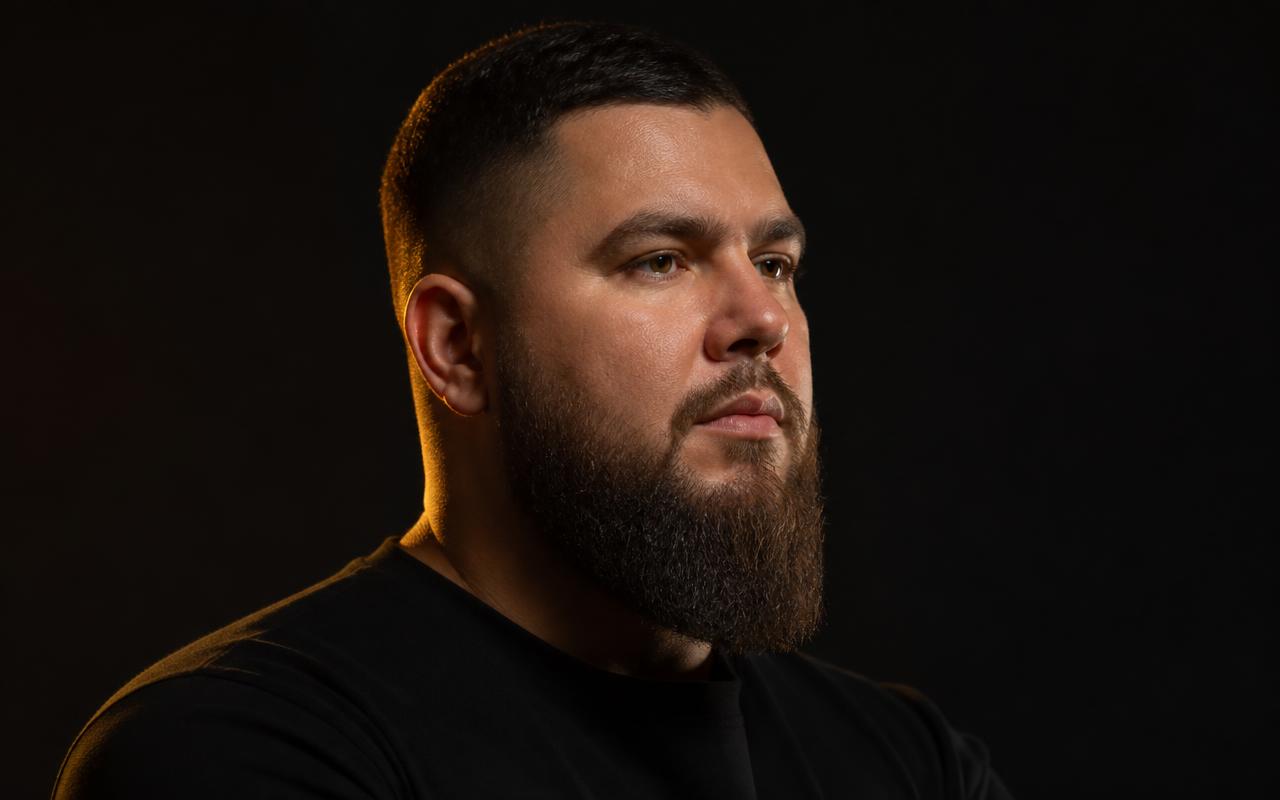
Square faces already have strong jawline geometry — the beard job is to soften the corners, not amplify them. Keep the beard shorter overall (half-inch to one-inch length), round the corners at the jaw rather than squaring them off, and let the cheek line stay soft. A very long, sharp-cornered beard on a square face reads as trying-too-hard-tough.
Oval face: almost anything works
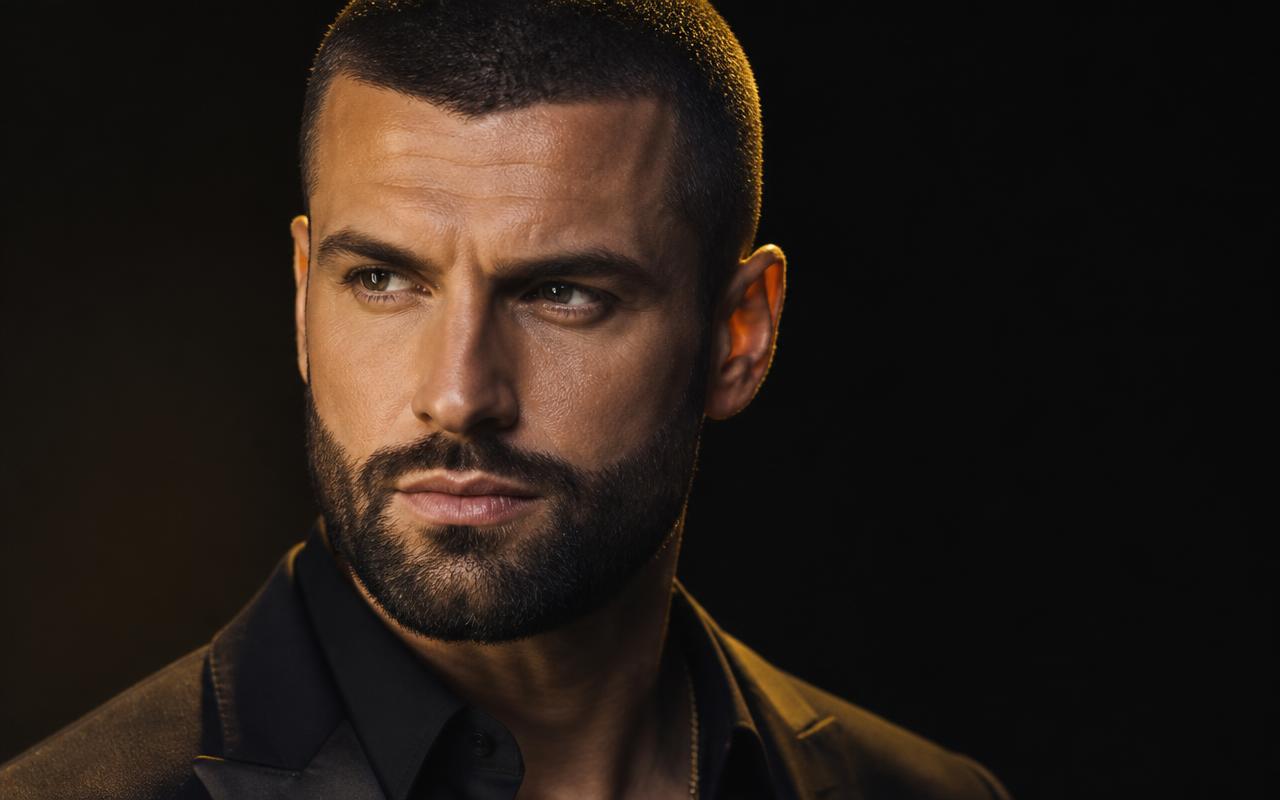
Oval faces are the flexible shape — nearly every beard length and style flatters them. If you have an oval face, choose based on what fits your lifestyle and personal taste rather than corrective geometry. The one caution: extremely long beards can pull an oval face into a long-face proportion, which is the opposite of what you want.
Long face: width, not length
Long faces already have vertical length — a long beard adds more and makes the face look elongated. The move is a fuller, shorter beard with more length at the sides than at the chin. Mutton chop influences work well here. Avoid goatees and any style that pulls the visual weight down toward the chin.
Heart face: fuller lower half
Heart-shaped faces (wider forehead, narrow chin) benefit from a beard that adds visual mass at the chin to balance the top-heavy geometry. A full beard with medium length, kept fuller at the chin than at the sides, is the reliable choice. Goatees and chin-focused beards work particularly well.
Diamond face: widen the chin, calm the cheeks
Diamond faces are widest at the cheekbones and narrow at both the forehead and the chin. The beard job is to add width low: a short full beard carried a touch fuller at the jaw and chin, with cheek growth kept tight so the mid-face does not get wider. Narrow, pointed beards are the one style to skip — they exaggerate the taper you are trying to balance.
The one universal rule
Regardless of face shape, the beard should be groomed. A shape-appropriate beard that is unkempt looks worse than a shape-inappropriate beard that is well-maintained. Neckline, cheek line, and shape trim every 7 to 14 days matter more than the specific style.
Ranger Kit — the trimming and shaping essentials for keeping your chosen shape sharp between visits to the barber.
The products that hold your shape
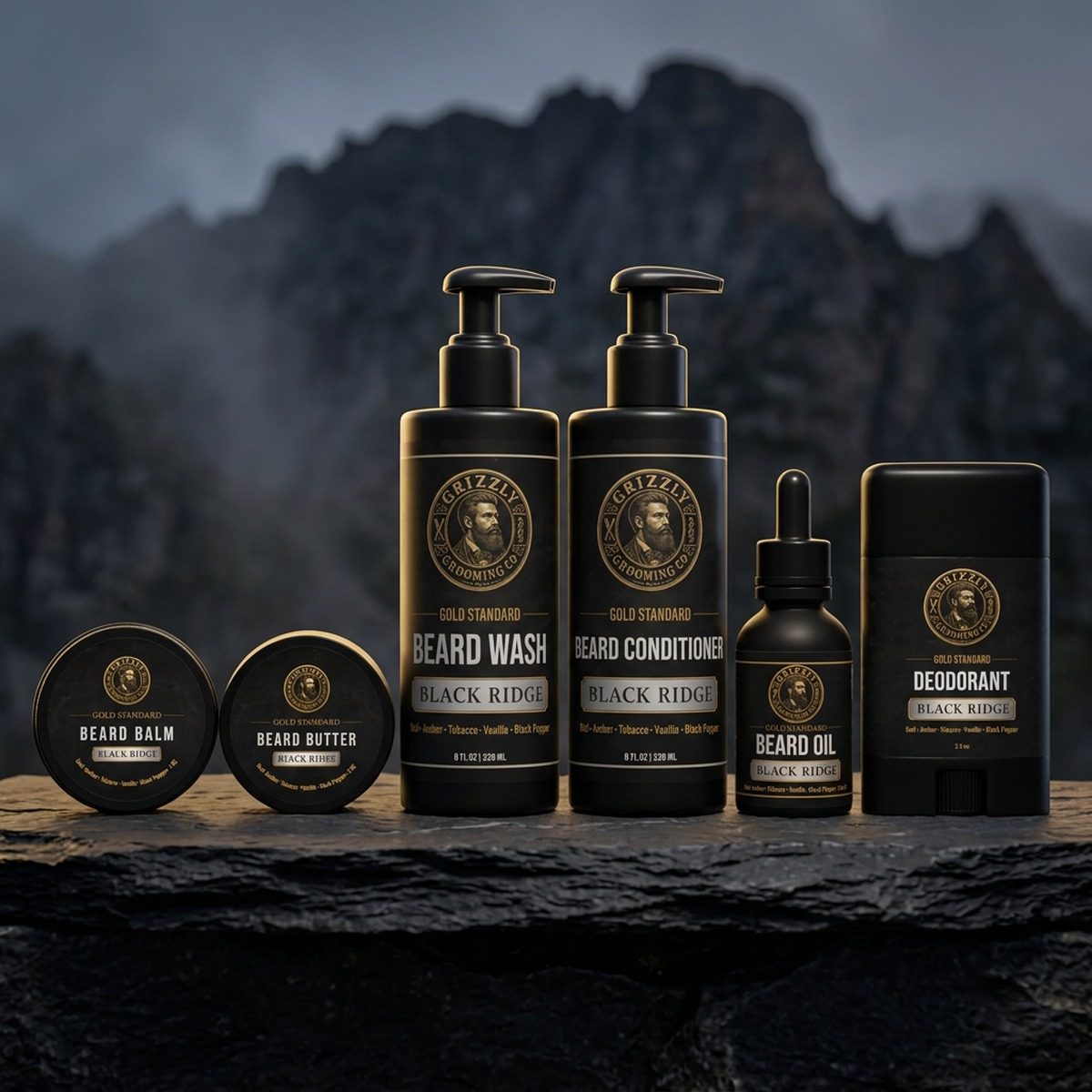
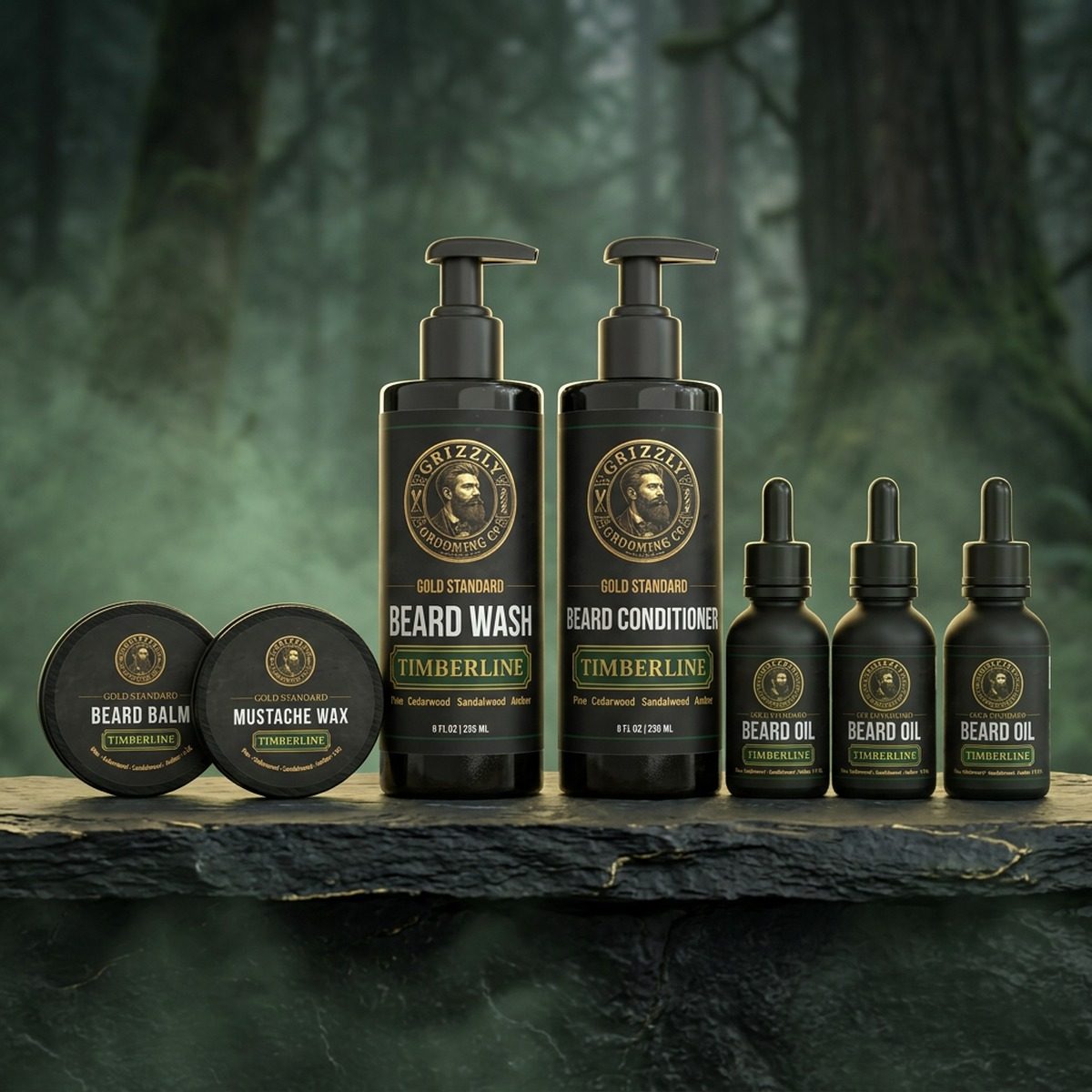
Geometry decides the cut; product decides whether the cut survives the day. Oil keeps the hair pliable so it takes direction, balm supplies the light hold that keeps cheek and chin lines where you trimmed them, butter adds body to sides that need width, and wax handles the mustache line that frames every one of these shapes.
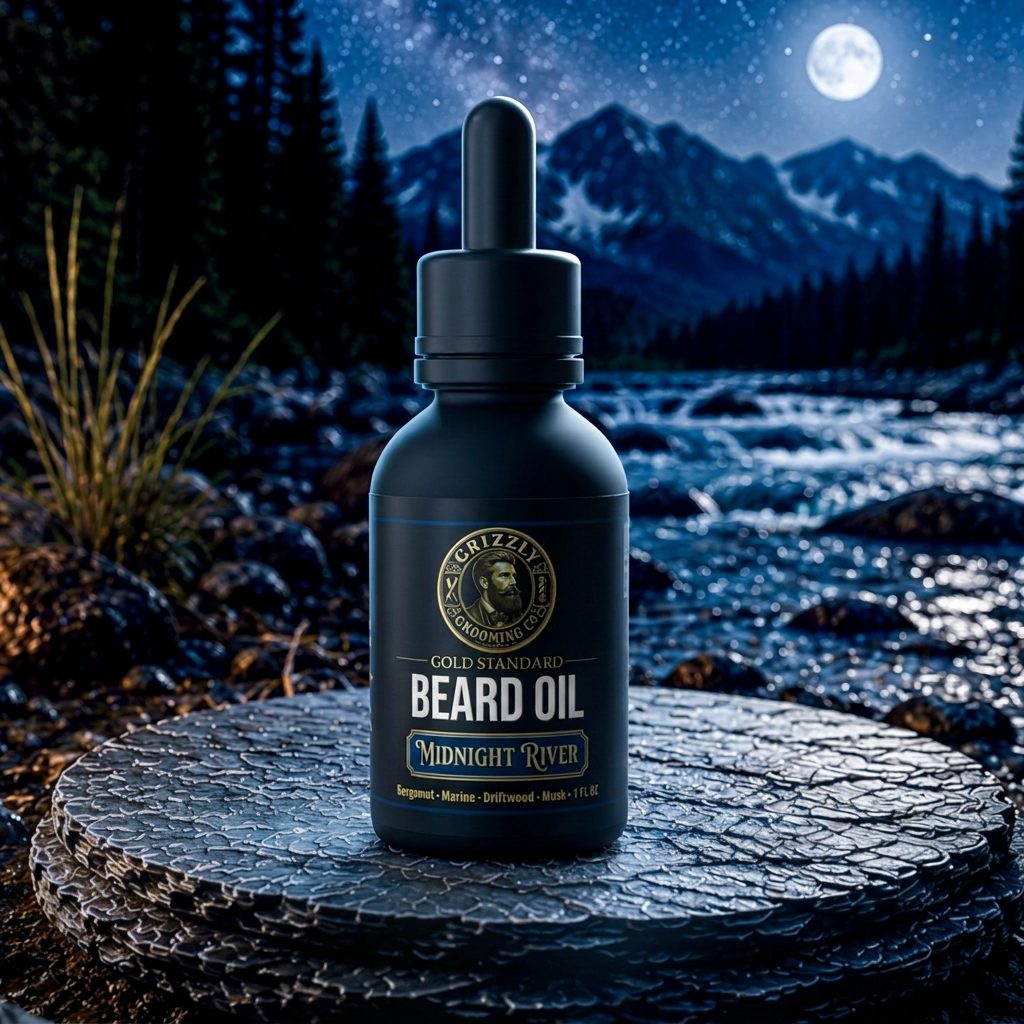
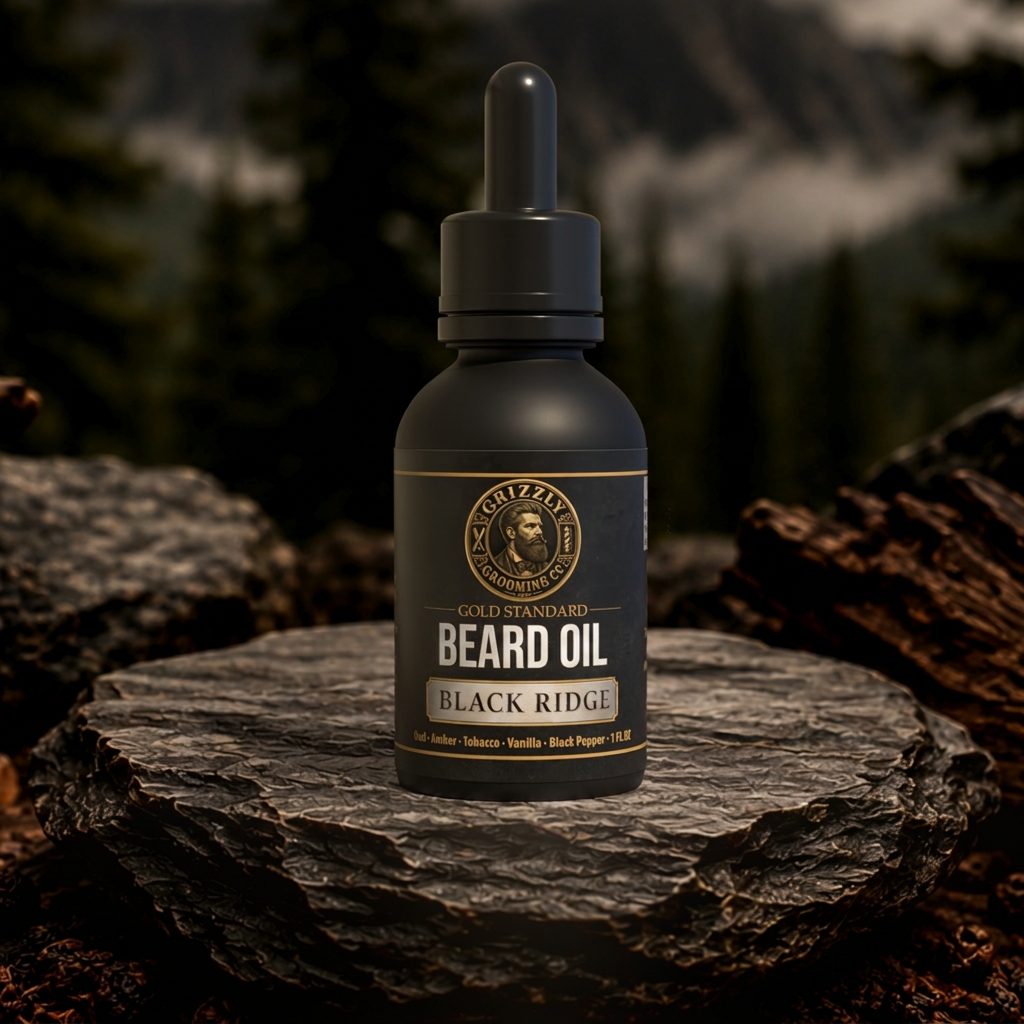
- ›Gold Standard Beard Oil — softens coarse hair so it takes shape
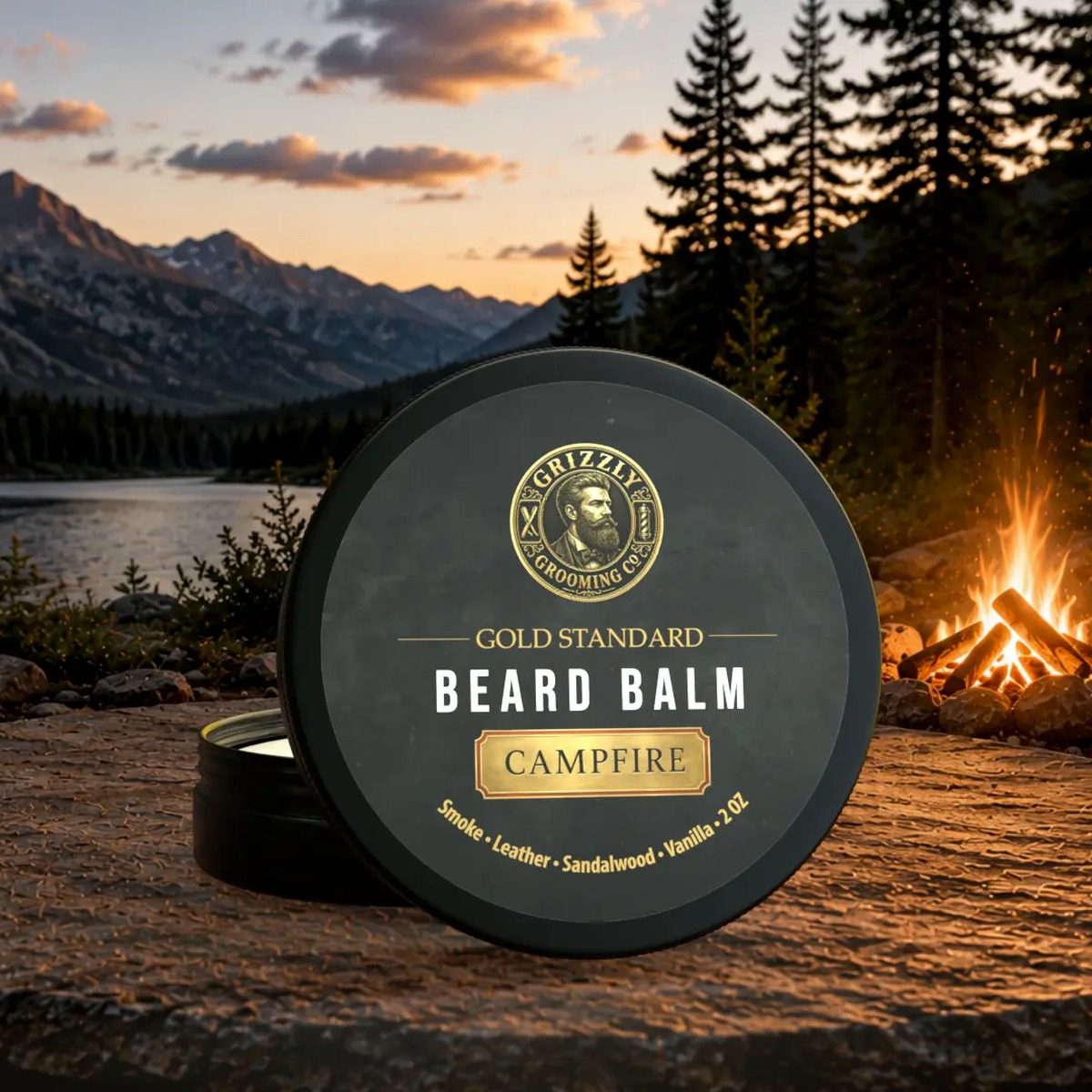
- ›Gold Standard Beard Balm — light hold for cheek and chin lines
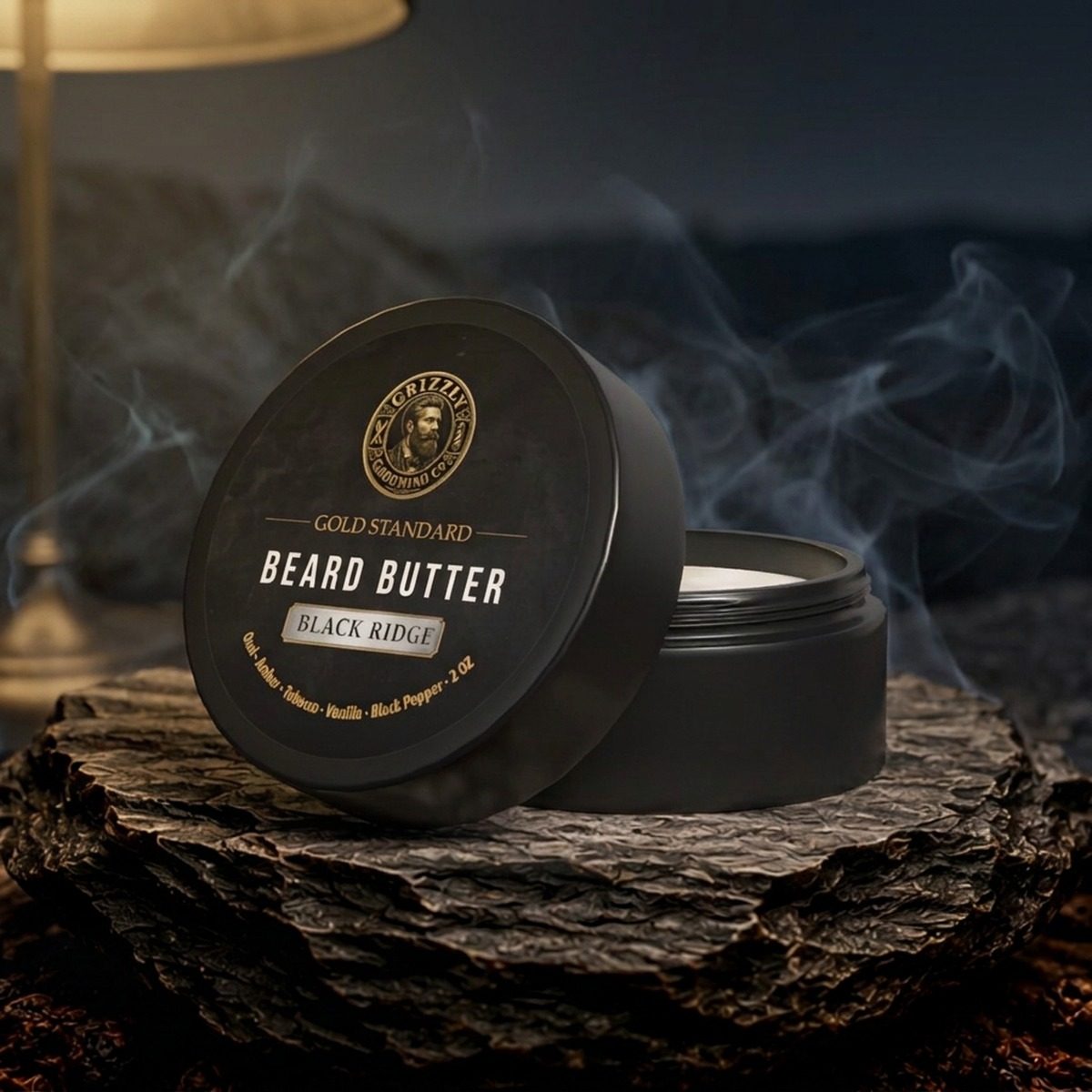
- ›Gold Standard Beard Butter — volume for long or narrow faces
- ›Gold Standard Mustache Wax — for the frame above the beard
- ›Ranger Kit — the full shaping ritual in one box
- ›How to shape your beard neckline
- ›The best beard length for your face shape
Adjusting for a face that combines two shapes
Very few faces are a textbook example of one shape — many men have a jaw that reads square but a forehead-to-cheekbone ratio that reads oval, or a chin that is heart-shaped sitting under a otherwise long face. In these blended cases, prioritize whichever feature is most pronounced and style toward correcting that specific feature rather than trying to satisfy both categories at once.
A practical test: cover the lower half of your face and assess the upper half alone, then cover the upper half and assess the lower half. Whichever half shows a more extreme proportion is the one your beard styling should address first.
How glasses interact with beard and face shape choices
Thick-framed glasses add visual width to the upper face, which changes the balance equation for face shapes that already benefit from added width, like long or narrow faces. A long-faced man in thick frames may need slightly less width added by the beard than the standard guidance suggests, since the glasses are already doing some of that work.
Rimless or thin-framed glasses add almost no width, so beard styling advice for your face shape applies without adjustment. If you wear glasses daily, evaluate your beard styling with them on rather than in a bare-faced mirror check, since that is how your face actually reads to other people most of the time.
Reassessing beard style as face shape changes with age or weight
Face shape is not permanent. Weight loss, weight gain, and natural aging all shift jaw definition and cheek fullness over years, and a beard style chosen for a face at 25 may no longer suit the same face at 45. Men rarely reassess this because the change happens too gradually to notice in the mirror day to day.
A useful habit is comparing photos from five years apart every so often, specifically looking at jaw and cheek proportions rather than the beard itself. If the underlying shape has shifted a full category, the styling guidance in this guide is worth revisiting rather than assumed to be permanently settled.
Coordinating your beard with a receding hairline or shaved head
A receding hairline or fully shaved head changes the proportions your beard is balancing, since the visible upper-face area effectively grows and shifts the geometry the styling table is built around. A shaved head paired with a face shape that already reads as long, for instance, needs the beard to add width even more assertively than the standard chart suggests, since there is no hairline to interrupt the vertical line.
For a receding hairline specifically, a well-defined beard often becomes the primary frame for the face rather than a secondary feature, which raises the stakes on keeping the neckline and cheek line sharp. Men in this situation generally get more visual mileage from consistent grooming discipline than from experimenting with an unconventional shape.
How height and build change how a beard style reads
Face shape guidance assumes the beard is viewed roughly in isolation, but height and overall build shift how a given beard proportion actually reads to other people in person. A very full, wide beard on a slighter build can visually overwhelm the rest of the frame in a way it would not on a broader-shouldered man, independent of what the face-shape chart alone recommends.
There is no separate chart for build, but it is worth treating the styling guidance as a starting point rather than a fixed answer if you have a noticeably slight or a noticeably large frame. A brief trial period with a slightly scaled-down or scaled-up version of your recommended style, checked in a full-length mirror rather than just a bathroom mirror, settles this quickly.
Explaining your face shape to a barber who has not met you before
Walking into a new barbershop and asking for 'a beard shape for a square face' gives a barber almost nothing to work with, since the practical execution depends on your specific jawline, growth pattern, and density far more than the shape label alone. A reference photo of your own face, plus one or two example photos of styles you like on a similar face shape, communicates far more than the terminology.
It also helps to mention which face-shape goal you are working toward out loud — softening a jaw, adding length, adding width — rather than assuming the barber will infer it. Barbers see face-shape requests constantly, but a client who states the goal directly gets a more precisely tailored result than one who only names the shape.
Why your beard style can look different on a video call than in person
Webcam lighting sits low and close compared to how people typically see your face in person, which flattens the shadows that usually define a jawline and can make a face shape read differently on screen than it does across a table. A beard style chosen to soften a square jaw in person can look less effective on video specifically because the camera angle already softens the same shadows the beard is working to shape.
If video calls are a significant part of your week, it is worth checking your beard shape specifically under your usual webcam setup rather than assuming a mirror check translates directly. A slightly more defined cheek line often reads better on camera than the same beard styled purely for in-person viewing.
Frequently Asked Questions
What is the most universally flattering beard shape?+
A short-to-medium (half-inch to two-inch) full beard with a defined neckline and natural cheek line works on more face shapes than any other style. If you cannot decide, start there.
Can I have a beard if I have a round face?+
Yes — round faces actually benefit from beards more than most shapes because a well-styled beard adds vertical length. Just keep the sides shorter and let the chin lead.
How do I know my face shape?+
Pull hair back, look at the mirror straight-on, and compare the width and length of your face plus the sharpness of your jaw. If in doubt, ask your barber — they identify face shapes for a living.
What beard types work for which face shapes?+
Round faces suit chin-forward styles like a boxed beard or ducktail. Square faces suit short beards with rounded corners. Oval faces suit nearly anything. Long faces suit fuller sides with a short chin. Heart faces suit chin-heavy full beards or a van dyke. Diamond faces suit short beards that widen the jaw.
Does beard color affect the shape choice?+
Slightly. A darker beard against lighter skin visually adds more weight, so darker beards on square or round faces should be kept a touch shorter. Lighter beards blend and can carry more length.
Should I follow the beard style on my favorite celebrity?+
Only if you share their face shape. A beard that looks perfect on a long-faced actor will look wrong on a round-faced one — same beard, wrong geometry.
What if my face is a mix of two shapes?+
Cover the top and bottom halves of your face separately to see which shows a more extreme proportion, and style your beard to address that feature first rather than trying to satisfy both shape categories.
Do glasses change which beard style suits my face?+
Thick frames add visual width to the upper face, which can mean a long or narrow face needs slightly less width added by the beard. Evaluate your beard with your glasses on, since that is how others usually see you.
Can my ideal beard style change as I get older?+
Yes. Weight changes and aging shift jaw and cheek proportions gradually. Comparing photos from several years apart occasionally helps you notice if your face shape category has shifted and your styling should adjust with it.
Does a shaved head change which beard style I should wear?+
It can. Without a hairline to interrupt the vertical line, a long or narrow face reads even more elongated, so the beard may need to add width more assertively than the standard face-shape chart suggests, with extra attention to a sharp neckline and cheek line.
Does my height or build matter for choosing a beard style?+
It can shift how a given proportion reads. A very full or wide beard can visually overwhelm a slighter build, and a very trimmed style can look sparse on a broader one. Check any recommended style in a full-length mirror, not just a bathroom mirror.
How do I ask a new barber for a beard style based on my face shape?+
Bring a reference photo of your own face and one or two example styles you like on a similar face shape, and state your goal out loud, such as softening a jaw or adding width, rather than only naming the shape category.
"Bought the kit after reading this. First product line that actually did what it said. I'm on subscribe now, never going back."
Join The Grizzly Brotherhood
Scent guides, grooming tips, and early access to new drops. No discount bait — just the good stuff.
Unsubscribe anytime · No spam
Get Gold Standard Ranger Kit
- Everything in this article, one click.
- Built for a complete daily ritual.
- 30-day money-back guarantee.
Related Guides
Morning, evening, and weekly — in the right order.
Nine-oil breakdown, what to avoid on a label, and how to judge a formula.
Butter-forward vs wax-forward, hold levels, and the layering test.
The wash, condition, and oil sequence that changes coarse hair.
Neckline, cheekline, and the cleanup that keeps length.
What actually moves the needle across a full growth cycle.
Every oil we use, why it's in there, and how we compare.
Assemble a kit around your beard length and skin type.
Sources & Research
- International Journal of Molecular Sciences — Anti-Inflammatory and Skin Barrier Repair Effects of Topical Application of Some Plant Oils
- Indian Journal of Dermatology — Moisturizers: The Slippery Road
- American Academy of Dermatology — Face Washing 101
- American Academy of Dermatology — Dermatologists' Tips for Relieving Dry Skin
- Grizzly Grooming Co. formulation notes and batch testing records