Beard Oil vs Balm vs Butter: What Each One Does And Which You Actually Need
- ›Oil = skin hydration + itch relief + shine. Daily, all beards.
- ›Balm = shape, hold, seal. Daily for medium+ beards; skip if you have no styling need.
- ›Butter = deep conditioning of the hair. 2–3× per week for coarse or dry beards.
- ›Every beard needs oil. Most beards benefit from balm. Only some beards need butter.
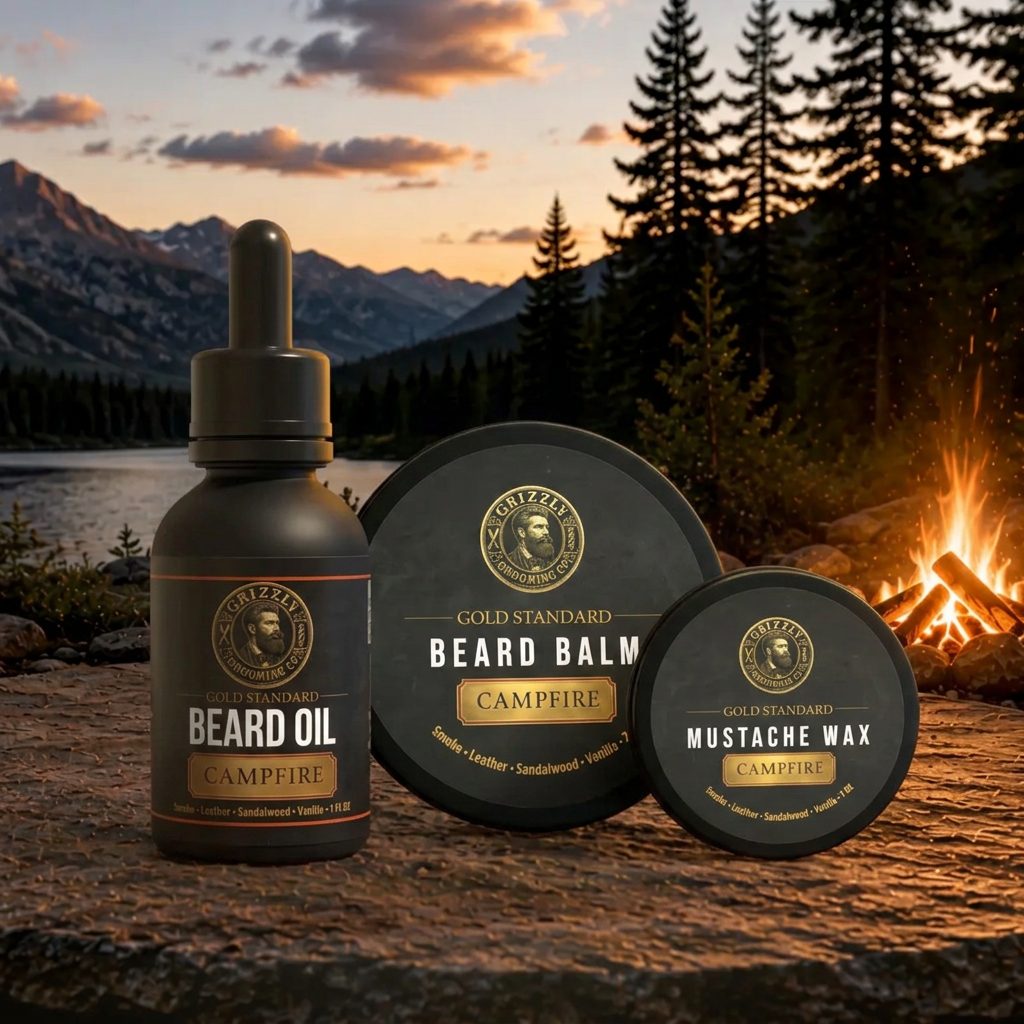
Beard oil, beard balm, and beard butter get lumped together as one category by people selling all three in the same box. They are not one category. They do different jobs, on different layers of your beard, at different frequencies. If you buy the wrong one for your problem, you get no result and you assume beard products do not work.
Beard oil: hydration and itch relief
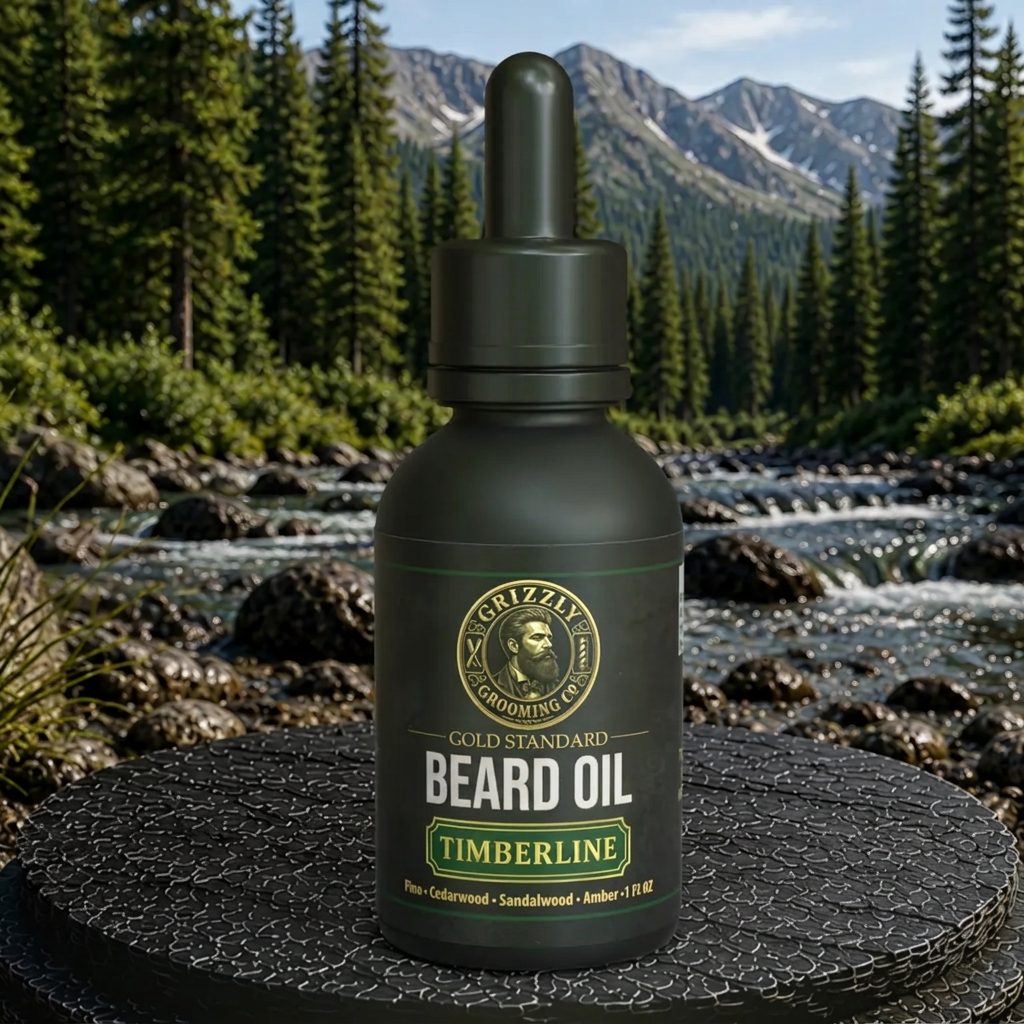
Oil is for the skin under the beard, primarily. It mimics your natural sebum, restores what washing strips, and stops the itch that comes from dry skin under growing hair. Any beard, any length, any type — oil is the foundation product. Daily use, applied to the skin with fingertips and then combed out through the hair.
Beard balm: shape and seal
Balm sits on the hair, not the skin. It is oils plus butters plus a small amount of wax, and its job is to weight the beard down, give it a light hold, add a bit of shine, and seal moisture in. Balm is what you use to shape a beard, to tame stray hairs, and to give a beard a groomed look rather than a wild one. Short beards under an inch usually do not need balm. Medium and longer beards benefit from it daily.
Beard butter: deep conditioning
Butter is a leave-in conditioner for the hair. Higher percentage of shea and cocoa butters than balm, less wax, and it is meant to be applied more generously, worked deep into the beard hair itself, and left in as a hydration treatment. It does not shape or hold. It softens. Two to three times a week for beards that feel coarse or dry; nightly for beards over four inches in dry climates.
The overlap that confuses people
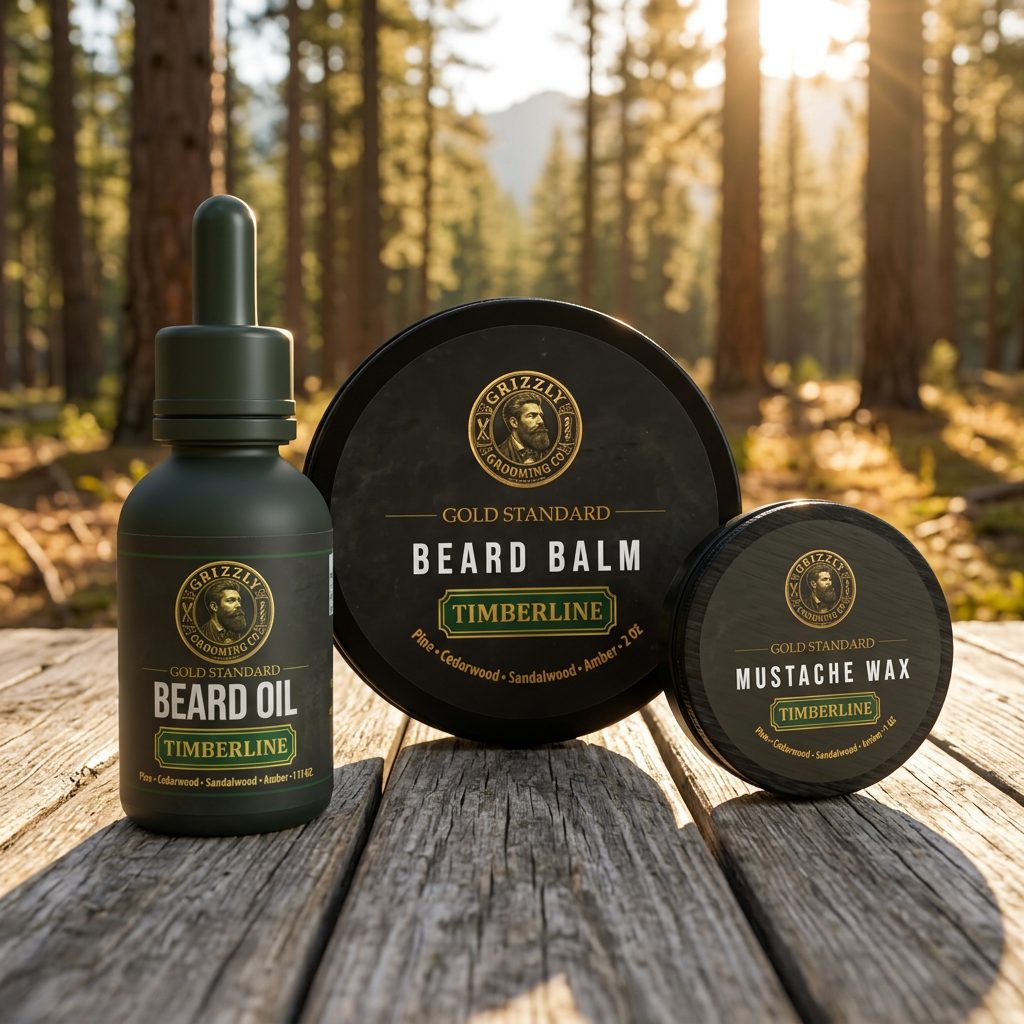
Oil and butter both hydrate. Balm and butter both contain butters. The distinction is where each one lives and how much of it you apply. Oil = skin, small amount, daily. Balm = hair surface, small amount, daily for styling. Butter = deep in the hair, generous amount, a few times a week for conditioning. Layering is normal — oil after wash, then balm for shape, then butter on the ends of a longer beard for softness.
The order to buy them in
Oil first — every beard needs it. Wash and conditioner second — the foundation of the ritual. Balm third once your beard is long enough to shape. Butter last, if the hair still feels coarse after months of consistent oil and conditioner. Do not buy all four at once and expect to know which is doing what.
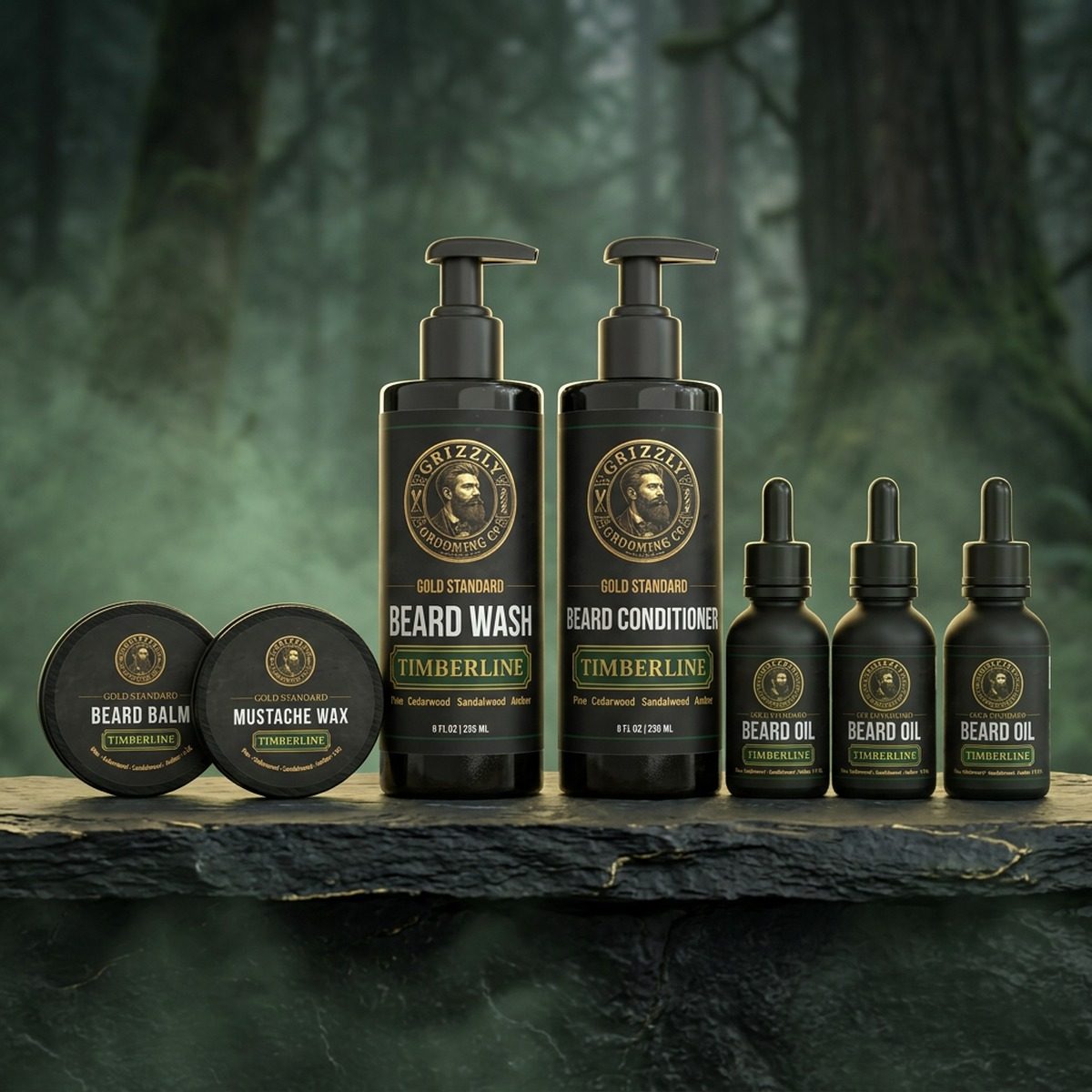
Beard Essential Kit — the two-product foundation (oil + balm + wax) that covers 90% of beard care needs, add butter later if you need it.
Cost per month for all three
A 1 oz oil holds roughly 600 drops, so a short beard at four drops a day gets about five months and a long beard at ten drops gets two. A 2 oz balm at a fingertip scoop daily lasts three to four months. A 2 oz butter used as a twice-weekly treatment lasts six months or more.
Compare products on cost per month at your own dose rather than sticker price. That math usually shows the oil is the cheapest of the three to run and the one worth spending the most on per ounce.
What to do if you only want one product
Buy the oil, at any beard length. It is the only one of the three that reaches the skin, which is where itch, flaking, and tightness start, and it is the base layer the other two assume is already there.
The single-product exception is a beard past four inches in a dry climate, where a butter that includes carrier oils can carry both jobs on days you are short on time. Even then, oil on damp skin remains the better daily habit.
Keep reading
Texture at room temperature versus body temperature
Oil stays liquid at any normal room or body temperature, which is why it spreads instantly and needs no warming step. Balm and butter are both semi-solid at room temperature and rely on the heat of your palms to soften into a workable texture, which is the most common source of application mistakes for anyone new to either product.
A cold bathroom in winter can leave balm or butter noticeably firmer than usual, requiring an extra ten to fifteen seconds of palm-warming before it spreads evenly. Skipping that extra time in a cold room is why the same product can feel clumpy in January and smooth in July with zero formula change.
How each product behaves in the shower steam
Applying oil in a steamy bathroom right after a shower actually helps, since the humidity keeps the beard slightly damp longer and gives the oil more time to work into the hair shaft before it evaporates off the skin surface.
Balm and butter behave differently in the same steam — the ambient heat and moisture soften them before they even reach your palms, which can lead to over-application if you are using a visual measure rather than a fingertip scoop. Apply balm or butter after you have stepped out and cooled slightly for a more predictable amount.
Mixing your own blend versus buying formulated products
Some men try to combine straight carrier oil with raw shea butter at home rather than buying a purpose-made balm. This can work, but it skips the small amount of wax that formulated balm includes specifically for hold, so a homemade mix conditions well but will not hold a shape or tame flyaways the way a real balm does.
If your goal is styling and hold, a proper balm with its wax component is doing a job that a straight oil-and-butter mix cannot replicate. If your only goal is conditioning with zero hold, a simple oil-and-butter combination is a reasonable substitute.
Building a Weekly Rotation Instead of Picking Just One
Most men eventually settle into a rotation rather than a single product for life: oil every single day as the non-negotiable base layer, balm on days the beard needs shape held (meetings, events, anything with wind), and butter once or twice a week as a deeper conditioning treatment. Thinking of it as a rotation rather than a single choice removes a lot of the either-or pressure these comparisons create.
The rotation does not need to be rigid. A short beard might only ever need oil plus occasional balm and never touch butter; a long beard might lean on butter three nights a week and rarely need balm at all. Build the rotation around what your specific beard actually asks for, not around using all three products out of a sense of completeness.
Cost and Usage Rate Compared Across the Three
Oil gets used daily in small amounts and empties on a predictable schedule regardless of beard length. Balm, used less often and in similarly small amounts, tends to last considerably longer per tin than oil does per bottle, simply from lower frequency of use.
Butter usually lasts longest of the three for most men, since it is typically used only a few times a week even in a full rotation, and a small amount goes further per application due to how concentrated the conditioning agents are. If you are budgeting a first-time grooming kit, oil is the product you will restock soonest — plan accordingly.
What Beginners Consistently Get Wrong About This Choice
The single most common beginner mistake is treating the three products as competitors and picking one to the total exclusion of the others, when they are formulated for different jobs and were never meant to replace each other. A beginner who buys only balm because it seemed like the 'main' product often ends up with a beard that holds shape but feels dry, since balm alone under-delivers on conditioning.
The second common mistake is over-application across all three, driven by the assumption that more product means better results. Each of these products works best in small, correctly timed amounts, and doubling up rarely improves the outcome — it usually just weighs the beard down and increases the odds of buildup that eventually needs a clarifying wash to remove.
Frequently Asked Questions
If I can only buy one, which should it be?+
Beard oil. It is the only one of the three that conditions the skin underneath, and both balm and butter assume it is already applied.
Which product lasts the longest?+
Butter used as a twice-weekly treatment — a 2 oz tin often lasts six months or more. Balm used daily runs out in three to four.
Do I need both beard oil and beard balm?+
If your beard is under an inch, oil alone is usually enough. Once you are past an inch and want a groomed look rather than a wild one, add balm for shape and hold. They complement — one is for skin, one is for shaping the hair.
Is beard butter just a fancy conditioner?+
Functionally, yes — it is a leave-in conditioner for the hair. But because it stays in the beard, its formulation is different from a rinse-out conditioner: no strong surfactants, more butters, longer-lasting emollients.
Can I use balm instead of oil?+
No. Balm does not reach the skin the way oil does, so it does not solve the beard-itch and dry-skin problems oil is designed for. Balm on top of a beard that has not had oil first sits on dry hair and dry skin — the hydration layer is missing.
How do I know if I need butter?+
Give it 90 days of consistent oil + wash + conditioner + balm. If the beard still feels coarse or dry, or if you are in a dry climate or the beard is over four inches, add butter 2–3× per week. Under those conditions, butter is optional.
Why is my beard balm harder to apply in winter?+
Balm and butter are semi-solid at room temperature and soften with palm heat. Cold bathrooms in winter require an extra ten to fifteen seconds of warming before the product spreads evenly.
Should I apply beard oil right after a shower?+
Yes, the steam and dampness give the oil more time to absorb before it evaporates. Balm and butter should go on a few minutes later once you have cooled slightly, since steam softens them and can lead to over-application.
Can I mix my own beard butter and oil instead of buying balm?+
You can, and it conditions well, but it lacks the small wax component that gives real balm its hold. Use a homemade oil-and-butter mix only if you do not need styling hold.
Do I need to use beard oil, balm, and butter all in the same routine?+
Not necessarily all three, but oil is the one non-negotiable daily base. Balm and butter serve different secondary jobs — hold and deep conditioning respectively — and which ones you add depends on your beard's length and what it actually needs, not on using every product for its own sake.
Which of beard oil, balm, or butter will I need to restock most often?+
Oil, by a wide margin. It's used daily in small amounts and empties on a predictable schedule. Balm lasts longer per tin due to less frequent use, and butter typically lasts longest of the three since a little goes a long way and it's often used only a few times a week.
What's the most common mistake beginners make choosing between these three products?+
Treating them as competitors and picking only one, usually balm, when they're formulated for different jobs and aren't meant to replace each other. This often produces a beard that holds shape but feels dry. The second common mistake is over-applying all three, which weighs the beard down rather than improving results.
"Best grooming purchase I've made all year. The scent alone is worth it — everything else is a bonus."
Join The Grizzly Brotherhood
Scent guides, grooming tips, and early access to new drops. No discount bait — just the good stuff.
Unsubscribe anytime · No spam
Get Gold Standard Beard Essential Kit
- Everything in this article, one click.
- Built for a complete daily ritual.
- 30-day money-back guarantee.
Related Guides
Butter-forward vs wax-forward, hold levels, and the layering test.
The full comparison across hold, conditioning, and finish.
The wash, condition, and oil sequence that changes coarse hair.
What each carrier oil does once it hits skin and hair.
Assemble a kit around your beard length and skin type.
Sources & Research
- International Journal of Molecular Sciences — Anti-Inflammatory and Skin Barrier Repair Effects of Topical Application of Some Plant Oils
- Indian Journal of Dermatology — Moisturizers: The Slippery Road
- American Academy of Dermatology — Face Washing 101
- American Academy of Dermatology — Dermatologists' Tips for Relieving Dry Skin
- Grizzly Grooming Co. formulation notes and batch testing records