Winter Beard Maintenance: A Professional Guide to Cold Weather Care
Cold air and low humidity are the primary adversaries of a healthy beard, drawing moisture from the hair cortex and leaving the cuticle vulnerable to breakage. Winter requires a shift from lightweight hydration to heavy-duty lipid barriers that lock in moisture against harsh environmental conditions.
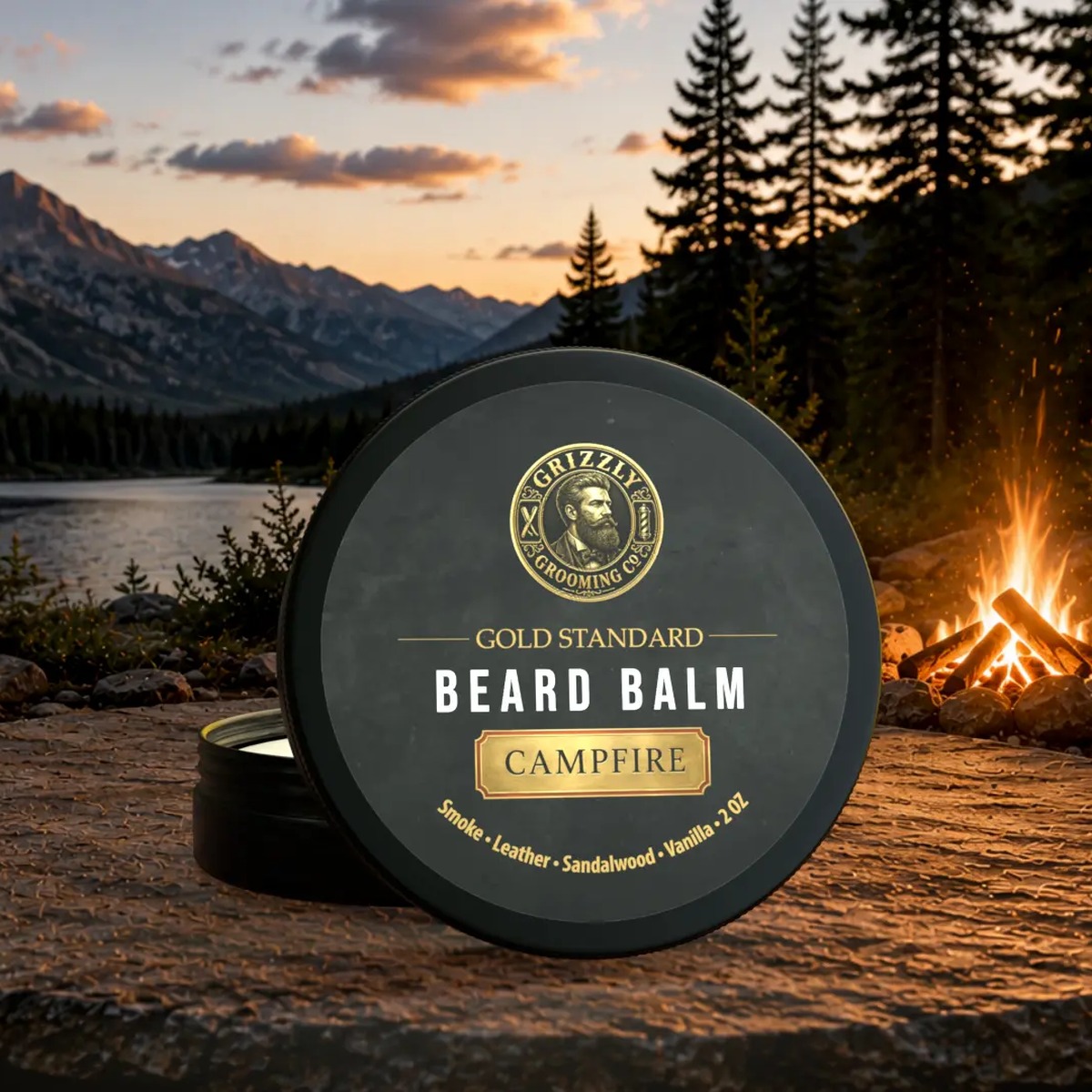
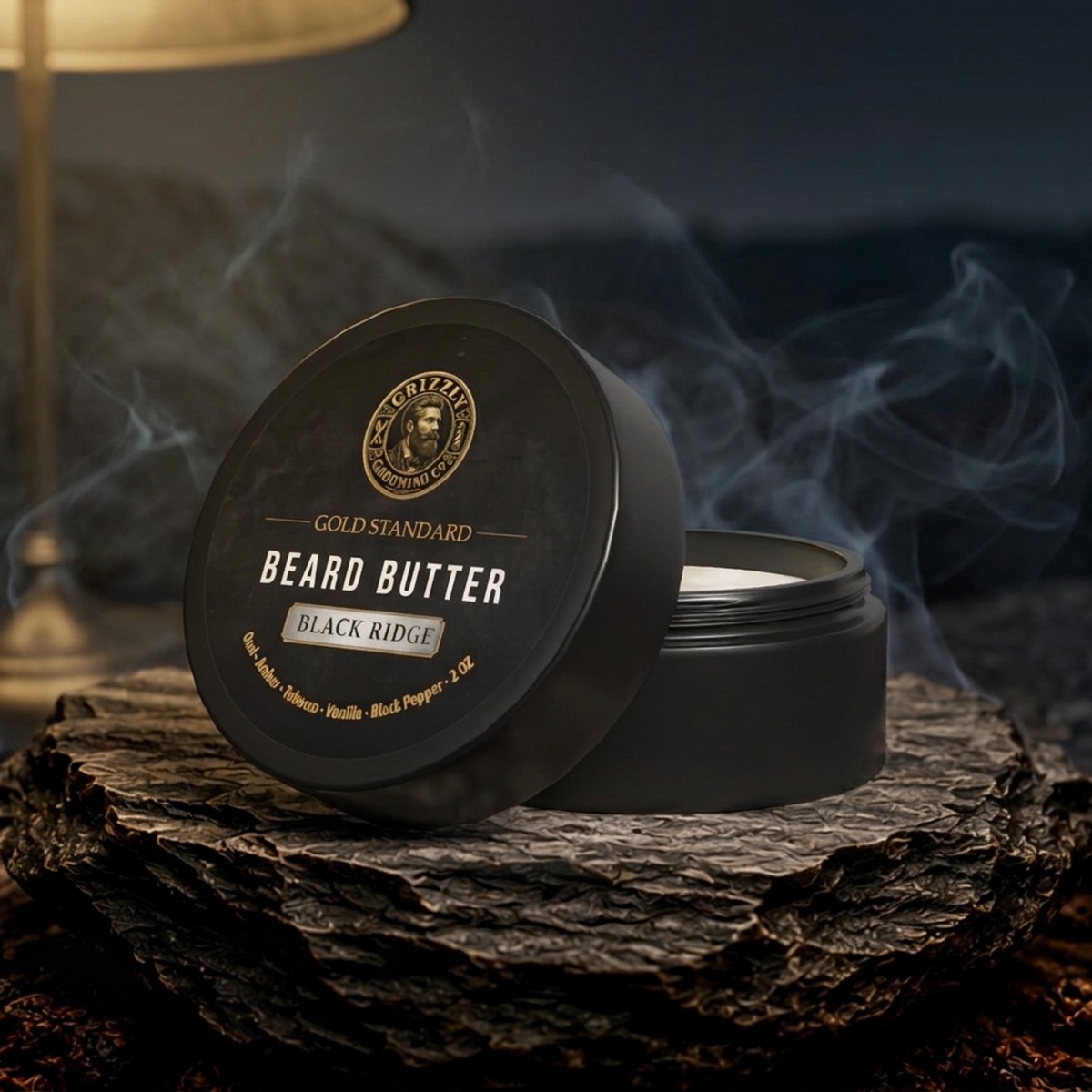
- ›Switch from lightweight oils to high-viscosity beard butter for superior barrier protection.
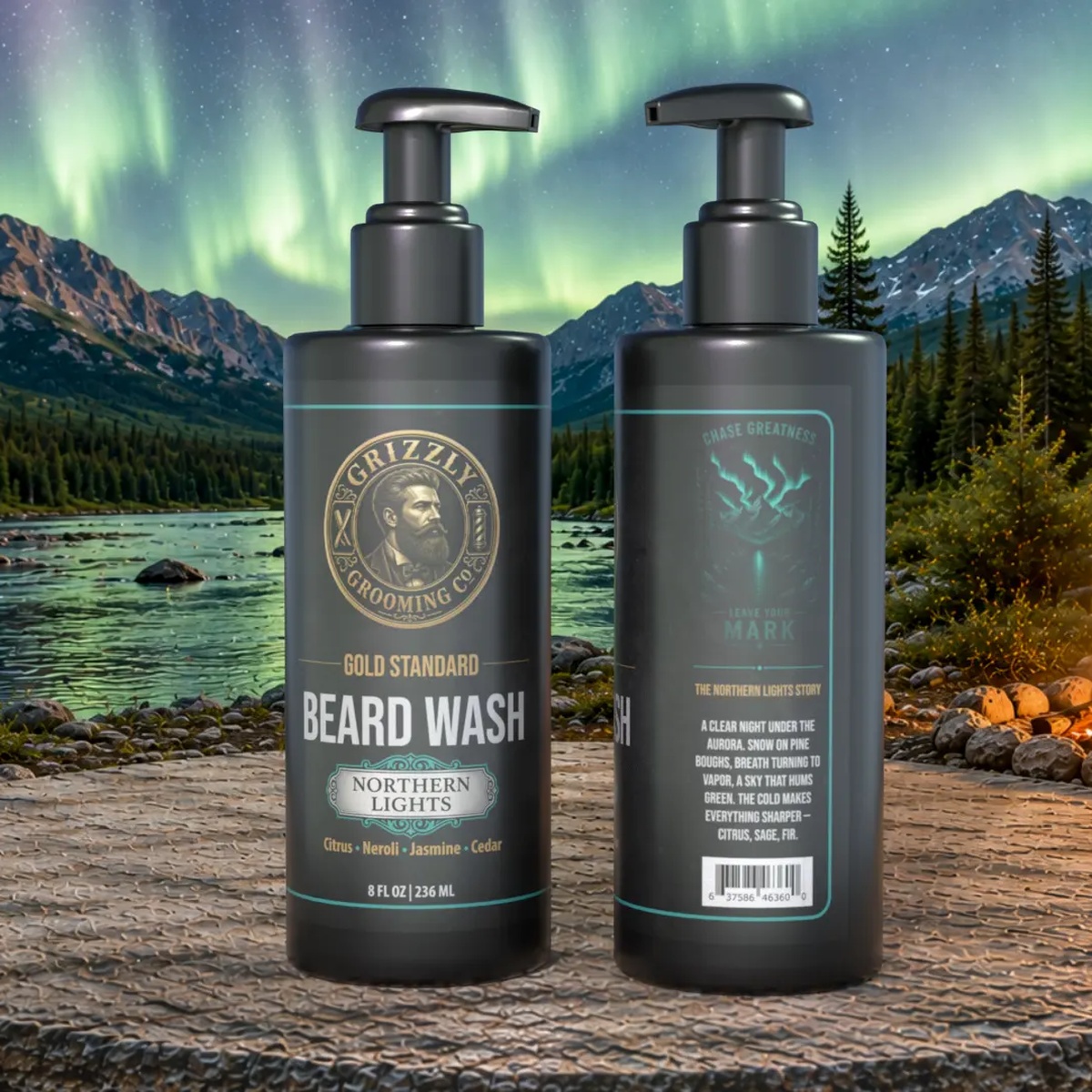
- ›Reduce washing frequency to twice weekly using a dedicated beard wash to preserve natural sebum.
- ›Apply product to damp hair to seal in hydration before stepping into sub-freezing temperatures.
- ›Avoid high-heat styling tools which further dehydrate the hair during low-humidity months.
- ›Utilize silk or satin-lined scarves to minimize friction and mechanical breakage of the beard tips.
The Physics of Winter Dehydration
In colder months, the ambient air holds significantly less moisture, creating an osmotic pull that draws water out of your facial hair and the underlying dermis. This leads to brittle strands and the uncomfortable condition commonly known as beardruff, which is essentially localized xerosis.
To counter this, you must prioritize the integrity of the hair cuticle. When the cuticle scales are flattened and sealed, they prevent moisture loss and protect the inner medulla from the biting wind. This is why seasonal adjustments to your routine are not optional, but a technical necessity for maintaining length and softness.
Transitioning to Heavier Lipid Barriers
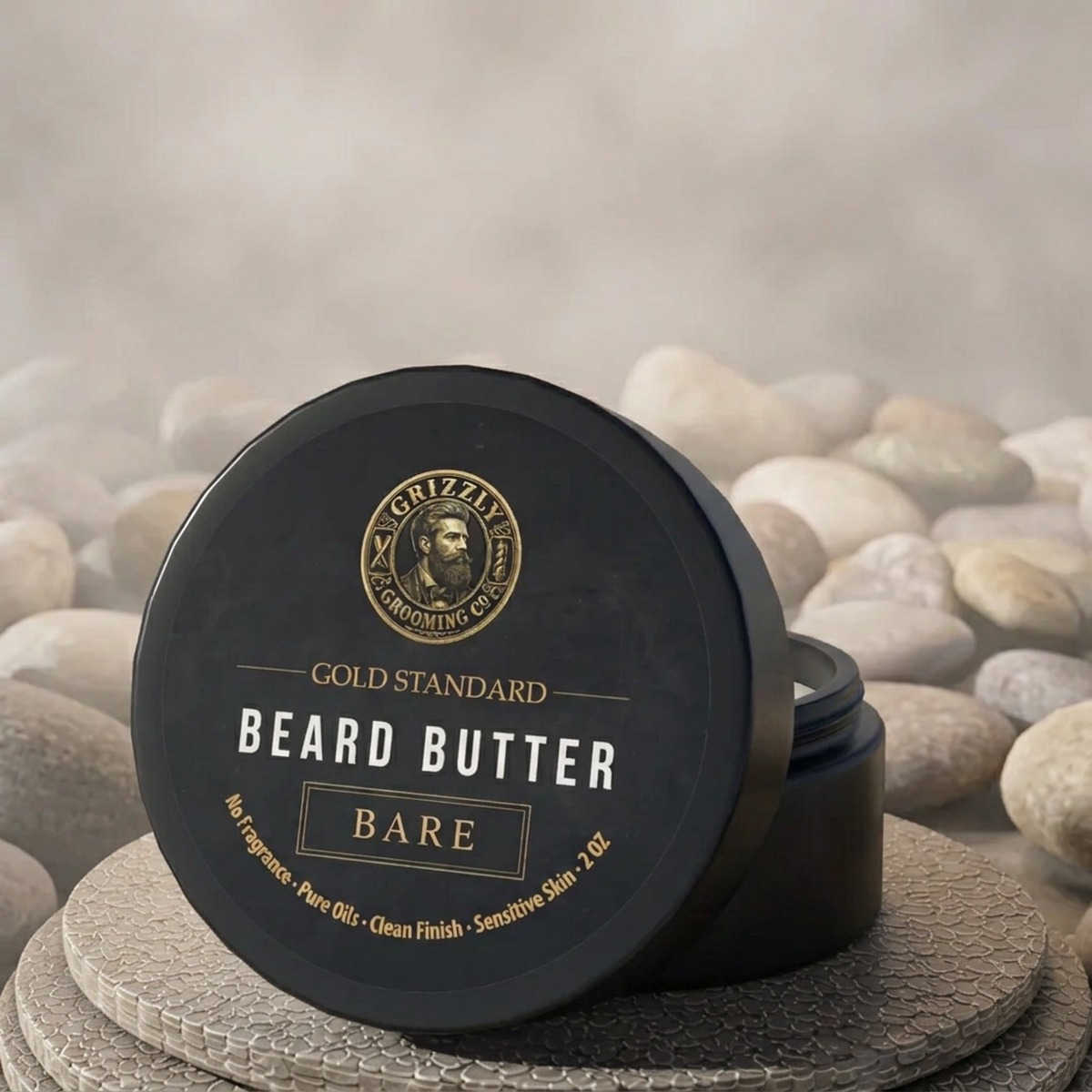
While a light beard oil is sufficient for summer, winter demands the structural support of Grizzly Gold Standard beard butter. The inclusion of shea and mango butters provides a physical layer that stays on the hair longer than liquid oils, acting as a structural insulator against the cold.
Apply your beard oil first to treat the skin, then layer beard butter over the hair to seal everything in. This process, known as occlusion, ensures that the hydration provided by the oil and your shower remains trapped within the hair shaft throughout the day.
For those with particularly long beards, pay extra attention to the ends. The oldest parts of your beard are the most porous and will be the first to split if they aren't properly coated in a protective wax or butter blend.
Refining the Washing Frequency
Over-washing is a common error that exacerbates winter dryness. Standard soaps and harsh shampoos strip the natural oils that your body produces to protect itself. During the winter, limit the use of a specialized beard wash to no more than two or three times per week.
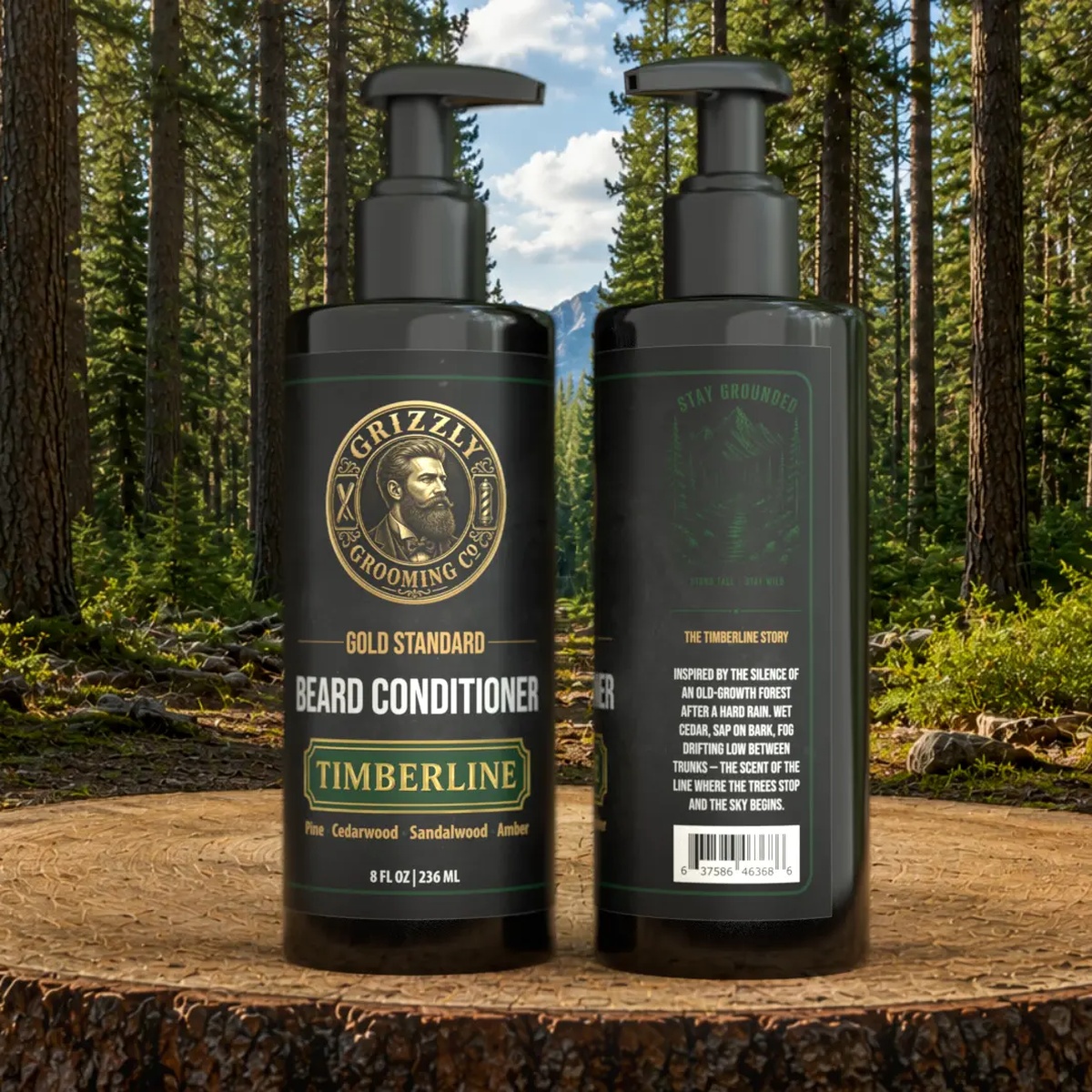
On off-days, simply rinse the beard with lukewarm water. This removes environmental debris without disrupting the acid mantle of your skin. If the beard feels particularly dry, a dedicated beard conditioner can be used in place of wash to provide a gentle cleanse with added slip.
Always ensure the water temperature is moderate. Hot water may feel pleasant in December, but it serves to further dehydrate the skin and raise the hair cuticle, making it more prone to tangling and breakage.
Mechanical Protection and Fabric Choice
The friction caused by heavy wool coats and scarves is a leading cause of beard thinning in the winter. Coarse fabrics can catch on the hair, causing micro-tears in the cuticle or pulling the hair out at the follicle.
If you wear a scarf, consider the material. Silk or high-thread-count cotton liners are gentler on facial hair. Alternatively, ensuring your beard is well-conditioned with a product containing beeswax, such as a styling balm, can provide enough 'slip' to minimize these mechanical snags.
Regularly brushing with a boar hair brush during winter helps redistribute your natural oils from the root to the tips, reinforcing the hair's natural defenses while gently exfoliating the dry skin underneath.
Frequently Asked Questions
Why does my beard feel itchier when the temperature drops?
The drop in humidity causes your skin to lose moisture rapidly, leading to irritation and flaking. Using a beard oil rich in argan or jojoba oil twice daily can replenish the skin's moisture barrier and stop the itch.
Can I use hair shampoo on my beard during winter?
We advise against it. Scalp shampoos contain harsh surfactants designed for higher oil production levels. A dedicated beard wash is formulated with milder cleansers that won't strip the essential lipids your beard needs to survive the cold.
Is beard butter better than oil for winter protection?
They serve different purposes. Oil is for skin health, while butter is an occlusive for the hair. In winter, using both in tandem provides the most comprehensive protection against the elements.
Build your ritual in 60 seconds.
Answer four questions and get a custom regimen — plus a 15% bundle discount.
Start The Ritual Builder