Why Your Beard Looks Dry: Identifying Causes and Applying Fixes
A dry, brittle beard is a clinical sign of lipid depletion and cuticle damage. Unlike the hair on your scalp, facial hair relies on a finite supply of sebum produced by the sebaceous glands located at the base of each follicle. As your beard grows beyond a certain length, typically two inches, the natural oil production becomes insufficient to coat the entire shaft. This lead to a porous hair structure that leaks moisture, resulting in a coarse, prickly texture and increased breakage. To correct this, a systematic approach to hydration, cleansing, and sealing is required. By understanding the physiological needs of your facial hair and the mechanics of topical applications, you can move from a state of irritation and tangles to one of soft, manageable, and healthy growth.
- ›Identify if aggressive detergents or high-heat styling are stripping the natural lipid barrier.
- ›Prioritize beard oil containing jojoba or argan to mimic natural sebum for deep cortex penetration.
- ›Apply hydration products to damp hair at roughly 80% dryness to trap water within the hair shaft.
- ›Layer beard butter over oil for a slow-release moisture treatment during sleep or extended periods.
- ›Limit beard wash frequency to 2-3 times per week to prevent chronic dehydration of the skin.
- ›Use a boar hair brush to distribute oils evenly and mechanically exfoliate the skin beneath the beard.
The Biology of Facial Hair Dehydration
The primary cause of a dry beard is the disparity between hair length and sebum production. Every hair follicle is paired with a sebaceous gland that secretes sebum, a complex mixture of triglycerides and fatty acids. This lipid layer is vital for maintaining the hydrophobic barrier of the hair cuticle. When the beard grows, the surface area increases exponentially, eventually exceeding the volume of oil your skin can produce. This leaves the distal ends of the hair exposed and prone to fraying.
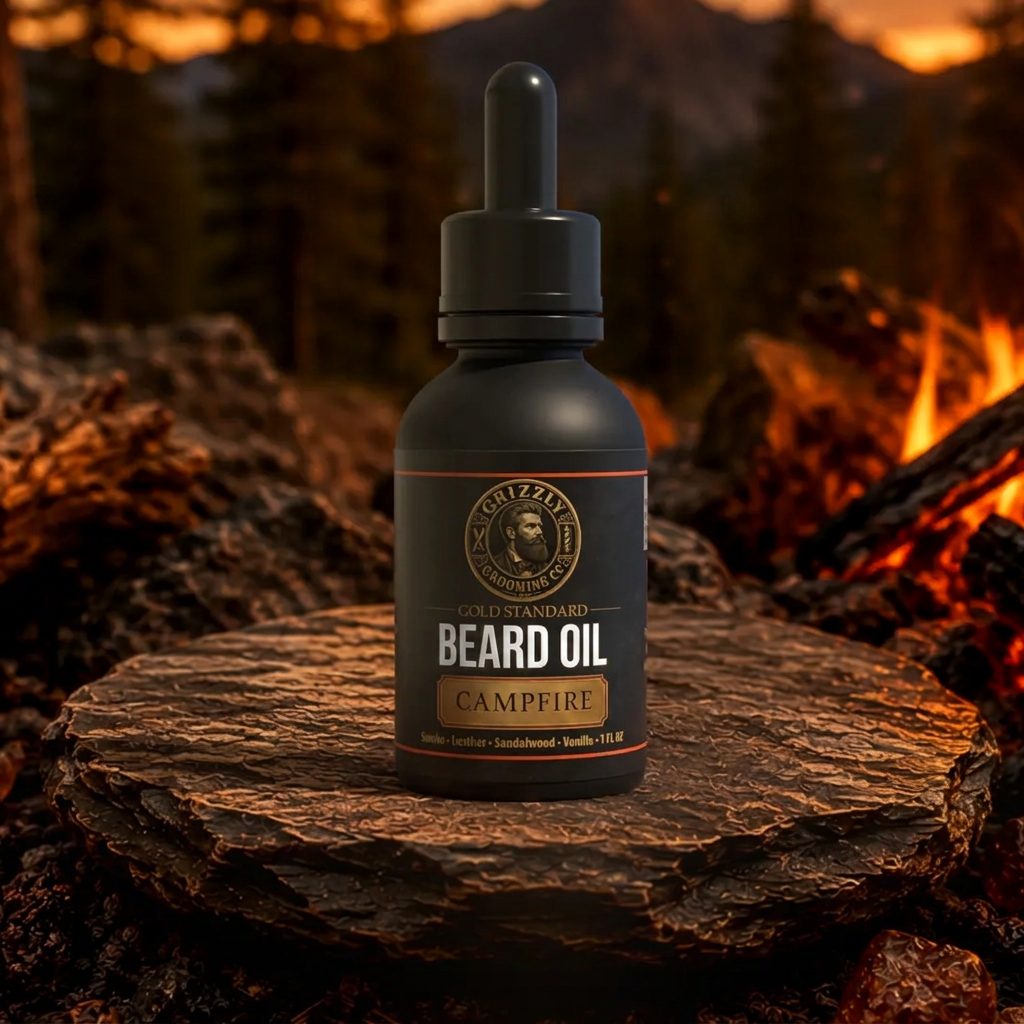
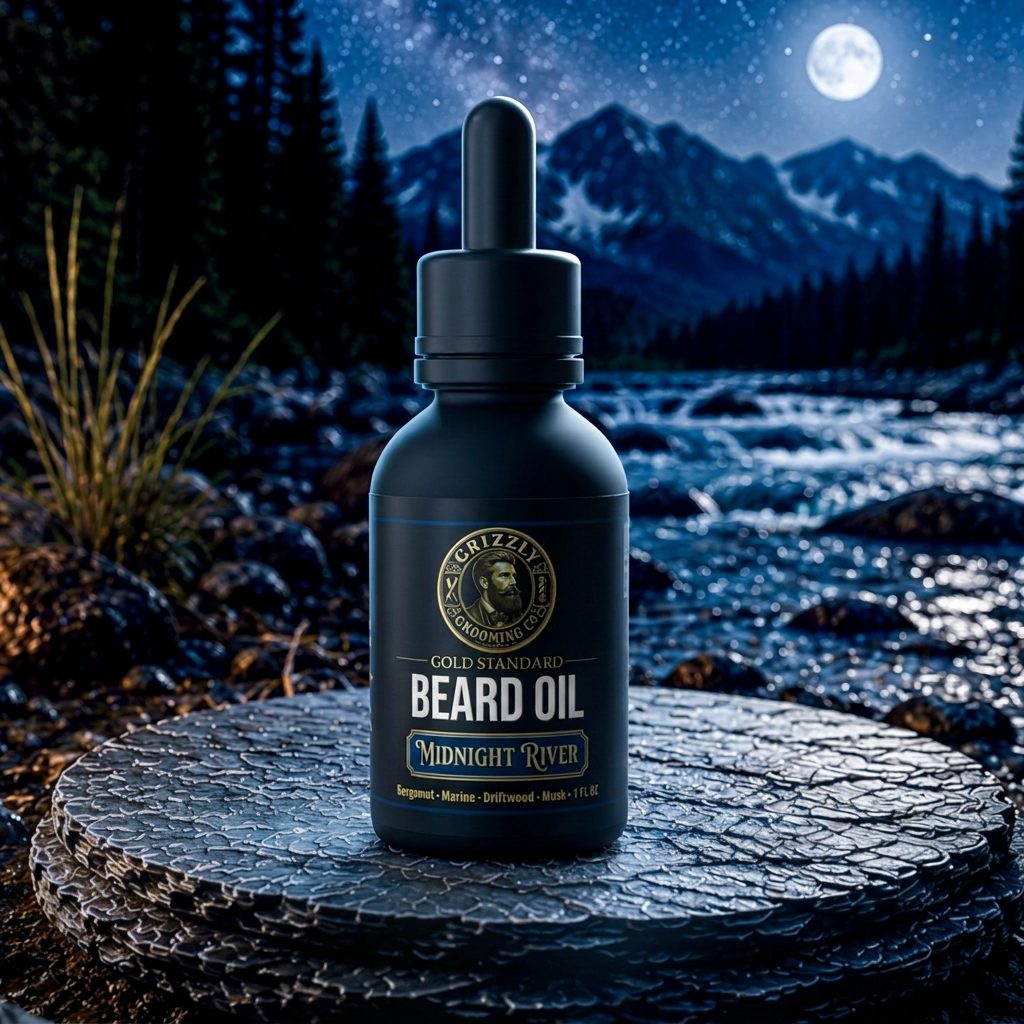
Environmental factors further exacerbate this biological limitation. Low humidity in winter air or indoor heating systems pull moisture out of the hair through a process called hygroscopic equilibrium. When the air is drier than your beard, it draws water molecules out of the hair cortex. This causes the cuticle scales to lift and snag against one another, creating the rough 'Velcro' feel common in neglected beards. Supplementing with a Gold Standard Beard Oil provides the necessary lipids to flatten these scales.
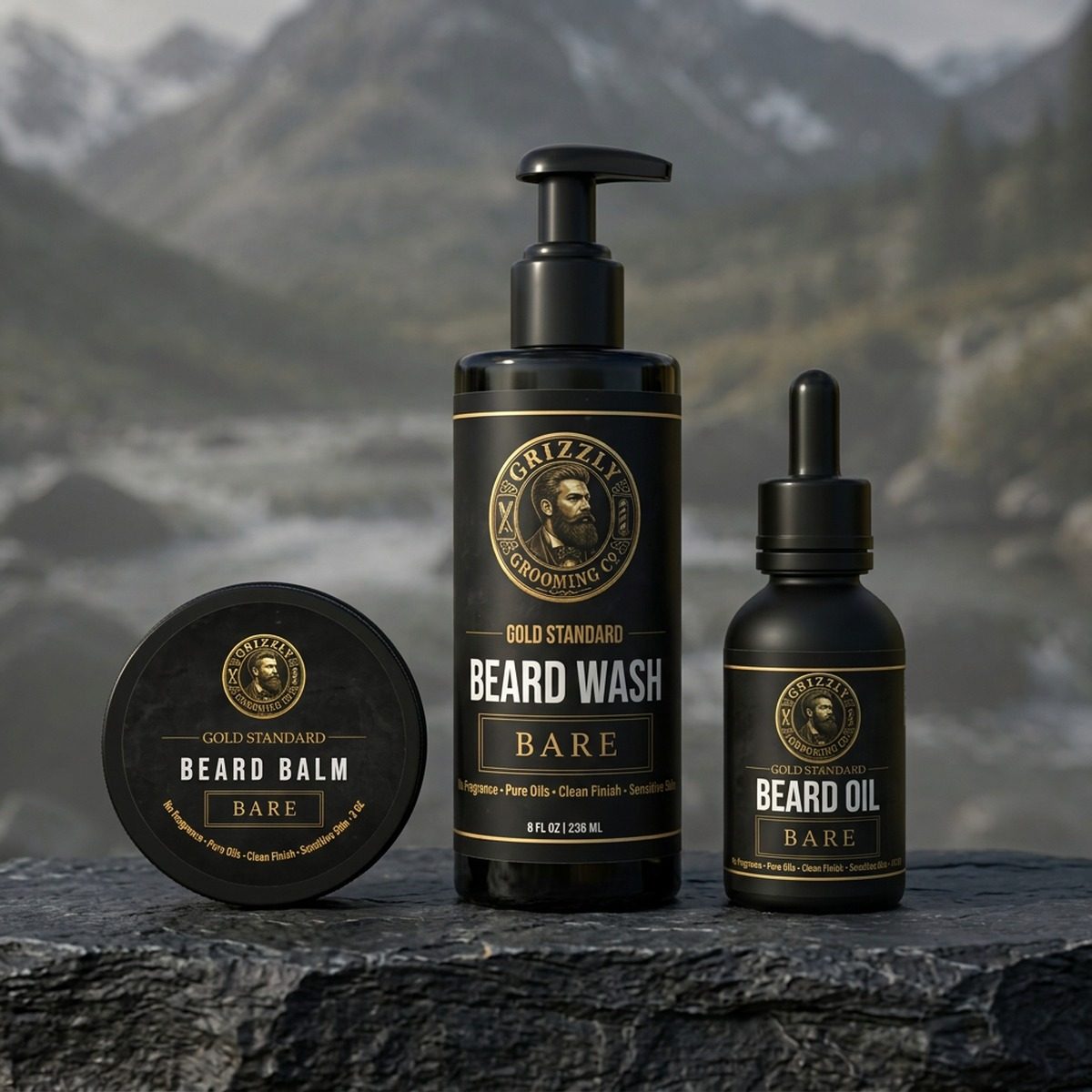
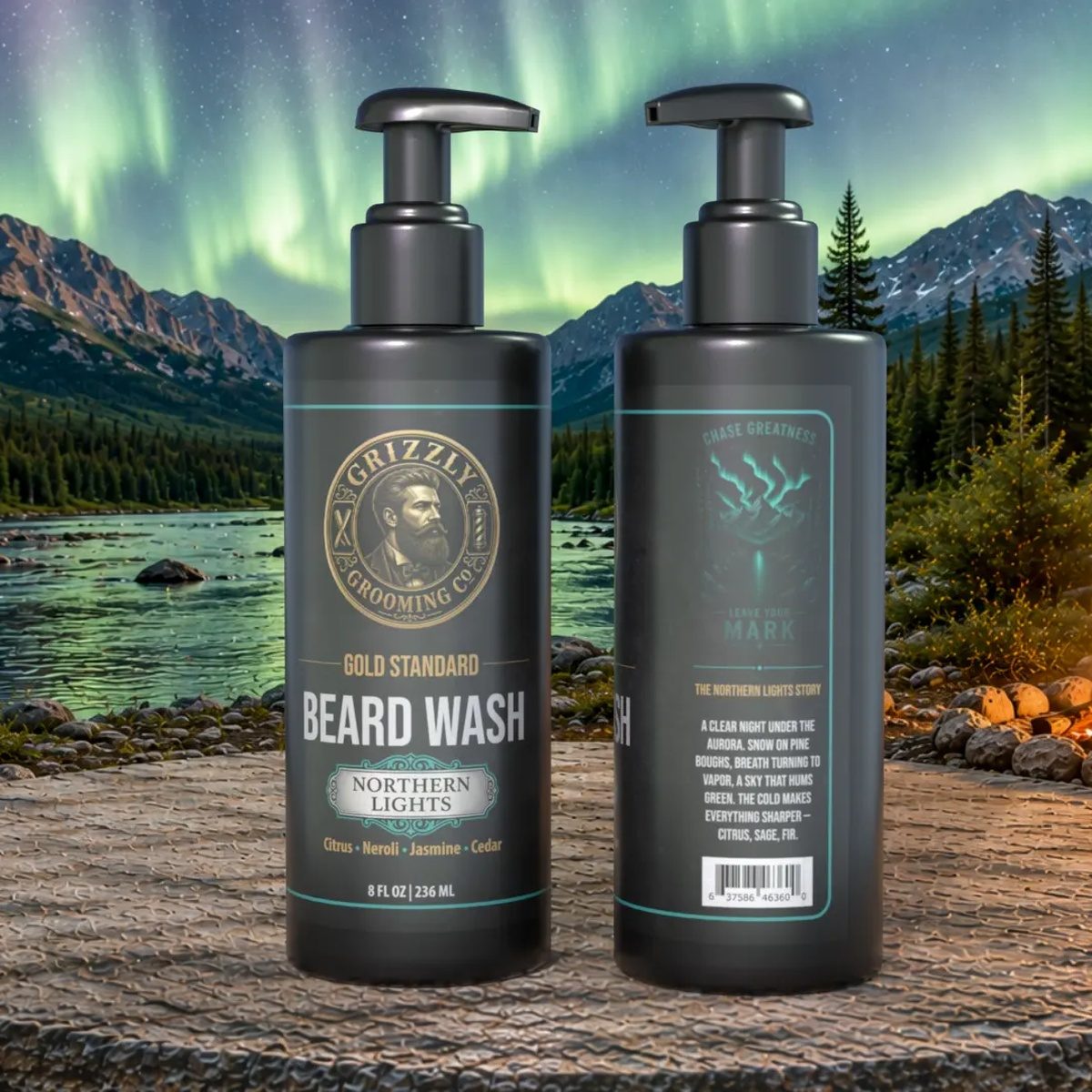
Chemical exposure is a third critical factor. Many men mistakenly use standard body soap or scalp shampoo on their face. These products contain harsh surfactants like Sodium Lauryl Sulfate (SLS) designed to strip heavy oils from the scalp, which is significantly oilier and thicker than facial skin. On the face, these chemicals dissolve the protective lipid layer entirely, leading to contact dermatitis, itchiness, and a beard that feels like straw. Transitioning to a dedicated beard wash is the first step in a corrective routine.
Strategic Cleansing and Temperature Control
The frequency and temperature of your wash routine dictate the baseline health of your beard. Washing every day is a common mistake that leads to chronic dryness. For most beard types, two to three times per week with a specialized beard wash is sufficient to remove debris and dead skin without compromising the moisture barrier. On non-wash days, rinsing with lukewarm water is enough to refresh the hair and manage shape without removing essential oils.
Water temperature plays a decisive role in cuticle health. Boiling hot water may feel relaxing, but it thermally shocks the hair and melts away sebum too effectively. Instead, use lukewarm water during the washing process to open the pores and soften the hair without causing inflammation. Finish with a cool water rinse at the end of your shower. This helps to contract the hair cuticle, smoothing the surface and locking in any moisture previously introduced.
Post-wash drying is equally important. Rubbing a beard vigorously with a dry towel creates friction and mechanical stress that can snap weakened hairs. Instead, pat the beard gently with a microfiber towel or an old cotton t-shirt. Your goal is to reach a state of dampness where the hair is no longer dripping but still contains internal moisture—roughly 80% dry. This is the optimal window for applying Gold Standard Beard Oil to ensure the oil traps the remaining water within the hair structure.
The Correct Application of Beard Oil
Beard oil is not merely a styling product; it is a replacement for the sebum your body cannot provide. To apply it effectively, you must focus on the skin first. Dispense 4 to 10 drops of oil into your palm, depending on the length of your beard. For a short beard (under 1 inch), 3-5 drops are usually sufficient. For a full beard (1-3 inches), 6-8 drops are necessary. Anything longer may require 10 or more drops to ensure full coverage from root to tip.
Rub your hands together to warm the oil, then massage it directly into the skin beneath the beard. This prevents 'beardruff' and ensures the hair follicle is nourished at the source. Once the skin is coated, pull your hands through the length of the beard to coat the hair shafts. Use your fingertips to work the oil into the chin area and along the jawline where dryness is most prevalent. This should be a daily habit, preferably immediately after showering when the pores are most receptive.
The choice of ingredients in your beard oil matters. Heavy, synthetic oils like silicone or mineral oil sit on the surface of the hair, giving a false sense of softness while actually blocking real moisture from entering. Look for plant-based oils with small molecular structures, such as jojoba, argan, and grapeseed. These oils mimic the skin’s natural chemistry, allowing them to penetrate the hair cortex rather than just coating the exterior. This leads to a beard that is soft to the core rather than just greasy on the surface.
Deep Conditioning with Beard Butter
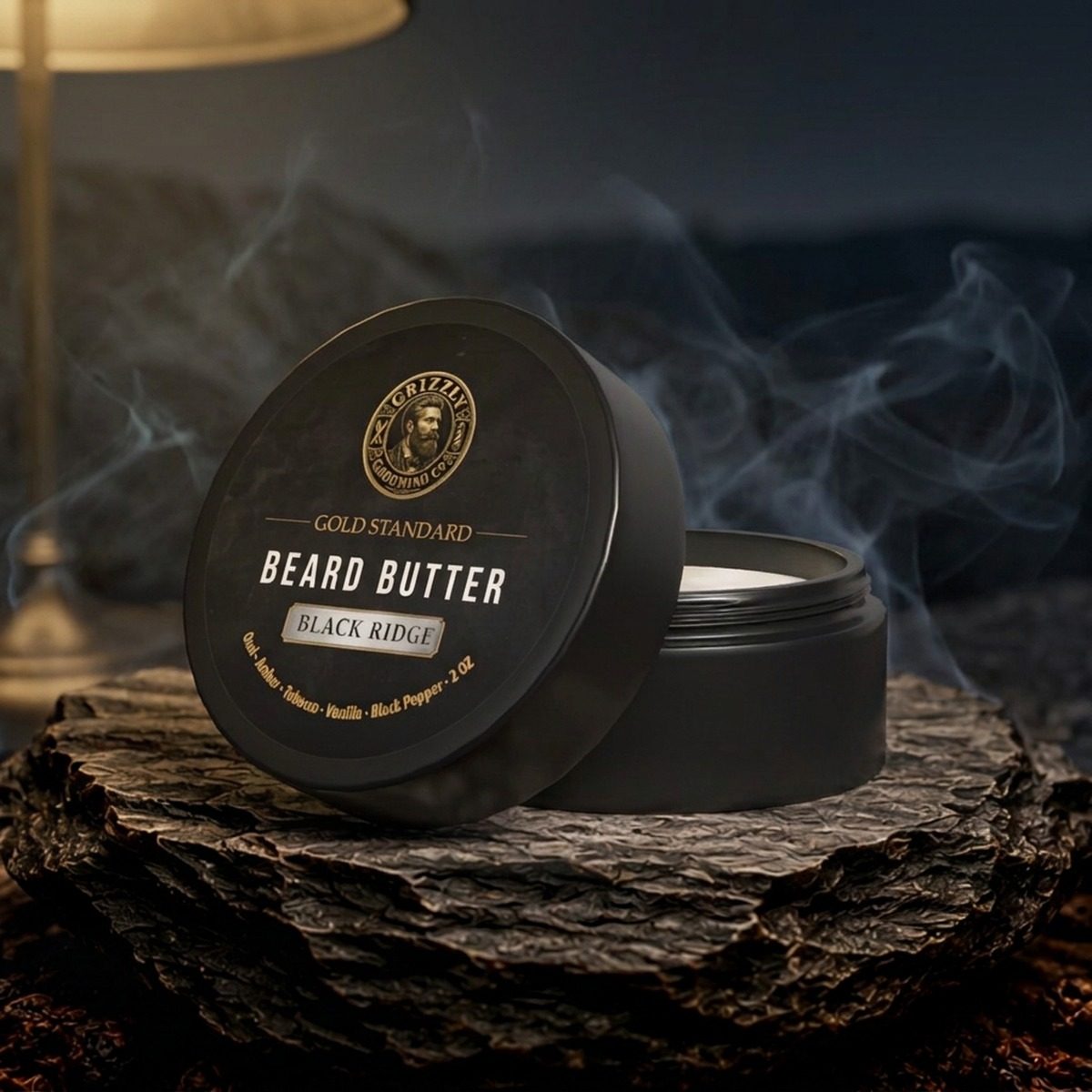
While oil manages the skin and the hair core, beard butter is designed for deep conditioning and softening the exterior. Beard butter typically contains a high concentration of shea or cocoa butter mixed with essential oils. It lacks the heavy wax content of a balm, making it an ideal treatment for overnight use or for men with particularly coarse, curly hair that resists traditional oils. The butter provides a sustained release of nutrients over several hours.
The best time to use Gold Standard Beard Butter is in the evening before bed. After a light rinse or a clean dampening of the beard, work a nickel-sized amount of butter through the hair. Focus specifically on the ends and the underside of the beard, which are often the driest parts. This overnight treatment allows the fats and vitamins to fully saturate the hair fibers, resulting in a significantly softer texture by morning and reducing the need for heavy styling products during the day.
Beard butter can also be used as a standalone daytime product for men who prefer a matte look over the shine provided by oil. It offers light control for flyaways without the stiffness of a wax-based balm. For those living in arid climates, layering beard butter over a base of beard oil creates a dual-layered moisture barrier that is nearly impenetrable to dry air. This technique is especially useful during winter care when the risk of brittle hair and split ends is at its peak.
Environmental Protection with Beard Balm
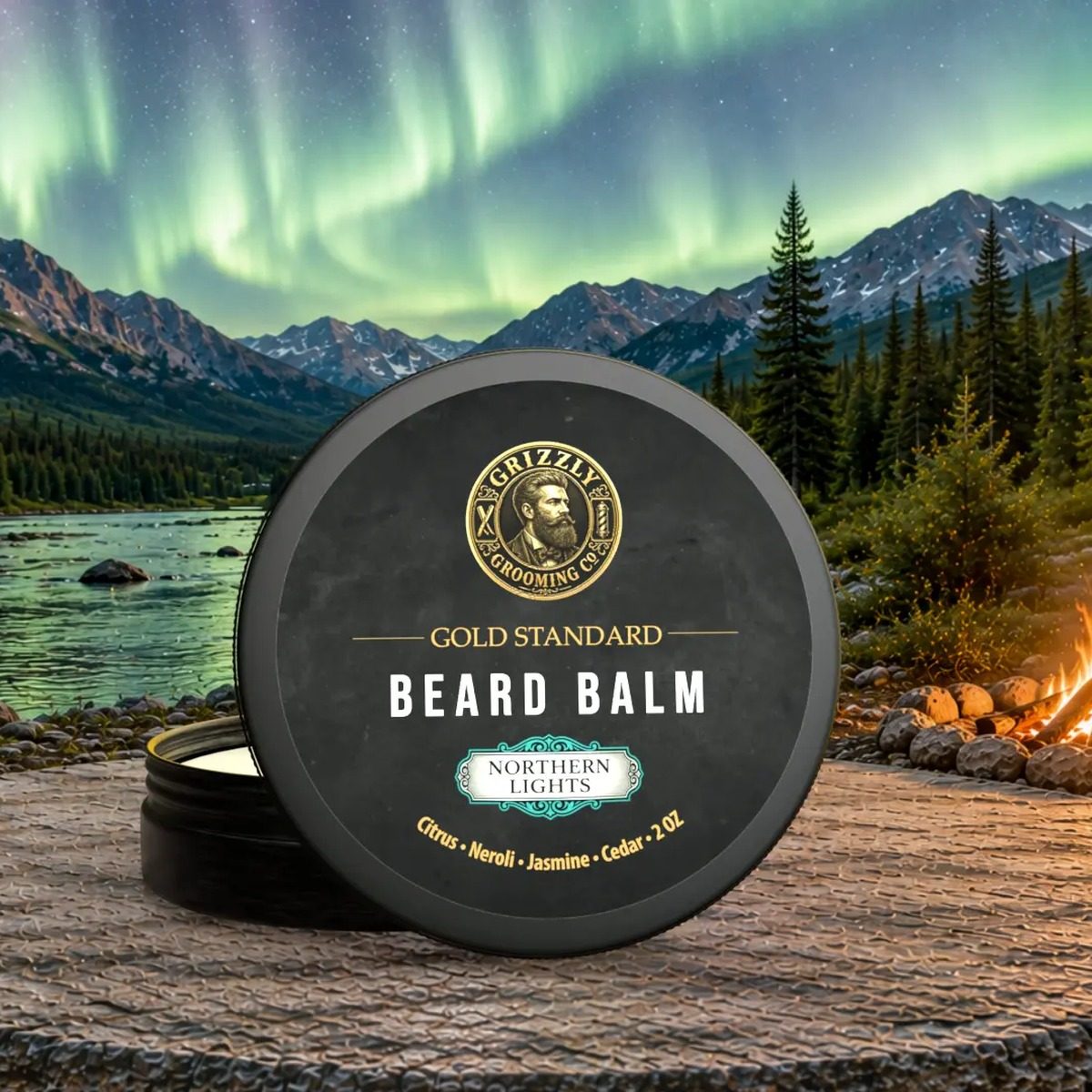
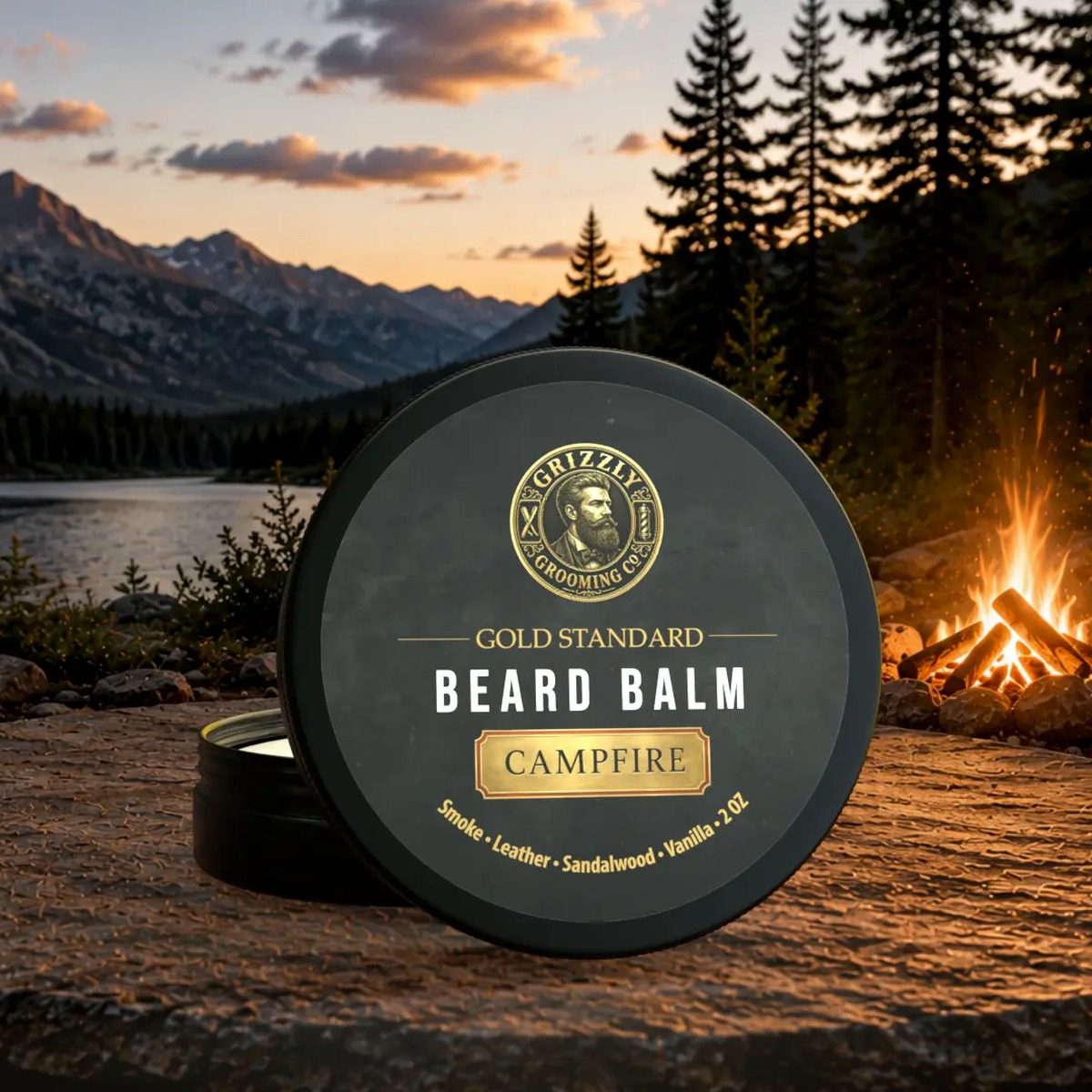
Beard balm serves a specific functional purpose: protection and light hold. Unlike oils and butters, balm contains beeswax or lanolin, which creates a physical film over the hair shaft. This barrier is essential for men who work outdoors or are frequently exposed to wind, sun, and pollutants. The wax locks in the moisture provided by your oil and prevents the environment from leaching hydration out of the hair throughout the day.
To apply, scrape a small amount of balm out with the back of your thumbnail and rub it between your palms until it melts into a smooth consistency. Apply it to the surface of the beard, using downward strokes to smooth out flyaways and shape the hair. This is particularly useful for certain face shapes where controlling volume at the sides is necessary for a polished aesthetic. The balm will solidify slightly as it cools, providing a medium hold that lasts for several hours.
It is important to note that balm is a sealer, not a primary hydrator. Applying balm to a dry, unconditioned beard will only result in a stiff, crunchy texture. Always ensure you have applied a base layer of oil or have used a quality conditioner during your shower before finishing with balm. This 'lock and key' approach ensures that the internal moisture is preserved while the exterior is protected from the elements, including UV damage which can weaken the protein structure of the hair.
The Role of Tools in Moisture Distribution
The tools you use are just as important as the products you apply. A high-quality boar hair brush is the gold standard for beard maintenance. Boar bristles are unique because they have a naturally scaly surface that picks up oil and distributes it evenly along the entire hair shaft. Regular brushing ensures that the oil you apply to the skin reaches the dry tips of the hair, which would otherwise remain brittle and prone to split ends.
Brushing also serves a secondary purpose: mechanical exfoliation. Dry beards are often accompanied by dead skin buildup, which can clog follicles and hinder healthy growth. By brushing once or twice a day, you clear away these cells and stimulate blood flow to the surface of the skin. This increased circulation can improve the delivery of nutrients to the hair bulb. Ensure you are brushing on a dry or slightly damp beard; brushing a soaking wet beard can cause the hair to stretch and break.
For detangling, a wide-tooth wooden comb is preferable to plastic or metal. Plastic combs often have microscopic burrs from the molding process that snag and tear the hair cuticle, leading to increased dryness and frizz. A saw-cut wooden comb glides through the hair without generating static electricity, which is a major contributor to flyaways in dry weather. Use the comb to set your neckline and define your style after applying your Gold Standard Beard Balm for a clean, editorial finish.
Common Mistakes and Corrective Actions
One of the most frequent errors is over-applying product to compensate for dryness. If your beard feels greasy or leaves a residue on your phone screen, you are using too much oil. This can lead to clogged pores and acne. The solution is not to stop using oil, but to refine your application. Start with a smaller amount and increase only if the hair absorbs it completely within 15 minutes. If your beard feels 'crunchy,' you likely have product buildup and need to use a beard wash to reset the hair.
Another mistake is neglecting the skin underneath. Many men focus solely on the hair they can see, leaving the skin to become dry, flaky, and itchy. This leads to the 'beard itch' phase that causes many to shave. To correct this, ensure your oil reaches the dermis. Use a massaging motion with your fingertips to work the product through the density of the hair. If you have oily skin naturally, you may still need oil, but you should opt for lighter carrier oils like jojoba which help regulate sebum production.
Using high-heat tools like blow dryers or straightening irons without a heat protectant is a recipe for disaster. Extreme heat boils the water trapped in the hair cortex, causing 'bubble hair' which is irreversible damage. If you must use heat to style your beard or manage its volume, always use the lowest setting and apply a light coating of Gold Standard Beard Balm first. The waxes in the balm provide a sacrificial layer that absorbs some of the thermal energy before it reaches the hair fiber.
Seasonal Adjustments for Year-Round Health
Your beard care routine should not remain static throughout the year. In the summer, humidity levels are higher, and your skin produces more natural oil. You may find that a lighter application of beard oil is sufficient, and you might swap heavy butters for a lightweight beard conditioner. However, increased sun exposure and chlorine from pools can still dry out the hair, so maintaining a basic barrier remains essential to prevent discoloration and brittleness.
Winter care requires a more aggressive approach. Cold air holds very little moisture, and the transition from freezing outdoor temperatures to dry, heated indoor air is taxing on facial hair. During these months, transition to using beard butter every night and a slightly heavier balm during the day. This is also the time to pay close attention to your hydration levels; drinking enough water impacts the moisture content of your skin and, by extension, the health of your beard.
Dietary choices also play a role in long-term beard health. A lack of essential fatty acids (Omega-3s) and biotin can lead to hair that grows in weak and dry. While topical products like Gold Standard Cologne and grooming oils provide immediate relief, a diet rich in healthy fats, proteins, and vitamins ensures that the hair being produced is as resilient as possible. Consistent maintenance combined with internal health creates a beard that looks healthy regardless of the season.
Frequently Asked Questions
Why does my beard feel crunchy even after applying oil?
Crunchiness is often caused by product buildup or the use of oils containing silicone. Switch to a plant-based beard oil and ensure you are using a dedicated beard wash once or twice a week to clear away old product residues.
Can I use standard hair conditioner on my beard?
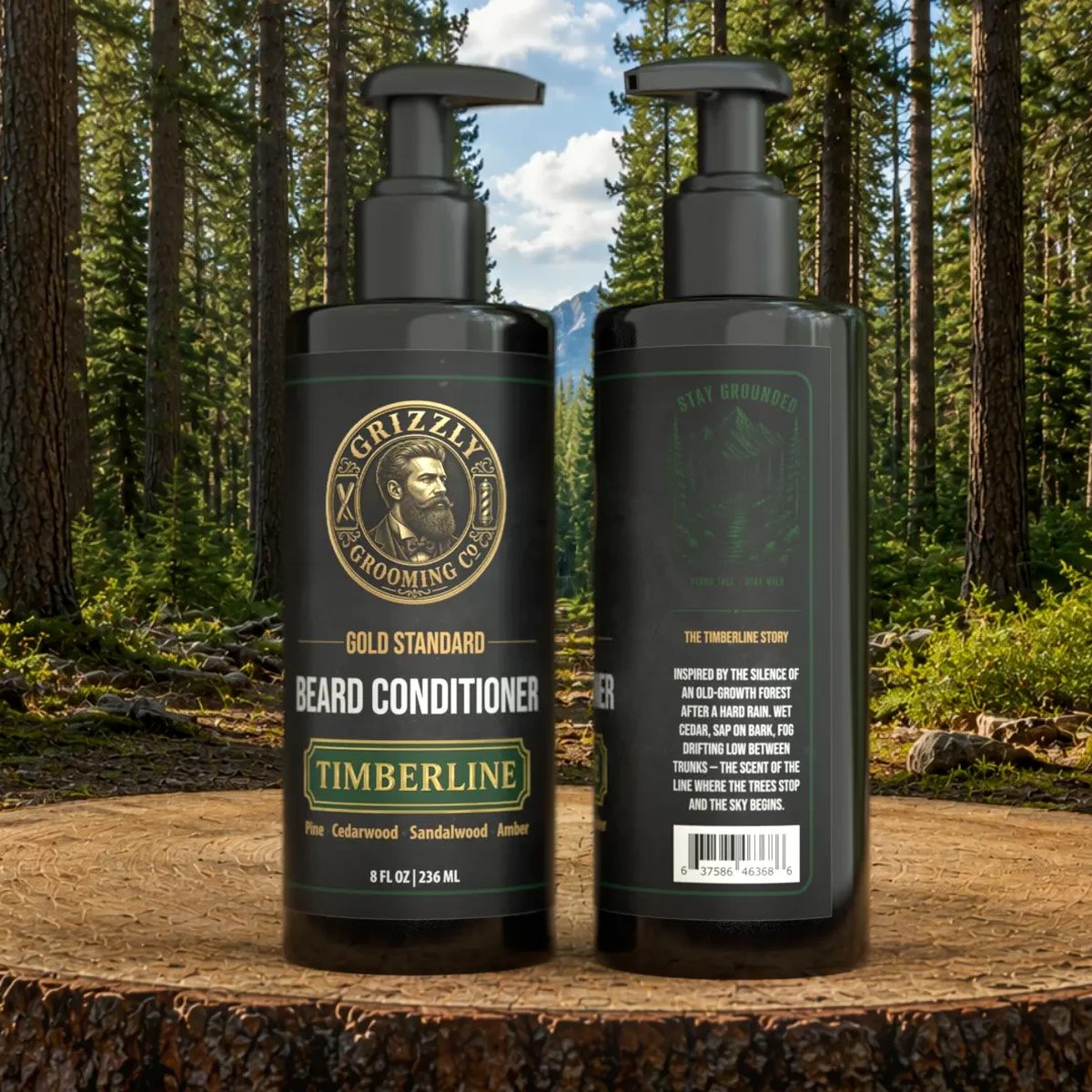
Traditional hair conditioners are designed for the scalp, which is much hardier than facial skin. Use a specialized beard conditioner or beard butter to avoid skin irritation and clogged pores while achieving better softening results.
How often should I apply beard oil for dry skin?
For most men, a daily application after the morning shower is standard. However, if you live in an arid climate or have naturally dry skin, a second light application in the evening will help maintain the moisture barrier and prevent itching.
Is beard butter better than beard oil for dryness?
They serve different purposes; oil is for skin and root hydration, while butter is a deep conditioner for the hair fibers. For a very dry beard, using both in a layered approach is the most effective solution.
How can I tell if my beard is dry or just coarse?
Coarse hair is a genetic texture, but dry hair is characterized by split ends, a lack of shine, and a 'snagging' feel when you run a comb through it. If the hair breaks easily when pulled, it is likely dehydrated.
Does washing my beard every day cause dryness?
Yes, daily washing with soap or shampoo strips away the sebum your glands work hard to produce. Limit washing to 2-3 times a week and use only lukewarm water on the other days to maintain hydration.
Build your ritual in 60 seconds.
Answer four questions and get a custom regimen built around your beard and routine.
Start The Ritual Builder