Understanding Beard Itch: How to Solve Chronic Facial Hair Irritation
Beard itch is not an inevitable rite of passage, but a physiological symptom of compromised skin health. Whether you are managing the abrasive regrowth of the first two weeks or the deep-seated irritation of a year-long beard, the sensation is driven by two factors: mechanical trauma from sharp hair shafts and the depletion of the skin's lipid barrier. To solve chronic irritation, one must move beyond superficial treatments and address the underlying dermatological needs of the facial skin and hair follicles. This guide provides a technical framework for identifying the specific causes of your discomfort and implementing a grooming ritual designed for long-term skin recovery.
- ›Identify if the itch is caused by sharp hair regrowth or sebaceous gland exhaustion.
- ›Apply beard oil daily to the skin, not just the hair, to replace lost sebum.
- ›Switch from standard soaps to a dedicated beard wash to preserve the skin's pH balance.
- ›Use a boar hair brush to mechanically exfoliate dead skin cells and prevent folliculitis.
- ›Utilize beard butter at night for sustained moisture delivery during the skin's repair cycle.
- ›Adjust grooming frequency based on environmental humidity and seasonal shifts.
The Biological Mechanism of the Three-Week Itch
The most acute phase of beard itch typically occurs between day seven and day twenty-one of growth. When you shave, the razor cuts the hair at an angle, creating a sharp, chisel-like edge. As these hairs grow, they begin to curl back toward the surface of the skin. Because facial hair is significantly coarser than scalp hair, these sharp tips cause micro-abrasions on the epidermis, leading to the prickly sensation known as the 'new growth itch.'
During this period, the skin is also adjusting to a change in its environment. When clean-shaven, the face is easily accessible for standard moisturizers. As the hair thickens, it creates a physical barrier that prevents topical creams from reaching the skin. This leads to localized dehydration, as the emerging hair wicks away the skin's natural moisture without a replacement mechanism in place.
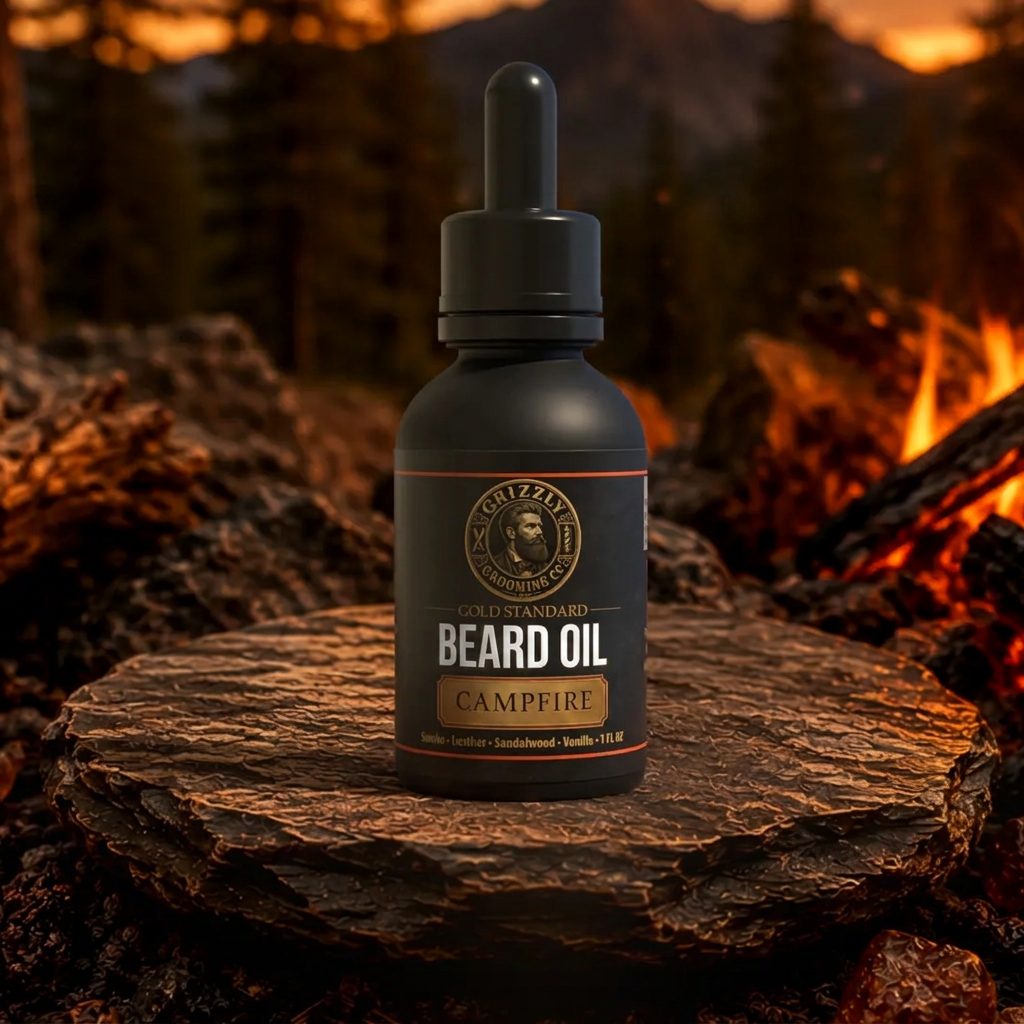
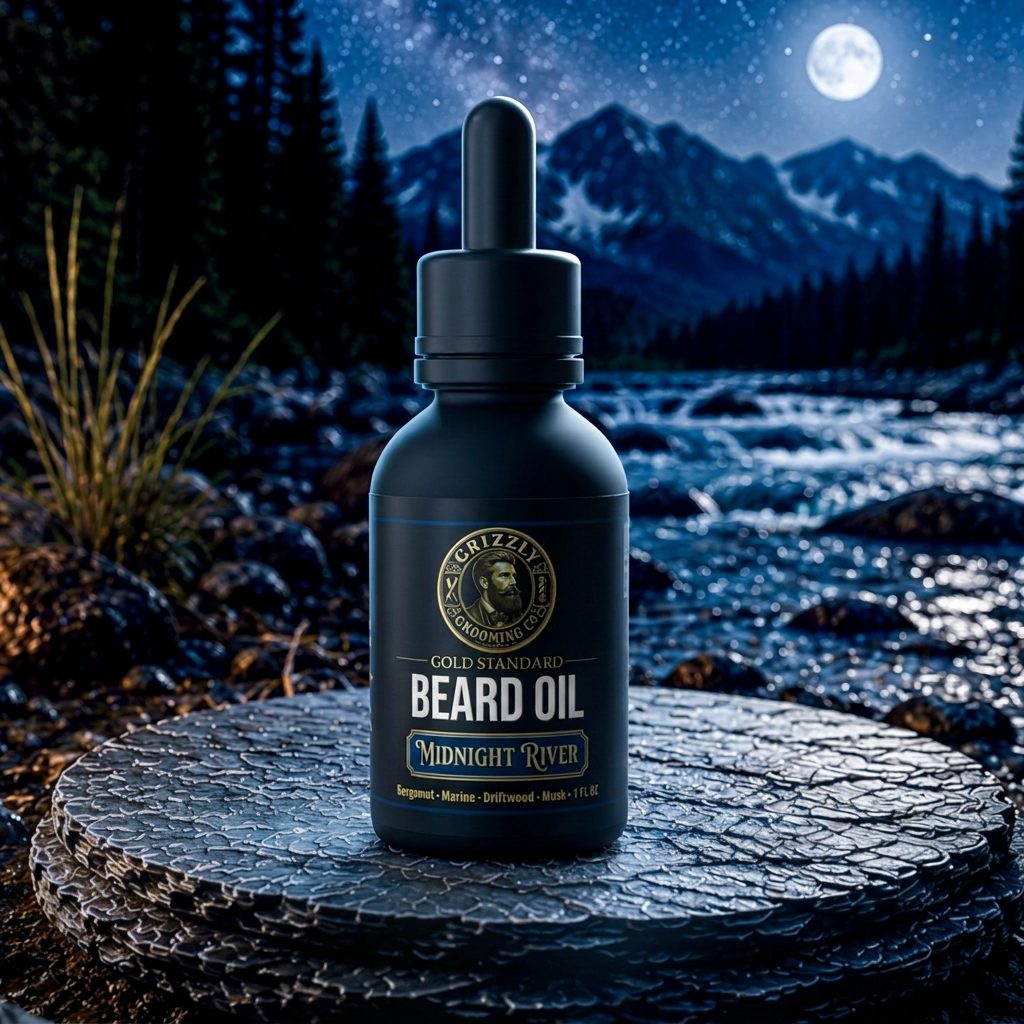
The solution during this initial phase is not to wait it out, but to soften the hair fibers immediately. Applying a few drops of Gold Standard Beard Oil twice daily ensures that the hair remains pliable. Softer hair tips are less likely to irritate the skin when they make contact, and the oil provides a thin protective layer that reduces friction between the hair and the follicle opening.
Furthermore, this phase is where many men mistakenly reach for standard body lotions. Most commercial lotions are water-based and contain alcohols that evaporate quickly, often taking the skin's remaining moisture with them. Using a lipid-based product like beard oil mimics the natural sebum that the body produces, providing a more effective and durable barrier against the environment.
Addressing Sebum Depletion in Longer Beards
Once a beard surpasses the one-inch mark, the cause of itching shifts from mechanical abrasion to sebaceous exhaustion. Your face has a finite number of sebaceous glands that produce sebum, a natural oil designed to keep your skin hydrated. However, as the surface area of the hair increases, the demand for sebum grows exponentially. The hair absorbs the oil to keep its cuticle sealed, leaving the underlying skin dry and brittle.
When the skin is deprived of sebum, it becomes tight and begins to flake, a condition commonly referred to as beardruff. These flakes are dead skin cells that have dried out prematurely. If they are not managed, they can clog the pores, leading to inflammation and a persistent, deep-seated itch that regular washing cannot solve on its own.
To combat this, you must calibrate your oil application based on beard length. A short beard (1-2 inches) requires 3-5 drops of oil, while a medium beard (3-6 inches) may require 6-10 drops. For long beards, you must ensure the oil is massaged deeply into the roots. If the skin feels tight or itchy by mid-afternoon, it is a clear indicator that your morning application was insufficient for the current length of your beard.
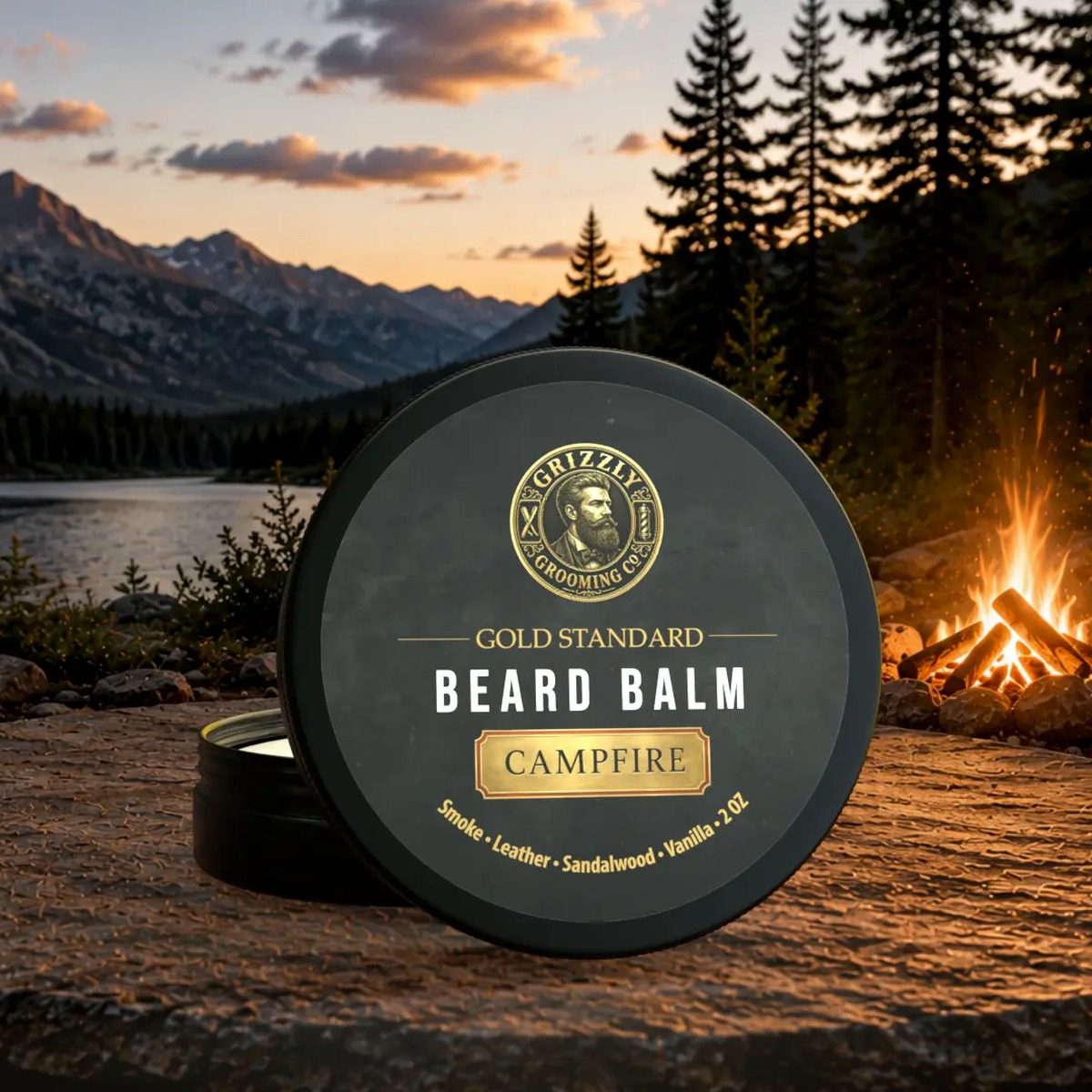
Environmental factors also play a significant role. During winter care, indoor heating systems strip moisture from the air, accelerating the dehydration of your beard. In these conditions, supplementing your morning oil routine with a midday application or switching to a heavier Beard Balm can provide the extra occlusive protection needed to prevent the skin from cracking and itching.
The Technical Process of Beard Washing and pH Balance
One of the most common causes of chronic facial irritation is the use of incorrect cleansing agents. The skin on your face has a slightly acidic pH, typically around 5.5. Standard bar soaps and many commercial hair shampoos are highly alkaline, designed to strip away heavy oils and styling products. When used on the face, they destroy the acid mantle, the protective layer that keeps bacteria out and moisture in.
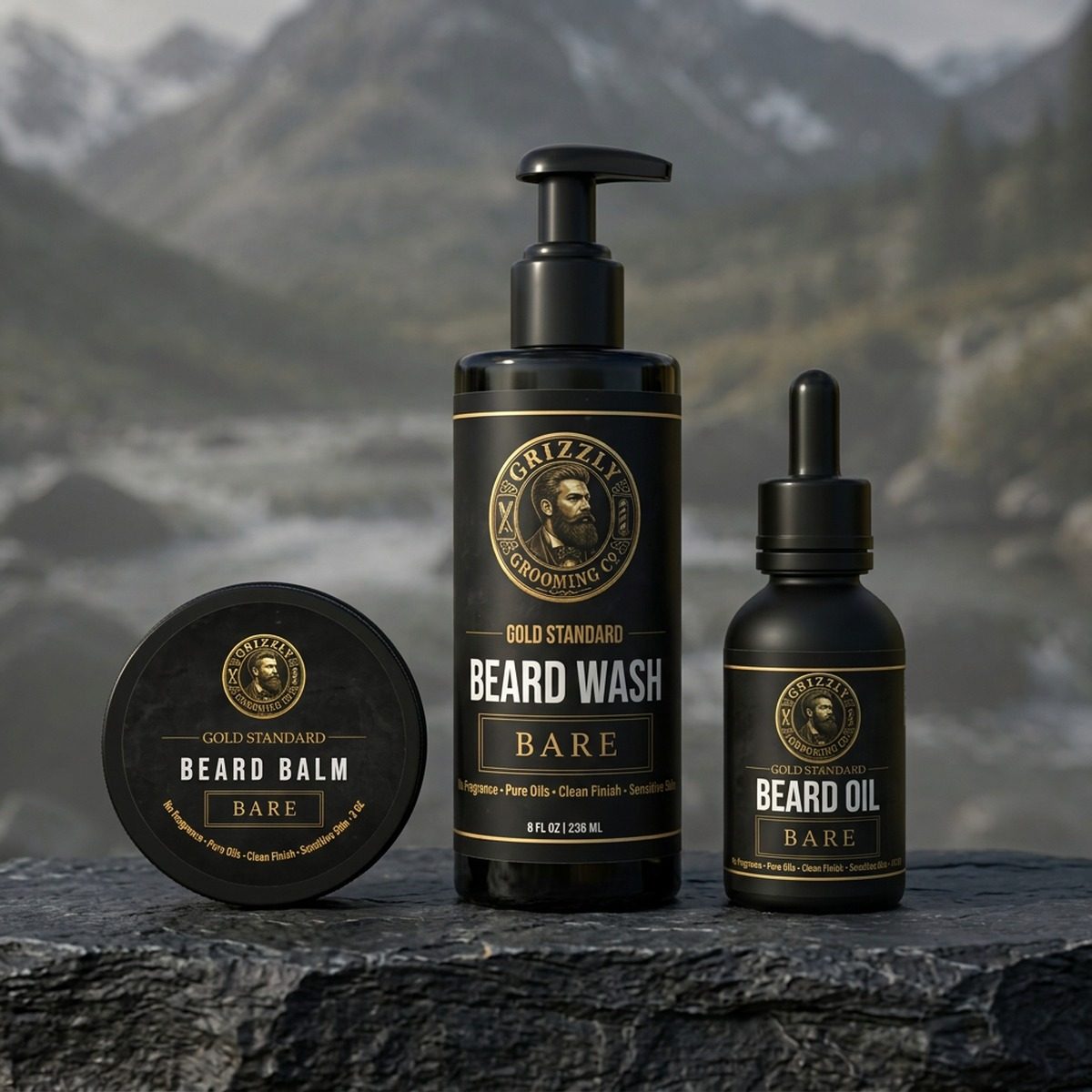
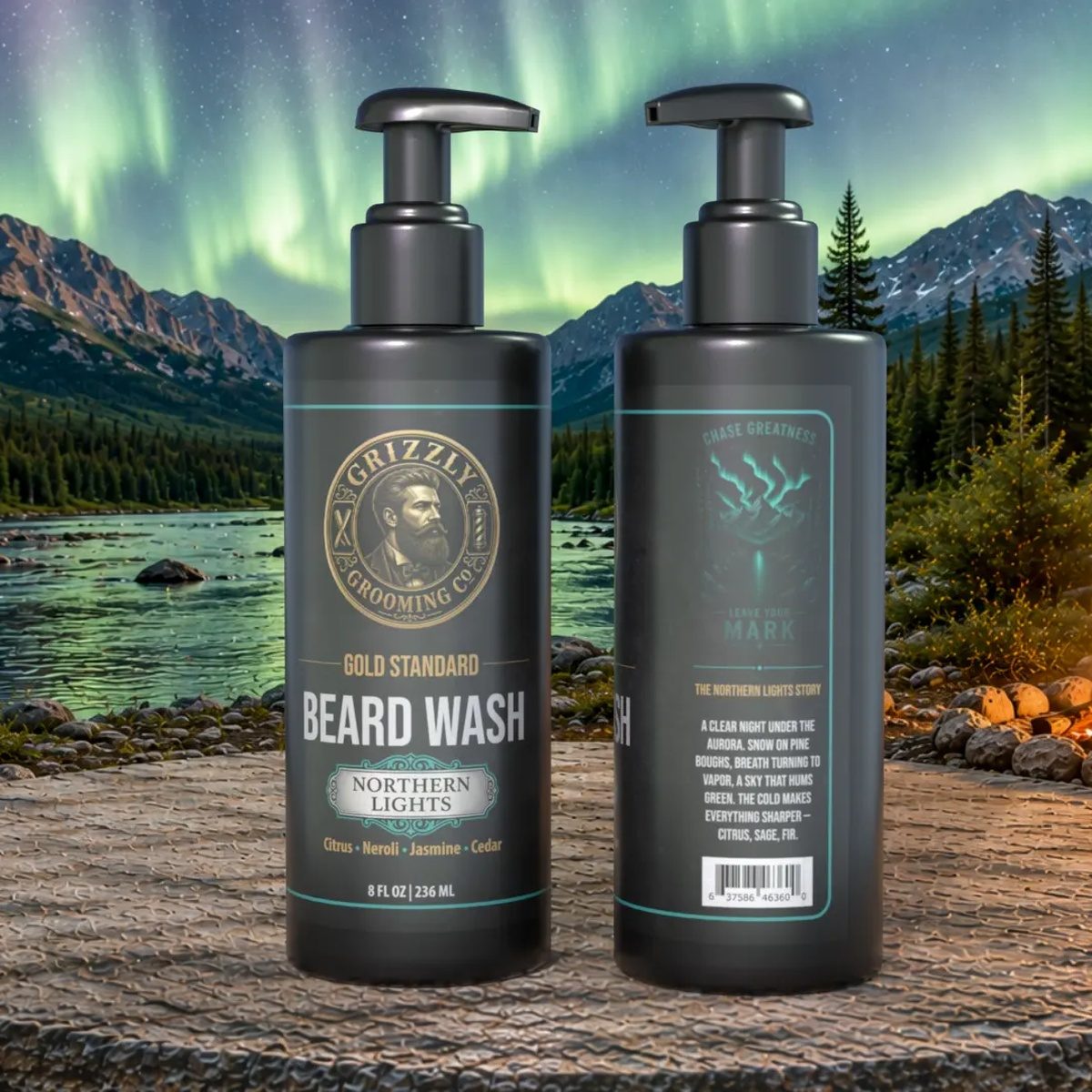
A dedicated Beard Wash is formulated with milder surfactants that clean the hair without stripping the skin of essential lipids. When washing, the water temperature is critical. Hot water dilates the pores and can damage the hair cuticle, leading to increased moisture loss. You should only use lukewarm water to rinse your beard, which is effective enough to remove debris without causing thermal stress to the skin.
Frequency is just as important as the product itself. Washing your beard every day is unnecessary for most men and is a leading cause of dryness. Limit full washing to two or three times a week. On intervening days, a thorough rinse with cool water is sufficient to remove dust and sweat while preserving the natural oils that prevent itching.
After washing, the drying process should be gentle. Avoid vigorous towel drying, which can cause friction damage to the hair and irritate the skin. Instead, pat the beard dry with a microfiber towel or a cotton shirt. If you use a hair dryer, set it to the lowest heat setting and keep it in constant motion to prevent localized overheating of the skin.
Mechanical Exfoliation to Prevent Folliculitis
Itchiness is often a secondary symptom of trapped debris. As skin cells die, they can become lodged at the base of the hair follicle. Combined with sweat and natural oils, this creates a breeding ground for bacteria, leading to folliculitis. This condition manifests as small, itchy red bumps that look like acne but are actually inflamed hair follicles.
Mechanical exfoliation is the primary defense against this buildup. A firm boar hair brush is the optimal tool for this task. The natural bristles are stiff enough to reach through the hair and massage the skin, lifting dead cells and ensuring they are washed away. This process also stimulates blood flow to the surface, which aids in the delivery of nutrients to the hair follicles.
Brushing should be performed at least once a day, preferably after applying beard oil. The brush helps distribute the oil evenly from the root to the tip, ensuring that no part of the hair is left dry. Furthermore, regular brushing trains the hair to grow in a specific direction, which is crucial for men with curly or coarse hair that is prone to becoming ingrown.
In addition to brushing, using a Goat Soap Bar on the non-bearded areas of your face can help maintain overall skin health. The lactic acid in goat milk acts as a gentle chemical exfoliant, helping to keep the pores clear around your neckline and cheek line, reducing the total bacterial load on your face and preventing irritation from spreading to the beard area.
Nocturnal Recovery Protocols with Beard Butter
The skin undergoes its most intensive repair and regeneration processes while you sleep. However, it is also a time of significant moisture loss, as your face is in contact with pillowcases that can absorb oils away from your beard. A daytime oil application is rarely enough to sustain the beard through eight hours of sleep.
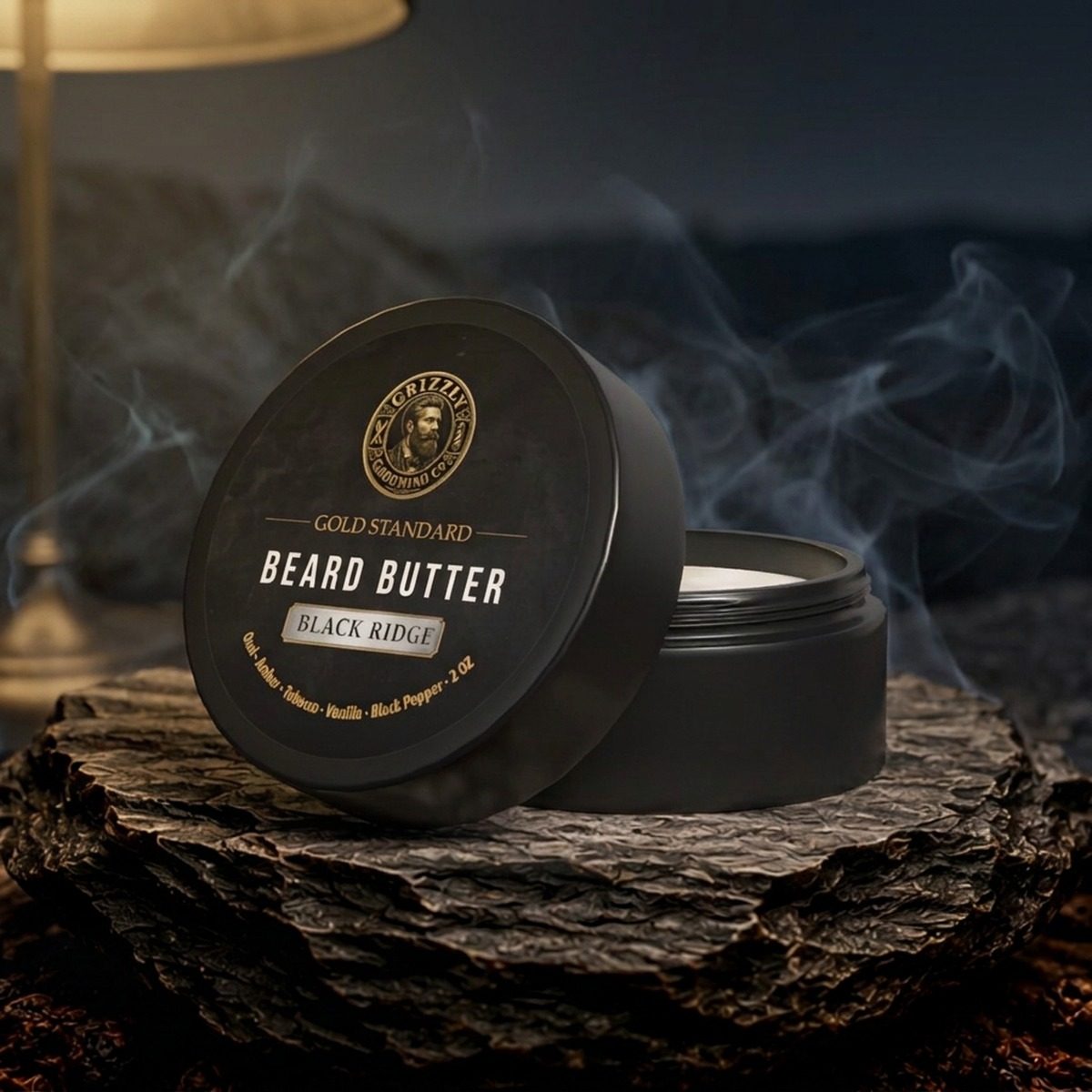
Beard Butter is specifically designed for nocturnal hydration. Unlike oil, which is absorbed relatively quickly, beard butter contains higher concentrations of shea or mango butter, which provide a slower, more sustained release of moisture. It acts as a deep conditioner that softens the hair fibers from the inside out, ensuring you wake up with a beard that is pliable rather than stiff.
To apply, work a small amount of butter into your hands until it melts, then massage it through the damp or dry beard before bed. Pay special attention to the ends of the hair, which are the oldest and most prone to breakage. This routine significantly reduces the 'morning itch' that occurs when the beard becomes dehydrated overnight.
For those with particularly dry skin, the combination of a light oil application followed by a layer of butter creates a dual-phase hydration system. The oil penetrates the dermis, while the butter seals the surface. This is the most effective way to manage chronic irritation in climates with low humidity or during the transition into colder months.
Structural Styling and Neckline Management
Irritation is frequently concentrated in two specific areas: the neckline and the cheek line. These are the transition zones where the beard meets shaved skin. If the neckline is carved too high or too low, the resulting hair growth patterns can cause the hair to rub against the skin of the neck, leading to significant discomfort and redness.
A proper neckline should follow the natural curve from just above the Adam's apple to the back of the ears. Shaving this area requires a sharp blade and a high-quality shaving cream to avoid razor burn, which can be mistaken for beard itch. If the skin in this area is chronically irritated, it may be necessary to adjust your face shape mapping to ensure the beard is not putting undue stress on the sensitive skin of the throat.
When trimming, use professional-grade clippers and avoid going against the grain on the neck. Trimming with the grain reduces the chance of hairs being cut below the skin line, which is the primary cause of ingrown hairs. Once the trim is complete, apply a soothing balm or a light application of Premium Deodorant to the surrounding skin (if applicable) to keep the area dry and friction-free.
If you find that your beard is itchy only along the edges, it is likely a sign of contact dermatitis from grooming tools or a reaction to the metal in your trimmer blades. Ensure your tools are cleaned with a disinfectant spray after every use to prevent the transfer of bacteria back onto the skin during your next grooming session.
Common Mistakes in Managing Facial Irritation
The most frequent error is over-application of product. In an attempt to stop the itch, men often apply excessive amounts of oil or balm, which can lead to clogged pores and a greasy appearance. More product does not equal faster relief; consistency in application is far more important than the volume used in a single session.
Another mistake is neglecting the skin underneath the beard. Many men apply oil only to the surface of the hair, leaving the skin at the base completely dry. You must use your fingertips or a comb to ensure the product reaches the epidermis. If you can't feel the product on your skin, it isn't doing its job to stop the itch.
Using regular hair conditioner in the shower is also problematic. These products often contain heavy silicones that are difficult to wash out of facial hair and can cause a film to build up on the skin. This film traps sweat and bacteria, eventually leading to increased sensitivity and itching. Stick to products designed specifically for the unique texture of facial hair.
Finally, many men stop their grooming routine as soon as the itch subsides. Beard care is preventative, not just reactive. Once you have restored the skin's moisture barrier, you must maintain the routine to prevent the cycle of dehydration and irritation from starting again, especially as the beard continues to grow longer and demands more resources.
Advanced Hydration: The Role of Solid Cologne and Balms
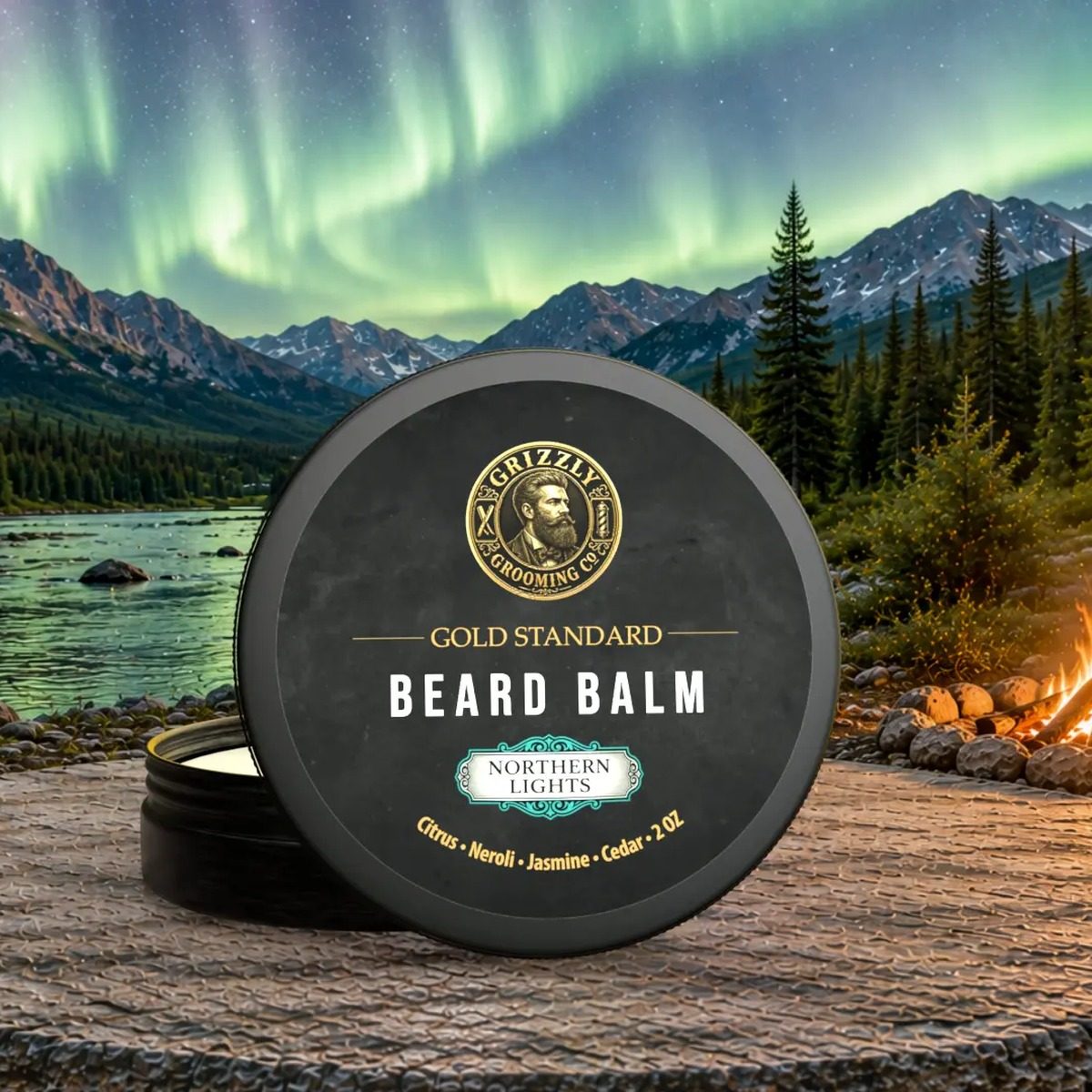
For men who spend significant time outdoors, environmental protection is as important as hydration. Windburn can mimic the symptoms of beard itch by stripping the outer layers of the skin and causing the hair to become brittle. In these scenarios, a Beard Balm offers superior protection compared to oil alone, as the beeswax content creates a physical shield.
If you use scent as part of your grooming routine, be cautious of spray-on colognes. The high alcohol content in liquid colognes can be devastating to a dry beard if sprayed directly onto the hair. Instead, consider a Solid Cologne. These are wax-based and can be applied to the pulse points on the neck without drying out the beard, and they often contain skin-nourishing carriers.
The use of Mustache Wax can also impact overall comfort. If the mustache is not kept tidy, the hairs can tickle the nose or curl into the mouth, causing a sensory irritation that feels similar to a skin itch. Using a small amount of wax to style the hair away from the lips reduces this irritation and keeps the entire facial hair profile feeling controlled.
Ultimately, the goal is to create a comprehensive lipid profile for your face. By combining liquid oils for deep absorption, balms for environmental protection, and butters for nocturnal repair, you address every physiological cause of beard itch, resulting in a healthy, comfortable, and well-maintained beard.
Frequently Asked Questions
How long does it take for beard itch to go away once I start using oil?
Relief from dryness-related itch is often immediate, but it takes 3 to 5 days of consistent application to fully restore the skin's lipid barrier. If the itch is caused by sharp new growth, it will subside as the hair becomes more pliable over the first week of use.
Why does my beard itch more in the winter?
Low humidity and indoor heating accelerate the evaporation of moisture from both your skin and hair. This 'trans-epidermal water loss' leaves the skin underneath the beard dry and prone to micro-cracking, which triggers the inflammatory itch response.
Can I use a regular comb instead of a boar hair brush?
A comb is excellent for detangling and styling, but it cannot exfoliate the skin effectively. A boar hair brush is necessary to lift dead skin cells and distribute oil at a microscopic level, which is essential for preventing the buildup that causes itching.
Is beard itch a sign that my beard is dirty?
Not necessarily. While a buildup of sweat and bacteria can cause itching, the most common cause is actually the skin being too clean—stripped of its natural oils by harsh soaps or environmental factors. Itch is a moisture issue, not just a hygiene issue.
Does my diet affect how much my beard itches?
Dehydration and a lack of essential fatty acids can reduce sebum quality. Drinking enough water and consuming healthy fats can support the sebaceous glands, making your topical grooming products more effective at maintaining skin comfort.
What should I do if I have red bumps and an itch?
This is likely folliculitis or ingrown hairs. Stop shaving the affected area, use a warm compress to open the pores, and apply a light layer of beard oil to soften the hair. If the condition persists, consult a professional to ensure there is no underlying bacterial infection.
Build your ritual in 60 seconds.
Answer four questions and get a custom regimen built around your beard and routine.
Start The Ritual Builder