The Master Sequence: The Correct Order for a Men's Morning Ritual
A man's appearance is rarely the result of chance; it is the product of a repeatable, disciplined sequence. The morning ritual is not merely a series of chores but a technical process of thermal management, hydration, and structural styling. When the order of operations is ignored, products fight against one another—oils fail to penetrate, balms become greasy, and fragrances vanish by midday. This guide establishes the definitive hierarchy of grooming, ensuring that each Grizzly Gold Standard product is utilized to its full chemical potential. By understanding the 'why' behind the 'when,' you transform a basic bathroom routine into a professional-grade ritual that protects the skin and fortifies the hair.
- ›Prioritize thermal preparation with lukewarm water to soften keratin without stripping sebum.
- ›Always apply liquid skin treatments like toner or beard oil before heavier creams or balms.
- ›Use a dedicated beard wash instead of hair shampoo to preserve the face's natural pH balance.
- ›Apply beard oil to damp hair to trap moisture within the shaft through occlusion.
- ›Utilize beard balm or mustache wax only after oils have had two minutes to absorb fully.
- ›Apply fragrances to pulse points on the skin rather than directly onto hair to prevent drying.
Phase One: The Thermal Foundation and Pore Management
The ritual begins with water temperature, a factor often overlooked but critical for skin receptivity. You must use lukewarm water, approximately 98 to 105 degrees Fahrenheit. Water that is too hot causes vasodilation and strips the skin of its acid mantle, leading to chronic dryness and 'beardruff.' Conversely, cold water constricts the pores, making it difficult to remove the sebum and debris that accumulate overnight during the skin's natural regenerative cycle.
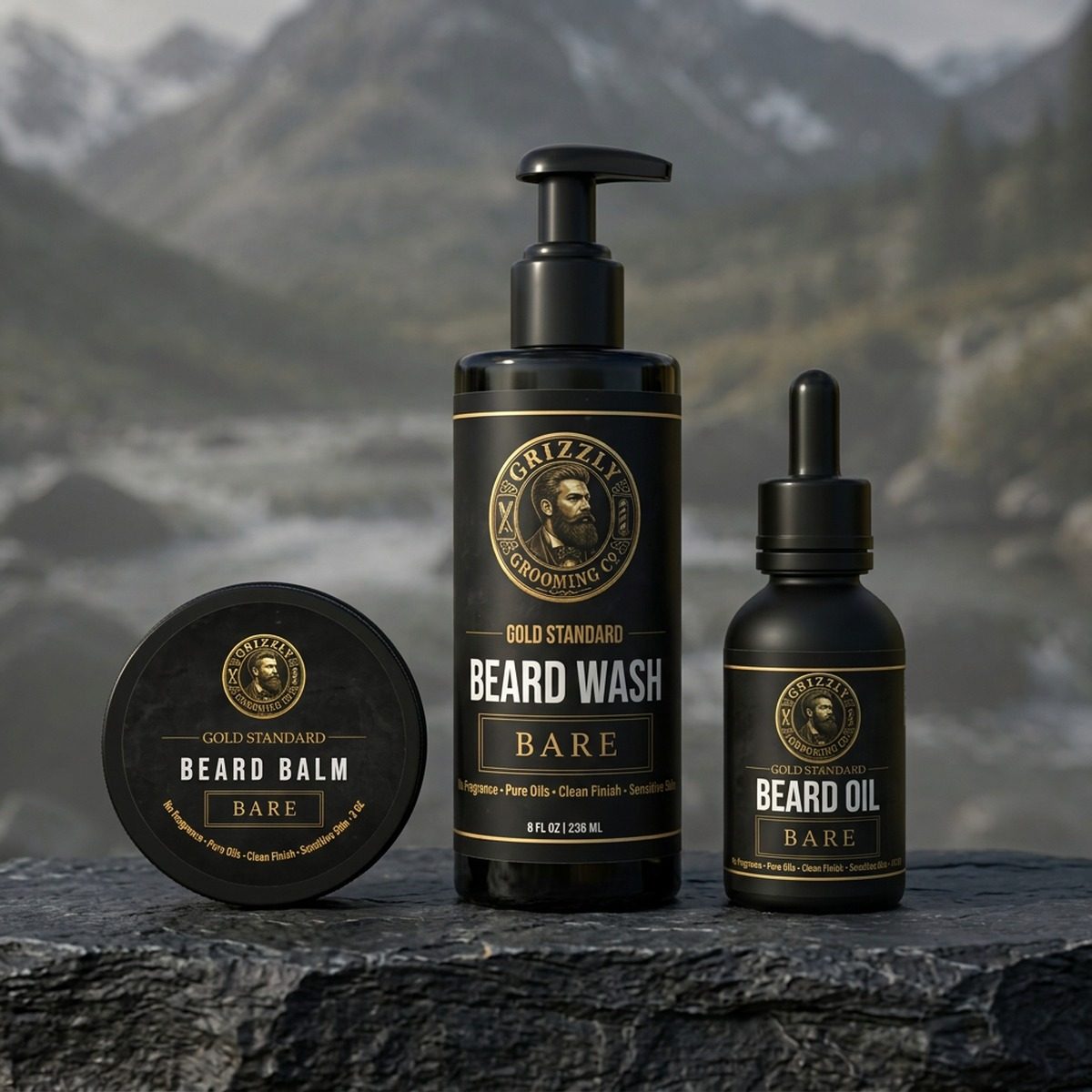
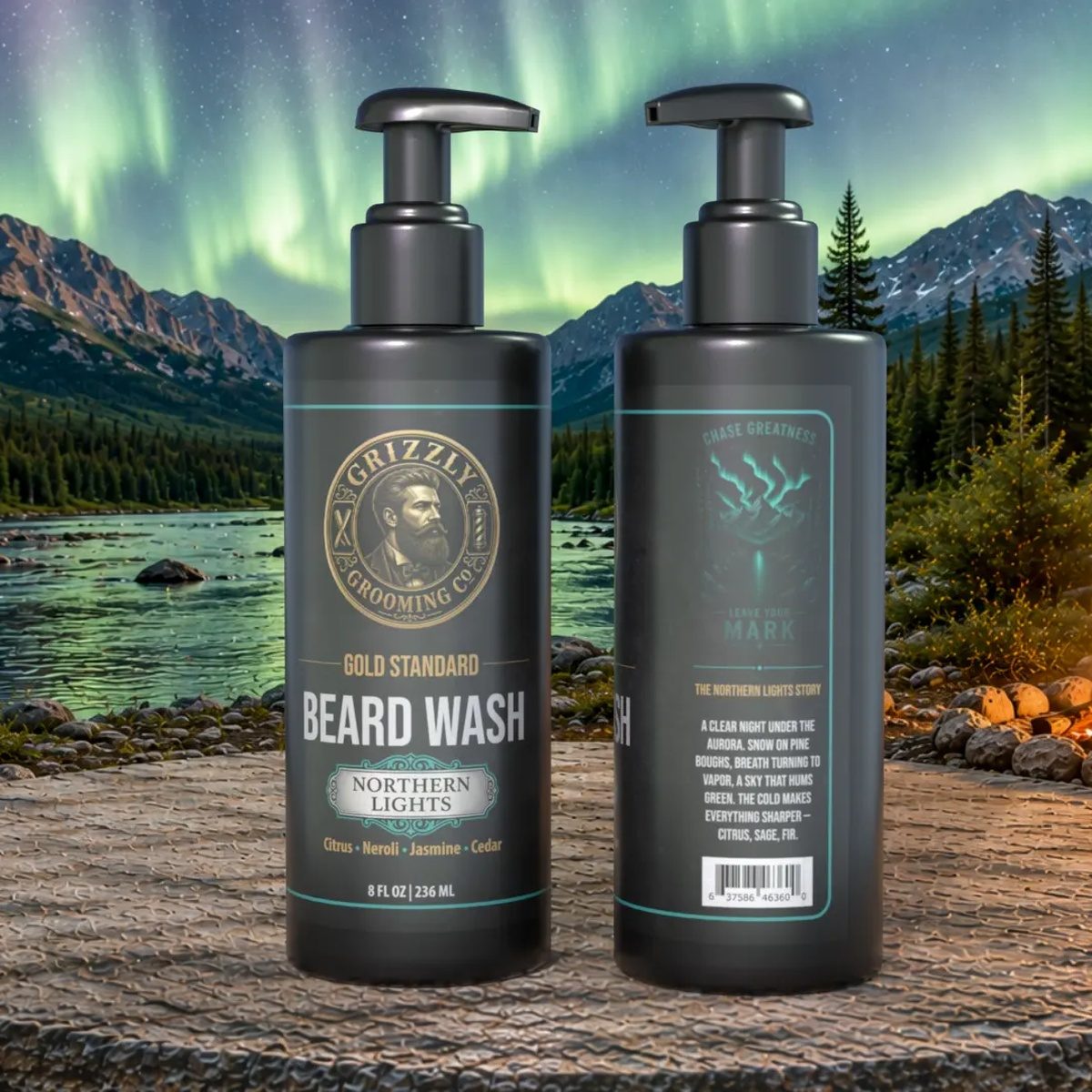
Cleansing requires a product specifically formulated for the face. A Grizzly Gold Standard beard wash or goat soap bar is necessary because the skin on the face is more sensitive and has a different pH than the scalp. Standard hair shampoos contain harsh sulfates like Sodium Lauryl Sulfate (SLS) which are designed to strip heavy oils from the head; on the face, these chemicals cause irritation and flaking. Massage the cleanser into the skin beneath the hair for 30 to 60 seconds to stimulate blood flow.
Rinsing is as important as the wash itself. Residual surfactants left on the skin can lead to contact dermatitis. Ensure every trace of soap is removed by rinsing three to four times more than you think is necessary. Once finished, avoid the common mistake of 'sawing' at your face with a towel. Instead, pat the skin and beard dry with a clean cotton towel until it remains slightly damp. This moisture is essential for the next phase of the ritual.
If you are a wet shaver, this is the window for your blade work. The heat from the wash has softened the hair’s keratin, making it significantly easier to cut. Apply your shaving cream or soap to the neckline and cheek lines now. Use short, controlled strokes with a sharp blade to minimize tugging. Once the lines are crisp, rinse the area with cooler water to soothe the skin and prepare for post-shave treatment.
For men with oily skin, this cleansing phase may require a double-wash approach in the summer months when humidity increases sebum production. However, during winter care, a single gentle wash is sufficient to avoid over-drying. The goal is a clean slate that is still hydrated, not a squeaky-clean surface that feels tight or itchy.
Phase Two: Optimal Hydration and The Damp Hair Principle
Hydration is not the same as lubrication. A common error is applying beard oil to a bone-dry beard. Hair is hygroscopic, meaning it absorbs moisture from the air and its surroundings. When the hair is damp, the cuticle scales are slightly raised. Applying oil at this specific moment allows the lipids to coat the hair and seal the water inside the shaft. This process, known as occlusion, is the only way to ensure lasting softness.
While your face is still damp, apply any water-based skin treatments first. This includes face toners or specialized serums. Because these products have a smaller molecular weight, they must reach the skin before any oils or waxes create a barrier. If you wait until your skin is dry, these products will simply sit on the surface, providing little benefit. The transition from washing to the first layer of treatment should take no longer than two minutes.
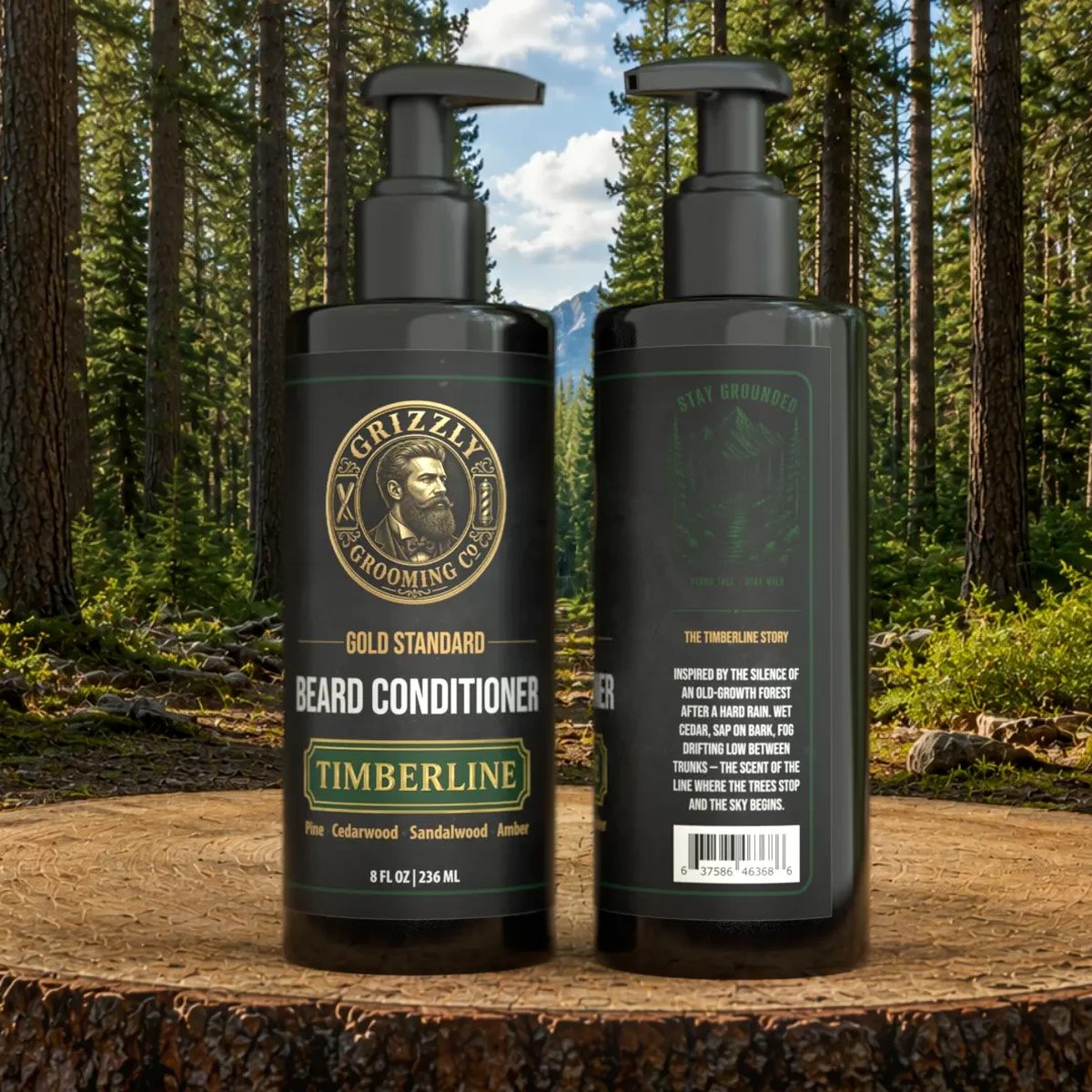
In higher altitudes or dry winter climates, this step is even more vital. You may find that your beard feels brittle by noon if you skip the damp application. To combat this, some men use a hydrating spray or a small amount of Grizzly Gold Standard Conditioner during their shower to ensure the hair remains pliable. The conditioner works to close the cuticle after the wash, prepping the surface for the oil application that follows.
Consider your beard length when managing hydration. A shorter beard (less than one inch) requires less water retention but more focus on the skin underneath. A long beard (three inches or more) has a much higher surface area and will require you to work the moisture through the entire length of the hair, from root to tip, to ensure the ends do not become split or friy.
The final act of this phase is a quick assessment of the skin. If you notice redness or irritation, particularly around the neckline, this is the time to apply a soothing post-shave balm. By addressing irritation now, you prevent the inflammation from being trapped under heavier styling products later in the sequence.
Phase Three: The Art of Beard Oil Application
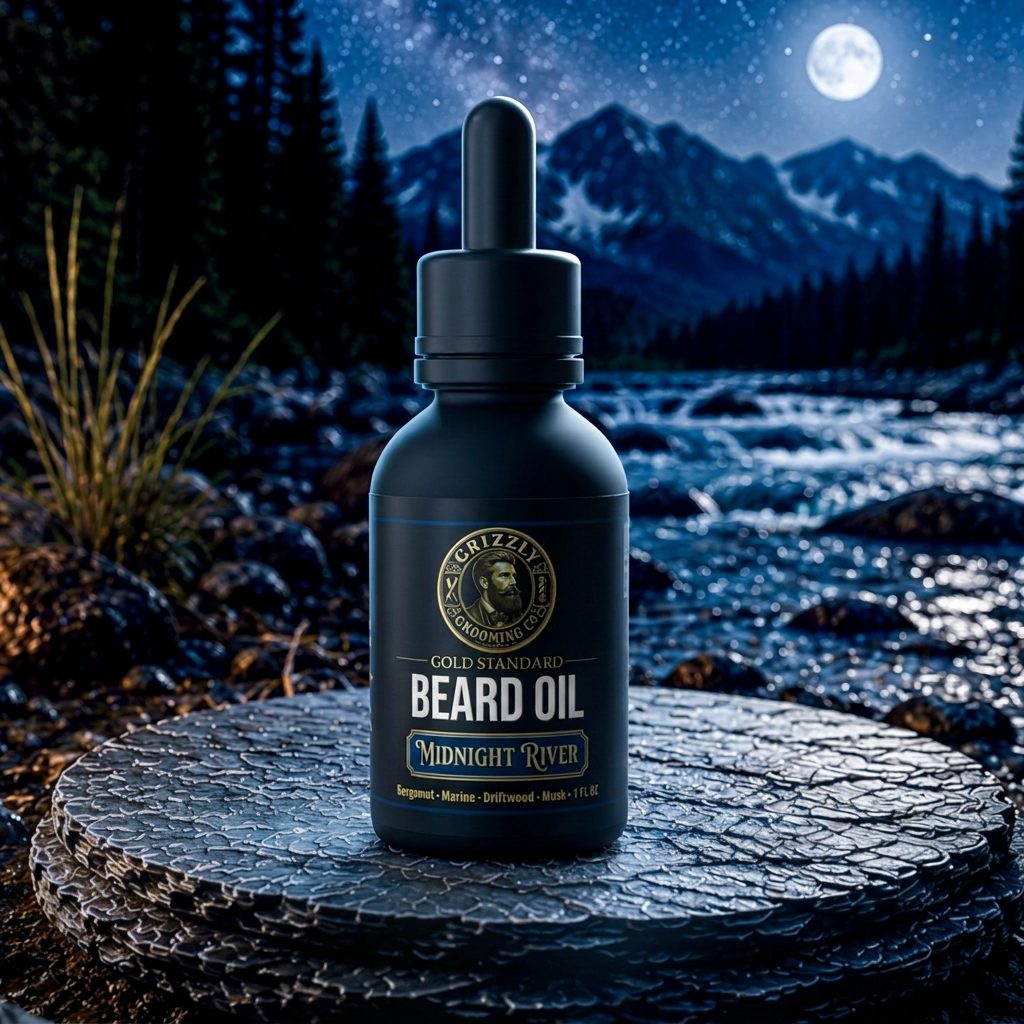
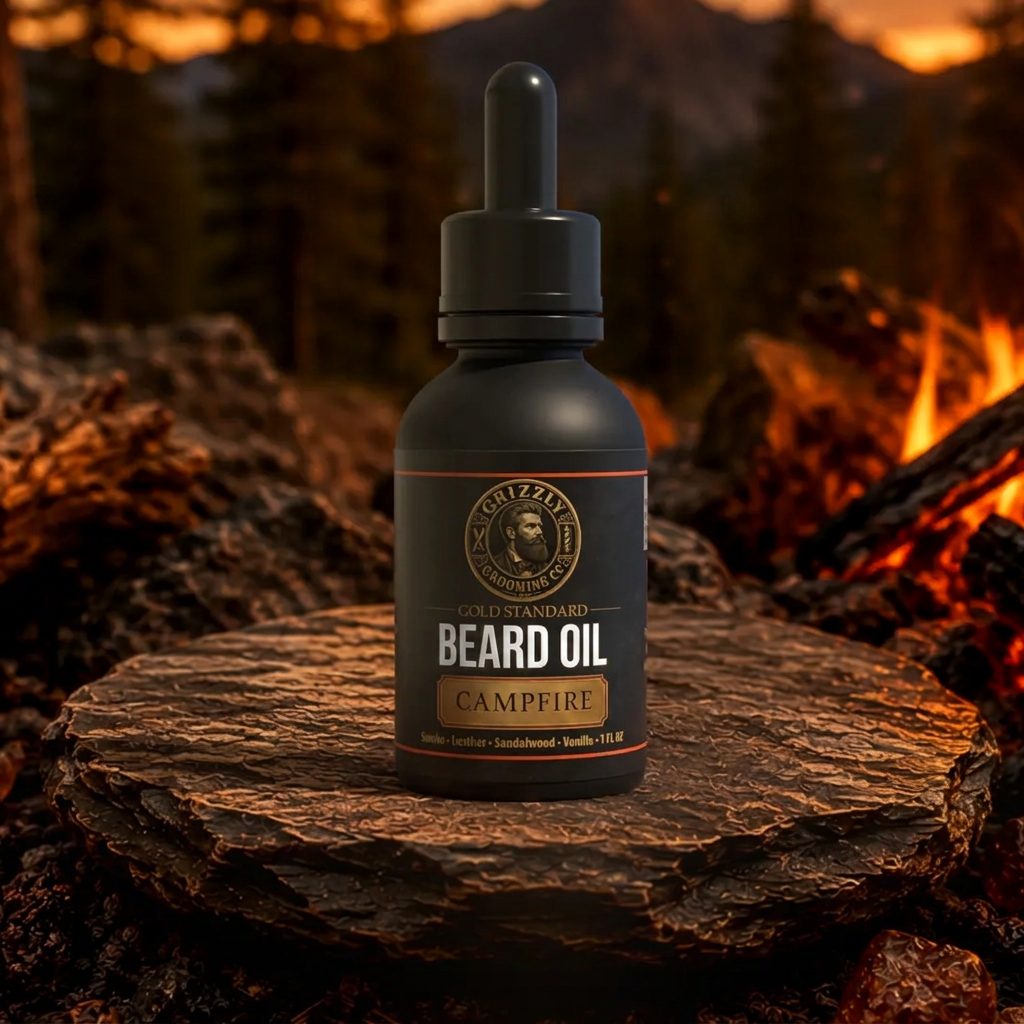
Beard oil is the most misunderstood tool in the kit. It is primarily a skin supplement, designed to mimic the natural sebum that your sebaceous glands produce. As your beard grows longer, these glands cannot produce enough oil to coat the entire hair, leading to dryness and itch. The correct amount varies: 2-3 drops for a new beard, 4-6 for a medium beard, and 10+ for a full, long beard. Over-application results in a greasy look that attracts dust and pollutants.
Dispense the oil into your palms and rub them together to warm the liquid. This reduces the viscosity, allowing for more even distribution. Start by working your fingers through the beard from the bottom up, making direct contact with the skin. This ensures the Grizzly Gold Standard formula—rich in carrier oils like jojoba and argan—reaches the dermis where it can effectively moisturize and prevent flaking.
Once the skin is treated, use your palms to smooth the remaining oil down the outer length of the hair. This provides a protective coating that adds a natural shine and reduces static electricity. If you have a particularly thick beard, use a boar hair brush at this stage to pull the oil through the dense inner layers. The natural bristles are superior to synthetic ones for distributing oils without causing micro-tears in the hair shaft.
The timing of this step is non-negotiable. It must happen before any balms or waxes. If you apply oil over a wax-based balm, the oil will never reach the hair or skin; it will simply sit on top of the wax, creating a sticky mess. The oil needs approximately two minutes to fully absorb before you move to the styling phase. Use this time to brush your teeth or style your head hair.
During the transition between seasons, you may need to adjust your oil choice. In the summer, a lighter application is preferred to avoid clogged pores. In the winter, you might switch to a heavier application or a specific Grizzly Gold Standard Beard Butter at night to supplement the morning oil ritual. Consistency here is what creates the 'Gold Standard' appearance.
Phase Four: Building Structure with Balms and Butters
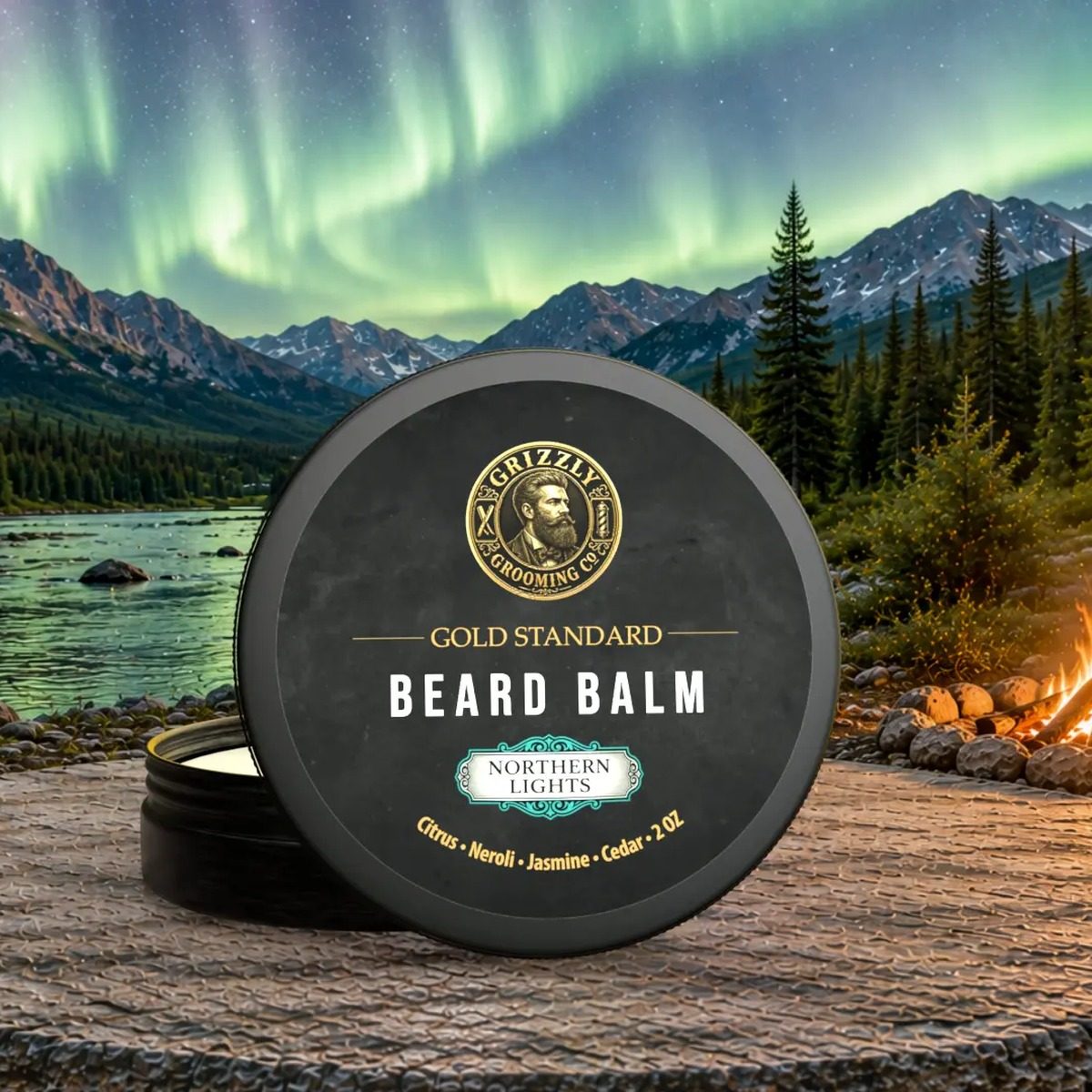
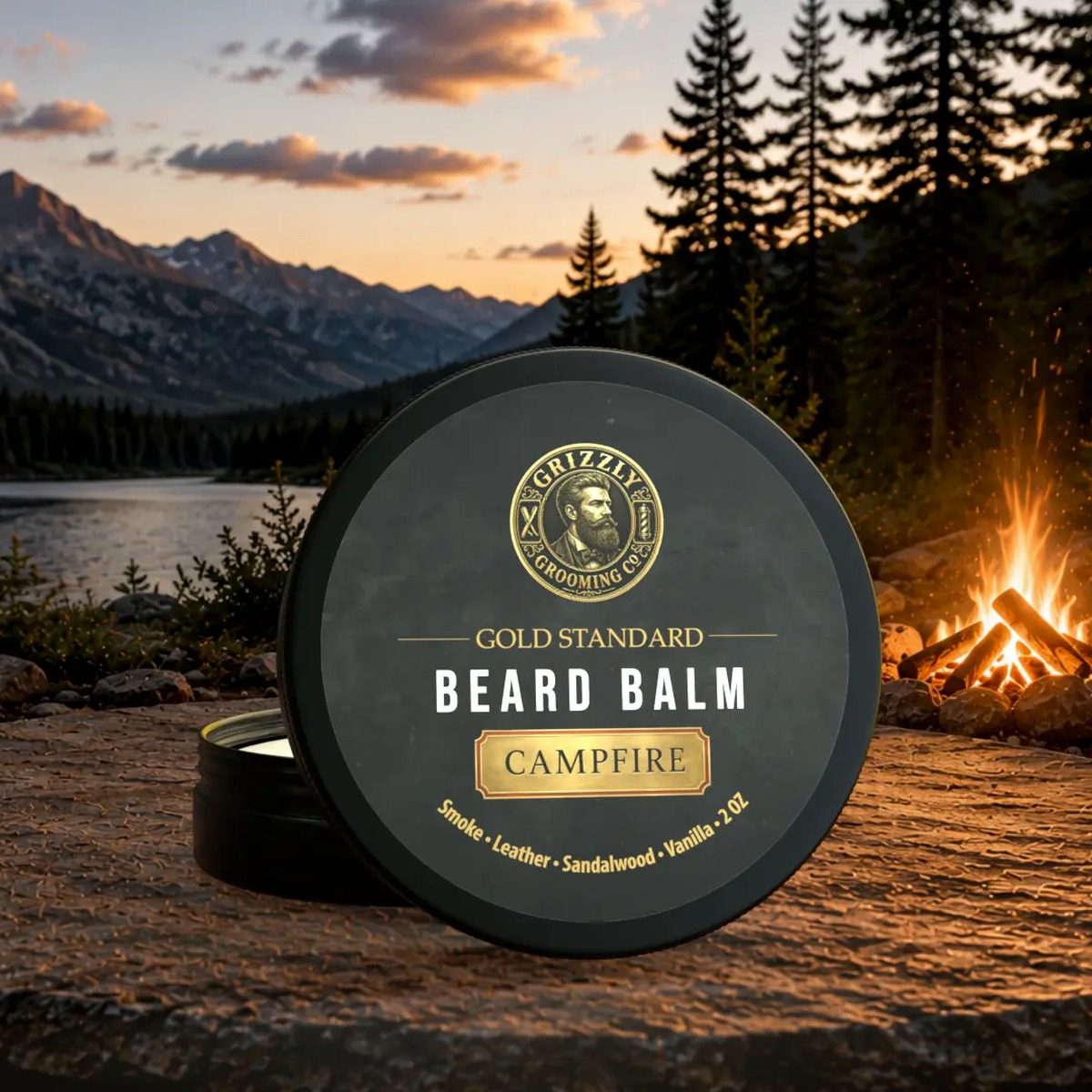
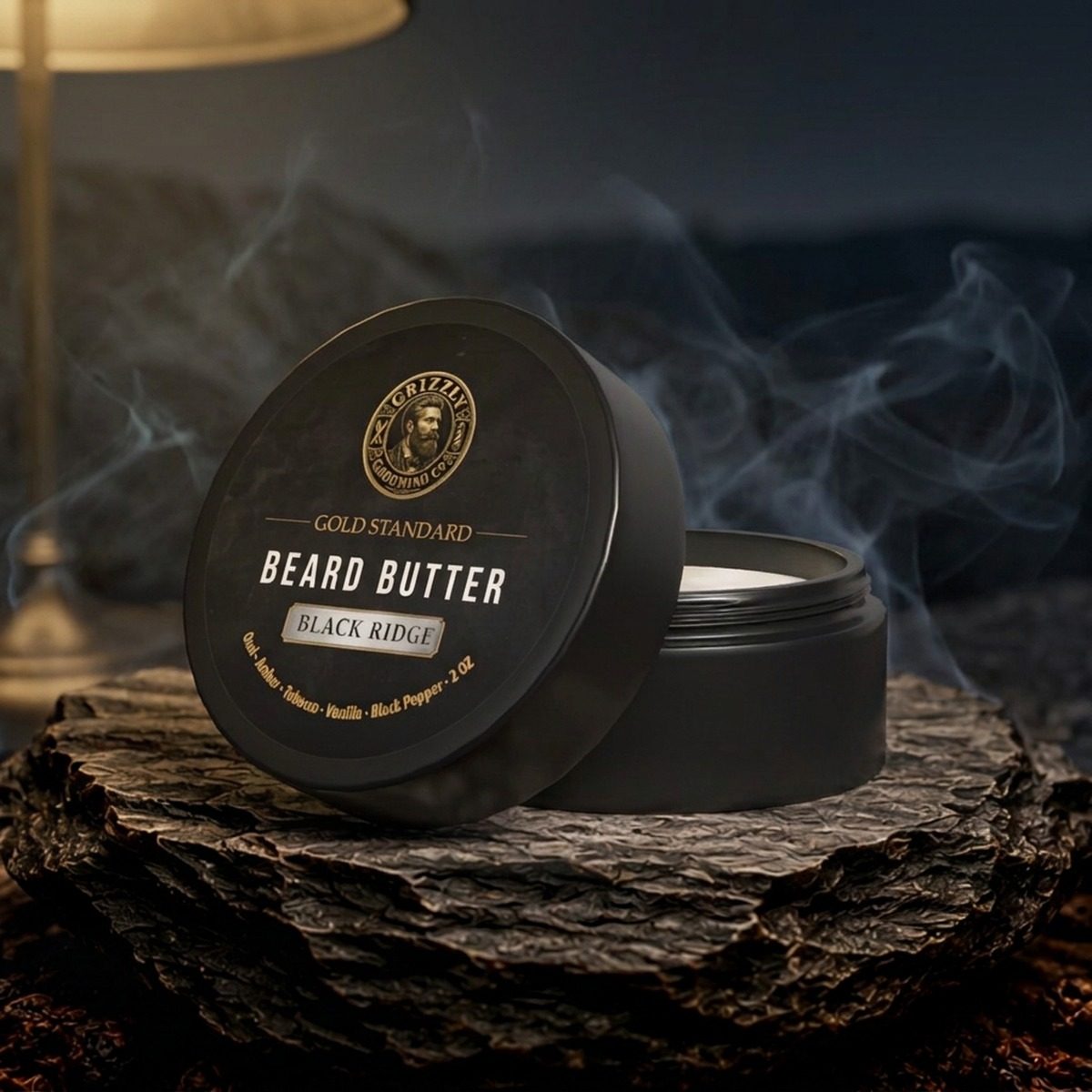
Once the oil has been absorbed, it is time to address shape and control. This is where beard balm and beard butter come into play. While oil is for the skin, balms and butters are for the hair. A beard balm contains beeswax, which provides a light to medium hold, helping to tame flyaways and maintain a consistent face shape. Beard butter, by contrast, has a higher concentration of shea or cocoa butter, providing more deep conditioning and a lighter hold.
To apply, use the back of your thumbnail to scrape out a pea-sized amount of balm. Rub it between your palms until it melts completely into a liquid state. Apply it primarily to the surface of the beard, using your hands to mold the hair into the desired silhouette. This is particularly important for men with square or round face shapes, as the balm allows you to elongate or sharpen the beard's profile.
If you are dealing with a 'patchy' growth phase, beard balm is your best ally. The beeswax adds volume to the individual hair fibers, making the beard appear thicker and more cohesive. It also acts as a sealant, locking in the hydration from the oil and the water from your wash, protecting the hair from the dehydrating effects of air conditioning or wind.
For those with very long beards, the focus of balm application should be the 'sides' and the 'chin.' Tucking in the stray hairs on the cheeks helps maintain a professional, groomed look. If you prefer a more natural, soft feel, opt for the beard butter instead. It provides enough weight to keep the hair down without the stiffness of a high-wax product. Many men find that using butter in the evening and balm in the morning is the ideal combination.
Avoid using heat—like a blow dryer—after you have applied balm. The heat will melt the waxes and butters, causing them to run and lose their holding power. If you must use a blow dryer to straighten your beard, do it after the oil phase but before the balm phase. This ensures the balm sets in the desired shape as it cools to room temperature.
Phase Five: Specialized Mustache Styling
The mustache requires a different level of attention due to its proximity to the mouth and its unique growth pattern. Mustache wax is a high-hold product designed to keep hair out of the mouth and create specific shapes like the handlebar or the classic chevron. Because mustache wax is much firmer than beard balm, it requires heat to become workable. Carry a tin of Grizzly Gold Standard mustache wax in your pocket to keep it at body temperature.
Using your fingernail, take a small amount of wax and rub it between your thumb and index finger. Work the wax from the philtrum (the center of the upper lip) outward toward the corners of the mouth. This 'outward' motion is crucial for training the hairs to grow in a specific direction over time. Use a fine-toothed mustache comb to ensure the wax is distributed evenly and no clumps remain.
If you are aiming for a handlebar style, twist the ends of the mustache slightly between your fingers after applying the wax. Hold the shape for a few seconds until the wax cools and sets. For a more natural look, simply comb the wax through and use your fingers to press the hair down against the lip line. This prevents the 'walrus' effect where the hair interferes with eating and drinking.
It is important to clean your mustache more frequently than the rest of your beard. Food particles and liquids can become trapped in the wax, leading to bacterial growth and unpleasant odors. Use a small amount of beard wash on the mustache every morning to ensure a fresh start. If the wax buildup becomes too heavy, a drop of beard oil can be used to break down the old wax before washing.
The mustache is often the first place men notice gray hairs or texture changes. The wax provides a layer of protection against the elements, helping to keep these hairs from becoming wiry or unruly. By integrating mustache care into the final styling phase of your ritual, you ensure that the most visible part of your facial hair remains sharp and intentional.
Phase Six: The Olfactory Signature and Fragrance Layering
The final step in the sequence is the application of scent. This involves your premium deodorant, cologne, or solid cologne. The most important rule of fragrance is that it should be discovered, not announced. Apply your deodorant to clean, dry underarms immediately after drying off. This ensures the active ingredients can form a proper barrier before you begin to perspire throughout the day.
When applying cologne, target the pulse points: the wrists, the base of the throat, and behind the ears. These areas generate more heat, which helps to diffuse the fragrance notes—top, heart, and base—throughout the day. Never spray cologne directly onto your beard. The high alcohol content in liquid colognes acts as a solvent, stripping away the oils you just applied and drying out the hair fibers.
If you prefer a more subtle scent profile, consider a solid cologne. These are wax-based and can be applied with precision to the neck and wrists. They lack the harsh alcohol of sprays and often complement the scents found in Grizzly Gold Standard beard products. This creates a cohesive 'scent story' rather than a clash of competing fragrances.
Be mindful of scent fatigue. After a few minutes, your nose will become accustomed to your own fragrance, but others will still smell it. Stick to two or three sprays of cologne at most. If you are using a scented beard oil and balm, choose a cologne that shares similar base notes—such as sandalwood, cedar, or tobacco—to avoid a confusing olfactory profile.
In professional environments, less is always more. The goal of the morning ritual is to present a version of yourself that is clean, groomed, and subtly fragrant. By following this sequence—deodorant first, then pulse-point cologne—you ensure that your scent lasts until the evening without being overwhelming to those around you.
Common Ritual Mistakes and Technical Corrections
The most frequent error in the morning ritual is the 'High Heat Trap.' Using a blow dryer on the highest heat setting to dry a wet beard causes 'bubble hair,' where the water inside the hair shaft boils and creates permanent structural damage. If you must use heat to straighten your beard, use the medium or cool setting and always apply beard oil first to act as a thermal buffer. Keep the dryer moving constantly to avoid localized heat damage.
Another common mistake is the 'Over-Manipulation' of the beard. Brushing or combing the beard too aggressively while it is wet can lead to traction alopecia or increased breakage, as hair is at its weakest when saturated with water. Always use a wide-toothed comb for initial detangling and save the fine-toothed combs or boar brushes for the final styling phase when the hair is partially dry and treated with oil.
Ignoring the neckline and cheek lines is a technical failure that ruins the symmetry of the ritual. A well-groomed beard is defined by its borders. Use a clear shaving gel to ensure you can see exactly where you are shaving, and follow your natural face shape. If you go too high on the neckline (into the jawline), it creates the illusion of a double chin. If you go too low, it looks unkempt.
Product buildup is a silent ritual killer. If you find that your beard feels 'crunchy' or stiff even after applying oil, you likely have a layer of old balm and wax that hasn't been properly washed out. Once a week, perform a deep clean using a dedicated shampoo and conditioner to reset the hair's porosity. This 'clarifying' step ensures that your daily products can actually penetrate the hair shaft.
Lastly, many men fail to adjust their ritual for their specific skin type. If you have sensitive skin, you should avoid products with heavy artificial fragrances and focus on the Grizzly Gold Standard goat soap bar, which is naturally gentler. If you have oily skin, you may need to reduce the amount of beard balm and rely more on a light application of oil to prevent breakouts under the beard.
Seasonal and Environmental Adjustments
Your morning ritual should not remain static throughout the year. As environmental conditions change, so do the needs of your skin and hair. During the summer, increased UV exposure can damage the hair cuticle and fade the natural pigment of your beard. Increase your use of products containing antioxidant-rich oils like argan or vitamin E to provide a layer of environmental protection.
In the winter, the primary enemy is low humidity. Indoor heating and cold wind strip moisture from the hair at an accelerated rate. During these months, you should transition from a light beard oil to a combination of oil and a heavy beard butter. The butter provides a thicker barrier against the cold. You may also find that washing your beard every other day, rather than daily, helps preserve essential moisture.
For those living in hard water areas, mineral buildup can make the beard feel stiff and difficult to style. The minerals in the water react with soap to form 'scum' that sticks to the hair. To correct this, use a final rinse of filtered water or a diluted apple cider vinegar solution once every two weeks to strip the mineral deposits and restore the hair's natural shine.
If you travel frequently, environmental changes can cause 'beard shock,' where the hair becomes unusually frizzy or flat. Keeping a consistent ritual with your Grizzly Gold Standard travel kit is the best way to maintain stability. The familiar ingredients will help your skin and hair adapt to different water qualities and humidity levels in new locations.
Regardless of the season, the sequence remains the same. The order of operations—cleanse, hydrate, treat, style—is a universal constant. The only variables are the volume of product used and the specific formula chosen to meet the day's environmental challenges. By mastering these adjustments, you ensure your grooming remains effective 365 days a year.
Frequently Asked Questions
Should I apply beard oil before or after I blow dry?
Always apply beard oil before using any heat. The oil acts as a thermal protectant for the hair, preventing the hair dryer from stripping away too much moisture and leaving the hair brittle. Use a medium or cool setting to further protect the hair shaft.
Can I use hair shampoo on my beard during my morning ritual?
Standard hair shampoos are often too harsh for the face, as they are designed to strip heavy oils from the scalp using sulfates. Use a specific beard wash which uses gentler surfactants to clean the hair without drying out the sensitive skin underneath.
How long should I wait between applying oil and balm?
Wait approximately two to three minutes after applying beard oil before moving to balm. This allows the oil to absorb into the skin and hair, ensuring the balm can sit on top to provide hold without becoming overly greasy or sliding off the hair.
What is the best water temperature for washing my beard?
Lukewarm water, between 98 and 105 degrees Fahrenheit, is ideal. This temperature is warm enough to open pores and soften hair without being so hot that it strips the natural sebum oils from your skin, which leads to irritation and flaking.
Do I need to use beard balm if I already use beard oil?
While oil is essential for skin health, balm is necessary if you require styling control and shape. The beeswax in the balm provides a light hold that keeps stray hairs in place and helps define your face shape, which oil alone cannot achieve.
When should I apply cologne in the grooming sequence?
Cologne should be the final step of the ritual, applied to the pulse points of the skin such as the neck and wrists. Avoid spraying it directly into the beard, as the alcohol content can dry out the hair and counteract the benefits of your beard oil.
Is it better to comb or brush my beard in the morning?
Use a wide-toothed comb first to detangle the hair while it is damp. Once the oil and balm are applied, use a boar hair brush to distribute the products evenly and smooth the surface. Brushing a dry, untreated beard can lead to breakage and split ends.
Build your ritual in 60 seconds.
Answer four questions and get a custom regimen built around your beard and routine.
Start The Ritual Builder